Cape Coral air conditioners work hard. Long cooling seasons, heavy humidity, and salt in the air put steady pressure on every part of the system.
An AC maintenance plan can help, but only when you know what it actually includes. Some plans cover a simple tune-up, while others add priority scheduling, discount pricing, or extra checks that matter in Southwest Florida.
If you're comparing plans, start with the service list. That tells you far more than the sales pitch does.
Why Cape Coral Homes Need Regular AC Maintenance
In Cape Coral, your AC is not a part-time appliance. It runs through most of the year, often for long stretches each day. That kind of use wears on coils, motors, electrical parts, and drain lines.
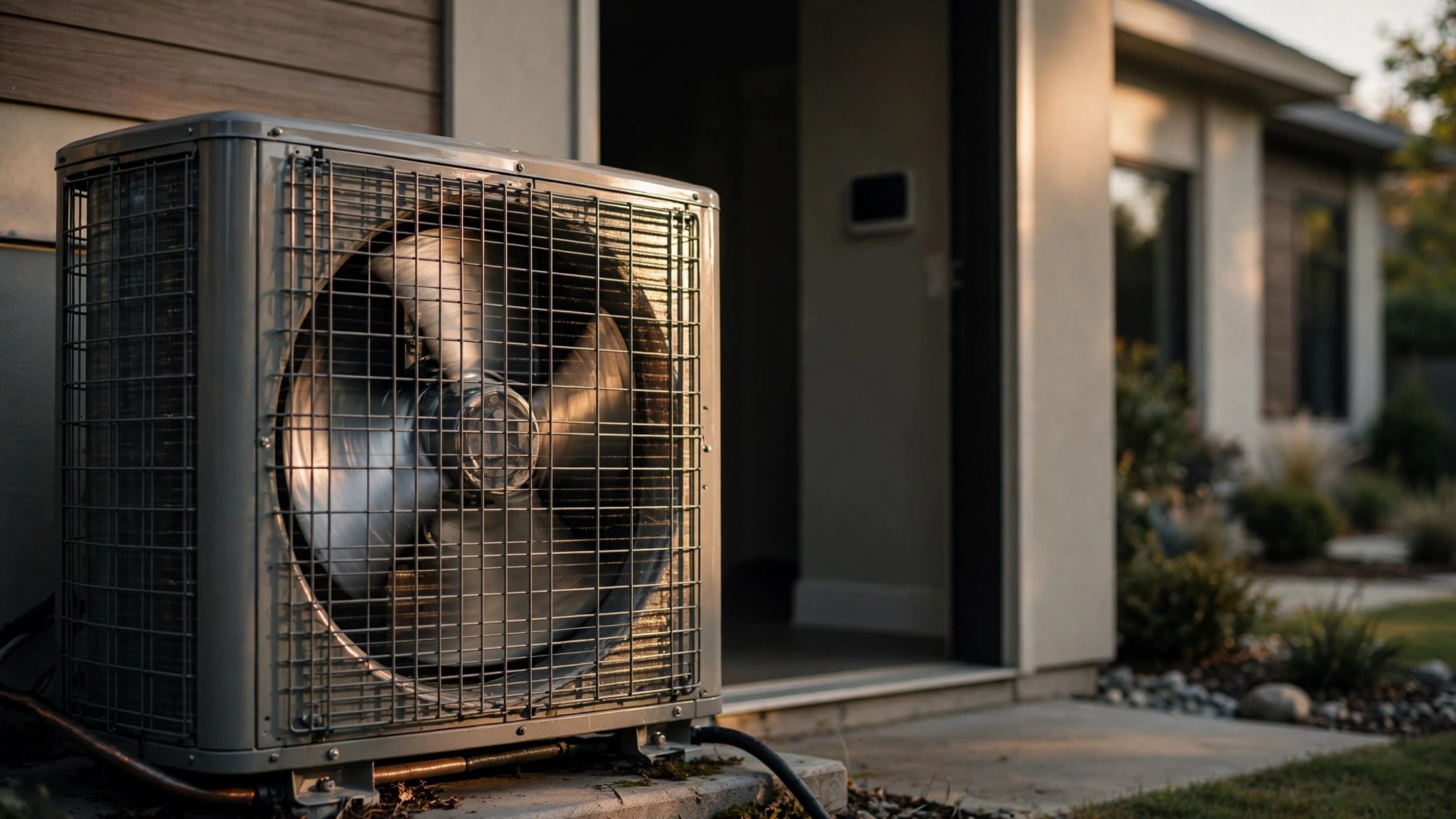
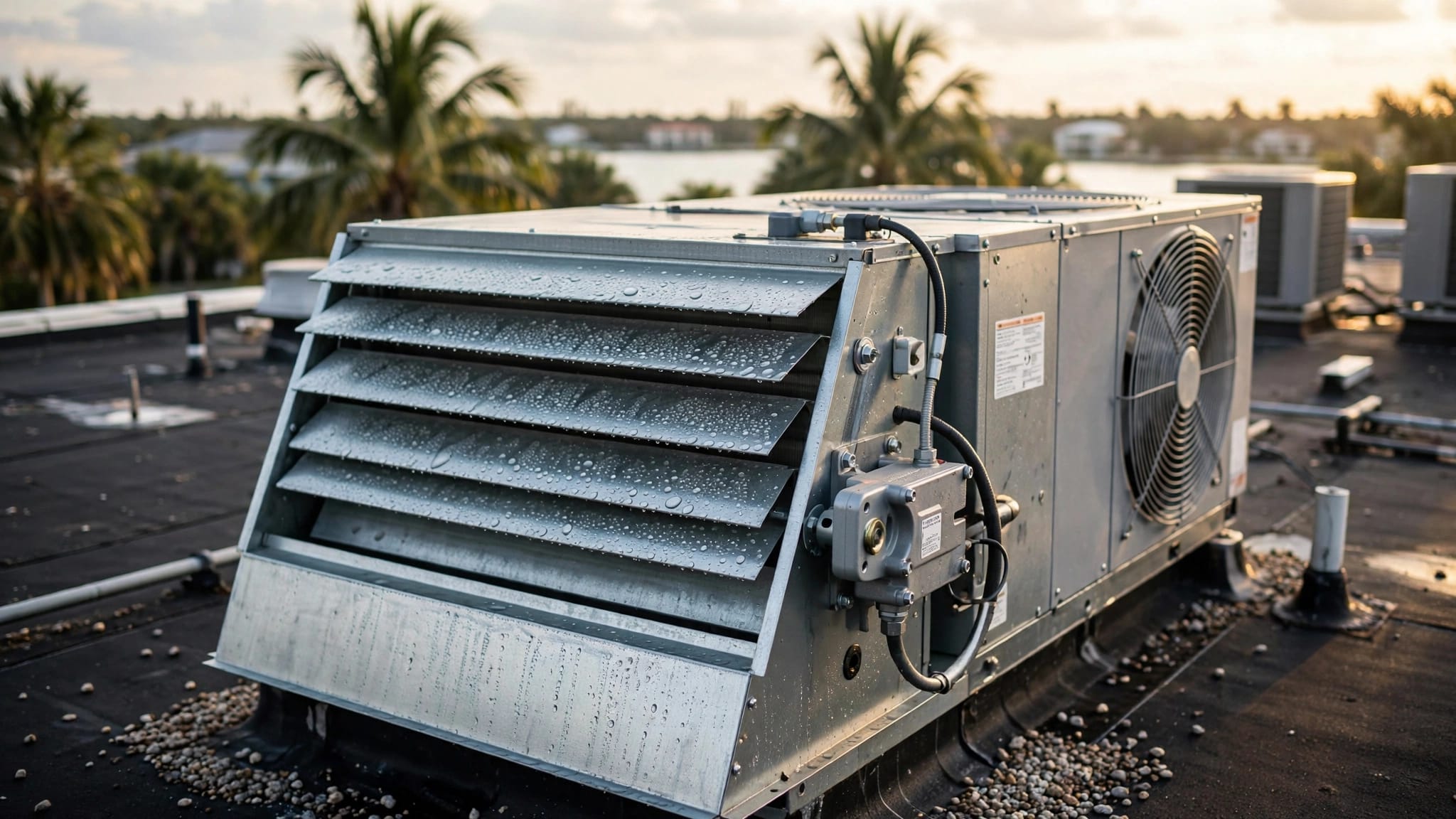
Humidity adds another problem. Moisture can collect inside the system, which makes it easier for mold, algae, and grime to build up. Salt air also takes a toll on outdoor equipment, especially when the condenser sits close to the coast.
Routine service helps catch small issues before they grow. A loose wire, a clogged drain line, or a dirty coil can turn into a breakdown when the heat is at its worst.
Many homeowners like the structure of HVAC maintenance agreements because they turn that upkeep into a schedule instead of a guess. That matters when your system has little downtime.
Common Services in an AC Maintenance Plan
A solid plan usually covers the basics needed to keep the system clean, safe, and efficient. The exact list changes by provider, so two plans with the same price may not offer the same value.
Typical items often include:
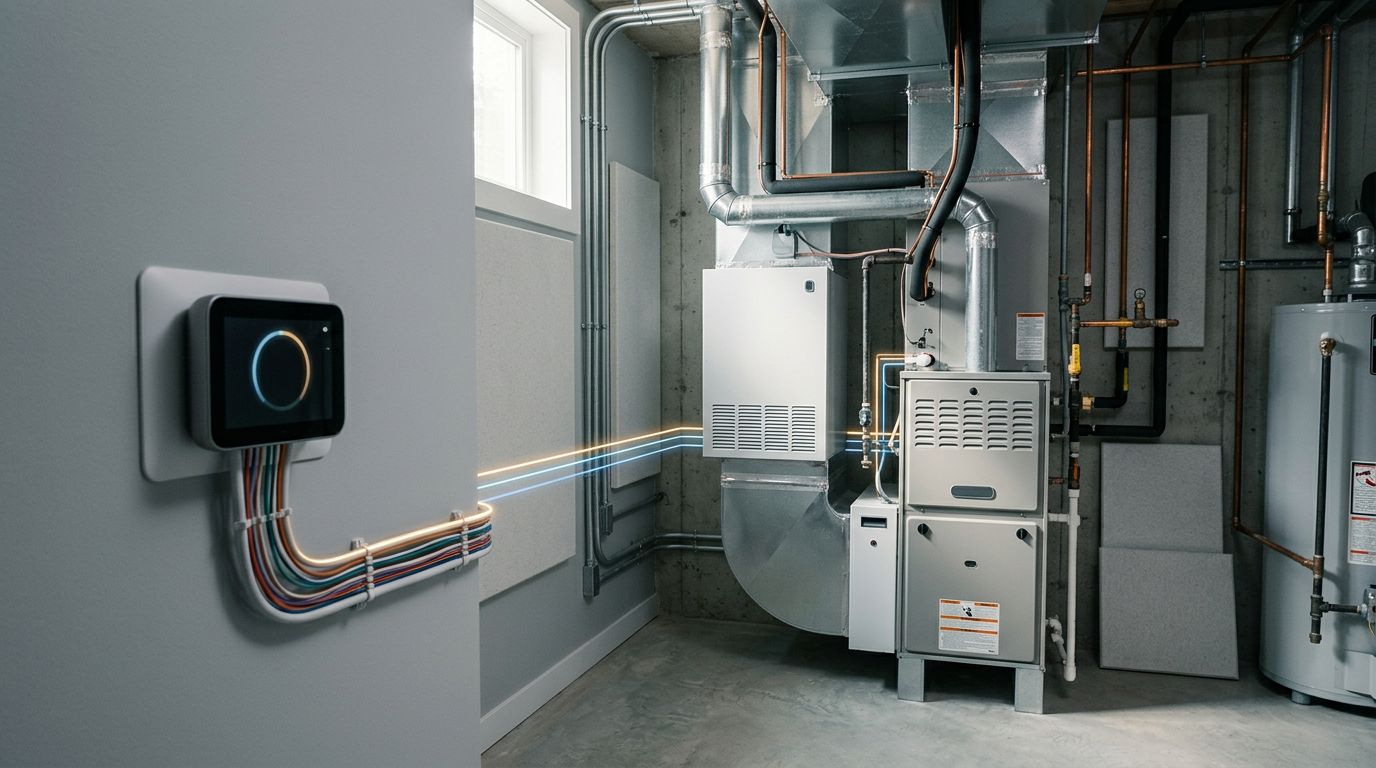
- Thermostat check : The technician tests settings and makes sure the system responds correctly.
- Refrigerant inspection : The charge is checked, and signs of leaks are looked for.
- Coil cleaning : The outdoor condenser coil and indoor evaporator coil are cleaned when accessible.
- Drain line service : The condensate line and drain pan are inspected and cleared if needed.
- Electrical testing : Connections, contactors, capacitors, and wiring are checked for wear or looseness.
- Blower and fan checks : The technician looks at motors, belts, and amp draw.
- Filter review : Some plans replace a basic filter, while others only inspect it.
- Airflow and duct checks : Accessible ductwork may be inspected for leaks or blockages.
- Safety control testing : The system is started and shut down to confirm proper operation.
A few plans add small perks like written reports or repair discounts. Others keep things basic and focus on the tune-up itself.
The best plans give you more than a quick glance. They should leave you with a clearer picture of your system's condition.
What a Maintenance Visit Should Look Like
A proper visit should feel thorough, not rushed. The technician should check both the indoor and outdoor parts of the system, then explain what was found in simple terms.

You should expect a visit that covers the system step by step, not a fast spray-down and a handshake. The goal is to spot wear, improve performance, and catch problems before peak season puts the unit under more stress.
A good maintenance visit also gives you useful feedback. Maybe the unit is fine today, but the capacitor is weakening. Maybe the drain line is clean now, but the coil needs closer attention next visit. That kind of detail helps you plan ahead.
Preventive Maintenance and Repair Coverage Are Not the Same
This is where many homeowners get tripped up. Maintenance keeps the system in better shape. Repair coverage pays when something breaks.
Preventive maintenance helps the AC run better and last longer. Repair coverage helps pay for fixes after a part fails. Those are related, but they are not the same thing.
Here is a simple way to compare them:
| Feature | Preventive Maintenance | Repair Coverage |
|---|---|---|
| Seasonal tune-up | Usually included | Not included |
| Coil cleaning | Often included, but varies | Not included |
| Drain line cleaning | Often included, but varies | Not included |
| Parts replacement | Usually not included | Sometimes included, depending on the plan |
| Labor for breakdowns | Usually not included | Sometimes included |
| Priority scheduling | Often included | Sometimes included |
| Discounts on repairs | Common in some plans | May or may not apply |
Some providers blend the two, but you should read the terms closely. A maintenance plan might include inspections and small adjustments without covering any major repair bill.
That difference matters. A plan with strong preventive care can help you avoid repairs, but it does not promise to pay for every broken part.
How Maintenance Helps Efficiency, Comfort, and Air Quality
A well-maintained AC uses less energy because it does not have to fight through dirt and strain. Clean coils and proper airflow help the system cool the house without working as hard.
Comfort improves too. When the thermostat is calibrated and airflow is balanced, rooms cool more evenly. That can reduce the hot spots and humidity swings that make a house feel sticky.
Indoor air quality gets a boost as well. Clean filters, clear drain lines, and dry components help limit moisture and buildup inside the unit. That matters in Cape Coral, where humidity can support mold growth if the system is ignored.
System life also improves. Small electrical problems and worn parts are easier to fix early than after they cause a shutdown. In other words, maintenance is not just about comfort today. It also helps protect the equipment you already paid for.
How to Compare AC Maintenance Plans Before You Buy
Plan details vary by provider, so compare more than the price. Two plans can look similar on paper and still offer very different levels of service.
Start with the number of visits each year. Some plans include one tune-up, while others include two, which is often a better fit for a cooling-heavy climate. Next, check what the visit covers. A true maintenance plan should spell out cleaning, inspection, and testing in plain language.
Also look at service perks. Priority scheduling can matter when summer demand spikes. Repair discounts can help if a worn part needs attention later. Some companies also include reminders, written reports, or extras for multiple systems.
If you're trying to budget for service, AC maintenance plan pricing can help set realistic expectations before you choose. That makes it easier to compare value, not just monthly cost or annual fee.
If you want help sorting through your options, Contact Us to ask about coverage, scheduling, and service calls.
The Bottom Line for Cape Coral AC Plans
A good AC maintenance plan should do more than put your name on a schedule. It should give your system regular attention, clear reporting, and enough detail to help you avoid surprise problems.
For Cape Coral homeowners, the most useful plans focus on preventive care, not vague promises. They clean, inspect, test, and catch issues early, which helps with efficiency, comfort, indoor air quality, and system life.
When you compare providers, ask what is included, what is not, and how the plan fits the way your home actually uses air conditioning. That simple step can save money and stress when the heat settles in for the long haul.