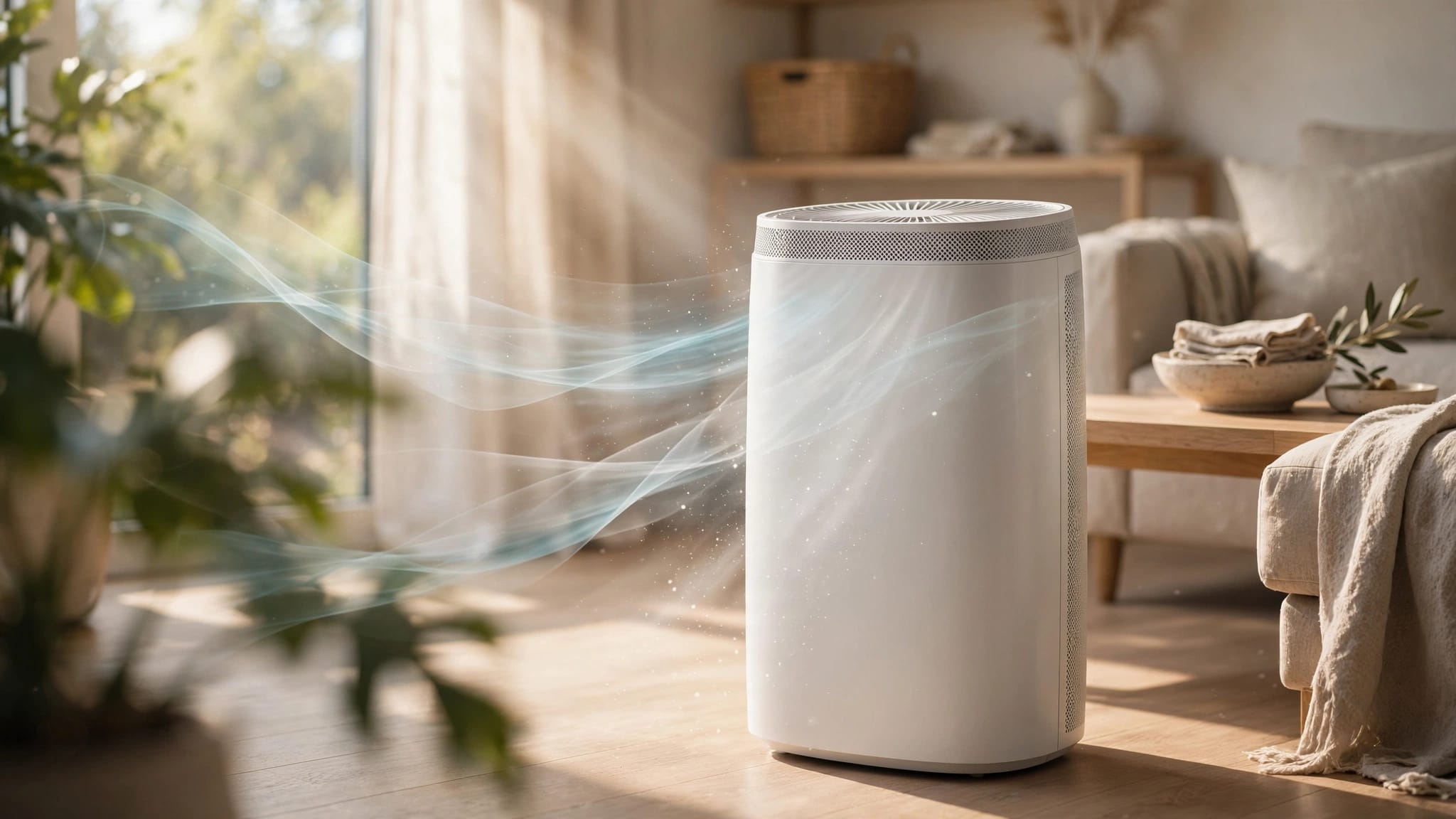
Yes, a heat pump can replace electric resistance heating as the primary heat source in a Cape Coral home. It also provides air conditioning, so one system can handle both seasons.
Because Southwest Florida needs far more cooling than heating, humidity control should shape your equipment choice. The right replacement starts with understanding your current system and deciding whether to retain resistance heat for occasional backup.
Key Takeaways
- A heat pump moves heat instead of producing it through electric resistance coils, which reduces electricity use during normal heating.
- Both heat pumps and straight-cool air conditioners remove moisture during cooling, but sizing and airflow affect results.
- Existing heat strips may remain useful for supplemental heating, defrost support, or emergency operation.
How Heat Pumps Compare With Resistance Heating
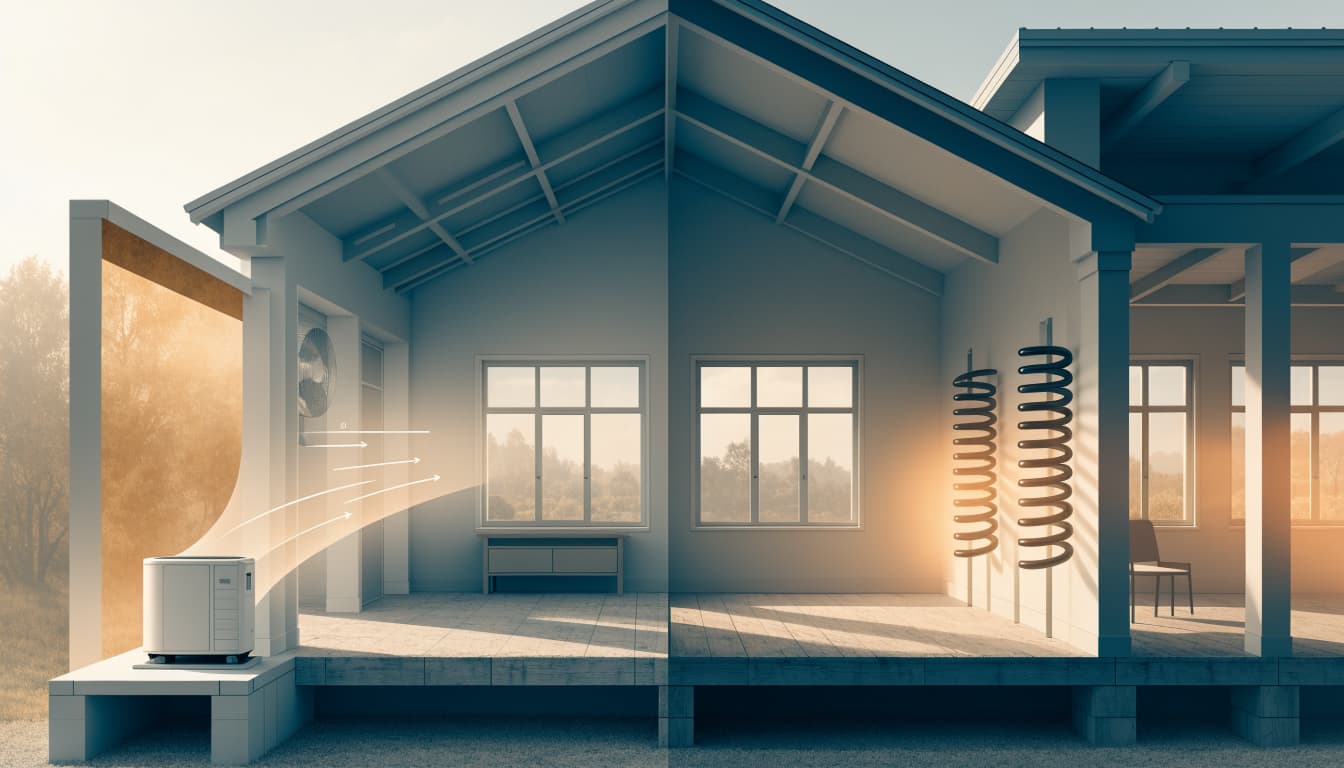
Electric resistance heaters produce warmth by passing electricity through heating elements. A heat pump instead transfers heat between outdoor air and your home.
Electricity use and heating comfort
During heating, a heat pump collects heat outdoors and releases it indoors. Even cool outdoor air contains usable heat. Because the compressor moves heat rather than generating all of it electrically, normal heat-pump operation uses less electricity for the same heating output.
However, lower heating energy use doesn't establish a particular reduction in your total electric bill. Cape Coral's limited heating season means cooling performance remains a major consideration.
Heat-pump supply air can also feel less hot than resistance-heated air. Longer, gentler heating cycles can maintain a comfortable room temperature without the same blast of hot air.
Cooling and moisture control
In cooling mode, a heat pump operates much like a central air conditioner. It removes indoor heat and releases it outdoors, while moisture condenses on the cold indoor coil.
Resistance heating alone cannot cool your home. However, many homes already combine a straight-cool AC with electric heat strips inside the air handler.
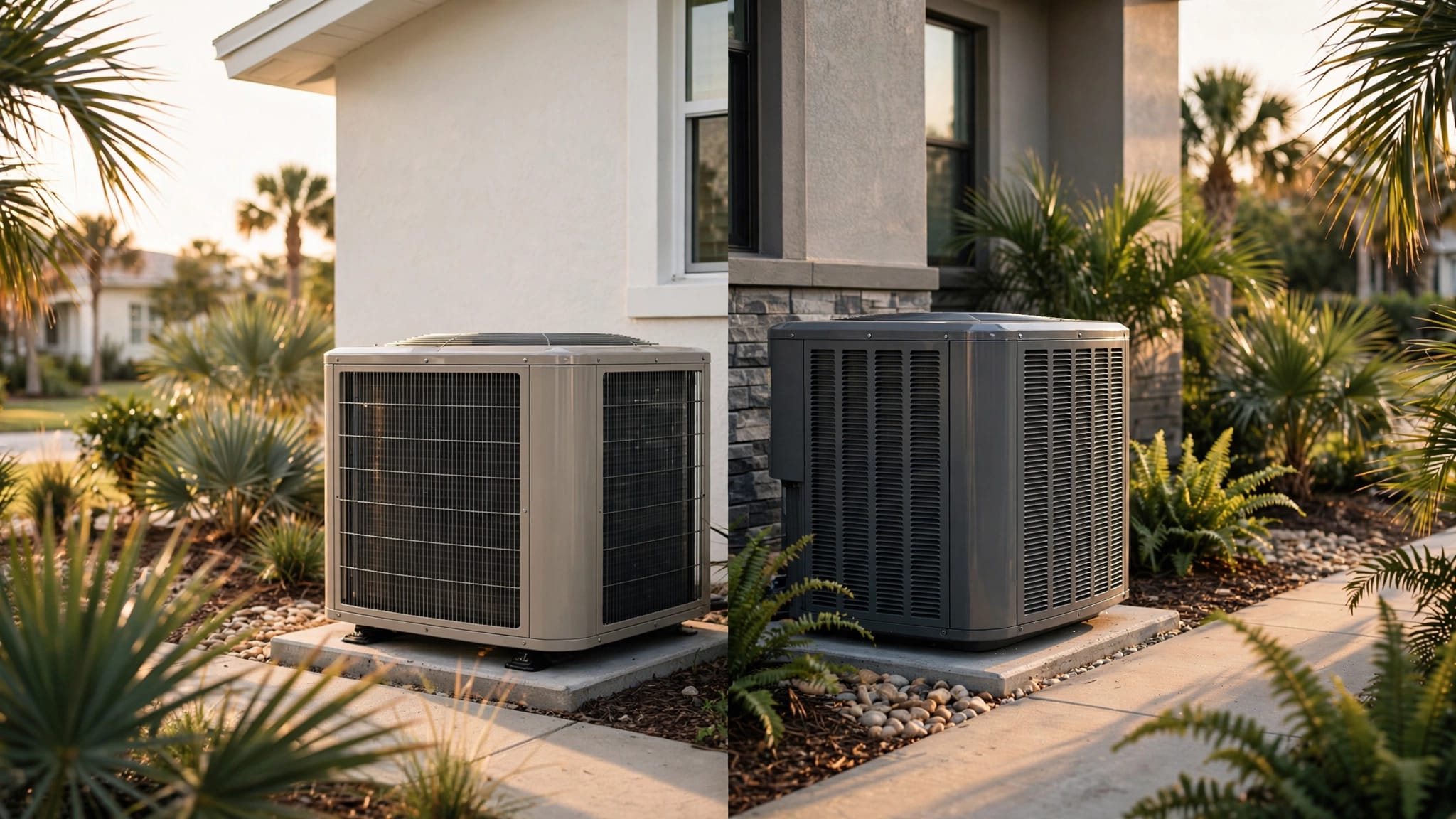
Our comparison of heat pumps and straight-cool AC explains that equipment choice. Neither option automatically solves humidity problems caused by oversized equipment, duct leaks, or incorrect airflow.
What Changes During Installation
Replacing resistance heat with a heat pump involves more than changing a thermostat setting. The installation depends on whether you have central AC, standalone electric heaters, or an existing heat pump.
Equipment, wiring, and controls
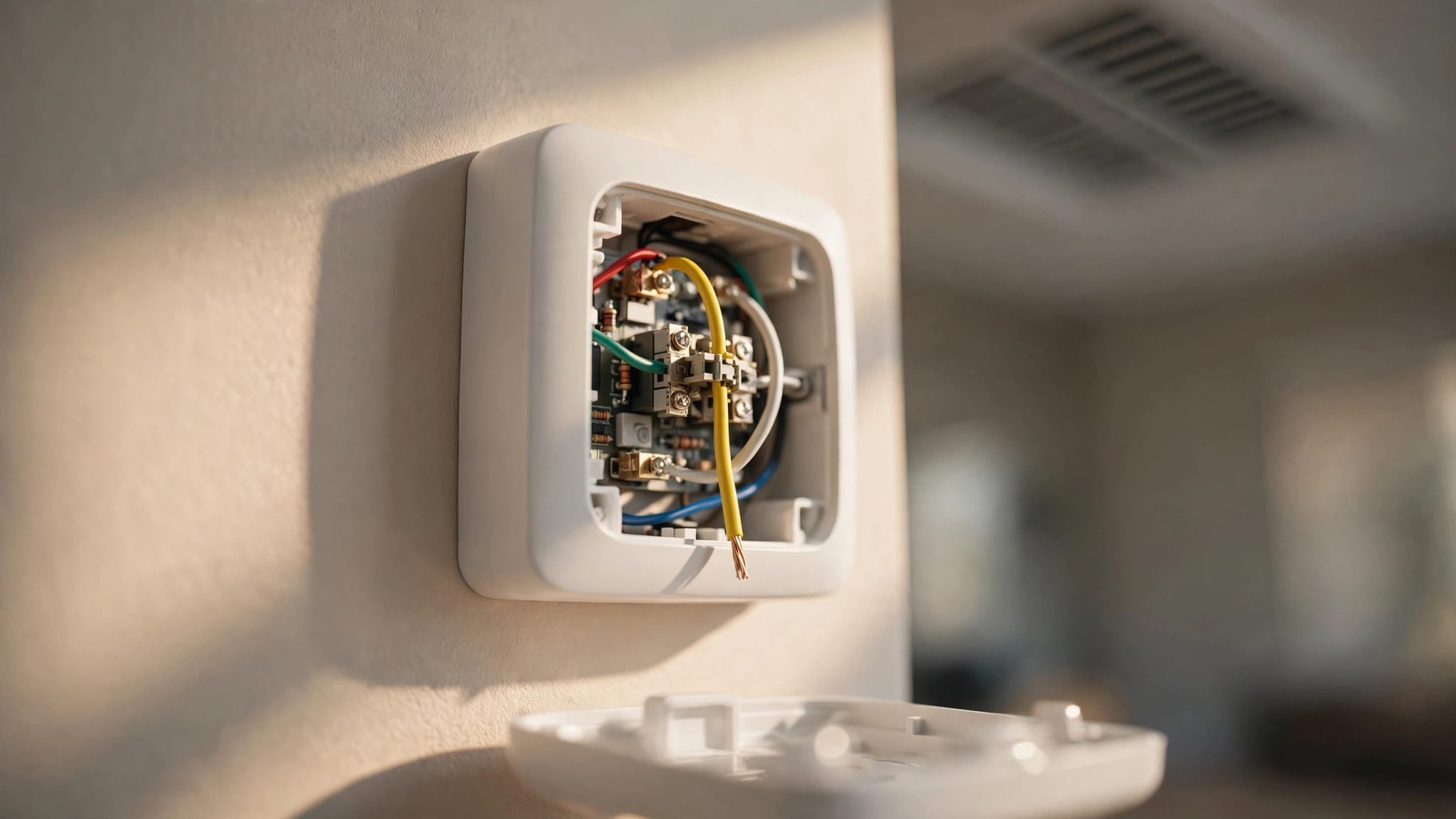
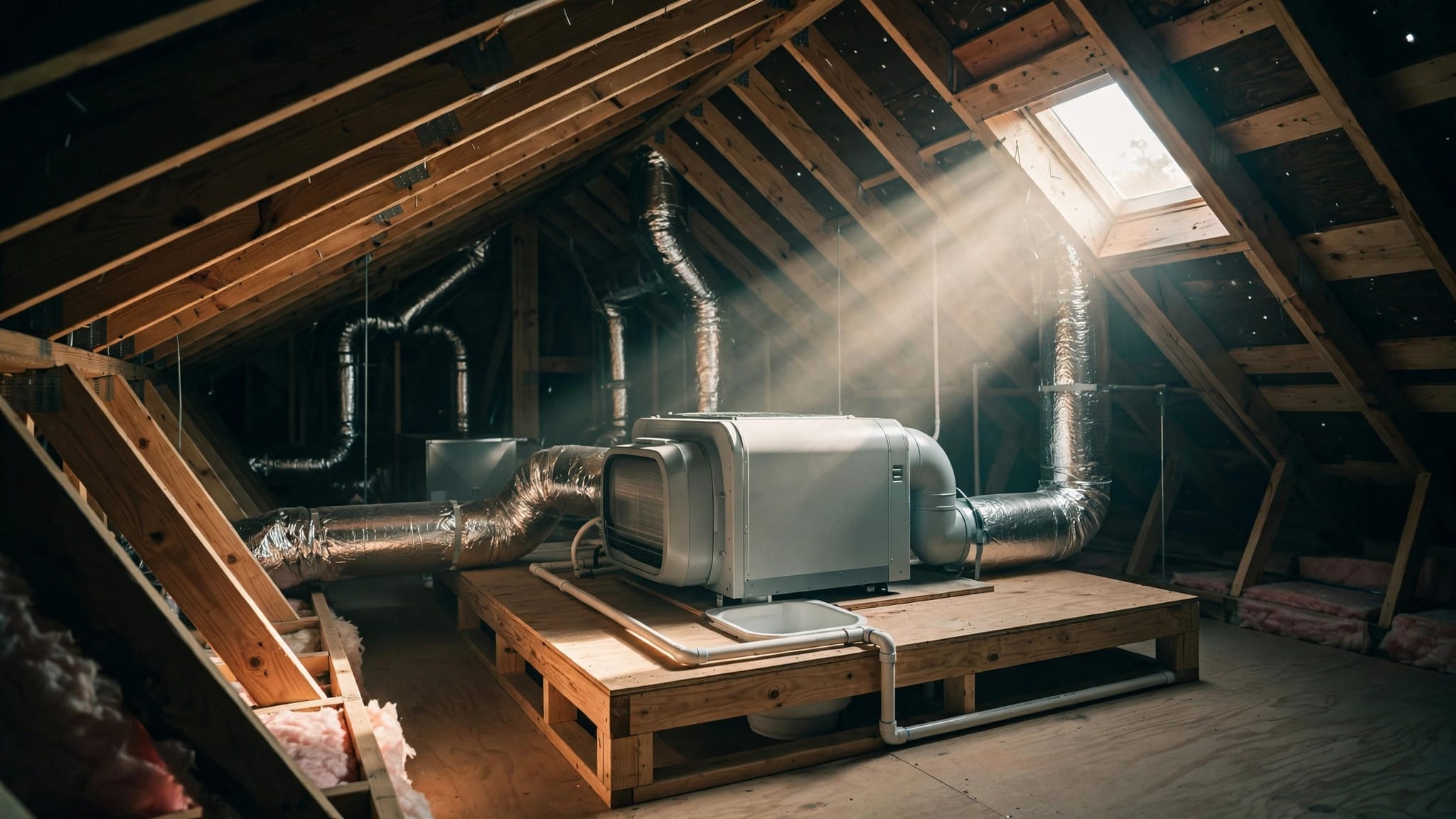
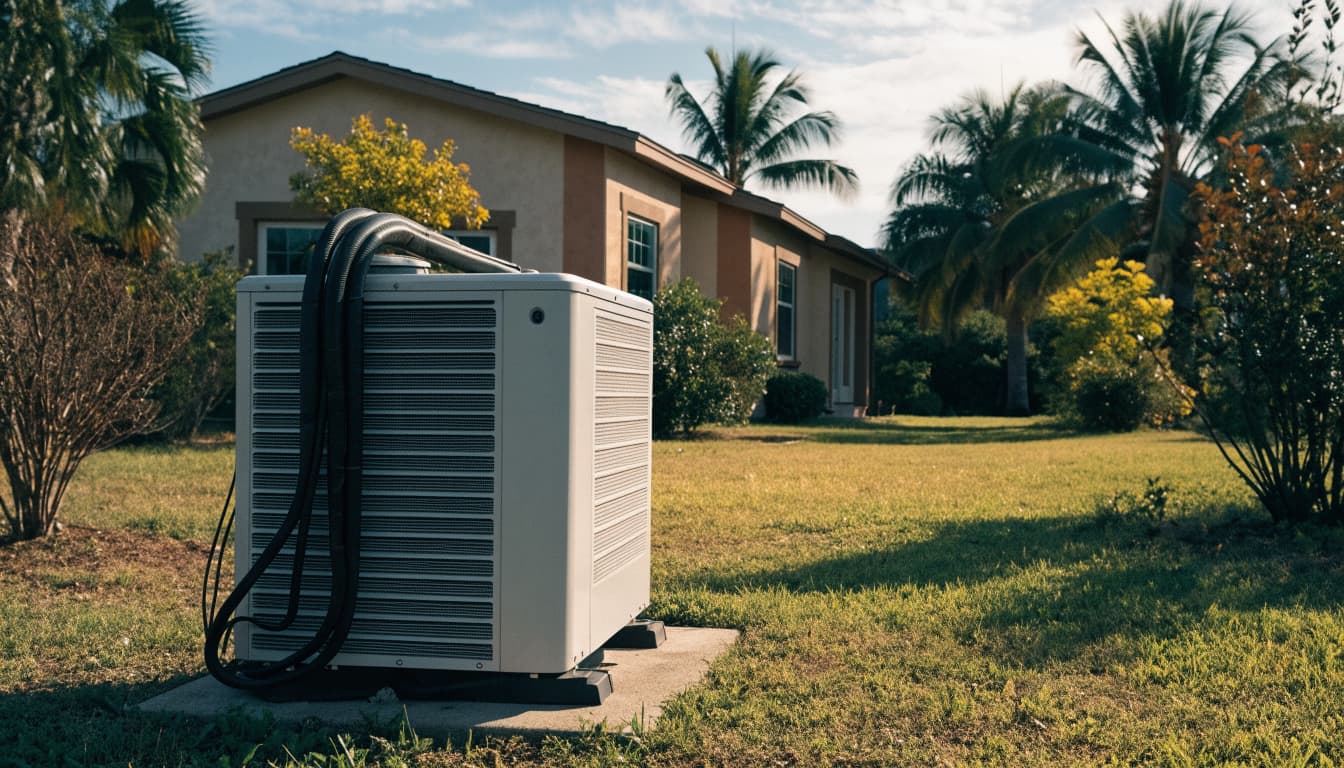
A central heat pump needs compatible outdoor equipment, an indoor coil or air handler, and controls designed for heat-pump operation. A straight-cool outdoor unit doesn't become a heat pump through a thermostat replacement.
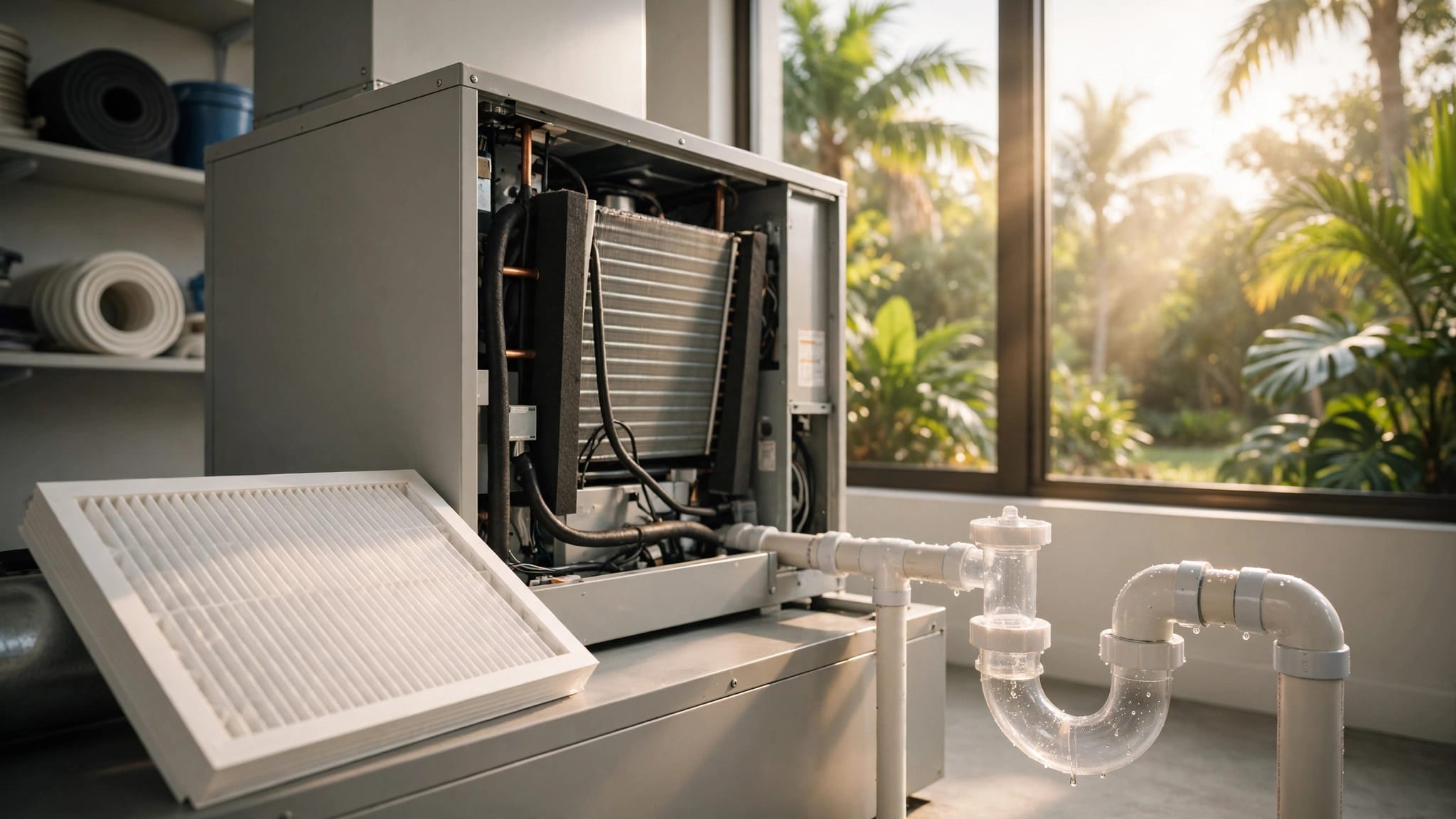
Existing refrigerant lines, electrical circuits, condensate drainage, and equipment connections all affect the installation scope. Retained heat strips also need compatible controls and adequate electrical capacity.
A ductless heat pump may suit a home or addition without usable ducts. However, serving several enclosed rooms requires a layout that accounts for each room's heating and cooling needs.
Sizing and ductwork
Equipment sizing should follow the home's heating and cooling loads. An ACCA Manual J calculation considers factors such as windows, insulation, building size, and sun exposure.
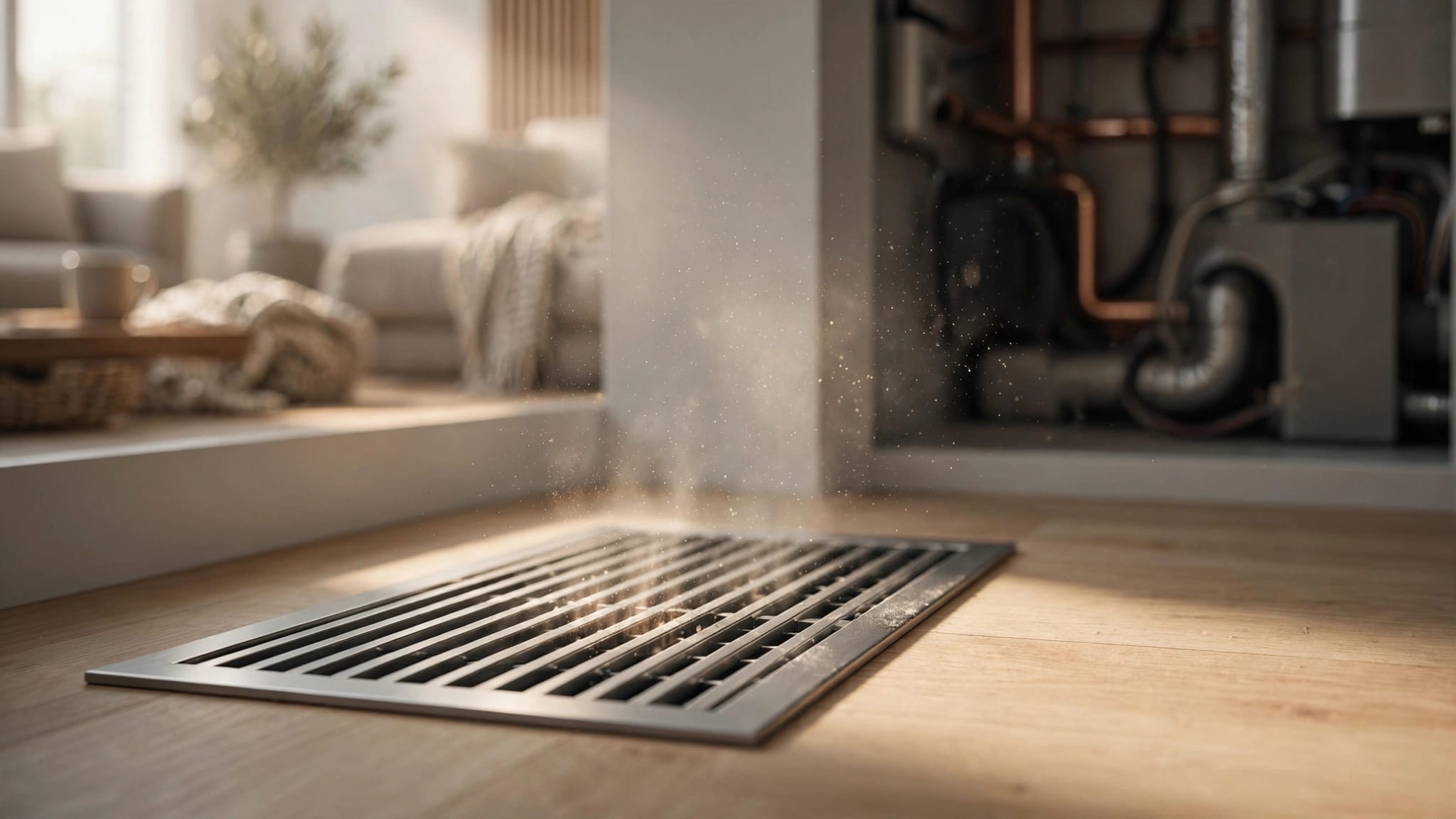
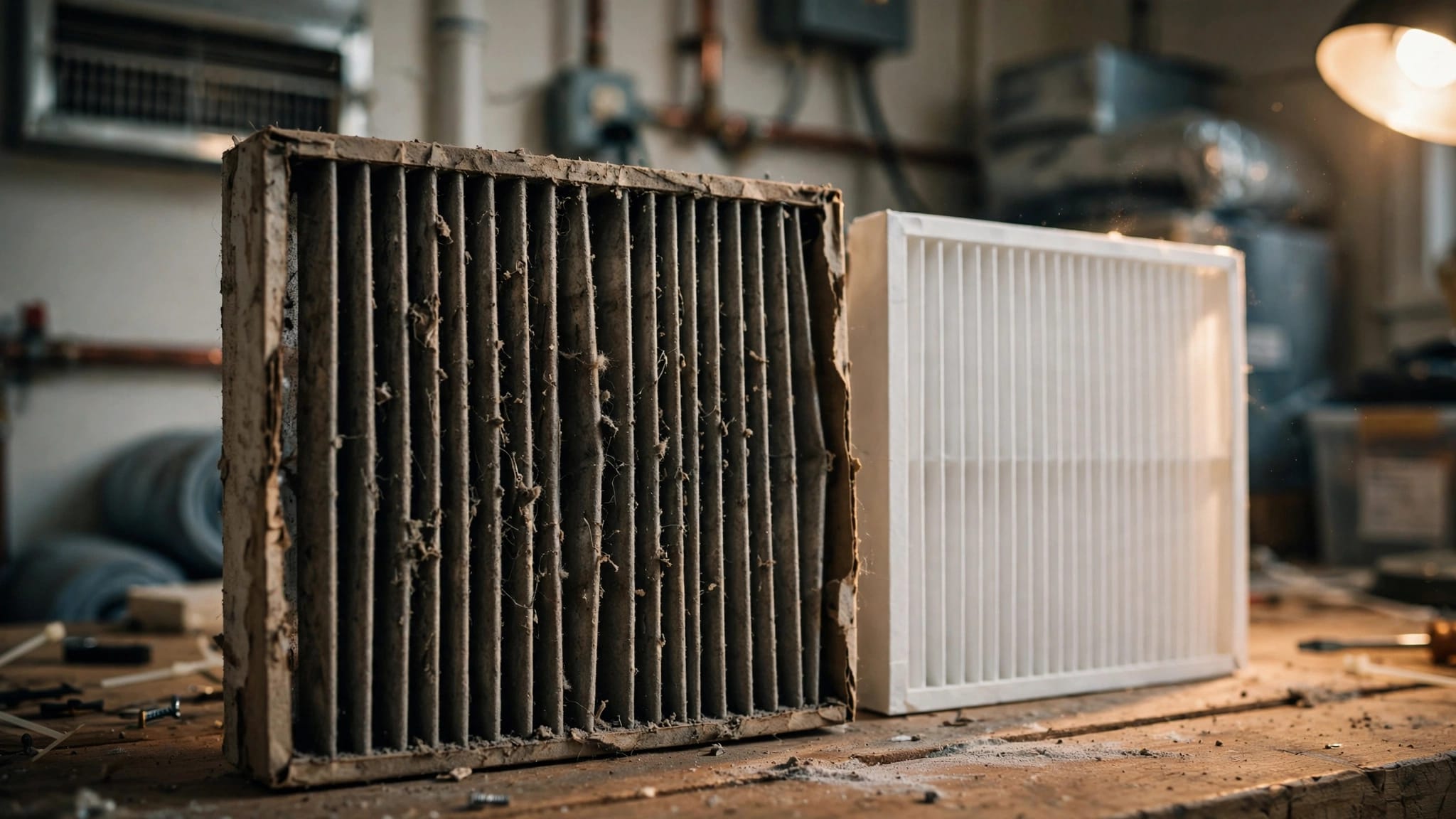
Oversized cooling equipment can satisfy the thermostat too quickly and leave the house feeling damp. Meanwhile, leaky or restricted ducts can waste conditioned air and leave bedrooms uncomfortable.
That's why proper duct design during replacement matters alongside equipment selection. Replacing the outdoor unit won't correct an undersized return or a disconnected duct.
When Supplemental Heat Still Helps
Cape Coral's mild winters allow a properly sized, functioning heat pump to handle many heating calls without resistance backup. Nevertheless, cold fronts can increase demand beyond what the heat pump can supply alone.
Electric heat strips may supplement the compressor during those conditions. Depending on the equipment and controls, they may also temper indoor air during defrost.
The balance point is the outdoor condition where heat-pump capacity matches the home's heating demand. There's no single setting that fits every Cape Coral house. Equipment performance, heat loss, and thermostat controls affect the setup, as our guide to heat pump balance point settings explains.
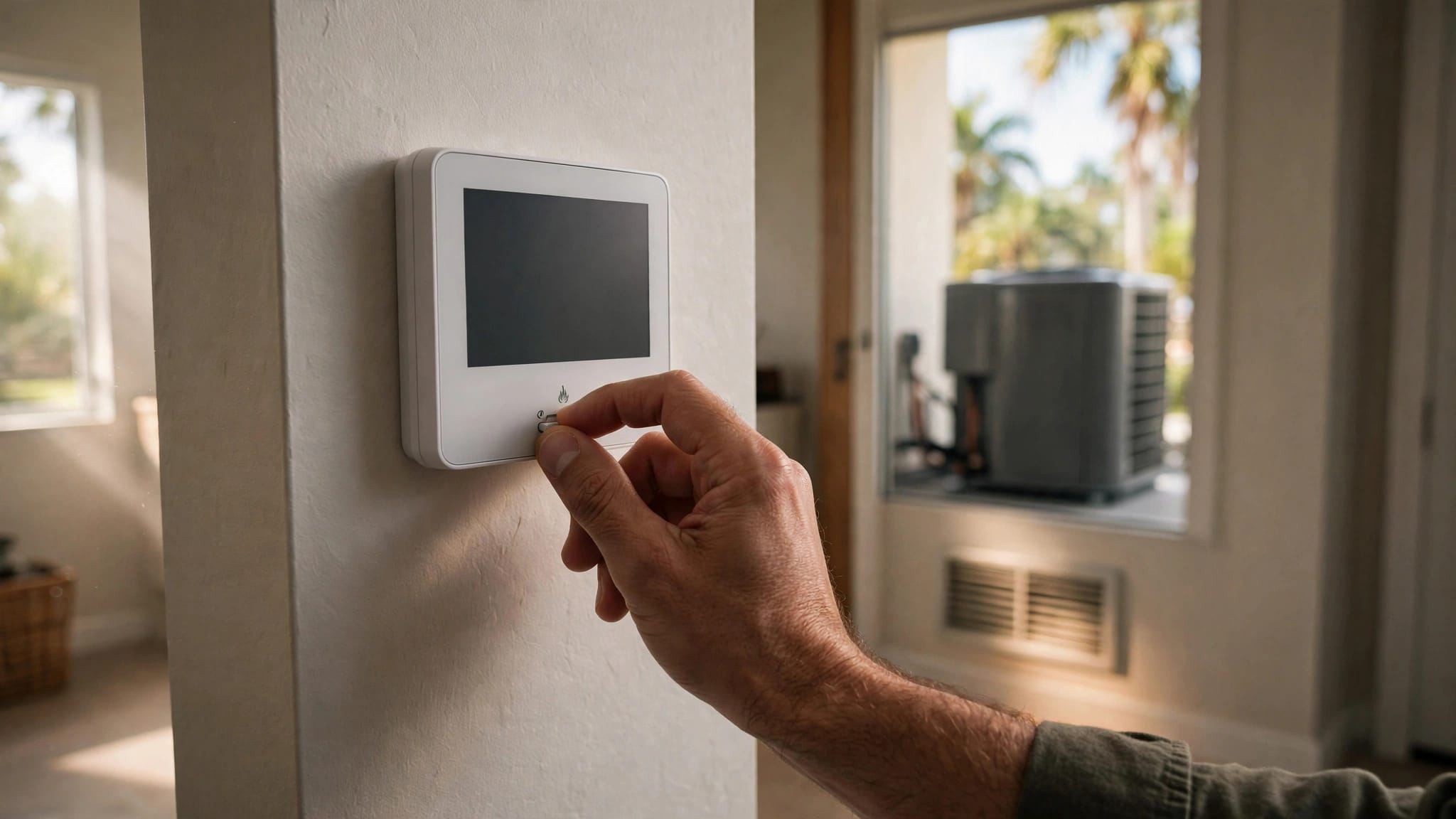
Auxiliary heat can operate automatically when needed. Emergency Heat is a separate thermostat selection that typically uses backup heating instead of normal compressor operation. Leave the thermostat in normal Heat mode unless a technician advises otherwise.
Frequently Asked Questions
Should I replace a working AC to get heat-pump heating?
The decision depends on the AC's condition, repair history, and how often you heat your home. Replacing a healthy cooling system solely for occasional heating deserves a different cost comparison than replacing worn-out equipment. Heating savings alone don't establish whether replacement makes financial sense.
Does frequent AUX HEAT mean the heat pump has failed?
No. Auxiliary heat can operate during legitimate supplemental heating or defrost calls. However, repeated backup operation in mild weather, especially when the outdoor unit isn't running normally, deserves professional diagnosis. The thermostat display alone doesn't identify a failed heat strip or compressor.
Choose for Year-Round Comfort
A heat pump can replace resistance heating as your everyday heat source while also handling Cape Coral's long cooling season. Correct sizing and installation matter more than the equipment label alone.
At Back Bay Heating & Cooling, we offer free estimates on new systems. Contact Us to arrange an estimate or schedule service, including 24/7 emergency help.