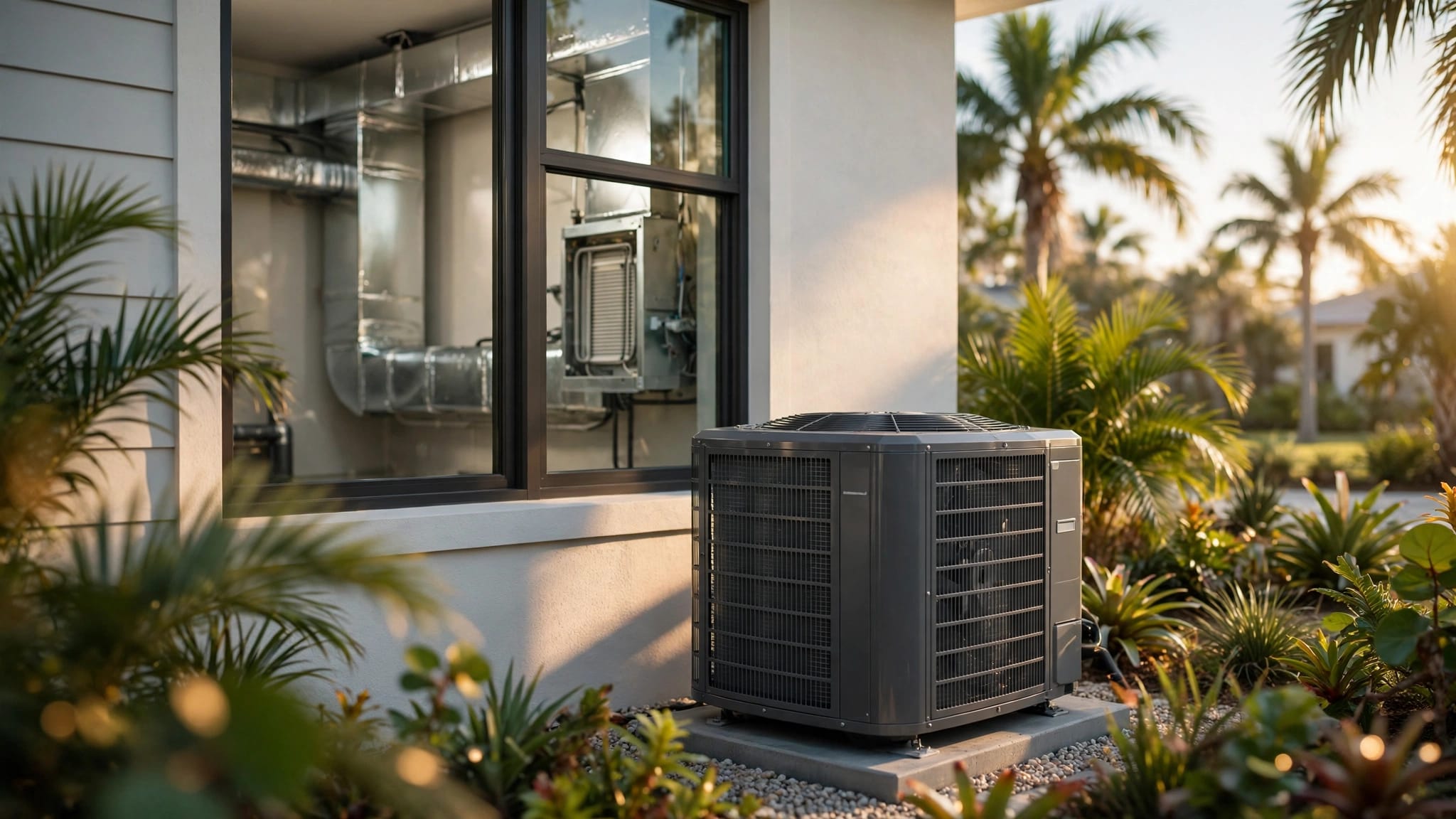
Bryant and Trane both make capable air conditioners for Southwest Florida; the better purchase depends on the equipment, workmanship, and service support. In a Bryant vs Trane comparison, Bryant deserves attention for value, while Trane's construction features can justify consideration at a higher quoted price.
For your home, humidity control and correct sizing matter more than the badge. Start by comparing equivalent systems, then weigh the costs and project details that affect everyday comfort.
Key Takeaways
- Compare equipment with the same compressor staging and matched-system ratings, rather than comparing brands' highest advertised numbers.
- Treat published prices as reference estimates, not Southwest Florida bids.
- Give sizing, ductwork, coastal exposure, and labor coverage as much attention as efficiency.
Bryant vs Trane: Product Tiers and Price Estimates
Bryant groups residential air conditioners into Evolution, its premium variable-speed range; Preferred Series, with mid-tier single- and two-stage options; and Legacy, its entry-level single-stage range. Trane also offers single-stage, two-stage, and variable-speed equipment.
For a fair comparison, pair single-stage with single-stage, two-stage with two-stage, and premium variable-speed systems with each other. For a Legacy quote, compare the exact model and matched-system rating; the Legacy name alone doesn't specify capacity or efficiency.
These figures show the published comparison, including its pricing limitations.
| Comparison | Bryant | Trane |
|---|---|---|
| Unit-only price estimate | Evolution: $1,682 to $2,499 | $2,250 to $3,550 |
| Installed price estimate | Evolution: $2,895 to $4,225 | $5,800 to $14,000 |
| Lowest sound figures reported | About 51 dB | About 55 dB |
| Premium compressor operation | Variable-speed Evolution | Variable-speed TruComfort |
| Noted features | Evolution Connex controls | Spine Fin coils and Climatuff compressors |
The prices come from Today's Homeowner's brand comparison. They aren't equivalent, model-specific bids, and they don't establish a Southwest Florida price range.
Bryant looks cheaper in those estimates. However, the gap doesn't prove that an equivalent Bryant system will cost thousands less. Capacity, air-handler selection, duct repairs, electrical work, permits, and project scope can change the total substantially.
Price verdict: Bryant is worth considering for value, but comparable written proposals should establish the true installation cost and show which system costs less.
Efficiency: Compare SEER2 and Matched Equipment
Use ratings for the complete system
SEER2 measures seasonal cooling efficiency under updated testing requirements. Older SEER figures use different test conditions, so a 26 SEER claim doesn't directly outrank a 21 SEER2 claim.
Bryant's Evolution Extreme 191VAN reaches up to 21 SEER2, depending on size and equipment match. That rating belongs to a specified combination, not every Evolution configuration.
The proposal should identify the outdoor unit, indoor coil or air handler, and controls. It should also list the AHRI-certified matched-system rating and whether that exact match is ENERGY STAR certified. EER2 matters because it describes efficiency at a fixed cooling test condition.
Balance efficiency with your usage
Southwest Florida's long cooling season makes efficiency meaningful. Still, the highest rating doesn't automatically offer the best financial return.
Year-round occupancy, a low thermostat setting, and substantial cooling demand increase the value of reduced electricity use. Seasonal occupancy changes that calculation, although an unoccupied home still needs moisture management.
Efficiency verdict: Compare certified matches and the upgrade price. Neither brand wins every capacity or efficiency tier.
Humidity Control Starts With Staging and Sizing
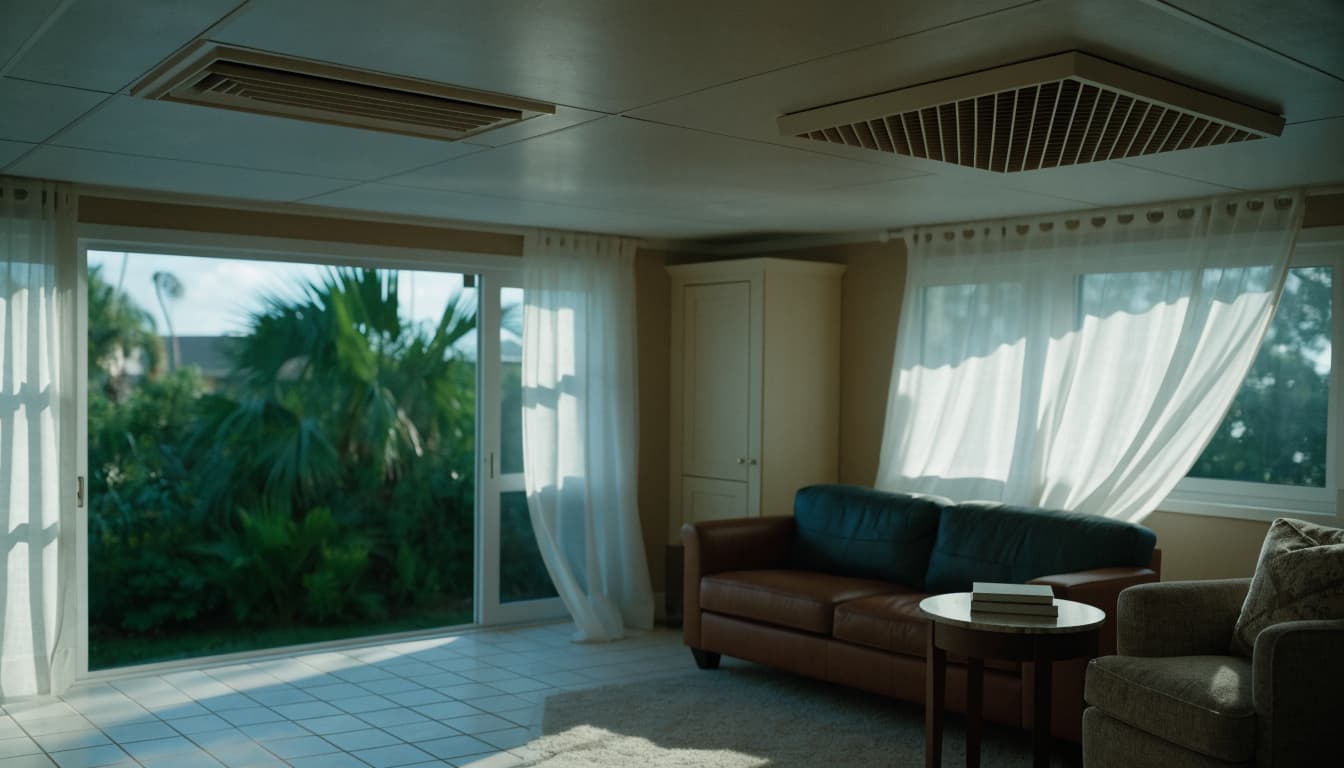
Variable-speed operation supports moisture removal
Two-stage and variable-speed systems can run longer at reduced output when the house doesn't need full capacity. Those longer cycles support moisture removal and steadier temperatures.
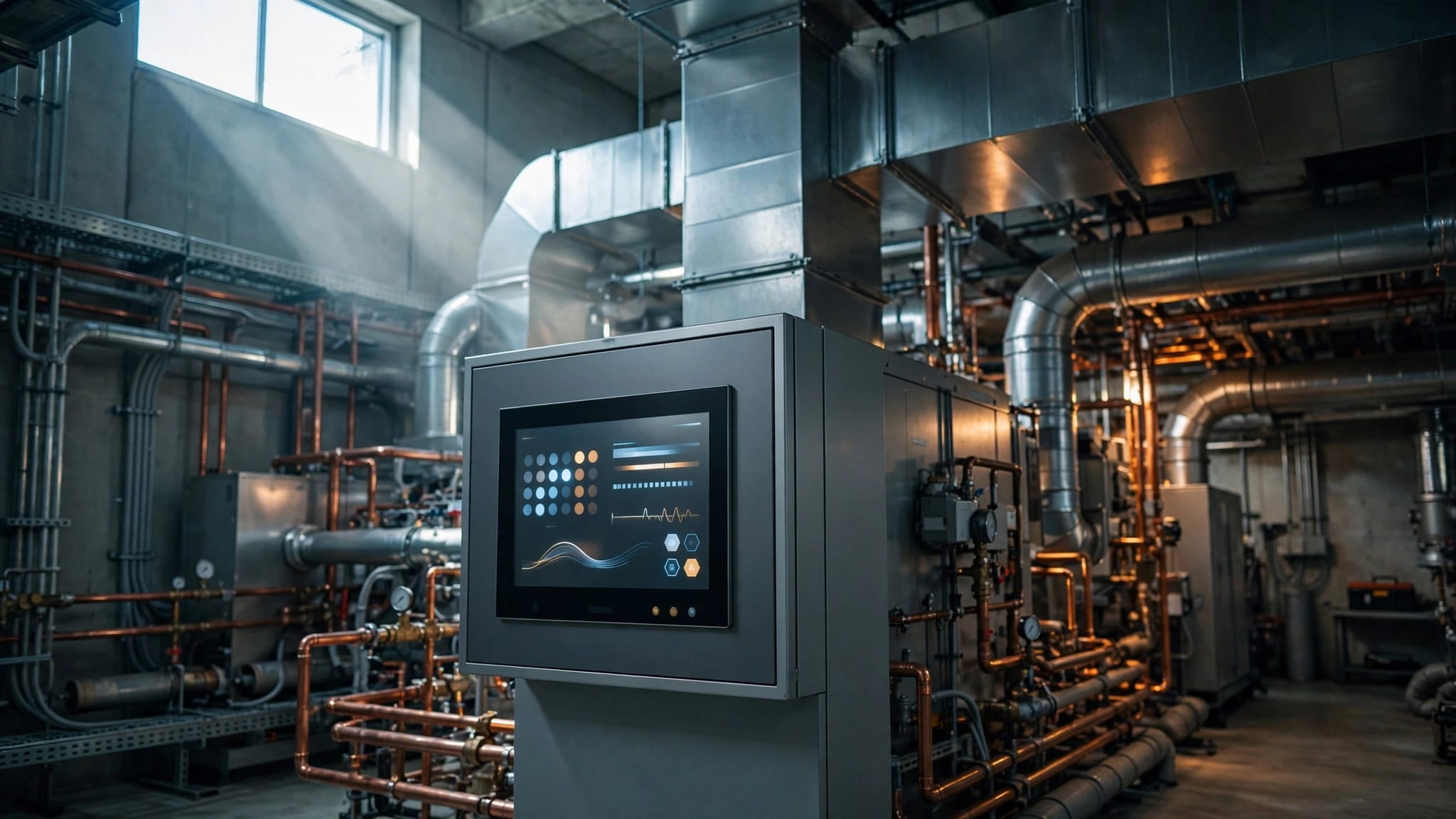
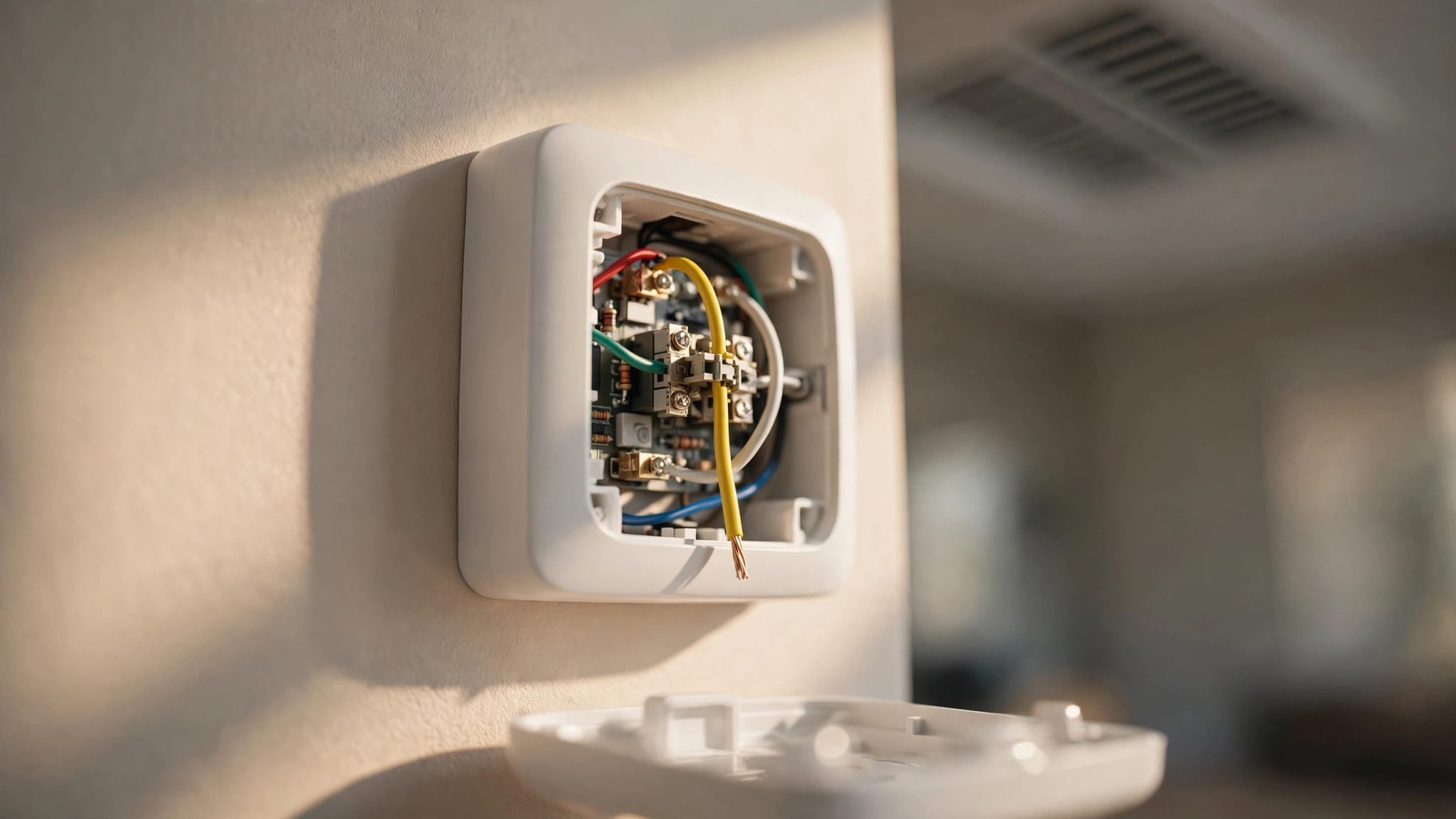
Bryant's Evolution Connex is a communicating technology control platform that manages temperature, humidity, fan speed, and compatible air-quality equipment. It also offers Bluetooth diagnostics. Trane's variable-speed systems offer output modulation, though available functions depend on the equipment and controls.
A premium compressor can't compensate for excessive capacity, incorrect airflow, or humid air entering through duct leaks.
Home size is only one sizing input
Manual J separates sensible cooling, which lowers temperature, from latent cooling, which removes moisture. Proper sizing requires a load calculation that accounts for more than square footage. Windows, insulation, ceiling height, sun exposure, occupancy, and air leakage affect those loads.
Our guidance on AC sizing for Cape Coral homes explains why square footage alone isn't enough. Manual S then connects the calculated load to actual equipment performance under local design conditions.
An oversized air conditioner can satisfy the thermostat before it removes enough moisture, leaving a cool house feeling damp.
Comfort verdict: Favor properly selected staged or variable-speed equipment when humidity control justifies the added cost.
Coastal Durability and Outdoor Noise
Salt exposure affects both brands
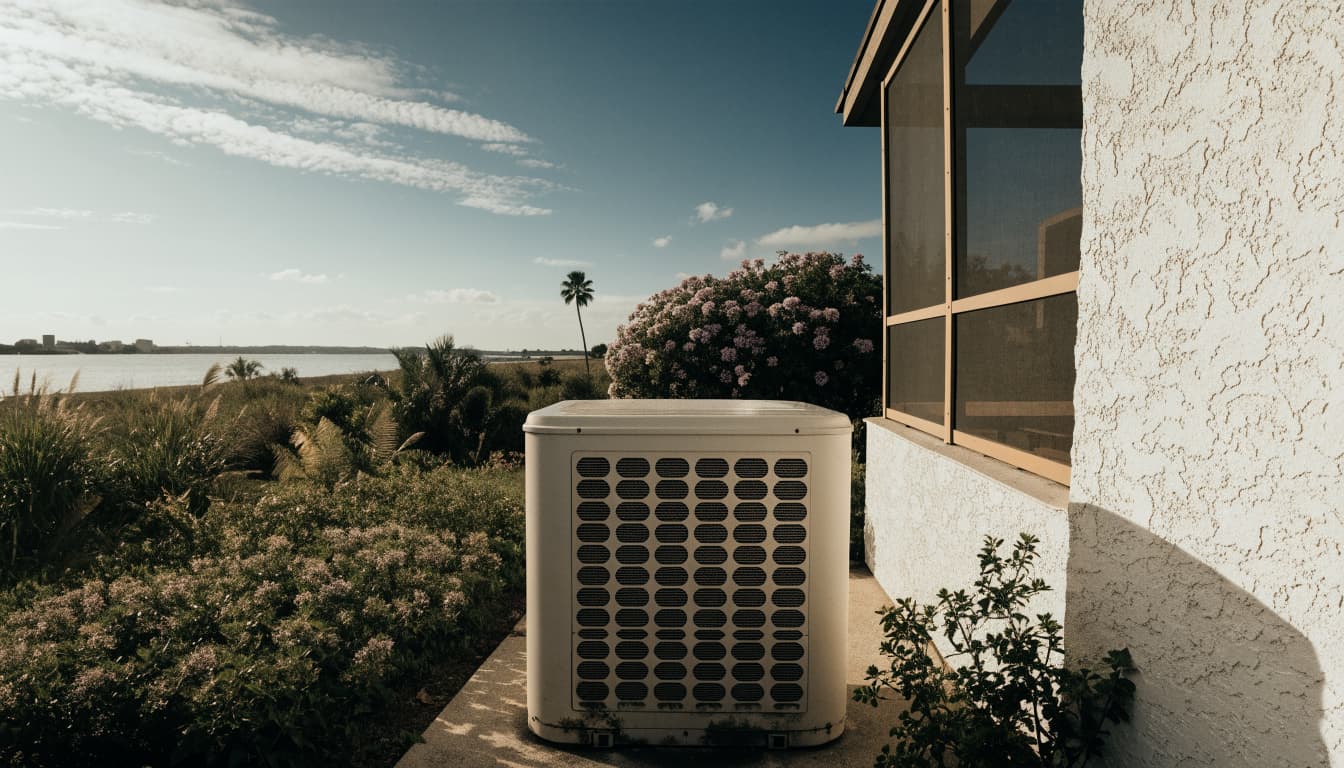
Salt-laden air can accelerate corrosion on outdoor equipment. Exposure varies with the property's location, prevailing wind, landscaping, and distance from saltwater.
Trane's Spine Fin coils and Climatuff compressors are established construction features, but they don't make a condenser immune to corrosion. Bryant equipment also needs appropriate placement, clear airflow, secure mounting, and manufacturer-approved maintenance.
Coastal protection should be part of the equipment selection. Neither brand deserves a blanket durability win based on its cabinet or compressor name alone.
Minimum sound ratings need context
Published comparisons cite about 51 dB for Bryant's quietest equipment and about 55 dB for Trane. Those figures aren't a controlled comparison of equivalent models.
For example, Bryant lists the 191VAN as low as 55 dB at low speed. Operating speed, capacity, placement, and nearby walls affect the sound you hear.
Noise verdict: For quiet performance, compare the proposed models, especially near a bedroom or lanai. Vibration control and unit placement matter alongside published ratings.
Warranty Coverage: Equipment and Labor Differ
Bryant Red Shield can replace the unit
Bryant offers a 10-year Red Shield unit-replacement limited warranty on qualifying registered Evolution equipment when a covered major-component failure triggers the benefit.
The 191VAN also lists a 10-year parts limited warranty for the original owner with timely registration. Without timely registration, coverage generally drops to five years, subject to the warranty's terms and exceptions.
Unit replacement can be a meaningful advantage over component-only coverage. However, it doesn't make every related repair or installation expense free.
Trane coverage also depends on registration
Today's Homeowner describes Trane's Registered Limited Warranty as approximately 10 years for parts with registration within 60 days. Its comparison lists roughly five years for Base Limited Warranty coverage.
Review the warranty terms for registration deadlines and exclusions before choosing a system. Neither brand's standard parts coverage pays for repair labor. Published technician charges range from $100 to $1,000 or more.
A covered compressor failure illustrates the difference: parts coverage can supply the compressor, while the homeowner still owes the applicable service charge. A qualifying Red Shield claim can instead provide replacement equipment, but excluded installation costs can remain.
Warranty verdict: Bryant's warranty replacement benefit deserves attention. Compare it with the proposed Trane coverage and any separately priced repair-work coverage.
Ownership Costs, Refrigerants, and 2026 Incentives
The purchase price is only part of ownership cost. Electricity, maintenance, service calls, repair labor, and financing charges also affect what you spend.
Variable-speed equipment can reduce energy use and improve comfort, but its specialized controls add repair complexity. Local HVAC service availability therefore matters: technicians familiar with the proposed equipment and access to replacement parts can affect downtime.
Newer equipment uses lower-GWP refrigerants such as R-454B and R-32. Both are A2L refrigerants, meaning they are mildly flammable and require equipment-specific installation and service procedures.
Trane's materials report GWP values around 466 to 467 for R-454B and 675 for R-32, compared with 2,088 for R-410A. These refrigerants aren't interchangeable or drop-in replacements. Refrigerant choice alone doesn't establish which system will cool your home better.
Also, don't subtract a federal tax credit from a 2026 installation budget. The federal statute ends eligibility for property placed in service after December 31, 2025.
What Your Replacement Proposal Should Include
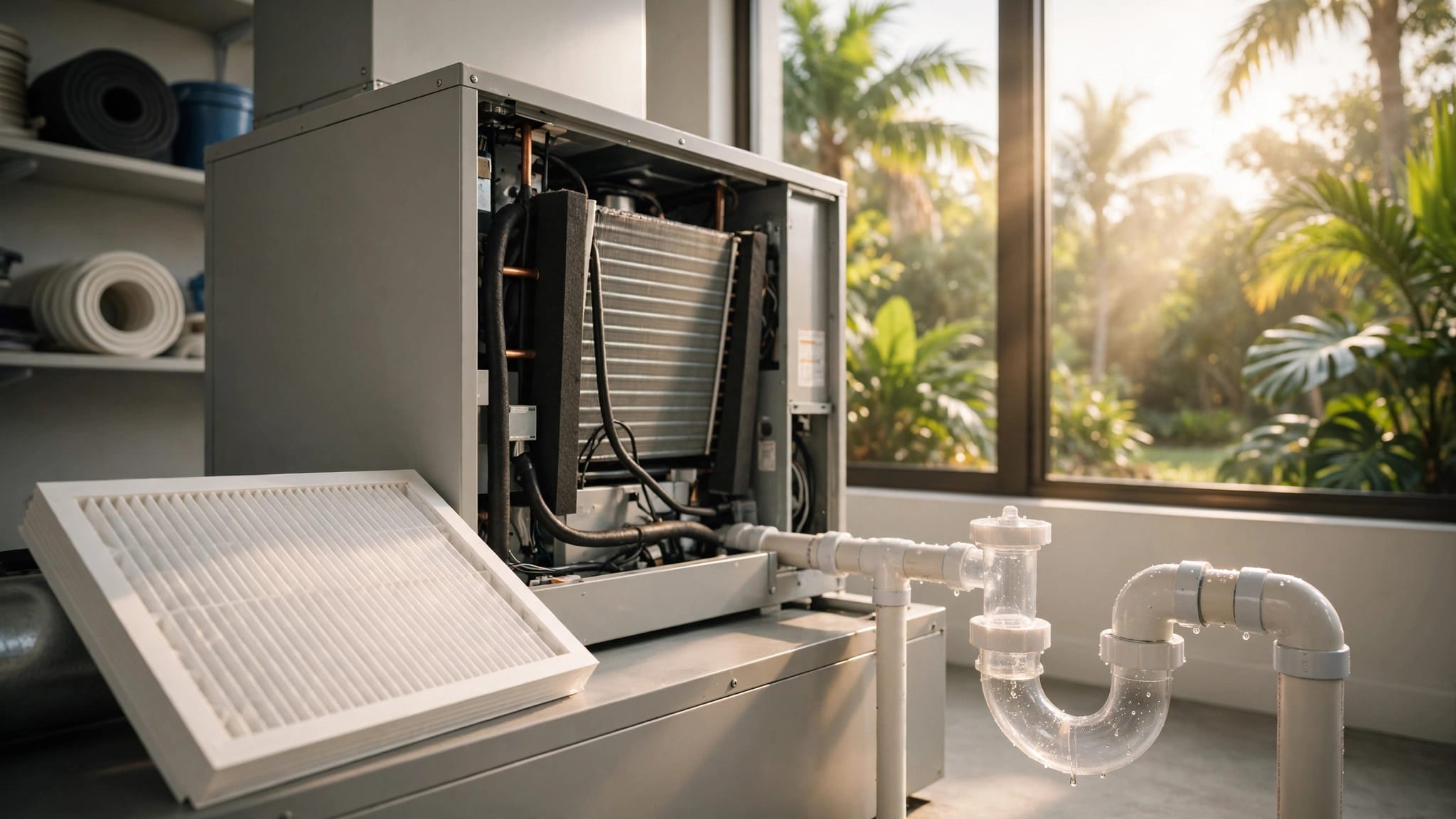
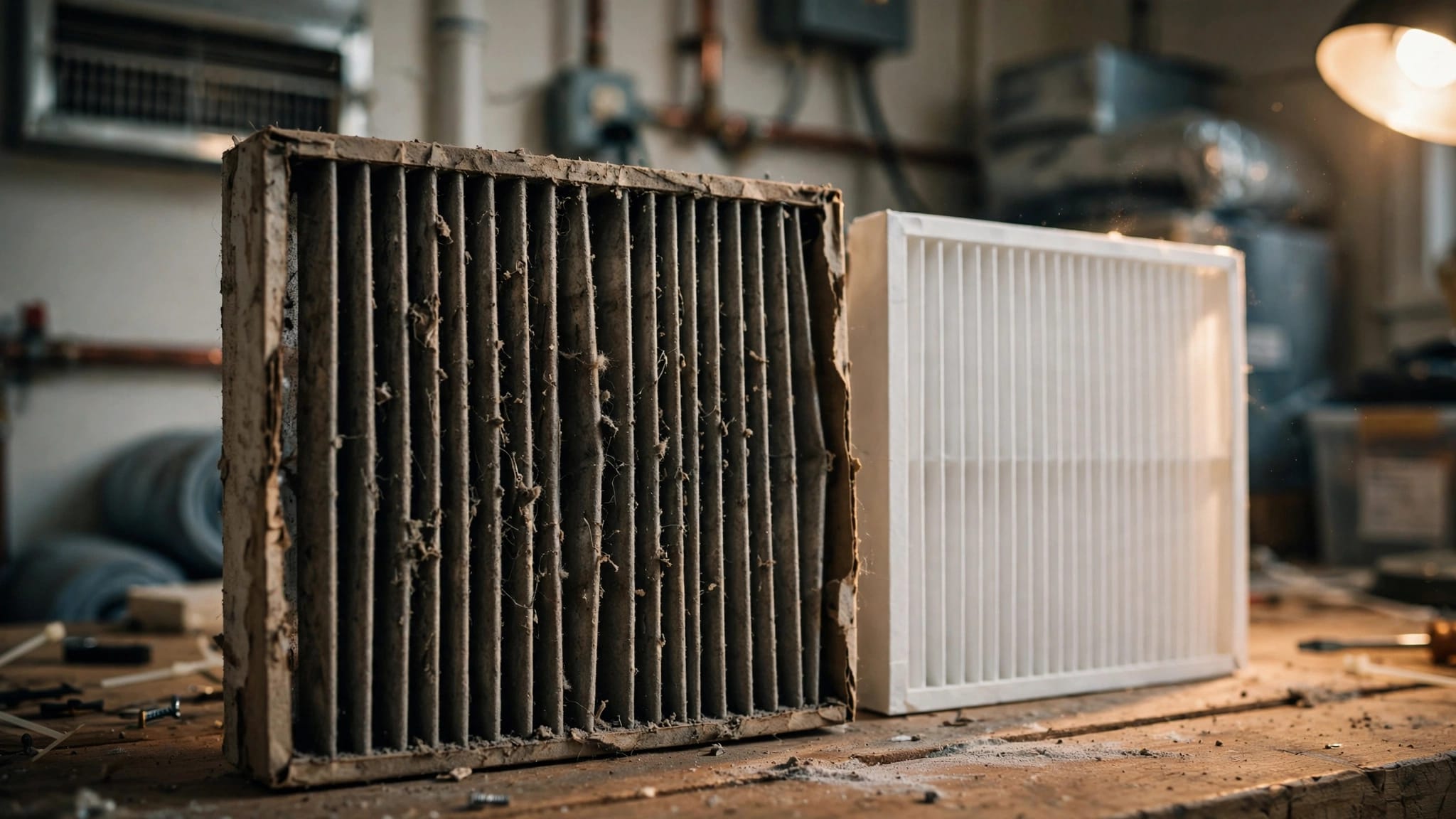
Installation quality can outweigh a small equipment advantage. A high-efficiency system still needs correct airflow, refrigerant charge, electrical connections, and condensate drainage.
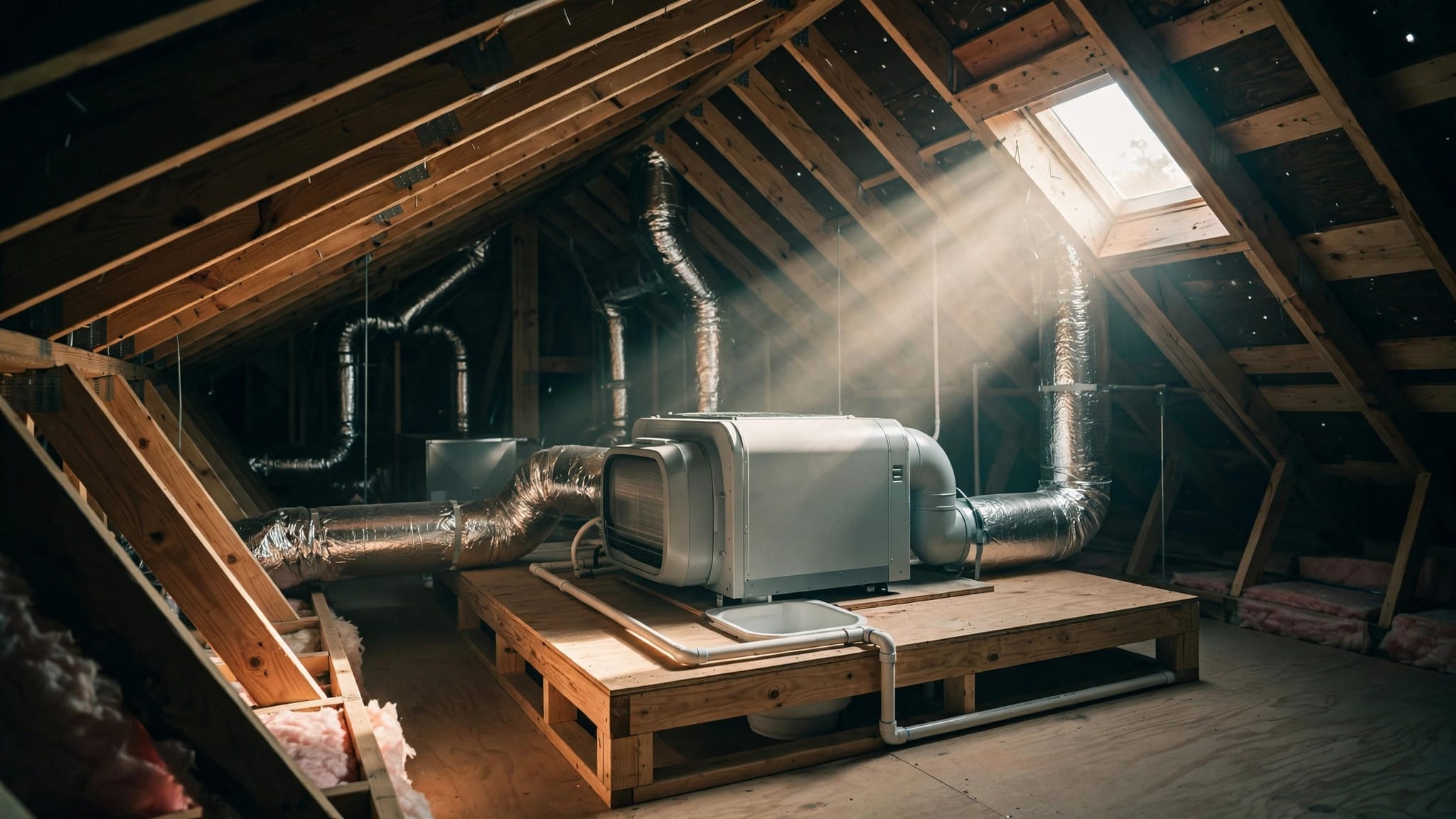
Ductwork deserves particular attention. Undersized returns and crushed supply ducts restrict airflow; return leaks can pull humid attic air into the system. Our explanation of Manual D duct design connects room airflow requirements with duct sizes and layout.
A useful buying checklist is short:
- Request the Manual J load calculation, selected capacity, exact model numbers, and AHRI equipment match. Apply the same checks to any Lennox bid.
- Include duct corrections, permits, electrical changes, controls, drainage work, and startup testing in the written scope.
- Document registration responsibility, parts coverage, unit-replacement benefits, and labor protection.
- Compare contractor licensing, HVAC experience with the quoted system, and ongoing service availability.
Our guidance on AC replacement contract details helps distinguish an equipment price from a complete installation proposal.
Frequently Asked Questions
Who makes Bryant, and how does it relate to Carrier?
Bryant is part of Carrier. Founded in Cleveland in 1904, Bryant was purchased by Carrier in 1955. The relationship doesn't make every Bryant model identical to a Carrier model.
Trane traces its founding to 1885 in La Crosse, Wisconsin, and incorporated in 1913. Company history alone doesn't predict installation quality or ownership costs.
Is Bryant a reliable choice for Southwest Florida?
Yes. A properly selected, installed, and maintained Bryant system is a reasonable choice for this climate, as is Trane.
The more useful distinction is whether the proposed system fits your home's heat and moisture loads, works with its ductwork, and has dependable service support. Neither logo corrects a poor installation.
Choose the Complete Installation
For Bryant vs Trane, the complete proposal should decide the purchase. Bryant can offer attractive value and Red Shield protection; Trane deserves consideration when its equipment and service package justify the price.
Choose the system that matches your cooling load, humidity needs, ducts, and budget. Paying more makes sense when it buys a documented benefit.
At Back Bay Heating & Cooling, we offer free estimates on new systems. Contact Us to discuss your Southwest Florida home's replacement needs.