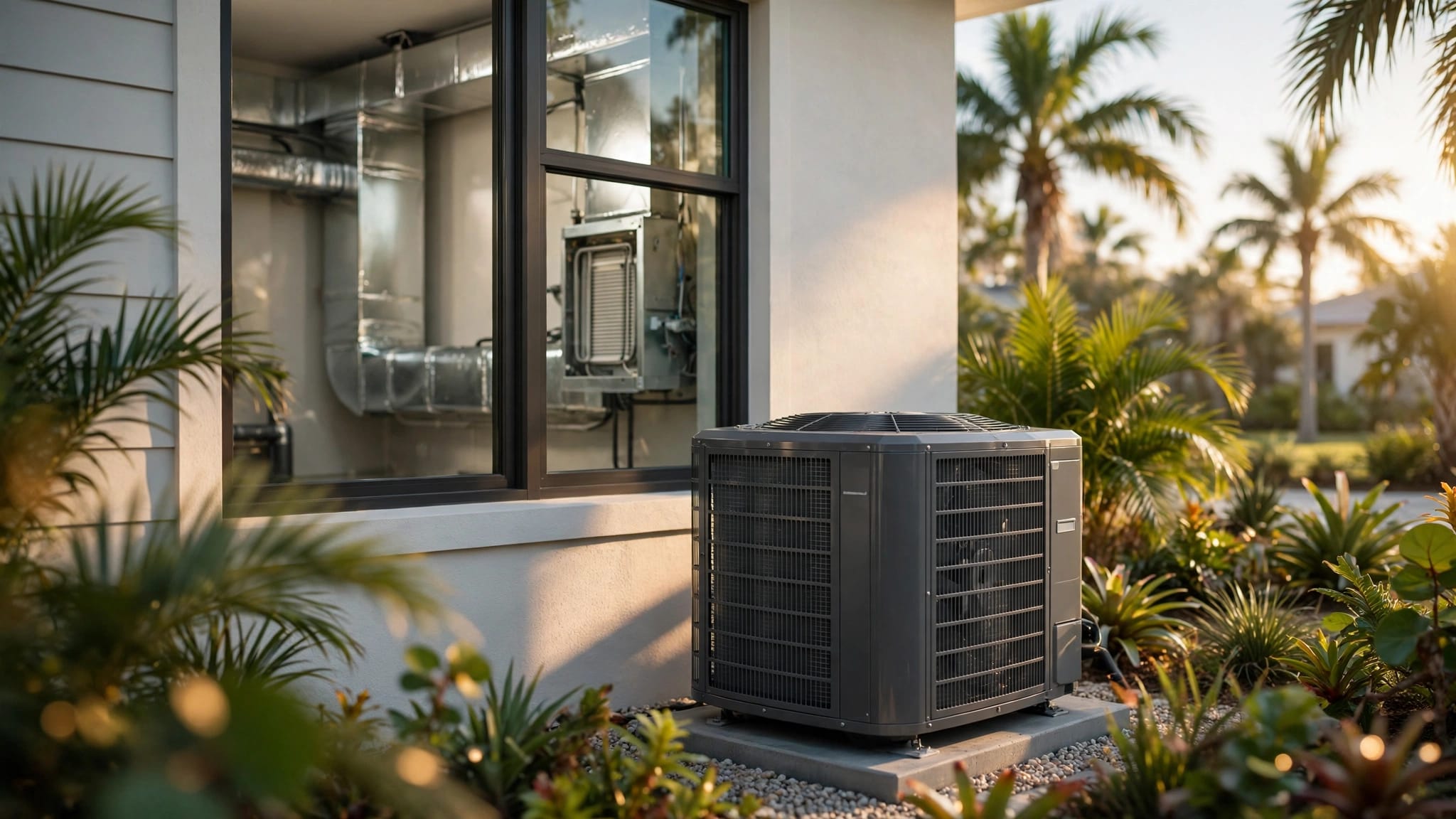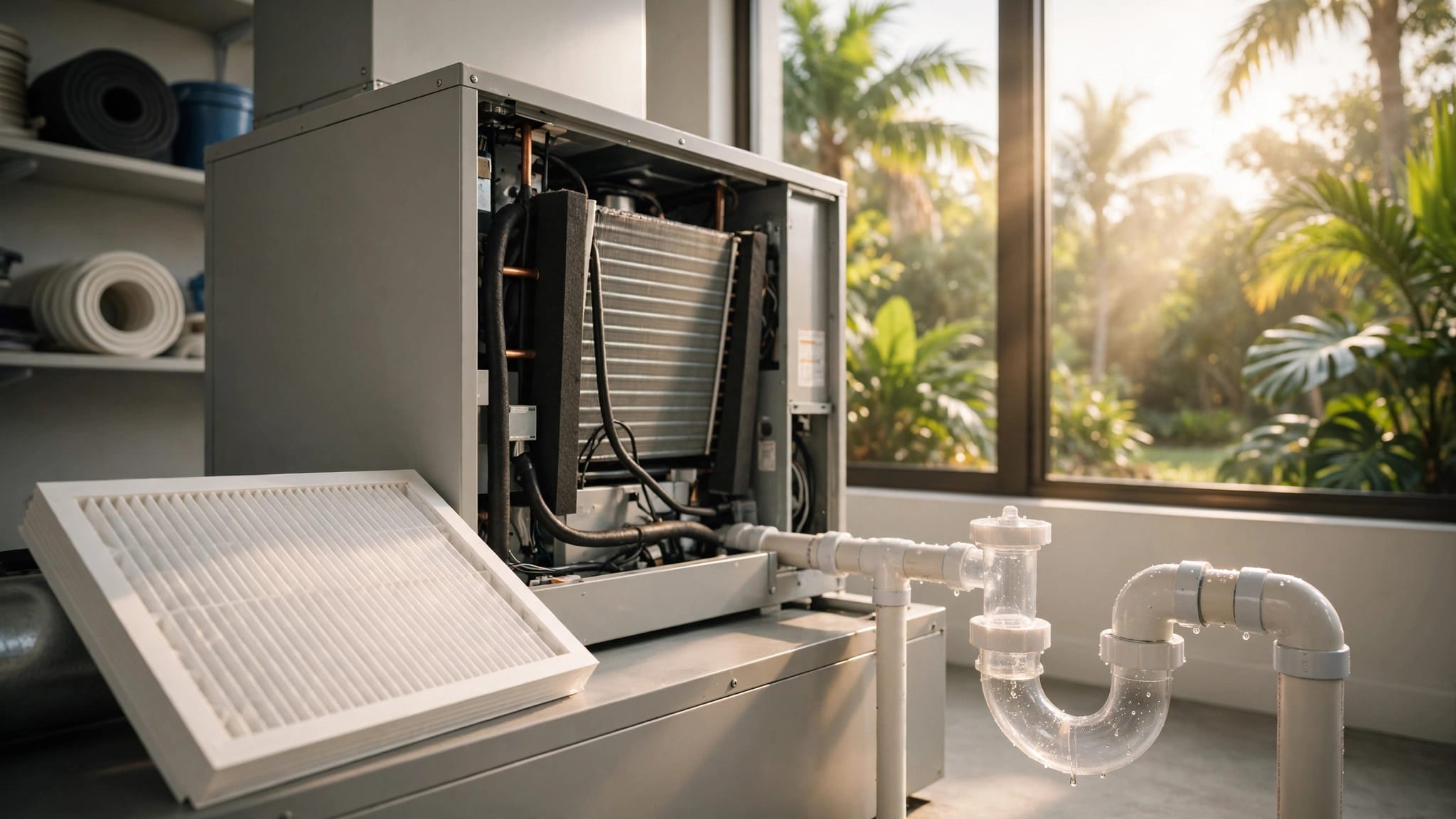
Yes, an AC air handler can be installed in a Florida attic, but state energy-code rules limit when that location is allowed. Under the 2023 Florida Building Code, the answer depends in part on the home's energy compliance path .
An attic installation can free up living space, but heat, humidity, drainage, and service access all affect how well it works. Here's what to consider before choosing a location.
Florida Code Rules for Attic Air Handlers
The Florida Building Code, 8th Edition, is in effect as of November 2026. Its energy conservation provisions distinguish between prescriptive and simulated-performance compliance for attic air handlers.
Prescriptive and Performance Compliance
Under section R403.3.6, an air handler isn't allowed in the attic when a home uses the R402 prescriptive compliance path. An attic location is allowed under the R405 simulated-performance path when the installation meets all four conditions:
- The air handler's service panel is within 6 feet of the attic access.
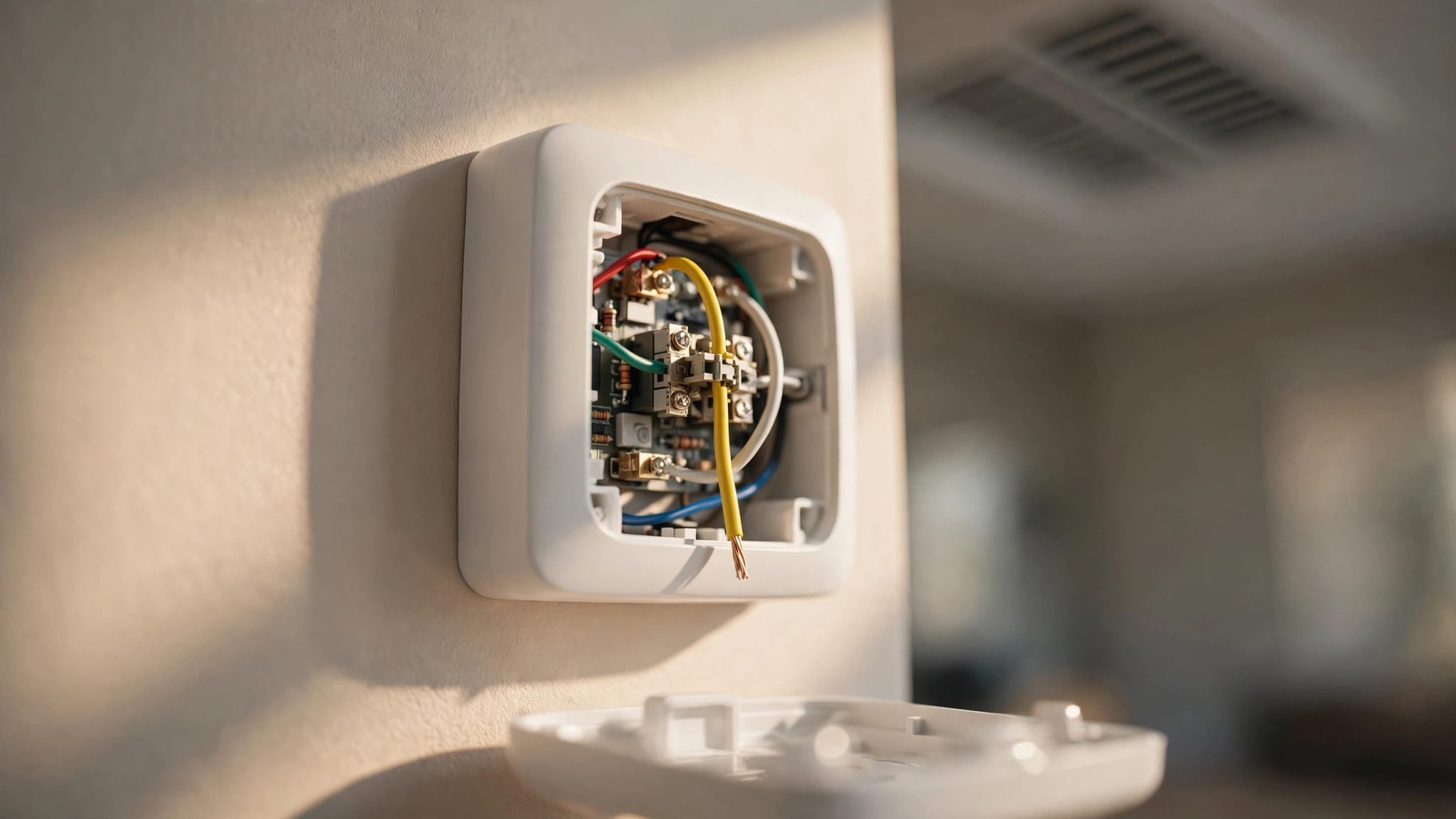
- A device alerts the homeowner or shuts down the unit if the condensate drain fails.
- The attic access opening is large enough to replace the air handler.
- A notice at the electrical service panel identifies the air handler's attic location.
The applicable requirements for an existing home depend on the project and permit scope. Our guide to Florida HVAC inspections covers what happens after permitted work.
Duct Insulation and Installation Details
The energy code also addresses ducts outside the home's thermal envelope. Section R403.3.1 calls for at least R-6 insulation on those ducts; site-wrapped supply ducts outside the envelope require at least R-8.
Air handlers also need suitable access, working space, and condensate protection. The equipment manufacturer's instructions and applicable mechanical requirements guide the installation details.
Benefits and Drawbacks of an Attic Installation
More Room Inside the House
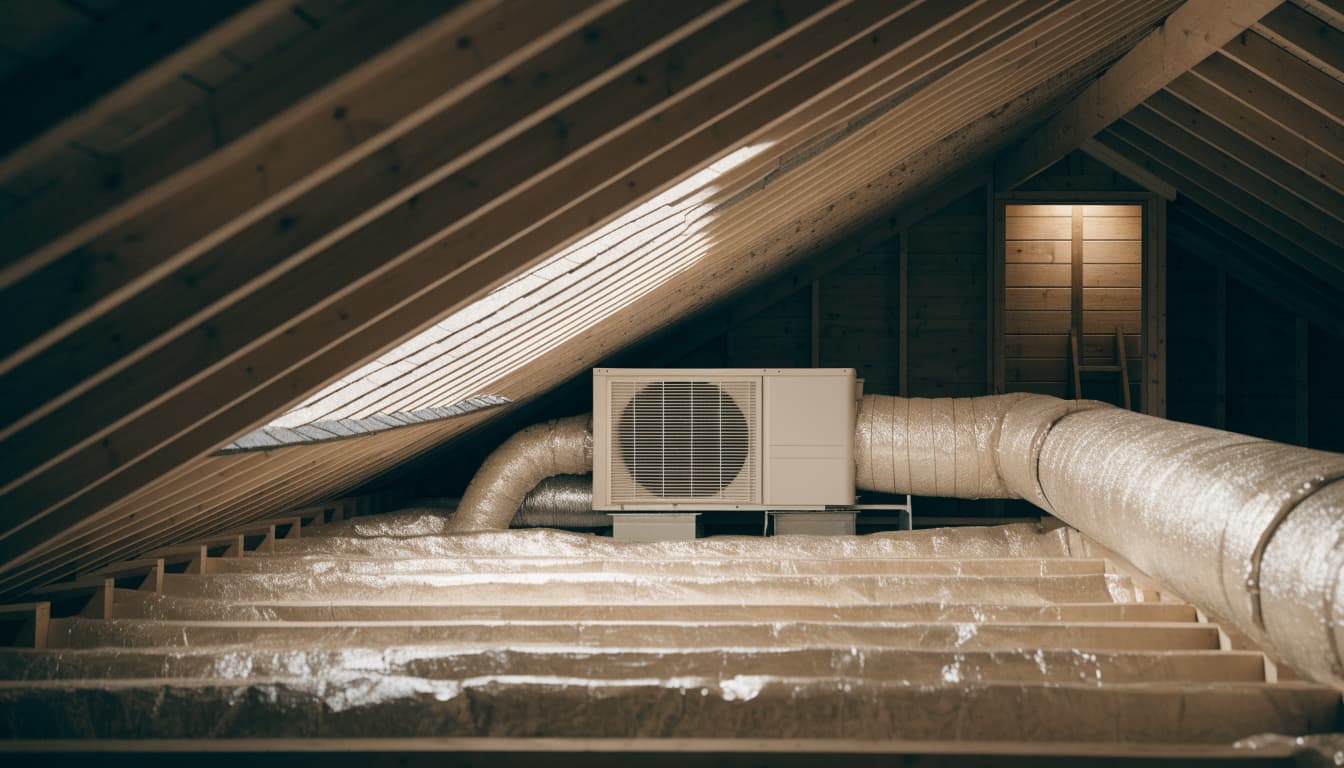
An attic air handler can free up a closet or utility area. It may also fit an existing duct layout, which can make it an appealing location when a home has limited indoor space.
The tradeoff is that the equipment sits above the ceiling. Moving it into place, replacing it later, and reaching it for service can be more difficult than working in an accessible closet. A tight attic opening may also limit the equipment that can fit.
More Exposure to Heat
A Florida attic can become much hotter than the conditioned rooms below. Heat can enter cold supply ducts, particularly where insulation is missing, compressed, or damaged. The system then has to remove that added heat.
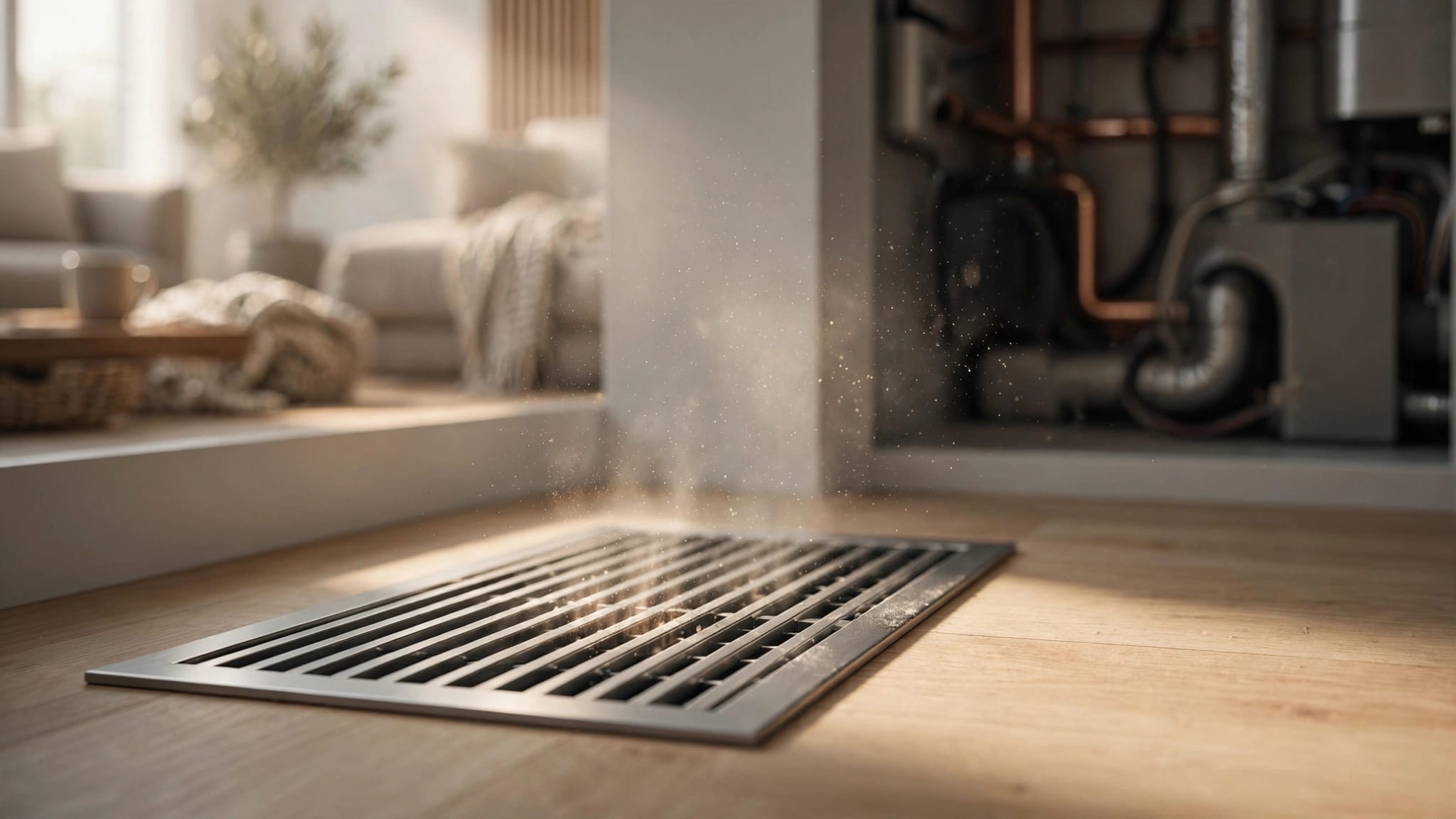
Duct leaks create another problem. Supply leaks waste cooled air, while return leaks can draw hot, humid attic air into the system. Sealed connections and properly insulated ducts help reduce those losses, although they don't eliminate the attic's heat exposure.
Protect the Attic From Moisture and Drain Problems
Florida air conditioners remove moisture as they cool. At an attic air handler, that water needs a dependable path out of the home.
Condensate Needs a Safe Route
Water collects at the indoor coil and flows through a condensate drain line. A gravity drain needs adequate slope and support. If the layout doesn't allow gravity drainage, the installation may need a condensate pump.
Overflow protection matters because a blocked line can send water into a ceiling before anyone notices. A drain pan and a properly installed safety device can help limit damage. The safety device may shut the system down, so an unexpected shutdown can point to a drainage problem.
Insulation Helps Prevent Sweating
Humid attic air can condense on cold ductwork or a poorly insulated plenum. Over time, that moisture can damage insulation, wood, or drywall.
A technician should address the moisture source rather than cover a wet area with new insulation. If you notice a ceiling stain, standing water, or a recurring musty odor, arrange service promptly. Our Florida AC maintenance guide covers other signs homeowners can look for safely.
Plan for Service Access and Maintenance
An attic installation needs room for a technician to reach the air handler, filter, coil, drain line, and electrical components. A safe route and working platform also make routine service and eventual replacement easier.
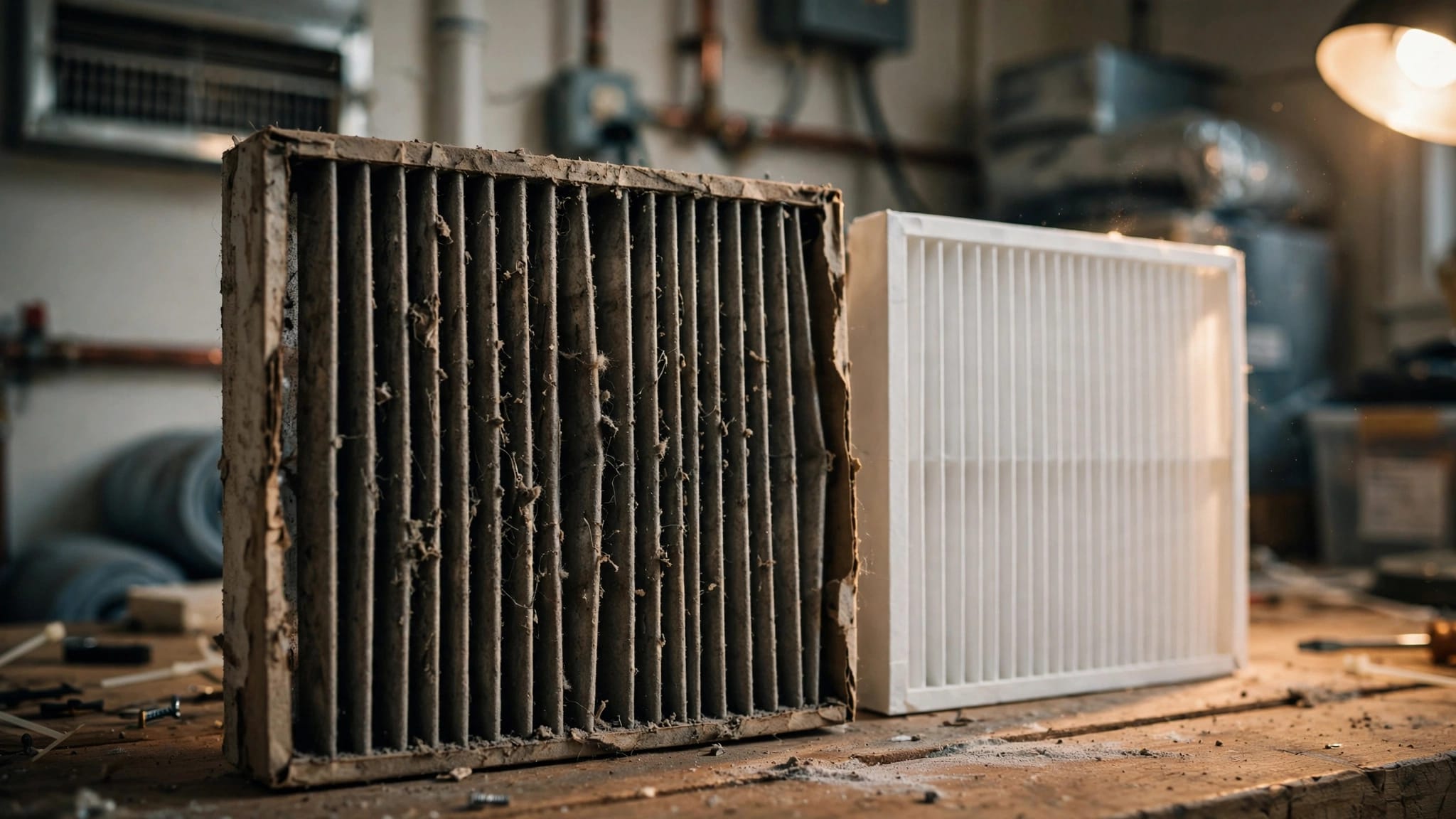
Ask where the filter will be located. An accessible return grille can make filter changes easier than a filter at the attic unit. We recommend checking filters monthly and replacing them every 30 to 60 days, depending on the filter and household conditions.
We also recommend annual HVAC service. A visit gives your technician an opportunity to inspect the drain, coil, blower, safety controls, and accessible duct connections before a small problem causes a shutdown.
How Attic Placement Compares With Indoor Alternatives
A conditioned interior closet or mechanical room keeps the air handler out of extreme attic heat. It can also provide easier access for maintenance. However, it takes up indoor space and needs enough room for airflow, drainage, and service.
A garage or utility room may offer easier access than an attic, although a garage can still be hot and unconditioned. Moving an existing air handler to any new location may require changes to ducts, refrigerant lines, electrical connections, and the drain route.
The right choice depends on the house's layout as well as the equipment. Our comparison of package units and split systems looks at placement options for both types.
Choosing the Right Location for Your Home
An attic air handler can work when the home's code compliance path allows it and the installation provides proper drainage and access. Still, an indoor location may reduce heat exposure and make maintenance easier.
We help Southwest Florida homeowners assess equipment placement and the surrounding ductwork. Contact Us to schedule a service call or reach our team for 24/7 emergency service.