A new air conditioner may be cooling your home, but the permitted job is not finished until the local inspection process is complete. A final HVAC inspection Florida homeowners arrange after an installation or replacement checks that the work matches the approved permit and is ready for normal use.
Your contractor usually handles the scheduling, but homeowners still play a part. Knowing what the inspector may review helps you prepare the home, locate paperwork, and avoid an unnecessary return visit.
The Final Inspection Comes After the Installation Is Complete
A final HVAC inspection takes place after the equipment, controls, electrical connections, condensate drain, and any permitted ductwork are installed. The system should be able to run in its intended mode before the inspector arrives.
A simple equipment changeout may need only a final inspection. However, an installation that includes new ducts, a relocated air handler, electrical changes, or structural work can require earlier inspections too. The permit scope controls the sequence.
The contractor usually requests the inspection
Your licensed HVAC contractor normally pulls the permit, finishes the work, starts the system, and requests the final inspection through the local building department. Ask who will schedule it and whether a technician will meet the inspector.
Inspection timing can vary with local workload, weather, holidays, and the jurisdiction's schedule. In Lee County, for example, the inspection system lists separate mechanical codes for Rough A/C and A/C Final inspections.
Ductwork can add an earlier inspection step
When a project includes duct replacement or new duct runs, an inspector may need to see part of the work before it is covered. That earlier review can address duct routing, support, sealing, insulation, and return-air details.
Cape Coral's residential changeout guidance lists a final HVAC inspection and a rough inspection when ductwork is part of the permitted work. If ducts are included in your project, ask about Cape Coral ductwork repair and replacement before the final is scheduled.
Final HVAC Inspection Florida: What Inspectors Check
The inspector compares the installed system with the permit documents, approved plans when required, and manufacturer instructions. They are looking for a complete, safe installation that meets the applicable Florida Building Code requirements and local procedures.
Equipment, electrical connections, and operation
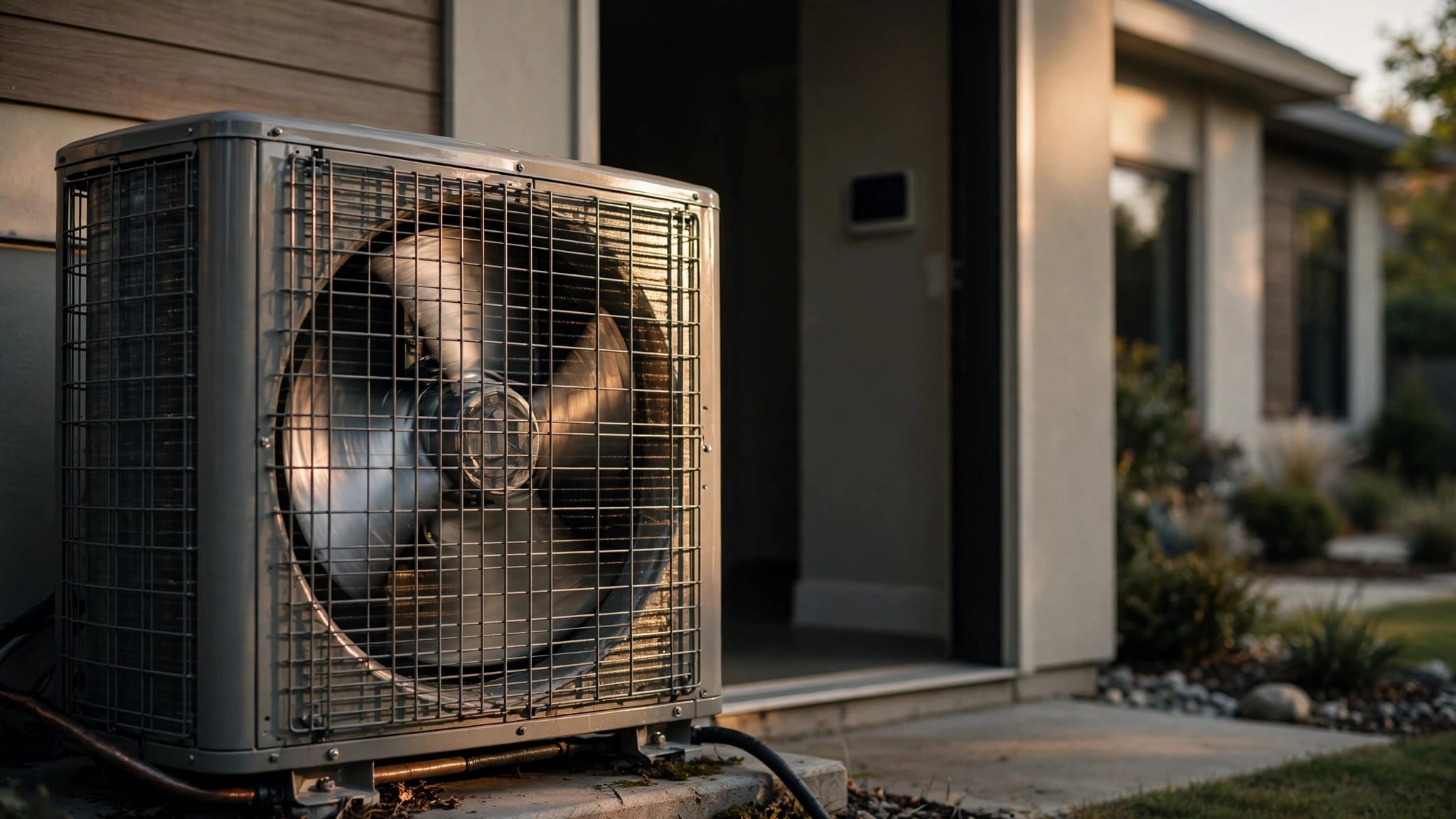
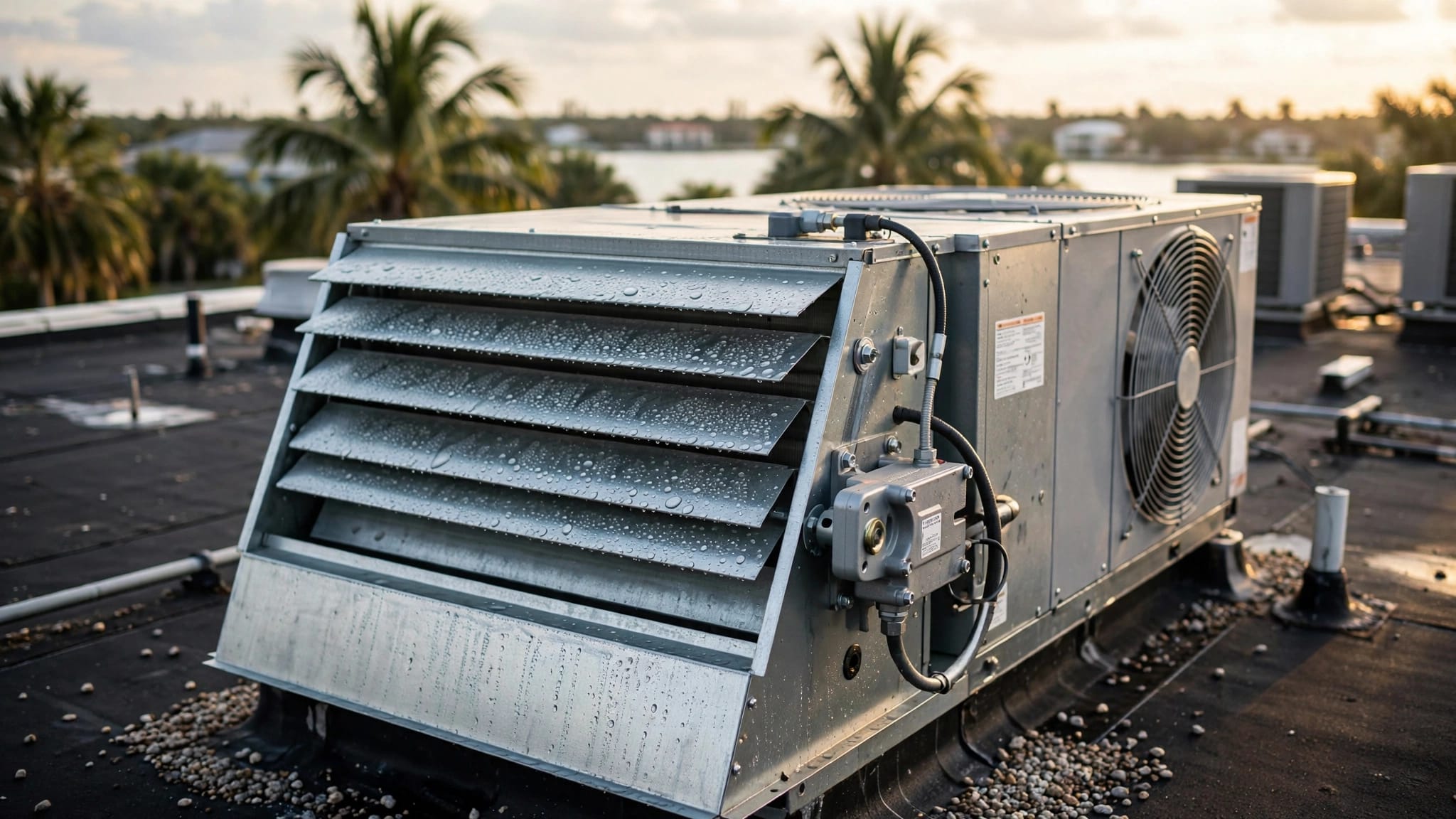
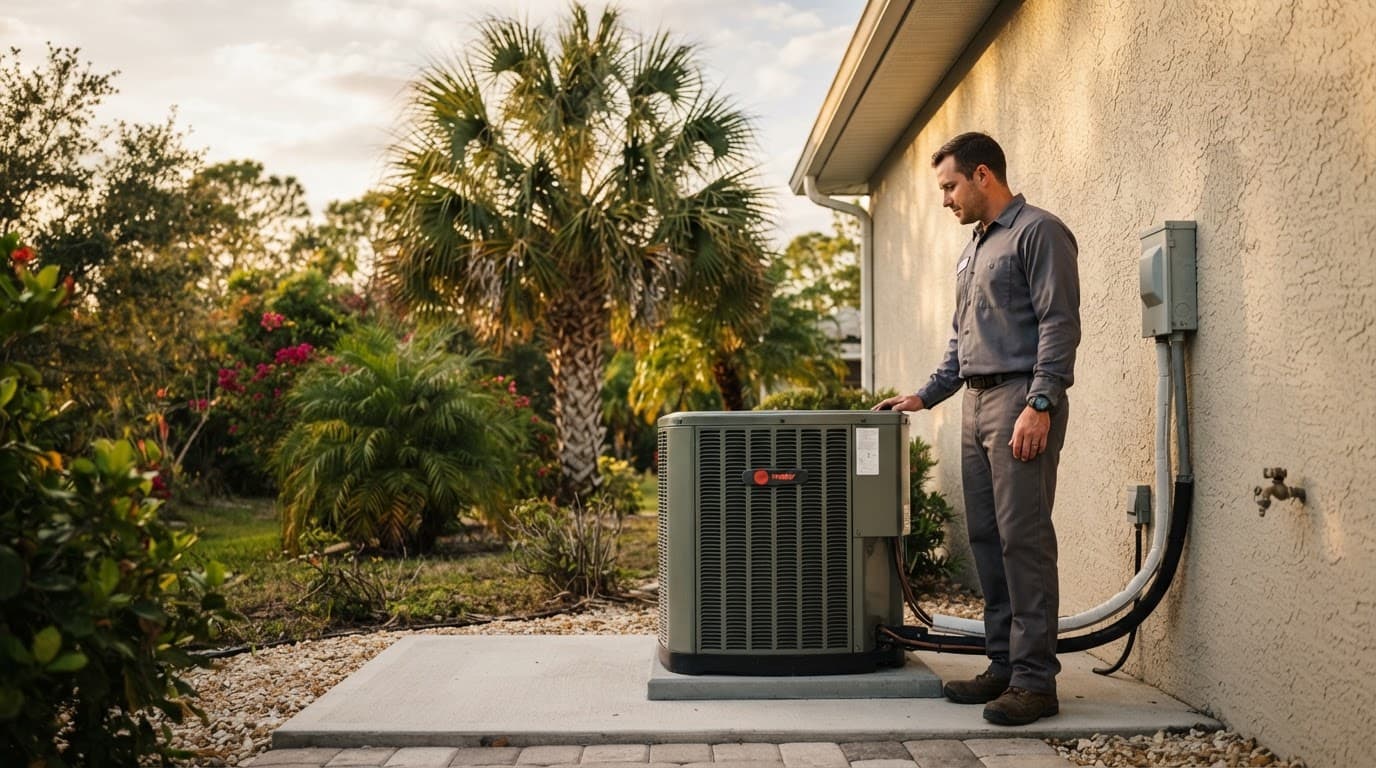
At the outdoor unit, the inspector may look at the condenser's mounting, service access, refrigerant line protection, line insulation, and weatherproof electrical disconnect. They can also confirm that the installed equipment matches the permit's stated model and capacity.
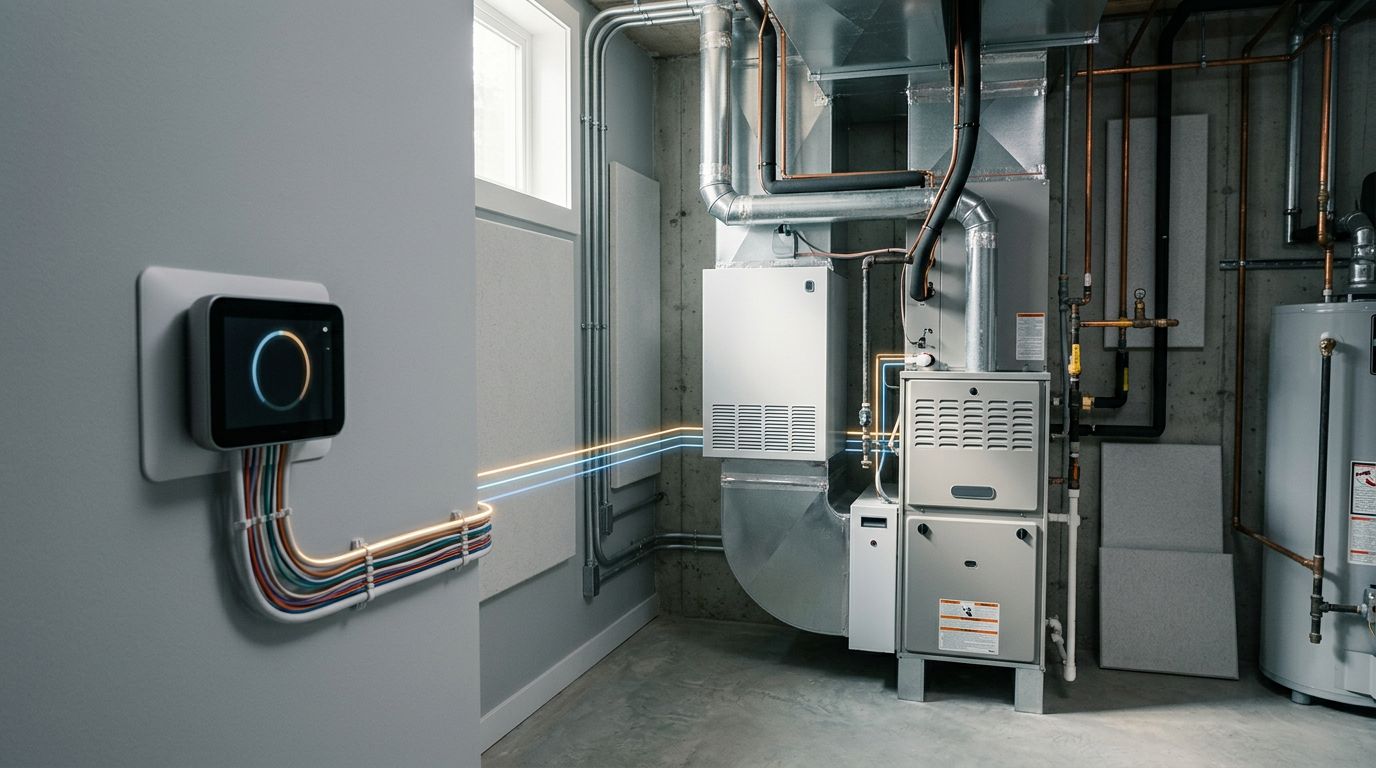
Inside, the air handler, furnace, closet installation, thermostat, filter access, and return-air setup may be reviewed. The inspector may ask that the system run, then check that it responds properly to the thermostat.
Electrical work sometimes has its own inspection requirements. Still, the mechanical final may include a visual check of the HVAC disconnect, wiring, grounding, and equipment connections. The contractor should have any required trade approvals in place.
Condensate drainage and duct details matter
Florida air conditioners remove large amounts of humidity, so condensate drainage receives close attention. Inspectors may check exposed drain slope, fittings, termination point, overflow protection, and whether discharge could create a nuisance or damage the home.
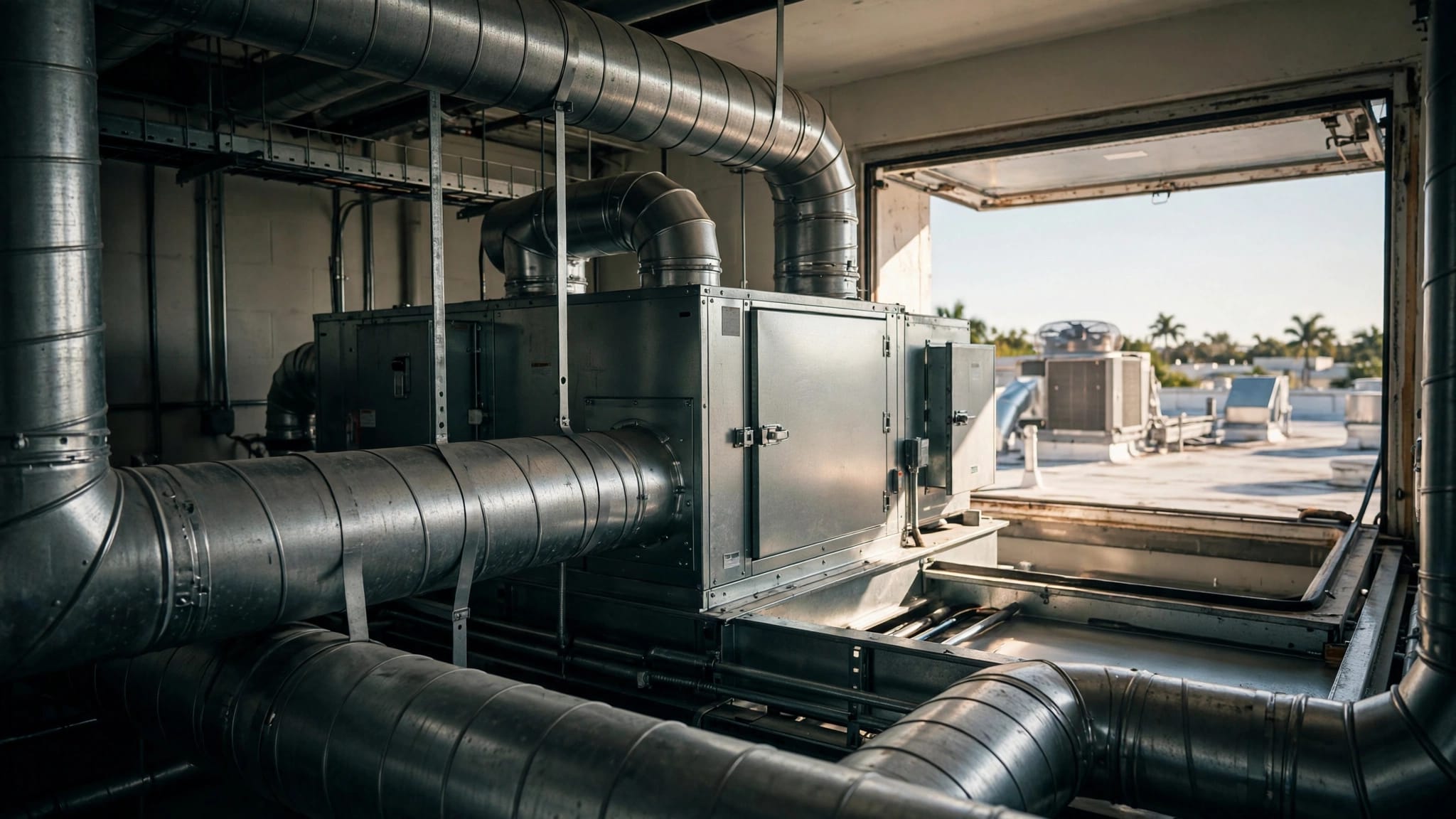
If ductwork was included, the inspection may also cover visible connections, insulation, support, sealing, and access. Some jurisdictions request duct plans or duct certification as part of the permit file.
A working air conditioner can still need a correction if its condensate drain, disconnect, equipment access, or paperwork does not match the approved job.
Prepare Documents and Access Before the Visit
A little preparation helps the inspection stay focused on the installed system. Keep documents available at the home or with the contractor, and clear a safe path to each area the inspector may need to see.
Keep the permit file handy
Your contractor may carry the required paperwork, but it helps to know what belongs with the project. Local rules decide which records must be on site.
- Keep the permit card or permit number and the approved permit documents available.
- Have manufacturer specifications or equipment cut sheets for the installed condenser and air handler.
- Provide an AHRI certificate or Florida efficiency form if your city or county requires one.
- Include a duct plan and duct certification when the permit includes ductwork.
- Keep a recorded Notice of Commencement available when the project's value meets the local threshold.
Lee County guidance states that the permit, approved plans, and manufacturer specifications must be on site during inspection. Other locations may request different forms, so the contractor should confirm the current list with the Authority Having Jurisdiction, often called the AHJ.
Open every area the inspector may need
Clear access to the outdoor condenser, electrical disconnect, air handler, thermostat, attic hatch, garage platform, or mechanical closet. Move storage bins, lawn furniture, and other items that block panels or pathways.
If the air handler sits in an attic, make the route safe and accessible. Secure pets before the appointment, and keep someone available if the inspector needs entry to a locked room or gated yard.
What Happens While the Inspector Is at Your Home
Most final inspections are brief when the work is complete and access is clear. The exact pace depends on the project, local workload, and any questions that arise during the visit.
The visit starts with a jobsite walkthrough
The inspector identifies the permitted HVAC work and checks the equipment locations. They may compare model numbers with permit records, look at visible installation details, and review documents supplied by the contractor.
Next, they may observe the system operating. The thermostat should call for cooling, the indoor unit should start, and the outdoor unit should run normally. A final inspection is not the same as the contractor's full startup and commissioning process, but obvious operating issues need attention before the visit.
The inspector may also review work that homeowners do not notice daily, such as access clearances, drain routing, line-set protection, and the outdoor disconnect.
Your role is simple but useful
Be available for access and basic questions about gates, attic entries, or equipment locations. You do not need to explain code details or speak for the contractor.
Avoid covering the air handler or outdoor unit before the appointment. Also, don't make unpermitted changes to the equipment, wiring, duct layout, or condensate drain after installation. Those changes can create a mismatch between the completed work and the permit record.
A Pass or Correction Notice Is Not the Same as a System Warranty
After the walkthrough, the inspector records the result in the jurisdiction's inspection system. A passing final generally allows the permit to move toward closeout, subject to any related trade inspections or local administrative requirements.
When the inspection passes
The building department updates the permit record after a successful final. Save the final inspection result, permit paperwork, manuals, warranty records, and equipment information with your home documents.
This paperwork can help during a future sale, insurance review, maintenance visit, or equipment warranty claim. It also shows that the replacement went through the local permit process.
If the inspector requests corrections
A correction notice means the inspector found an item that needs attention before final approval. Common examples include blocked access, incomplete paperwork, drain details, equipment labeling, or an installation issue that does not match the permit.
Read the notice closely, then let the licensed HVAC contractor address the listed items. After the correction is complete, the contractor can request a reinspection under the local process.
If the system has stopped cooling, is leaking water, or has an electrical concern before the inspection, Contact Us to schedule service. Back Bay Heating & Cooling offers 24/7 service for urgent heating and cooling problems.
Florida Cities and Counties Can Handle Final Inspections Differently
Florida jurisdictions use the Florida Building Code, 8th Edition (2023), but local administrative rules, forms, inspection codes, and documentation requirements can differ. Your city may be the AHJ even when you live within a county.
Southwest Florida examples show why local confirmation matters
These examples show how permit procedures can vary within the region.
| Location | Local detail to confirm |
|---|---|
| Lee County | The automated system lists 401 Rough A/C and 402 A/C Final inspection codes. |
| Cape Coral | Residential AC changeout guidance lists HVAC Final 042 and Rough 012 when ductwork is included. |
| Fort Myers | The mechanical checklist calls for the final after installation is complete and uses different Notice of Commencement thresholds for general work and AC repair or replacement. |
| Charlotte, Collier, and Hendry counties | Confirm current mechanical final steps, document requirements, and scheduling rules directly with the local building department. |
A Notice of Commencement threshold is one example of why assumptions cause trouble. Cape Coral changeout guidance references a $15,000 threshold, while Fort Myers uses a $5,000 general threshold and a $15,000 threshold for AC repair or replacement.
Confirm the permit scope before work begins
Before you sign an installation contract, ask which party pulls the permit, what inspections are expected, and whether ductwork or electrical work changes the process. Clear answers prevent confusion later.
Homeowners planning a replacement can also review Cape Coral AC replacement permit requirements before installation starts. For homes outside Cape Coral, use the page as a practical starting point, then verify your own AHJ's current rules.
Final Thoughts on HVAC Permit Closeout
A final HVAC inspection Florida homes need is a practical check that the permitted installation is complete, accessible, and consistent with local requirements. Cold air alone does not close a permit.
Keep access clear, have the correct documents ready, and let your licensed contractor handle any correction notice. Local confirmation is the best way to avoid surprises, because each city or county can set its own inspection steps and paperwork requirements.