A purifier squeezed behind your sofa has to work around the furniture before it can move air through the room. Good portable air purifier placement starts with unobstructed airflow in the space where you need cleaner air most.
In Florida, that also means accounting for pollen, frequent air-conditioning use, and moisture that filtration can't remove. A purifier can capture airborne particles, but humidity and mold need separate solutions.
Start with the room, then choose a spot that leaves the purifier and your HVAC airflow clear.
Choose the Room That Needs Cleaner Air Most
Place your purifier where cleaner air will matter during your normal routine. A convenient electrical outlet shouldn't be the deciding factor. Consider where you spend time and where particles enter or collect.
Prioritize the bedroom for sleeping areas
If your main concern is airborne allergens where you sleep, place the purifier inside the bedroom. Putting it in the hallway leaves the bedroom dependent on air moving through the doorway.
Look for a location outside the bed's immediate footprint, where bedding and curtains won't cover the openings. Also leave your usual walking route clear. A purifier that gets pushed behind a nightstand each evening won't have the same open airflow as one with a dedicated spot.
Use the living area for shared activities
A living room makes sense when the household spends much of its time there, especially with pets or frequently opened exterior doors. Choose an open location near the occupied area without crowding the unit against furniture.
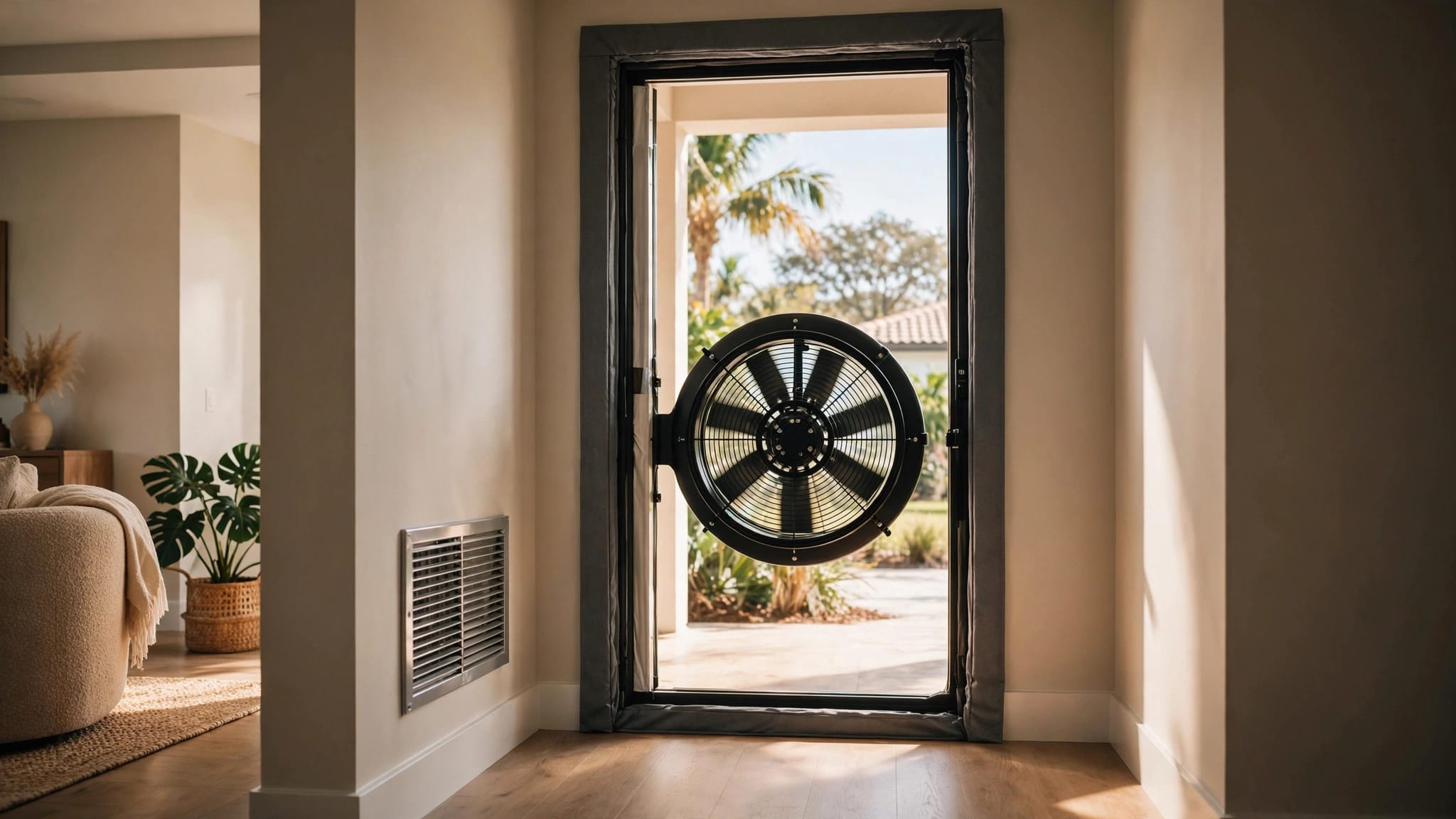
Avoid placing it directly beside a patio doorway. Repeated door openings bring in pollen and humid air, so reducing that entry matters alongside filtration. Keep the purifier away from places where shoes, bags, or children's toys routinely pile up.
Portable Air Purifier Placement Needs Open Airflow
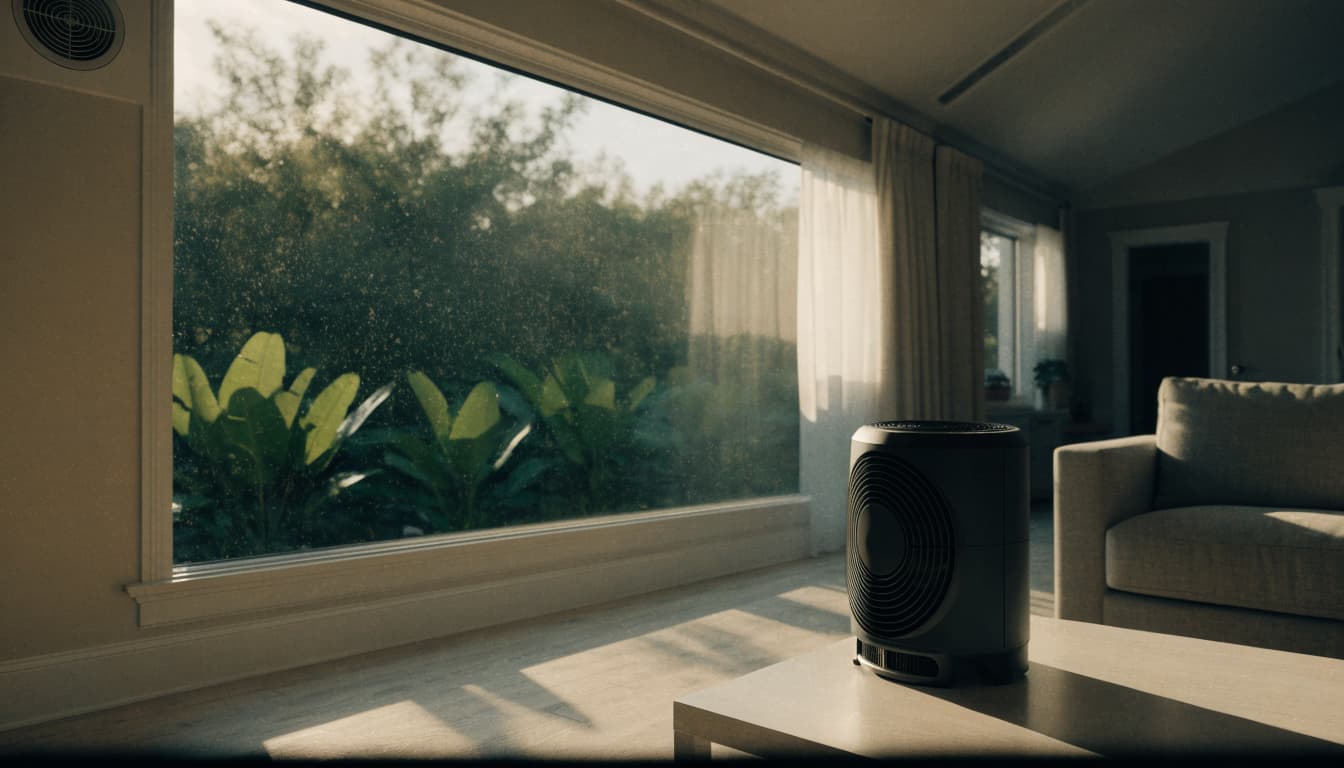
Air must enter the purifier, pass through its filter, and leave without obstruction. Furniture can interfere with that path even when the unit looks neatly positioned.
Keep intake and outlet openings exposed
Don't put a purifier inside a cabinet, behind a sofa, or between tightly packed pieces of furniture. Curtains are another common problem because they can drift across an opening.
Leave open space around every air opening. Avoid stacking books, folded blankets, or decorative objects on the housing. Similarly, don't use the purifier as a plant stand. Soil, spilled water, and foliage add problems around equipment that needs clear openings.
A corner isn't automatically unsuitable, but surrounding walls and furnishings mustn't block the unit's airflow.
Choose a stable spot with a safe cord route
Use a level, stable surface that supports the purifier securely. Keep it away from splashing water, damp flooring, and places where children or pets could tip it.
Route the cord outside walking paths. Don't run it beneath a rug or trap it under furniture. Also keep the unit away from hot cooking surfaces and direct steam.
The best-looking location may be impractical if it blocks access to the filter compartment. Leave enough working space to remove the filter without moving heavy furniture or disturbing nearby objects.
Make Bedroom Placement Work With the Room
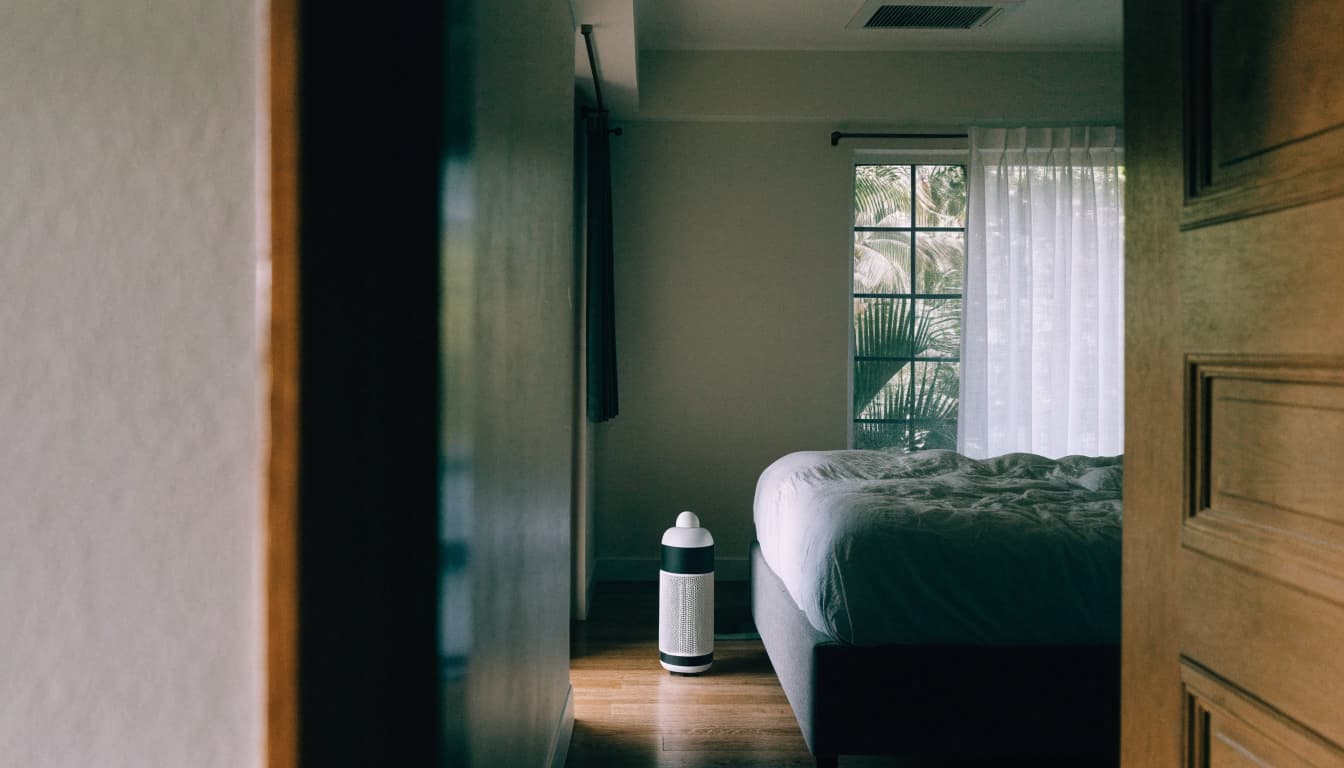
Bedroom furniture creates several easy-to-miss obstructions. A comforter hanging over the bed, a full laundry basket, or floor-length drapes can crowd an otherwise reasonable location.
Leave the purifier outside those changing obstacles. Don't wedge it between the bed and wall simply because that space is unused. Keep it away from a humidifier's mist, too.
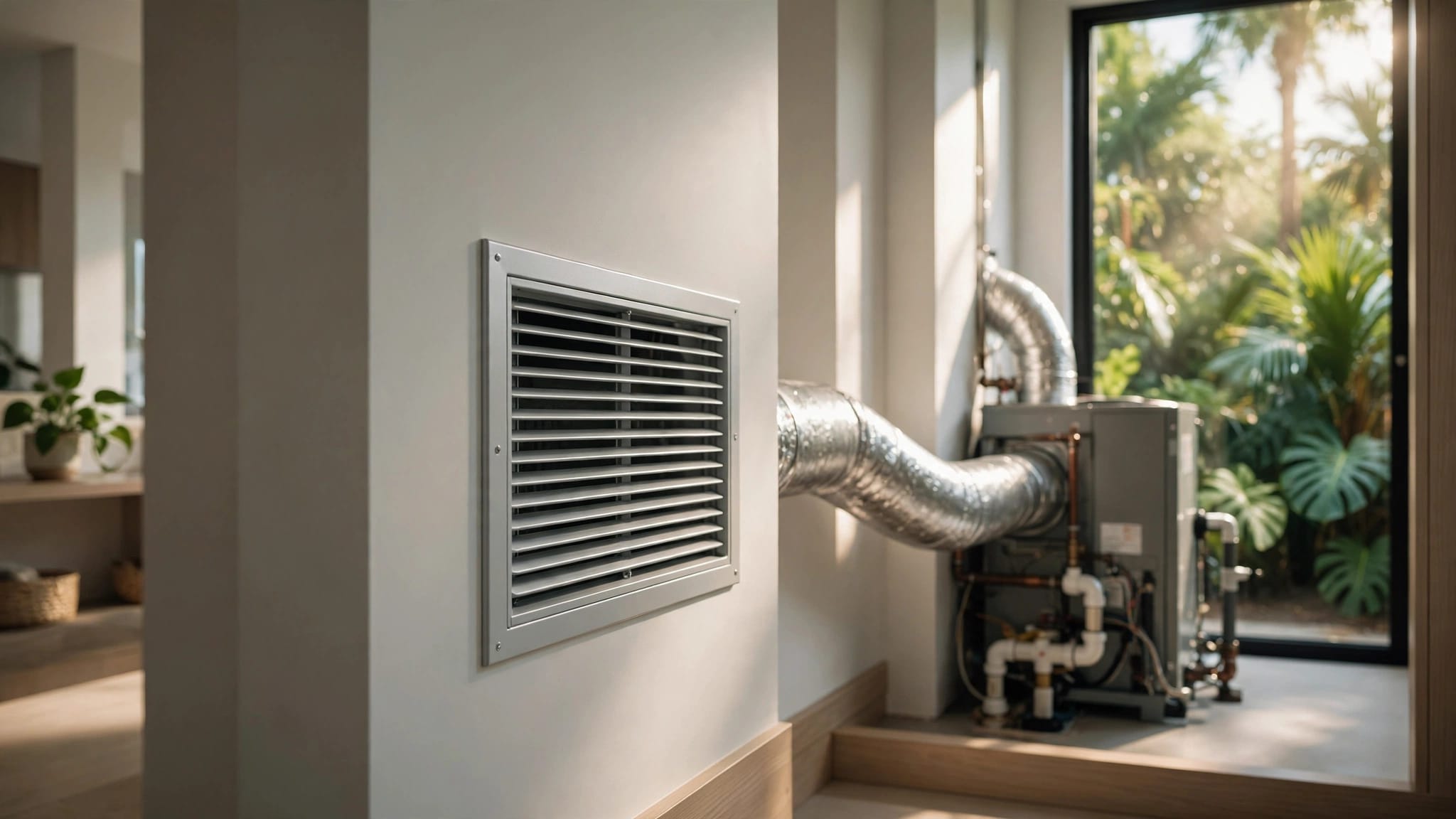
For Florida bedrooms, the AC supply register and return path also matter. A purifier shouldn't sit over a floor register or block a return grille. Its fan doesn't replace the circulation your cooling system needs.
A closed bedroom door can restrict HVAC circulation when the room lacks an effective return path. The purifier won't correct that pressure or airflow problem. If a bedroom becomes warmer or feels stuffier with the door closed, the HVAC airflow deserves attention.
Keep the setup practical enough that the unit can remain in its intended location without interfering with daily use.
Reduce Florida Pollen and Particles at Their Source
Placement helps filtration, but reducing incoming particles gives the purifier less material to handle. Florida homes face outdoor allergens alongside indoor sources such as cooking, pets, and tracked-in dust.
Pollen patterns vary by plant and location. Tree, grass, and weed pollen can affect different parts of the year, so one short spring season doesn't describe every Florida household's exposure.
During high-pollen conditions, keep exterior windows closed and limit unnecessary door openings. A screened lanai stops insects, but its screens don't keep out fine pollen or moisture.
Inside, focus on the sources you can control:
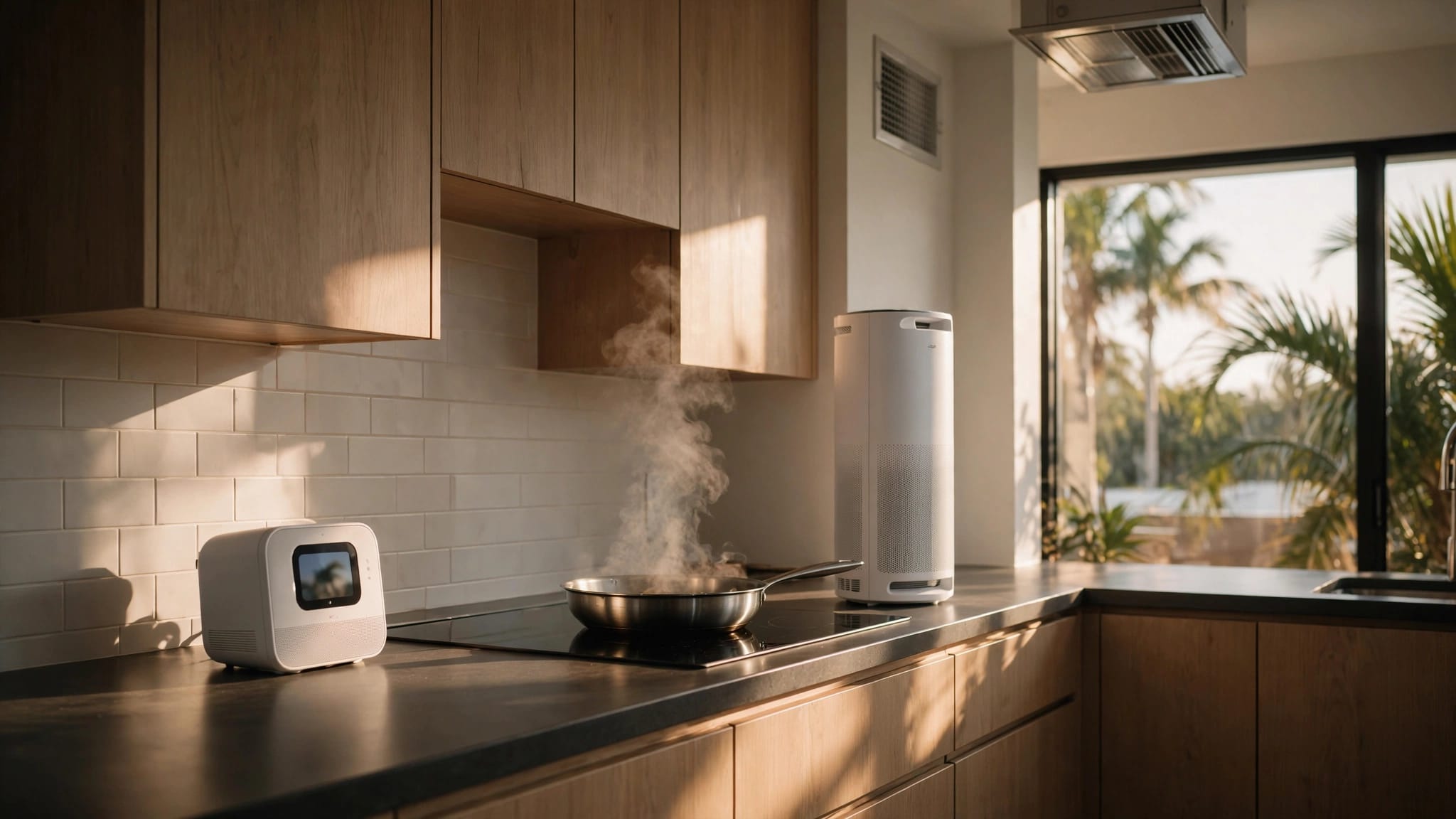
- Use kitchen exhaust that vents outdoors during cooking, especially frying, rather than relying on a purifier to handle everything afterward.
- Vacuum pet hair and settled dust so everyday movement doesn't keep sending material back into the air.
- Keep dusty shoes and outdoor gear away from sleeping areas instead of placing the purifier beside a growing source of dirt.
Also keep remodeling debris away from the unit. Sanding dust requires source containment and cleanup, not a better spot for an ordinary household purifier.
These habits support filtration without adding humid outdoor air unnecessarily.
Let Your AC and Purifier Do Separate Jobs
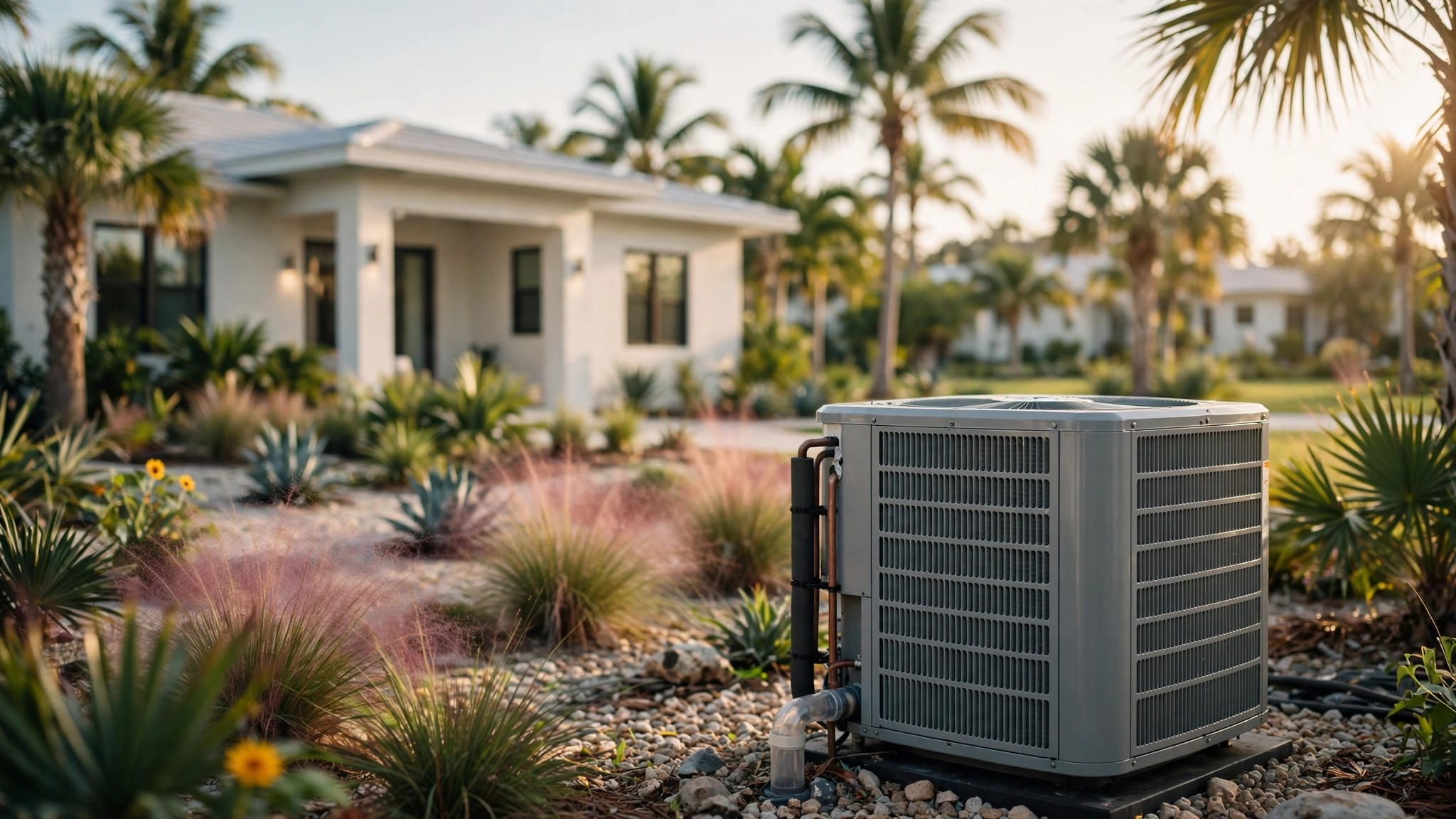
Your air conditioner cools the house and removes some moisture as water condenses on its coil. A portable particle purifier filters the air passing through its own housing.
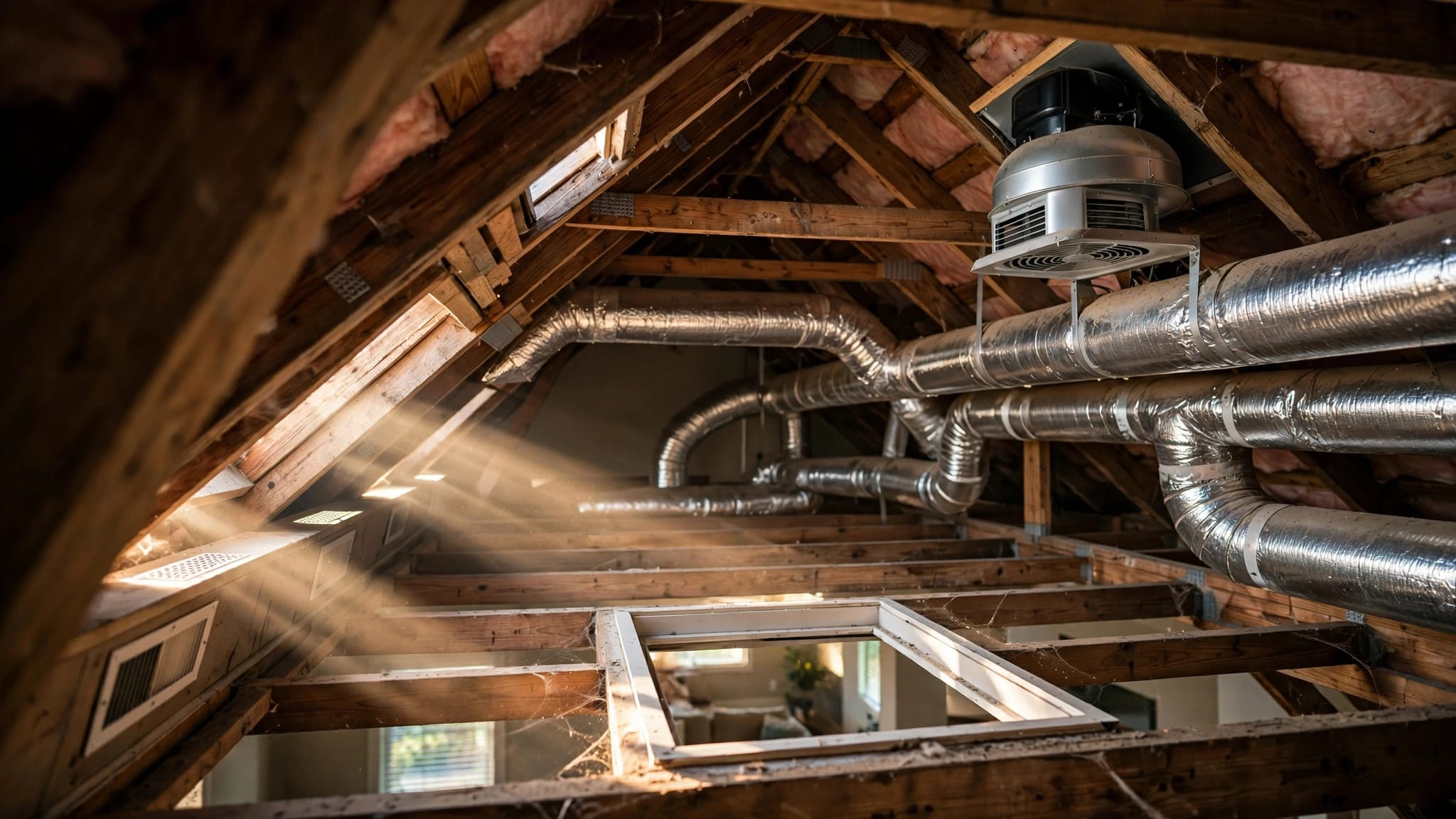
Because these jobs differ, don't place the purifier directly against an HVAC return and expect it to become a whole-home system. Keep supply registers and return grilles clear so the cooling system can circulate air properly.
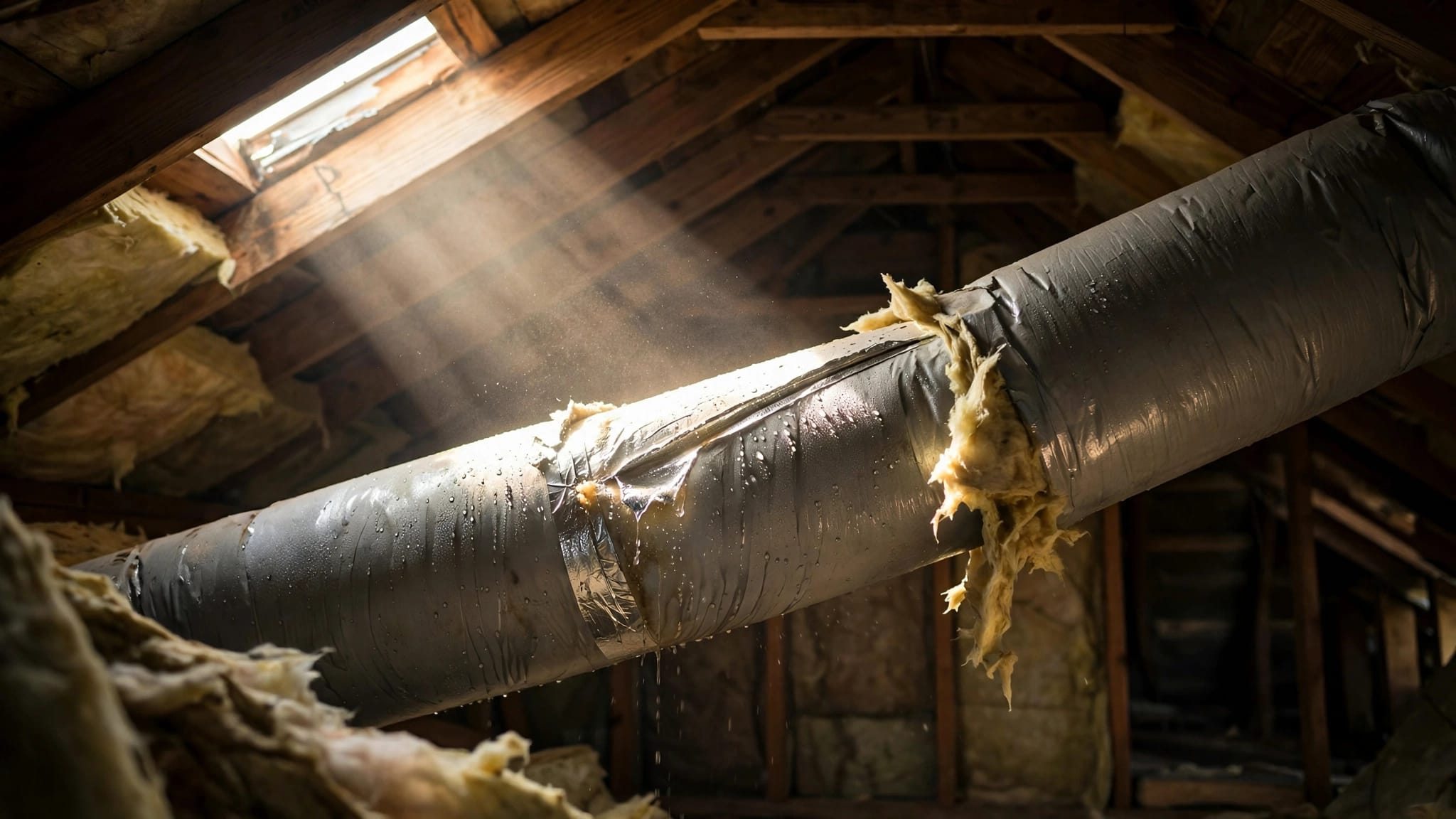
Similarly, a purifier won't correct a clogged condensate drain, dirty coil, or leaking duct. Those problems can affect comfort and moisture control even when airborne particles receive additional filtration.
Keep the thermostat fan on AUTO unless a technician recommends another setting. Continuous fan operation can move moisture from a wet coil back into the house after cooling stops.
Don't install a more restrictive central HVAC filter simply because you're also trying to improve indoor air quality. The filter must suit the system's airflow requirements.
Meanwhile, a cool room can still be too humid. Lowering the thermostat isn't a dependable substitute for addressing a moisture problem. Filtration, cooling, and humidity control each need attention when the house feels damp.
Treat Humidity and Mold as Separate Problems
A purifier can capture some airborne mold spores. It doesn't remove water vapor, dry wet building materials, or eliminate mold growing on surfaces.
Control moisture before it becomes persistent
The Florida Department of Health recommends keeping indoor relative humidity below 60%. A hygrometer can show whether a room feels uncomfortable because of excess moisture rather than temperature alone.
Persistent high humidity may call for improved AC performance, duct or drainage repairs, or a separate dehumidifier. Use bathroom exhaust during showers, and vent moisture-producing appliances outdoors.
Our guidance on managing humidity in Cape Coral covers recurring condensation, dampness, and related warning signs. Moving a purifier closer to a damp wall won't address the moisture feeding that problem.
Address mold growth and its underlying cause
Visible growth, recurring musty smells, water stains, or damp drywall need more than particle filtration. A leak, condensation problem, or contaminated HVAC component may be involved.
Capturing airborne spores doesn't remove the mold growing on a damp surface or stop the moisture supporting it.
Avoid pointing fans at suspected mold growth or disturbing affected materials. Moving more air across contaminated surfaces can spread particles.
Our professional mold remediation services address mold problems in Cape Coral and Southwest Florida. Remediation and moisture correction remain separate from ordinary purifier placement.
A purifier may support particle control, but it shouldn't delay attention to water damage or recurring growth.
Avoid Ozone-Producing Air Cleaners
Safety matters more than finding a favorable location for an unsuitable device. Don't use ozone generators in occupied living spaces.
Ozone can irritate the lungs and worsen respiratory symptoms. Moving an ozone-producing unit away from the bed or placing it beside a window doesn't make exposure safe.
For straightforward particle filtration, choose a fan-driven mechanical filter without an ozone-generating feature. Mechanical filtration itself doesn't require ozone.
Also remember that a HEPA label describes filtration, not every function inside the appliance. Some devices combine filters with ionization, electrostatic treatment, or other electronic features that may produce ozone. A device advertised as an air cleaner isn't automatically appropriate for occupied rooms.
Avoid products that promote ozone as a way to remove household odors. Ozone is also an unsuitable substitute for mold cleanup or fixing a persistent odor source.
If an air-cleaning device causes throat irritation, coughing, or breathing discomfort, stop using it. Seek medical care for significant breathing symptoms. Rearranging the room shouldn't be the response to a device that makes occupants feel worse.
Recognize When Placement Isn't the Main Problem
If moving the purifier leaves persistent musty odors, condensation, or uneven cooling unchanged, the house may need attention beyond filtration. The source could involve moisture, HVAC components, ventilation, or materials inside the home.
Indoor air quality testing can focus on concerns such as humidity, particles, mold spores, or chemical vapors. No single measurement gives a complete verdict on the home's air.
For suspected hidden growth, our mold testing and assessment considers problem areas, humidity, ventilation, and the HVAC system. That helps separate a particle-control need from a moisture or contamination problem.
Water around the air handler, a full drain pan, or an AC system that can't maintain comfort warrants service. Don't remove electrical panels or attempt repairs around wet equipment.
Contact Us for 24/7 HVAC service or to schedule a service call when cooling, drainage, or airflow problems need attention.
Give Filtration a Clear Path
Effective portable air purifier placement starts with the room you use and a spot that keeps every opening clear. Furniture, bedding, and everyday clutter shouldn't interfere with airflow.
In Florida homes, moisture control remains a separate job . Pair sensible placement with source reduction and a healthy HVAC system, and address mold or water problems directly.
A purifier belongs in an open, safe location where it can filter air without hiding a problem that needs repair.