Disposable AC filters are designed to be replaced when they're dirty. Washable filters are designed for repeated use and come with care instructions for that purpose.
The distinction isn't always obvious when you're looking at a dusty filter. Before you remove it, turn off your system and find out which type your home uses.
How to Tell Disposable and Washable AC Filters Apart
Your filter's label is the best place to start . Look along the edge of the frame for words such as "disposable," "washable," or "permanent." The label may also include a size, an airflow arrow, and care directions.
Signs of a Disposable Filter
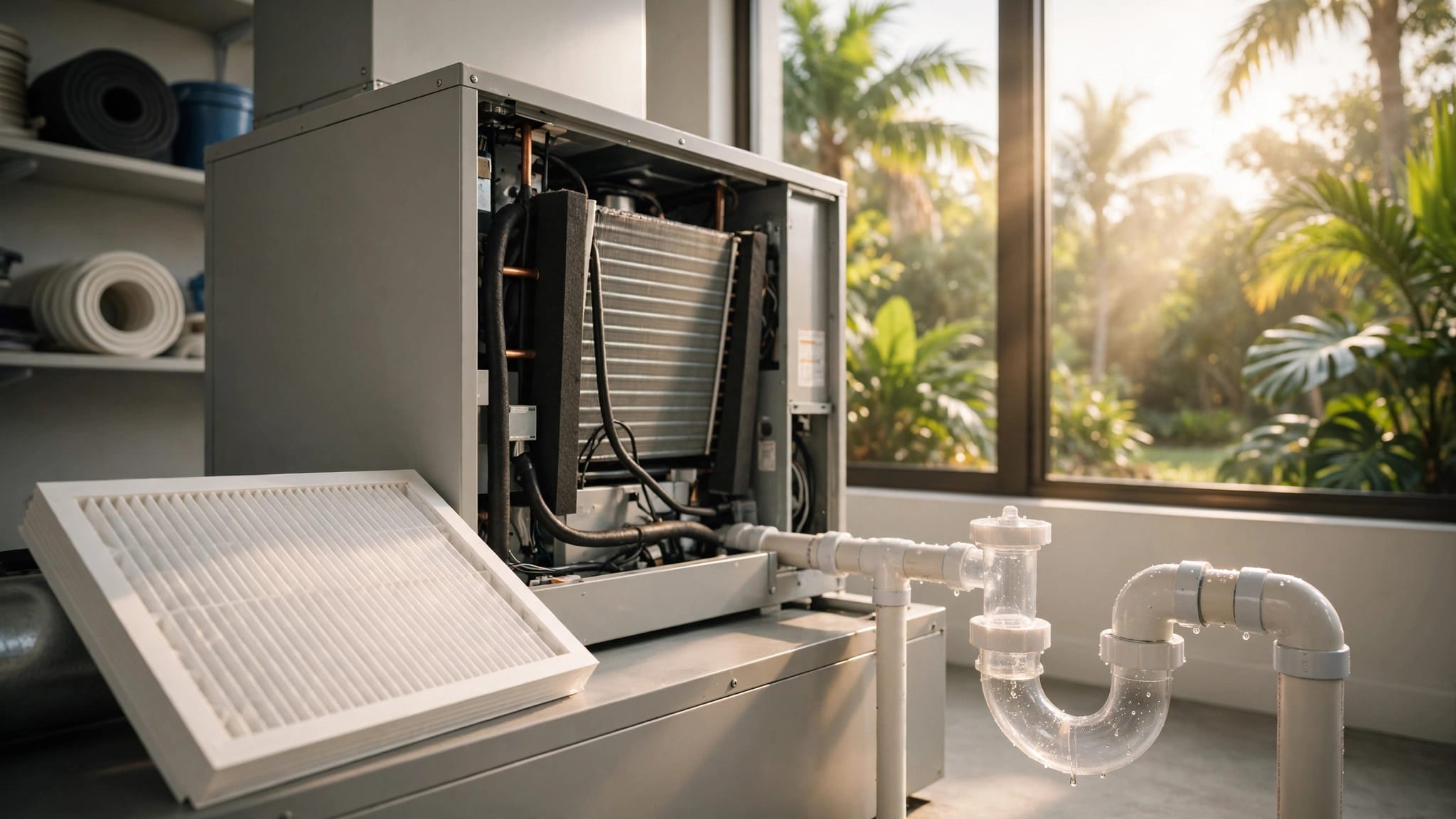
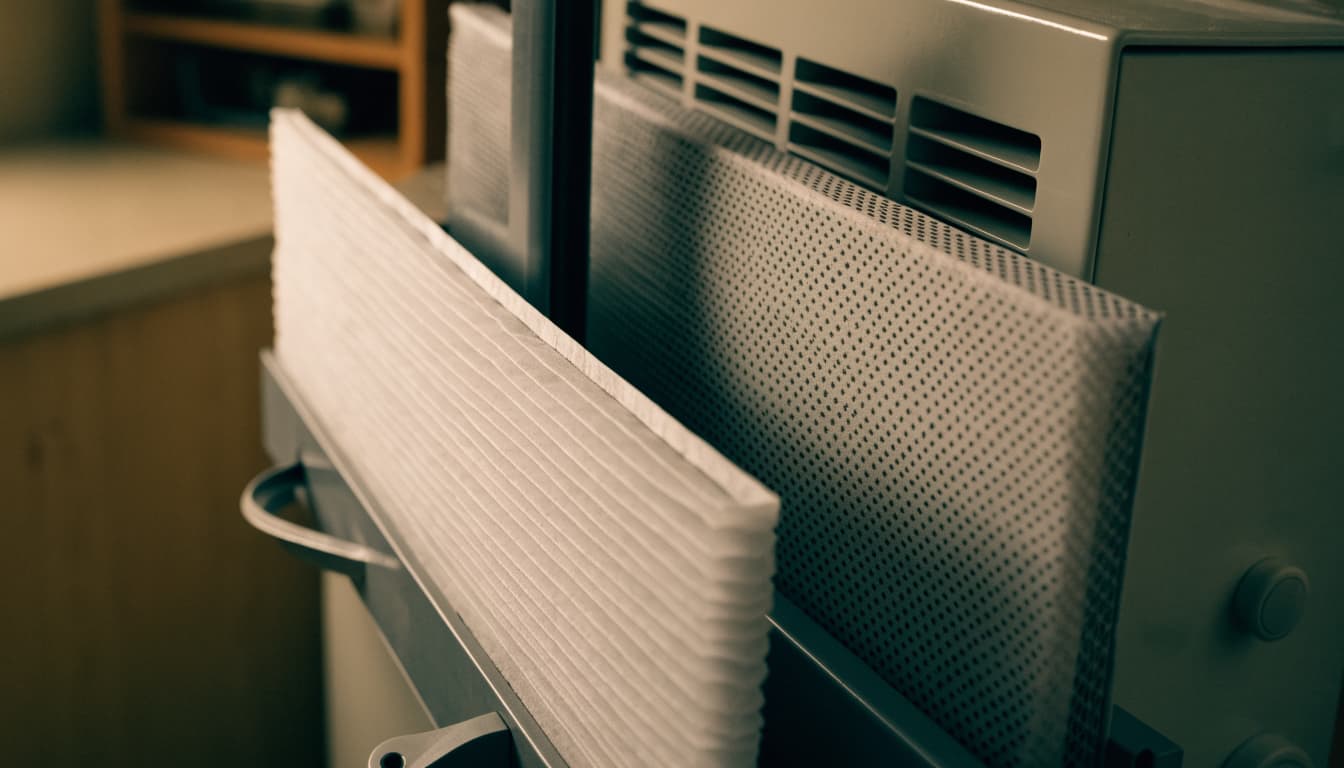
Many disposable filters have a cardboard frame and a pleated filter surface. Others contain flat fiberglass material. Their packaging often describes them as replacement filters and gives a suggested replacement interval.
The appearance alone isn't a guarantee, though. If the frame is unmarked, look at the packaging or instructions that came with the filter. Once a disposable filter is dirty or damaged, plan to replace it with a compatible one.
Signs of a Washable Filter
Washable filters often have a sturdy frame and a mesh-like surface. Look for a clear statement that the filter is washable or reusable, along with care instructions.
A reusable filter still needs regular attention. Follow its care directions, and replace it if the frame or filter material becomes damaged. If you can't identify the filter, our team can help you choose the right replacement.
How to Choose the Right Replacement Filter Size
A filter needs to fit its slot without bending or leaving obvious gaps. A filter that's too small can allow air to pass around its edges. One that's too large may buckle or get stuck.
Read the Frame and Measure the Filter
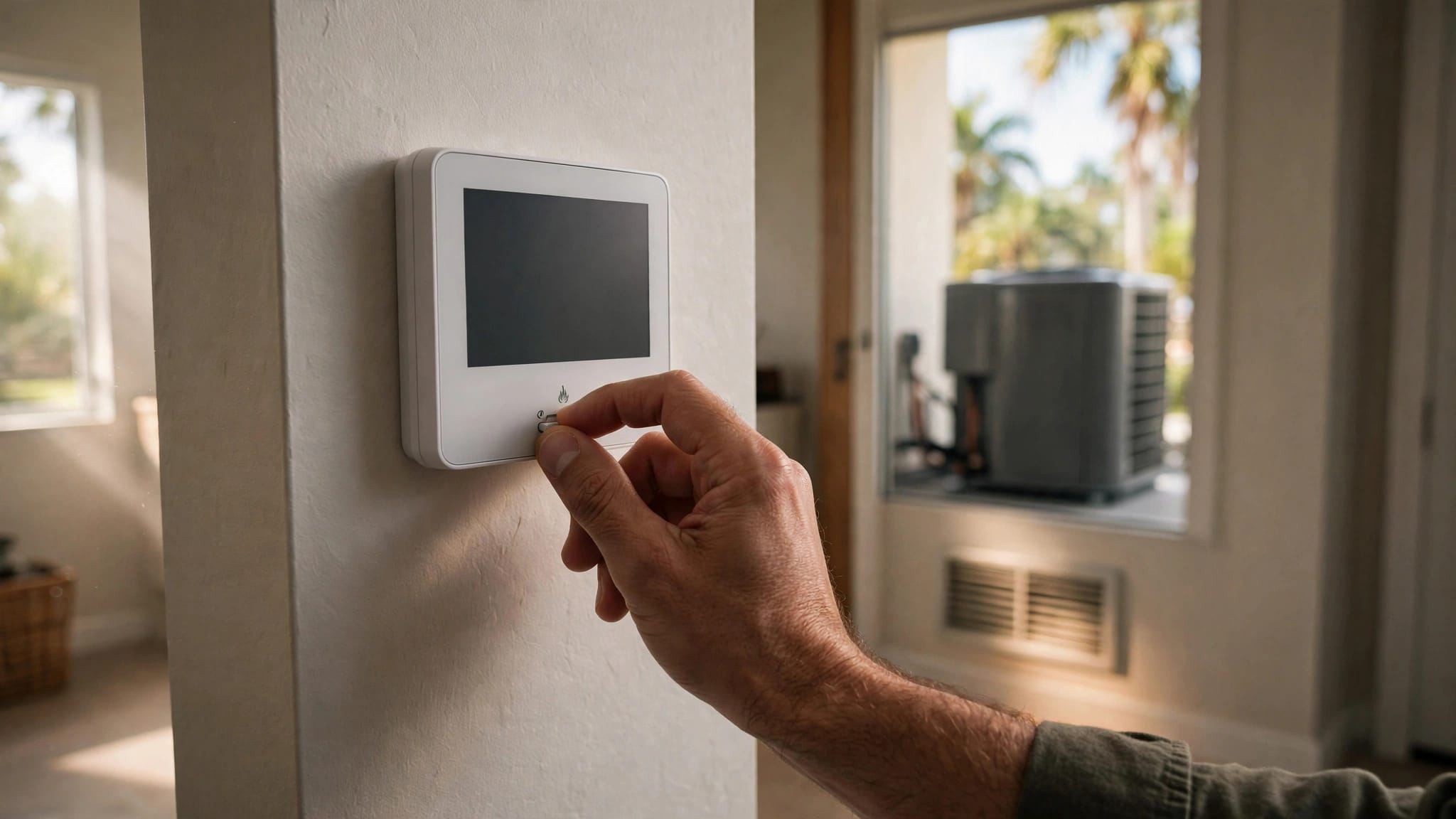
Turn the thermostat to "Off" and wait for the blower to stop. Then slide out the filter and look for dimensions printed on its frame. You'll usually see three numbers for the two face dimensions and the thickness.
If the existing filter sits flat and fits well, measure its outside edges with a tape measure. Record both face dimensions and the thickness. Taking a photo of the label gives you a reference when you shop.
Compare Nominal and Actual Dimensions
The printed size is often a nominal size , a rounded number used to identify the filter. Its actual dimensions can be slightly smaller.
For example, a filter labeled 16 x 20 x 1 inches may measure about 15 1/2 x 19 1/2 x 3/4 inches. That smaller measurement allows it to fit the rack.
If the old filter is missing, bent, or loose, measure the inside of the filter rack as well. Our guide to measuring your AC filter covers the steps in more detail.
How to Replace a Disposable AC Filter
Keep a spare filter in the correct size so you don't have to leave a dirty one in place while you shop. Once you have a replacement, follow these steps:
- Set the thermostat to "Off" and wait for the blower to stop.
- Open the accessible return grille or filter slot and slide out the old filter. Avoid reaching into the equipment.
- Note the airflow arrow on the old frame, then place the used filter in a trash bag to contain loose dust.
- Slide the new filter into the track. Its airflow arrow should point toward the blower or air handler.
- Close the grille or filter access door, then turn the system back on.
The new filter should lie flat and cover the opening without being forced into place. At a wall or ceiling return, the arrow generally points inward, toward the duct.
Don't force a stuck filter or remove sealed equipment panels to reach it. We can help if the filter isn't safely accessible.
Keep Up With Filter Checks in Southwest Florida
We recommend checking your AC filter every month . Many standard one-inch disposable filters need replacement every 30 to 60 days, although pets, household dust, and heavy system use can shorten that interval.
Cape Coral homes often need close attention during the long cooling season. Pet hair, pollen, and dust can build up while the AC runs for extended periods. Our guide to AC filter change frequency in Cape Coral explains what can affect your schedule.
For a washable filter, use the same monthly check as a reminder to look at its condition and follow its care directions. Keep the area around the return grille clear so air can move freely.
Choose a Filter Your System Can Handle
Size comes first, but the filter's MERV rating matters too. MERV describes how well a filter captures certain airborne particles. A higher rating isn't automatically the right choice for every AC system because some filters create more resistance to airflow.
MERV 8 is a common starting point for many homes. The right choice depends on your equipment and your household's needs. Our guide to MERV ratings for Cape Coral homes explains the trade-offs.
If airflow stays weak after you install a clean, correctly fitted filter, another part of the system may need attention. A wet filter slot or a filter that becomes dirty within days also warrants a service call. Contact Us to schedule service with our team.
Make Filter Care Part of Your Routine
The label tells you whether your filter is intended for disposal or repeated use. Once you know the type, keep its size and care information handy.
A monthly check helps you spot buildup before it affects airflow. Replace disposable filters when they're dirty, and give reusable filters the care their instructions call for.