You can assess electric heat pump backup heat through the thermostat's Emergency Heat setting, if your system provides it. That mode requests indoor backup heating without normal heat-pump operation, so warm airflow and a rising room temperature are useful clues.
In Florida, heating equipment can sit unused for long stretches between cool spells. However, a thermostat message alone doesn't prove the electric heat strips are working. Start by separating automatic auxiliary heat from the Emergency Heat setting.
Key Takeaways
- Auxiliary heat starts automatically when the controls call for additional heating, while Emergency Heat is a separate thermostat selection.
- Warm airflow and a rising room temperature support a successful assessment, but neither proves every heating stage works.
- Keep homeowner testing at the thermostat and accessible filter. Electrical odors, breaker trips, or persistent cold air call for professional attention.
How Heat Pump Backup Heat Works
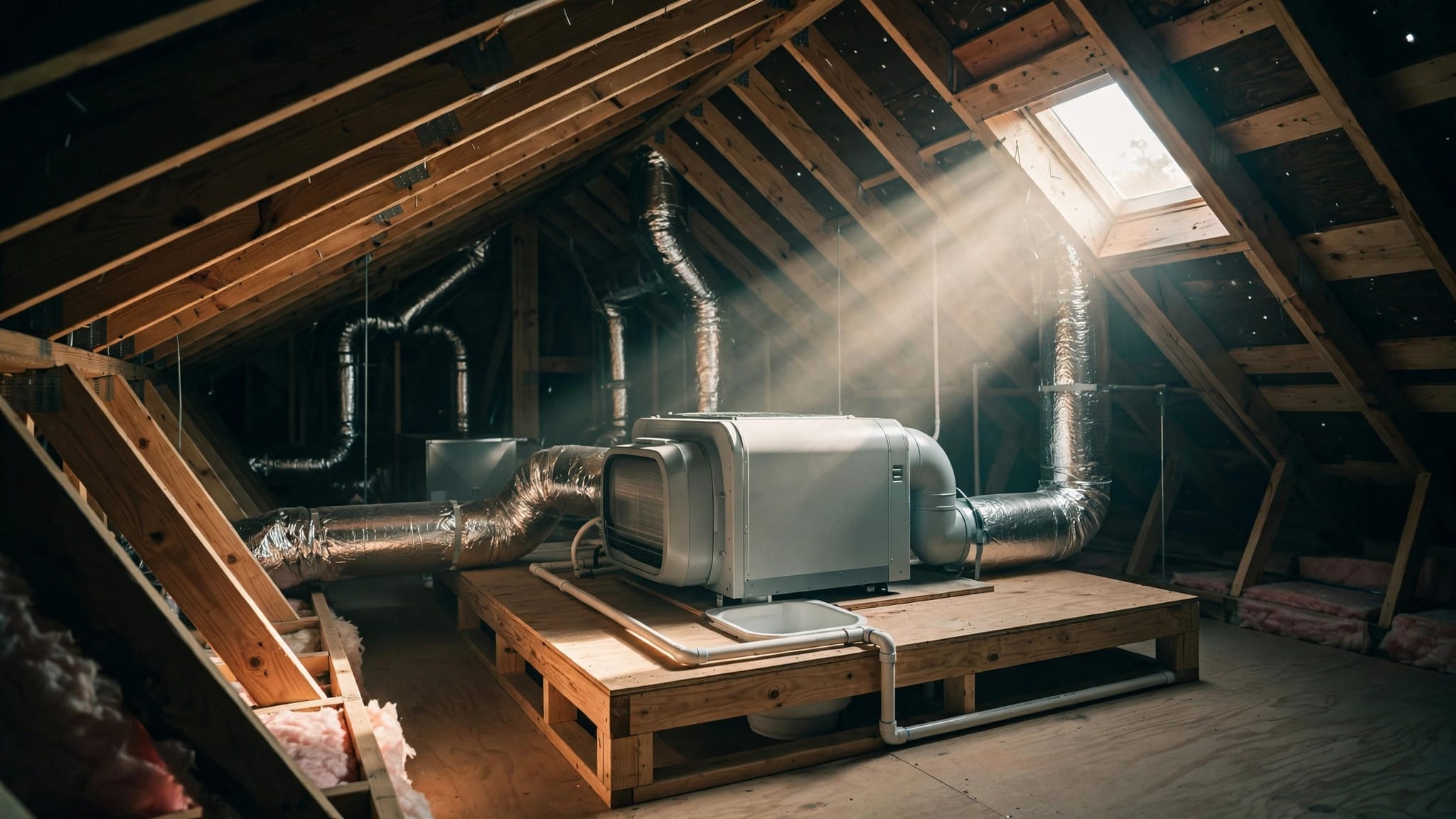
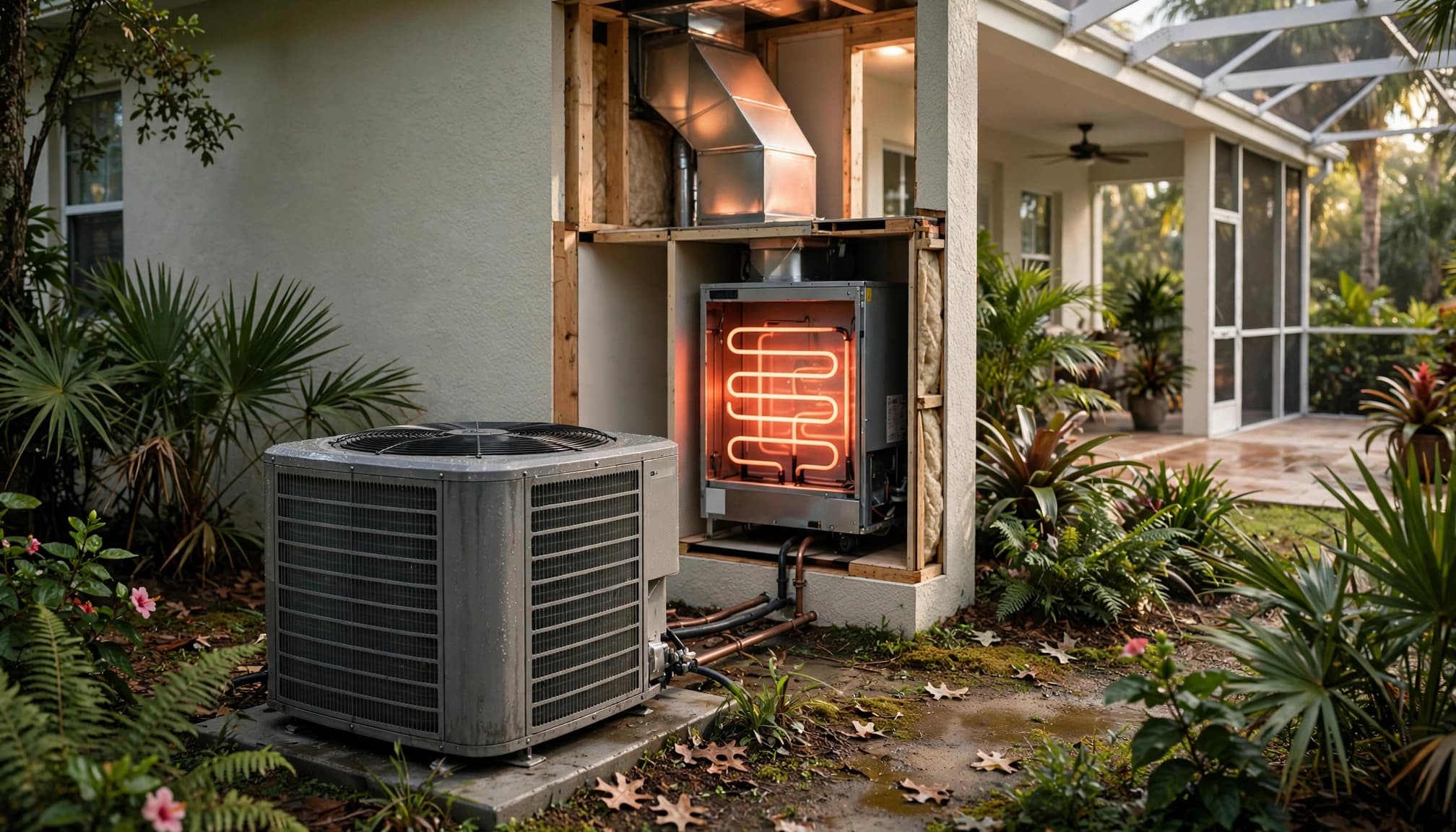
A heat pump normally moves heat from outdoor air into your home. Electric resistance strips inside the air handler provide additional heat when the system needs them.
Those strips can operate under different control conditions. Understanding those differences helps you interpret what happens during a test.
Auxiliary heat supplements normal heating
Auxiliary heat usually operates automatically while the thermostat remains in normal Heat mode. The controls decide when to request extra heating based on the equipment and thermostat configuration.
You may see "Aux Heat" or a similar indicator. Some systems also request electric backup during defrost to offset a temporary reduction in indoor heating.
Because this operation is automatic, auxiliary heat isn't necessarily evidence of a malfunction. The important questions are whether the home warms and whether normal heat-pump operation continues appropriately.
Emergency Heat uses the backup source
Emergency Heat typically bypasses normal outdoor heat-pump operation and relies on the indoor backup heater. Thermostats may label this selection "Emergency Heat" or "EM Heat."
Our explanation of how Emergency Heat works covers its role during an outdoor-unit failure.
Electric resistance heating often uses more electricity than normal heat-pump operation. Therefore, Emergency Heat belongs in a limited assessment or temporary backup situation, rather than everyday heating.
Prepare for a Thermostat-Only Assessment
This guidance applies to heat pumps equipped with electric resistance backup. Systems without installed heat strips, or systems using a different backup source, won't behave the same way.
Before assessing heating, note the room temperature, operating mode, and any thermostat messages. Also note whether a schedule or temporary hold is affecting operation.
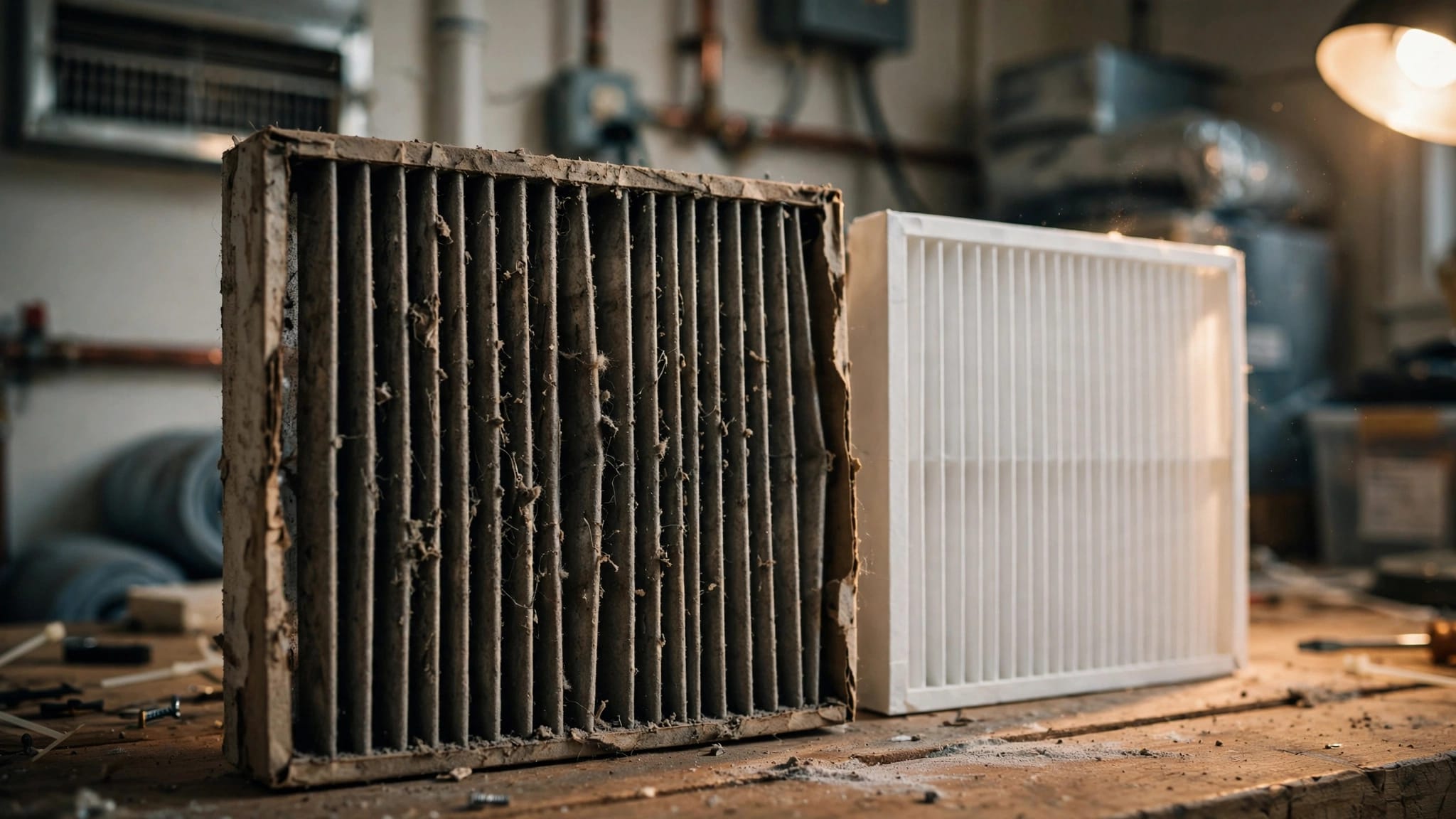
With the system off, inspect an accessible air filter and replace a dirty disposable filter. Keep supply registers open and move obstructions away from supply and return openings.
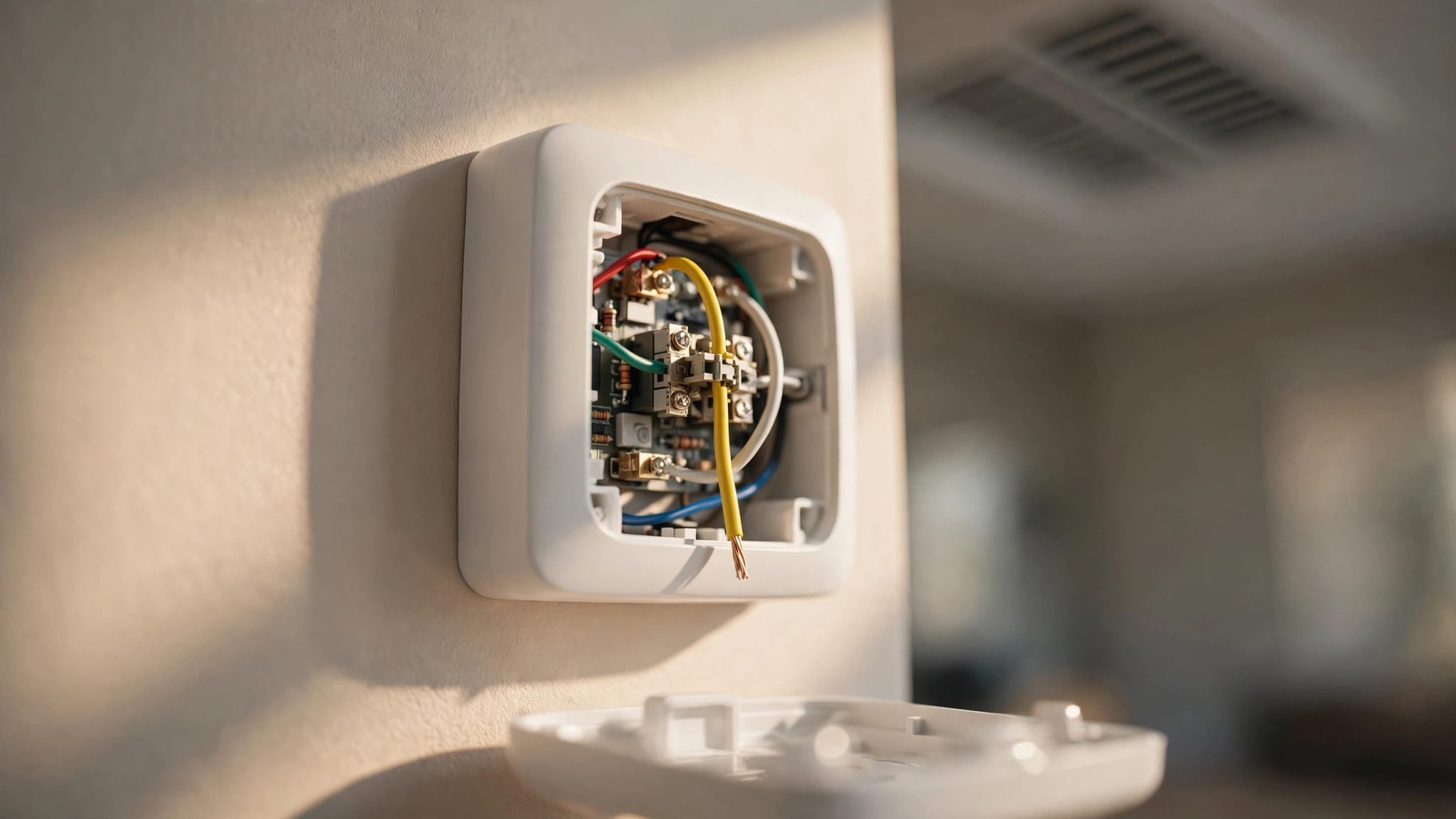
Leave equipment cabinets closed. Don't remove the thermostat from its base, move wires, open electrical compartments, or attempt a control bypass.
Electric heat strips operate on high-voltage circuits, and an air handler may have more than one power source. Turning the thermostat off doesn't make internal components safe to touch.
If the equipment already has a burning odor, damaged wiring, heavy ice, or a history of tripping breakers, skip the assessment and arrange service.
Use the Thermostat to Request Backup Heat
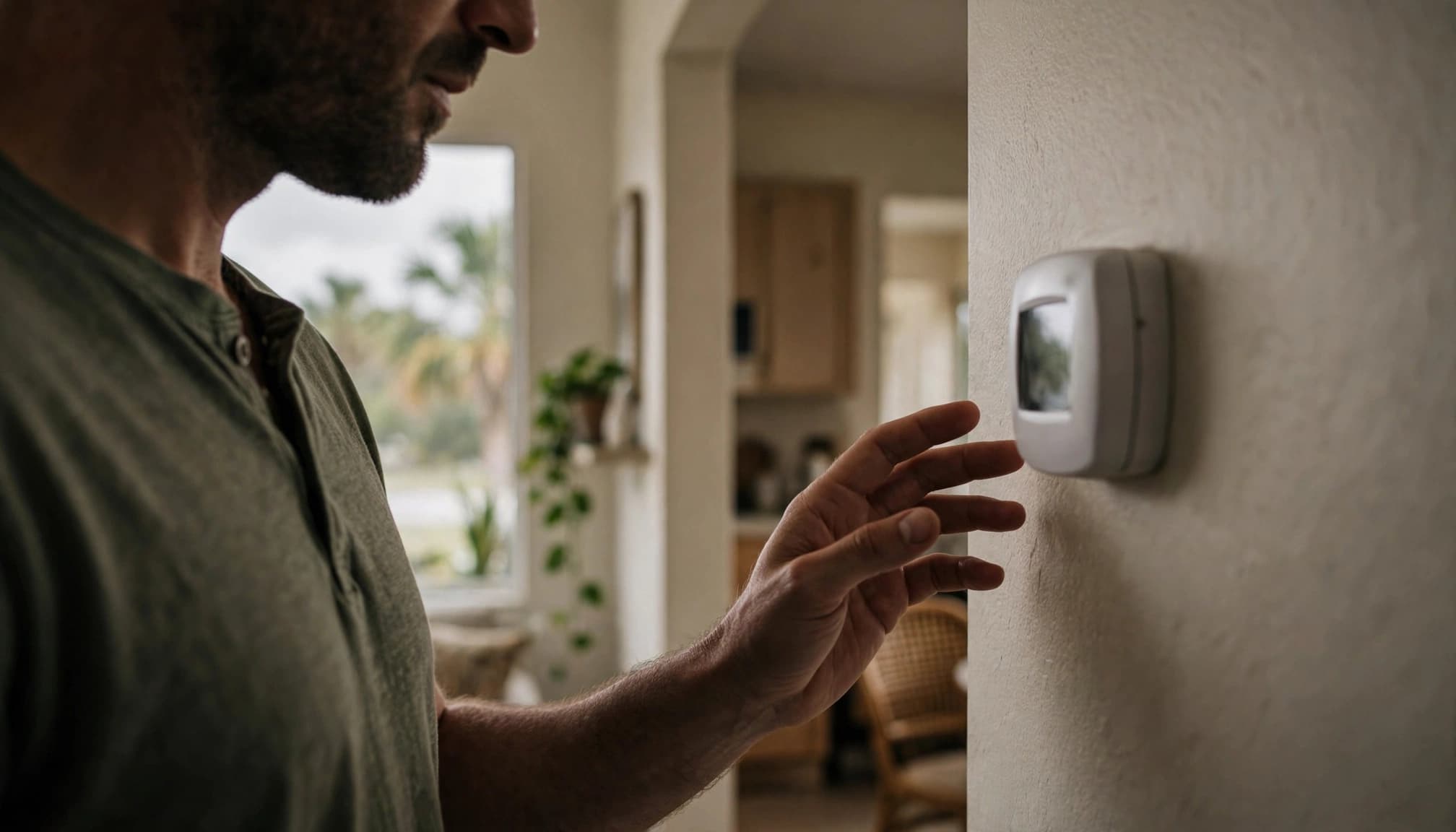
The thermostat offers two different ways you might encounter backup heating: an automatic auxiliary request or a manual Emergency Heat selection. They provide different information about system operation.
Recognize an automatic auxiliary request
During normal heating, the thermostat may request auxiliary heat when it determines the heat pump needs help. Depending on the controls, it may consider heating demand, elapsed operating time, or recovery needs.
An "Aux Heat" message indicates a control request. It doesn't establish that the electric elements received power or produced their intended output.
If auxiliary heat appears naturally, observe the airflow and room-temperature trend. However, auxiliary operation alongside the compressor doesn't isolate the backup heater's contribution.
Use Emergency Heat for a separate assessment
The thermostat's Emergency Heat selection is the homeowner-accessible control intended to request backup heating without normal compressor operation.
For an attended thermostat-only assessment, that operating mode separates backup heating from the heat pump more clearly than an automatic auxiliary call. Watch what the system actually does rather than relying only on the displayed mode.
If the thermostat offers no Emergency Heat selection, don't enter installer menus or change equipment configuration to create one. A professional can test the backup heating through the system's proper service procedures.
Avoid repeatedly switching between heating and cooling while assessing the result.
Watch Airflow, Room Temperature, and Outdoor Operation
A useful assessment combines several observations. The thermostat display, indoor airflow, and equipment behavior should agree with the selected operating mode.
Look for delivered heat and improving comfort
The indoor blower should deliver airflow during an active backup-heating call. As heating continues, that air should become warm and the room temperature should begin moving toward the thermostat's target.
Still, your hand isn't a reliable measure of heating capacity. Air moving across skin can feel cooler than expected, particularly during normal heat-pump operation.
A running blower proves air is moving. It doesn't prove the electric heat strips are energized.
Warm air supports the conclusion that some heating is occurring. It doesn't establish that every installed heat-strip stage works or that the system can deliver its full rated output.
Interpret outdoor behavior in context
In Emergency Heat, the outdoor compressor normally stays out of the heating process. A quiet outdoor unit is therefore expected in that mode.
During ordinary Heat mode, outdoor-unit behavior needs different interpretation. Defrost can temporarily stop the outdoor fan and produce visible water vapor as frost melts.
Our guide to heat pump defrost behavior explains these temporary changes. Normal heating should return afterward, and the frost should clear.
Don't use a stopped outdoor fan by itself to decide that the backup heater has failed.
Why Auxiliary Heat May Stay Off in Florida
On a mild Florida day, the thermostat may have no reason to request auxiliary heat. The heat pump may satisfy the home's heating demand without assistance.
Some controls also use an outdoor-temperature lockout that prevents normal thermostat-controlled auxiliary operation above a selected temperature. Even when backup heat is permitted, the thermostat may wait until other operating conditions justify it.
Our explanation of auxiliary heat lockout settings describes the distinction between permission to operate and an actual heating request.
As a result, an absent Aux Heat message doesn't establish that anything is broken. Likewise, backup heat appearing during unusually chilly weather doesn't automatically mean the heat pump needs repair.
Don't change outdoor lockouts, staging settings, or installer configuration to force a response. Those adjustments affect normal operation beyond the assessment.
A thermostat-only assessment also can't establish whether backup heat was installed correctly or whether every stage is available.
Signs the Backup Heat Needs Professional Testing
Symptoms identify reasons for service, but they don't identify a failed component by themselves. A thermostat problem, interrupted electrical supply, heating element, or airflow restriction can produce overlapping complaints.
Cold air or weak heating persists
Backup heat deserves further testing when the thermostat indicates Emergency Heat or auxiliary heat, yet the air stays cold and the room continues losing warmth.
Other concerns include weak airflow, repeated shutdowns, or heating that appears to start but never improves indoor comfort. If a problem began after thermostat replacement, include that detail when requesting service.
Our guide to persistent cool-air heating problems explains why similar symptoms can involve several different components.
A technician can assess thermostat commands, electrical supply, heating stages, safety controls, and blower airflow together.
Electrical warning signs require an immediate stop
Stop testing if backup operation triggers a breaker, produces a hot electrical odor, or causes unusual buzzing or other alarming noises. Don't repeatedly reset a tripping breaker.
Turn the system off at the thermostat if you can do so safely. Keep away from damaged wiring or water near electrical components. If you see active smoke or fire, leave the area and call 911.
We provide 24/7 emergency HVAC service throughout our Southwest Florida service area. Contact Us to schedule a service call when heating fails or warning signs appear.
Frequently Asked Questions
Can a heat pump cool correctly but have failed backup heat?
Yes. Cooling operation doesn't demonstrate that the electric heat strips work. The indoor blower and outdoor cooling equipment can operate while a backup-heating component or its controls have a problem.
Similarly, warm air during ordinary heating doesn't prove the strips contributed. The heat pump itself may be supplying that warmth. This distinction explains why a professional evaluates the backup-heating circuit separately when symptoms point to it.
Should I leave Emergency Heat on after testing?
Return to normal Heat mode after an assessment unless a technician recommends temporary backup operation because of an outdoor-unit problem.
Emergency Heat can maintain comfort during an appropriate temporary situation, but electric resistance heating often costs more to operate. If the home only warms in Emergency Heat, that suggests the normal heat-pump heating process needs attention.
Repeated dependence on backup heat deserves diagnosis rather than a permanent thermostat workaround.
Restore Normal Heating After the Assessment
A thermostat-only assessment can show whether backup heating appears to respond. It can't establish full heating capacity or identify an electrical fault.
Focus on delivered warmth and the room-temperature trend , then return the system to normal Heat mode. If heat never arrives or electrical warning signs appear, stop testing and arrange professional service.
Keeping the assessment outside equipment cabinets protects you while still providing useful information about the problem.