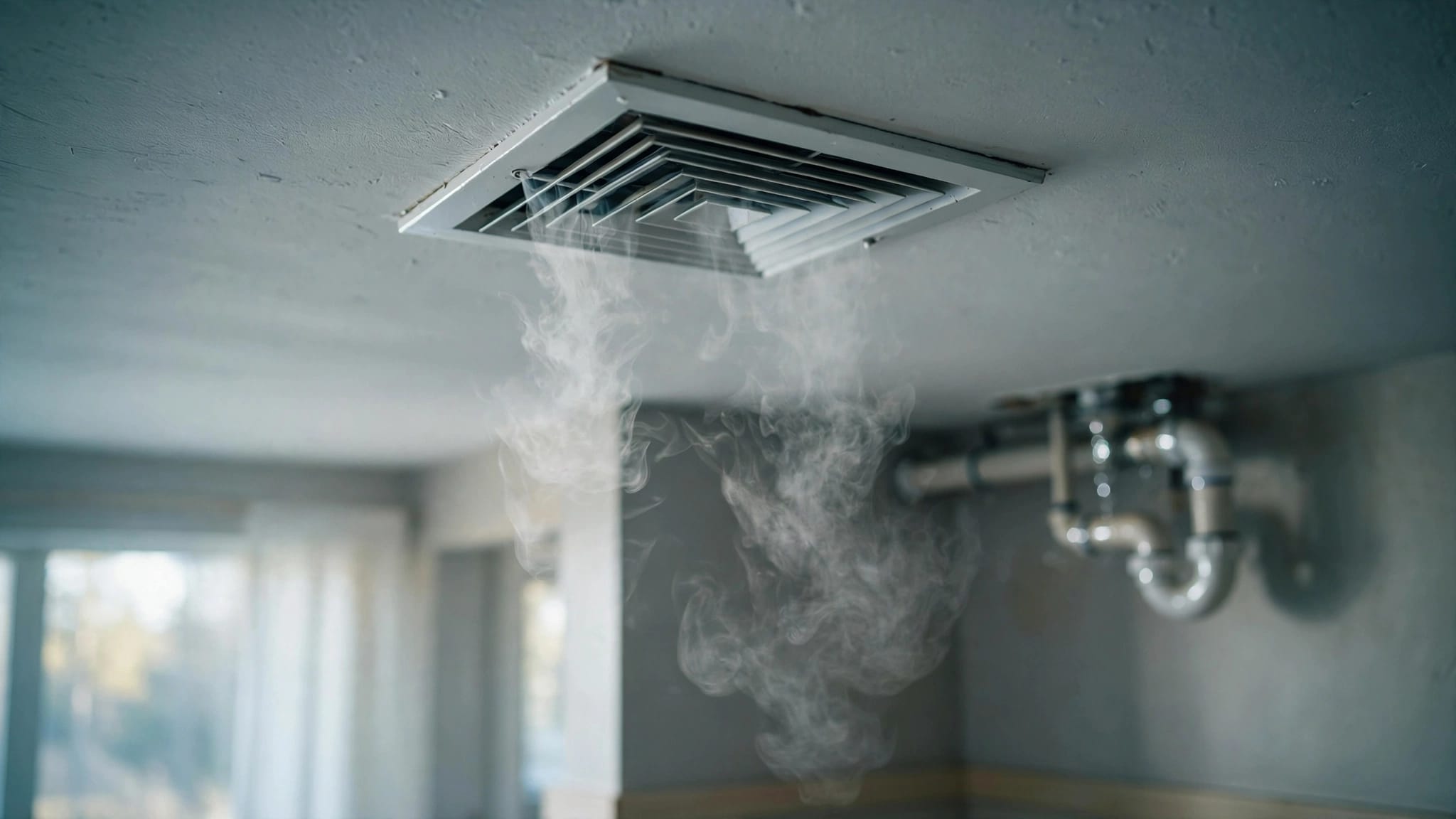
A heat pump blowing cool air can be normal during defrost or when the circulating air feels cooler than you expect. However, air that stays cold while your home loses warmth can indicate a heating problem.
The most useful clue is whether the room temperature rises , rather than how the vent air feels against your hand. Start by separating temporary operating changes from symptoms that continue through a heating cycle.
Key Takeaways
- A brief change in vent temperature during defrost can be normal if heating resumes afterward.
- Moving air may feel cool even while the system adds heat to your home.
- Incorrect thermostat settings, restricted airflow, and equipment faults can produce similar complaints.
- Homeowner checks should stay limited to settings, accessible filters, vents, and visual observations.
- Persistent cold air, ice that doesn't clear, burning odors, or repeated shutdowns call for professional attention.
Normal Reasons for a Heat Pump Blowing Cool Air
The system may be heating despite how the air feels
Heat pumps move heat indoors rather than generating heat through combustion. Their airflow often feels less intense than air from a gas furnace, so the difference can be noticeable if you've changed heating systems.
Also, moving air against your skin can feel cooler than still air. That sensation alone doesn't establish that the system is cooling your house.
Instead, watch the thermostat's room-temperature reading during a heating call. If the temperature moves toward the setting and stays comfortable, the system may be operating normally. If the temperature falls while the blower continues running, further troubleshooting makes sense.
Defrost temporarily changes how the system operates
During heating, the outdoor coil can become colder than the surrounding air. Moisture can then freeze on it, even during Florida weather that doesn't feel severely cold.
The system reverses refrigerant flow during heat pump defrost mode to warm the outdoor coil and remove frost. Depending on the equipment, the outdoor fan may stop and indoor airflow may change. Auxiliary heat can help offset the temporary loss of indoor heating.
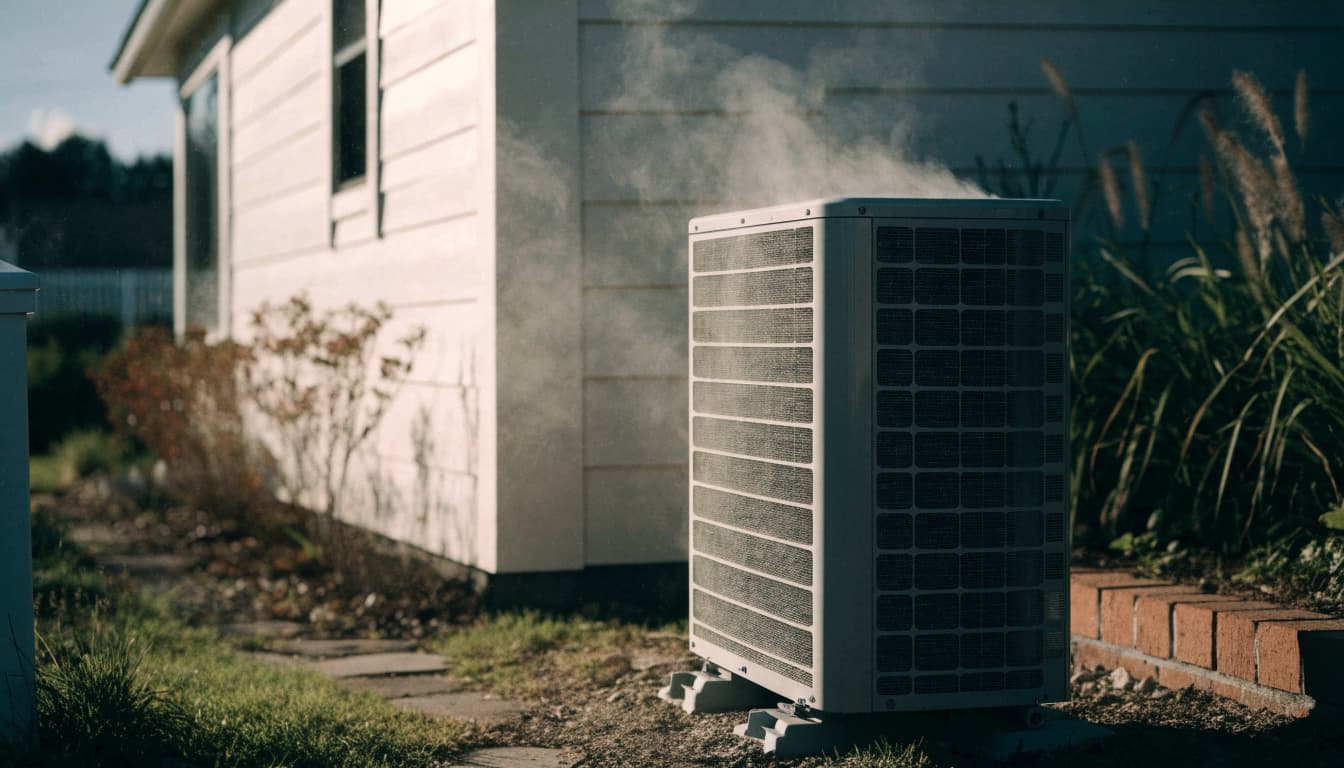
Water vapor and melting frost can accompany this process. The important outcome is that the ice clears and normal heating returns. Heavy ice that remains afterward needs attention.
Thermostat Settings That Can Explain Cool Air
The fan may be running without a heating call
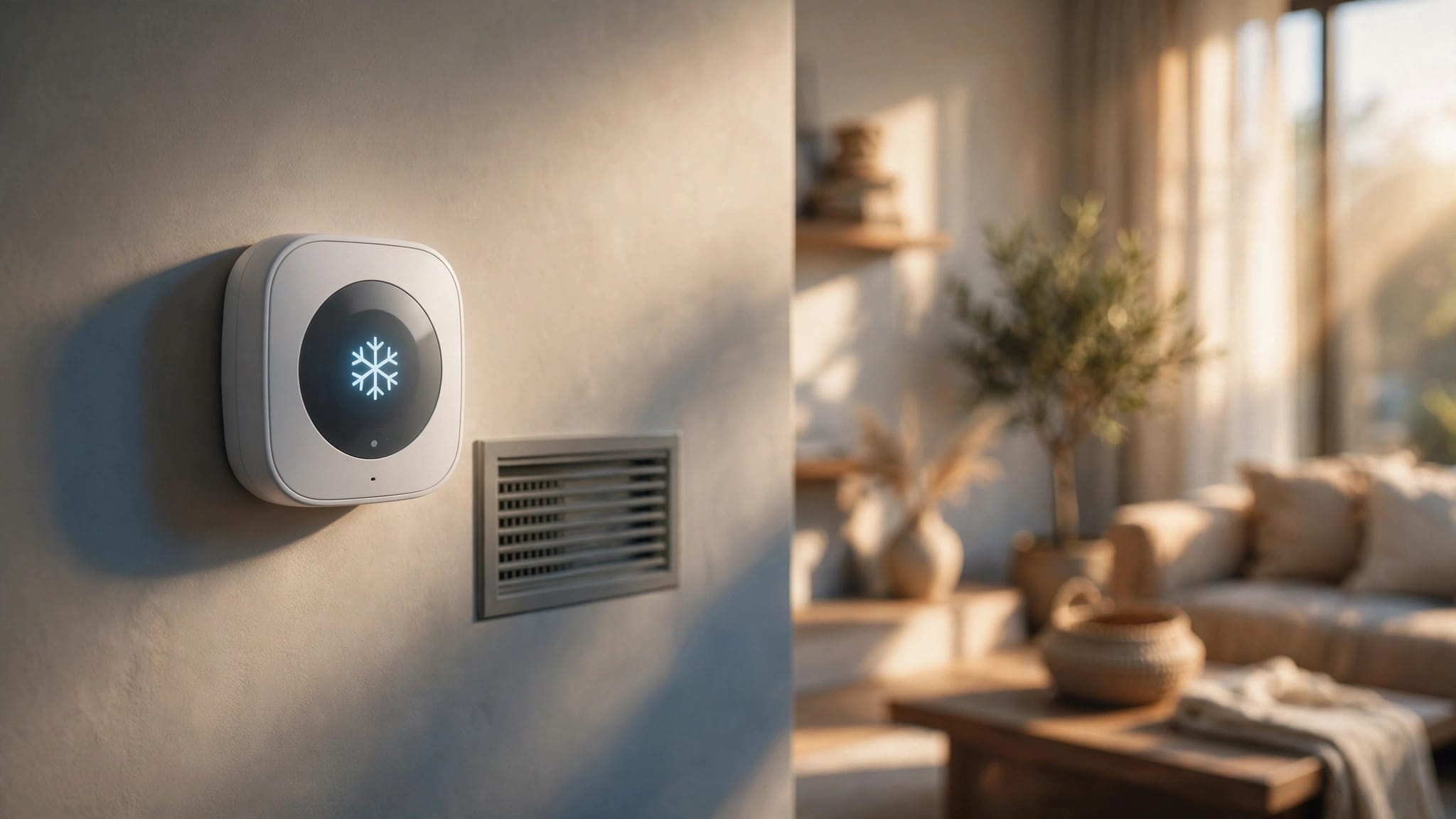
When the fan setting is On , many thermostats keep the indoor blower running between heating cycles. During those periods, the vents circulate room-temperature air without adding heat.
For troubleshooting, select Auto for the fan. This generally limits airflow to periods when the equipment calls for it, although some systems include programmed fan delays.
Also, distinguish the fan's Auto setting from automatic heating-and-cooling mode. They're separate controls. A running blower doesn't necessarily mean the thermostat is requesting heat.
The thermostat may not be calling for heat
Select Heat and set the target above the displayed room temperature. If the target is below the current temperature, the thermostat has no reason to request heating.
Next, look for a scheduled setback, vacation setting, or temporary hold that changed your intended temperature. A thermostat configured for automatic heating and cooling can also switch modes as indoor conditions change.
If the trouble began immediately after a thermostat replacement, tell the technician. Heat pump configuration or control wiring may need professional correction. Don't remove the thermostat to move wires yourself.
Equipment Problems That Can Keep the Air Cool
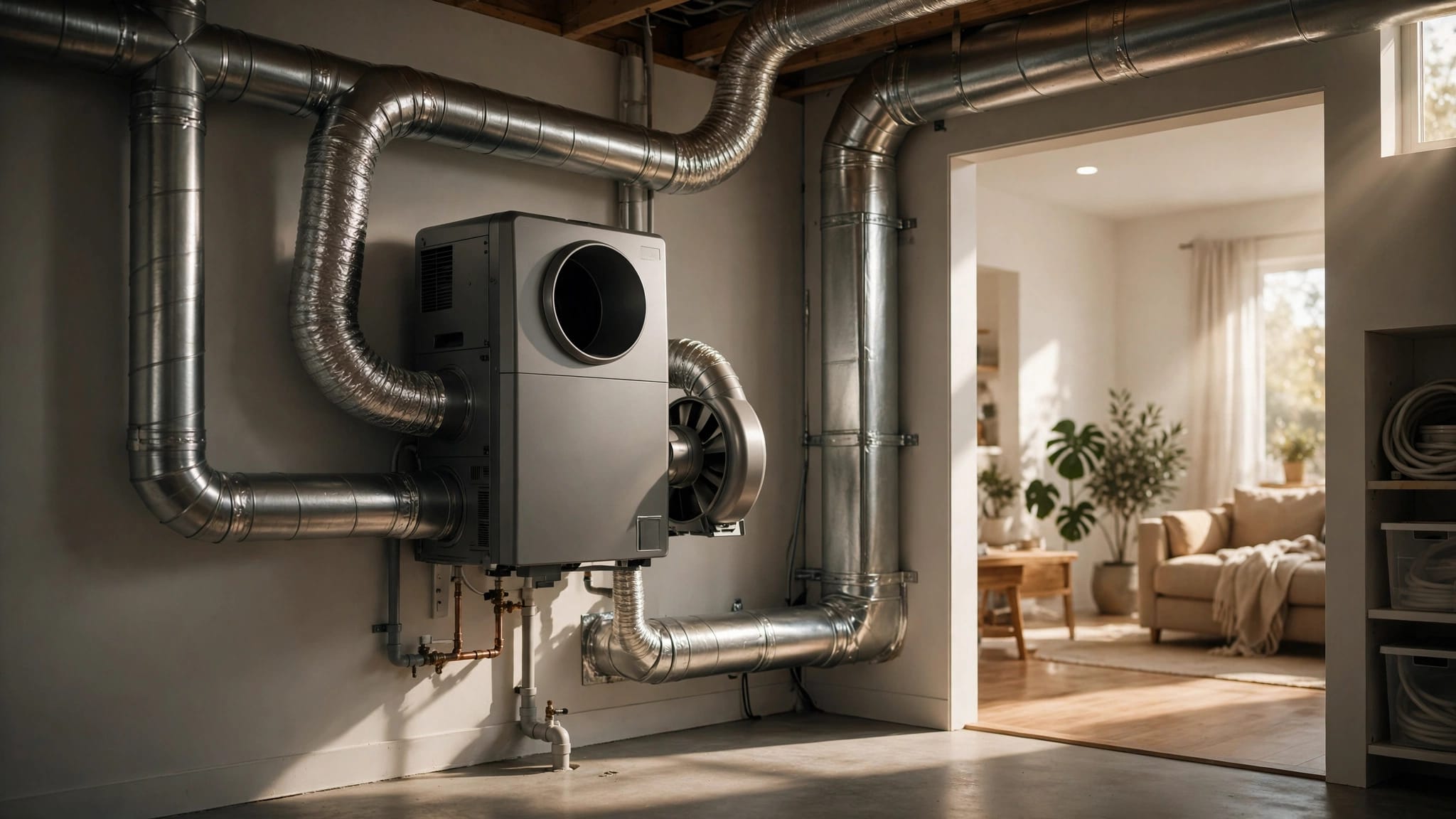
Restricted airflow or duct problems can limit heat delivery
A packed filter, blocked return grille, or dirty coil can interfere with airflow and heat transfer. A weak blower can also reduce the amount of heated air reaching the rooms.
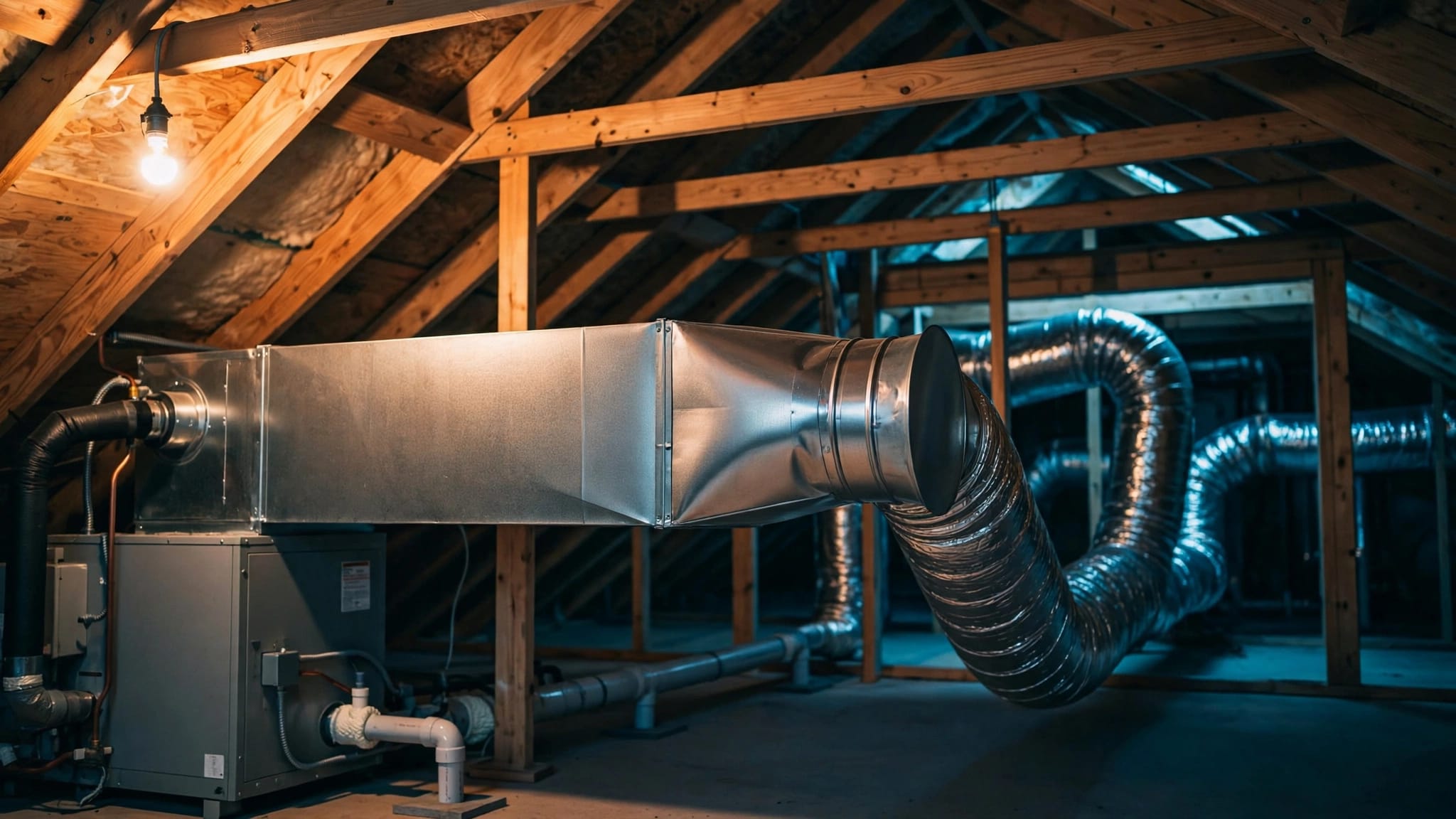
Duct problems create another pattern. If most rooms warm normally but one remains cold, a disconnected, leaking, or poorly balanced duct may deserve attention.
However, weak airflow doesn't identify one failed component. A clean filter doesn't rule out a blower or duct issue, either. Those possibilities require airflow measurements and an equipment inspection.
Refrigerant, reversing-valve, and outdoor-unit faults can affect heating
The reversing valve allows a heat pump to change between cooling and heating. If the valve or its controls malfunction, the system may fail to switch correctly.
Still, cold air doesn't prove the valve needs replacement. Thermostat faults, refrigerant problems, and other control issues can produce similar symptoms. A diagnosis should come before comparing heat pump reversing valve repair options.
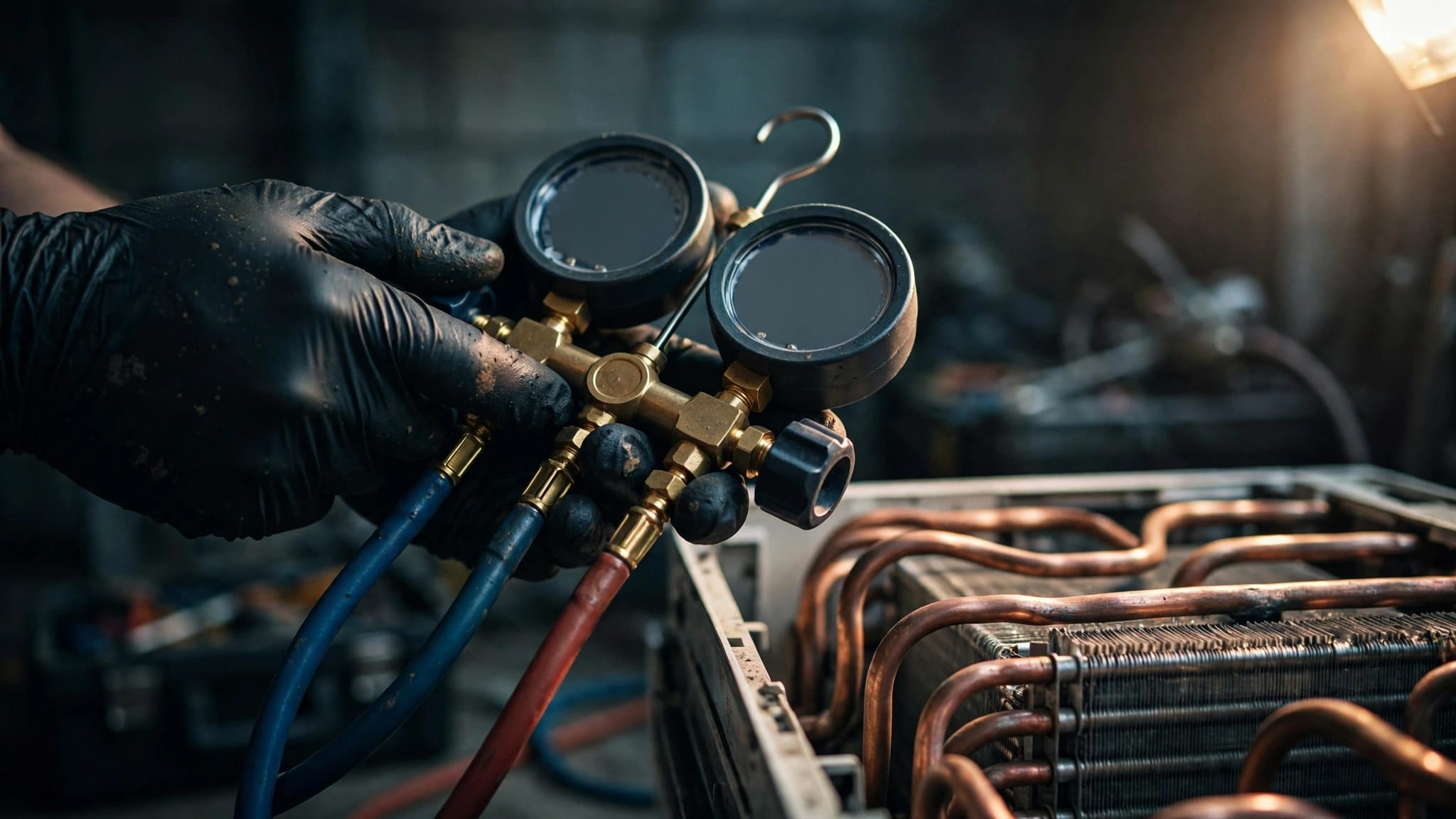
Low refrigerant can also reduce heating capacity. Meanwhile, a compressor or outdoor fan problem can prevent normal heat transfer even though the indoor blower runs.
Air moving through the vents confirms blower operation, but it doesn't confirm that the outdoor equipment is producing heat.
These conditions require professional testing, not homeowner adjustments to refrigerant or electrical components.
Safe Homeowner Checks Before Scheduling Service
Start with accessible controls and visible conditions. Leave equipment cabinets closed, and don't reach through protective grilles.
- Set the thermostat to Heat with the fan on Auto. Choose a target above the current room temperature, then avoid repeatedly changing settings.
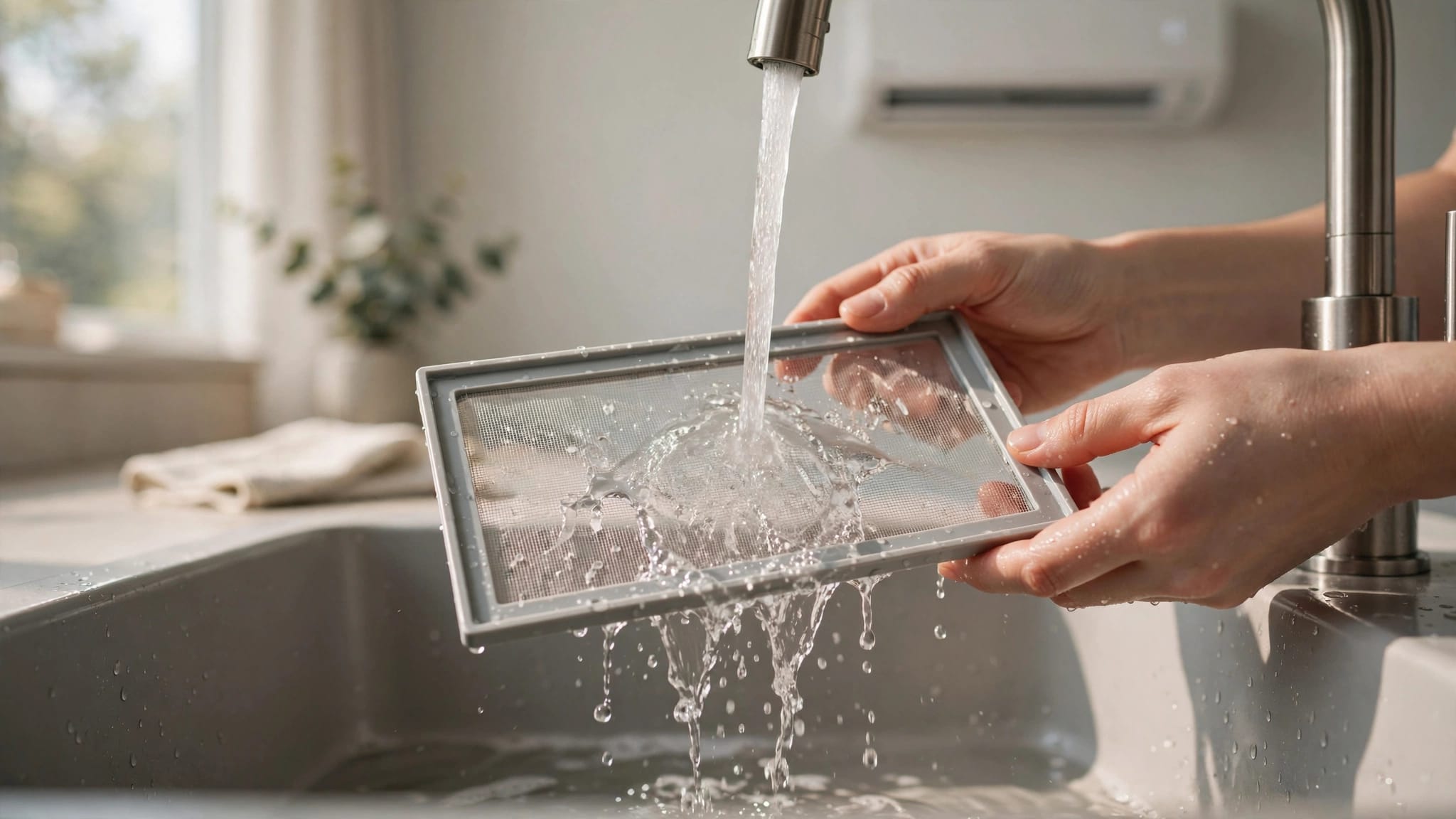
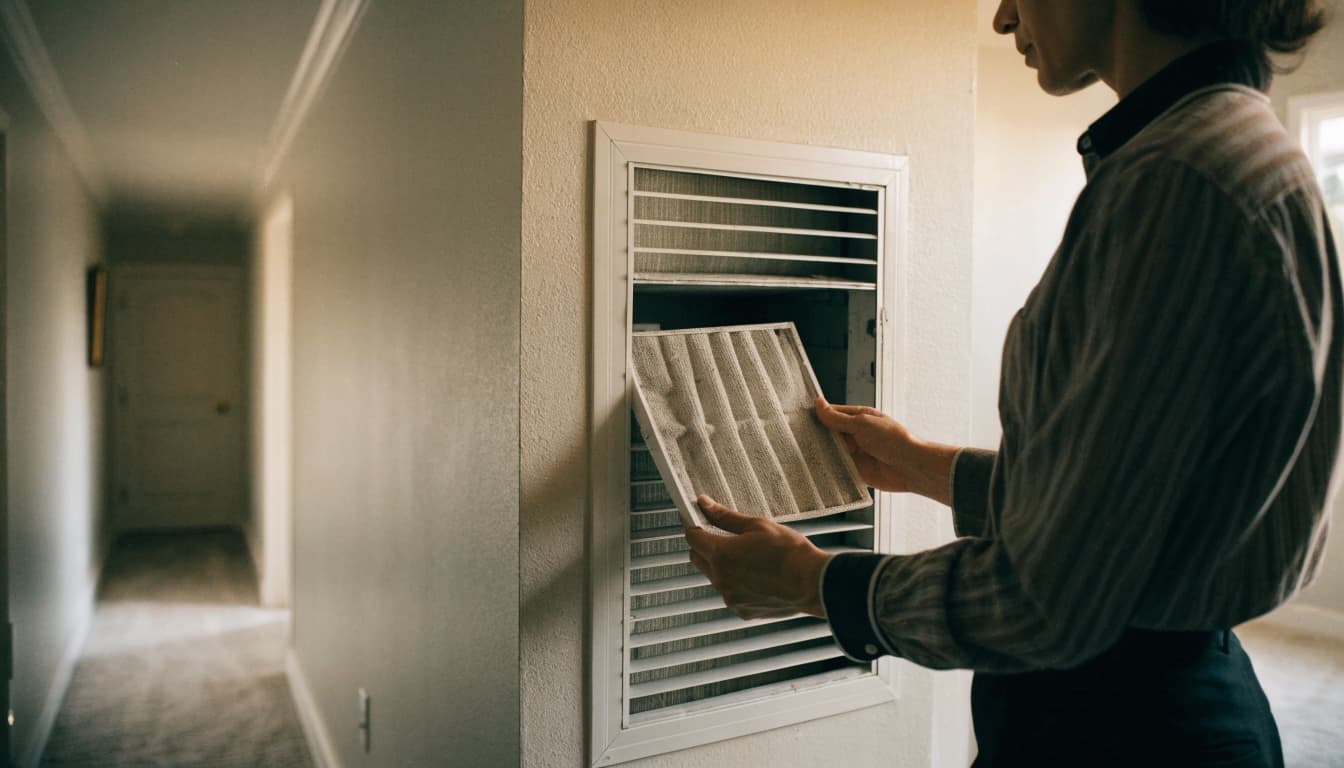
- Inspect an accessible air filter with the system off. Replace a dirty disposable filter with the correct size and airflow orientation.
- Walk through the rooms. Open supply registers and move furniture or rugs away from supply and return openings.
- Look at the outdoor unit from a safe distance. Note frost, heavy ice, accumulated debris, or an unusual sound. Remove loose leaves around the cabinet without opening it or reaching inside.
- Record the pattern. Note whether the air stays cool continuously, whether the room temperature falls, and whether heating resumes after an apparent defrost cycle.
Don't chip ice, pour hot water over the coil, or cover the outdoor unit. These actions can damage equipment without correcting the cause.
If heavy ice remains, turn the system off at the thermostat and arrange service. Don't attempt refrigerant testing, electrical repairs, or control bypasses.
What Auxiliary and Emergency Heat Tell You
Auxiliary heat supplements the heat pump when the controls determine that additional heating is needed. Some systems also use it during defrost to reduce the temporary change in indoor comfort.
Emergency Heat is a separate thermostat selection that typically relies on backup heating instead of normal heat pump operation. It's not a routine solution for unexplained cool air.
Our explanation of what emergency heat means details how that setting differs from ordinary heating.
If the thermostat shows auxiliary heat but the house keeps cooling, the backup heater or its controls may need testing. However, that display alone doesn't prove a heat strip has failed.
Leave the thermostat in normal Heat mode unless a technician advises otherwise. Repeated dependence on backup heat deserves investigation, especially when the outdoor unit isn't operating normally. Also, manually selecting emergency heat can increase electricity use when the backup source is electric resistance heating.
When to Contact an HVAC Technician
Schedule service when the air remains cold during an ongoing heating call and the room temperature keeps falling. Other warning signs include persistent ice, repeated shutdowns, weak airflow after a filter replacement, or an outdoor unit that doesn't resume normal operation.
A technician can assess thermostat commands, airflow, duct conditions, refrigerant operation, the reversing valve, and defrost controls. Testing these together helps avoid replacing a part based on one symptom.
Treat burning odors, loud grinding, damaged wiring, or water near electrical components as urgent. Turn the system off at the thermostat if you can do so safely, keep away from the equipment, and request help. Don't repeatedly reset a tripping breaker.
If you see active smoke or fire, leave the area and call 911.
We provide 24/7 emergency service throughout our Southwest Florida service area. Contact Us to schedule a service call when safe checks don't restore heating or warning signs appear.
Frequently Asked Questions
Why does cool air come out only between heating cycles?
The fan may be set to On, which circulates air even when the system isn't adding heat. Some equipment also has a brief blower delay after a heating call ends.
Selecting Auto can help distinguish continuous fan circulation from a heating problem. However, cool airflow during an active heating call needs a closer look if the house loses warmth.
Is vapor from the outdoor unit a sign of trouble?
Vapor can appear when frost melts during defrost. It may accompany a change in sound or a temporary pause in the outdoor fan.
Look at what happens afterward: the frost should clear and heating should resume. Persistent ice, a burning odor, or smoke should never be dismissed as normal defrost behavior.
Can a heat pump cool correctly but fail to heat?
Yes. A heat pump uses shared equipment for both modes, but its controls and reversing valve must direct operation correctly.
A system that cools well can still have a heating-side control, changeover, or backup-heat problem. Report that difference when scheduling service, because it helps the technician narrow the investigation without assuming a particular part has failed.
Focus on Whether Your Home Gets Warmer
A temporary change in airflow can accompany normal heat pump operation. The stronger warning is continued loss of indoor warmth , especially alongside persistent ice or unusual equipment behavior.
Check settings, filters, and vents first. If heating doesn't recover, leave electrical and refrigerant troubleshooting to an HVAC technician rather than forcing the system to keep running.