An AC sewer smell at startup can come from a dry plumbing trap, a drainage problem, or damp buildup inside the system. The blower then distributes that odor through your home, even when the source isn't inside the air conditioner.
The most useful clue is where the smell begins , especially if you also notice water, gurgling drains, or weak airflow. Start by separating an urgent safety concern from a plumbing or HVAC maintenance problem.
Key Takeaways
- A sewer-like odor at startup doesn't prove that sewage or mold is inside your AC.
- Dry plumbing traps, improper drain connections, dirty coils, and stagnant condensate can create or spread unpleasant odors.
- Recurring smells need investigation. Water leaks, electrical odors, or a strong unexplained rotten-egg smell require faster action.
When the Odor Requires Immediate Action
A rotten-egg smell can come from sewer gas, but odorized natural gas or propane can smell similar. Don't assume the AC is responsible because the odor appears when it starts.
If the smell is strong or you suspect a fuel-gas leak, leave the home immediately . Don't operate the thermostat, lights, electrical switches, or anything that could create a spark. Call 911 or your gas utility's emergency number from outside, away from the building.
Leave and seek emergency help if anyone develops dizziness, breathing difficulty, or significant nausea. Don't stay inside trying to locate the source.
Why the Smell Appears When Your AC Starts
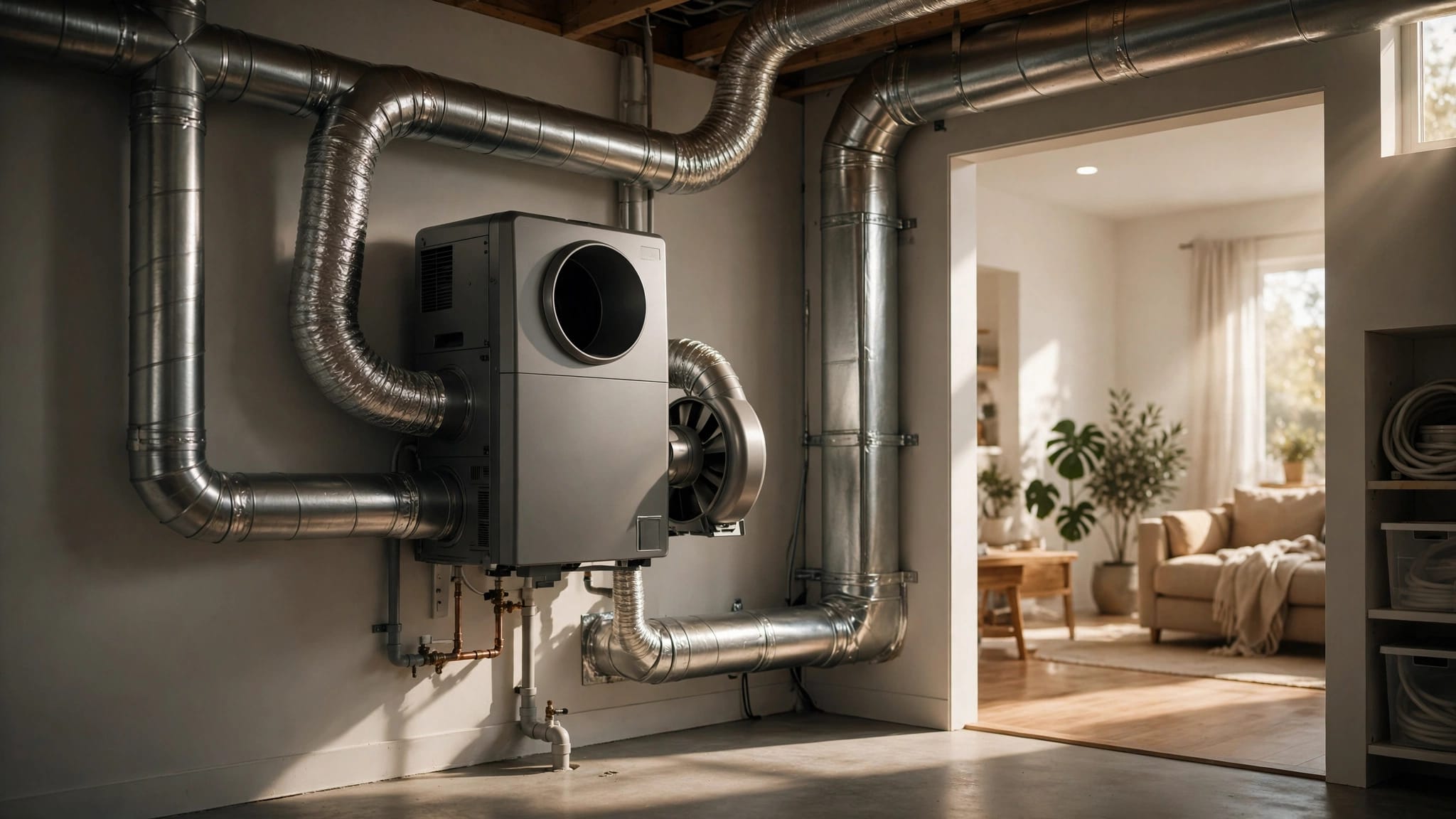
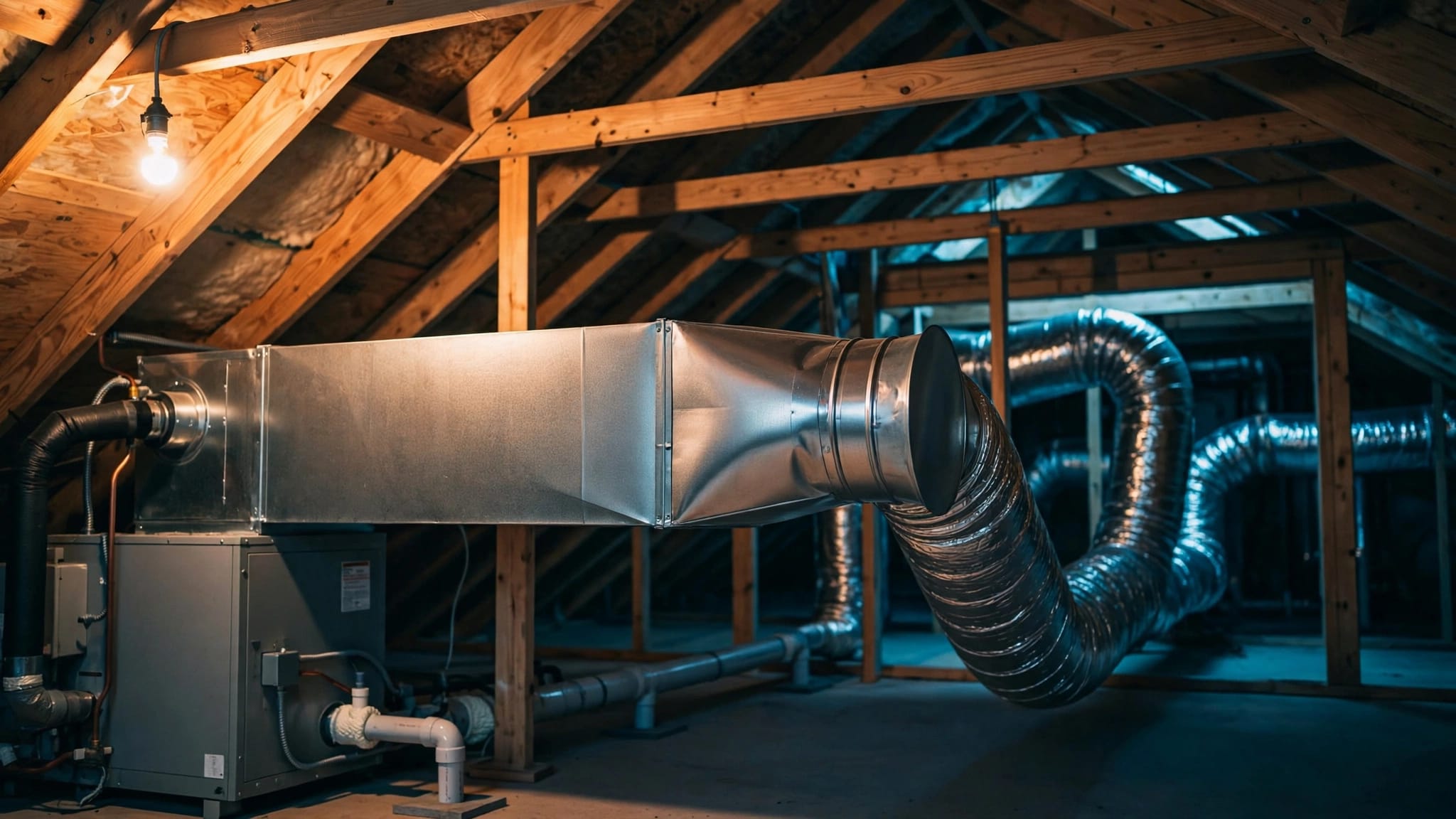
When the blower starts, it moves air that has been sitting around the coil, drain pan, and ductwork. If those areas contain odor-producing buildup, you may notice the strongest smell during the first burst of airflow.
However, the blower can also collect an odor elsewhere. A return-air leak near a plumbing problem may pull contaminated air into the system and distribute it through supply vents.
The smell may fade as fresh room air circulates. That doesn't mean the underlying problem has cleared.
Startup timing tells you when the odor moves through the house, but it doesn't establish where the odor originated.
An odor affecting several rooms suggests a shared airflow pathway. A smell concentrated around one fixture or room makes a local source more likely.
Common Causes of an AC Sewer Smell
Dry Plumbing Traps and Faulty Drain Connections
A plumbing P-trap holds water that blocks sewer gases from entering your home. When a guest-bath shower or floor drain goes unused, that water can evaporate.
The resulting odor may sit near the fixture until circulating air spreads it. This can make the AC seem responsible.
Other plumbing causes include a failed toilet seal, damaged drain piping, or a blocked plumbing vent. Gurgling fixtures and odors that remain while the AC is off strengthen the case for a plumbing inspection.
An improperly connected condensate drain can also create a pathway for wastewater odors. That requires correcting the connection, rather than repeatedly treating the pipe.
Damp Coils, Drain Pans, and Condensate Buildup
Your evaporator coil removes moisture from indoor air. That water collects in a pan and exits through the condensate drain.
Dust and biological buildup on damp surfaces can produce sour, musty, or dirty-sock odors that homeowners sometimes describe as sewage. Our guide to common causes of musty AC odors covers these moisture-related sources.
A clogged line, poor pipe slope, or damaged pan can leave water where it shouldn't remain. Also, some systems require a properly configured condensate trap for drainage.
In Southwest Florida, long cooling seasons keep these components wet for extended periods. Recurring odor, standing water, and intermittent shutdowns deserve attention even when the system still cools.
How to Narrow Down the Odor's Source
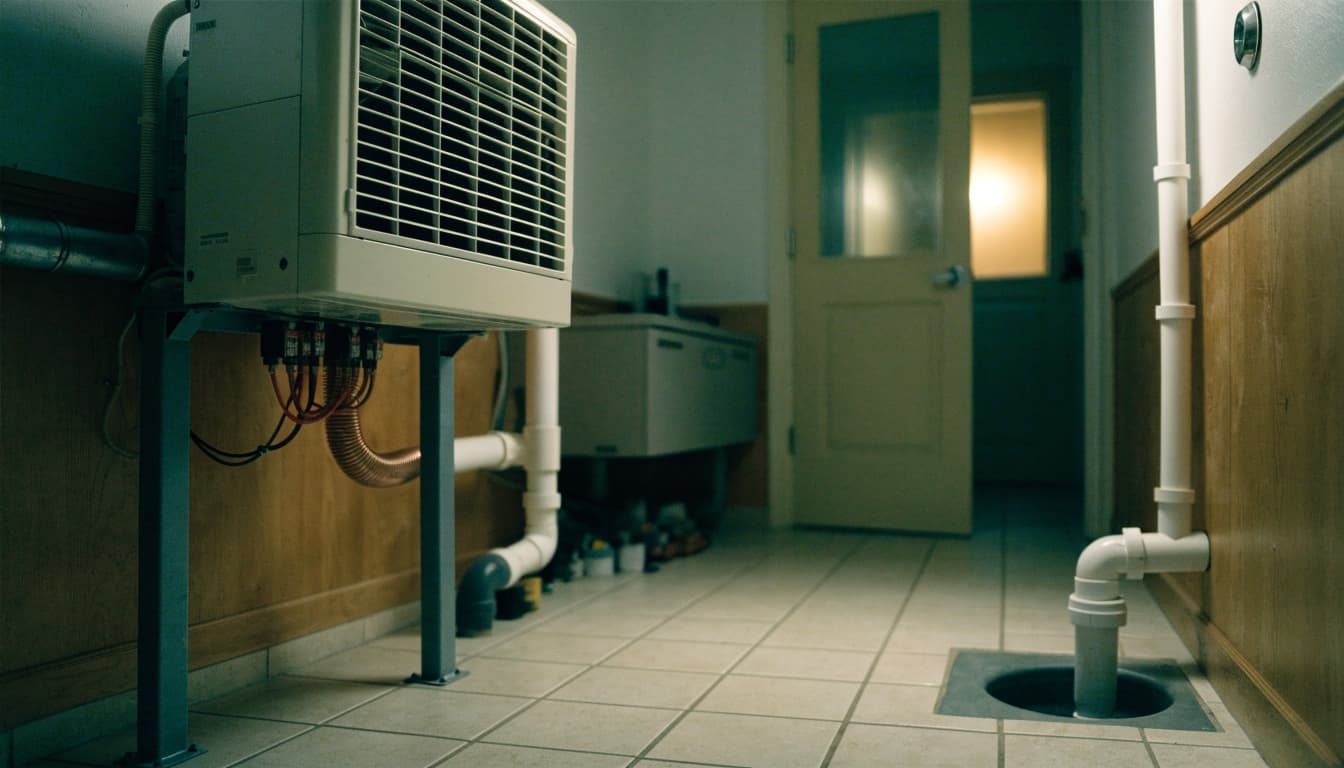
Only investigate a mild odor when there's no suspected gas leak, electrical smell, or illness. Observe from normal standing positions rather than putting your face near drains or equipment.
Compare Fixtures, Vents, and the Air Handler
Notice whether the smell is strongest near a bathroom drain, toilet base, utility-room floor drain, or accessible air-handler area.
Then compare rooms during normal operation. Odor at multiple supply vents may indicate a shared source near the equipment or return-air pathway. A single affected room may have its own plumbing problem or a local duct issue.
Look for damp flooring, water stains, and wet material around the equipment. However, don't open sealed panels, crawl into tight spaces, or disturb insulation to investigate.
Look for Timing and Performance Patterns
Consider whether the odor also appears when someone flushes a toilet, uses a shower, or runs an exhaust fan. Those patterns help distinguish a plumbing or pressure-related problem from buildup inside the AC.
Meanwhile, weak airflow, poor cooling, a wet cabinet, or unexplained shutdowns point toward an HVAC inspection.
A gurgling sink suggests different trouble than water collecting beneath the air handler. Neither symptom establishes the cause alone. Note what happens during ordinary use, but don't repeatedly restart a smelly or leaking system to reproduce it.
Basic Checks Homeowners Can Safely Try
Restore Water to Unused Plumbing Traps
For a mild odor near an infrequently used sink or shower, run water normally to refill its trap. Flush unused toilets too.
An accessible floor drain may also need water to restore its seal. Only add water when you know it's a plumbing drain, not an unidentified opening.
If the smell improves but quickly returns, the trap may be losing its seal for another reason. A cracked trap, venting problem, or other plumbing defect needs repair.
Don't remove a toilet, dismantle drain piping, or attempt to clear a roof vent yourself. Avoid entering any space where sewer odor is concentrated.
Inspect the Filter and Visible Drainage Areas
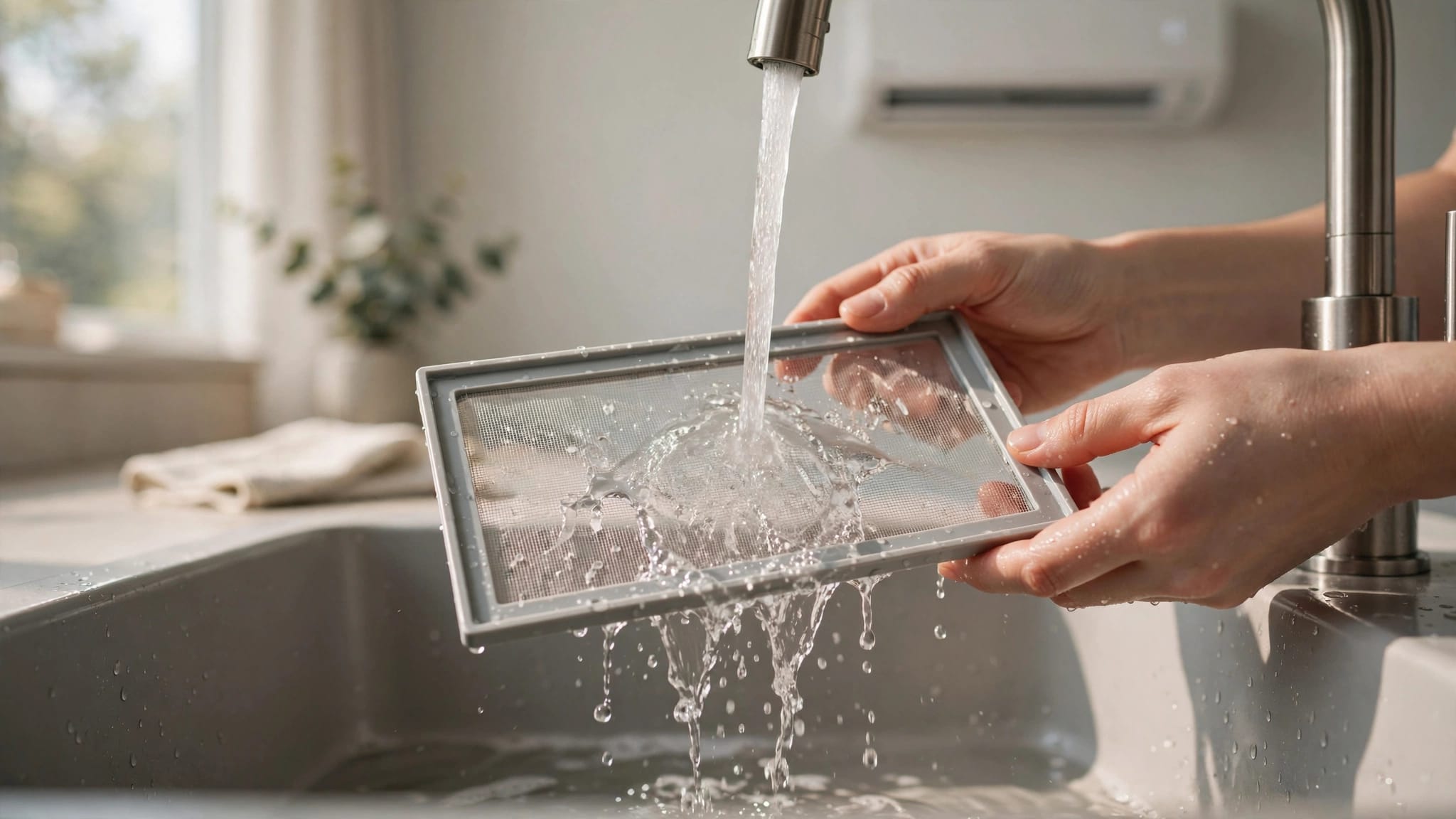
With no suspected gas leak, turn the AC off before checking the accessible filter. Replace a dirty disposable filter with the correct size and type. A dirty filter can restrict airflow, although replacement won't repair a sewer-gas pathway.
Look for water around the indoor unit, a full auxiliary pan, or ceiling stains below attic equipment. If you find leakage, leave the system off and arrange service. Never bypass a float switch.
Keep the outdoor condensate outlet clear of vegetation and debris, without capping it. Our safe AC maintenance tasks explain homeowner maintenance limits.
Don't pour bleach, drain opener, or mixed chemicals into the system. Drain treatment belongs only at an identified access point and must follow the equipment manufacturer's instructions.
When to Call a Plumber or HVAC Professional
Signs That Point Toward Plumbing
Call a plumber when the smell centers on a fixture, persists with the AC off, or returns soon after refilling an unused trap.
Gurgling drains, repeated slow drainage, sewer odors near a toilet base, or several affected fixtures also support a plumbing investigation. A plumber can assess trap seals, venting, toilet seals, and drain piping.
If the condensate drain connects to household wastewater plumbing, explain that connection when scheduling service. Depending on the installation, both plumbing and HVAC work may be necessary to correct the odor pathway.
Signs That Point Toward HVAC
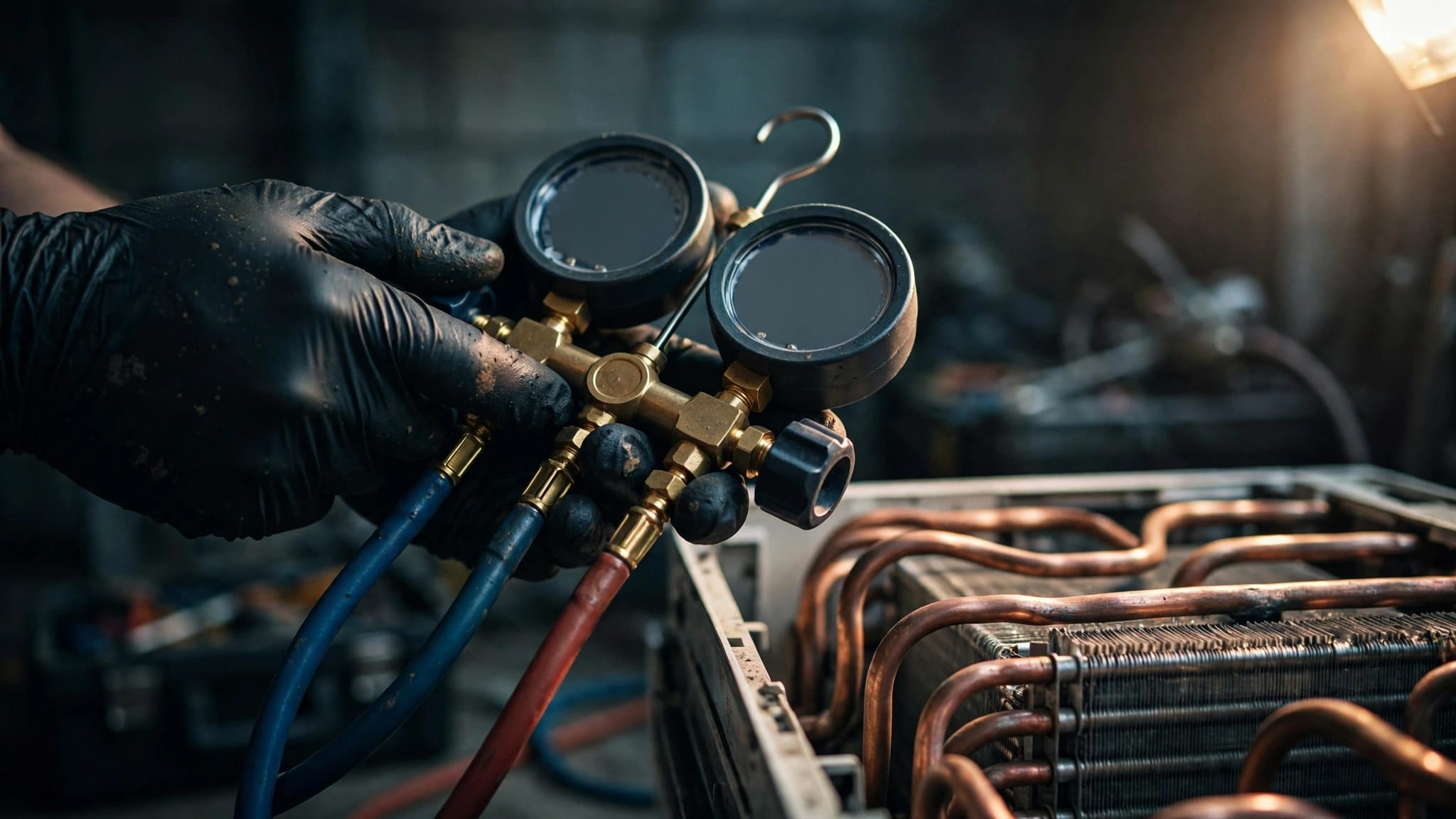
Arrange HVAC service when odor comes from several vents and accompanies standing condensate, poor airflow, weak cooling, or repeated shutdowns. Our professional AC repair services address recurring odors alongside drainage and cooling problems.
An inspection should cover the coil, pan, drain, trap configuration, and accessible return-air connections. A recurring clog may require correcting pipe slope or damaged fittings, rather than another flush.
Water spreading into ceilings, walls, or electrical areas needs urgent attention. Likewise, hot-plastic or burning-wire odors require immediate shutdown when safe. Don't repeatedly reset a tripping breaker or restart equipment that smells overheated.
Preventing the Smell From Returning
Fixing the source matters more than deodorizing the air. A cleared drain won't solve a cracked pan, and a new filter won't seal a damaged plumbing connection.
During heavy cooling use, inspect accessible drainage areas monthly for water, staining, or buildup. Keep up with filter replacement based on the filter and equipment instructions. Also, use infrequently visited bathroom fixtures periodically so their traps retain water.
Professional maintenance should include the condensate drain, pan, required trap, and safety controls. Coil cleanliness and accessible duct connections matter too, especially when odors travel throughout the home.
Avoid spraying fragrance or disinfectant into return grilles. These products can mask the pattern that helps locate the problem without correcting drainage or contamination.
If an odor returns after service, describe whether it disappeared completely or merely became weaker. That distinction helps direct the next inspection toward an unresolved source.
Frequently Asked Questions
Does a Sewer Smell Mean There's Mold in My AC?
No. Mold is one possible source of damp, musty odors, but bacteria, stagnant condensate, and plumbing gases can also smell unpleasant.
Odor alone can't identify mold or establish how much is present. Visible growth, damp insulation, or recurring moisture calls for an inspection and correction of the water source before cleanup.
Will Duct Cleaning Remove the Smell?
Duct cleaning helps only when contamination inside the ducts is contributing to the odor. It won't fix a dry plumbing trap, failed toilet seal, blocked condensate drain, or dirty evaporator coil.
Find the source before scheduling cleaning. Otherwise, the same odor can return through freshly cleaned ductwork because the underlying plumbing or HVAC problem remains.
Get Rid of the Source, Not Just the Smell
A sewer-like odor when your AC starts can begin in the cooling system or nearby plumbing. Location and accompanying symptoms help separate those possibilities.
Persistent odors deserve attention even when cooling seems normal. Strong gas-like smells, electrical odors, and spreading water require immediate action.
To schedule a service call or request our 24/7 service, Contact Us.