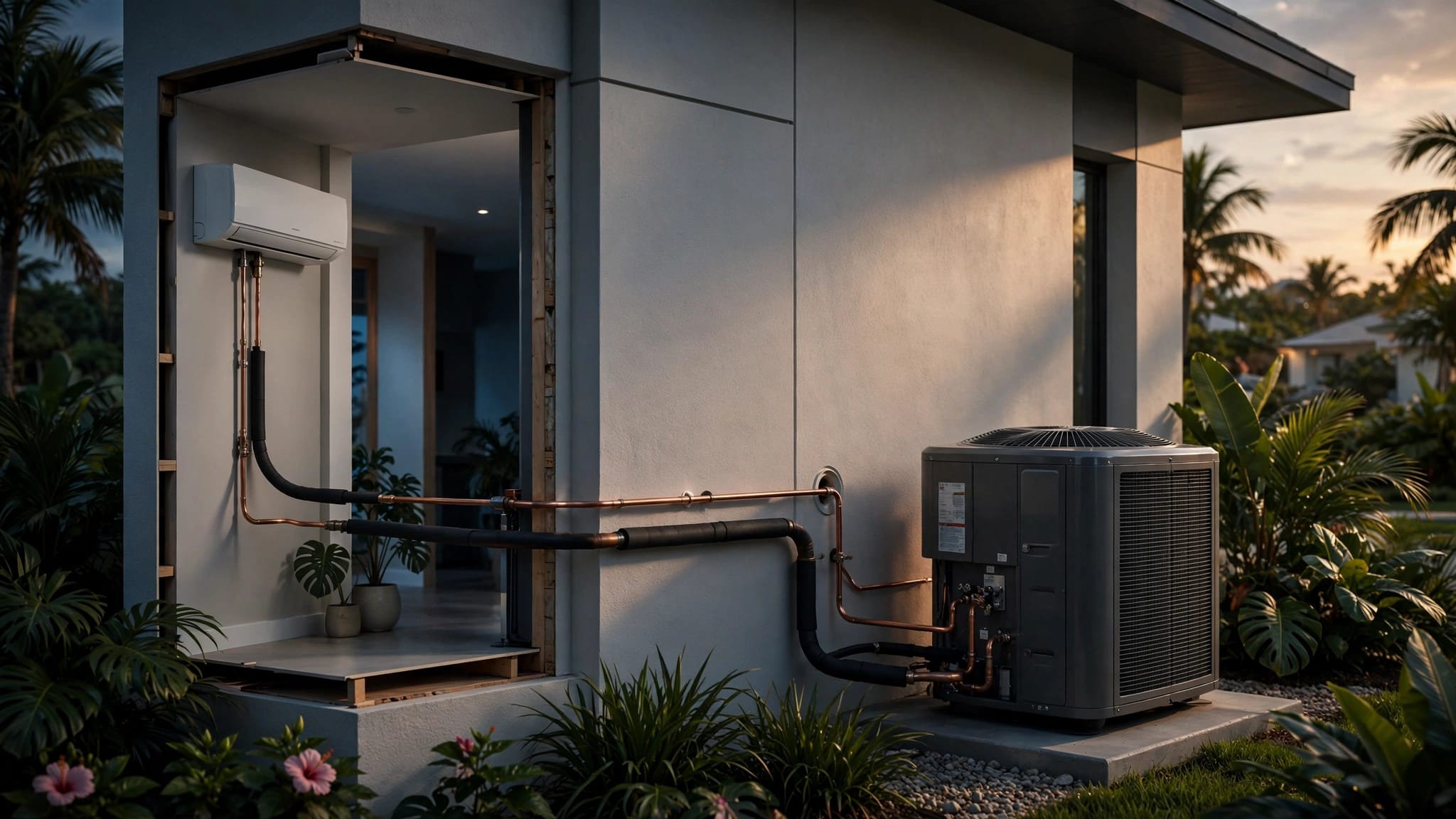
You turn on your AC expecting cool relief. Instead, a damp, earthy odor hits you. That musty AC smell turns your home into an unwelcome cave.
Cape Coral homeowners face this often. High humidity feeds mold and bacteria in your system. You deserve fresh air, so let's uncover why it happens and how to stop it.
Common Causes Behind That Musty AC Smell
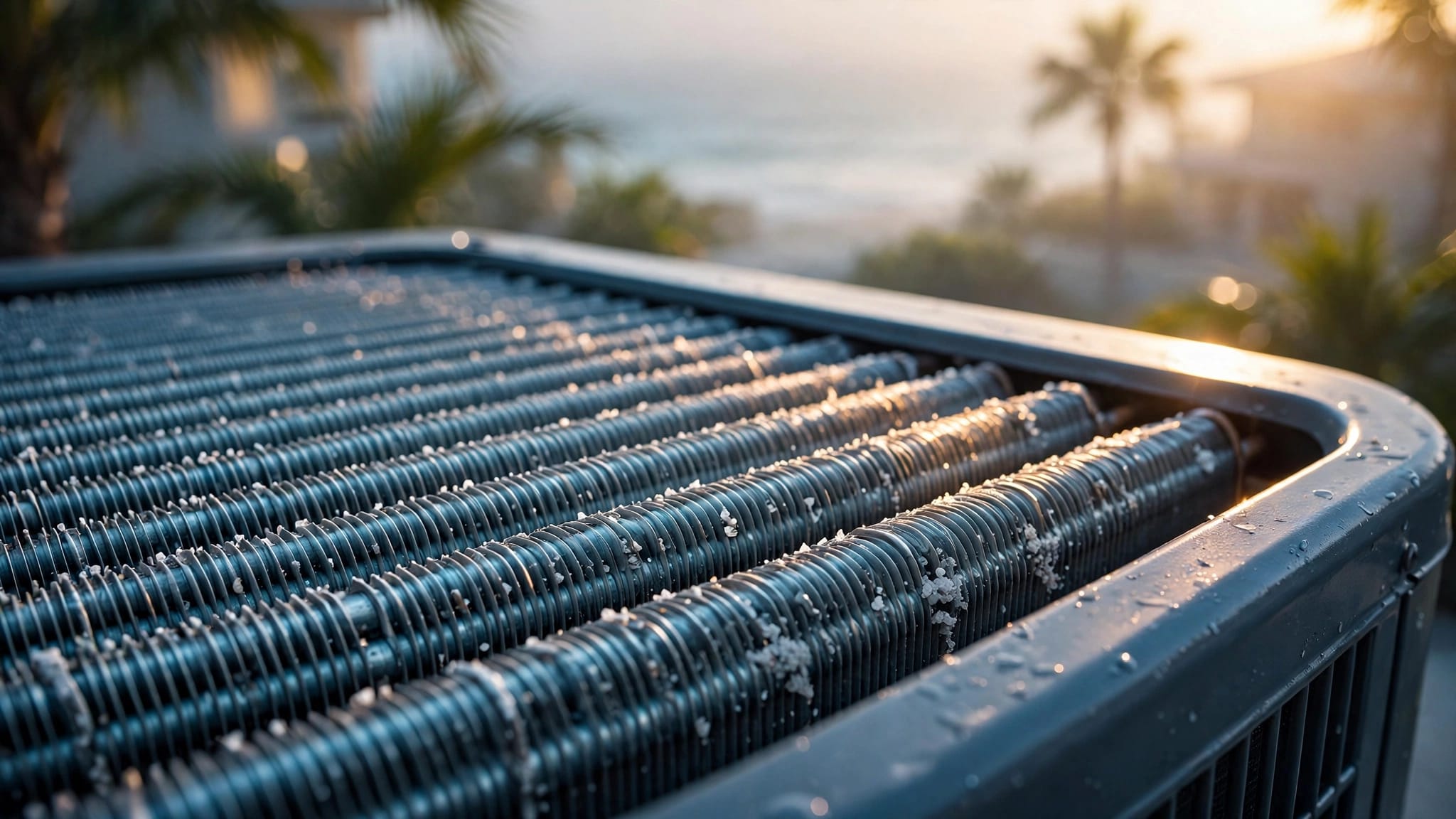
Mold thrives on your evaporator coils. These coils chill the air but stay wet from condensation. In a humid spot like Cape Coral, moisture lingers. Bacteria and mildew grow fast, releasing that sour scent every time the fan kicks on.
Dirt traps moisture too. Dust mixes with water, creating a breeding ground. You might notice the smell strongest right after startup. It fades as air circulates but returns soon.
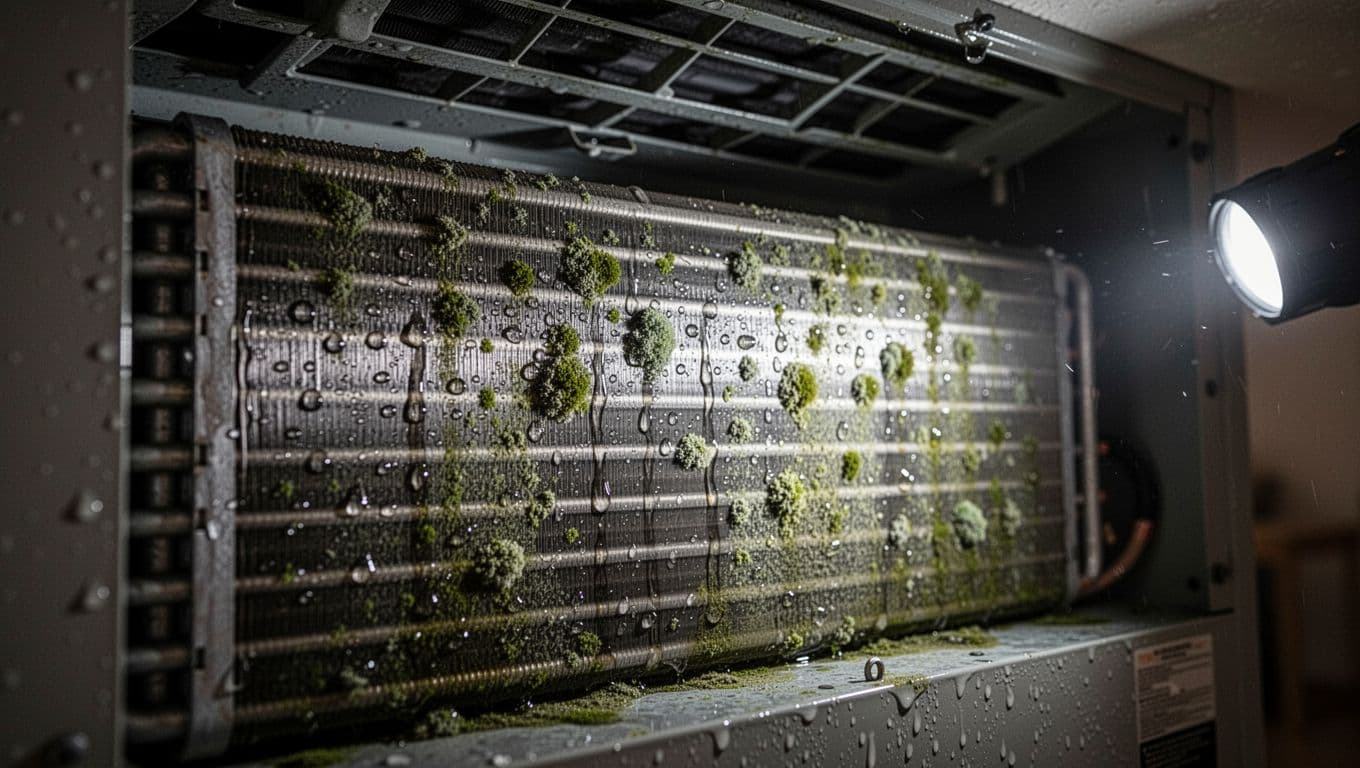
For example, common air conditioner problems in Cape Coral homes often link back to this. Coils need cleaning to breathe easy again.
Clogged Condensate Drains
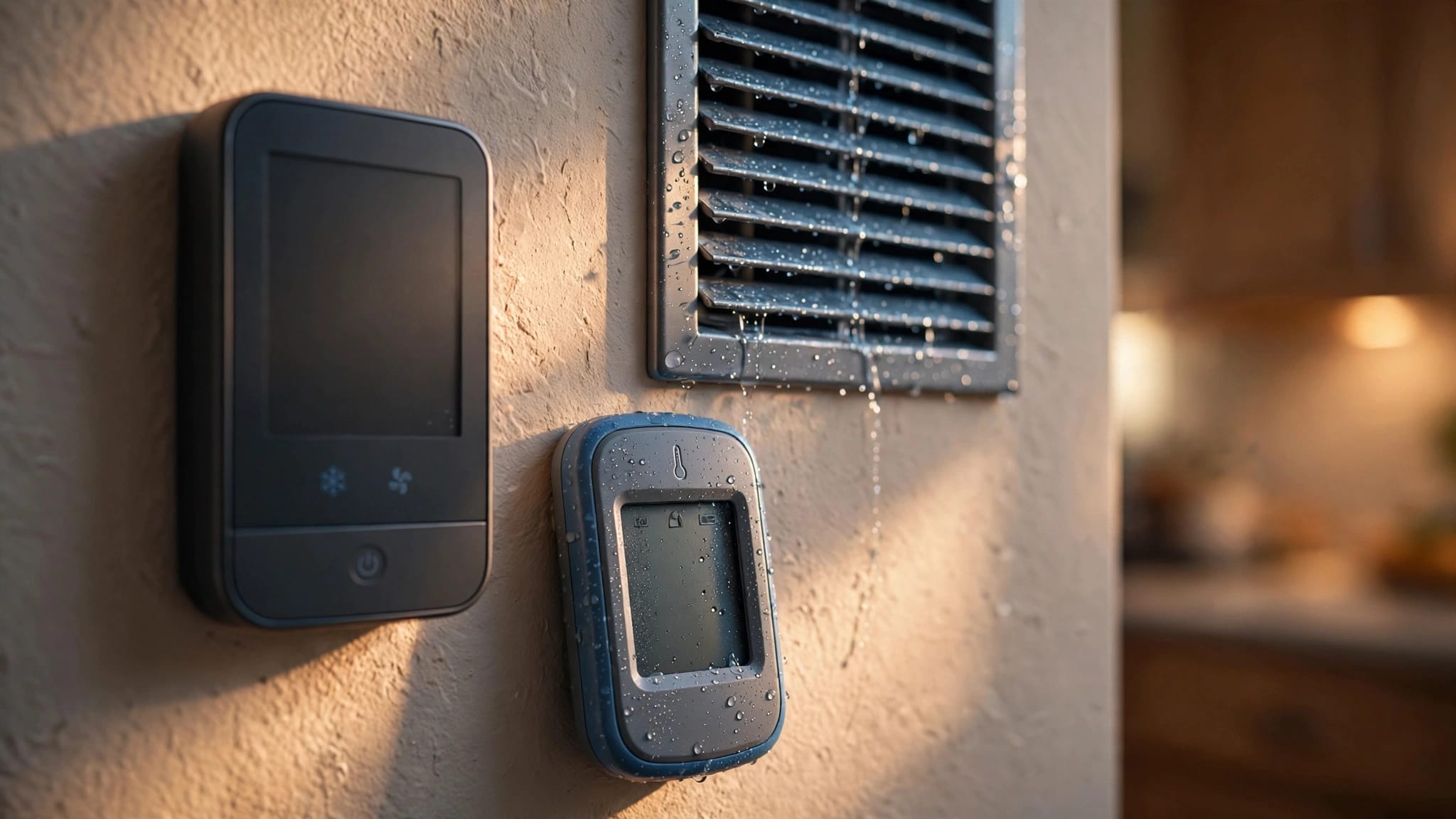
Your AC pulls moisture from the air. That water drains through a line. Algae and debris block it over time. Water backs up in the pan.
Standing water breeds mold. The smell escapes through vents. You see drips near the unit or wet spots inside. Ignore it, and damage spreads.
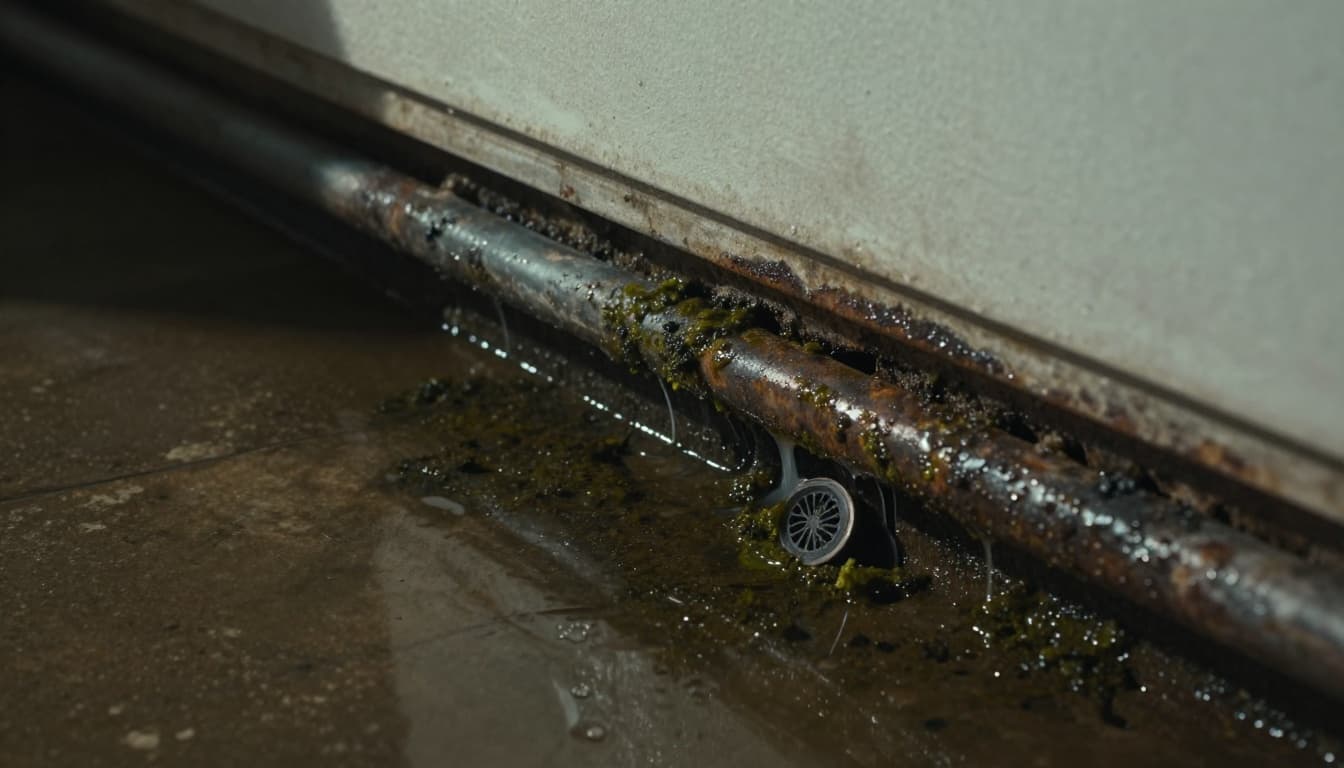
Flush the line with vinegar monthly. Still smelly? Pros handle tough clogs safely.
Dirty Air Filters
Filters catch dust and pollen. They clog quick in our dusty, humid air. Restricted flow starves coils of dry air. Moisture builds instead.
Mold spots form on the filter. It blows musty air house-wide. Check yours now. Gray and grimy means replace it.
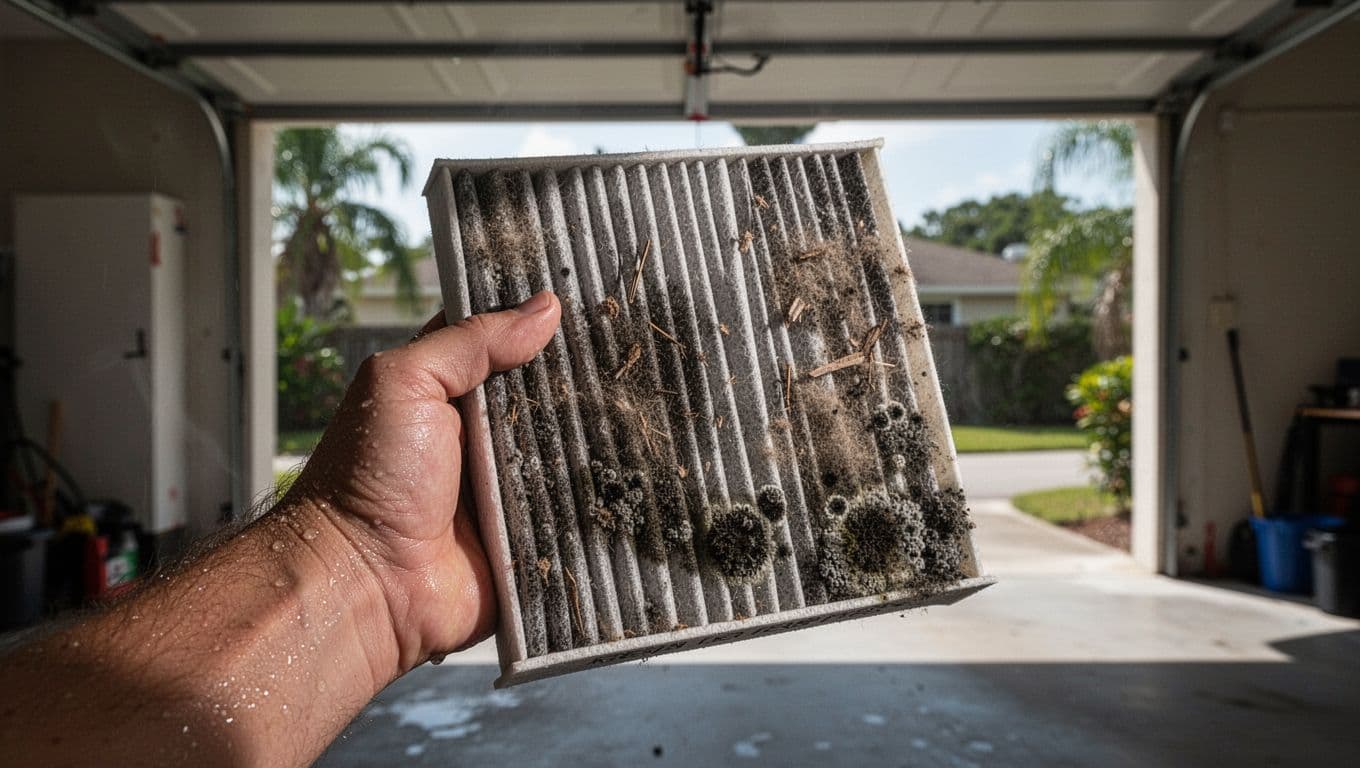
Change every 30-60 days. Our FAQs cover how often for best results.
Moisture in Ducts and Excess Humidity
Ducts sweat in humid homes. Leaks or poor insulation trap water inside. Mold colonies form out of sight. Air pushes the odor everywhere.
High indoor humidity worsens it. Your AC fights overload. Bacteria join the party.
Cape Coral's Humid Climate Plays a Big Role
Summer here means 90% humidity often. Rainy season adds more. AC runs non-stop, but can't dry everything.
Warm air holds extra moisture. Coils can't keep up. Local salt air corrodes parts too, trapping gunk.

This climate demands extra vigilance. Systems wear faster without it.
Practical Next Steps to Freshen Your AC
Start simple. Turn off the unit. Replace the filter if dirty.
Mix vinegar and water. Pour into the drain line. Run the fan briefly after.
Wipe visible coils if accessible. Use no-rinse cleaner. Dry thoroughly.
Lower humidity with a dehumidifier. Set it to 50%. Helps your AC too.
When to Call an HVAC Professional
DIY works for basics. But persistent smells mean deeper issues. Mold in ducts or coils needs experts.
Visible growth or water damage? Stop now. Health risks rise, like allergies or worse.
Pros inspect fully. They clean safely and check refrigerant. Our AC repair services in Cape Coral fix this fast. Contact Us for same-day help.
Costs vary, but early action saves money. See our guide on AC repair costs in Cape Coral.
Prevention Tips for Fresh Air Year-Round
Schedule tune-ups twice yearly. HVAC maintenance agreements cover coils, drains, and filters.
Seal ducts. Insulate against sweat.
Use a whole-home dehumidifier. Keeps levels steady.
Vent bathrooms and kitchens outside. Reduces load.
Stay ahead. Your family breathes easier.
That musty AC smell doesn't have to stay. Cape Coral's humidity challenges systems, but simple habits and pro care keep air fresh. Act now for comfort all summer. Your home stays cool and clean.