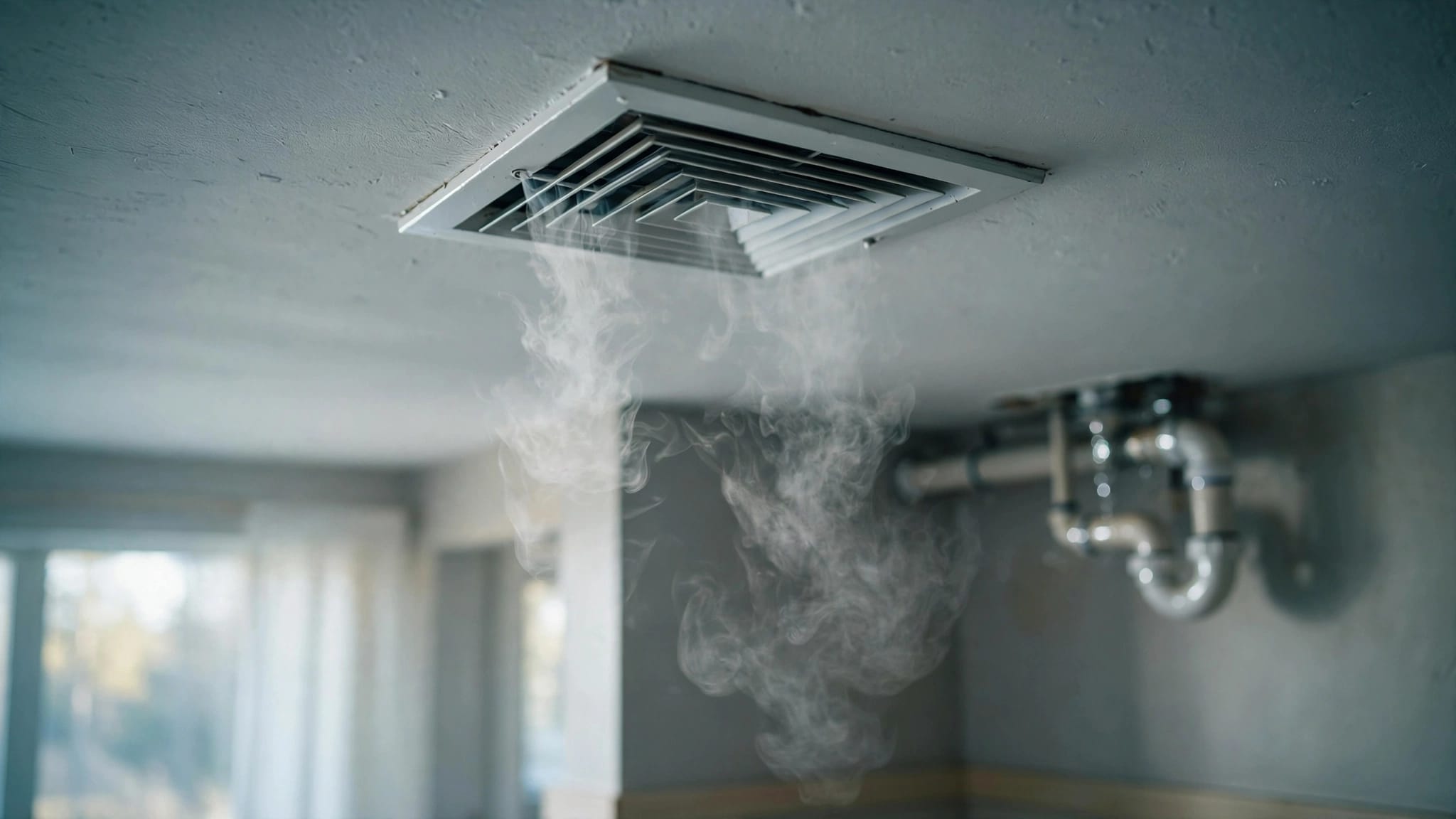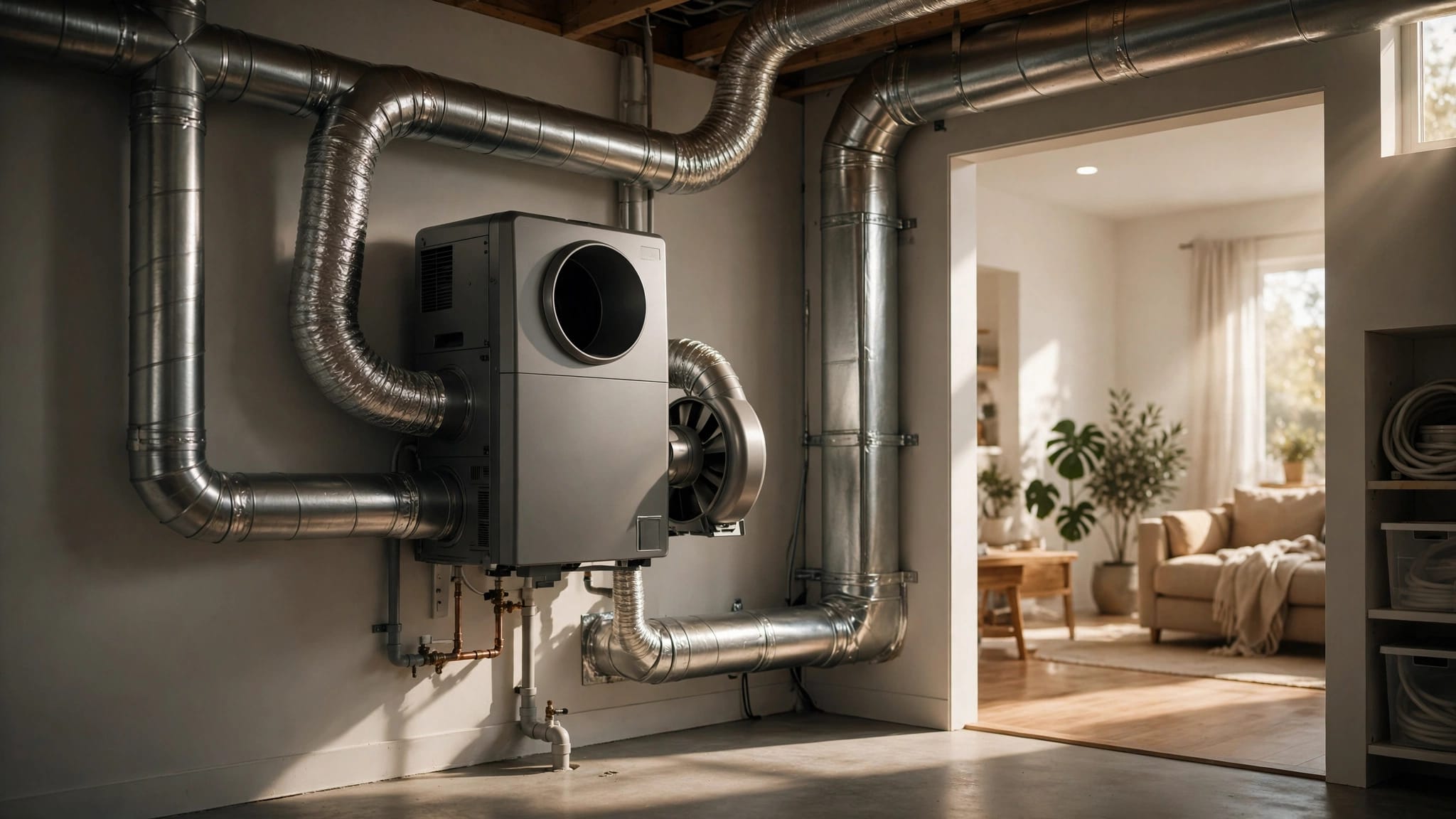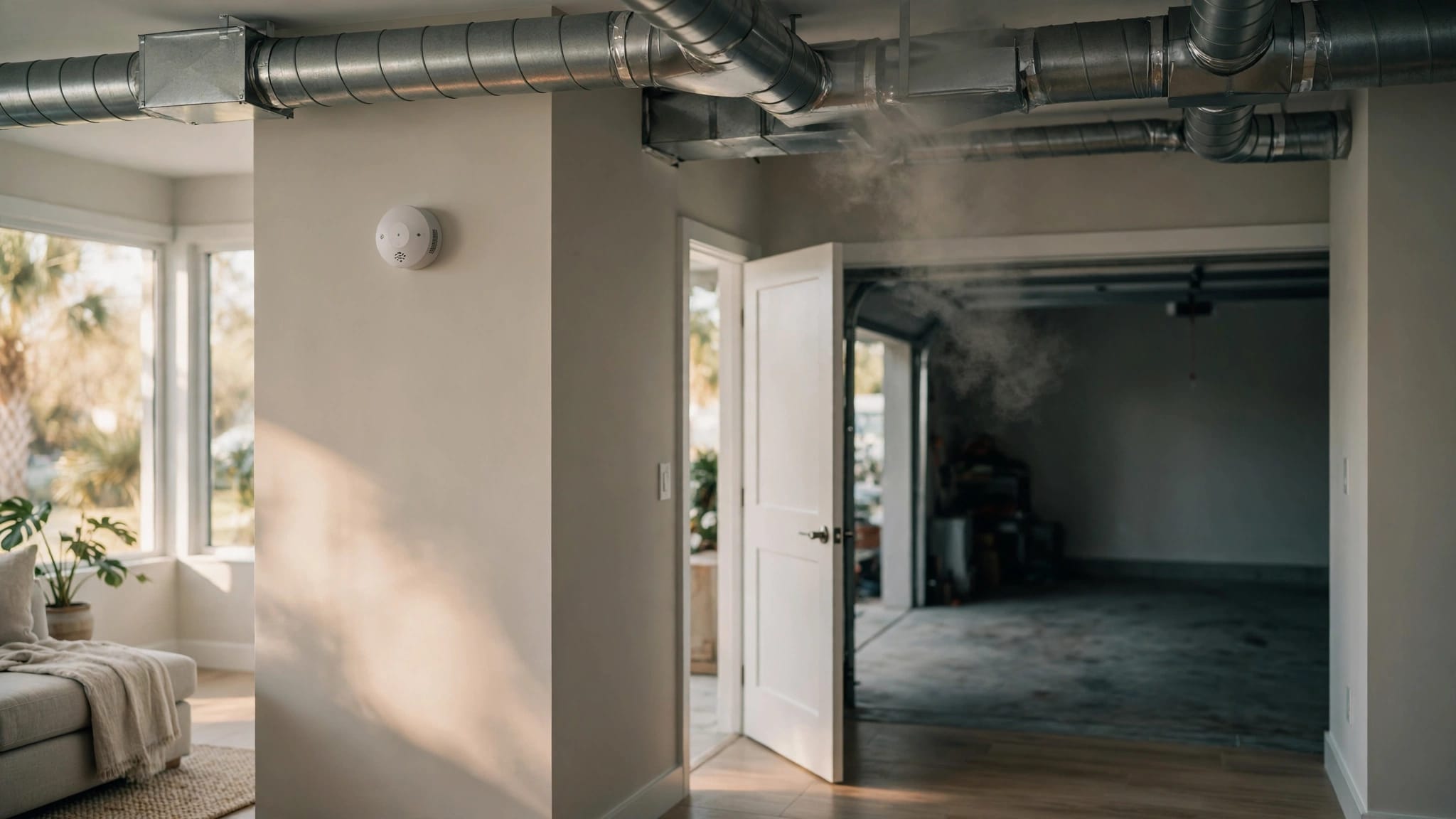
To limit outdoor smoke entering your HVAC fresh-air intake, use designated recirculation controls when available, maintain proper filtration, and reduce other entry paths. The right settings depend on how your home's ventilation connects to its heating and cooling system.
A thermostat's fan setting alone doesn't control outdoor air, and some homes have no dedicated fresh-air intake. Identify the airflow path first so you don't mistake an exhaust vent or combustion-air opening for something else.
Key Takeaways
- Locate the actual outdoor-air intake before changing ventilation settings or touching exterior grilles.
- Use built-in recirculation controls only as intended, and keep indoor supply and return vents unobstructed.
- Fit the correct filter securely, because gaps allow air to bypass the filter media.
- Restore normal ventilation after outdoor smoke clears, and investigate persistent smoke entry rather than repeatedly changing thermostat settings.
Find Your HVAC Fresh-Air Intake
Outdoor equipment doesn't always bring outside air indoors. A conventional split-system AC condenser releases heat outside, while the indoor air handler circulates air through the house.
However, a separate outdoor-air duct or ventilator may introduce fresh air. Finding that connection helps distinguish intentional ventilation from leakage.
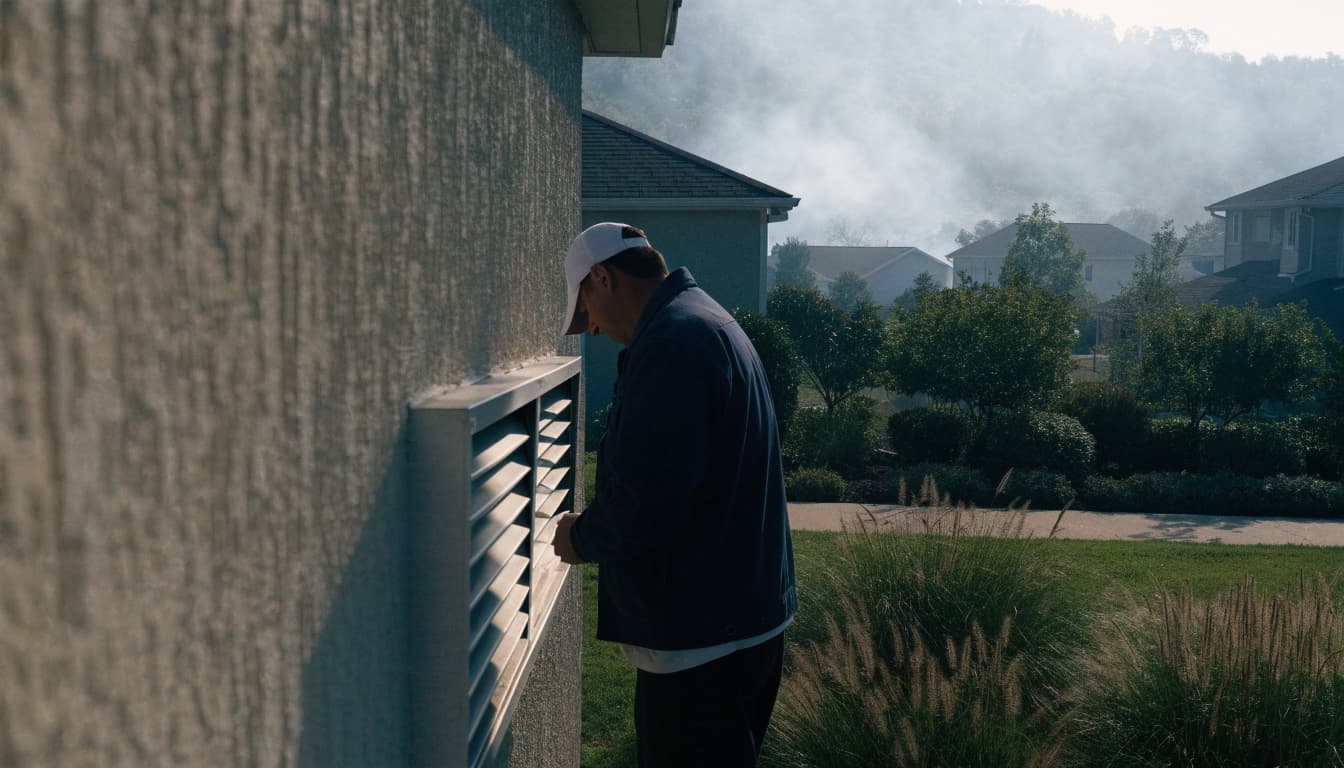
Look for the intake's connection
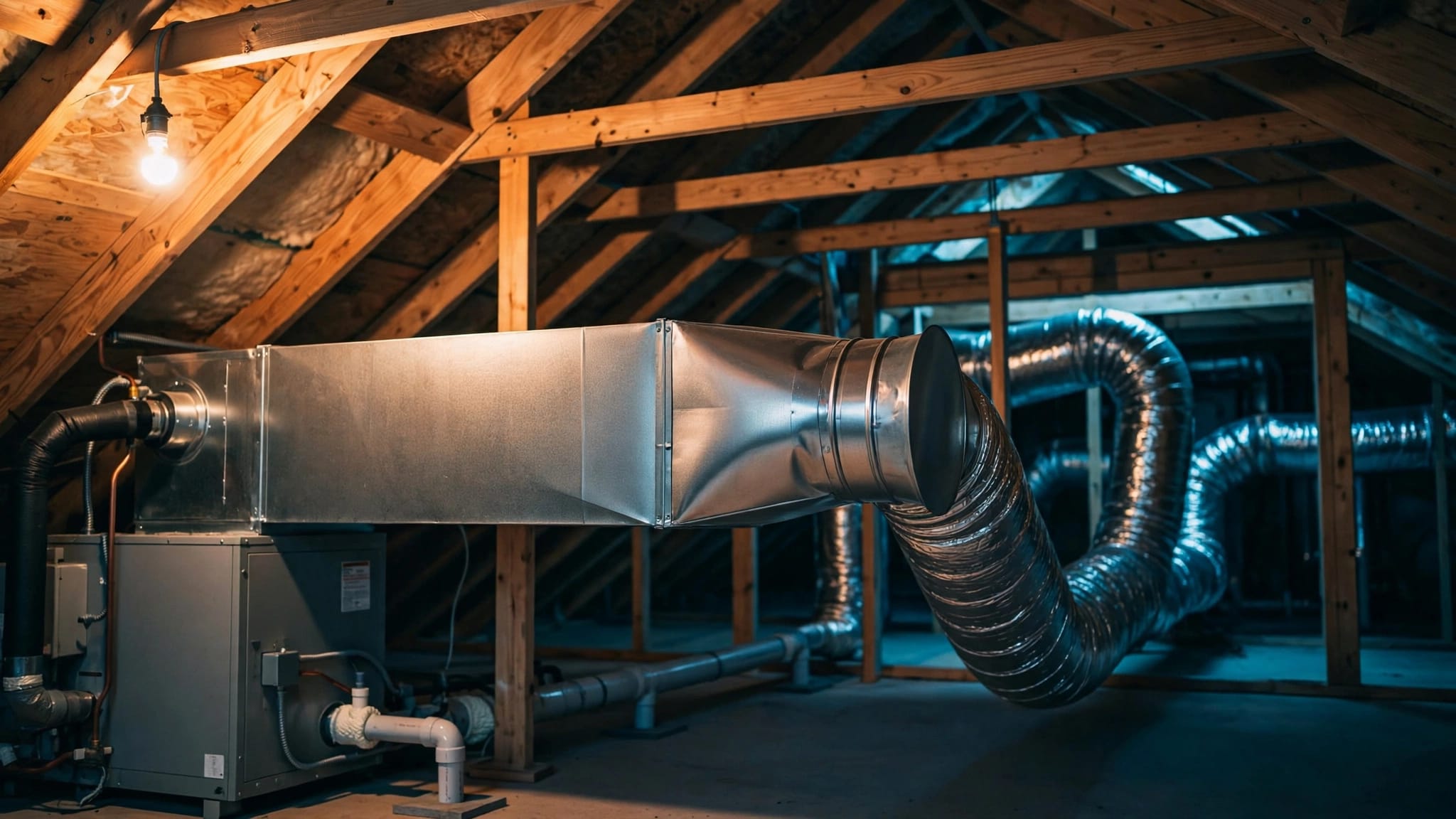
A fresh-air opening may appear as a hooded or screened exterior grille. Depending on the installation, its duct may connect to the return duct, an air handler, or separate ventilation equipment.
Look only at accessible components from a safe position. Installation documents and existing equipment labels can help identify the pathway. Don't enter a difficult attic, remove sealed panels, or disconnect ductwork to trace it.
An exterior grille's appearance alone doesn't establish its purpose. Dryer exhausts, bathroom exhausts, and combustion-related openings can look similar.
Distinguish intake air from indoor return air
An indoor return grille pulls room air toward the HVAC equipment. A supply register delivers conditioned air back into the home. Neither is automatically an outdoor-air intake.
Our explanation of supply and return airflow can help you recognize those indoor pathways.
Keep both unobstructed. Covering indoor grilles reduces circulation and can strain the system without addressing the outdoor smoke source.
Understand Recirculation and Outdoor-Air Controls
Recirculation moves indoor air through the system again. Fresh-air ventilation introduces outdoor air. Depending on the equipment, separate controls may govern these functions.
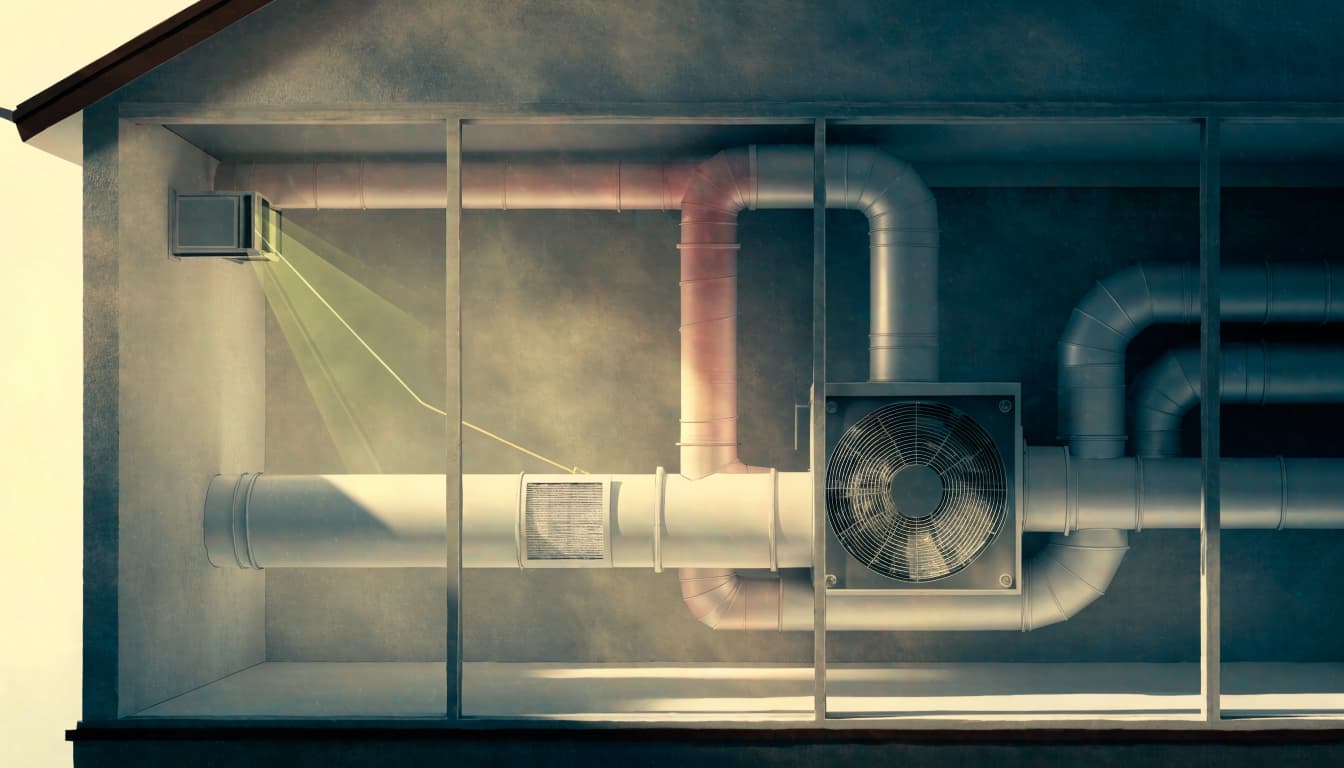
Use a designated recirculation setting when available
If your equipment includes a dedicated recirculation mode, use it according to its operating instructions. Don't assume every thermostat offers this function.
An outdoor-air damper may have a separate actuator or ventilation controller. Its position can depend on a ventilation schedule, blower operation, or other controls. A thermostat change may therefore leave outdoor-air delivery unchanged.
Energy recovery ventilators (ERVs) and heat recovery ventilators (HRVs) also have their own controls. Their heat-exchange function doesn't guarantee smoke protection. Our comparison of ERV and HRV systems explains their role in home ventilation.
Don't confuse fan operation with intake control
"Auto" usually runs the indoor blower with a heating or cooling call. "On" usually runs it continuously. Neither setting automatically means outdoor air has stopped entering.
Keep the normal fan setting unless your system has a designed filtration program appropriate for its equipment. In humid Southwest Florida, continuous blower operation can re-evaporate moisture from a wet cooling coil.
A running blower can circulate indoor air while a separate ventilation control continues introducing outdoor air.
Don't improvise with plastic, tape, or coverings over unidentified openings. Some openings support combustion safety or required equipment airflow.
Check Filter Fit Before Increasing Efficiency
Smoke contains particles and gases, so filtration has limits. A filter's rating also matters less when air can pass around its edges or the system can't move enough air through it.
Start with the correct size and secure placement
Turn the system off at the thermostat before opening an accessible filter grille or cabinet. Replace the filter with the correct dimensions and thickness, and position its airflow arrow toward the blower.
The filter should sit securely without crushed edges, obvious gaps, or a loose access cover. Don't stack filters or add material over the return grille. These changes can restrict airflow.
Monthly inspections are a useful baseline for Cape Coral homes. During heavy cooling use, some MERV 8 filters need replacement every 30 to 60 days. Inspect sooner when unusual contamination or airflow changes occur.
Separate particle filtration from gas removal
MERV measures particle capture, not VOC or gas removal. A higher-MERV filter may improve particle filtration, but it can also increase airflow resistance.
Choose a rating compatible with the equipment. Our guide to MERV ratings and airflow explains that tradeoff.
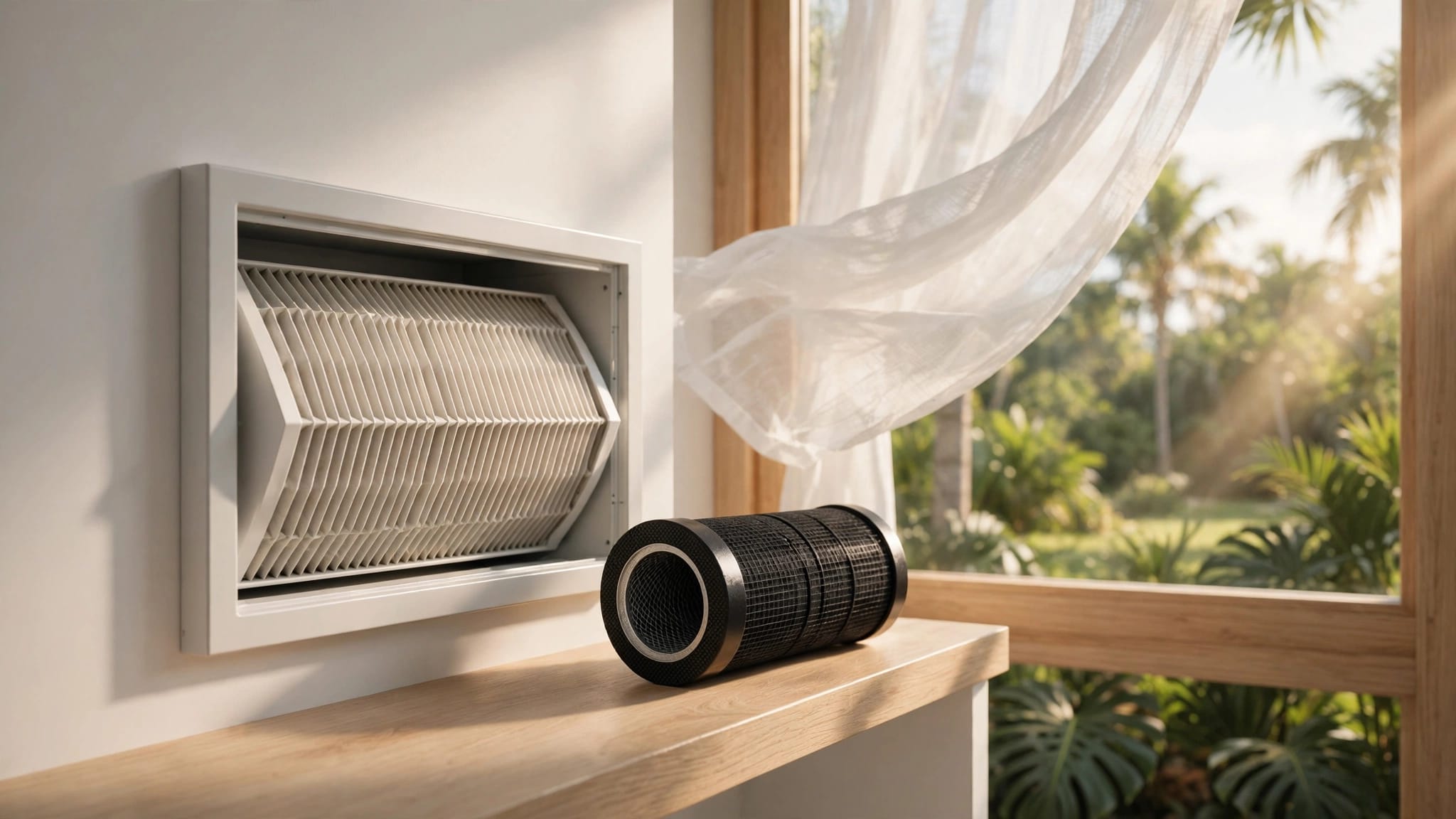
Activated carbon can capture some gases, but results depend on the compound, carbon quantity, filter design, and conditions. Humidity can also affect sorbent performance. Our explanation of HVAC filters and VOC removal covers those limitations.
If airflow weakens, cooling deteriorates, or the equipment sounds strained after a filter change, arrange service. Don't compensate by removing the filter.
Reduce Other Smoke Entry Paths
Even correctly controlled ventilation won't address every opening. Smoke can enter around windows and doors, through building leaks, or through compromised duct connections.
Keep exterior windows and doors closed while outdoor smoke affects the home. Also avoid adding indoor particles through candles, smoking, or frying food.
Large exhaust fans and clothes dryers remove indoor air. Replacement air then enters through available pathways, which may include outdoor leaks. Postpone unnecessary dryer use and avoid leaving exhaust fans running longer than needed. However, don't disable required exhaust, combustion air, or safety equipment.
Return-side duct leaks deserve attention because they can draw surrounding air into the HVAC system. A technician can inspect accessible connections, filter cabinets, plenums, and ducts, then measure airflow or static pressure where needed.
If smoke entry continues despite appropriate settings, Contact Us to schedule a service call. We offer 24/7 service for HVAC problems in Southwest Florida.
A burning odor originating at the equipment needs urgent attention. If you see smoke, suspect fire, or hear a carbon monoxide alarm, leave the home and call 911.
Restore Normal Ventilation After Smoke Clears
Reduced outdoor-air exchange is a temporary measure. Occupants, cooking, showers, and cleaning products continue adding moisture and pollutants indoors, even when windows stay closed.
Use local outdoor air-quality reports, including AirNow information, alongside changing smoke conditions. A fading odor alone doesn't establish that outdoor air has improved.
Once outdoor smoke pollution clears, follow a deliberate return to normal operation:
- Restore the ventilation controller's normal operating mode and established schedule, including any designated temporary recirculation setting.
- Return the thermostat and fan to their usual settings, and keep supply and return pathways open.
- Inspect accessible filters again and replace any that are damaged or heavily loaded.
- Watch indoor humidity, room temperatures, airflow, and odors as normal ventilation resumes.
In Florida, prolonged window opening can introduce substantial moisture. Use the home's designed ventilation rather than leaving windows open for hours in humid weather.
An indoor PM2.5 monitor can help track particle changes, but it doesn't measure every smoke-related pollutant or identify its source. Cooking can also raise readings, so interpret changes alongside household activity.
If odors return whenever ventilation operates, an intake, duct, or control problem may still need attention. Persistent symptoms deserve an inspection rather than another round of thermostat adjustments.
Frequently Asked Questions
Does every central AC system pull in outdoor air?
No. Many residential split systems mainly recirculate indoor air unless a separate outdoor-air connection or ventilator is installed. The outdoor condenser exchanges heat rather than supplying ventilation air to the house. Smoke entry can therefore involve building leaks or duct problems even when no fresh-air intake exists.
Should I turn off cooling when smoke is outside?
Outdoor smoke doesn't automatically require turning off cooling. Excessive indoor heat creates its own health risks, especially for vulnerable occupants. The useful distinction is between cooling, indoor circulation, and outdoor-air ventilation. Equipment-generated smoke, electrical odors, or another sign of a malfunction requires a different response and prompt professional attention.
Why does smoke odor remain after conditions improve?
Odors can linger in indoor air and absorb into furnishings or other materials. Standard particle filters don't reliably capture gases, so odor and particle readings may change differently. However, odor alone can't identify the source or establish safety. Persistent or recurring smoke concerns call for source investigation rather than air fresheners.
Keep Smoke Control Temporary and System-Specific
Limiting smoke entry starts with identifying the actual intake and understanding its controls. Proper filter fit and clear indoor airflow paths help the HVAC system operate as intended.
After outdoor smoke clears, restore normal ventilation so moisture and indoor pollutants don't accumulate. If smoke keeps returning, have the intake controls, duct connections, and airflow evaluated instead of making improvised changes.