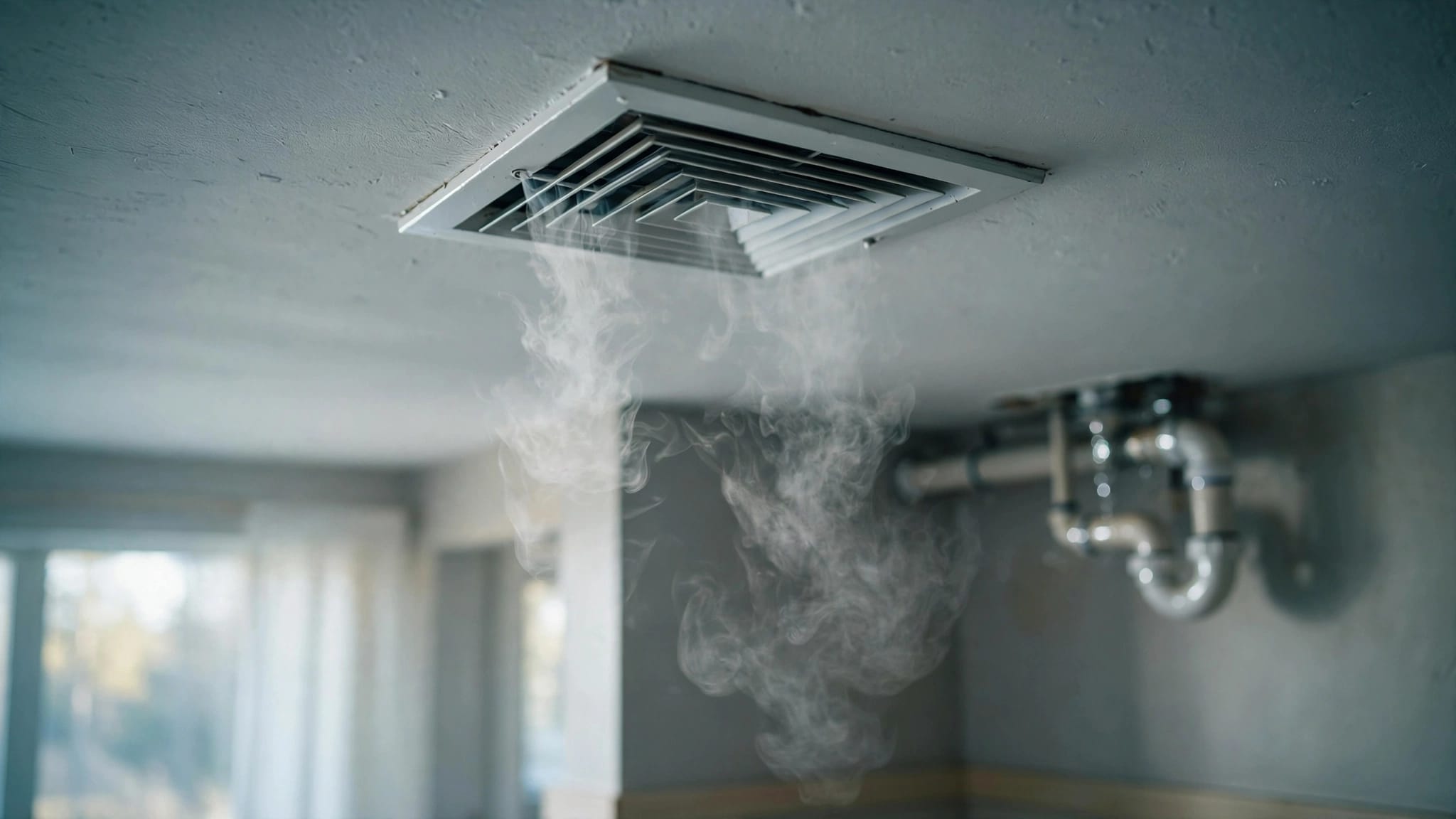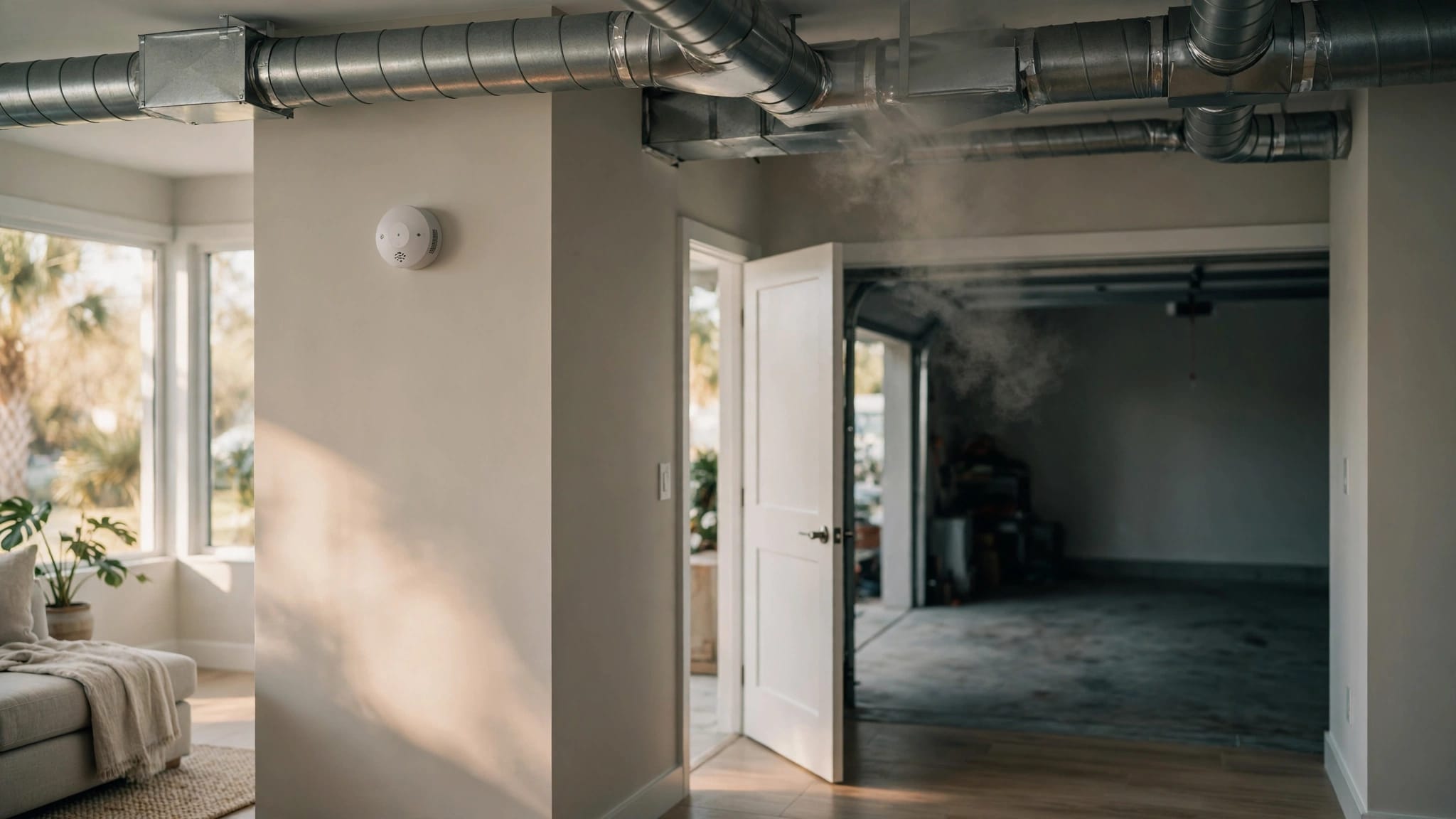
HVAC ducts usually pop when the AC starts because blower pressure flexes the metal or cooling air makes it contract. A brief, light pop can be harmless when your home cools normally.
However, HVAC ducts popping more loudly, repeatedly, or alongside weak airflow deserve attention. The difference often comes down to airflow and how the ductwork responds when the blower starts.
Start by noticing when the sound happens and where it seems loudest.
Key Takeaways
- Brief startup pops often come from metal flexing under pressure or changing temperature.
- Restricted airflow, loose connections, and poorly supported ducts can make startup noises worse.
- New or worsening noise with weak cooling needs professional attention.
Why HVAC Ducts Pop When the AC Starts
Blower pressure flexes sheet metal
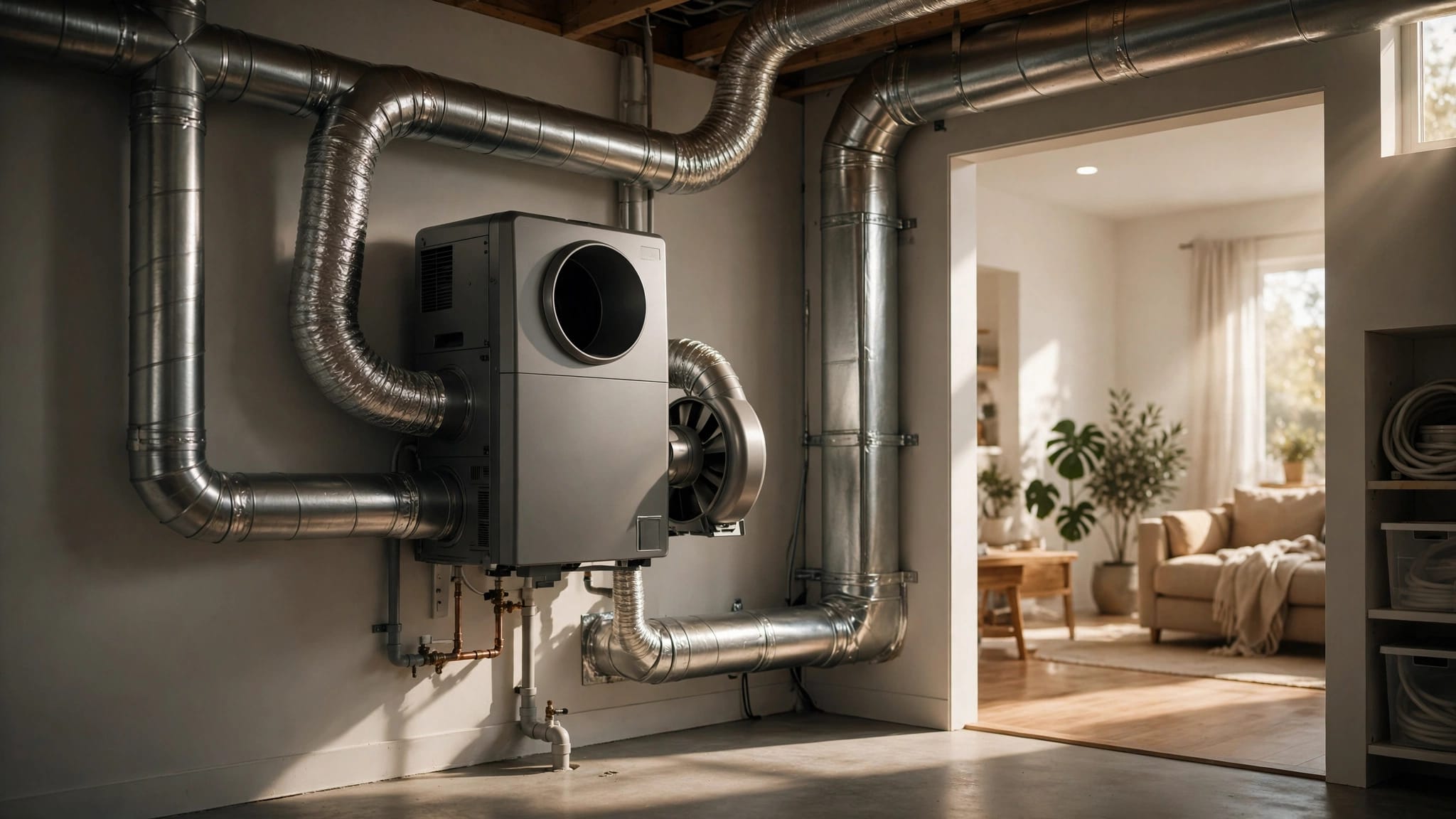
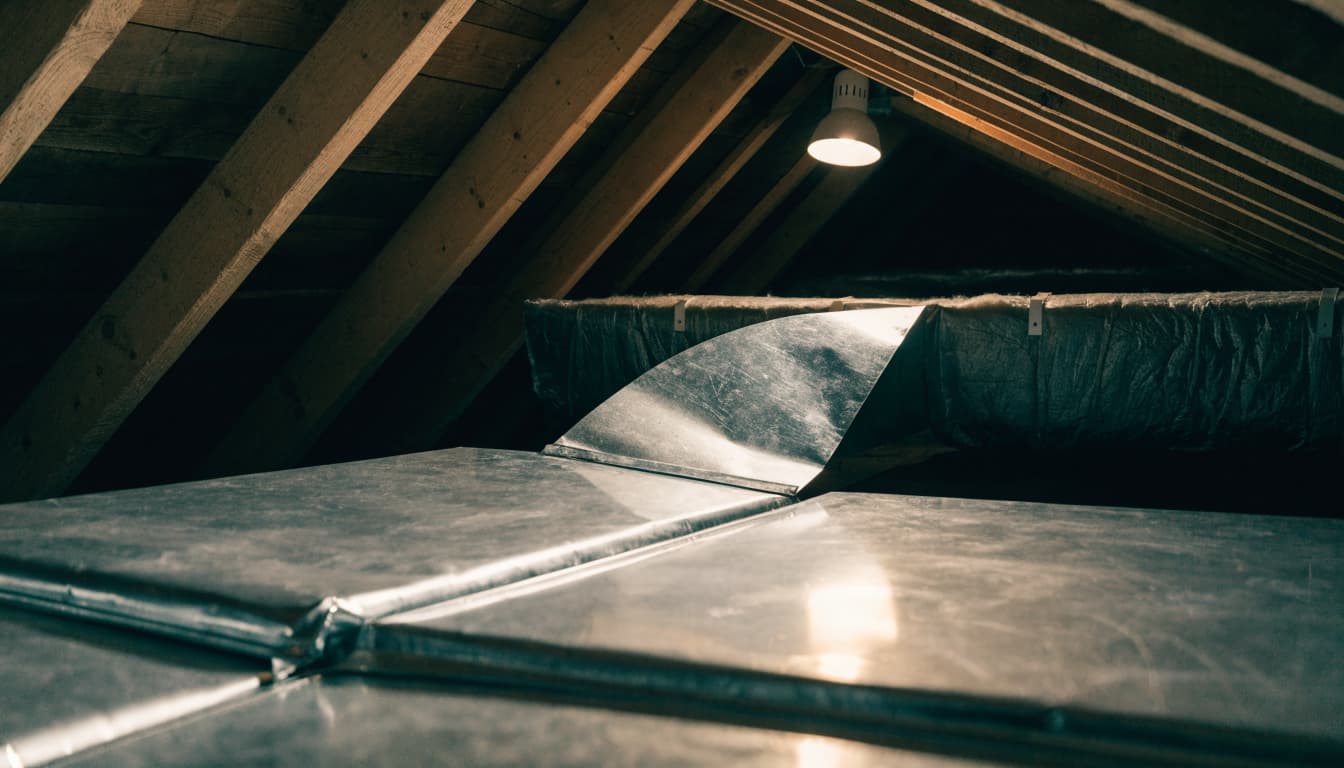
When the indoor blower starts, it changes pressure inside the ducts. Supply ducts carry air toward your rooms, while return ducts pull air back toward the equipment.
Broad, flat metal panels can bow slightly under that pressure. When a panel suddenly changes shape, you hear a pop or bang. HVAC technicians often call this movement "oil canning."
A single light pop doesn't prove anything is broken. However, repeated heavy bangs can point to a restriction or duct construction that needs attention.
Cooling causes metal to contract
Temperature changes create another kind of movement. As cold air enters warm metal ductwork, the metal contracts. Connections and panels can shift enough to make ticking or popping sounds.
This can be noticeable when ducts sit in a hot Southwest Florida attic. Because temperature changes continue after airflow begins, these sounds may occur shortly after startup.
Our explanation of why ducts click at startup covers how brief duct sounds differ from clicking that accompanies equipment trouble.
What Can Make Duct Popping Louder?
Restricted airflow increases pressure differences
A clogged filter or blocked return grille makes it harder for air to move through the system. Closed supply registers can also increase resistance.
Meanwhile, crushed flexible ducts, sharp bends, and undersized return ducts can create restrictions you can't see from the room. Opening bedroom doors may change the sound if those rooms lack an adequate return-air path.
If popping starts after an equipment replacement or home addition, duct capacity deserves attention. A larger air conditioner won't correct restrictive ductwork, and the existing return may no longer meet the home's needs.
Loose parts add rattles and vibration
Loose register covers, weak duct supports, and poorly fitted filters can vibrate as the blower starts. These noises may overlap with a duct panel popping, making the startup sound more dramatic.
Listen for the difference between one hollow pop and a continuing metallic rattle. Note whether the sound comes from a ceiling vent, return grille, or equipment cabinet.
Our guide to AC rattling and loose ductwork explains other sources of vibration that can sound like duct trouble.
Safe Checks Before You Call
Begin with accessible items inside your home. You don't need to enter the attic or remove equipment panels.
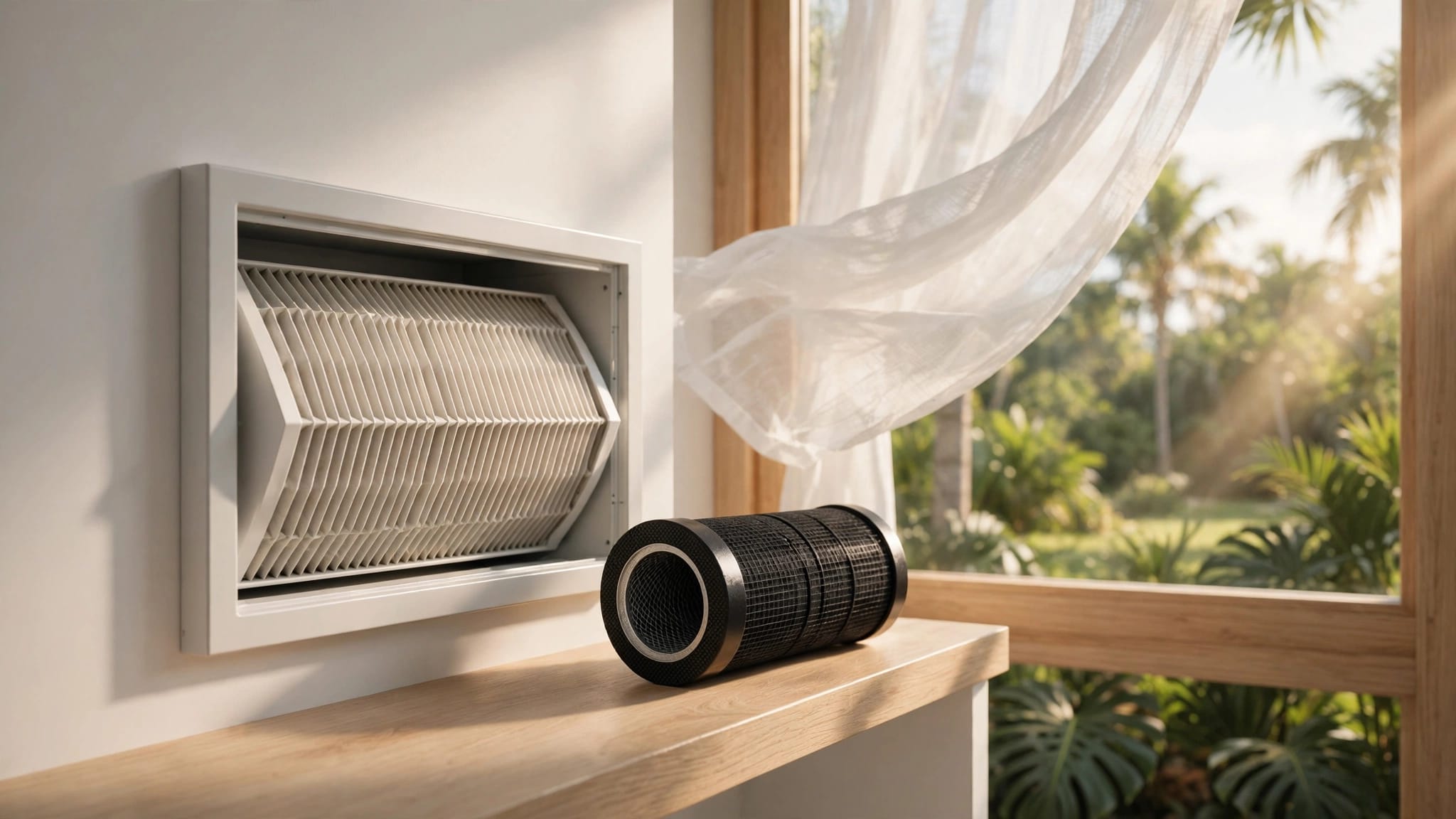
- Turn the system off before inspecting the filter. Replace a dirty or damaged filter with the correct size and system-compatible type.
- Clear furniture, curtains, and stored items away from return grilles. Keep supply registers open and unobstructed.
- Open closed bedroom doors during a normal cooling cycle. Notice whether the popping or return-air noise changes.
Don't run the AC without a filter to test the sound. Also, avoid bending duct panels, adjusting blower settings, or reaching inside the equipment.
Record where the noise occurs, whether it happens immediately or after cooling begins, and whether airflow feels weaker than usual. That pattern helps a technician narrow the cause without assuming every startup sound has the same explanation.
When Startup Noise Needs a Technician
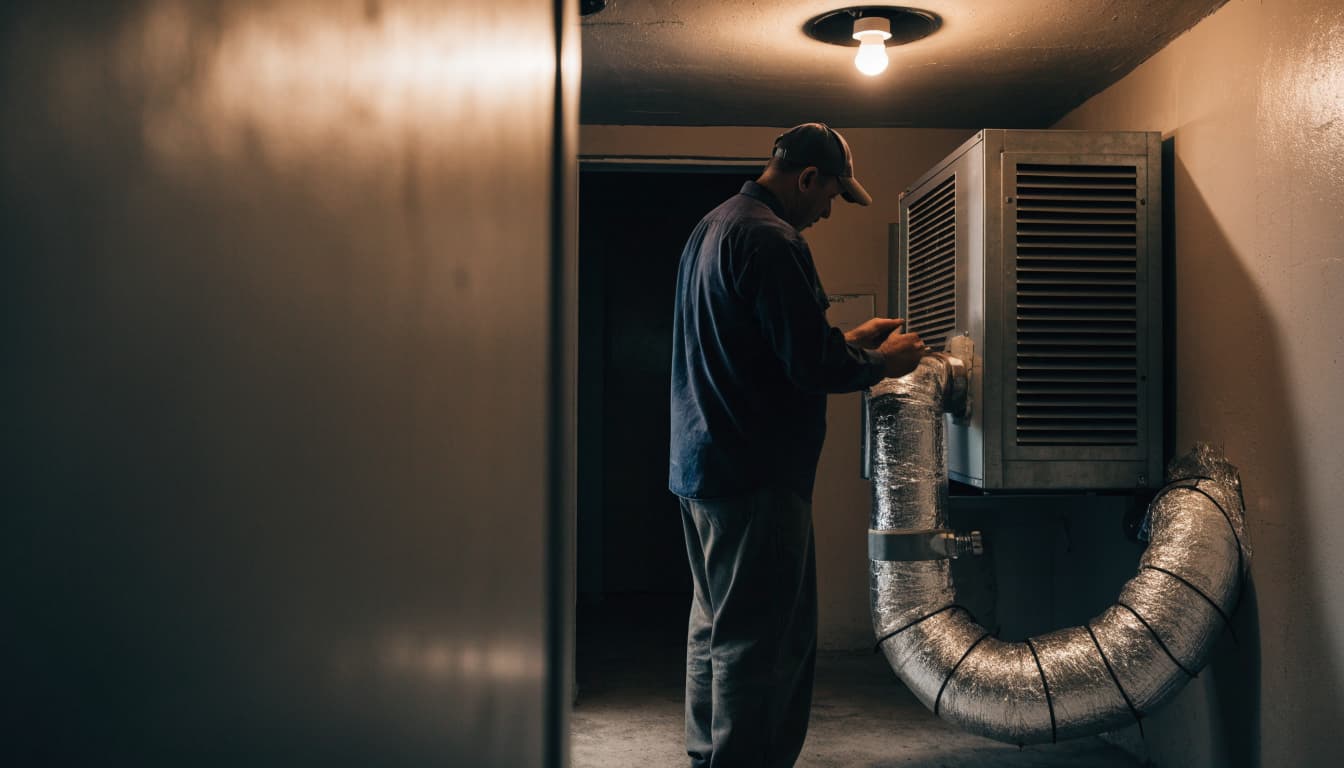
Schedule service when popping becomes louder, happens repeatedly, or comes with uneven temperatures and weak airflow. A technician can inspect duct supports and connections, assess return capacity, and measure airflow and static pressure.
Those findings help distinguish harmless panel movement from a restriction. They also prevent replacing equipment when the problem is in the air-distribution system.
Turn the system off if you smell burning, hear grinding, or notice repeated breaker trips. These symptoms require attention beyond duct-noise troubleshooting.
We provide 24/7 service. Contact Us to schedule a service call for persistent startup noise or an urgent cooling problem.
Frequently Asked Questions
Can flexible ducts make popping noises?
Flexible ducts don't have broad sheet-metal panels, but they often connect to metal plenums, boots, and fittings that can pop. Loose connections can also vibrate. Comparing flexible and metal ductwork helps explain why the noise may come from a metal connection rather than the flexible run.
Does popping mean I need a new AC?
Popping alone doesn't establish a need for replacement. A brief sound with normal cooling may be ordinary duct movement. Persistent noise requires diagnosis of the ducts, airflow, and equipment before deciding what needs repair.
Focus on the Sound and Cooling Performance
A brief startup pop often comes from ordinary metal movement. The stronger warning is a change in the pattern , especially when airflow or cooling gets worse.
Keep filters and grilles clear, then pay attention to when and where the noise occurs. Persistent bangs deserve an airflow and duct inspection rather than a guess about replacement.