A steady AC clicking noise can be harmless, or it can be the first sign of a bigger repair. In Cape Coral, where air conditioners run for most of the year, even a small sound can point to wear, heat stress, or corrosion.
Some clicks happen at startup and mean little. Others come with weak cooling, short cycling, or a unit that won't turn on at all.
When a Click Is Normal and When It Means Trouble
A single click when your thermostat calls for cooling is often part of normal operation. The relay or contactor may make that sound as the system starts. Ducts can also pop or click when they expand and contract.
Repeated clicking is a different story. If the sound keeps coming back, happens fast, or turns into buzzing, the system needs attention.
| Usually harmless | Needs attention |
|---|---|
| One click when the AC starts or stops | Rapid clicking with no cooling |
| A light pop from ducts after the system runs | Clicking plus buzzing or humming |
| A brief thermostat click | Clicking from the outdoor unit that repeats |
| One sound after a long idle period | Clicks with tripped breakers or burning smells |
A normal click is brief and predictable. A bad click keeps showing up, and it usually brings other symptoms with it.
Common Causes of AC Clicking in Cape Coral Homes
The source of the sound matters. A click from the wall thermostat means something different than a click from the outdoor condenser. In Southwest Florida, the heat, humidity, and salt air push every part of the system harder, so the cause may show up faster than it would inland.
Thermostat and control issues
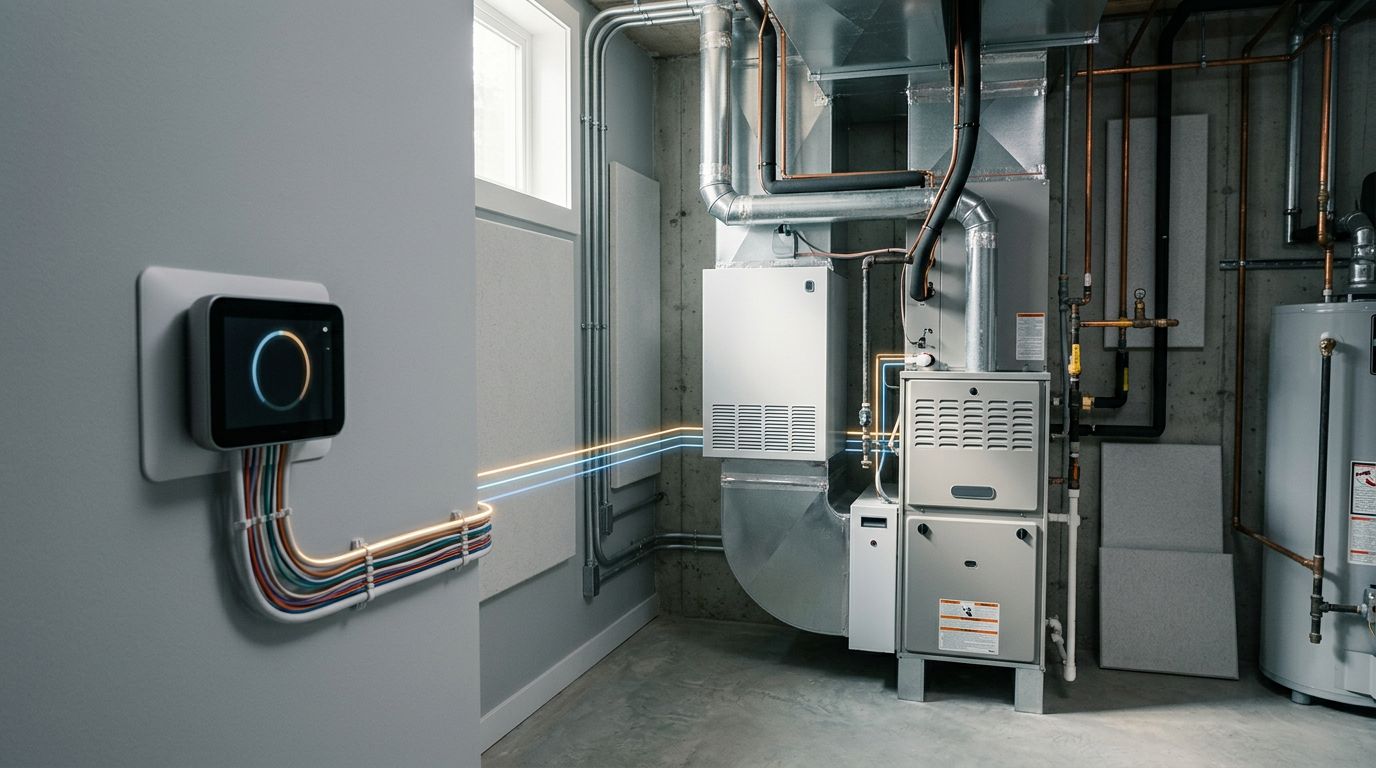
Sometimes the click starts with the thermostat. Loose low-voltage wiring, a failing relay inside the thermostat, or weak batteries can make the system call for cooling over and over. That creates a click, then another click, then another.
If the thermostat display looks normal but the AC keeps clicking, the control signal may be weak or inconsistent. The unit tries to start, stops, then tries again. That pattern often sounds like a chatter or a fast click from inside the house.
A thermostat problem can seem small, but it can make the whole system act erratic. If you hear clicking and the temperature never settles, the control side should be checked by a technician.
Relay, contactor, and capacitor problems
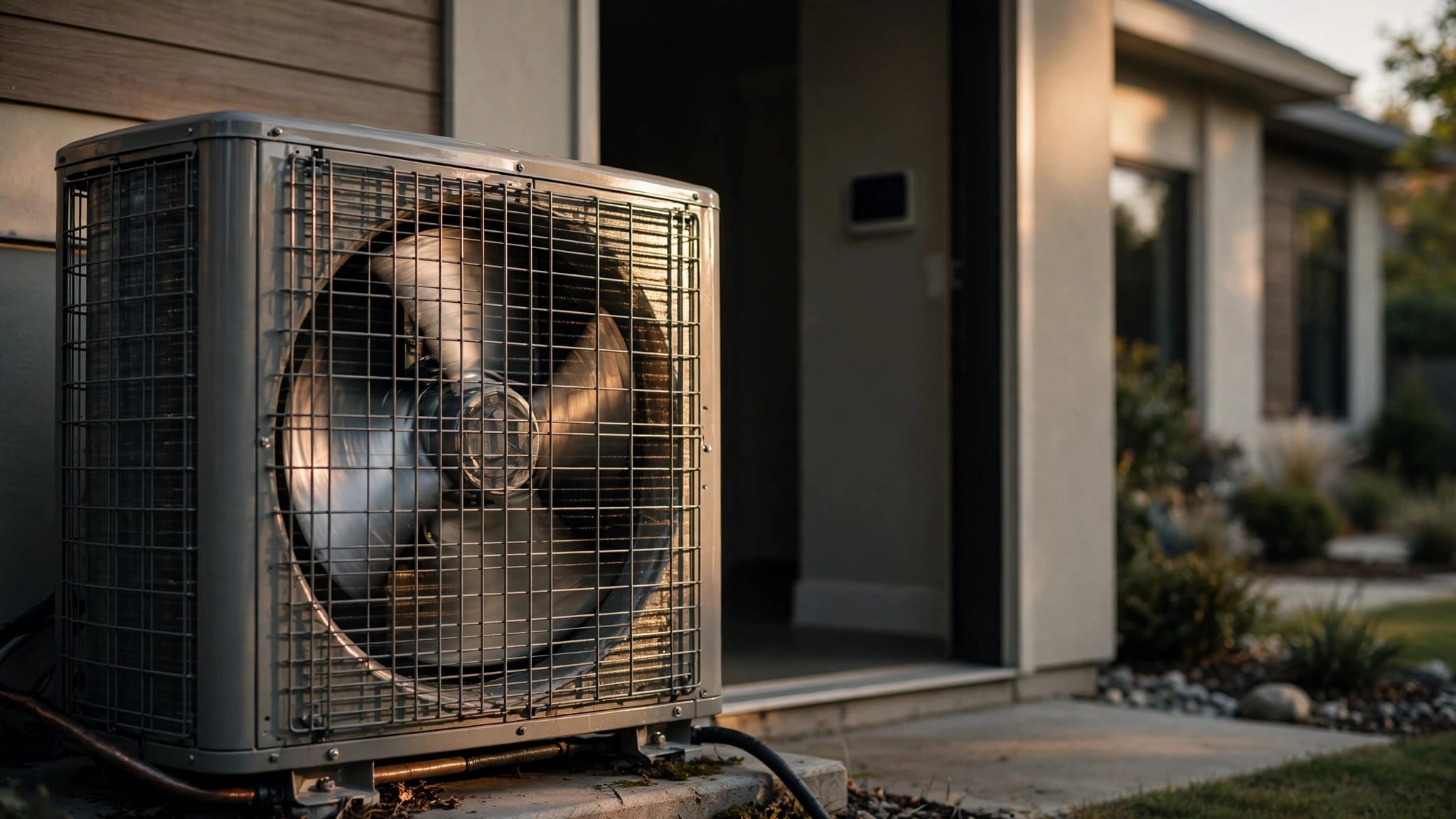
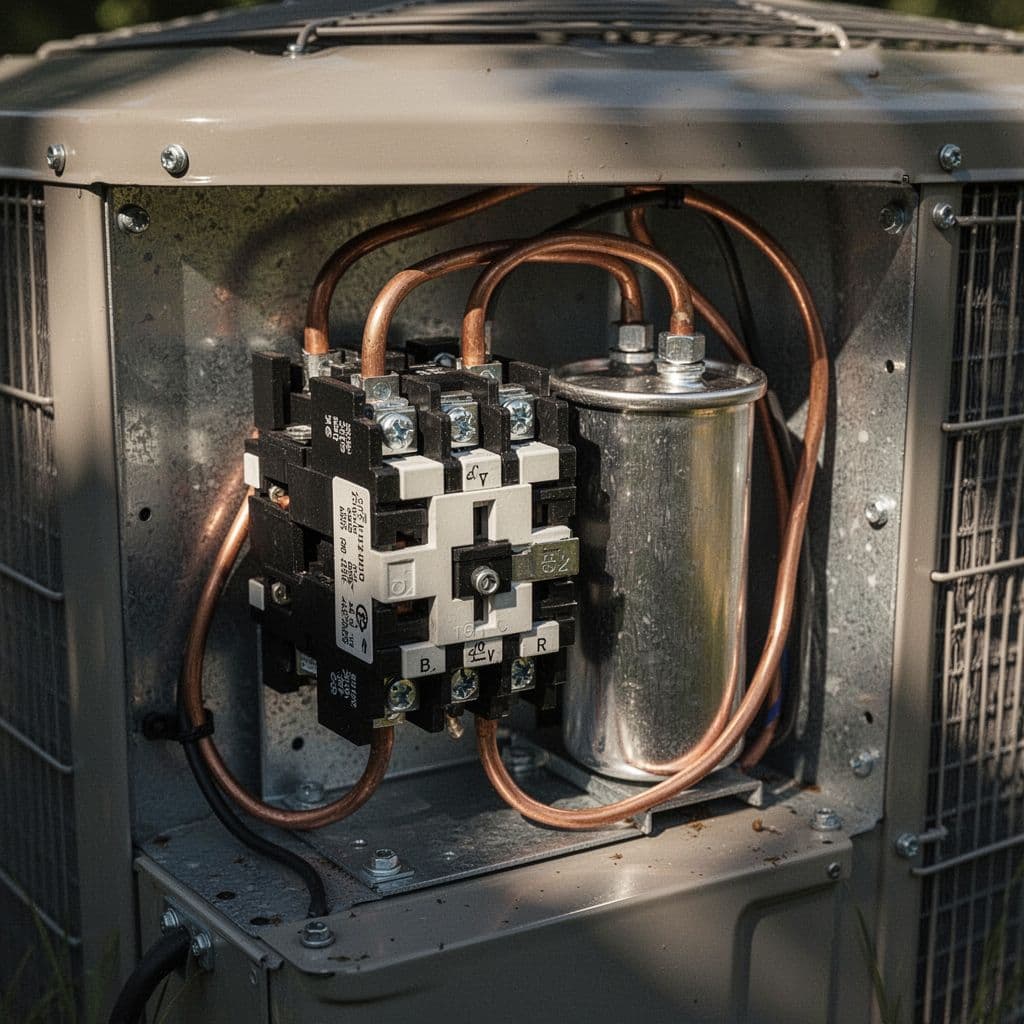
The outdoor unit uses a contactor to send power to the compressor and fan. When that part wears out, it may click but fail to close fully. The result is a sound with little or no cooling.
A weak capacitor can also cause trouble. It helps start the compressor and fan. When it begins to fail, the system may click, hum, pause, and try again. That pattern is common in Cape Coral because the outdoor unit runs so often.
If the clicking comes with humming or a delayed start, stop treating it like background noise.
Capacitors hold a charge even after power is shut off. That makes them unsafe to handle. Opening the cabinet and poking around is not a smart fix.
Loose parts, debris, and electrical arcing
A loose screw, wire, or panel can rattle and click when the fan starts. Over time, vibration can shake parts out of place. Frequent use makes that more likely.
Debris can also play a part. Leaves, twigs, shells, and yard waste can get into the outdoor unit. When the fan moves, those pieces can strike the blades or housing and make a clicking sound.
Electrical arcing is more serious. It happens when current jumps where it shouldn't. That can create sharp clicking, snapping, or a sharp burning smell. If you notice that, shut the system off and call for service.
Duct expansion and contraction
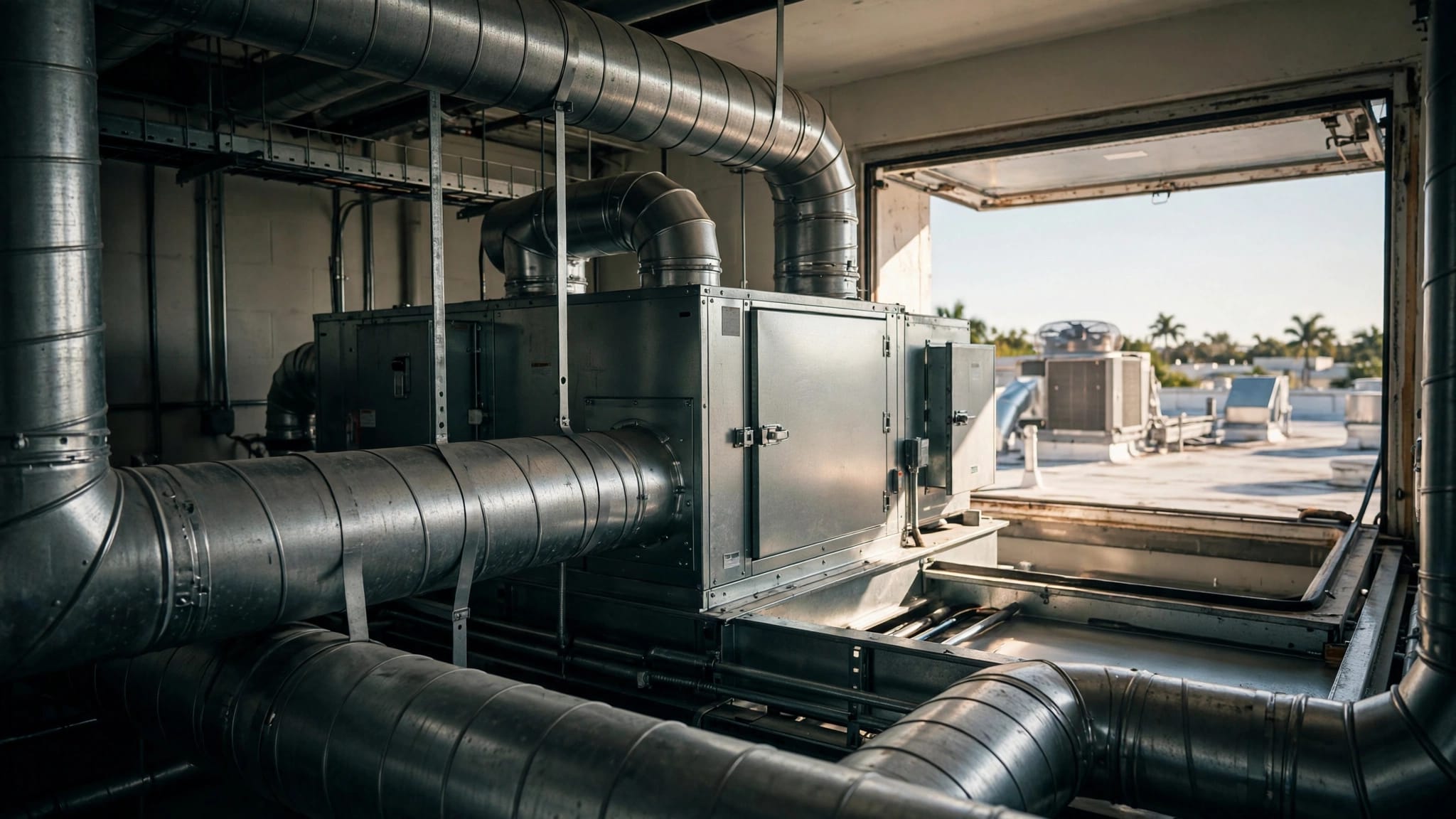
Not every click comes from the AC unit itself. Ductwork can make noise as cool air moves through it. Metal expands and contracts, so a duct may pop or click when the system starts or stops.
This kind of sound is often brief and harmless. It usually shows up near the beginning or end of a cooling cycle. If the sound stays light and the home still cools well, the ducts may just be flexing.
Still, duct noise should not be confused with a failing part. If the sound gets louder, changes shape, or comes with weak airflow, the system needs a closer look.
Why Cape Coral Weather Makes the Noise Show Up Faster
Cape Coral weather puts air conditioners on a long work schedule. Hot afternoons, high humidity, and a long cooling season mean more starts and stops. Every cycle adds wear to relays, contactors, capacitors, and wiring.
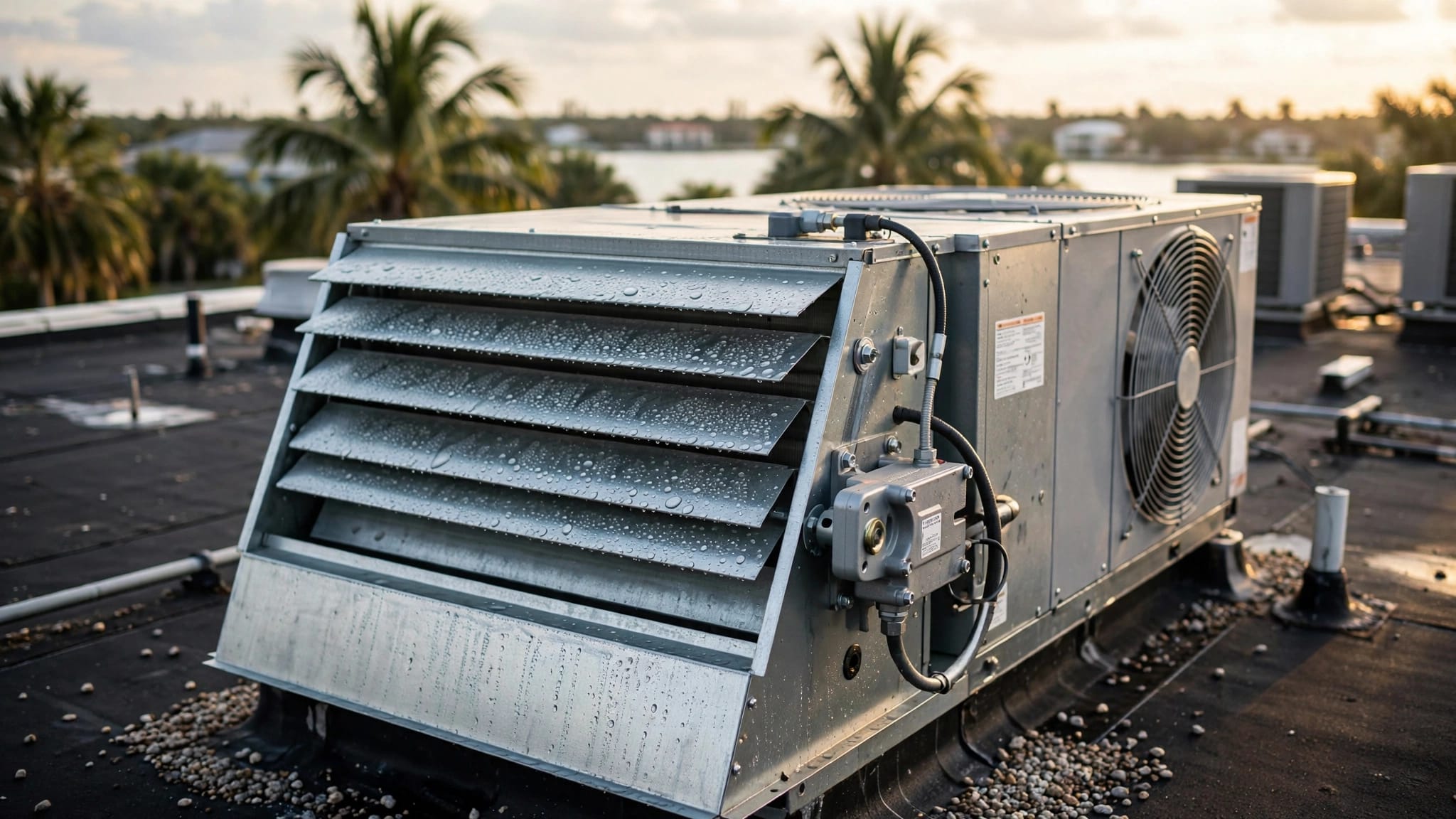
Salt air matters too. It can speed up corrosion on outdoor parts. A contactor that works fine for a while can begin sticking or clicking once the metal surface wears down.
Humidity adds another layer. Moisture can collect on electrical parts, attract grime, and help rust form. In other words, a small electrical problem can turn into a noisy one faster here than it might in a drier climate.
Frequent use also means more chances for dirt and debris to build up inside the outdoor unit. That is one reason routine maintenance matters in Southwest Florida. A clean, checked system is less likely to start clicking at the worst time.
What You Can Safely Check Before You Call
You do not need to open the cabinet or touch electrical parts. A few safe checks can help you describe the problem clearly.
- Listen for where the sound starts, inside, outside, or at the thermostat.
- Notice when it happens, at startup, shutdown, or all the time.
- Check the thermostat settings and make sure the mode is set to cool.
- Look around the outdoor unit for leaves or debris on the outside.
- Replace thermostat batteries if your model uses them.
If the clicking is brief and the system cools normally, monitor it for a day. If the noise repeats or gets worse, the problem is probably not going away on its own.
A clogged filter does not usually create a clicking sound by itself, but it can strain the system. Less airflow means more stress, and more stress can reveal weak parts faster.
When to Call for HVAC Service
Call for help if the clicking comes with weak cooling, a delayed startup, a humming sound, a burning smell, or a tripped breaker. Those signs often point to a failing relay, contactor, capacitor, or wiring issue.
If you want a technician to trace the fault safely, schedule professional air conditioning repair in Cape Coral. A trained tech can test the control circuit, check the outdoor unit, and confirm whether the sound is normal or not.
For a system that won't start, keeps tripping power, or makes sharp electrical clicks after hours, 24/7 emergency HVAC repair is the better move. Electrical arcing and repeated failed starts can damage more parts if they are left alone.
If the noise is getting worse or the AC has stopped cooling, Contact Us to schedule service.
Conclusion
A brief click at startup can be part of normal AC operation. Repeated clicking, however, often points to a thermostat issue, a failing contactor, a weak capacitor, loose parts, debris, or electrical arcing.
In Cape Coral, long cooling seasons and salty air can turn a small noise into a bigger repair faster than you might expect. If the click is constant, louder than usual, or tied to poor cooling, it is time to have it checked before the system quits on a hot day.