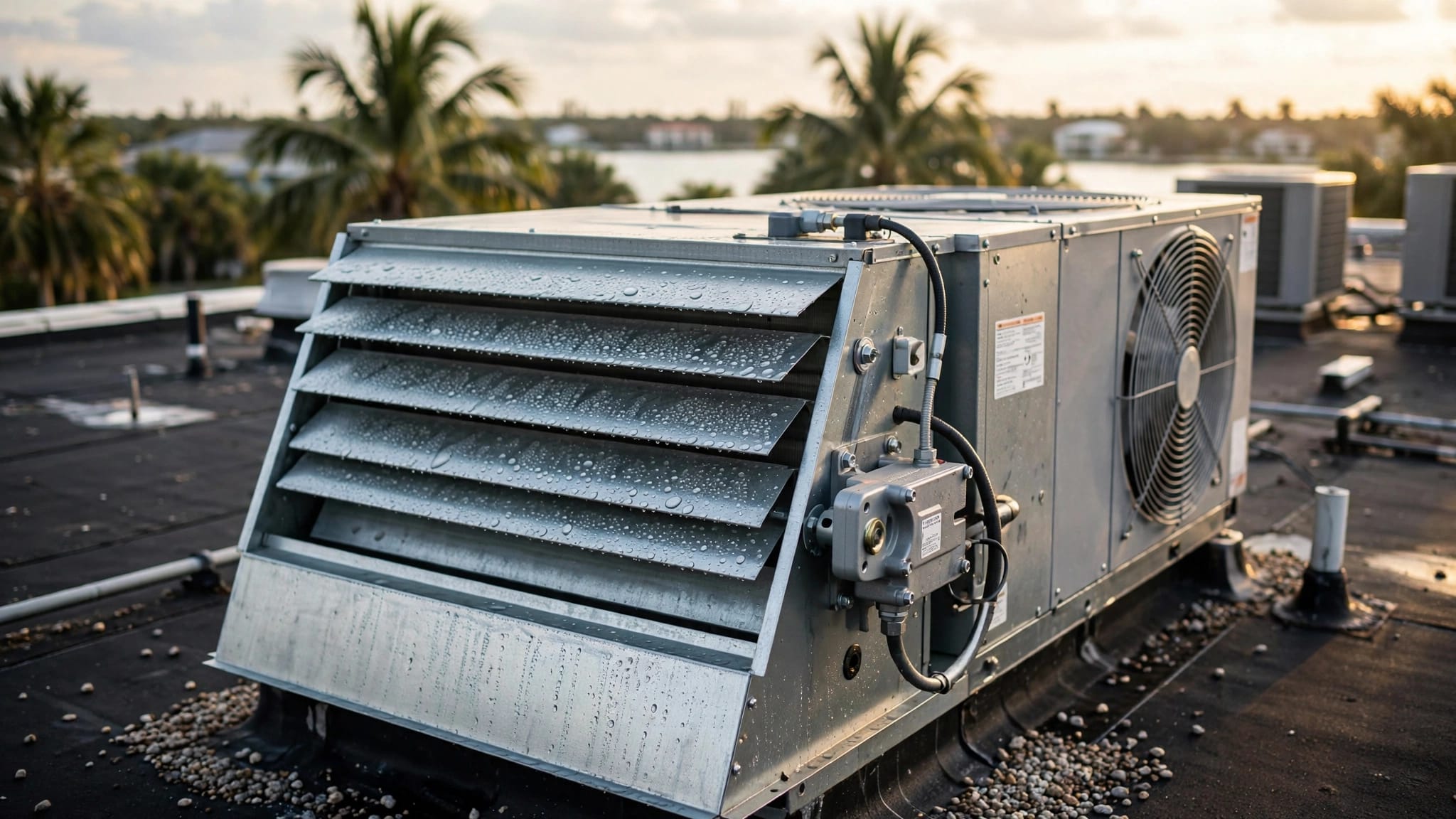
A new air conditioner can still cost you money after the install is finished. That happens when the AC labor warranty is narrower than expected, or when the fine print leaves parts of the job outside coverage.
The tricky part is that not all warranties work the same way. Manufacturer warranties, installer warranties, and home warranty plans can all cover different pieces of the same repair, and the details change from one contract to the next.
If you're comparing options or trying to understand a claim, the written warranty matters more than the sales pitch. The sections below break down what labor coverage usually pays for, what it usually leaves out, and what to check before you count on it.
Key Takeaways
- An AC labor warranty usually pays for the technician's labor on covered repairs, but it often leaves parts and extra fees out of the picture.
- Parts warranties and labor warranties are separate, so a covered part can still leave you with a labor bill.
- Common exclusions include maintenance, diagnostic fees when applicable, refrigerant, pre-existing issues, code upgrades, misuse, and damage from outside causes.
- Many warranties also depend on the time limit, registration, transfer rules, approved contractors, and where you live.
AC labor warranty basics
A labor warranty is the promise to cover the work a technician does on a covered repair or replacement. That can include diagnosing the problem, removing failed parts, installing replacements, and testing the system again, as long as the written terms allow it.
A parts warranty is different. It covers the physical component, such as a compressor, fan motor, or control board, when that part fails under the contract. An extended labor coverage plan is usually an add-on that helps with the labor side after the standard manufacturer coverage runs out, which can matter a lot on a big repair.
Home warranty plans sit in another category. They often cover multiple systems in the home, not just the AC. They can still require a service fee, use approved contractors, and limit what gets paid on each claim.
Here's a simple way to compare the three:
| Coverage type | Usually covers | Usually does not cover |
|---|---|---|
| AC labor warranty | Labor to diagnose, remove, repair, or replace covered AC work during the stated term | Parts, refrigerant, maintenance, and unrelated damage |
| Parts warranty | The failed component itself, if the failure fits the contract | Labor, trip fees, diagnostic fees, and outside damage |
| Extended labor coverage | Extra labor protection beyond the standard warranty period | The same exclusions listed in the contract, plus any plan limits |
The main takeaway is simple: parts and labor are separate buckets . A warranty can cover one and leave the other behind, which is why a "covered repair" can still produce a bill.
If the warranty promise is not written in plain language, the exact contract terms control the claim.
That's why it pays to read the document before you need it. A claim denied after a summer breakdown feels much worse than a few minutes spent on the paperwork now.
What AC labor warranties often exclude
The exclusions section is where most surprises show up. A warranty may sound broad at first glance, but the claim can still fail if the problem falls into one of the listed exceptions.
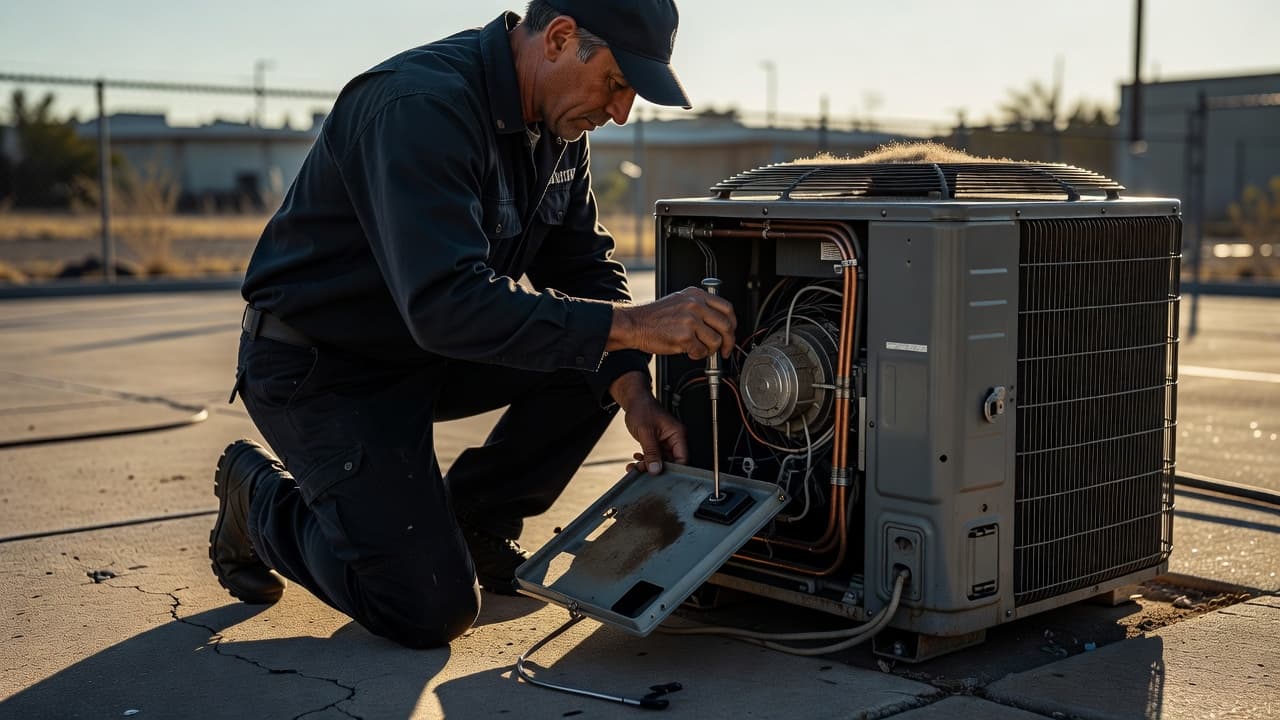
Common exclusions include:
- Routine maintenance : Cleaning coils, changing filters, checking drains, and seasonal tune-ups are usually the homeowner's job unless a separate maintenance agreement says otherwise.
- Diagnostic fees : Some plans cover the labor to fix the problem but still charge for the trip or diagnosis, especially on the first visit.
- Refrigerant : A labor warranty may cover the labor to locate a leak or add refrigerant, but not the refrigerant itself, or it may exclude both.
- Pre-existing issues : Problems that were already there before the warranty started are often excluded, even if they show up later.
- Code upgrades : If local code now requires a new disconnect, pad, or electrical change, the extra work may fall outside the warranty.
- Improper installation by others : If another contractor installed or altered the system incorrectly, the warranty may not cover the resulting damage.
- Missing registration : Some manufacturer warranties require product registration within a set time. If that step never happened, coverage can shrink or disappear.
- Missed maintenance : Skipping required service visits can void parts of the coverage, especially on newer systems with maintenance conditions.
- Misuse or abuse : Blocking vents, overworking the system, or ignoring obvious warning signs can give the provider a reason to deny the claim.
- External damage : Storms, floods, power surges, rodents, and other outside events are often excluded unless another policy applies.
Terms like approved contractors and service-call conditions matter too. A warranty may require the work to be done only by the company it authorizes, or only after you report the failure through the right process. Some plans also depend on geographic availability, which means the warranty may not apply the same way in every county or service area.
If your system is already failing and you're trying to sort out the next step, professional air conditioning repair in Cape Coral can help you determine whether the issue fits the warranty or needs a standard repair path.
What to check before you rely on the warranty
A warranty is only as useful as the document behind it. Before you buy a system or file a claim, check the details that affect whether the labor is covered at all.
Look for these points first:
- How long coverage lasts : Some labor warranties run for one year, while others stretch longer through a dealer plan or extended coverage.
- When the clock starts : Coverage may begin on installation, purchase, or product registration.
- Whether it transfers : Some warranties follow the equipment to the next homeowner, while others stop with the original buyer.
- Whether maintenance is required : Many contracts ask for proof of annual or seasonal service.
- Who can do the work : The warranty may require an approved contractor or an authorized service network.
- What happens on a service call : A separate trip charge, diagnostic fee, or dispatch fee may apply even when the repair labor is covered.
- Where it's valid : Geographic limits can affect service availability, response time, or contractor access.
Manufacturer documents usually focus on the equipment itself. Installer warranties often cover the labor tied to the original installation. Home warranty providers may use different rules again, including claim caps, service fees, and contractor assignment. That's why a homeowner should never assume one warranty works like another.
Keep your installation invoice, model and serial numbers, registration confirmation, and maintenance records in one place. If a claim comes up later, those papers can save a lot of time.
If the wording still feels unclear, Contact Us to schedule a service call and go over the next step before the issue gets bigger.
Conclusion
An AC labor warranty can save you a lot of money, but only when the repair fits the written terms. The biggest gaps usually show up around maintenance, diagnostic fees, refrigerant, prior problems, code changes, and work done by someone outside the approved network.
The safest approach is to separate labor coverage , parts coverage , and any extended plan before a breakdown happens. Once you know where each one starts and stops, the warranty language gets a lot easier to read, and the repair bill is less likely to surprise you on the hottest day of the year.