A loud return vent usually means your HVAC system is fighting for air. When the return side of the system is restricted, air moves faster through a smaller opening, and that noise shows up as whistling, rumbling, or a steady roar.
The good news is that many causes are simple. A dirty filter, a closed bedroom door, or a blocked grille can make a loud return vent sound much worse than it needs to. In other cases, the problem points to ductwork size or installation issues that need a closer look.
Key Takeaways
- A loud return vent usually points to airflow restriction .
- Dirty filters, blocked grilles, and closed interior doors are common DIY checks.
- Undersized return ductwork can make the system noisy even when the filter is clean.
- Some fixes are simple, but duct sizing and sealing usually need a technician.
- If the sound keeps coming back, the return system probably needs more than a quick cleanup.
Why a Loud Return Vent Usually Means Airflow Trouble
A return vent pulls air back to the air handler or furnace so the system can condition it again. If that opening cannot move enough air, the system creates pressure. That pressure turns into noise.
Different sounds can point to different problems. A high-pitched whistle often means air is squeezing through a tight spot. A low roar can mean the system is pulling harder than it should. Rattling usually points to a loose grille, while vibration can come from the return box, nearby sheet metal, or a filter that does not fit well.
The loud return vent is often only the symptom. The real issue may be a system that cannot breathe properly. That can happen when the return grille is too small, the filter is clogged, furniture sits too close to the intake, or the duct path has too many bends and bottlenecks.
Your return side matters because it keeps the whole system balanced. When supply air goes out but return air cannot get back easily, the equipment works harder. That extra strain can make the whole house feel less comfortable, especially in rooms with closed doors or weak circulation.
Quick DIY Checks for a Noisy Return Vent
Start with the simple stuff. These checks are safe, fast, and often enough to calm the sound down.
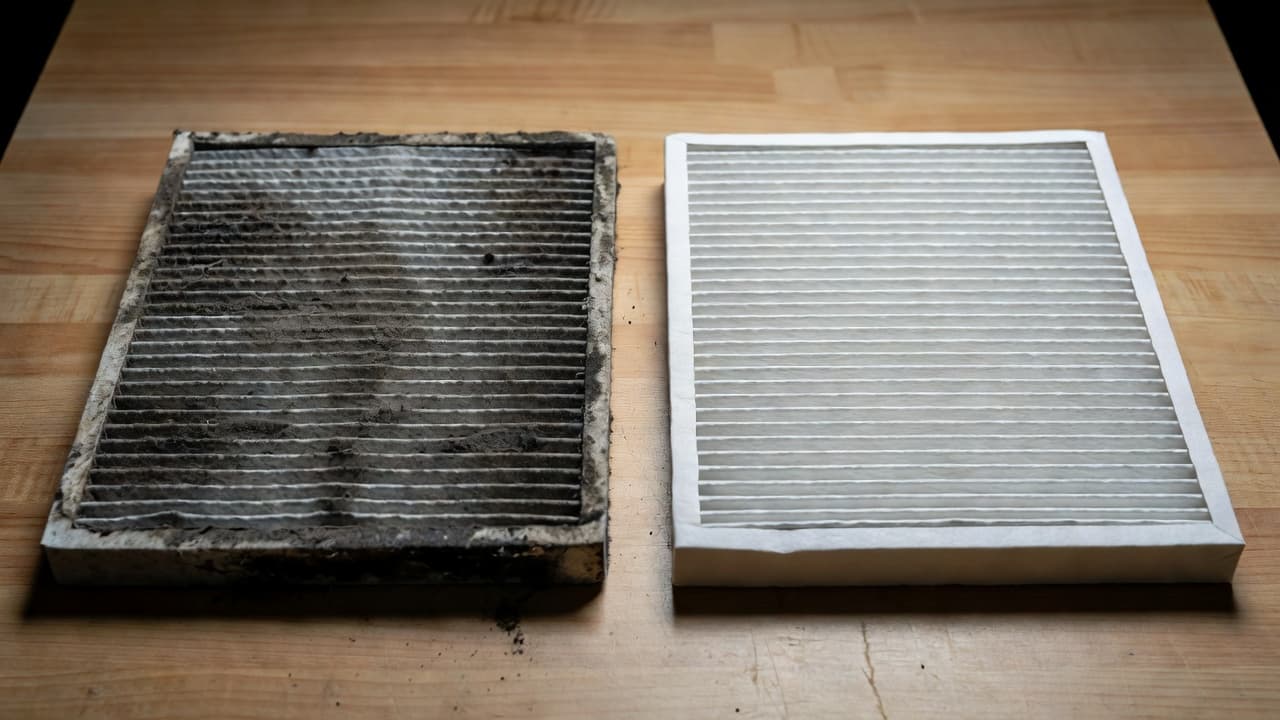
First, look at the air filter. A dirty filter is one of the most common causes of restricted airflow. If it looks gray, packed with dust, or bent out of shape, replace it. If you have pets, allergies, or a lot of dust in the home, check it more often than the package suggests.
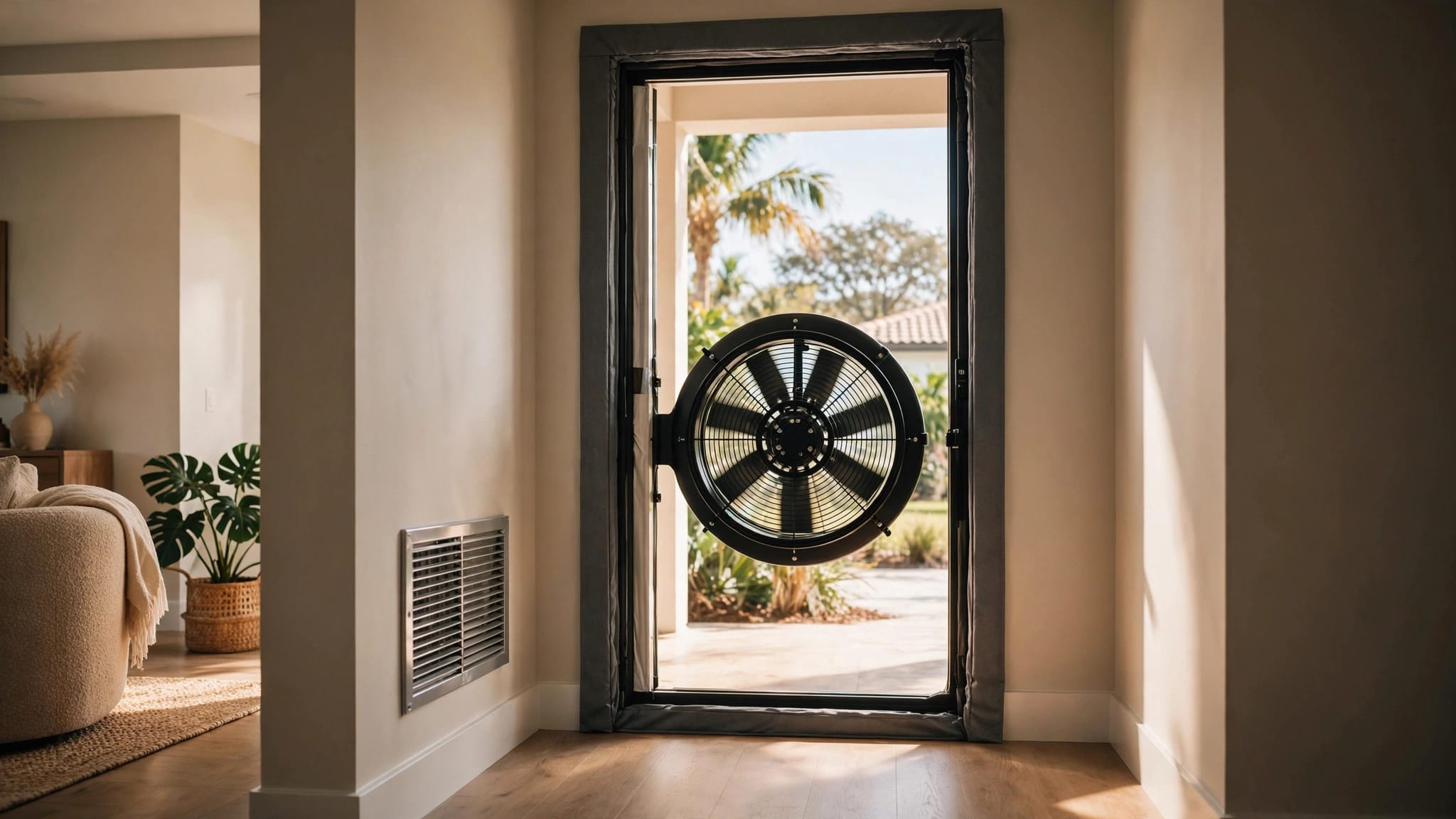
Next, open a few interior doors and listen again. Closed bedroom doors can reduce the amount of air that reaches the return, especially in homes with only one or two return points. If the noise gets quieter with doors open, the system is likely starved for return air.
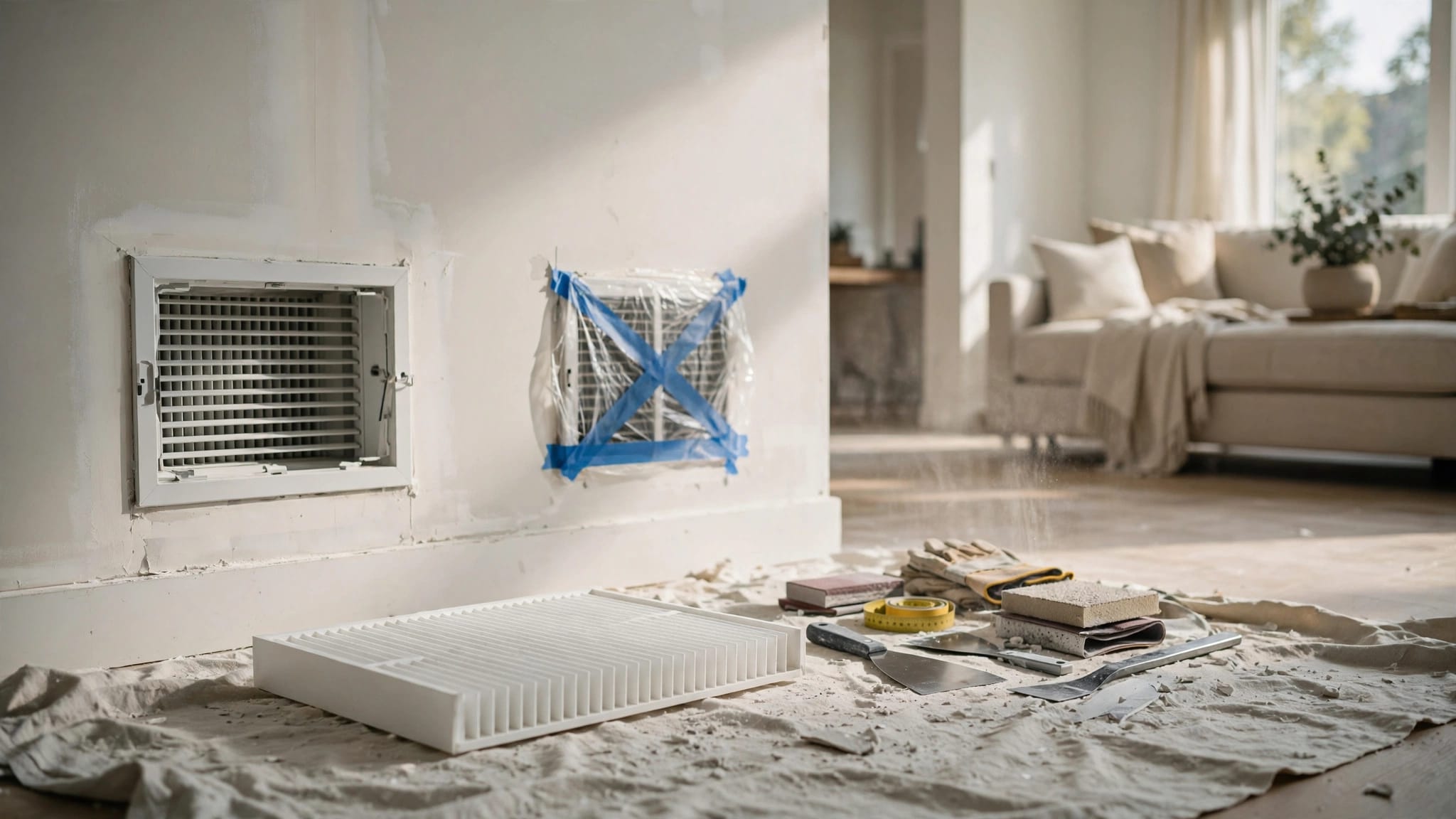
Then, inspect the return grille itself. Make sure furniture, curtains, baskets, or rugs are not covering it. Even a partial block can create a whistle. Dust and lint on the grille can also narrow the opening, so vacuum the faceplate and the area around it.
After that, remove the grille, if it's easy to do, and check for obvious buildup inside the opening. Do not reach deep into the duct. A flashlight is enough for a quick look. If you see loose insulation, rust, or debris that keeps falling back into the opening, stop there and call for help.
If the noise changes when you open a door, the system is telling you it wants more return air.
Finally, listen to the sound itself. If the vent only gets loud when the system starts or stops, the noise may be tied to pressure changes. If it stays loud the whole time the system runs, the restriction is probably constant.
When the Noise Points to Ductwork or Sizing
If the filter is clean and the grille is open, the problem may be deeper in the system. An undersized return duct can make a home sound like it is breathing through a straw. The system still works, but it has to pull harder to get the air it needs.
That issue is common in homes that were remodeled, expanded, or reconfigured over time. A room addition, a new wall, or a changed floor plan can affect airflow without anyone noticing right away. The return side may have been fine years ago, then became too small for the newer layout.
Poor installation can also create noise. A return duct with sharp turns, crushed sections, leaky joints, or a loose grille can pull air in a noisy, uneven way. In those cases, the sound is not the real problem. It is the warning sign.
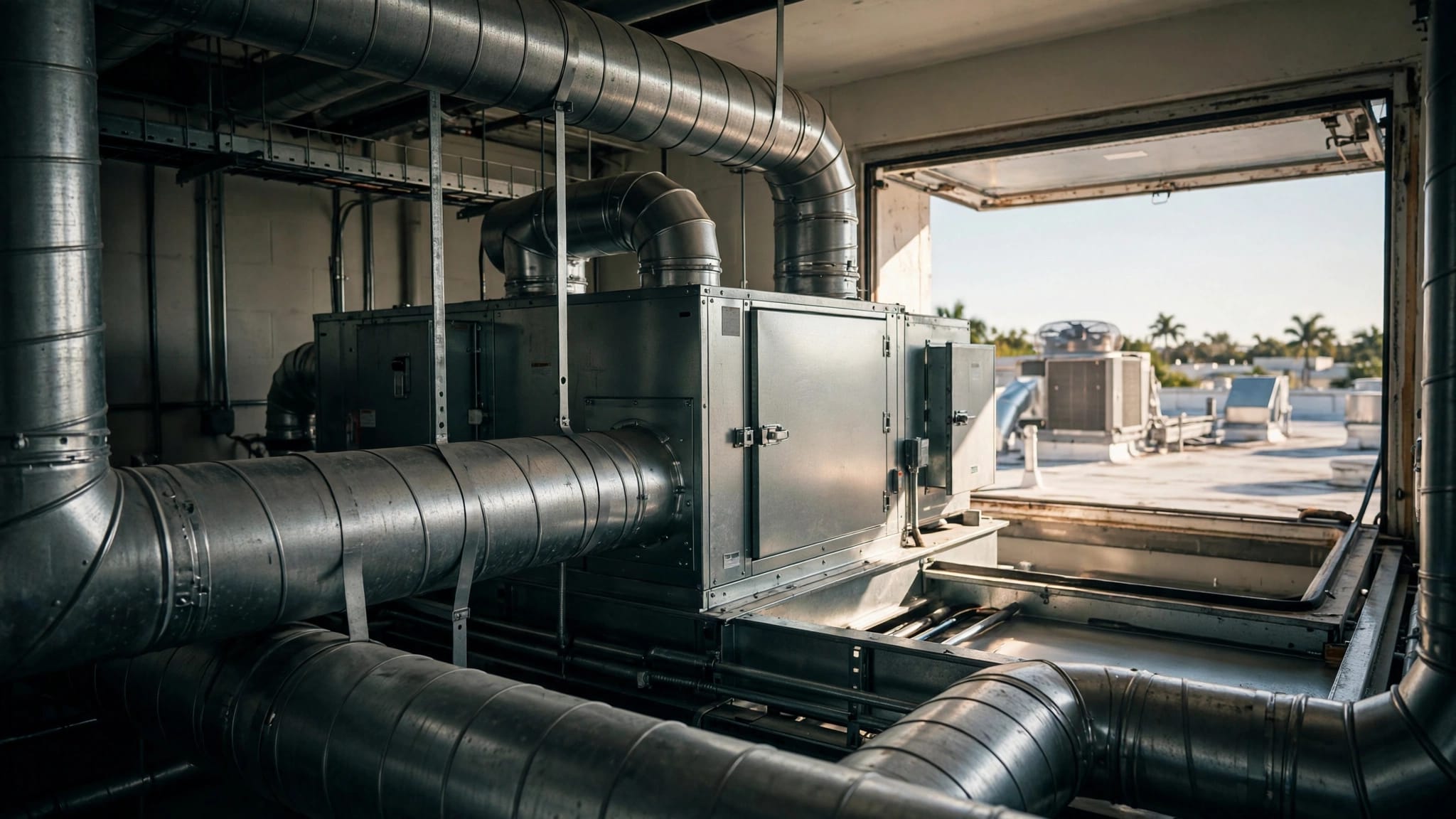
If you suspect the return path is the issue, professional ductwork repair and replacement may be the right fix. A technician can check whether the return size matches the system, whether the duct runs are restricted, and whether sealing or rerouting would help.
You may also notice that rooms get stuffy or temperatures feel uneven when the vent gets loud. That usually means the system is struggling to move air through the house, not just making an annoying sound.
Which Fixes Need a Technician
Some fixes are easy enough for a homeowner. Replacing a filter, opening doors, and clearing a blocked return are all fair first steps. Those changes cost little and can solve the problem fast.
Other issues need a technician. A pro can measure airflow, inspect the blower side of the system, check duct sizing, and spot hidden restrictions. That matters because a return vent can sound loud for one reason while the real cause sits somewhere else in the ductwork.
A technician may recommend sealing leaky joints, adding a return, enlarging a restrictive opening, or correcting a poor install. Those repairs are not guesswork jobs. They depend on the layout of the home and the amount of air the system needs to move.
If the return noise comes with weak cooling, uneven comfort, or repeated filter issues, the system needs a closer look. That is especially true if the sound returns after every filter change. At that point, the problem is probably not the filter alone.
For homeowners who want the issue checked without wasting time on trial and error, Contact Us to schedule a service call. A technician can tell you whether the fix is simple or whether the return system needs repair work.
Conclusion
A loud return vent is usually your HVAC system asking for more air. The most common causes are simple, like a dirty filter, a blocked grille, or closed interior doors.
If those checks do not help, the noise may point to undersized ductwork or an installation issue. That is when a technician can save you time and help you avoid chasing the wrong problem.
The sound itself is not the whole story. It is the clue that tells you where the airflow is getting squeezed.