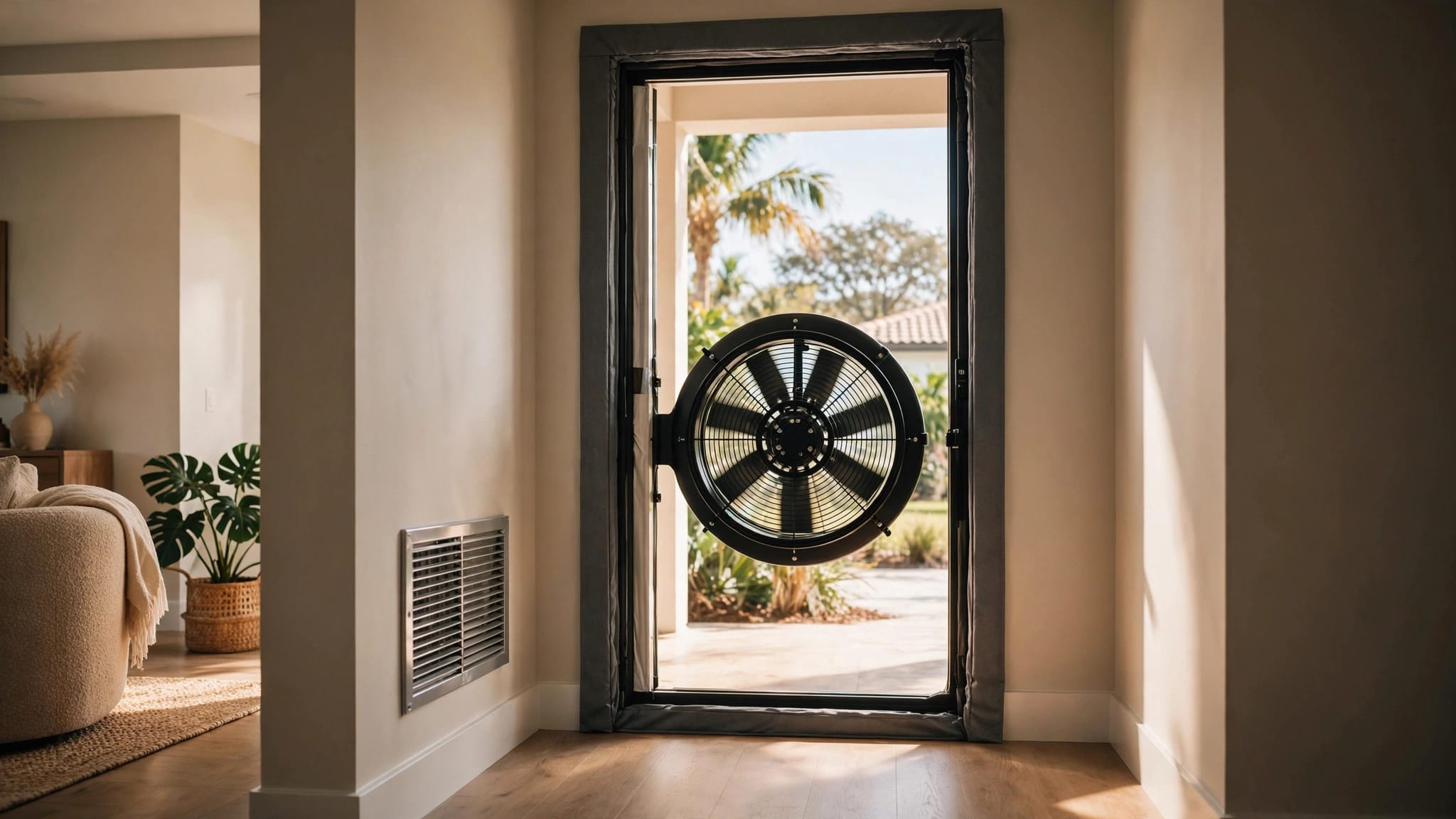
Yes, some AC units can run on a generator, but only if the generator is sized for both the running load and the startup surge. A small window unit and a central air system live in completely different weight classes.
That matters during outages, summer storms, and those sticky nights when sleep gets hard without cooling. The wrong generator can trip off, fail to start the compressor, or force you to shut the system down before it ever gets going.
The safe answer is simple: match the generator to the AC, not the other way around.
Why AC systems are harder to power than they look
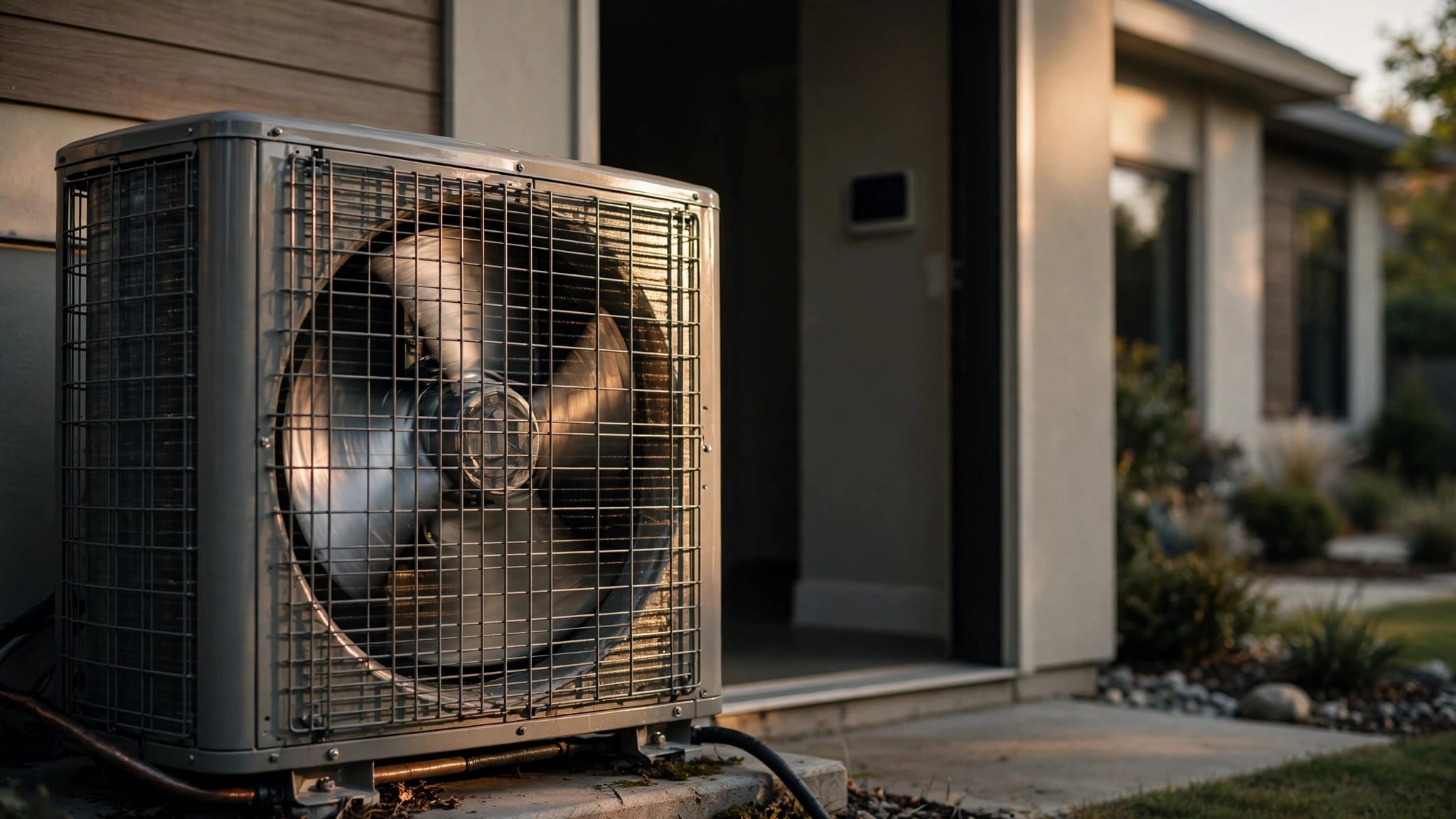
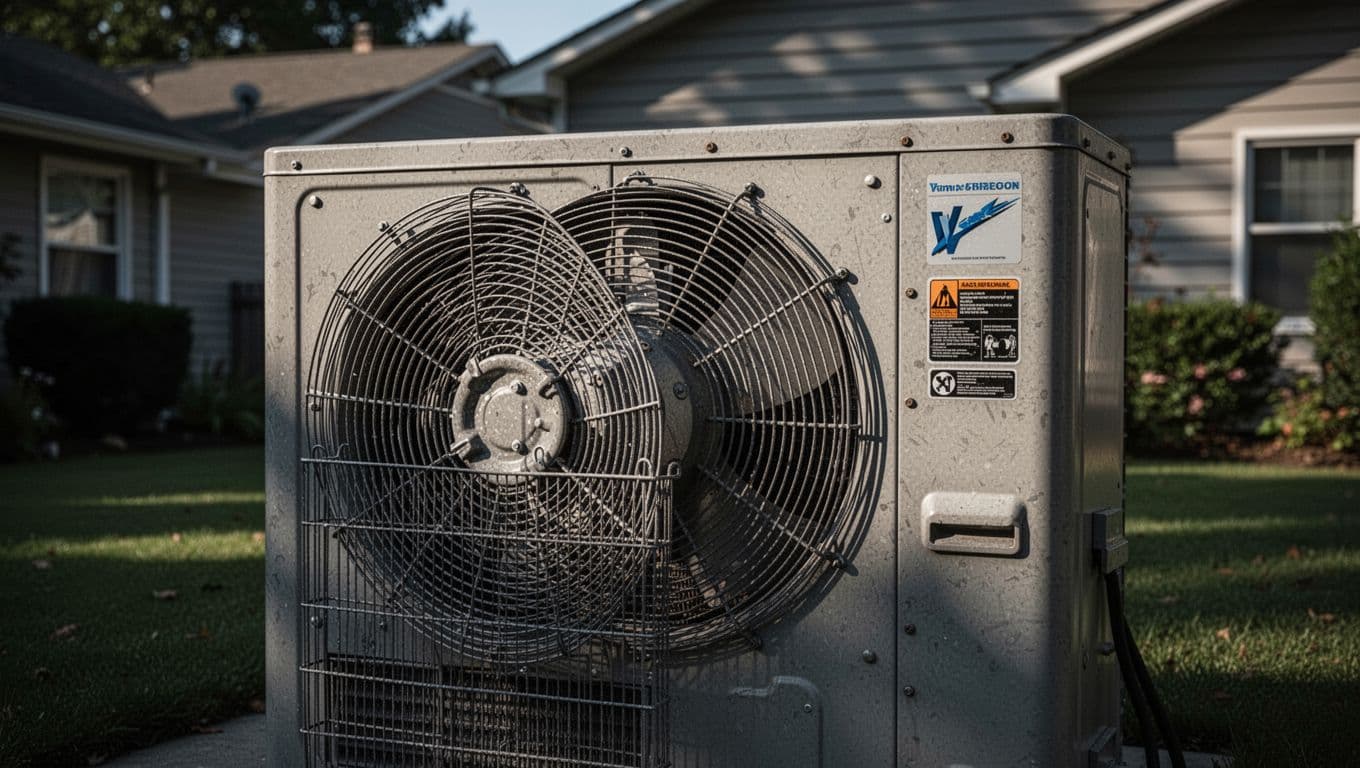
An air conditioner is more than a fan. The indoor blower uses power, but the compressor in the outdoor unit does the heavy lifting. That compressor needs a sharp burst of power when it starts, and that burst is the part that catches many homeowners off guard.
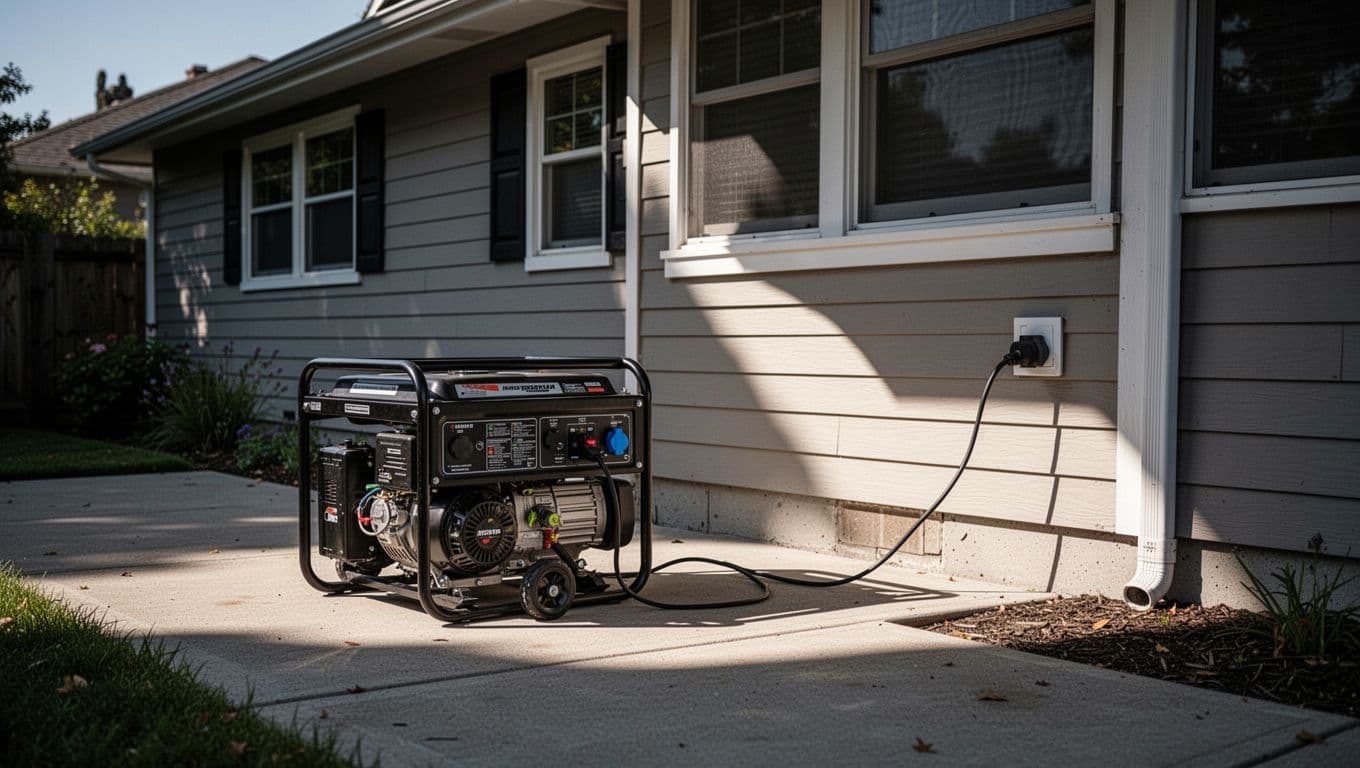
The steady draw is called running watts . The short burst needed to start the compressor is the starting surge . For many AC systems, that surge is several times higher than the normal running load.
That is why a generator that handles lights, a fridge, and a TV can still fail on an air conditioner. The generator may have enough steady output on paper, but the compressor asks for more power for a few seconds than the machine can give.
If the generator is undersized, the AC may try to start, then shut off, or it may never start at all.
A portable generator can be a smart backup for some cooling needs. A whole-house standby generator is often the better fit for central air. The real question is not "Will a generator run AC?" It is "Which AC, and how much power does that system need at startup?"
How to size an AC generator for your home
Start with the nameplate on the AC unit. On many systems, the label lists volts and amps. You can estimate running watts with a simple formula:
Volts x amps = running watts
For example, a unit that runs on 120 volts and draws 8 amps needs about 960 running watts. A 240-volt unit that draws 18 amps needs about 4,320 running watts. That still does not tell the whole story, because startup surge comes next.
A good rule is to leave headroom above the running wattage. If the generator is too close to the limit, the AC may start hard, stall, or trip the breaker. That is why the number on the box matters less than the load chart and the starting demand.
Here is a quick way to think about common AC setups:
| AC type | Typical backup fit | What to watch |
|---|---|---|
| Small window unit | Often works with a modest portable or inverter generator | Startup surge can still be the limiting factor |
| Portable AC | Usually similar to a window unit, sometimes a little more demanding | Venting affects comfort, not electrical load |
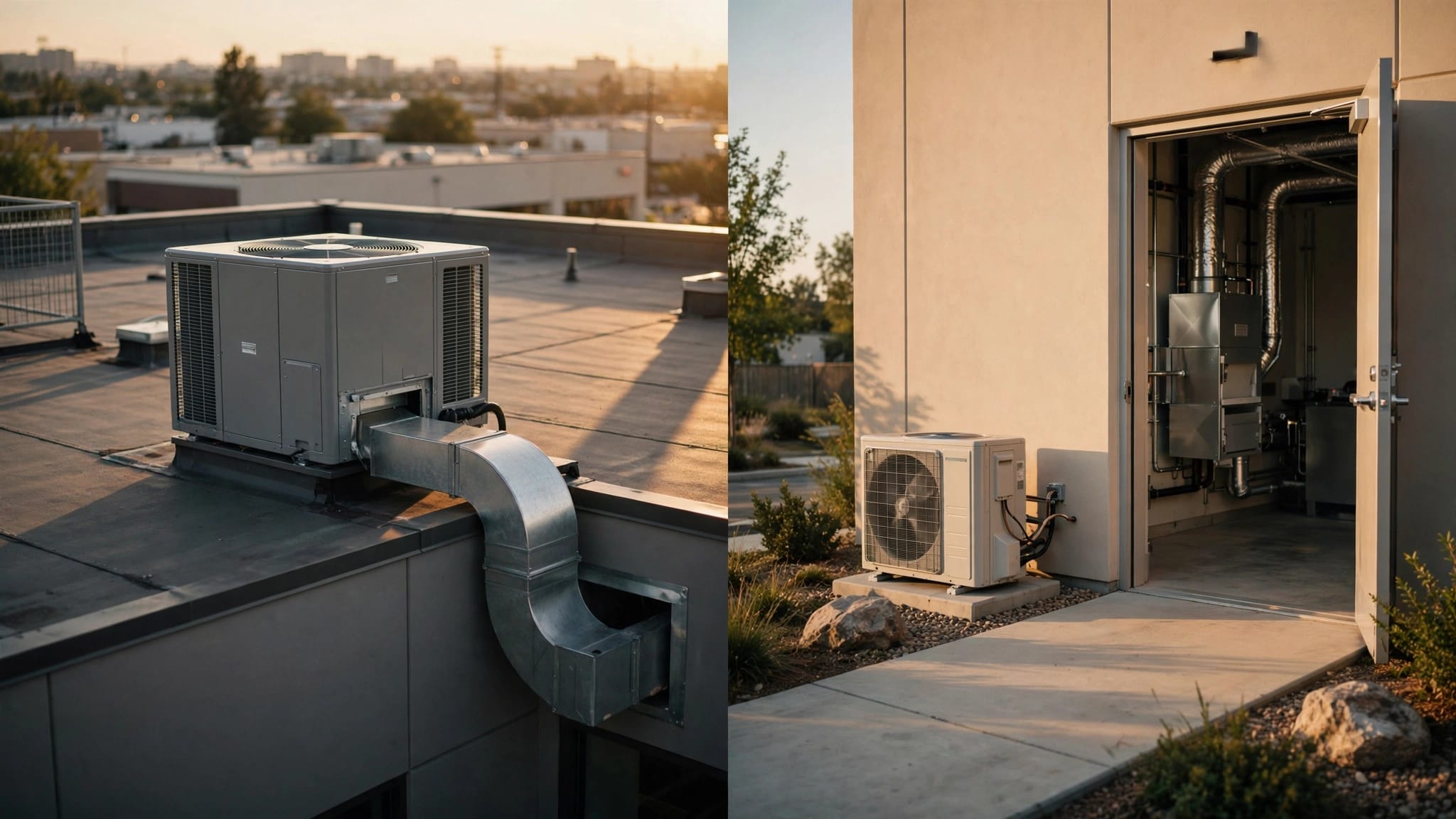
| Small central air | Often needs a much larger generator | Compressor startup is the biggest challenge |
| Larger central air | Usually better suited to a standby generator | A load calculation should come first |
The table gives you the big picture. A generator that can handle one room may still fall short for a full central system. If you only want to cool a bedroom, den, or home office, your options are wider. If you want the whole house comfortable, the generator gets much bigger, much faster.
Which AC systems are easiest to back up
Window units are the easiest place to start because they usually have lower power needs. Many portable generators can support them, especially if you are not running a pile of other appliances at the same time. That makes them a practical choice for keeping one or two rooms livable during an outage.
Portable ACs are a little more mixed. Some are manageable, while others draw more than homeowners expect. The unit may look small, but the compressor still has to start, and that startup hit can be heavy. A portable AC is not automatically easier than a window unit.
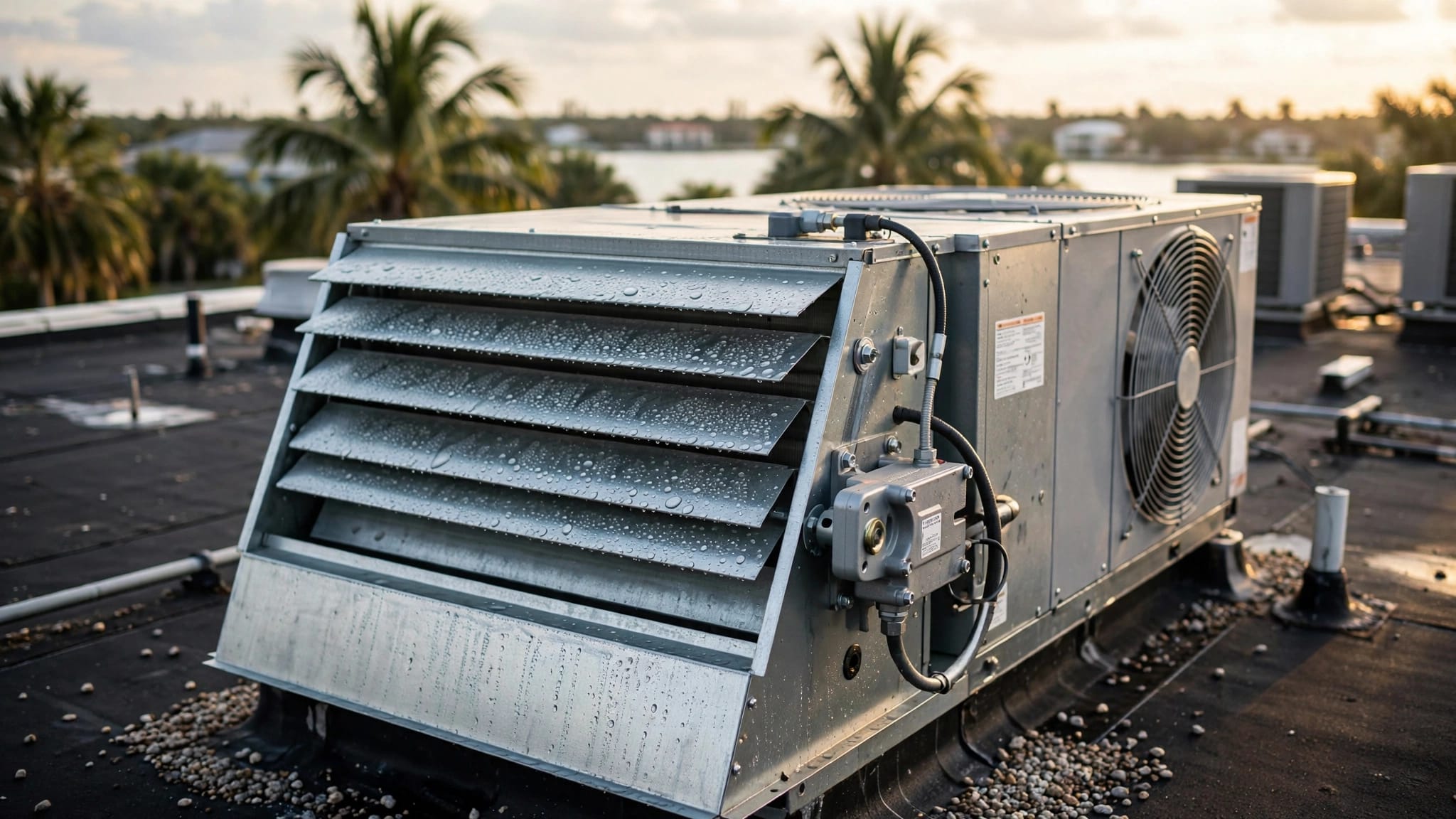
Central air is where generator sizing gets serious. If your home uses a split-system central AC, the outdoor condenser and compressor drive the power requirement. That means the generator has to handle both the ongoing load and the startup surge without sagging.
If you want whole-home backup, a properly sized standby generator is often the cleanest answer. It is also the safest path when the AC is one of the main loads you care about. For smaller goals, like cooling one main room, a portable or inverter generator may be enough if the numbers line up.
The important point is this: the more you ask from the AC system, the less forgiving the generator becomes. A generator that works fine for lights and a refrigerator can still be wrong for cooling.
Safety checks before you connect anything
Generator safety matters as much as generator size. A bad connection can damage equipment or send power where it does not belong. The setup has to be done the right way.
Never backfeed a home through a dryer outlet, wall outlet, or any other makeshift connection. Use a transfer switch or an approved interlock.
Keep the generator outdoors, away from doors, windows, and vents. Carbon monoxide can build up fast, and that risk is not worth taking. Use a heavy-duty outdoor cord if your setup calls for one, and make sure it is rated for the load.
A few other habits help protect the AC and the generator:
- Turn off large appliances before starting the generator.
- Start the generator first, then bring the AC online.
- Give the compressor a few minutes before restarting after an outage.
- Watch for lights dimming or the generator laboring under the load.
- Stop if the AC trips the breaker or the generator bogs down.
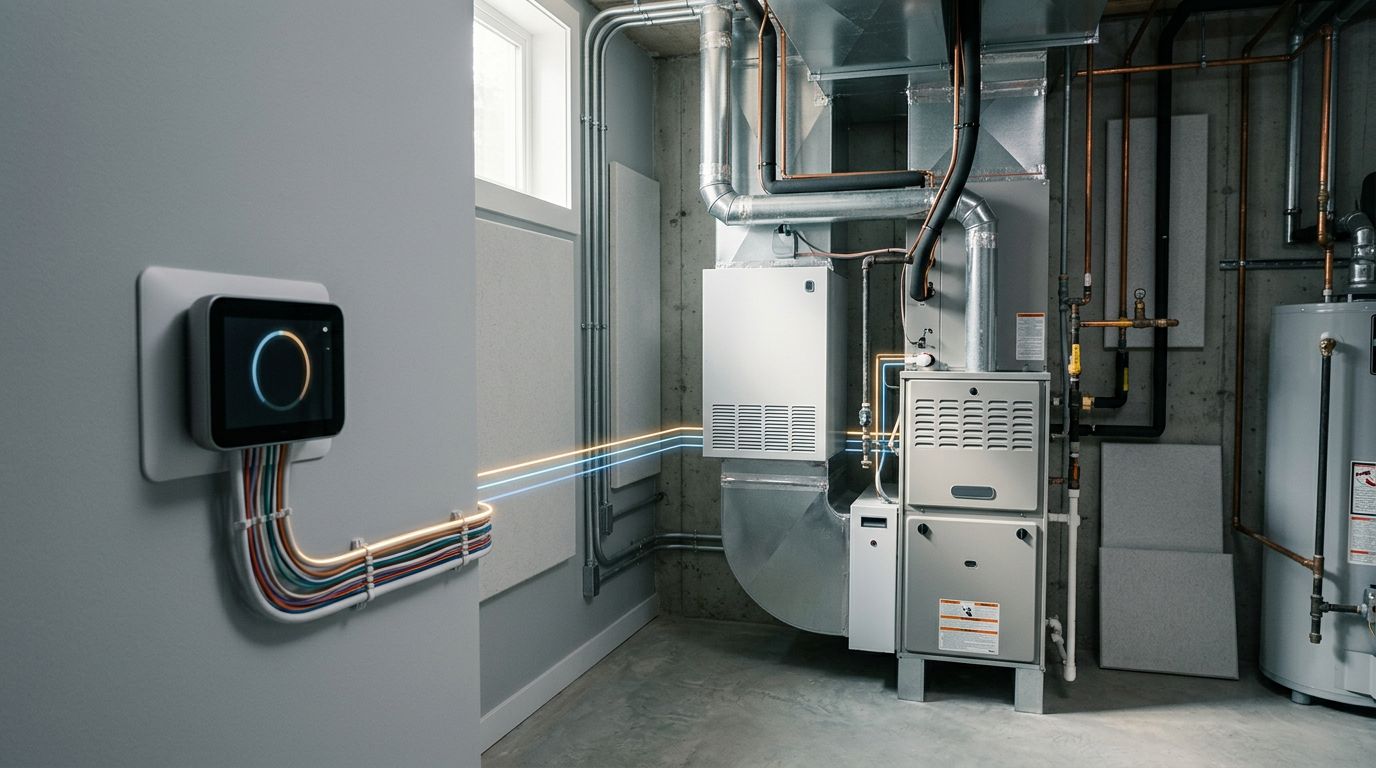
If you are using a manual transfer switch or interlock, follow the panel instructions exactly. If you are not comfortable with that setup, bring in a licensed electrician. A safe connection is part of the job, not an optional extra.
When the AC still will not start
Sometimes the generator is not the real problem. If the generator is sized correctly and the AC still will not come on, the unit may have a separate issue. A bad capacitor, worn contactor, tripped breaker, or compressor problem can stop the system from starting at all.
That is when testing gets risky. If the outdoor unit hums, clicks, trips, or starts and stops quickly, shut it down and get it checked. In that situation, professional air conditioning repair services can save you time and protect the equipment from more damage.
If you are in Cape Coral, Charlotte, Collier, Hendry, or Lee County and need help figuring out why the AC will not run on backup power, Contact Us for 24/7 service and to schedule a service call.
Conclusion
A generator can run AC, but only when the generator, the wiring, and the air conditioner all match up. The running wattage matters, and the startup surge matters even more.
Window and portable units are usually easier to back up. Central air often needs a much larger generator, and the safest setup uses a proper transfer switch or interlock. If the numbers do not fit, the generator will not help much, no matter how good it looks on paper.
When the power goes out, the right backup plan keeps the house cooler and the equipment safer.