A loud AC startup can be more than a nuisance. In Cape Coral, it can point to a system that is working too hard every time it turns on.
The AC soft start cost in 2026 depends on the equipment, the wiring, and the labor needed to fit the device cleanly. Most homeowners are looking at a modest add-on, but the price can rise if the unit is older, hard to access, or in rough shape.
What Cape Coral homeowners pay in 2026
Most soft start jobs fall into a few common price bands. The numbers below are estimates for 2026, and local conditions can move them up or down.
| Setup | Typical installed cost | What can change the price |
|---|---|---|
| Standard single-system install | $350 to $850 | Clean access, simple wiring, newer equipment |
| Older system with extra testing | $500 to $1,100 | Aging parts, added diagnostics, tighter cabinet space |
| Larger or high-draw AC system | $600 to $1,300 | Bigger compressor, model compatibility, calibration time |
| Soft start added during other AC work | $250 to $700 | Lower labor when it happens with a repair or upgrade |
The device itself is only part of the bill. Labor, testing, and any small electrical fixes shape the final total. If the technician finds worn connections or a weak capacitor, the cost can rise fast.
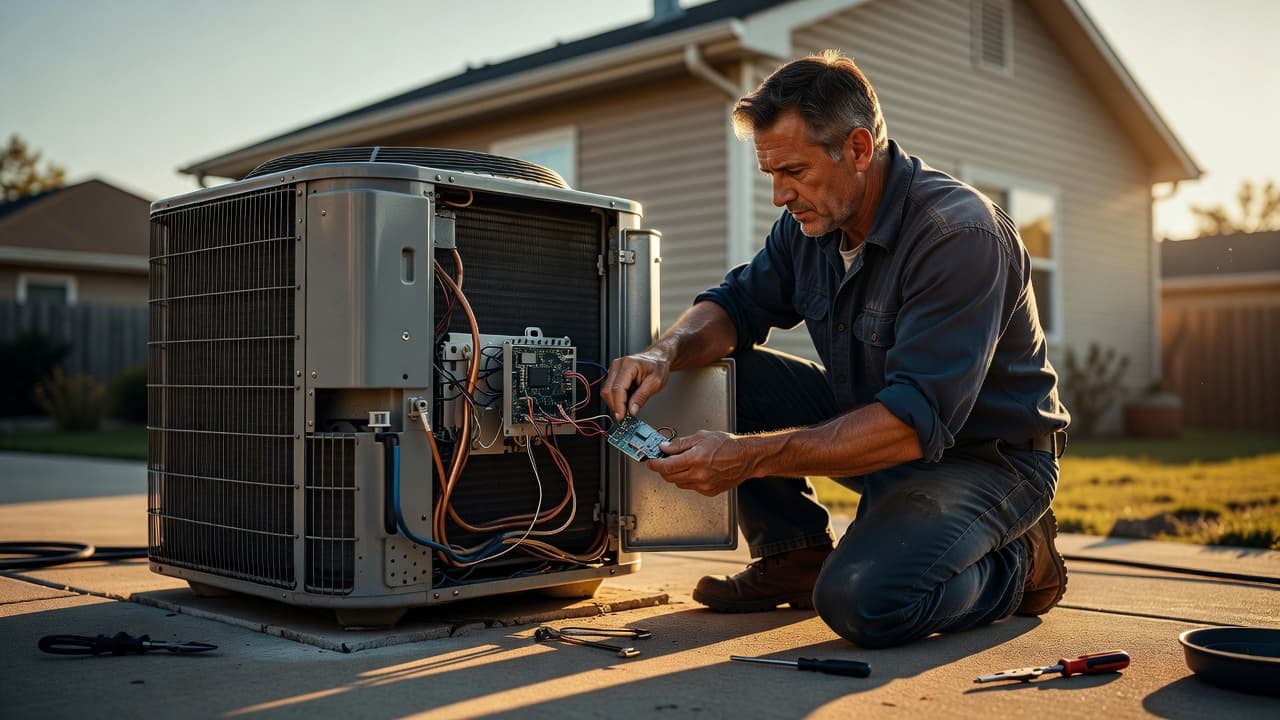
A clean install usually lands near the lower end of the range. An older unit with corrosion or wiring issues can land much higher.
What pushes the price up or down
System size matters first. A bigger compressor pulls a harder startup load, so the soft starter may need more setup or a different model. Newer systems are usually easier to match, while older systems often need extra checks before installation.
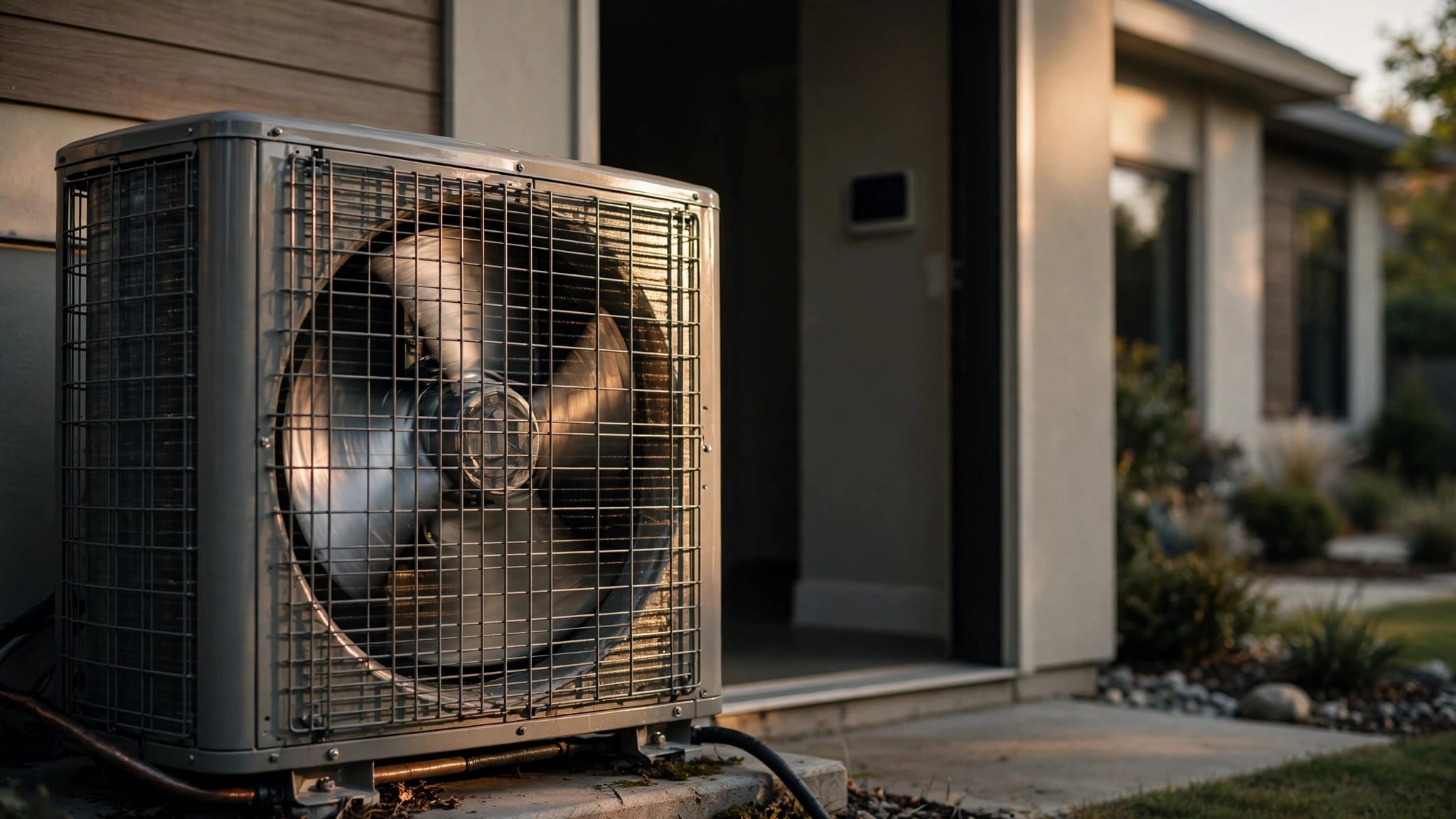
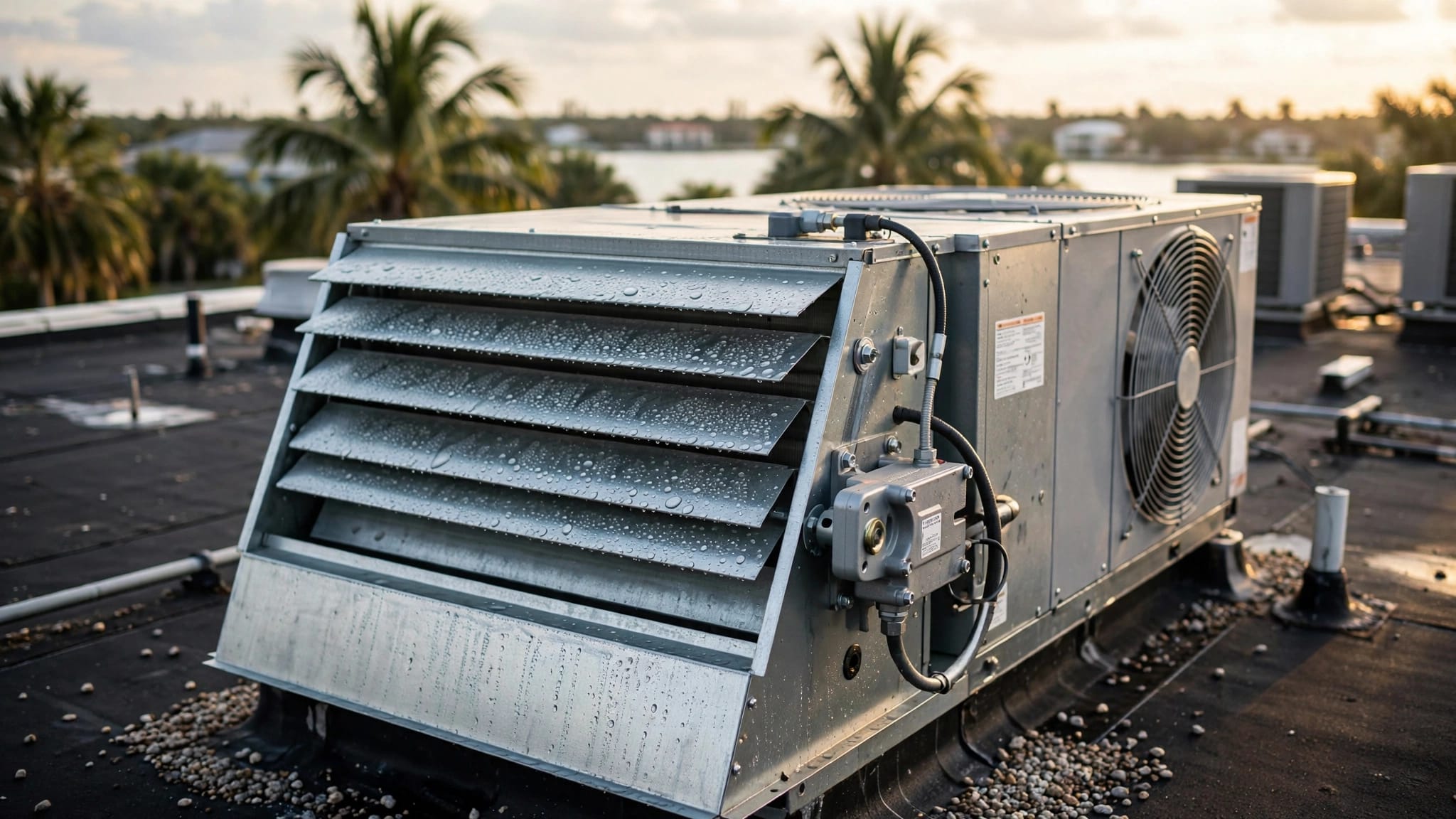
Access also changes the bill. If the outdoor unit sits in a tight corner, behind fencing, or near landscaping, the job takes longer. Cape Coral homes can also deal with salt-air corrosion , which can make fasteners, terminals, and cabinet parts harder to work with.
Electrical condition matters just as much. If the panel is crowded, the disconnect is worn, or the wiring shows heat stress, the tech may need extra time to clean things up. That kind of work is common in homes that have been through many hot seasons.
Generator prep can also affect the final price. If you want the AC to start more easily during storm outages, the technician should test the startup load and confirm the system is a fit. That step adds value, but it can add labor too.
Why this upgrade matters in a hot, storm-prone coast
Cape Coral AC systems work hard. Long cooling seasons mean more starts, more wear, and more chances for a hard startup to shake loose a weak part. A soft start reduces that first jolt, which can help the compressor, the wiring, and the breaker panel.
That matters even more during storm season. Many homeowners rely on portable or smaller backup generators when the power goes out. A soft starter can make an AC more realistic to run on backup power because it lowers the startup surge.
It also makes the system sound calmer. Instead of a sharp kick and a brief light dip, the unit ramps up more smoothly. That matters in homes where the AC starts often during humid afternoons.
A soft start helps most when your AC starts hard, trips a breaker, or needs to run from a smaller generator.
The savings on electric bills are usually modest. A soft start does not cut the normal runtime of the AC, so it is not a magic fix for high summer bills. It can reduce the startup surge, and that may help with demand spikes, but the bigger benefit is often reliability.
When the cost makes sense and when it doesn't
This upgrade makes sense when the AC is otherwise healthy and the startup is the main problem. If your lights dim when the compressor kicks on, or your generator struggles at startup, the value is easy to see.
It also makes sense when you want a little more life from a decent system. Reducing startup stress can be a smart move for a unit that still cools well but works hard every day.
The math changes if the system is near the end of its life. A failing compressor, repeated refrigerant loss, or major electrical damage can make a soft start a short-term fix on a long list of problems. In that case, compare the cost with a full replacement. A residential air conditioning installation quote gives you a better side-by-side number.
If you are not sure which direction to take, a service visit is the safest next step. A technician can check startup amps, inspect the wiring, and tell you whether the AC is a good candidate. You can also Contact Us to set up a visit and get clear pricing before you commit.
Conclusion
For Cape Coral homeowners, the soft start price is usually small compared with the cost of a major repair or a full system replacement. The real value shows up when an AC starts hard, the lights flicker, or storm-season generator use is part of life.
If your system is healthy, the upgrade can make it easier on the compressor and easier on your nerves. In a place where cooling never gets a long break, that smoother start can matter more than people expect.
FAQ
How long does AC soft start installation take?
Most installations take about one to two hours. Older systems, tight access, or extra testing can add time. If the technician finds wiring issues, the visit may take longer.
Will a soft start work with an older AC system?
Many older systems can use one, as long as the compressor and electrical parts are still in decent shape. Some older units need compatibility checks before installation. If the system is already struggling to start, the technician should test it first.
Does a soft start lower electric bills?
Usually, not by much. It lowers the startup surge, but it does not change how long the AC runs each day. The best savings are often tied to reduced wear, fewer breaker trips, and less strain on the system.
Is it worth it for generator compatibility?
For many Cape Coral homes, yes. A soft start can help an AC run on a smaller generator during outages because it cuts the startup load. The generator still needs to be sized correctly, but the soft start makes the job easier.