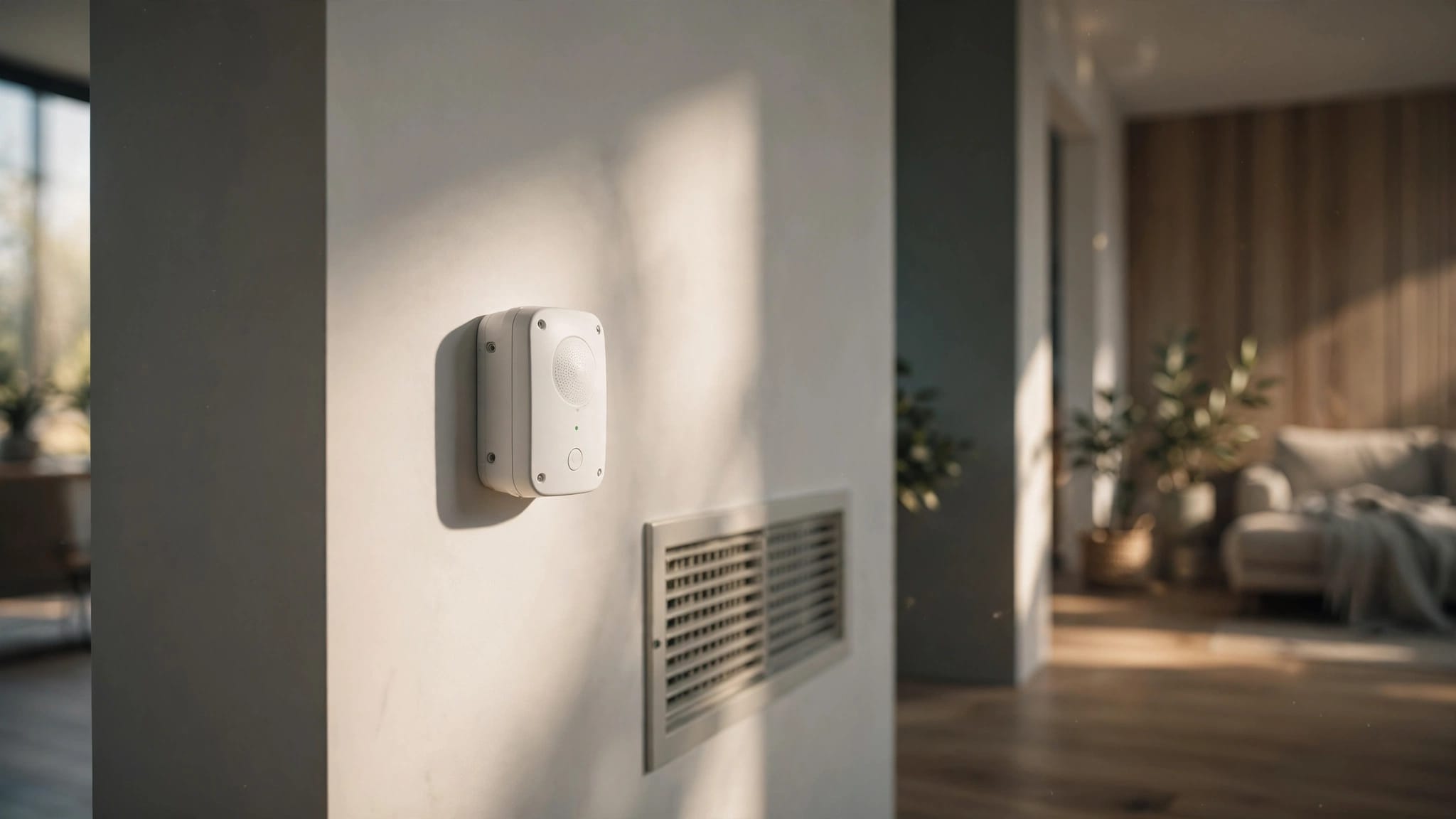
If your AC runs when the thermostat is off, first identify which part is making noise. The outdoor condenser and the indoor blower have separate fans, and each can keep running for different reasons.
The thermostat's Off setting stops a cooling request, but it doesn't disconnect power to the outdoor equipment. If the condenser keeps operating, treat that as a service issue. Here's how to tell what's running and what you can safely do next.
What thermostat Off does, and what it doesn't
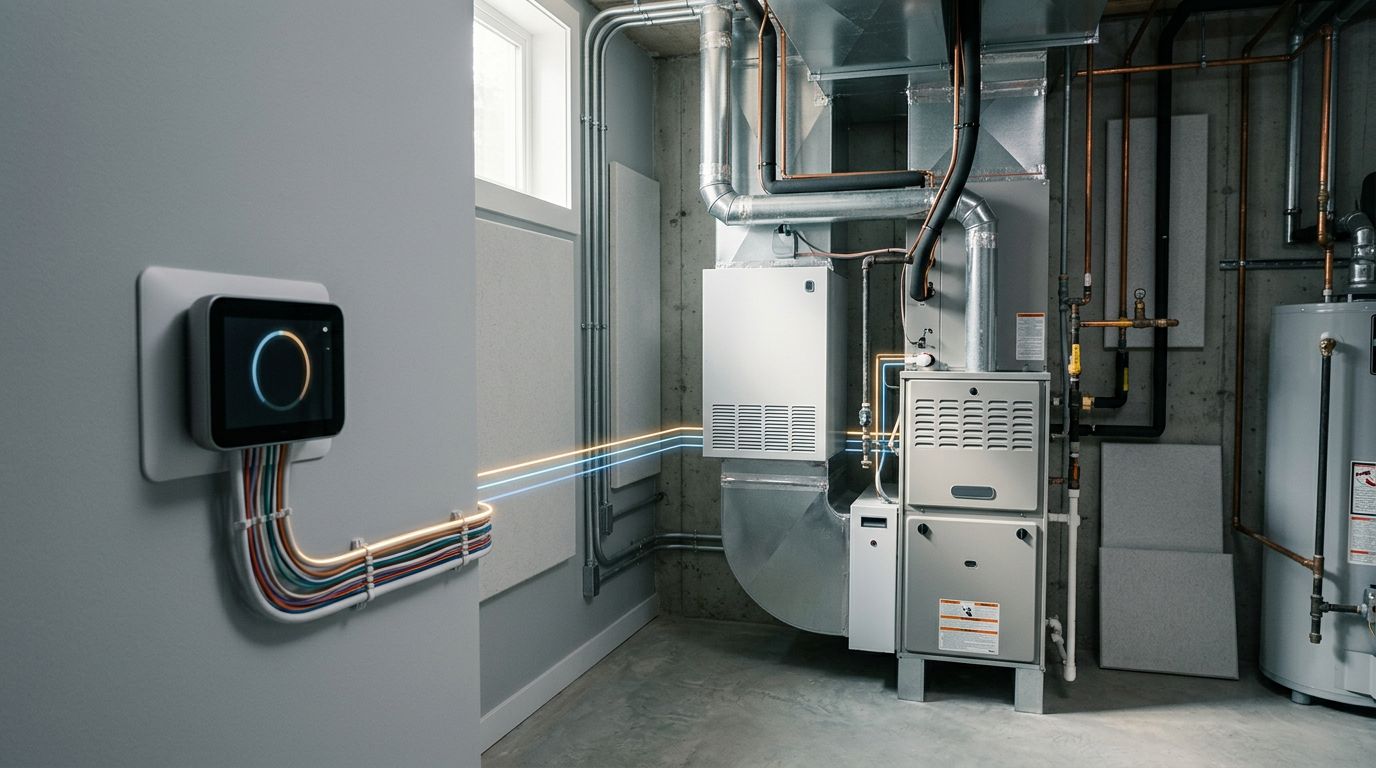
Turning the thermostat off tells the system to stop heating or cooling. It does not cut electrical power to the outdoor unit. That distinction matters because the condenser can remain powered even when the thermostat display says Off. You can read more about the thermostat-off power-safety distinction.
A persistent outdoor run needs attention
During a cooling cycle, the outdoor fan helps release heat from the home. It should stop when the system finishes cooling. If the outdoor unit continues running after you switch the thermostat off and allow a few minutes, don't assume the behavior is harmless or try to diagnose internal components yourself.
The sound may come from the condenser fan, the compressor, or both. Since you can't identify an electrical fault by sound alone, persistent operation calls for professional diagnosis.
The thermostat isn't a power switch
The outdoor unit's electrical supply remains separate from the thermostat's call for cooling. So setting the thermostat to Off doesn't make it safe to remove the condenser's panels, touch wiring, or reach through the grille.
First, tell which fan is still running
A steady airflow sound inside the home can be easy to confuse with a running outdoor unit. Check where the sound is coming from before deciding what to do. You don't need to touch the equipment to tell the difference.
The indoor blower moves air through your vents
If you hear air at the supply vents but the condenser outside is quiet, the indoor blower may still be running. A thermostat fan setting of On keeps the blower going continuously, including between cooling cycles. Some smart thermostats also have a circulation setting that runs the fan for part of each hour.
Switching the fan setting to Auto can stop unnecessary blower operation. Then give the system a few minutes and listen again. If the blower keeps running despite the setting change, note that for the technician.
The outdoor condenser is outside
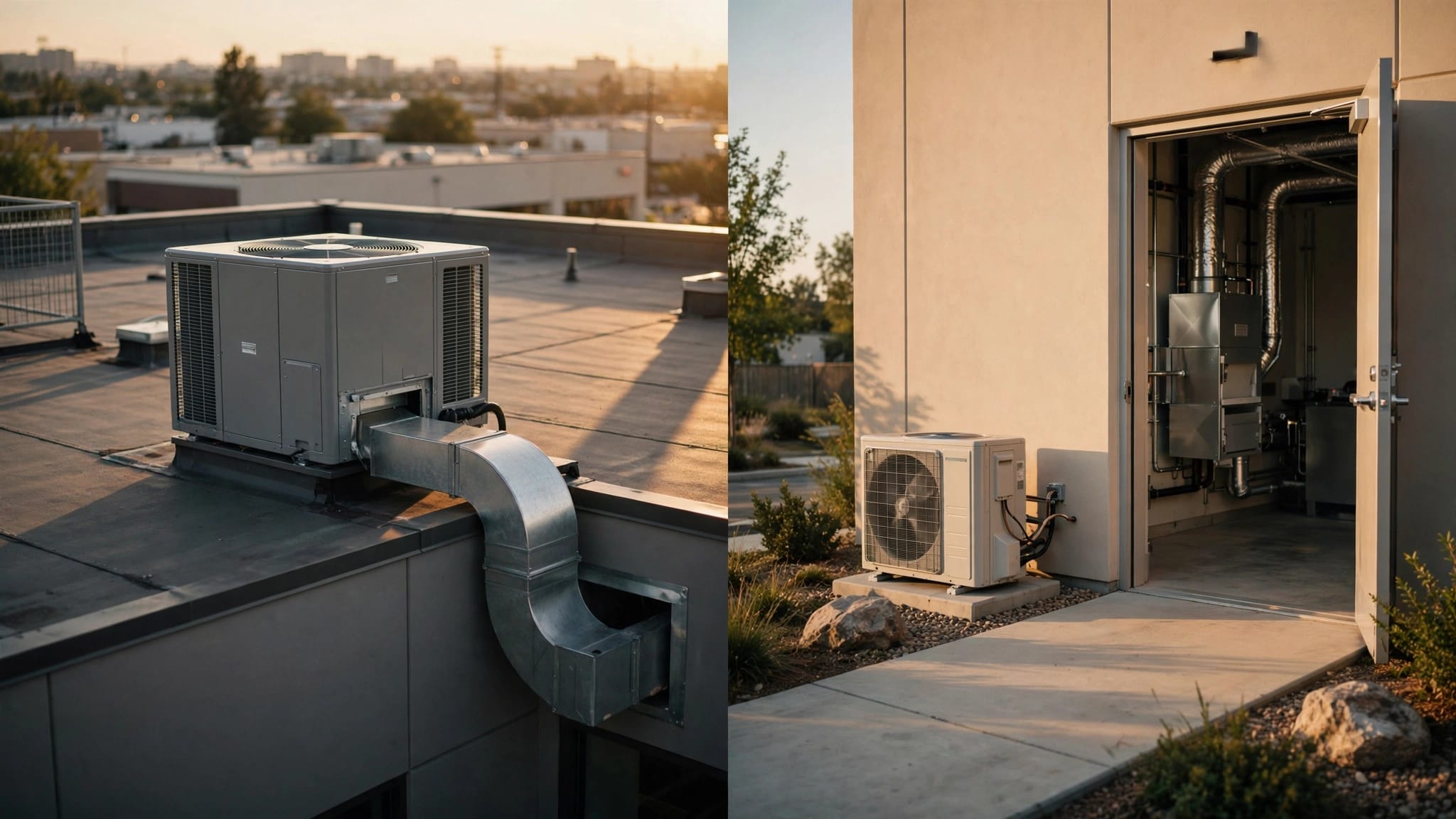
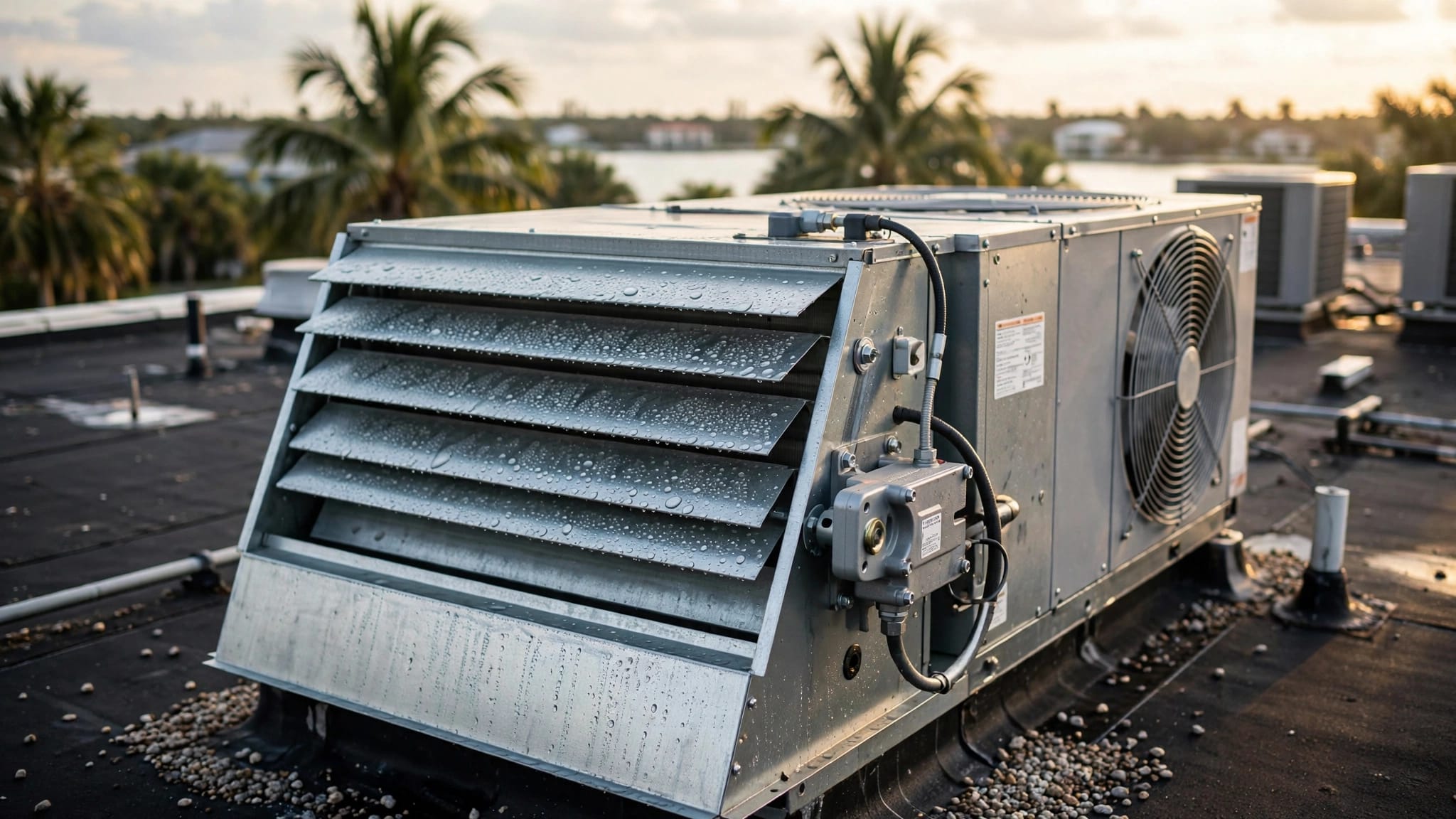
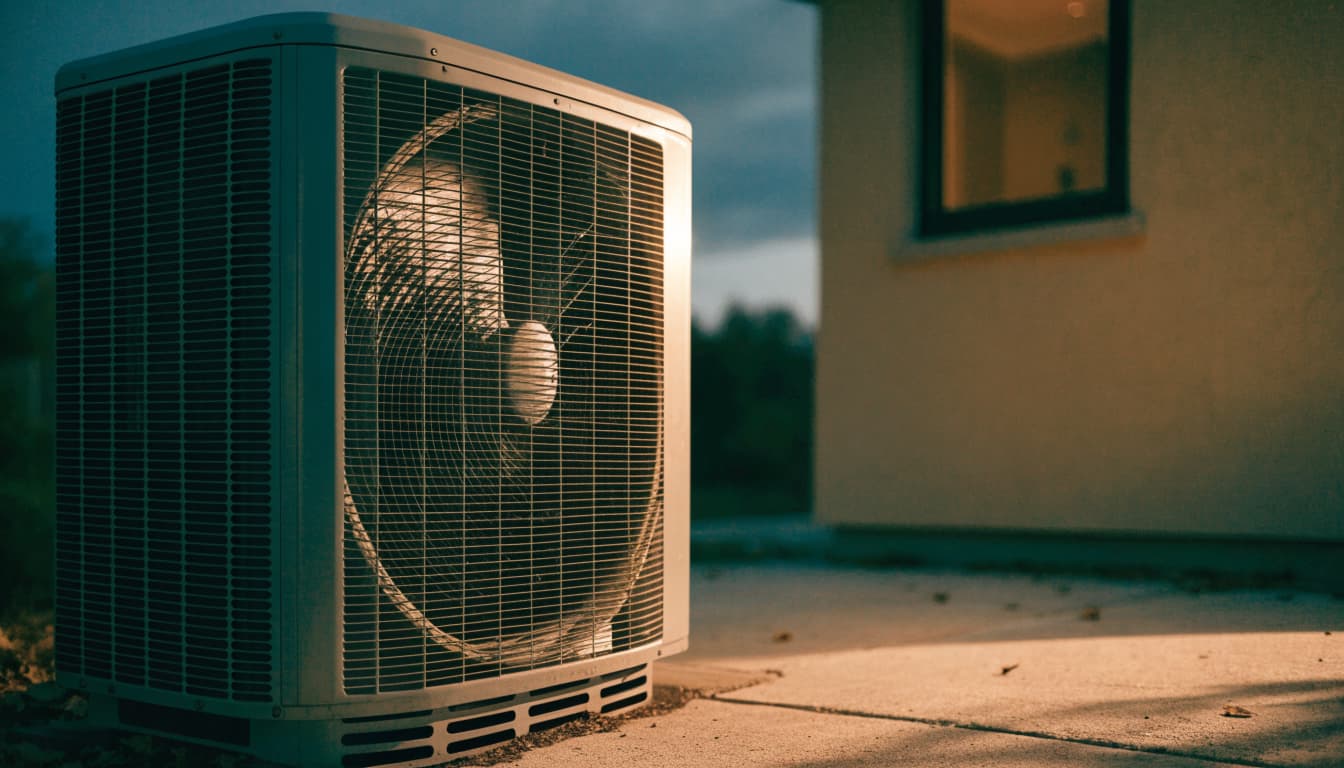
The condenser is the large cabinet outdoors. When it runs, you may hear its fan and compressor from the yard or near an exterior wall. If you're unsure, listen from a safe distance rather than approaching the grille or opening anything.
The indoor blower continuing to run doesn't necessarily mean the outdoor unit is running. That difference helps narrow down what to report when you call for service.
Common reasons the system seems to stay on
The cause depends on which part is operating. Thermostat settings can explain a continuously running indoor blower. A condenser that keeps running with the thermostat off needs a technician to identify the cause.
Fan settings and circulation schedules
The thermostat may be set to Fan On rather than Auto. A programmed circulation schedule can also run the indoor blower at intervals, even when the air conditioner isn't actively cooling. Review the fan mode and any circulation settings, especially if the behavior started after a power interruption or schedule change.
A thermostat setting won't explain every symptom. If the outdoor condenser continues to operate after you switch the system off, don't treat a fan adjustment as a complete fix.
Restricted airflow or a frozen indoor coil
A dirty filter or blocked return can restrict airflow. If cooling performance drops or the system runs for long stretches, check whether the filter looks clogged and whether furniture or rugs cover a return grille.
A frozen evaporator coil can also interfere with normal cooling while the indoor blower continues moving air. Low refrigerant can contribute to a freeze-up, as can poor airflow, but homeowners shouldn't handle refrigerant or try to thaw ice with tools. If you see ice around the indoor unit or refrigerant line, turn off cooling and arrange service.
Safe checks you can make at home
Limit troubleshooting to thermostat settings and visible conditions. Don't open the outdoor unit, remove electrical covers, or test components. For more thermostat troubleshooting steps, focus on checks that don't require tools or electrical access.
Review settings and airflow
Set the thermostat mode to Cool only when you want cooling, and set the fan to Auto if you don't want the indoor blower running continuously. If the thermostat has a circulation schedule, review it as well. A smart thermostat's schedule may change after a storm or power flicker.
Look at the air filter and replace it if it's visibly dirty. Make sure return grilles and supply vents aren't blocked. Outside, you can observe whether leaves or grass clippings crowd the condenser, but don't put your hands through the grille or attempt to clean internal parts.
Note what you hear and see
Write down whether the indoor vents, outdoor cabinet, or both seem to be running. Note when you turned the thermostat off and whether the unit stopped. A photo of the thermostat display can also help show its mode and fan setting.
You can find more thermostat settings and outdoor-unit checks before scheduling service. Keep the observations simple. Don't remove panels or handle wiring to investigate further.
What to do if the outdoor unit keeps running
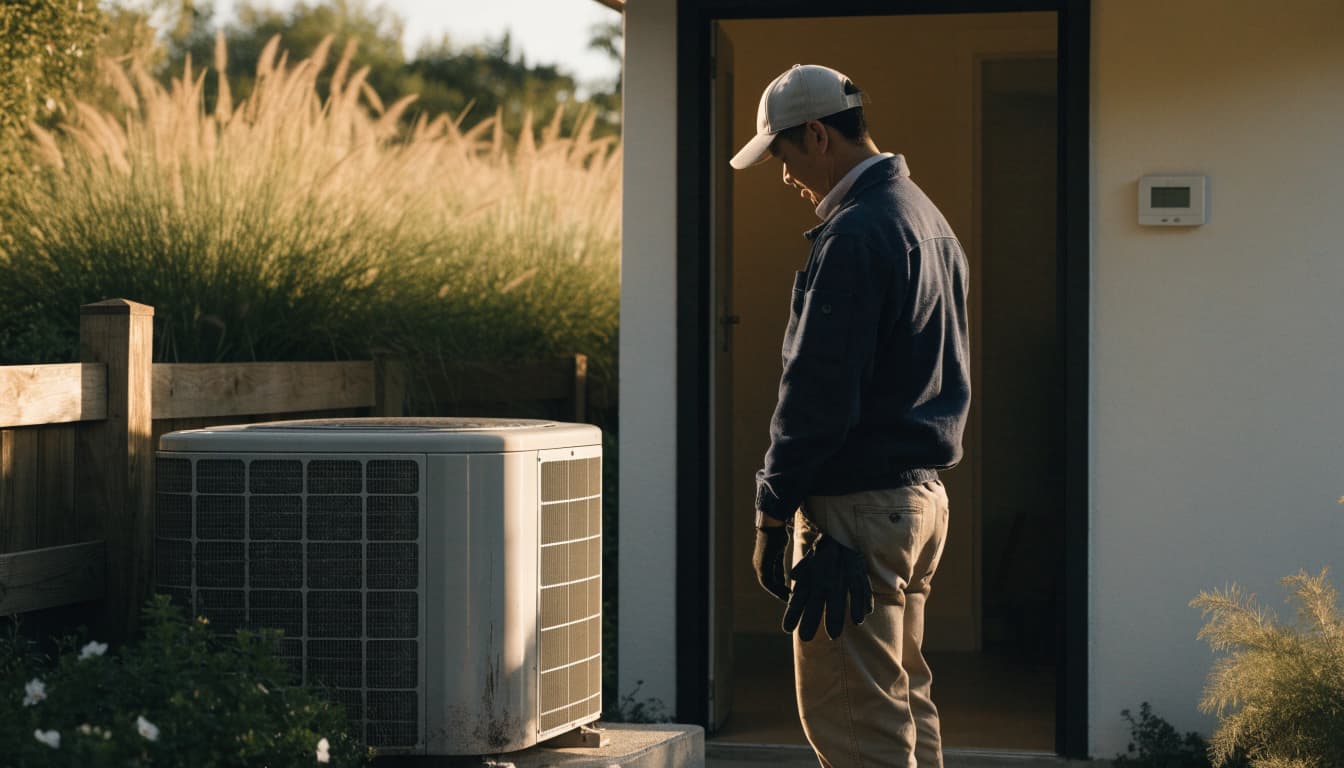
If the outdoor condenser continues to run after the thermostat is off, turn off power at the appropriate outdoor disconnect or breaker if you can do so safely . Don't remove the disconnect cover or touch wires. If the area is wet, damaged, or otherwise unsafe, stay clear and call for help.
Then contact an HVAC technician. Don't keep switching the system on and off to test it. A breaker that trips again after one reset should be left alone, since repeated resets can worsen an electrical problem.
Stop immediately for warning signs
Burning smells, smoke, buzzing, grinding, repeated breaker trips, or a unit that runs while failing to cool are reasons to stop troubleshooting. If you notice any of these signs, leave the equipment alone and contact a professional. Don't reach through the grille, even if the fan appears stopped, because the equipment can start unexpectedly.
Share the details you observed
Tell the technician whether the noise came from the indoor vents or the outdoor condenser, how long the unit continued running, and whether you saw ice or heard unusual sounds. Those details help guide the inspection. The HVAC details to photograph before a service call include the thermostat display and settings.
What an HVAC technician may inspect
A technician can check the thermostat's settings and the system's electrical connections, then assess the condenser fan and other operating parts. Electrical meters help identify problems that can't be confirmed safely by listening or looking from outside.
During an emergency service visit, a diagnostic may take 30 minutes to an hour , depending on the system and symptoms. The technician should explain the findings and quote repairs before starting work. For homeowners in Southwest Florida, Contact Us to schedule a service call or request 24/7 service.
Key Takeaways
- Thermostat Off stops the system's call for cooling, but it doesn't disconnect electrical power.
- An indoor blower running at the vents may be set to Fan On or follow a circulation schedule.
- If the outdoor condenser keeps running, shut off power at the appropriate disconnect or breaker if safe, then call an HVAC technician.
- Don't open panels, touch wiring, or attempt electrical or refrigerant repairs.
Frequently Asked Questions
Should the outdoor AC fan run when the thermostat is off?
The outdoor fan normally runs during a cooling cycle and stops when that cycle ends. If the condenser keeps running after the thermostat is off and a few minutes have passed, arrange professional service rather than trying to repair it.
Why does air still come through the vents when the AC is off?
The thermostat fan may be set to On, which keeps the indoor blower running between cooling cycles. A circulation setting can also run the blower on a schedule. Set the fan to Auto and see whether the airflow stops.
Should I turn off the breaker if the outdoor unit won't stop?
If the outdoor unit keeps running, you can turn off power at the appropriate disconnect or breaker if it's safe to reach. Don't open electrical covers or touch wiring. If the area is unsafe, stay back and call an HVAC technician.
Get the Running Unit Checked
A fan heard inside the house may be the blower following a thermostat setting. An outdoor condenser that keeps running after the thermostat is off is a different concern, and the thermostat doesn't make that equipment electrically safe.
Use only simple, non-invasive checks. If the outdoor unit continues running, shut off its power if safe and have a technician diagnose it.