When your AC stops keeping up in Cape Coral, every minute feels longer. High heat and humidity can turn a small cooling issue into an all-day problem, especially when the system has been running hard for weeks.
Before you call for AC repair in Cape Coral, a few safe checks can tell you whether the fix is simple or whether the system needs a technician. Start with the easy stuff, then stop before you reach sealed panels, wiring, or refrigerant.
Check the Thermostat First
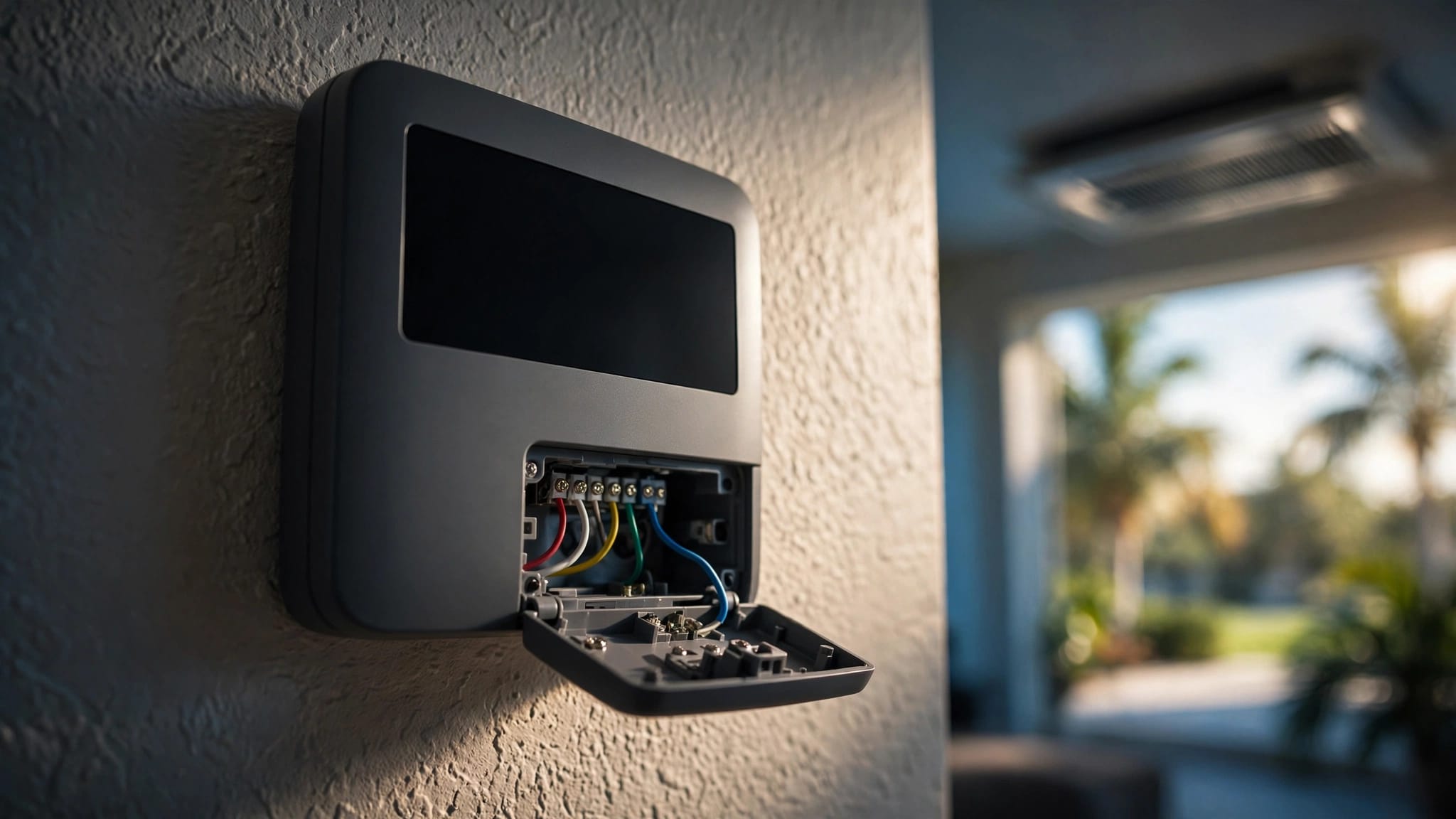
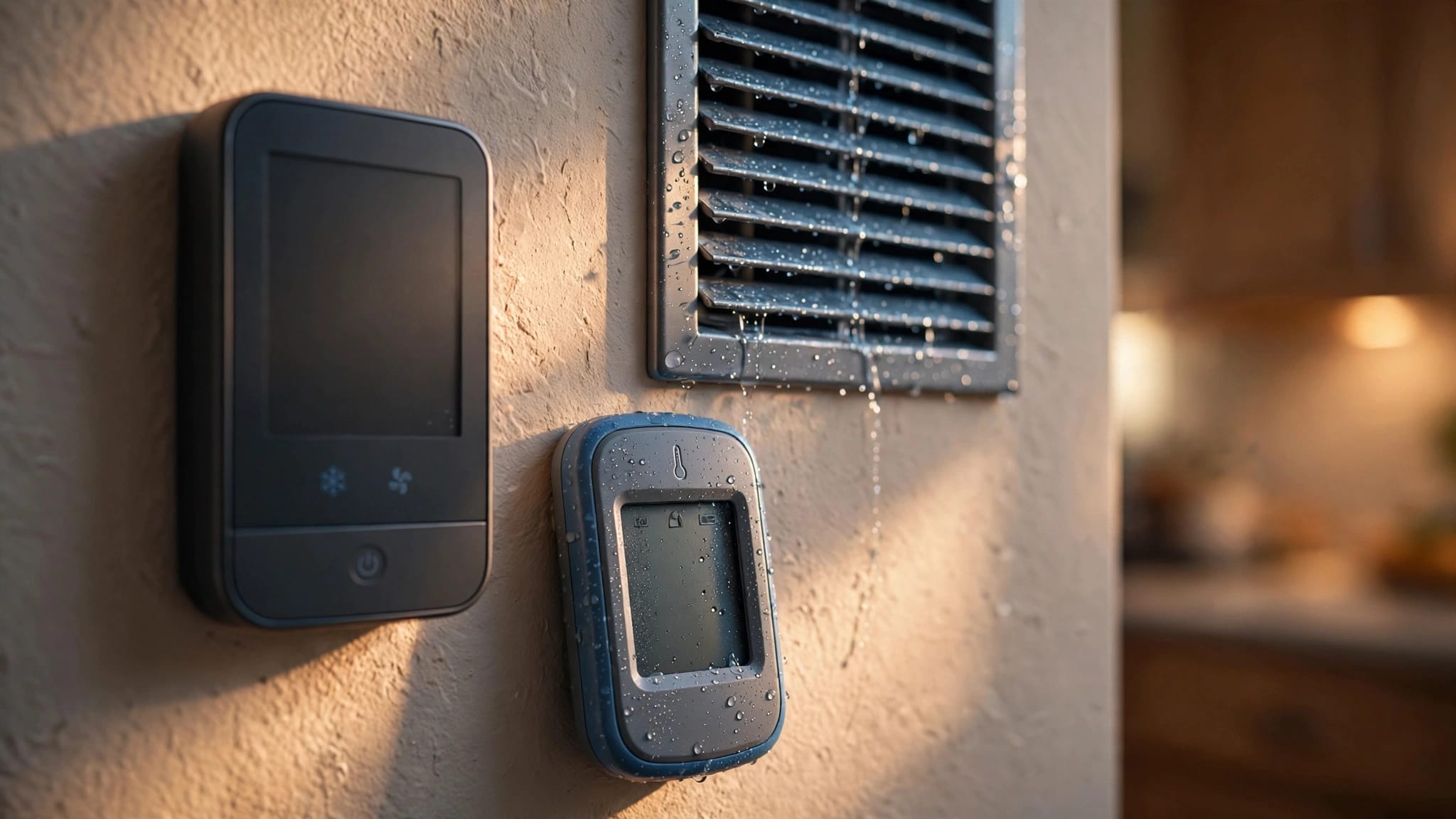
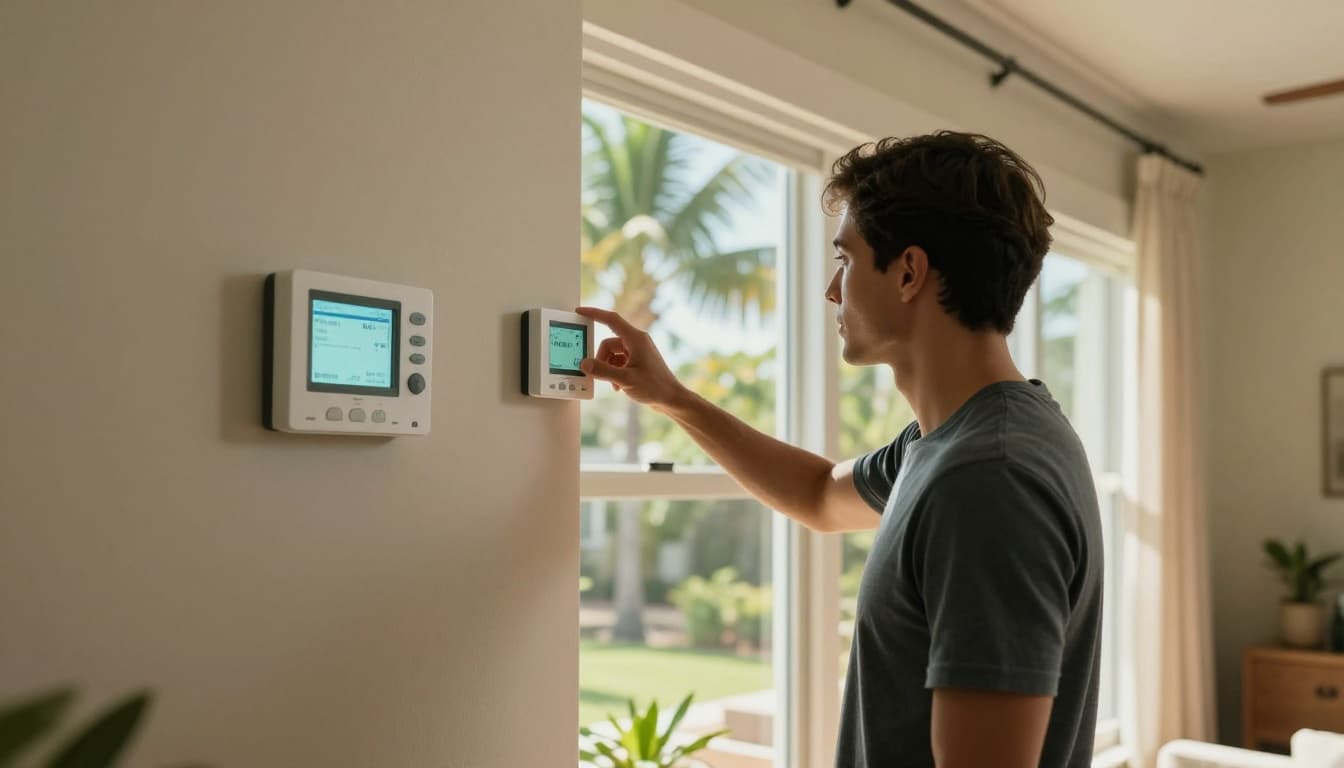
A thermostat problem sounds small, but it causes plenty of service calls. The unit may be fine while the settings are wrong or the battery is weak.
Start here:
- Set the mode to Cool .
- Lower the temperature 3 to 5 degrees below the current room temperature.
- Switch the fan to Auto .
- Replace weak batteries if the screen is blank, dim, or acting odd.
- Wait 5 to 10 minutes, since many systems delay the compressor start.
If you use a programmable or smart thermostat, check whether a schedule changed after a storm or power flicker. A setback schedule can make the home feel warmer than it should.
If the display works and the settings are right, the problem is probably not the thermostat. That means it is time to move to the next safe check.
Inspect the Air Filter and Basic Airflow
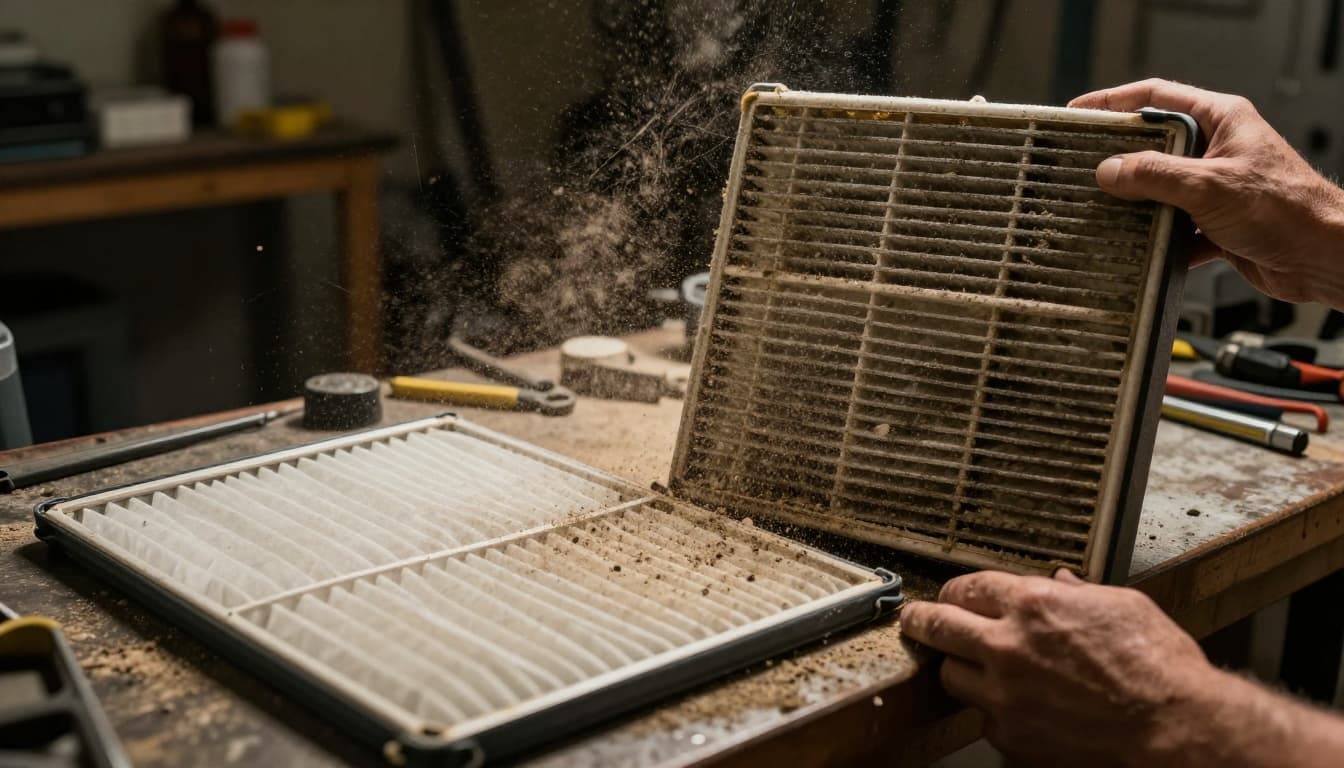
A dirty filter can choke airflow fast. In Cape Coral, heavy AC use, dust, and humidity can make filters clog sooner than many homeowners expect.
Look for simple airflow problems:
- Return vents blocked by furniture, rugs, or boxes
- Supply vents shut in several rooms
- A filter coated with dust or pet hair
- Storage crowding the indoor unit
- A filter installed backward
Replace the filter if it looks dirty. Make sure the arrow points toward the air handler. Then give the system another try.
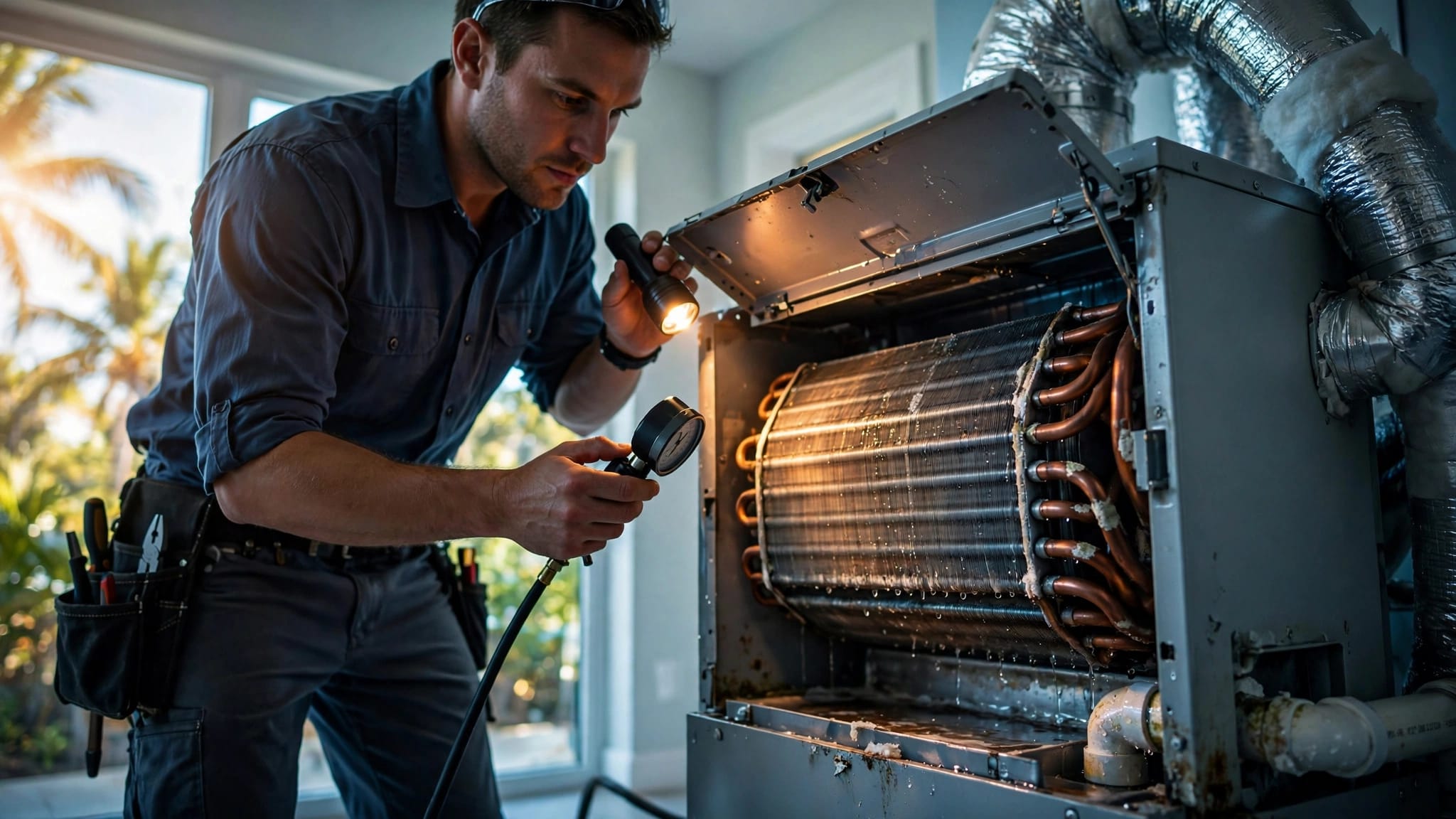
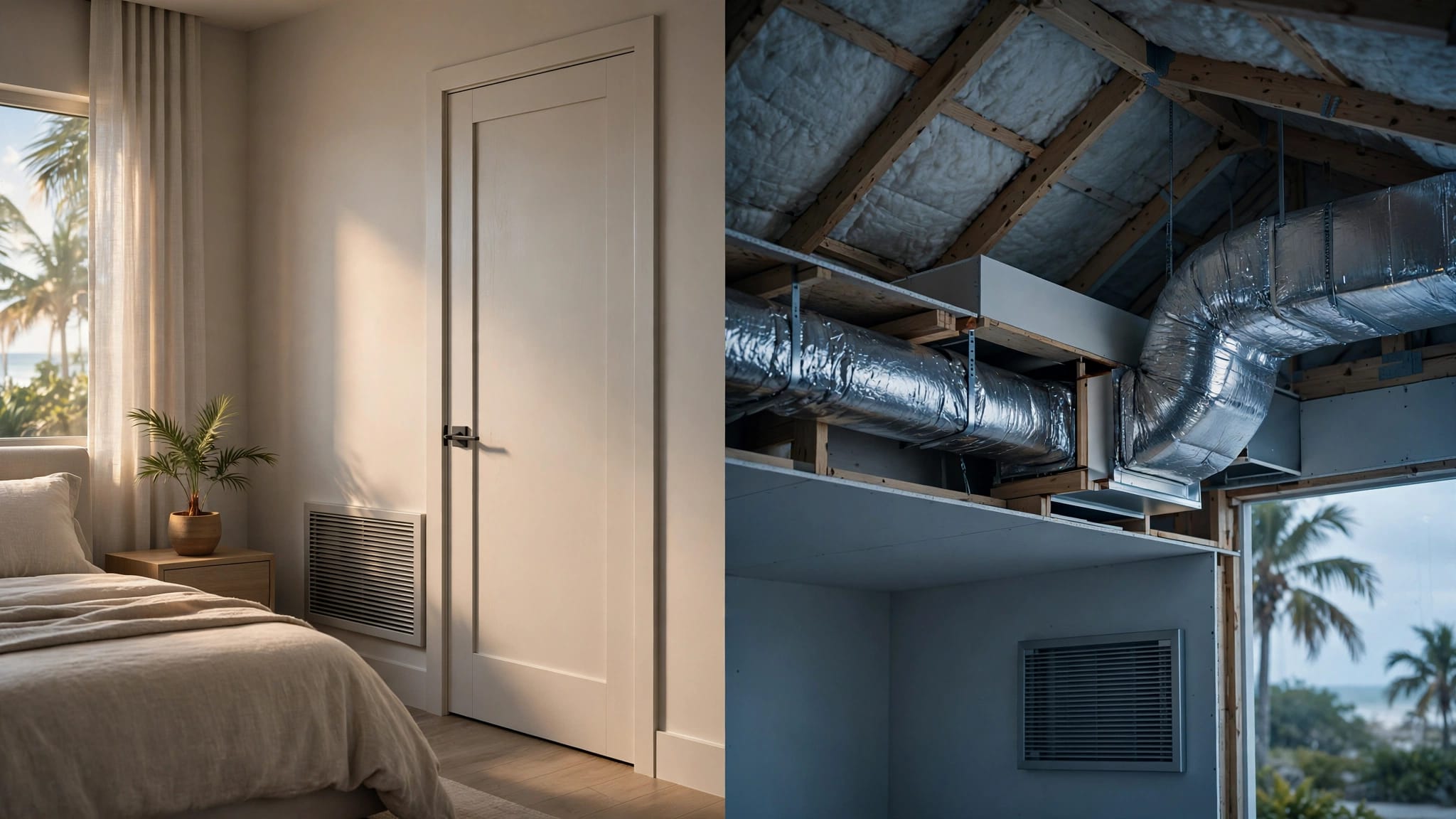
Do not open sealed covers or remove internal panels to inspect the coil or blower. Those parts sit behind the cabinet for a reason. If the filter is clean but the airflow is still weak, the issue may be a blower problem, a duct leak, or another repair that needs a trained eye. For ongoing maintenance and service needs, comprehensive AC care can help you think through the next step.
Take a Quick Look Outside and at the Breaker
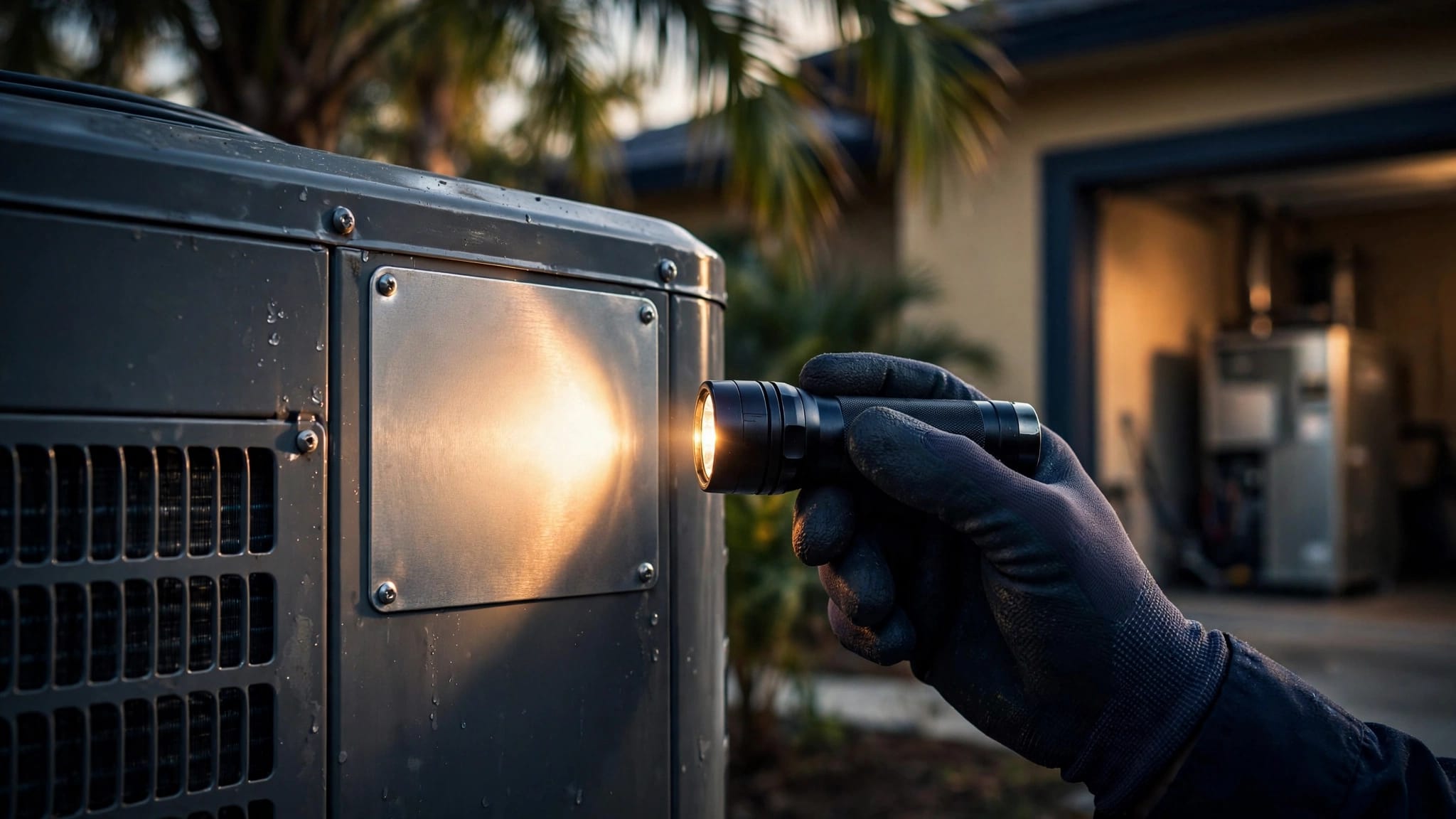
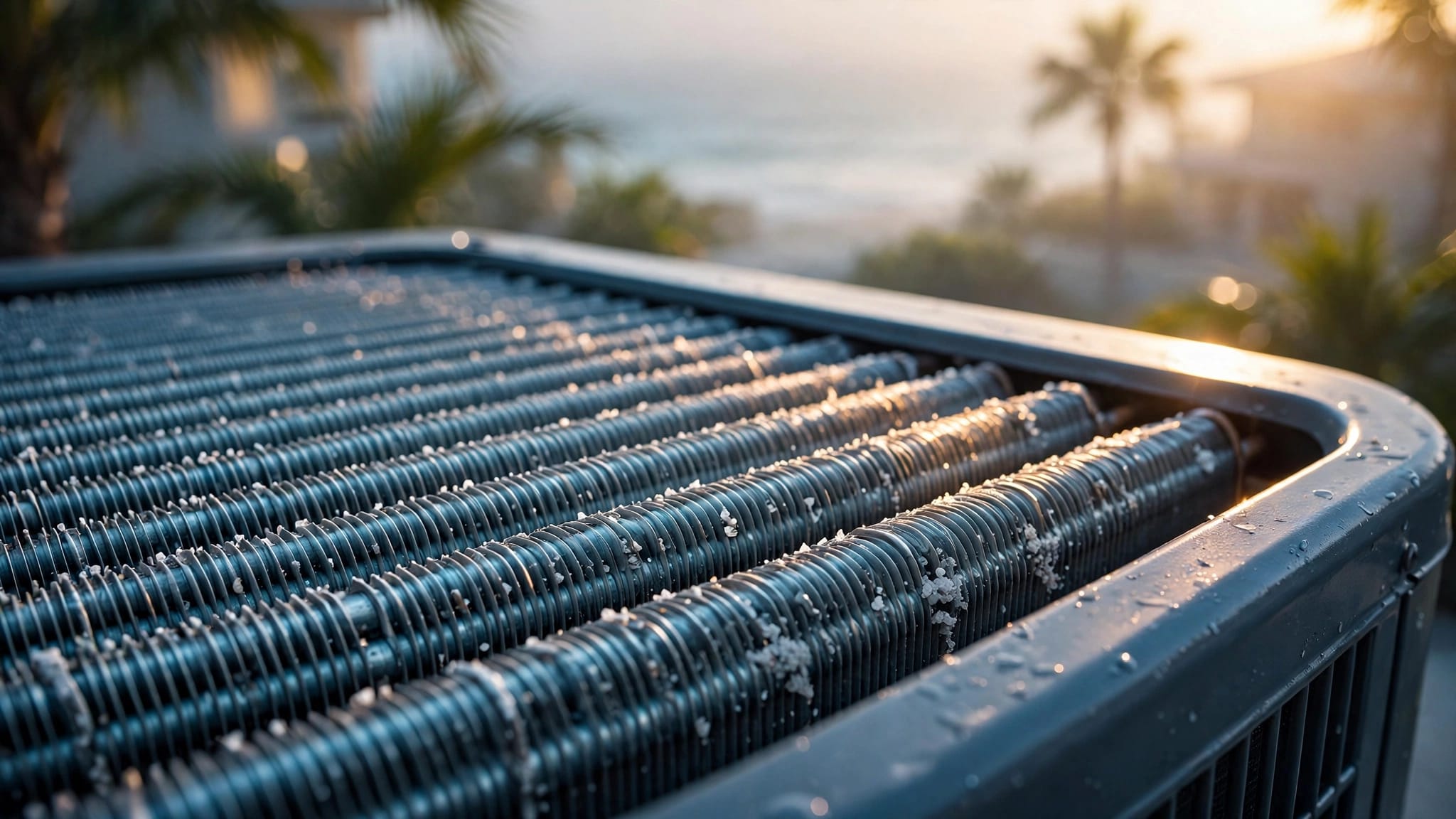
The outdoor unit and the breaker panel can tell you a lot without tools. Start outside, where leaves, grass clippings, and fence clutter can block airflow.
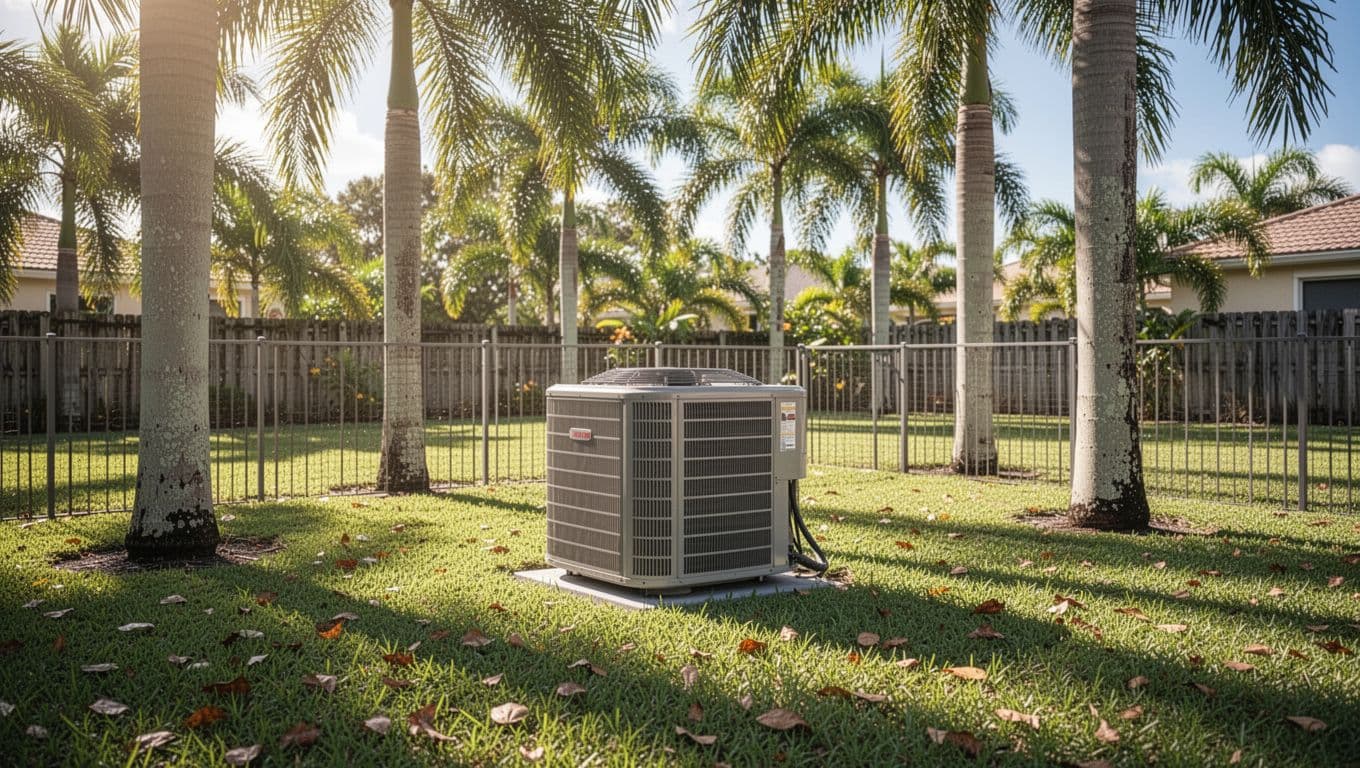
Do these checks in order:
- Clear loose debris from around the condenser.
- Make sure vines, mulch, or yard waste are not crowding the sides.
- Check whether the outdoor fan is trying to run when the system calls for cooling.
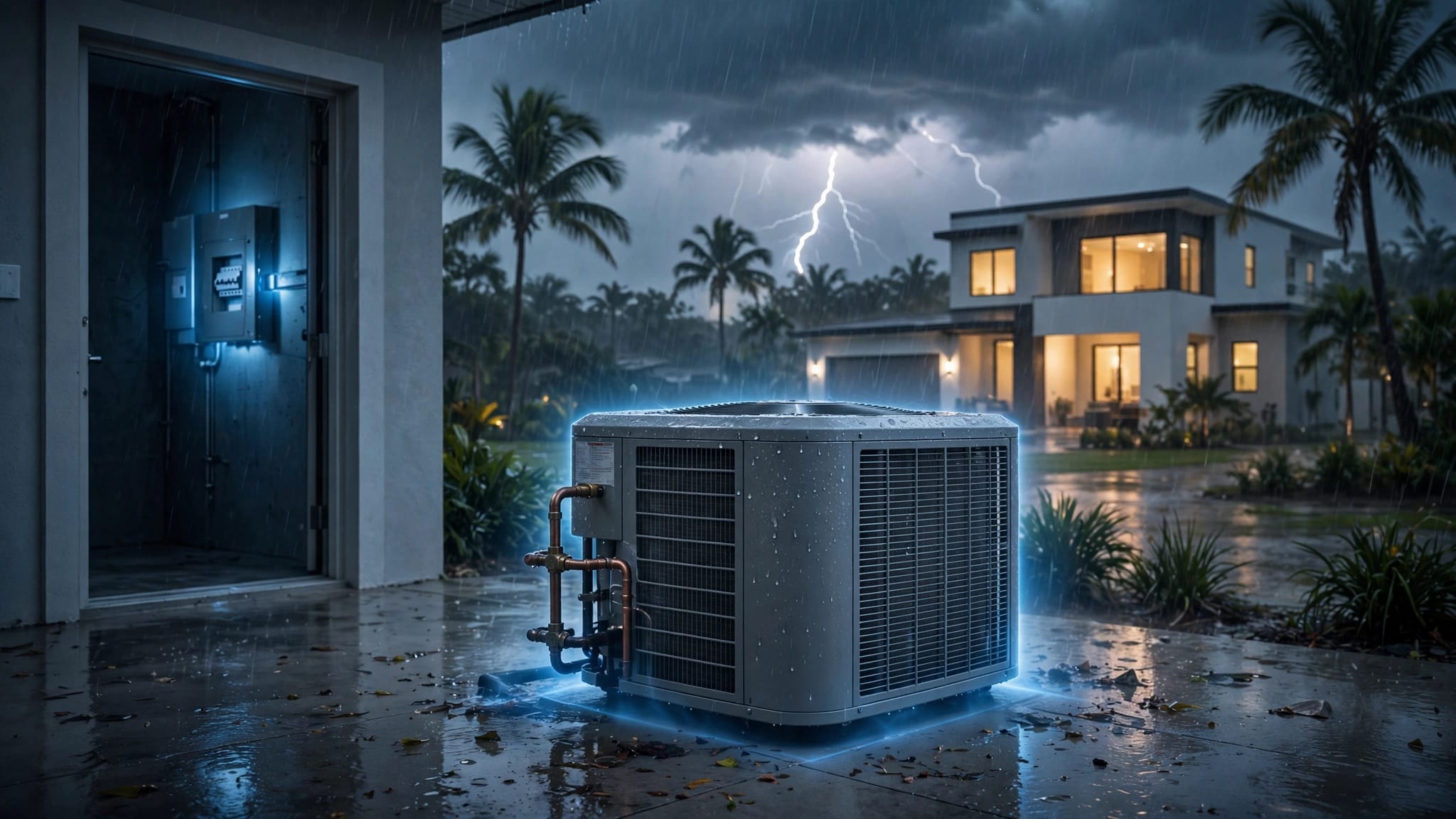
- Look at the breaker panel if the AC is completely off.
- Reset a tripped breaker once, then leave it alone if it trips again.
That last step matters. A breaker that trips twice points to a real electrical issue, not a one-time hiccup. Do not remove covers or touch wires.
Reset the breaker once. If it trips again, stop and call for help.
When that happens, 24/7 emergency AC service is the safer move, especially during a long hot stretch.
Watch for Signs That Need More Than a Basic Check
Some symptoms are red flags. Warm air, ice on the lines, water around the indoor unit, and loud metal noises usually point past a simple filter or thermostat fix.
If you suspect a refrigerant issue, AC refrigerant problems explains the warning signs. Refrigerant is sealed inside the system, so that is not a homeowner repair.
A quick comparison can help you sort the safe stuff from the urgent stuff.
| Symptom | What it can mean | What to do |
|---|---|---|
| Thermostat works, but the unit stays silent | Power issue, control issue, or a failed part | Check the breaker once, then call |
| Air feels weak or warm | Dirty filter, blocked coil, blower trouble, or refrigerant trouble | Replace the filter, then schedule service if it keeps happening |
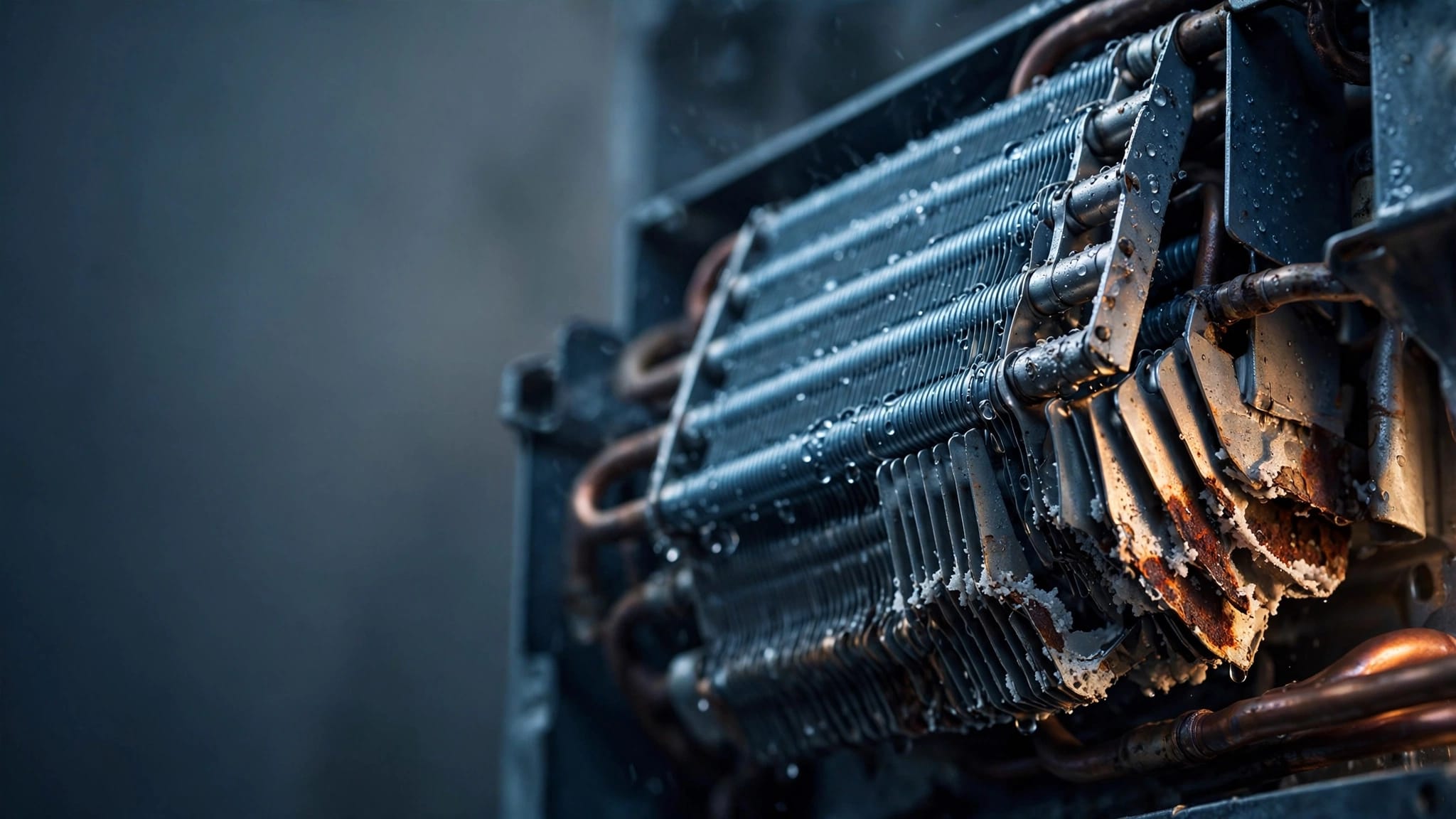
| Ice forms on the lines or indoor unit | Airflow problem or refrigerant problem | Turn the system off and let it thaw, then call |
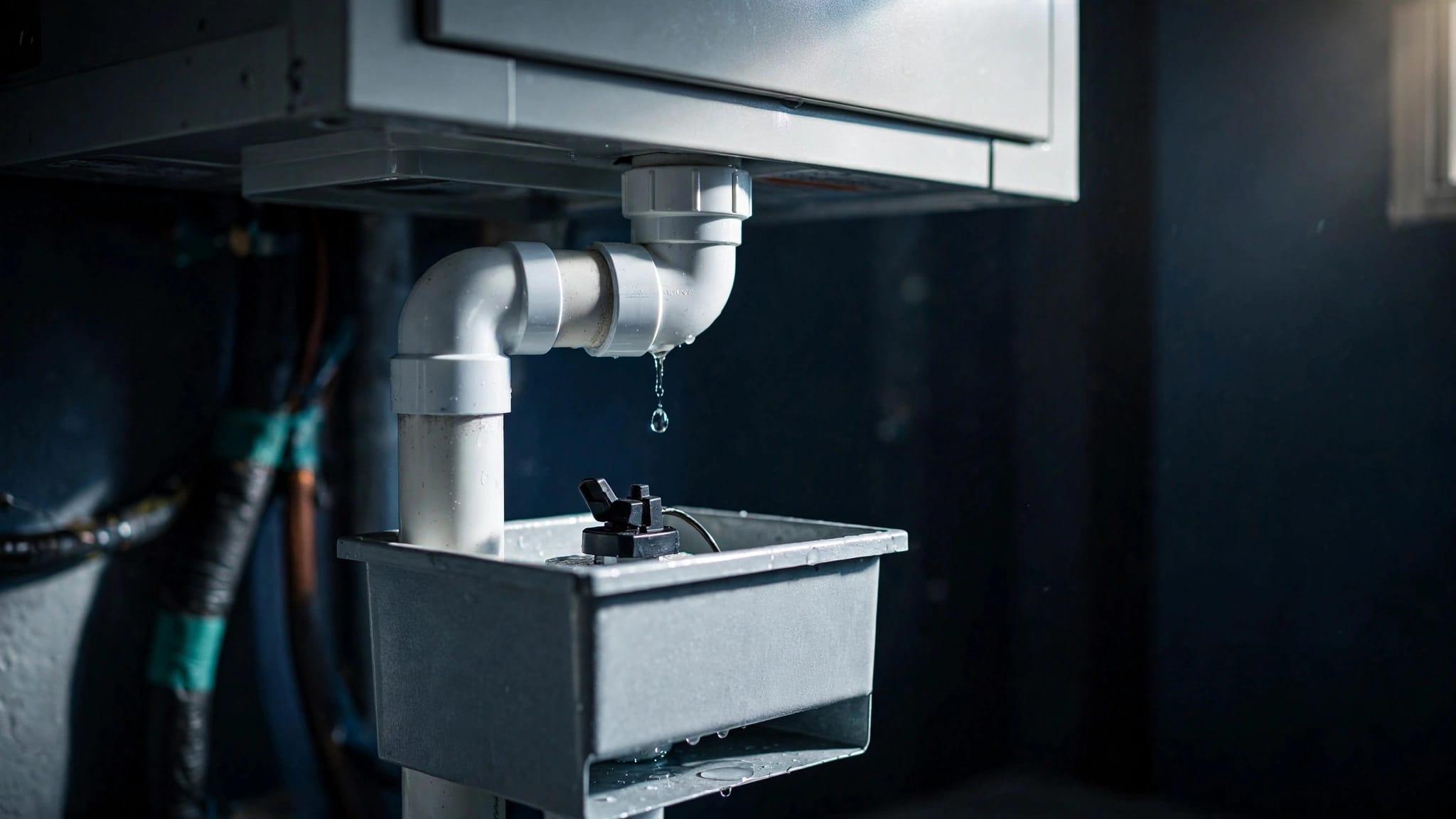
| Water pools near the indoor unit | Drain issue or frozen coil | Shut the system down if water spreads, then call |
| Burning smell or grinding noise | Electrical or motor problem | Turn it off and get help right away |
If the symptom stays after these checks, the next step is professional AC repair, not more guesswork. AC repairs in Cape Coral are the right fit when the trouble hides behind sealed parts, electrical controls, or the refrigerant circuit.
Know When to Call Right Away
In hot weather, waiting can make the problem worse. The AC may run nonstop, the home may get muggy, and the strain can push a failing part over the edge.
Call right away if you notice any of these:
- The breaker trips again after one reset
- The system blows warm air during peak heat
- Ice returns after the unit thaws
- You smell burning, melting plastic, or smoke
- Water keeps collecting around the indoor unit
- The thermostat responds, but the unit stays silent
If your checks do not solve the issue, use Contact Us to schedule a service call. A trained tech can test parts, check refrigerant safely, and find the real cause without guesswork.
When to Stop Checking and Call for Help
If the problem is a wrong thermostat setting, a dirty filter, a tripped breaker, or a blocked outdoor unit, those are safe homeowner checks. They often solve the issue fast.
If the AC still will not cool, or if you see ice, leaks, burning smells, or repeat breaker trips, professional repair is the right next step. That line matters even more in Cape Coral, where heat and humidity put steady pressure on the system.
Do the safe checks first. Then stop before sealed components, refrigerant, or electrical parts become part of the job.