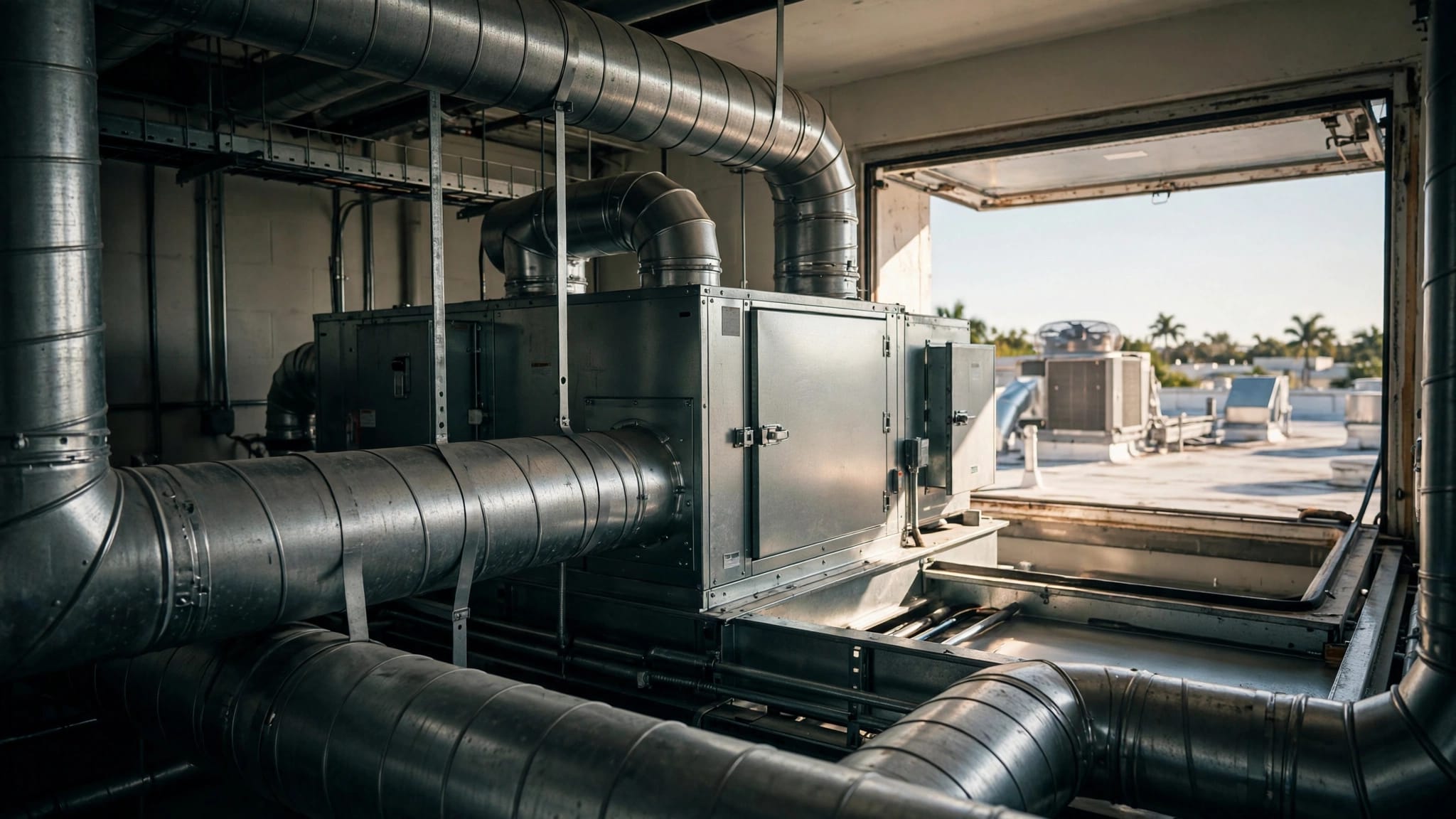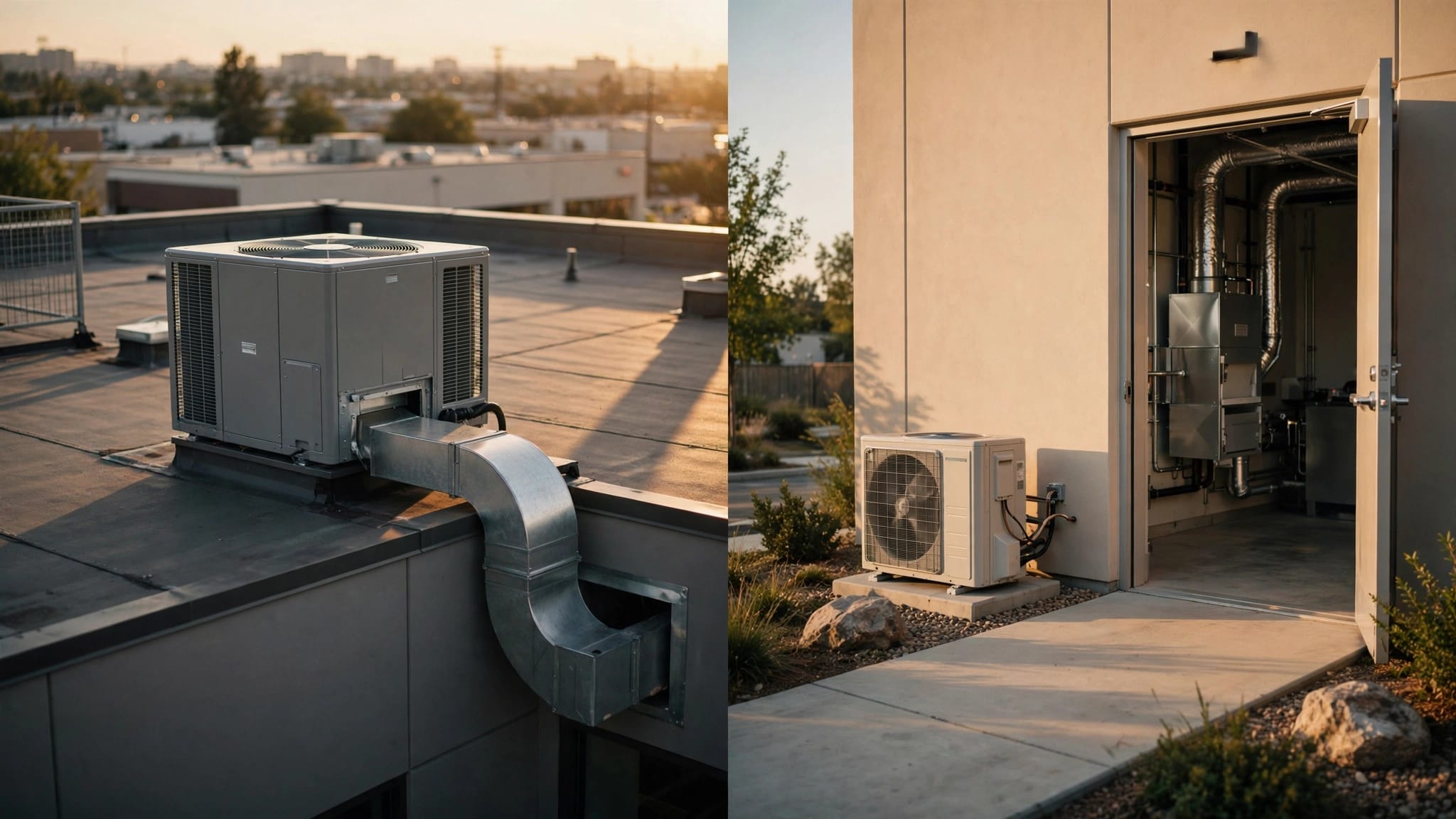
If you're trying to sort out a Cape Coral AC permit , the short answer is yes for most full replacements. A complete AC changeout usually needs a permit and a final inspection, while a small repair often does not.
That matters because the line between a repair and a replacement can be easy to miss. Swapping a capacitor is one thing. Replacing the condenser, air handler, or duct layout is another. When in doubt, check with the City of Cape Coral building department or a properly licensed HVAC contractor before work starts.
When an AC replacement needs a permit
For a homeowner, the safest rule is simple: if the job changes the system, plan on a permit. That includes a full AC replacement, most mini-split installs, and any ductwork changes tied to the project.
Here's a quick way to think about common situations:
| Situation | Permit usually needed? | What to expect |
|---|---|---|
| Full AC changeout | Yes | Mechanical permit and final inspection |
| Mini-split replacement or new mini-split | Yes | Mechanical permit plus a separate electrical permit |
| Small repair, like a capacitor or contactor | Often no | Usually handled as a repair, not a changeout |
| Duct changes or relocation | Usually yes | May need duct paperwork and a rough inspection |
The main takeaway is easy to remember. Repairs usually stay small. Replacements usually trigger the permit process.
A simple, same-for-same replacement is often the fastest case. Still, Cape Coral can ask for paperwork that matches the exact job. That keeps the installation tied to the right equipment, the right location, and the right inspection path.
What the permit process may involve

For a residential AC changeout, the permit application is usually filed through the city's online system. In many cases, the contractor handles that part. On a straightforward replacement, approval can move quickly.
The paperwork may include:
- The AC changeout application
- An HVAC data sheet with the equipment details
- A duct layout if the ducts are changing
- A Notice of Commencement for larger jobs, often when costs reach the city threshold
- Flood-zone paperwork if the home is in a regulated area
After that, the city schedules the inspection. For a simple replacement, the final inspection is the big one. If ductwork changes, a rough inspection may also come into play.
If the paperwork doesn't match the install, the inspection can stall. That's why the permit should be part of the job plan, not an afterthought.
The process is not meant to slow you down. It's there to confirm the system is installed safely and matches local code.
Who should pull the permit
In Cape Coral, a licensed HVAC contractor usually pulls the permit for a replacement. In some cases, an owner-builder can apply, but that route isn't the best fit for most homeowners. It puts more of the permit burden on you.
A good contractor will tell you who is handling each step before the work starts. That includes the application, inspection scheduling, and any follow-up if the city wants more documents.
If you're comparing bids, use what to look for in air conditioning quotes as a checklist. A solid quote should name the exact equipment, explain permit handling, and show whether duct or electrical work is included.
You can also review professional air conditioning installation services if you want a clearer picture of how a full replacement should be managed.
Common code issues that can slow the job
Most permit delays come from missing details, not from the replacement itself. Cape Coral reviewers want the job to match the paperwork and the property conditions.
Common trouble spots include:
- The equipment data sheet doesn't match the installed unit
- Ductwork changes were made without a layout
- A mini-split was installed without the needed electrical permit
- The home is in a flood zone and the extra documents were skipped
- The project cost reached the notice threshold, but the Notice of Commencement was never filed
These issues are usually fixable. Still, each one can add time and extra visits. That's frustrating when the old system is already out of service.
The best way to avoid delays is to get the details right before install day. The contractor should know what the city wants, and the paperwork should be ready before the crew starts.
Why skipping the permit can cost more later
Skipping a permit might seem like a way to save time. In reality, it can create a mess later.
A home sale can slow down if an inspector finds unpermitted AC work. Insurance questions can get harder too. If the city learns about the work later, you may have to open the permit retroactively, fix missing items, or pass an inspection after the fact.
That can turn a simple replacement into a longer, more expensive project. It can also leave you with a system that works today but causes problems when you need service or paperwork later.
If you want help with a replacement that stays on the right side of the rules, Contact Us to discuss the job before installation begins.
Conclusion
For most homeowners in Cape Coral, a full AC replacement does need a permit and inspection. Minor repairs often do not, but the line changes once the work becomes a true system changeout.
The smartest move is to confirm the current requirements before the old equipment comes out. That way, you avoid delays, code issues, and surprises when the inspection happens.