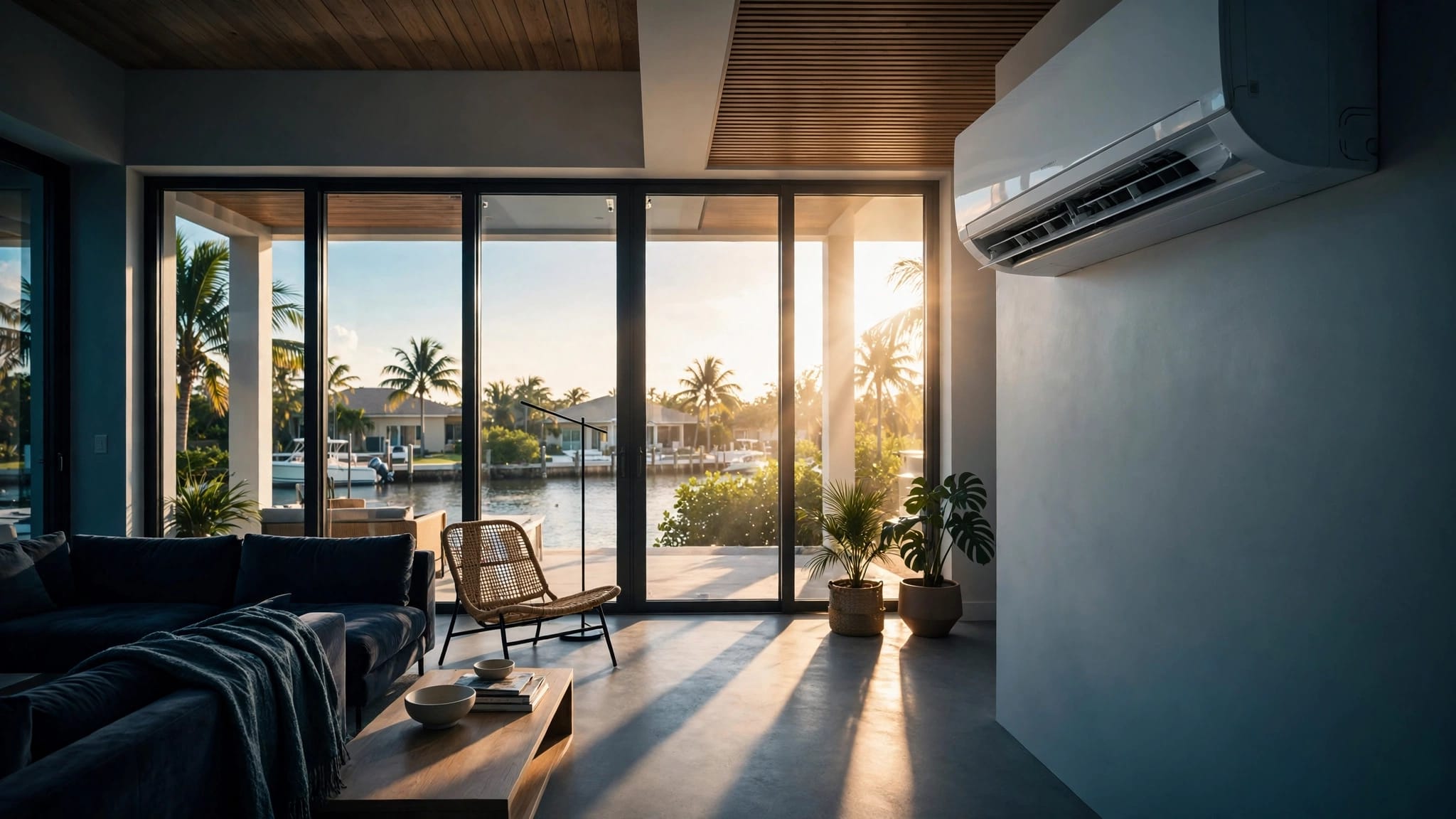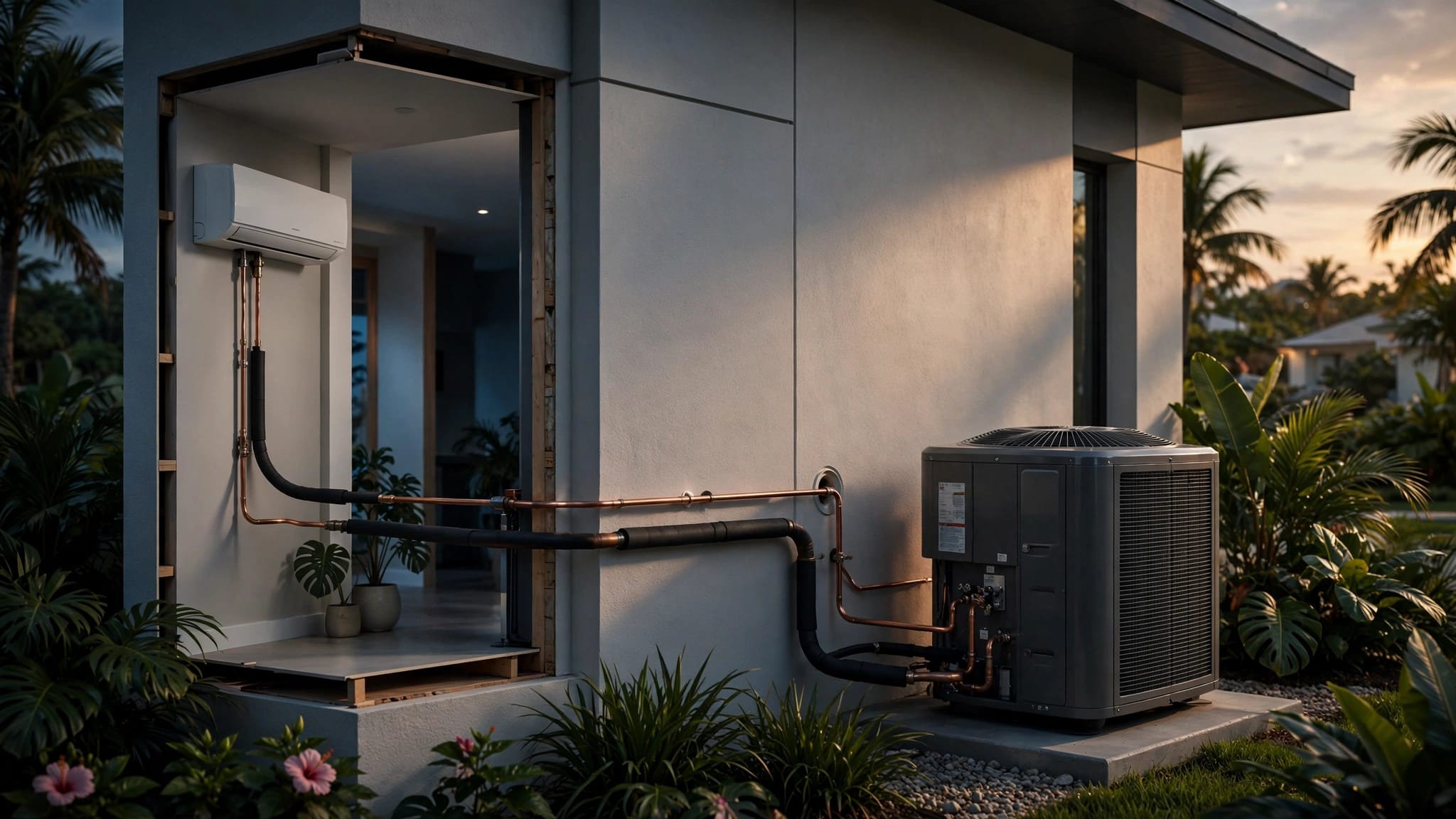
If your latest power bill made you do a double take, you're not alone. In Cape Coral, a sudden electric bill spike often comes from a cooling system that has been working harder than usual, higher humidity, pool equipment, or a rate change that gets buried in the total.
The tricky part is that not every jump means something is broken. Some increases are normal for Southwest Florida, especially when the heat hangs around and the AC runs almost nonstop.
The fastest way to make sense of it is to separate usage from billing. Once you do that, the cause usually gets a lot clearer.
Why Cape Coral bills jump so fast
Cape Coral homes live with a long cooling season. That means your AC does more work here than it might in many other places.
Humidity makes the job harder. Air conditioners do more than cool, they also pull moisture out of the air. When the air stays sticky for days, the system runs longer and uses more power.
In May 2026, LCEC's residential pricing adds another piece to the puzzle. The monthly customer charge is $20, and the energy rate moves by usage blocks. On top of that, the power cost adjustment is 1.959 cents per kWh right now. So if your home crosses into a higher usage block, the bill climbs faster than you may expect.
A good tune-up can help keep that climb in check. A Cape Coral AC tune-up is often the simplest way to catch worn parts, dirty coils, or airflow problems before they become a larger bill.
Humidity and long run times
When humidity rises, your thermostat may not change much, but your AC still works harder. The system can cool the air and still leave the house feeling damp, which makes people lower the thermostat even more.
That starts a loop. Lower temperature settings can create longer run times, and longer run times create higher bills. In a place like Cape Coral, that loop shows up fast.
Storm recovery and hidden loads
Storm season can also nudge the bill upward. After heavy rain or power disruptions, some homes run fans, dehumidifiers, portable AC units, or sump equipment for longer than usual.
Pool equipment can add to that load too. If your pool pump runs longer in hot weather, or if the timer drifts, it can eat power quietly in the background.
When your AC is the main suspect
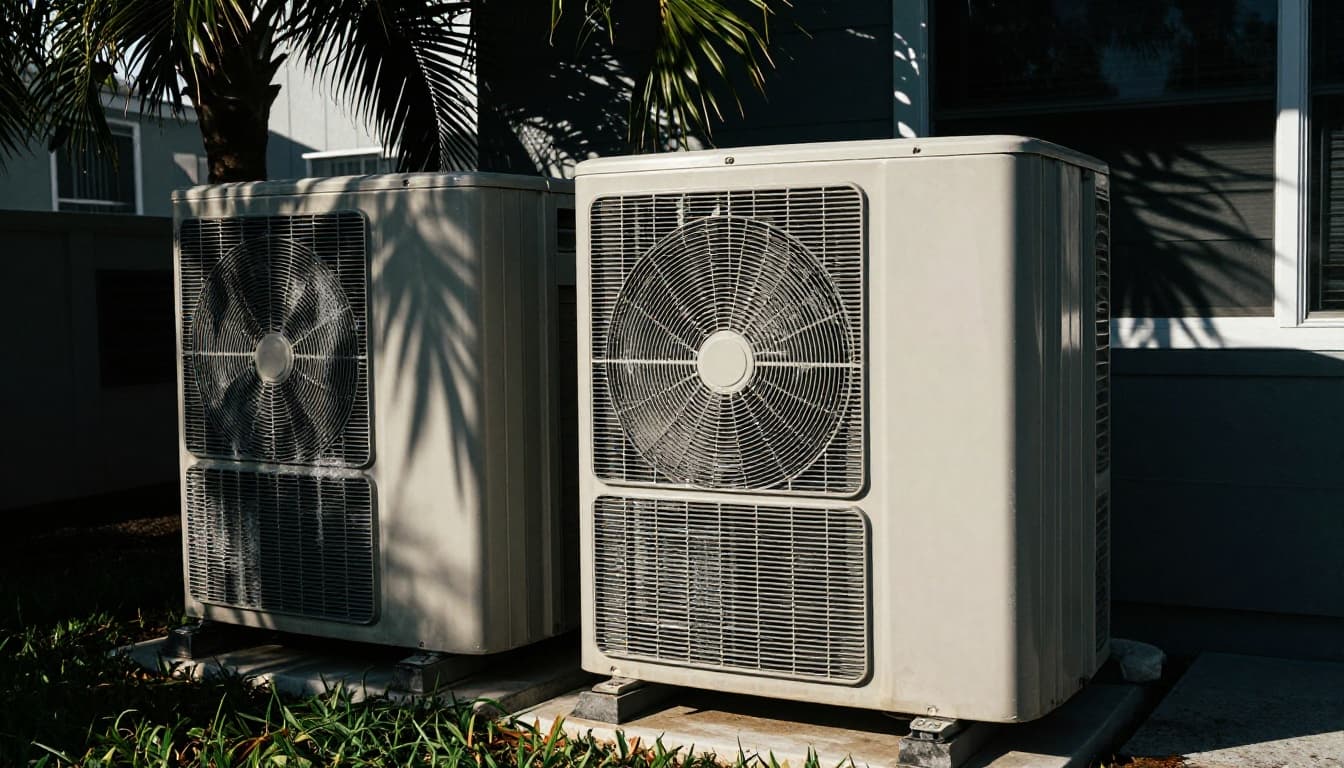
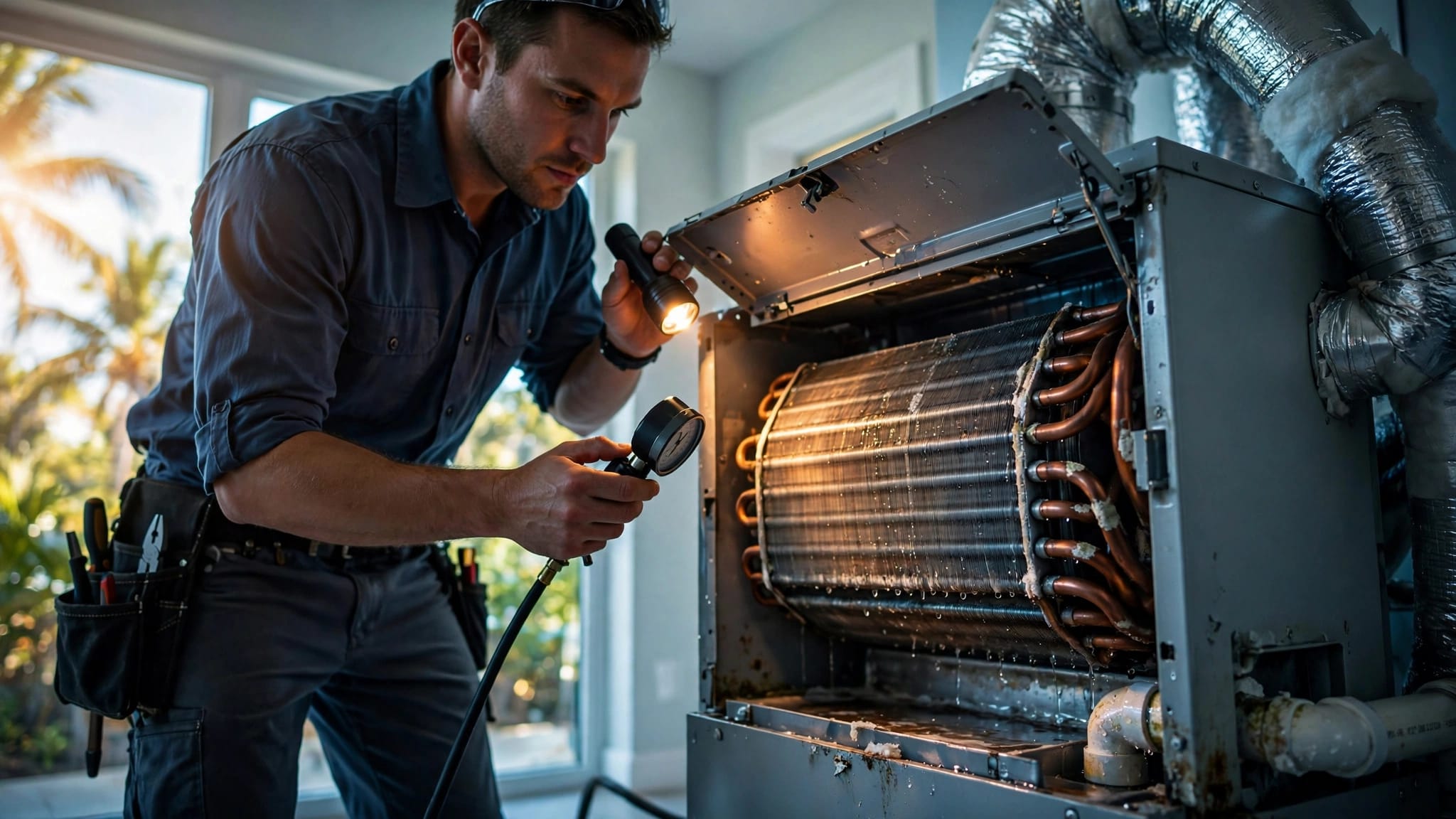
A stressed air conditioner often leaves clues. Warm air from the vents, weak airflow, ice on the lines, and short cycling are all signs that the system may be wasting power.
Dirty filters are one common cause. So are dirty coils, a failing capacitor, or low refrigerant. None of those problems sounds dramatic at first, but each one can make the unit run longer to do the same job.
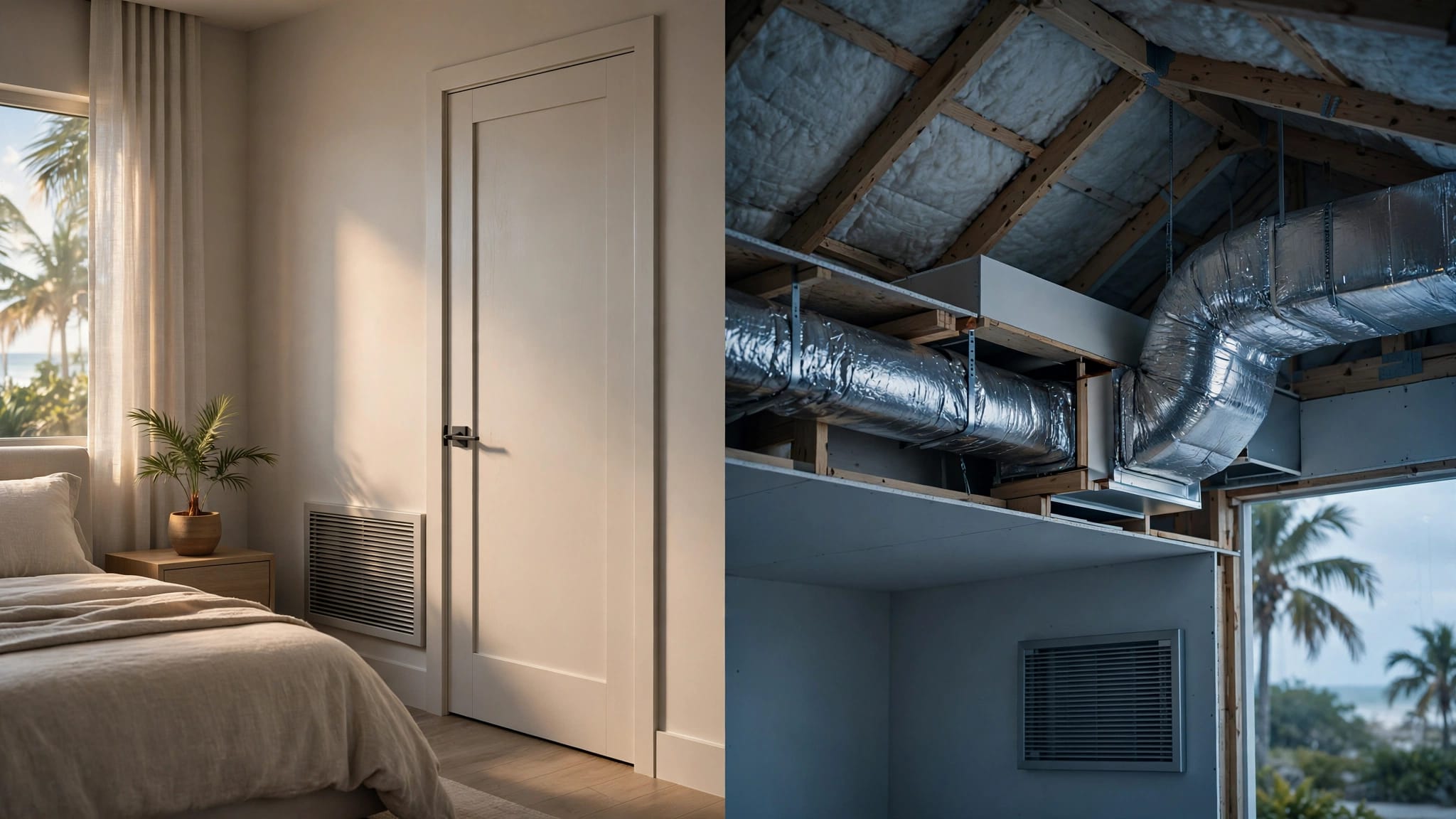
If the house feels uneven, one room cold and another hot, the issue may also involve the ducts. Ductwork repair in Cape Coral matters when cooled air is leaking into the attic, garage, or wall cavities.
If the AC is running almost nonstop, the problem is usually larger than a thermostat setting. It may be time for air conditioning repairs in Cape Coral.
Read the bill before you blame the house
A high dollar amount can hide two different stories. One story is higher usage. The other is a higher rate or a billing change.
The easiest place to start is the kilowatt-hour line. If your usage number jumped, you likely used more power. If the usage stayed about the same, the problem may be the fuel adjustment, a meter issue, or a billing correction.
Here's a simple way to sort it out.

Photo by Mikhail Nilov
| What you see on the bill | What it often means | What to check first |
|---|---|---|
| Kilowatt-hours jumped a lot | Seasonal AC use or a mechanical issue | Filter, thermostat, runtime, pool pump |
| Kilowatt-hours stayed close to normal, but dollars jumped | Rate change or fuel adjustment | PCA line, taxes, billing notes |
| Some rooms stay warm | Duct leak or airflow issue | Vents, returns, attic ductwork |
| AC runs nonstop or freezes | Cooling system problem | Call for service soon |
The big clue is the usage line. If that number did not change much, the bill is probably not telling an AC story alone.
If the kilowatt-hours stayed flat, the problem is likely billing or rate-related, not just a hotter house.
LCEC's current power cost adjustment matters here too. That monthly fuel add-on can move enough to make a normal summer bill feel like a surprise. If your usage is steady but the total jumps, compare this bill to the last few months before you panic.
Small changes that cut the next bill
The next bill is easier to control when you look for the biggest loads first. That usually means the thermostat, the filter, the pool pump, and the windows.
Try these simple checks before the next billing cycle ends:
- Raise the thermostat two degrees for a day and watch how long the system runs.
- Replace the air filter if it looks gray, bent, or clogged.
- Close blinds on west-facing windows in the afternoon.
- Check the pool pump timer and cut any extra run time.
- Make sure supply vents and return grilles are open and not blocked.
If the AC still struggles after those changes, look at maintenance next. A quick inspection can catch problems that hide in plain sight, and spotting AC problems early in Cape Coral homes can save you from a bigger jump next month.
Pool equipment, dehumidifiers, and other quiet power users
Some homes have one or two devices that pull more power than people expect. Pool pumps are a big one in Cape Coral.
Older single-speed pumps can run longer than needed. Even newer pumps can waste energy if the schedule is too long or the settings are off. If your pool stays clear with less runtime, the bill may drop faster than you think.
Dehumidifiers are another quiet culprit. After a storm or during a very wet stretch, they can run for hours. Portable AC units, garage freezers, and a second refrigerator can add up too.
A simple test helps here. Turn off one extra load for a full day and watch what changes. If the total use drops, you found part of the problem.
When to call a local HVAC pro
If the AC is icing up, making new noises, or blowing warm air, don't wait for the next bill. Those signs often point to a mechanical issue that will keep driving usage higher.
A qualified technician can check airflow, refrigerant, electrical parts, coil condition, and duct loss. That matters more than guessing, especially when the weather stays hot and humid.
If you want a local inspection, use Contact Us to set up service. A quick visit can tell you whether the spike came from normal summer demand, a failing part, or a problem with the bill itself.
Conclusion
A sudden electric bill spike in Cape Coral usually has a clear cause once you separate usage from rates. The AC, humidity, pool gear, and storm-related equipment are the most common places to look first.
Start with the kilowatt-hours, then compare that number to how your home was actually used. If the usage makes sense but the bill still looks wrong, the next step is a closer look at the AC, ductwork, and billing details.
The sooner you find the cause, the easier it is to keep the next bill from turning into another surprise.