Summer heat hits hard in Cape Coral. Your AC runs almost nonstop from April through October. But does a tune-up make sense, or is it just extra cost?
High humidity and salt air wear down systems fast here. A simple check can spot issues before they turn into breakdowns. Let's break down if it's worth scheduling one for your home.
Why Your AC Faces Extra Stress in Cape Coral
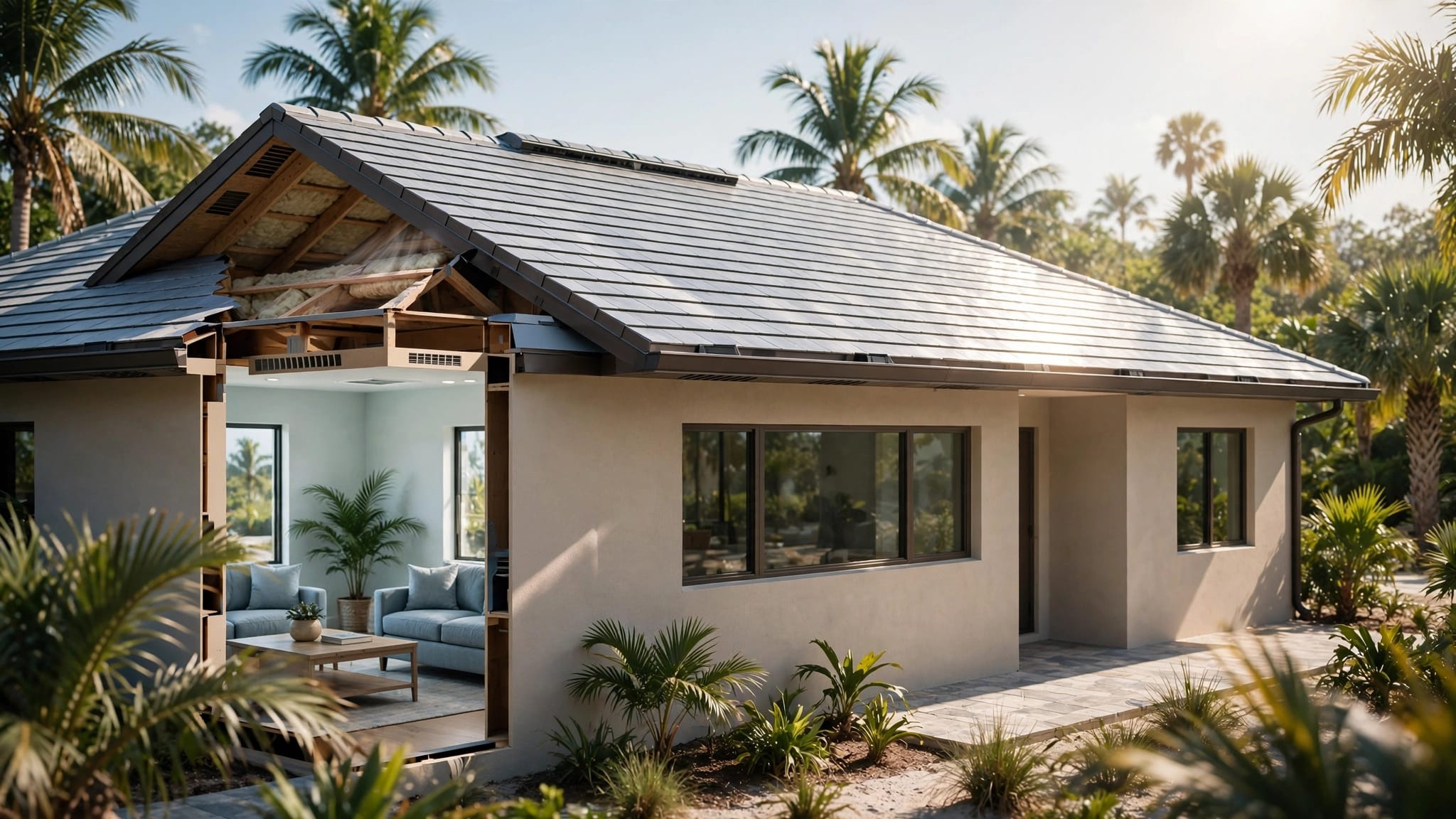
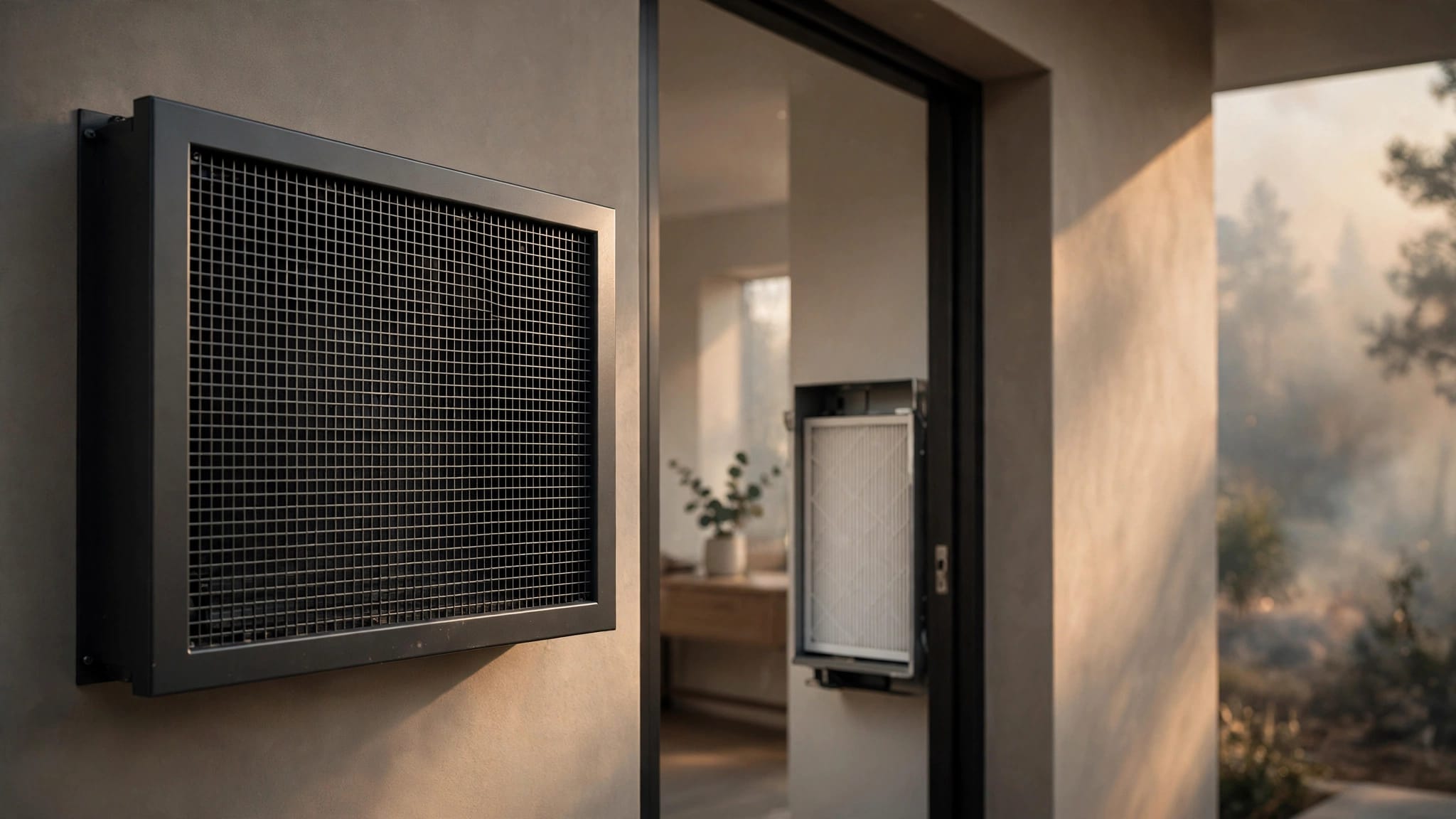
Cape Coral's coastal location means constant humidity above 70%. Salt from the Gulf air sticks to coils and fins. This buildup blocks airflow and causes corrosion.
Units here work harder than in drier areas. They cycle on for 8 to 10 months yearly. Heat indexes over 100 degrees push compressors to the limit. Dirty filters or low refrigerant make matters worse.

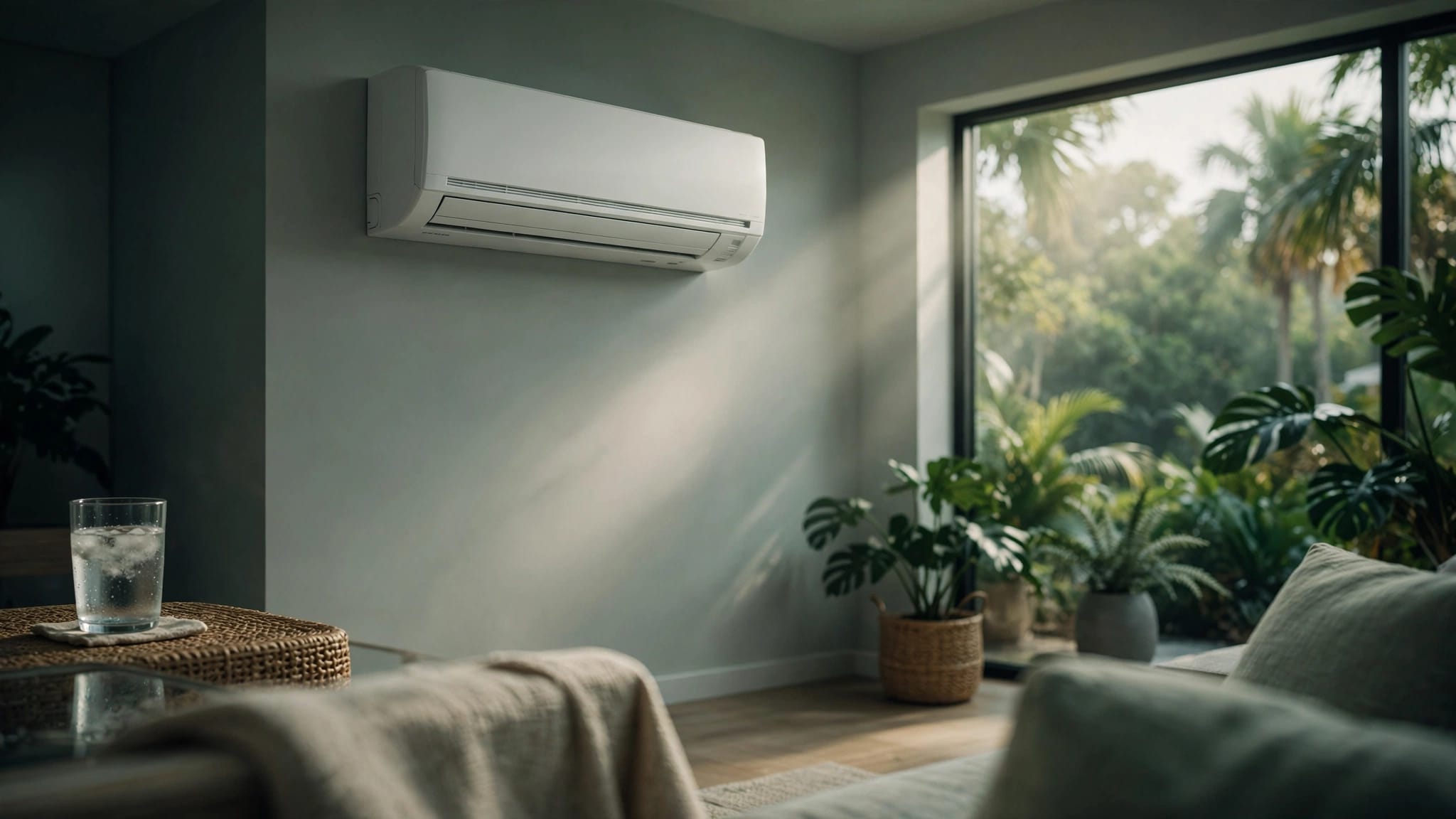
As a result, efficiency drops. You pay more on bills while comfort suffers. Indoor air feels muggy even at 75 degrees. Regular care fights back against these local challenges.
What Happens During a Professional AC Tune-Up
Techs start with a full visual check. They inspect coils, fans, and electrical parts for wear. Next, they clean evaporator and condenser coils to remove salt and dirt.
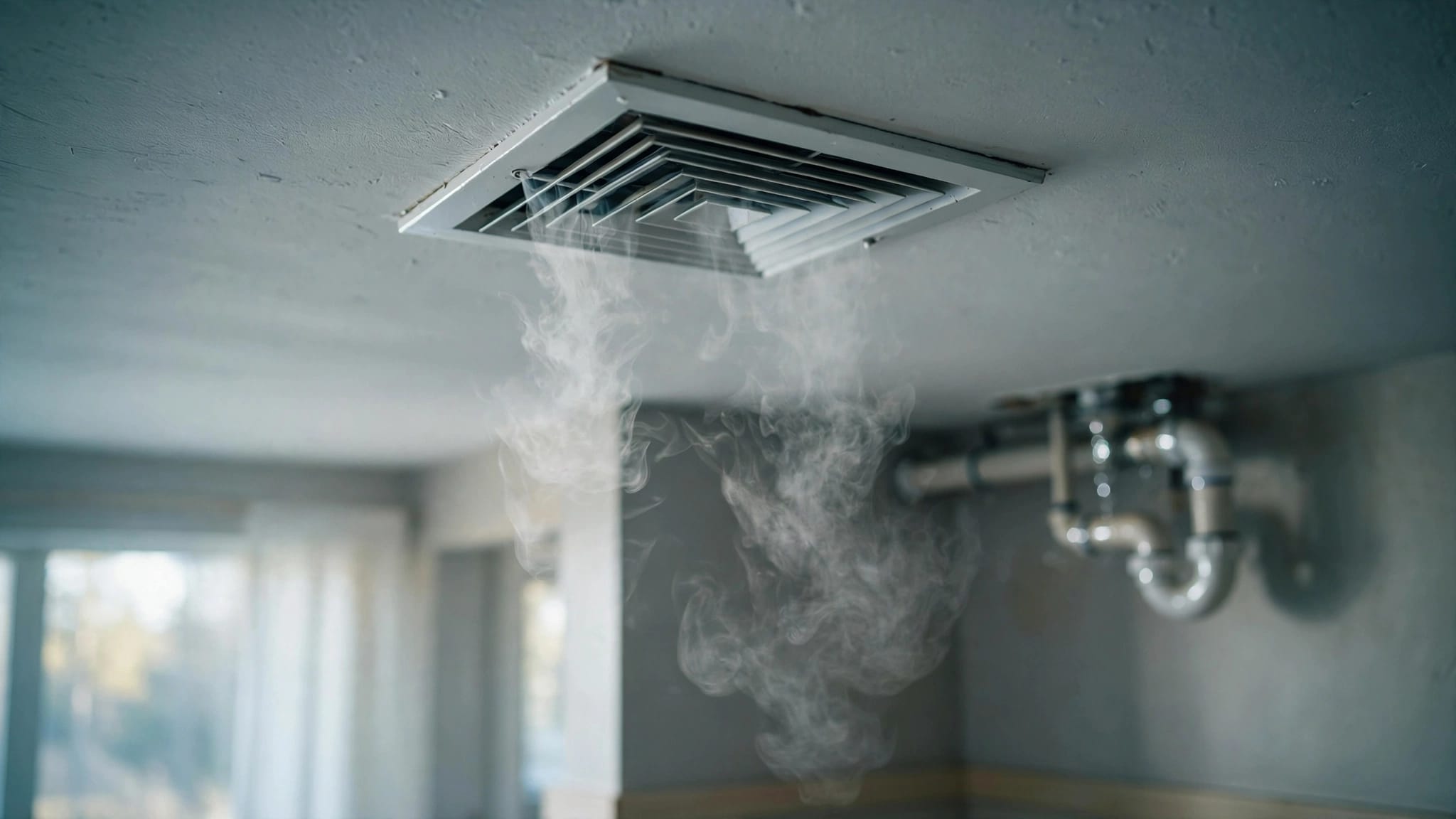
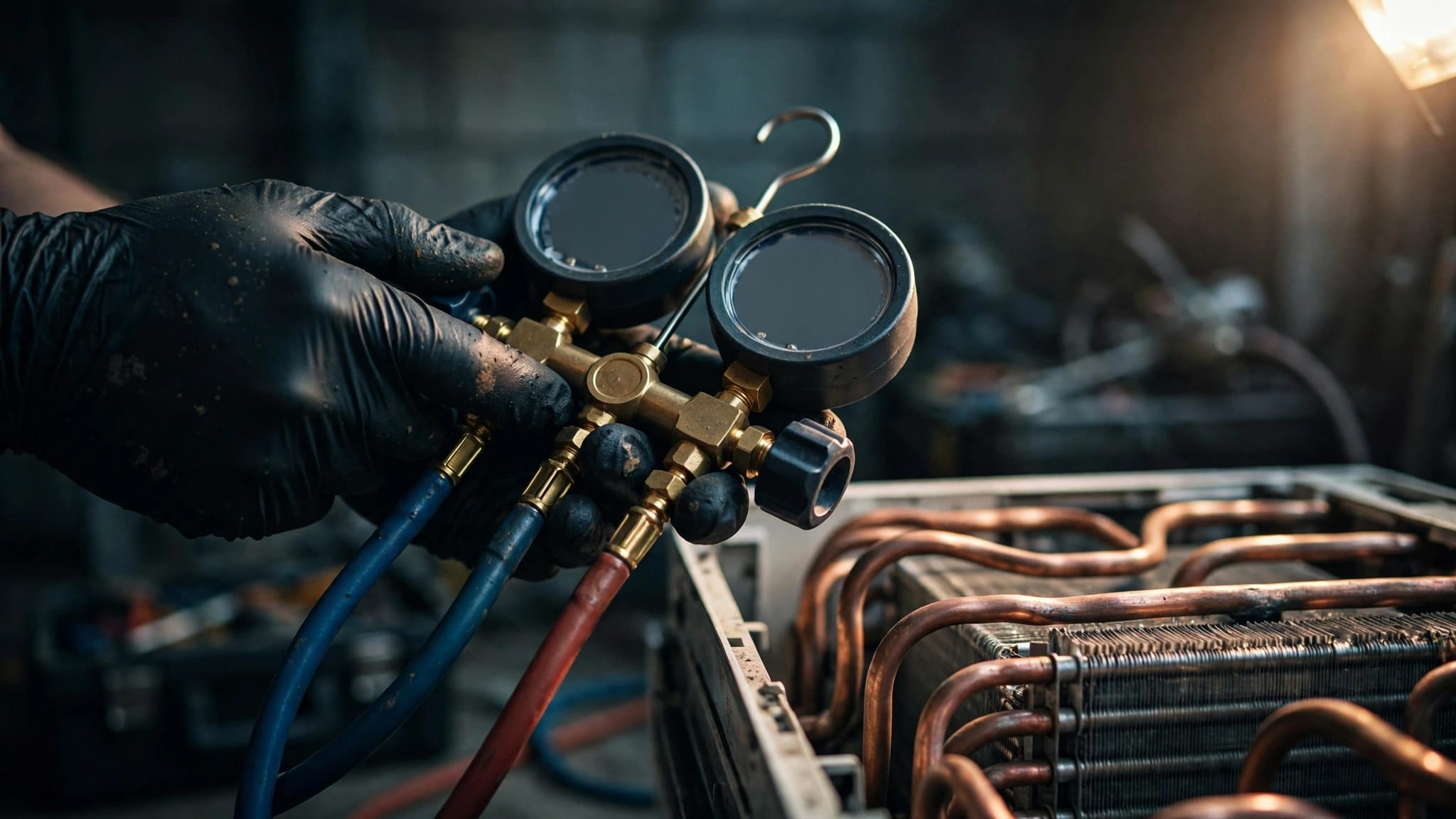
They test refrigerant levels and top off if needed. Drain lines get flushed to prevent clogs from humidity. Belts tighten, and capacitors check for failure.

Filters change or clean. Thermostats calibrate for even cooling. The whole process takes 1 to 2 hours. EPA-certified pros ensure safety and peak performance.
Benefits That Pay Off for Local Homeowners
Tune-ups boost efficiency by up to 15%. Clean systems use less power, so your bills drop $30 to $50 monthly. That's real savings over a long season.
Lifespan extends 3 to 5 years with twice-yearly service. Coastal corrosion slows down. Breakdowns during peak heat become rare.
Humidity control improves too. Proper dehumidification keeps levels under 60%. This stops mold growth and enhances air quality. Fewer allergens circulate, so breathing stays easier.
Reliability shines in summer storms. Early fixes prevent total failures. You avoid sweltering nights or hotel stays.
For more on how long AC units last in Cape Coral, check local factors like these.
Real Costs and When It Saves Money
Expect $75 to $200 for a tune-up here. Average hits $100 to $150. Promotions sometimes drop it lower, like new-customer deals.
Compare that to repairs. A clogged drain runs $150 to $300. Compressor fixes top $1,500. Emergencies in July? Add service fees.
Savings add up. Lower energy use pays back the cost in months. Prevention beats reactive fixes every time.
However, balance it with your unit's age. See our post on 7 telltale signs your AC needs maintenance in Cape Coral for red flags.
Know When to Tune-Up or Replace
Tune-ups suit units under 12 years old. They run smooth after service. Annual or bi-annual checks keep them going.
Replace if over 15 years. Repairs cost more than value added. Efficiency below 10 SEER means high bills forever.
Compressor failure signals end times. Multiple issues pile up fast. New high-efficiency models qualify for rebates and cut costs long-term.
Get a free diagnostic first. Pros assess if service revives it or replacement fits better. For Cape Coral air conditioning services, start there.
Key Takeaways
AC tune-ups in Cape Coral deliver clear value. They cut bills, extend life, and ensure reliable cooling against heat and humidity. Skip them, and risks rise.
Your home stays comfortable year-round. Schedule before peak season hits. Contact Us for fast service from local experts.
Invest now. Enjoy peace through the next humid summer.