A new roof can change how much heat enters your home, but it doesn't automatically mean you need a different air conditioner. The effect depends on the roof's surface and the entire attic assembly , including insulation, ventilation, and air sealing.
In Southwest Florida, even a comfortable temperature can feel unpleasant when indoor humidity is high. After a roof replacement, the most useful next step is to look for changes in comfort and AC operation before making equipment decisions.
How a New Roof Changes Indoor Heat Gain
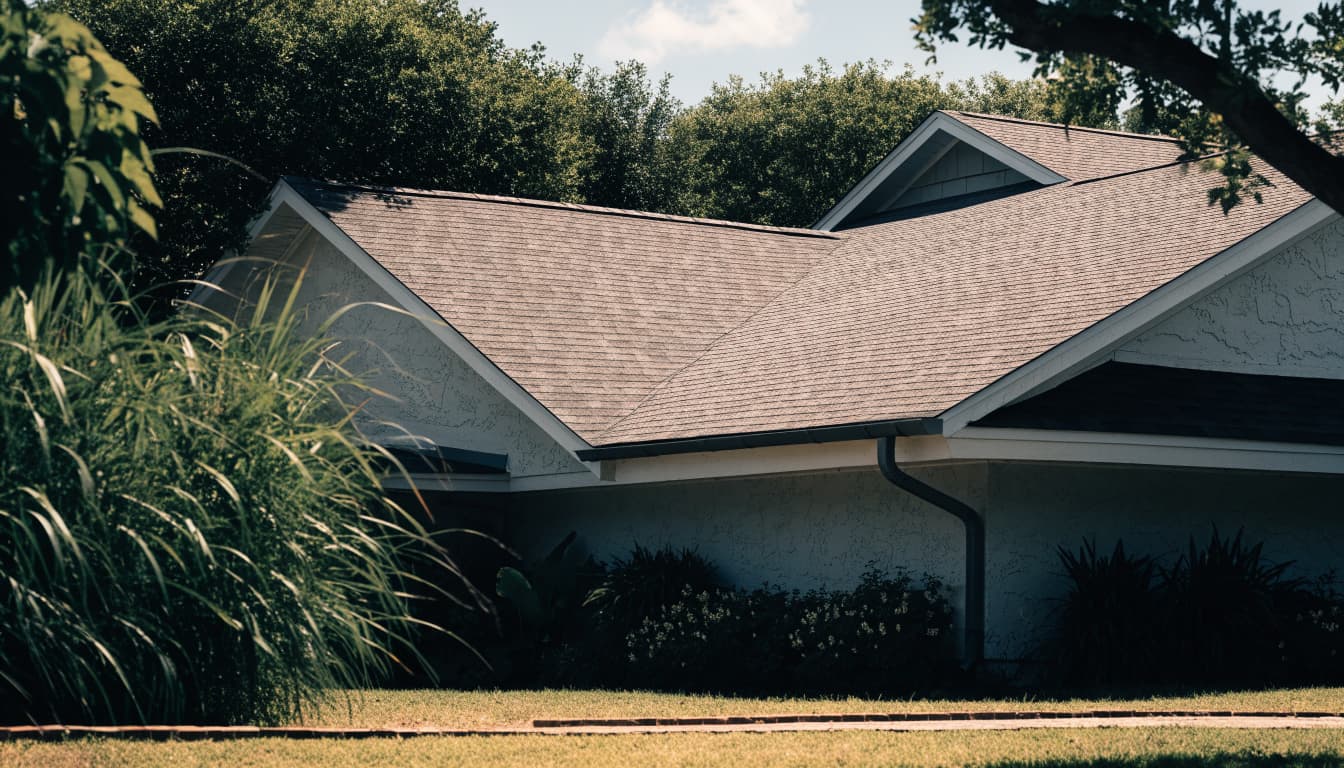
Sunlight heats the roof, and some of that heat can move into the attic and toward the rooms below. A replacement can change that process, although the difference inside depends on more than the roofing surface.
Roof color and solar reflectance
Roof color and its surface coating affect how much sunlight the roof absorbs or reflects. A more reflective surface absorbs less solar energy, which can reduce heat entering the attic.
Color alone doesn't tell the whole story. Pigments and coatings also affect reflectance, so two roofs with a similar appearance may perform differently.
Roofing material and heat transfer
Roofing products differ in how they absorb, store, and release heat. Their effect on your AC also depends on the roof assembly underneath and the insulation separating the attic from your living space.
A change in roof material may make a difference, but it doesn't establish a predictable reduction in your electric bill or the AC capacity your home needs.
Insulation and Air Sealing Limit Heat Gain
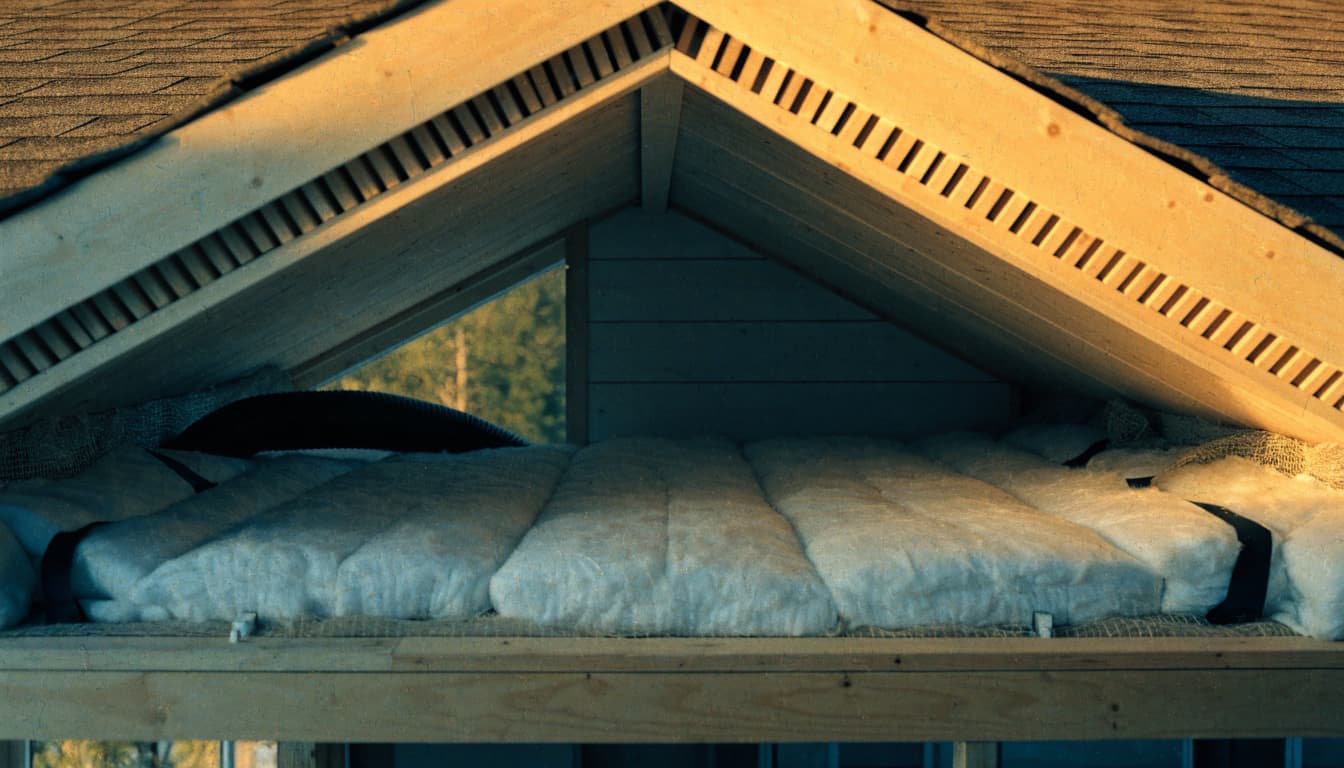
The roof surface is only one part of the barrier between a hot attic and your home. Insulation slows heat transfer, while air sealing reduces unwanted movement through gaps.
Insulation slows heat moving indoors
In a vented attic, insulation often sits on the attic floor above the ceiling. Gaps, compressed sections, or wet insulation can reduce its effectiveness. Wet material also deserves attention because it may point to a roof leak or another moisture problem.
Roof replacement doesn't necessarily include an insulation upgrade. If the attic work changed, how attic insulation affects AC performance can help you understand its role in cooling.
Air sealing reduces leaks
Openings around an attic hatch, plumbing penetrations, and ceiling fixtures can allow conditioned air to escape and hot, humid attic air to enter. Sealing these gaps can help the AC maintain a more stable indoor environment.
The materials and methods matter around wiring and recessed lights. A qualified professional can address those areas safely and avoid covering components that need clearance.
Ventilation and Ducts Affect Attic Performance
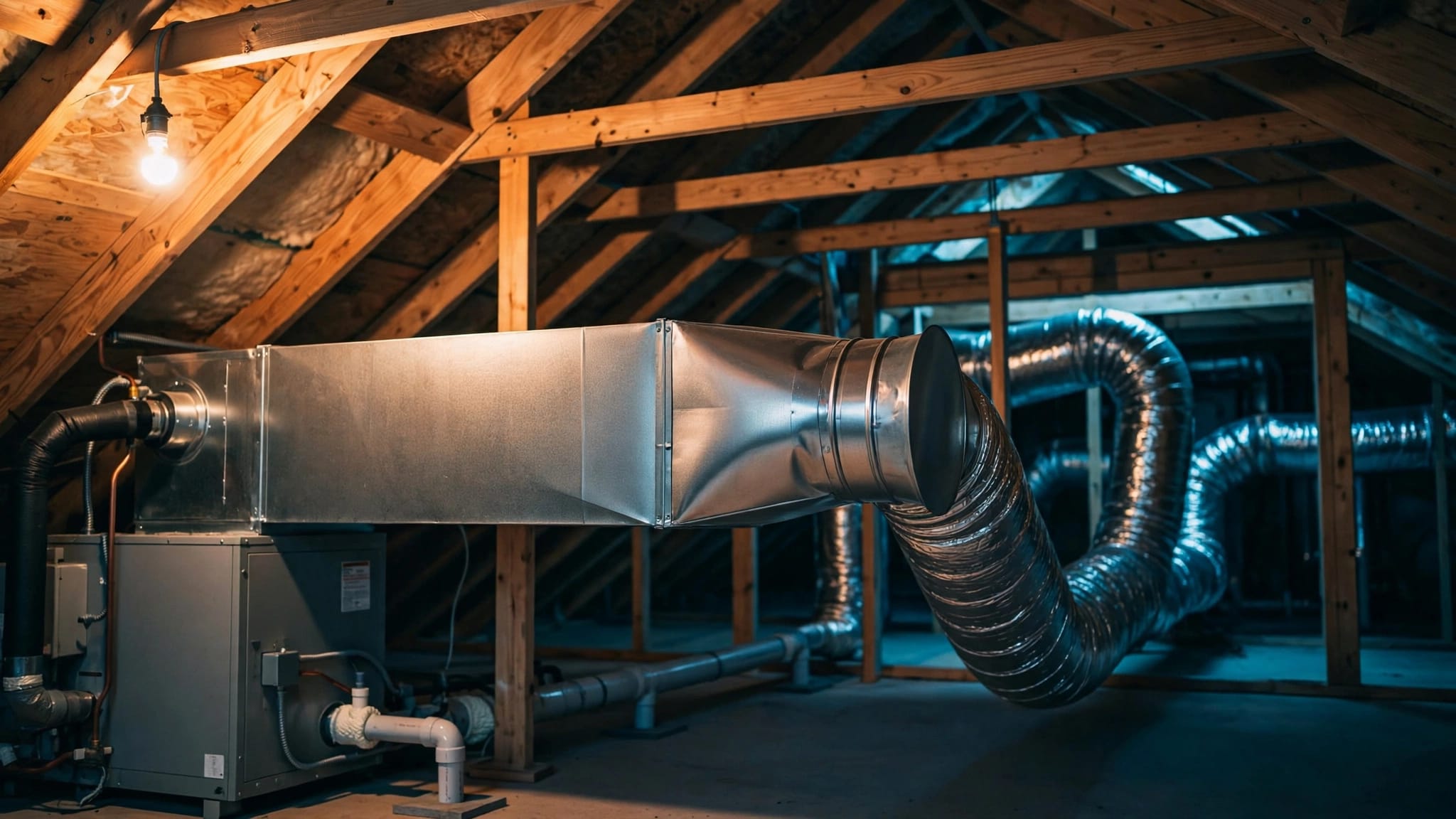
Attic ventilation can help remove heat and moisture when the attic is designed to use it. Intake and exhaust openings need a clear, balanced path. More ventilation alone won't fix missing insulation or air leaks at the ceiling.
Some homes have an unvented attic with insulation along the roofline. That design works differently from a vented attic with insulation on the floor, so adding vents without considering the whole assembly can cause problems.
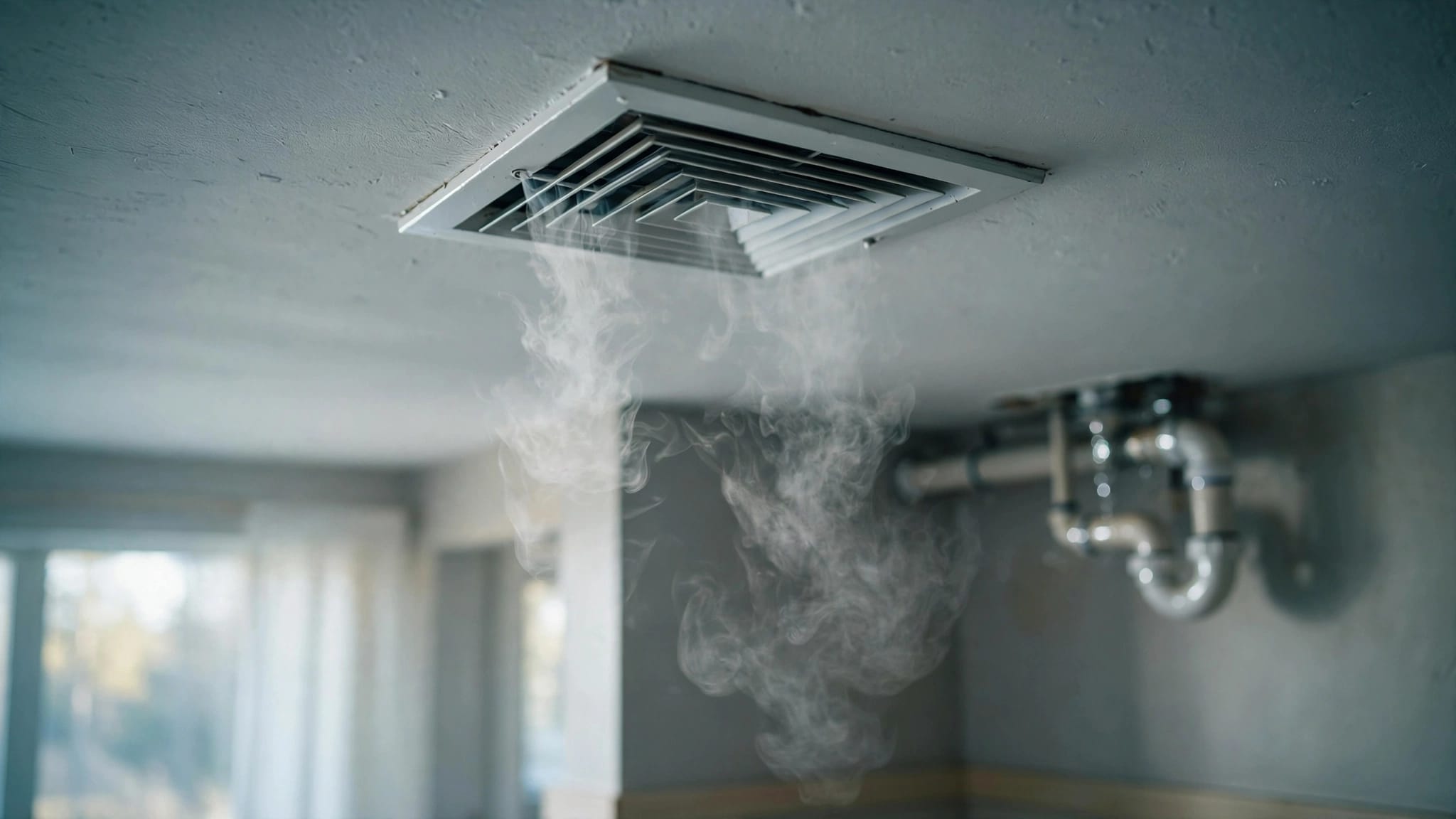
Ducts also matter. In a hot attic, damaged duct insulation lets heat reach cooled air. Leaky return ducts can draw in hot, humid attic air. If rooms became uncomfortable after roof work, a duct inspection can help identify whether a connection or insulation was disturbed.
How to Tell Whether Your Cooling Needs Changed
A roof replacement doesn't come with a built-in way to measure the change in your cooling load. You can still look for useful patterns in your home's performance.
Compare comfort and AC operation
During similar outdoor weather, note the thermostat setting, indoor temperature, and rooms that feel warmer than others. If you have a thermostat that records runtime, compare its cooling hours before and after the work.
Also watch for frequent short cycles or a home that feels damp even when it reaches the thermostat setting. Those signs can point to an equipment or airflow issue, although they don't prove the roof caused it.
Review humidity and energy use
An inexpensive indoor hygrometer can show whether humidity is consistently higher or lower under similar conditions. Compare readings at the same location and time of day.
Your electric bill is another clue, especially if it shows daily electricity use. Weather, household activity, and thermostat settings can all change the total, so one lower bill doesn't establish how much the roof saved.
When to Reassess AC Size
If your system cools well and controls humidity, a new roof alone isn't a reason to replace it. A system that struggles to keep up, cycles frequently, or leaves rooms damp deserves an inspection before you assume its size is wrong.
Airflow restrictions, duct leaks, and equipment problems can all affect comfort. A technician can assess those issues alongside any changes made to the roof or attic.
When it's time for replacement, a Manual J load calculation accounts for the home's current insulation, windows, air leakage, and other heat sources. The old unit's tonnage may no longer fit, and it may not have been right when installed.
An oversized AC can cool quickly without running long enough to remove adequate moisture. An undersized unit may run for long periods and still struggle on hot days. Our guide to AC sizing for Cape Coral homes explains those tradeoffs.
Equipment selection also matters after the load calculation. Manual S equipment selection matches equipment performance to the home's needs rather than relying on nominal tonnage alone.
A New Roof Is One Part of the Cooling Picture
A roof replacement can change heat gain, but insulation, air leaks, ducts, and humidity all influence how your AC performs. Track comfort under similar conditions, and use a whole-home evaluation to guide any replacement decision.
If your home feels hotter or more humid after roof work, Contact Us to schedule a service call. We offer service around the clock.