A new AC system can feel disappointing on the first muggy afternoon if it cools fast but leaves the house damp. For Florida homeowners, Manual S equipment selection helps prevent that outcome by matching replacement equipment to how the home actually gains heat and moisture.
The old system's tonnage and your home's square footage offer only rough clues. A sound replacement decision considers the calculated load, Florida design conditions, ducts, airflow, humidity needs, and a certified equipment match.
Manual S Equipment Selection Starts With Manual J
Manual J and Manual S work together, but they answer different questions. Skipping the first step can make the second one little more than a guess.
Manual J calculates the home's cooling load
ACCA Manual J calculates how much cooling a home needs under local design conditions. It accounts for window area and direction, insulation levels, roof construction, wall exposure, air leakage, occupants, appliances, and more.
A west-facing room with large glass can need far more cooling than a shaded room of the same size. Likewise, a renovated home with better insulation may need less capacity than it did when the old unit went in.
The calculation produces a total cooling load and separates the sensible and latent portions. Those results give the equipment selector a reliable target.
Manual S chooses equipment for that load
Manual S equipment selection uses the Manual J results to choose a system with suitable delivered capacity at the expected outdoor and indoor conditions. It considers the outdoor condenser or heat pump, the indoor coil or air handler, blower performance, and operating airflow.
Nominal size alone does not tell the full story. A "3-ton" system can deliver different capacities based on the matched indoor equipment, refrigerant, airflow setting, and conditions outside.
Florida permitting guidance can require sizing calculations during a replacement. A professional proposal should show more than a tonnage recommendation. It should connect the home's load calculation to the proposed model numbers and selection data.
Square Footage Cannot Pick the Right AC Size
Square footage is easy to quote, which is why it appears in casual sizing rules. However, it can't measure solar gain, leaky ducts, ceiling height, attic insulation, or moisture entering the home.
Two similar homes can need different systems
A 1,800-square-foot home in Cape Coral may have a different cooling load than another home across town with the same floor plan. One may have hurricane-rated low-e windows, a tighter envelope, and shade trees. The other may have older glass, more west exposure, and an attic that runs hot.
Previous system size also deserves a careful look. A contractor may find that the old system was oversized, undersized, poorly installed, or paired with ductwork that restricted airflow. Replacing it ton for ton can repeat the same comfort problem for another decade.
A unit that ran poorly is not proof that its capacity was wrong. Duct leakage, refrigerant charge, airflow, and equipment matching can all affect comfort.
Design conditions make the selection real
Manual J relies on a defined indoor target and local outdoor design weather data. Manual S then checks equipment performance at those conditions, rather than relying on an idealized rating point.
Ask what indoor temperature and humidity conditions the selection assumes. You should also ask whether the contractor used local weather data that fits your Southwest Florida location. Cape Coral, Fort Myers, Naples, and inland areas can have different site conditions that matter during peak heat.
Sensible and Latent Capacity Both Matter in Florida
Air conditioning has two jobs in a humid climate. It lowers air temperature, and it removes moisture. A comfortable thermostat setting means less when indoor humidity remains high.
Sensible capacity lowers the temperature
Sensible capacity is the cooling that drops the room temperature. It handles heat from sunlight, appliances, people, lights, and warm outdoor air that enters through gaps.
Manual S equipment selection checks whether the unit can meet this sensible load at the required conditions. Yet a system chosen only for sensible cooling can miss the moisture side of Florida comfort.
Latent capacity removes indoor moisture
Latent capacity condenses water vapor on the evaporator coil. That process lowers humidity, helps rooms feel more comfortable, and reduces conditions that can encourage mold growth.
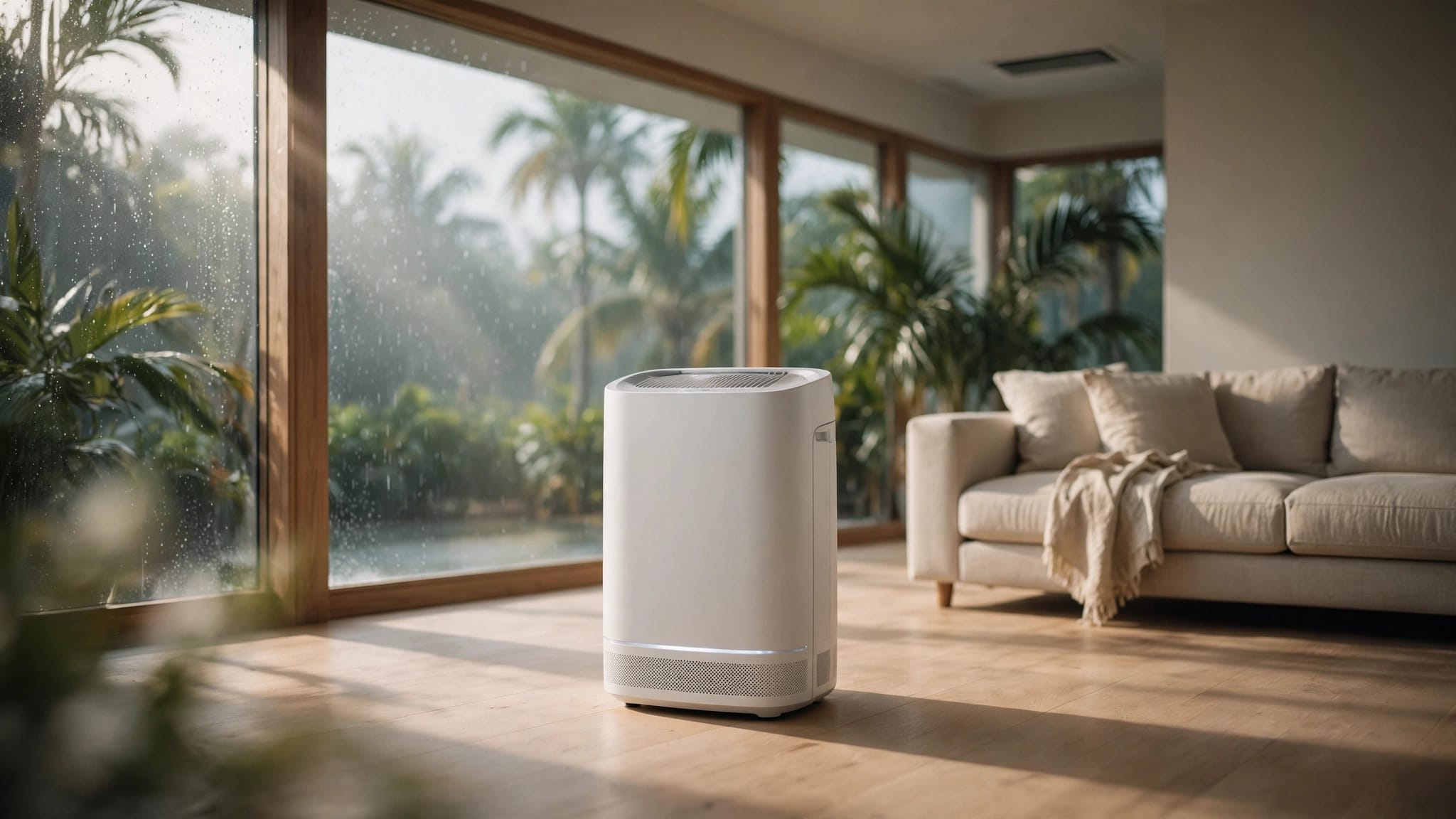
Oversized equipment often short-cycles. It may satisfy the thermostat quickly, then shut off before the coil has enough runtime to remove adequate moisture. The house can feel cool but clammy, especially during rainy season weather.
Ask how the proposed system addresses latent load. The equipment's sensible heat ratio, selected airflow, thermostat controls, and any dehumidification setting all affect moisture removal. A lower blower speed can improve dehumidification in some approved configurations, but the installer must follow the manufacturer's requirements.
Ductwork and Airflow Can Change the Equipment Choice
The outdoor unit gets attention because it is visible. Still, the duct system and indoor equipment determine whether cooled air reaches each room at the intended volume.
The ducts need to support the selected system
A larger unit needs enough return air and supply duct capacity. If the return is too small, the blower can struggle, airflow can fall, and noise can rise. Restricted airflow may also reduce capacity and create coil-freezing risks.
Leaky or poorly insulated attic ducts waste cooled air and draw humid air into the system. Before final equipment selection, the installer should inspect accessible duct runs, return sizing, registers, filter setup, and connections at the air handler.
If the system needs duct corrections, ductwork repair and replacement in Cape Coral can be part of the replacement scope. Those repairs should appear clearly in the estimate, rather than appearing as a surprise after installation begins.
Field conditions affect delivered performance
The installed system needs proper refrigerant charge, condensate drainage, electrical connections, airflow settings, and commissioning. A correctly selected unit can still perform poorly when installation details are off.
For example, a coil selected at one airflow may not provide the same sensible and latent capacity at another. The technician should set airflow according to the approved equipment combination and verify operation after startup.
Duct location matters too. Ducts in a hot attic face more heat gain than ducts within conditioned space. That difference belongs in the load and equipment conversation.
Confirm an AHRI-Certified Matched System
A replacement system is a combination of components, not a box with one brand name. The outdoor unit, indoor coil, and air handler must work together as an approved match.
Model numbers matter more than matching logos
Florida replacement guidance requires matched systems when a functional component such as a condenser is replaced. Components do not always need the same manufacturer name, but they do need documentation that confirms their compatibility and performance.
An AHRI-certified match provides that proof for many residential systems. Ask for the exact outdoor unit, indoor coil, and air handler model numbers, plus the matching AHRI certificate or other documentation accepted by the local jurisdiction.
A condenser paired with an unapproved coil can affect efficiency, capacity, refrigerant operation, and warranty coverage. "Same tonnage" does not establish a certified match.
Review the selection before equipment arrives
Manual S equipment selection should identify the proposed equipment before installation day. Review the selected capacity, efficiency rating, refrigerant type, and matched components while changes are still easy to make.
For a clearer proposal comparison, use this guide on how to compare AC installation quotes. A detailed quote makes it easier to spot missing duct repairs, vague model descriptions, or absent permit costs.
Florida Requirements Change, So Verify Them Locally
Florida Statutes Section 553.912 requires air conditioners sold or installed in the state to meet the minimum efficiency requirements of the Florida Building Code, Energy Conservation. However, code editions, local amendments, and permit procedures can change.
Permits and efficiency need current confirmation
Your installer should confirm the current requirements with the permitting jurisdiction where the home sits. That includes the required load calculation, equipment selection documents, minimum SEER2 rating for the equipment class, permit application, inspections, and any duct testing rules that apply.
The Florida Building Code, Energy Conservation, 9th Edition is scheduled to take effect on December 31, 2026. Until then, local officials apply their adopted code cycle and permit rules. Don't rely on a generic online efficiency claim when the permit office reviews the actual system.
Refrigerant details deserve attention
New residential equipment has shifted away from R-410A toward lower-global-warming-potential refrigerants such as R-454B and R-32. Existing R-410A systems can still be maintained and repaired, but a new system may use a different refrigerant and have different installation requirements.
Confirm the refrigerant shown on the equipment nameplate. Also confirm that every installed component is approved for it and that the installation follows the current manufacturer instructions and local safety rules.
A new system should never be selected around the assumption that an older R-410A coil can stay in place. The final matched-system documentation decides that question.
Questions to Ask Before Approving an AC Replacement
A good conversation should leave you with written answers, not broad promises about cooling power. Ask for the documents while reviewing the estimate.
- Can you provide the Manual J load calculation and explain the sensible and latent cooling results?
- Which Manual S equipment selection data supports the proposed outdoor unit, indoor coil, and air handler?
- What indoor temperature, humidity target, and Florida design conditions did you use?
- Is the quoted combination AHRI-certified, and can I see the certificate with exact model numbers?
- Does the existing duct system support the required airflow, or does the quote include changes?
- Which efficiency rating and refrigerant apply to this equipment, and what does the local permit office require?
- Who pulls the permit, schedules inspections, and completes the required startup checks?
For a project-specific assessment and replacement estimate, Contact Us. A site visit gives the technician the details that square footage and online sizing charts cannot provide.
A Better AC Replacement Begins With Measured Data
Florida AC replacement works best when the system is selected for the house you own today, not the unit that happened to be there before. Manual S equipment selection turns the Manual J load, humidity needs, duct capacity, airflow, and certified equipment match into a defensible choice.
The right replacement should run long enough to manage heat and moisture, while meeting current local requirements. That balance is where dependable comfort begins.