Three AC installation quotes can look close at first glance, then one line item changes everything. One bid may include permits, duct checks, and startup testing, while another leaves those pieces out. That gap can turn a low price into a higher bill later.
If you want a good baseline for what a complete job includes, the new AC installation cost guide is a helpful starting point. After that, the real job is comparing scope, sizing, and service, not just the bottom number.
Start with the scope, not the sticker price
A fair quote should describe the same job from top to bottom. If one contractor is pricing a full air conditioning installation in Cape Coral and another is only listing the outdoor unit, the numbers are not comparable.
Look for clear language about the indoor unit, outdoor condenser, refrigerant lines, thermostat, electrical work, startup, cleanup, and haul-away of old equipment. If the quote is vague, ask for the missing pieces in writing.
That matters because AC jobs can change fast once the crew opens up the system. Duct repairs, electrical fixes, or extra labor can raise the final bill. A detailed scope helps you see what you are paying for before anyone touches your system.
Break down the quote line by line

Use the same checklist for every proposal. That makes the quotes easier to compare side by side.
| Line item | What it tells you | Why it matters |
|---|---|---|
| Equipment model and efficiency | Exact brand, model, and SEER2 rating | Higher-efficiency systems cost more up front, but may lower monthly bills |
| System size | Tonnage and airflow target | Wrong sizing hurts comfort and humidity control |
| Labor and startup | Removal, installation, brazing, evacuation, and testing | Good installs take time and protect the new system |
| Ductwork | Sealing, repair, replacement, or balancing | Duct issues can ruin performance even with a new unit |
| Electrical work | Disconnect, breaker, whip, or thermostat changes | Missing electrical work can lead to surprise costs |
| Permits and inspections | City permit handling and inspection scheduling | A proper install should meet local rules |
| Warranty | Parts and labor coverage | Longer labor coverage can save money later |
| Cleanup and disposal | Old equipment removal and site cleanup | This should not be a mystery charge |
The cheapest quote often leaves one of these out. Once you add those missing pieces, the "cheap" bid may not be cheap at all.
Watch for Cape Coral details that change the price
Cape Coral has its own set of practical issues. New AC installations, replacements, ductwork, equipment moves, and efficiency upgrades usually need a mechanical permit. Ask which contractor pulls the permit and who schedules the inspection.
A system that is too large can cool fast and still leave the air sticky.
That is a big issue in Florida. A good quote should mention a Manual J load calculation , not a guess based on square footage alone. The right size depends on insulation, windows, sun exposure, duct layout, and humidity.
If the quote skips sizing details, keep asking questions. A proper load calculation helps the contractor choose equipment that cools well and removes moisture. That is how you get comfort that lasts past the afternoon heat.
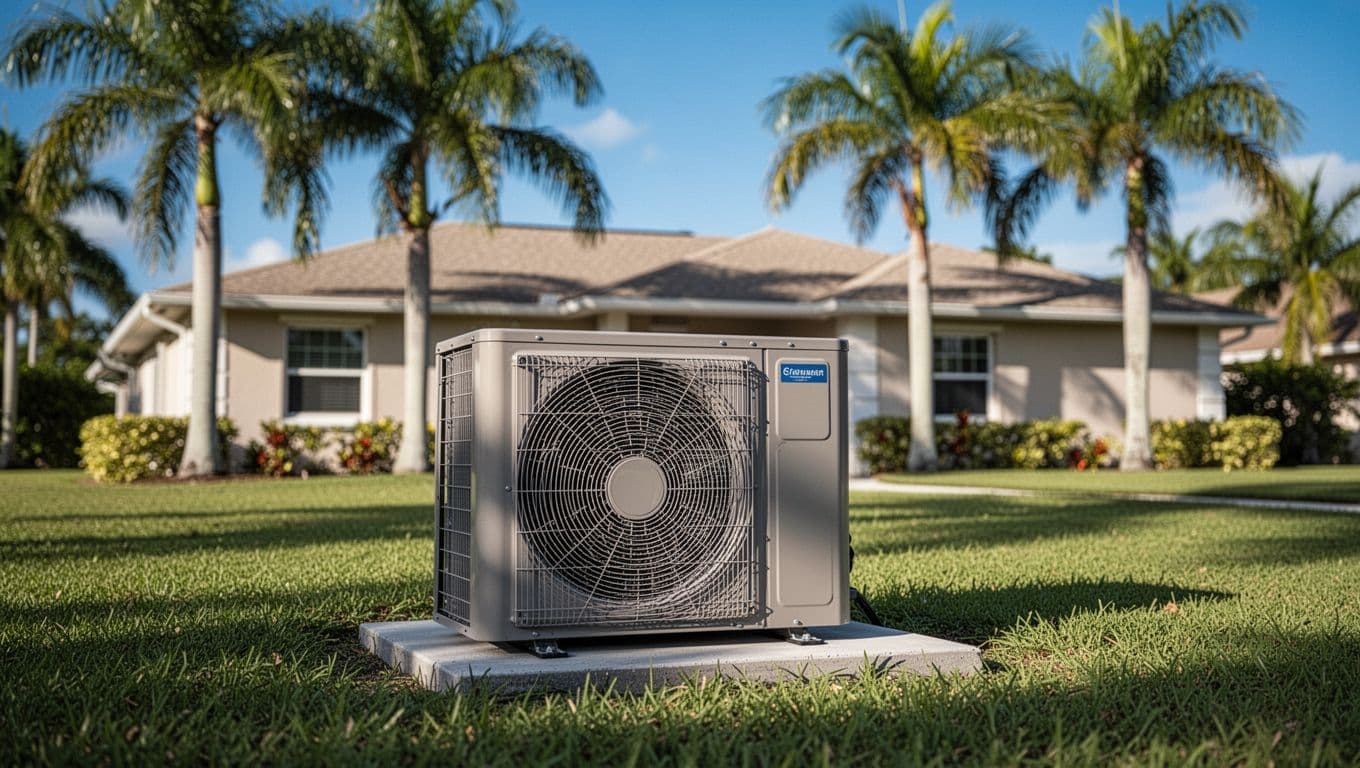
This is also where local conditions matter. Coastal air can be tough on outdoor equipment, so ask whether the installer recommends corrosion-resistant parts, a proper pad, or other protection. If the system is being replaced, a good installer should also explain whether the existing ducts still fit the new setup.
If you want a deeper look at sizing, the AC sizing guide for Cape Coral homes is worth reading before you sign anything.
Compare value, not the cheapest number
A higher quote is not always a bad quote. Sometimes you are paying for better equipment, a tighter install, permit handling, or stronger warranty coverage. Those details can save money later.
Ask each contractor what makes their price different. Is one bid using higher-efficiency equipment? Is one including duct sealing? Is one offering a longer labor warranty? Those answers tell you more than the final total.
Also ask about licensing and insurance. You want proof, not a promise. A professional proposal should make you feel informed, not rushed.
If two bids still feel hard to compare, use Contact Us and ask for a line-by-line review before you decide. A second set of eyes can spot missing items fast.
A final checklist before you choose
Use this checklist before you sign.
- The quote lists the exact equipment model and efficiency rating.
- The contractor performed or explained a Manual J load calculation.
- Permit handling and inspections are included.
- Ductwork, electrical work, and thermostat changes are spelled out.
- The quote says what happens if hidden problems appear.
- Warranty terms are written out for parts and labor.
- Cleanup, disposal, and startup testing are included.
- The company has licensing and insurance you can verify.
If any item is missing, ask for a revised quote. A good contractor will not mind.
Conclusion
The best AC quote in Cape Coral is the one that tells the full story. It should cover the right size, the right permits, and the right work without hiding costs in the fine print.
When you compare AC installation quotes this way, you protect your comfort, your wallet, and your humidity control. That is a better result than chasing the lowest number on the page.