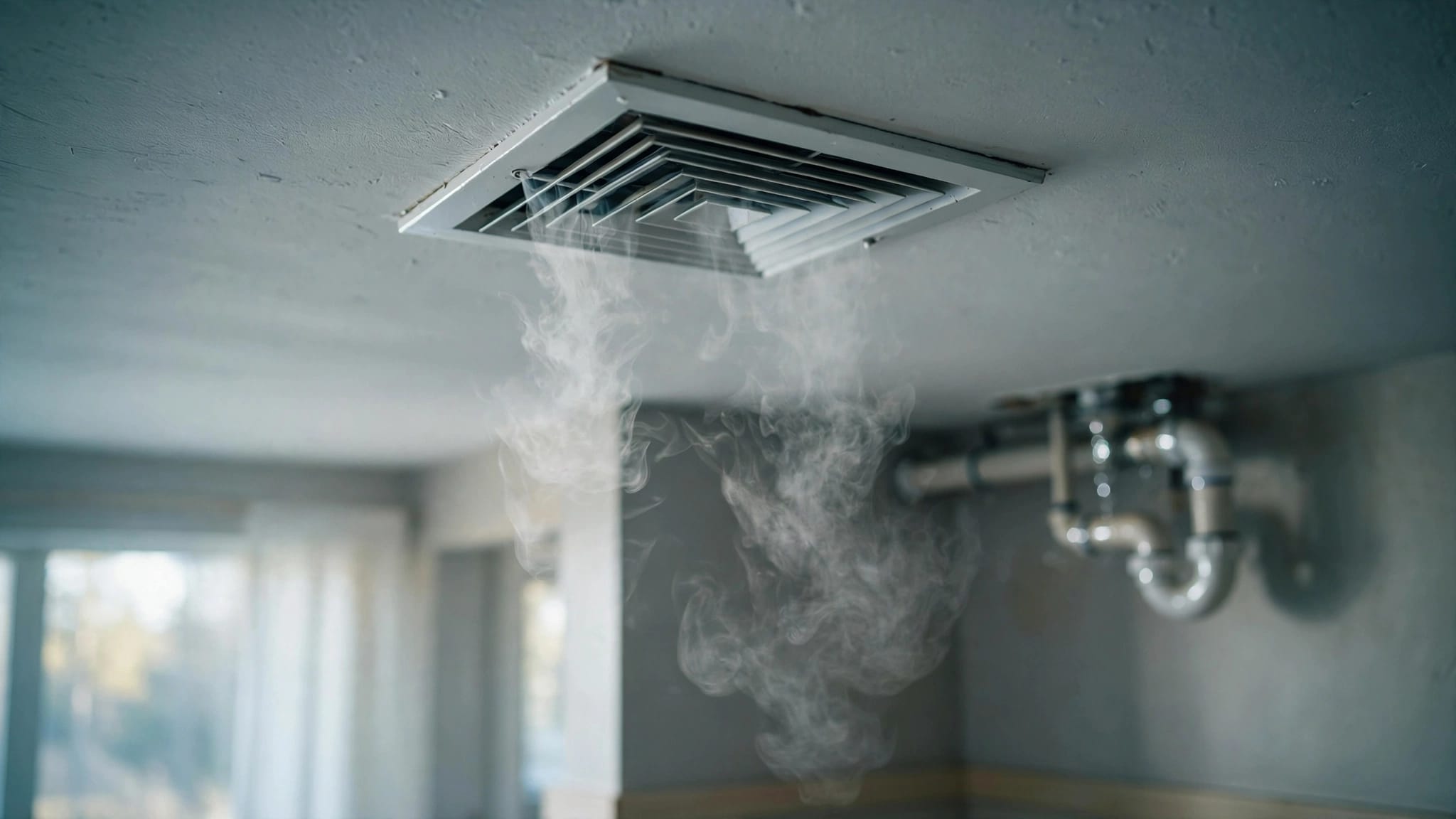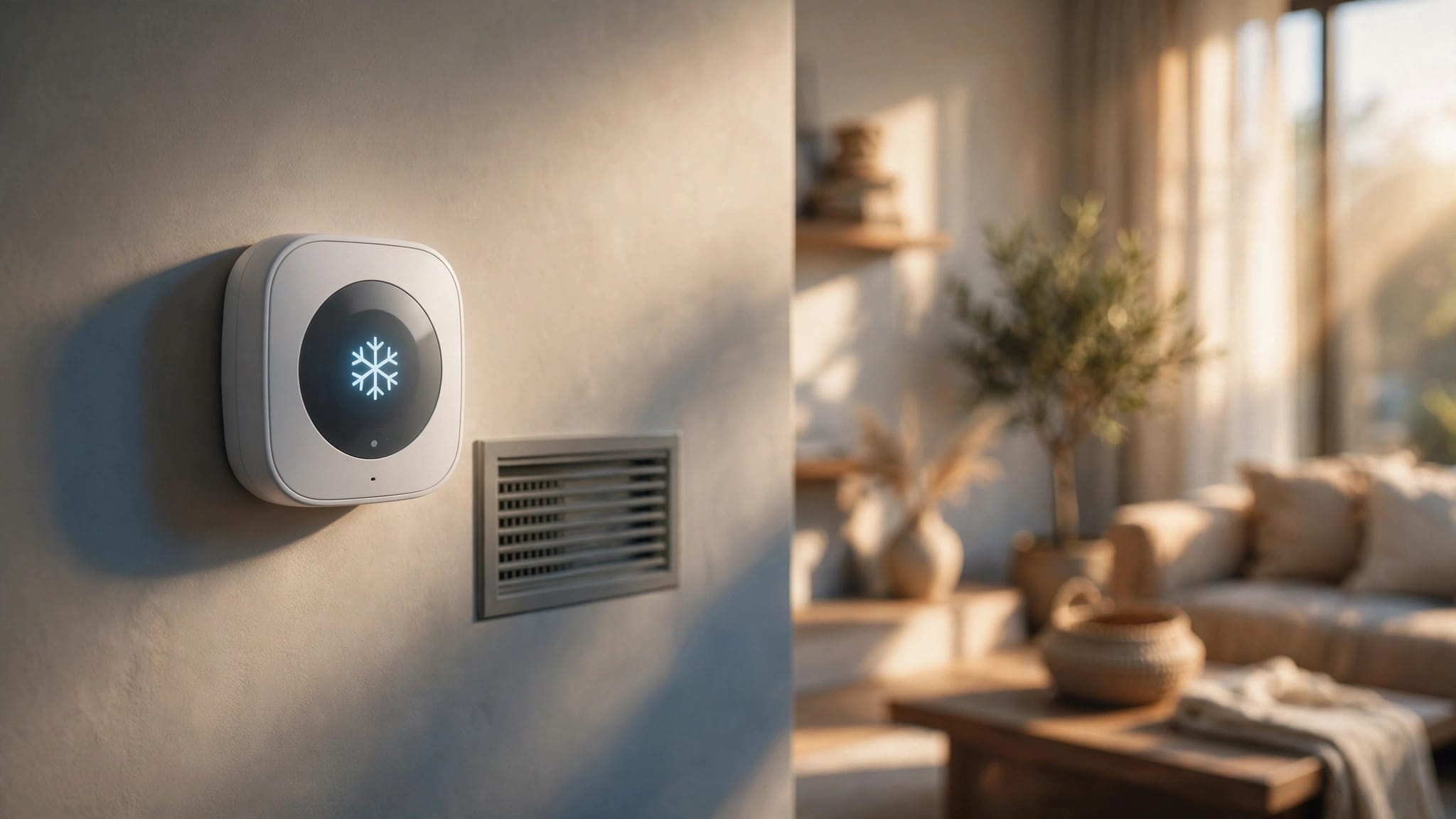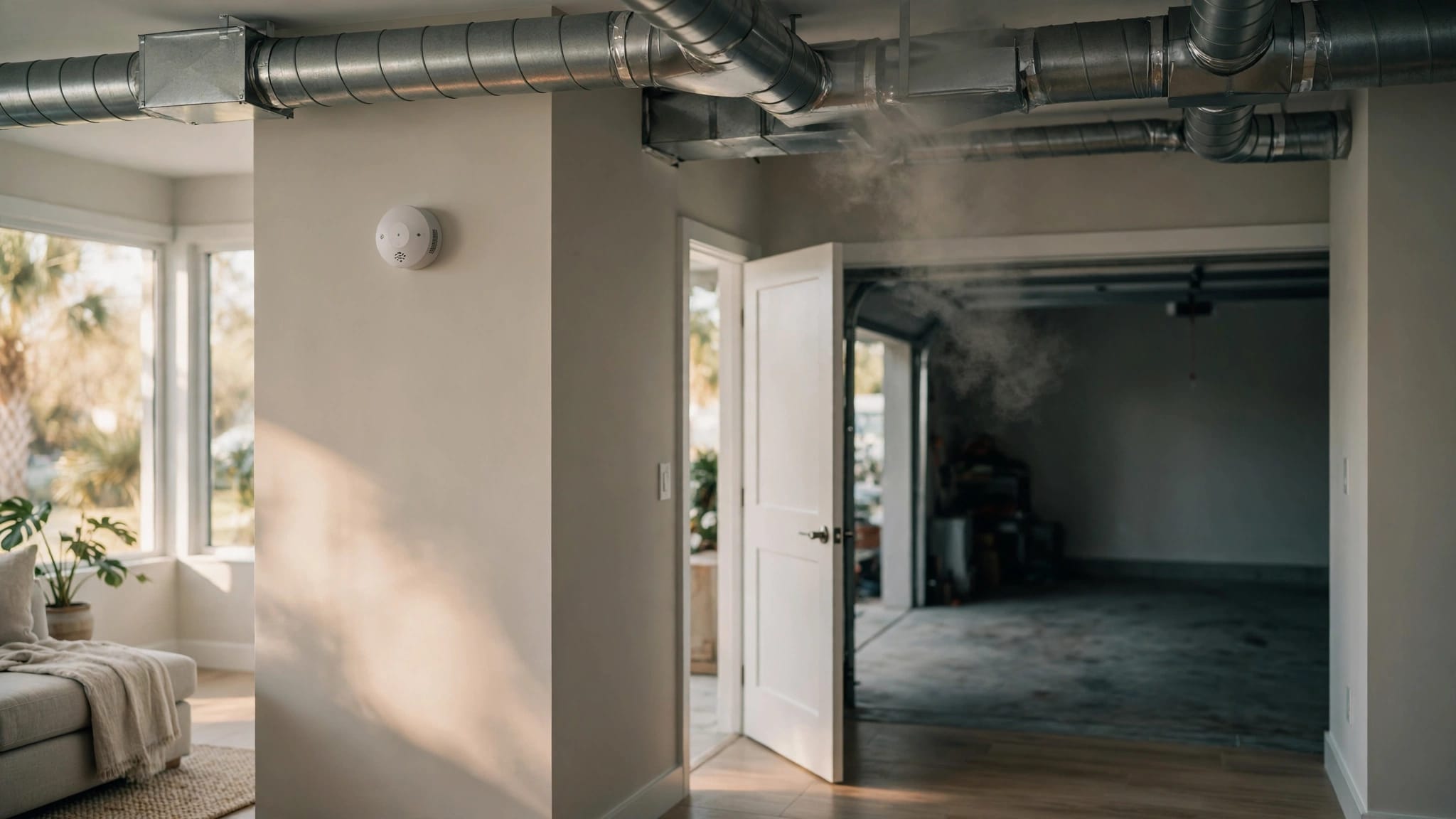
Yes, a whole-home dehumidifier can run without central AC when it has its own blower and suitable air distribution. It can also remove moisture while an existing air conditioner isn't cooling.
The distinction is independent airflow : some installations move air themselves, while others need the HVAC blower. Understanding that difference helps you choose equipment that can dry your home without depending on a cooling cycle.
Key Takeaways
- A dedicated ducted system can control humidity in a home without central air conditioning.
- An HVAC-connected dehumidifier can operate between cooling cycles, but it may still need the central blower.
- Either setup needs appropriate airflow, drainage, electrical service, and humidity controls.
Independent and HVAC-Integrated Operation
Both arrangements remove water vapor from indoor air. The main difference is how they collect humid air and distribute drier air.
Independent systems use their own air paths
An independently ducted dehumidifier uses its own fan, return intake, and discharge ducts. It doesn't need a central AC compressor or an existing air handler to operate.
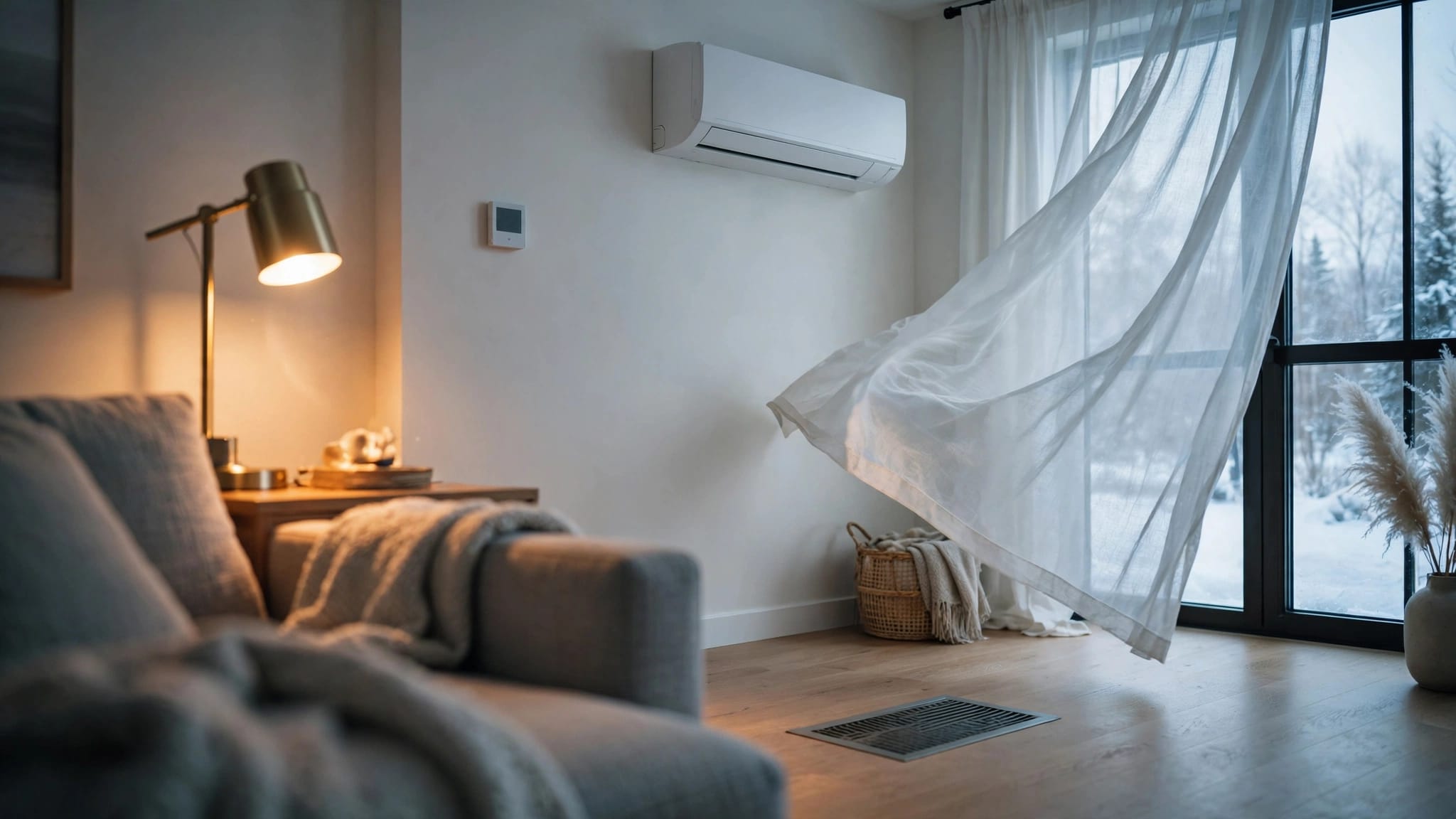
This arrangement can suit homes cooled by ductless mini-splits or room air conditioners. However, whole-home coverage still depends on the layout. A unit serving one open area won't necessarily dry bedrooms behind closed doors. Dedicated ducts and return-air pathways help moisture-laden air reach the equipment.
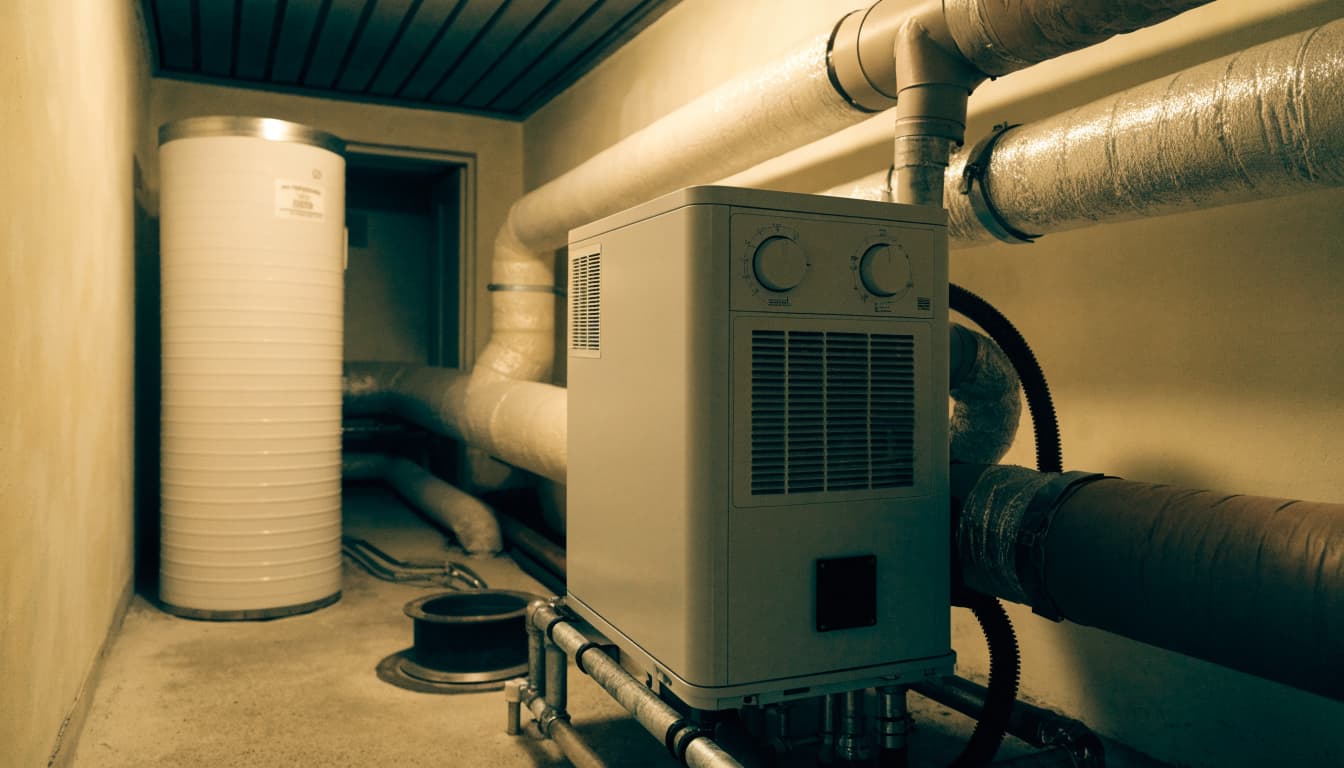
Integrated systems share HVAC ductwork
An integrated unit connects to the home's existing air distribution system. Its humidity control can call for moisture removal even when the thermostat doesn't call for cooling.
Depending on the approved installation, the dehumidifier's fan may move the air, or the central blower may also run. Therefore, "the AC is off" can mean the compressor is off while the indoor fan continues operating.
Our comparison of dehumidifiers and variable-speed AC explains their separate moisture-control and cooling roles.
What the Installation Needs
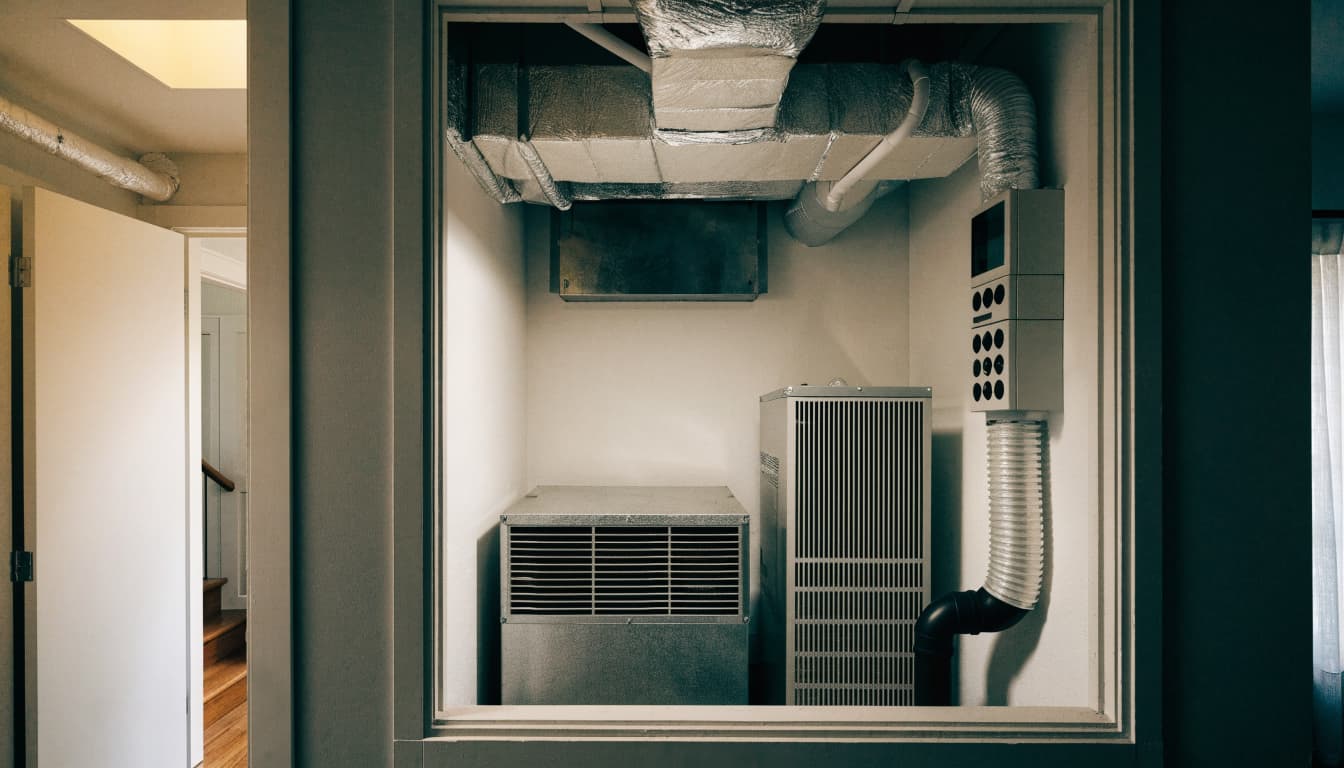
Equipment, electrical service, and ductwork
The installation needs more than space for the cabinet. Equipment selection should account for moisture load, operating conditions, and the airflow needed to reach the home's rooms.
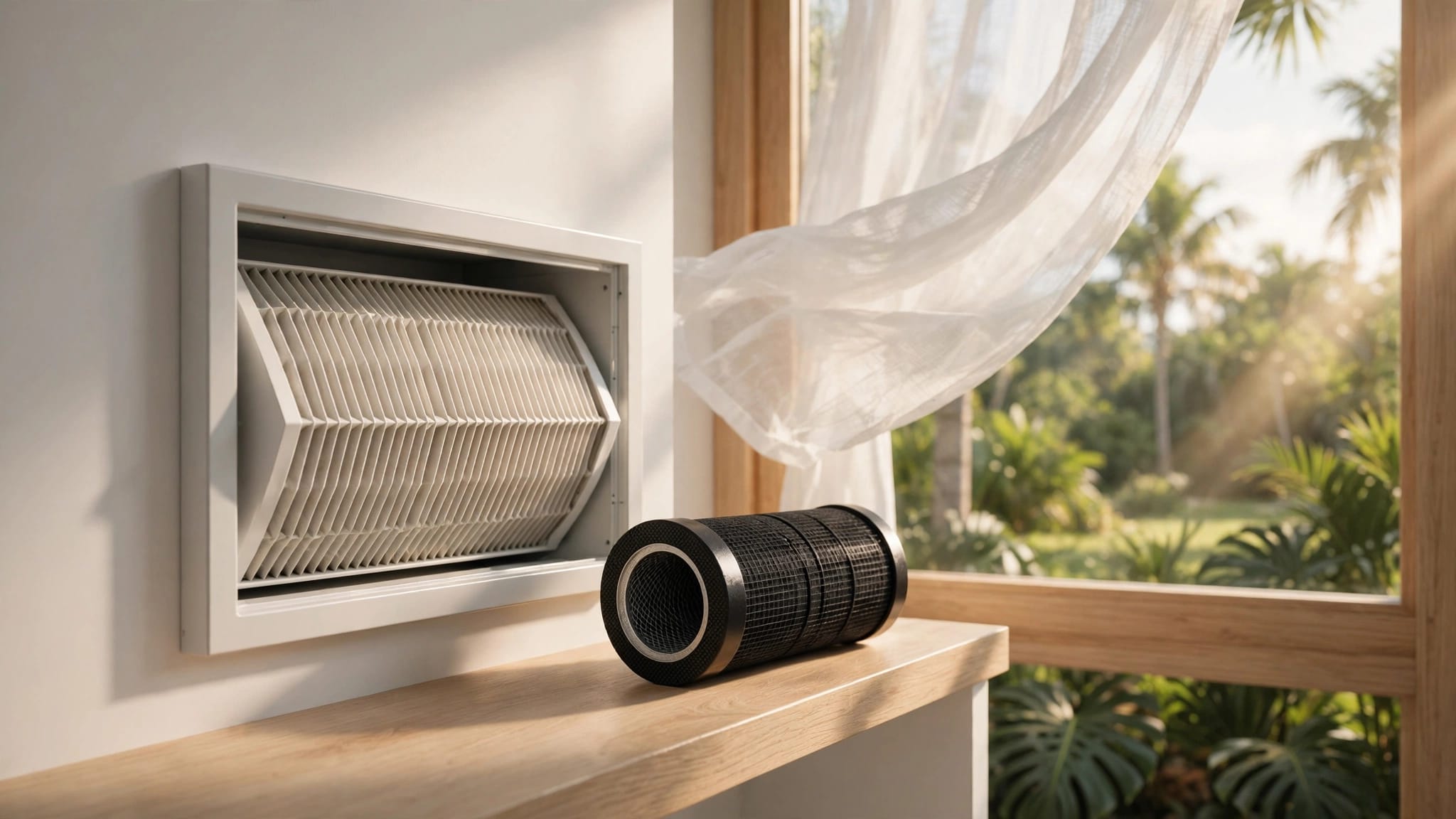
A suitable location also leaves access for filter changes and service. Electrical work may include a dedicated circuit, depending on the equipment.
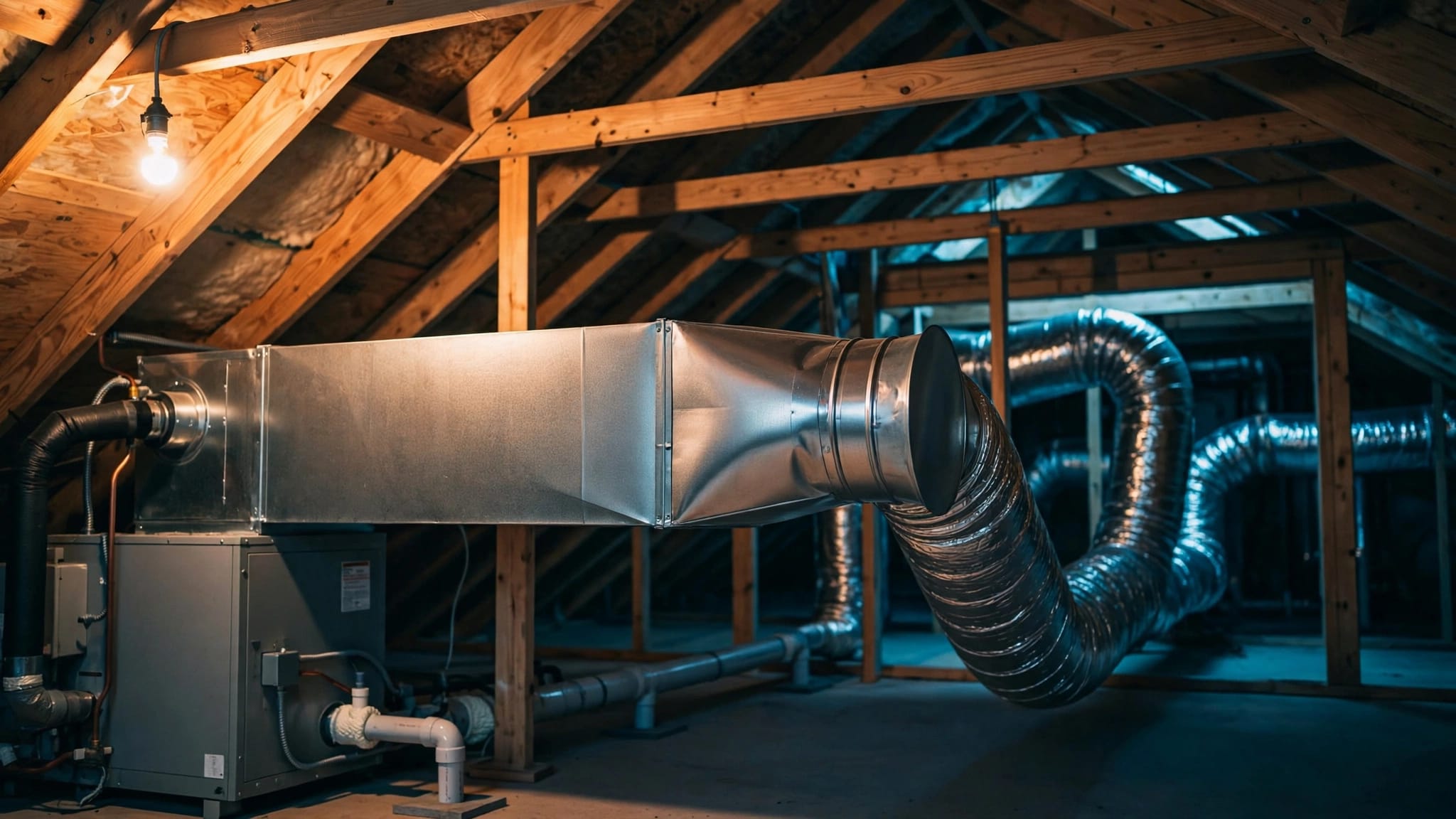
Without existing ducts, new return and discharge runs may be needed. With shared ducts, the design must account for available airflow, duct pressure, and any necessary dampers. Leaking attic ducts can introduce humid air, so sealing matters as much as routing.
Drainage and humidity controls
Removed moisture becomes liquid condensate, which needs a reliable drainage route. A gravity drain may work where the installation allows sufficient slope. Otherwise, a condensate pump may be necessary.
Drain support, a suitable discharge location, and overflow protection help prevent water damage. A permanently drained system avoids daily bucket emptying, but its drain still needs maintenance.
A humidistat measures moisture rather than temperature. Its location should reflect normal indoor conditions, away from unusual moisture sources. Integrated controls may also coordinate the HVAC blower so air moves whenever dehumidification starts.
Practical Limits Without Air Conditioning
A whole-home dehumidifier doesn't replace cooling . It removes moisture and releases heat into the air it treats. Although drier air can feel more comfortable, the equipment won't lower indoor temperature like an air conditioner.
Running a dehumidifier in an already hot house can reduce dampness while adding to the cooling load.
It also won't repair a roof leak, stop plumbing leaks, or correct water intrusion. Those sources need repairs rather than equipment that continually collects the resulting moisture.
Coverage has limits, too. Closed rooms, restricted returns, and poorly routed ducts can leave damp areas untreated. Capacity and operating conditions matter, so a whole-home label alone doesn't guarantee uniform results.
When to Bring in an HVAC Professional
Professional design matters when adding ducts, connecting to an air handler, changing controls, or installing electrical and condensate components. These decisions affect airflow, water protection, and performance.
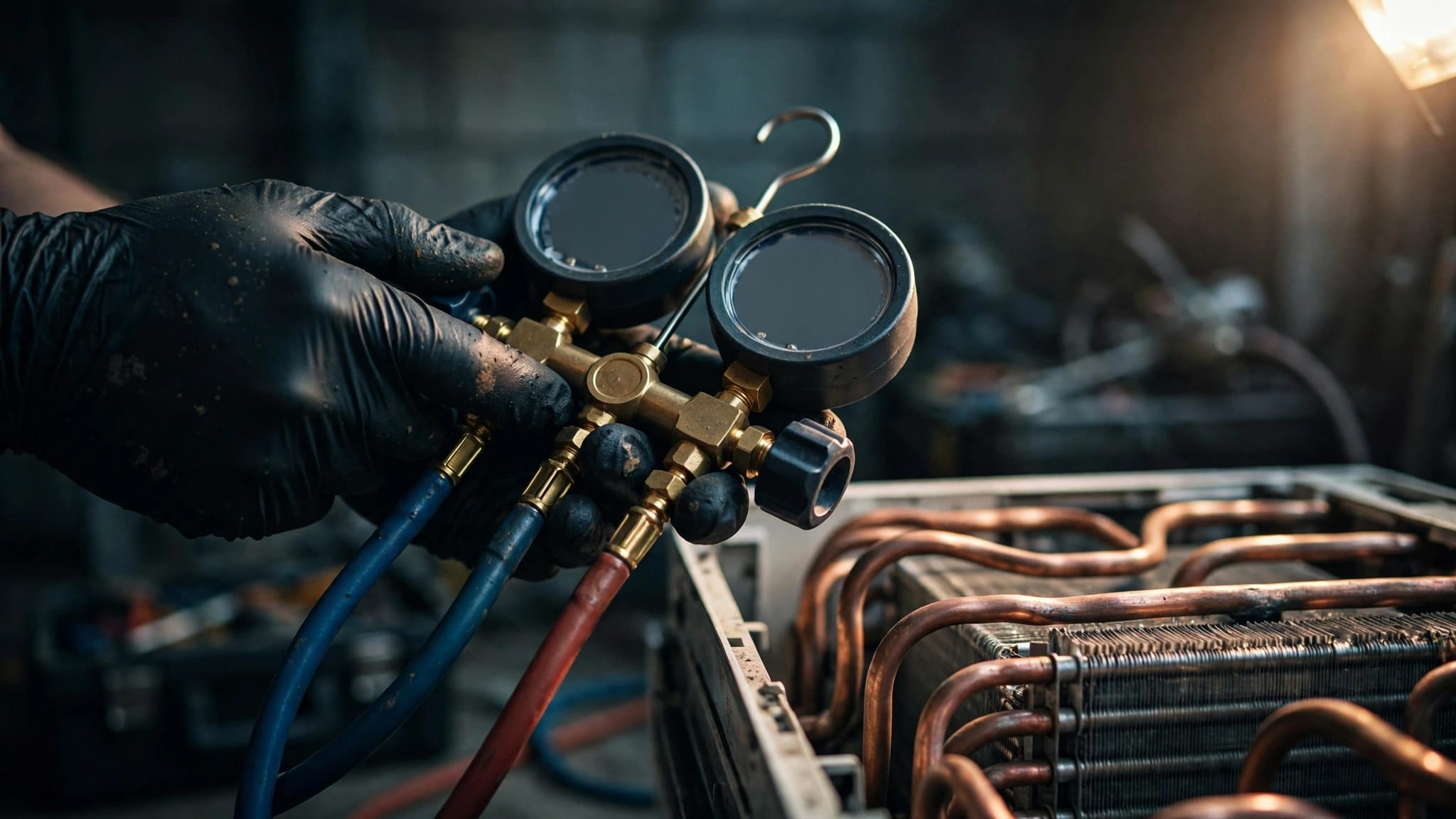
An HVAC professional can assess whether the home needs dedicated dehumidification or repairs to its existing cooling system. Dirty coils, restricted airflow, duct leakage, and short cooling cycles can all contribute to a cool but clammy house.
For help with cooling performance, ductwork, or persistent indoor humidity, Contact Us to schedule a service call. We serve Cape Coral and surrounding Southwest Florida communities.
Frequently Asked Questions
Can a dehumidifier run when the thermostat is satisfied?
Yes. A dedicated humidistat can request moisture removal after the home reaches its temperature setting. However, an integrated installation may still need the indoor blower. Humidity control and cooling control perform different jobs, even when they share ducts.
Will a portable unit dry the whole house?
A portable unit generally suits one room or a limited area. Whole-house results depend on capacity and air circulation, especially with closed doors. Our portable and whole-home dehumidifier comparison explains which approach fits localized versus widespread dampness.
Choose the Setup That Can Move Air Throughout Your Home
Central AC isn't a requirement for whole-home moisture control. The system needs its own workable air-distribution arrangement or a properly designed connection to existing HVAC equipment.
The strongest choice addresses airflow and moisture sources together. With suitable ducts, drainage, and controls, dehumidification can operate when your home needs drying, whether or not it needs cooling.