A Florida home can feel clammy at 73 degrees, even when the air conditioner appears to work. Cool air lowers the thermostat reading, while excess moisture makes skin, bedding, floors, and furniture feel damp.
When comparing dehumidifier vs variable-speed AC , Florida homeowners need to separate cooling capacity from humidity removal. Both systems can improve comfort, yet each solves a different part of the problem.
The right choice starts with what your home is telling you.
Florida Comfort Depends on Temperature and Humidity
Southwest Florida's long cooling season keeps HVAC equipment busy. Rainy afternoons, coastal moisture, frequent door traffic, and warm attics can all add water vapor indoors.
An AC system removes some moisture during normal cooling. However, the amount depends on runtime, airflow, equipment settings, and the home's moisture load.
Cooling lowers the air temperature
Your air conditioner pulls heat from indoor air and sends it outside. The thermostat responds to temperature, so the system may shut off once the home reaches its set point.
That works well when a home needs both cooling and some moisture removal. Yet a quick cooling cycle may end before enough water condenses on the indoor coil and drains away.
An oversized system can make this worse. It cools rooms rapidly, then cycles off, leaving humidity behind.
Humidity control removes water vapor
Humidity control targets the water suspended in the air. For many Florida homes, indoor relative humidity around 45% to 55% feels more comfortable and helps limit conditions that support musty odors and mold growth.
If rooms feel cool but sticky, the problem may be moisture rather than temperature. Review the recommended indoor humidity levels in Cape Coral before changing equipment or thermostat settings.
Dehumidifier vs Variable-Speed AC: Side-by-Side
Both options can reduce that heavy, damp feeling. Their priorities, operating patterns, and ideal uses are different.
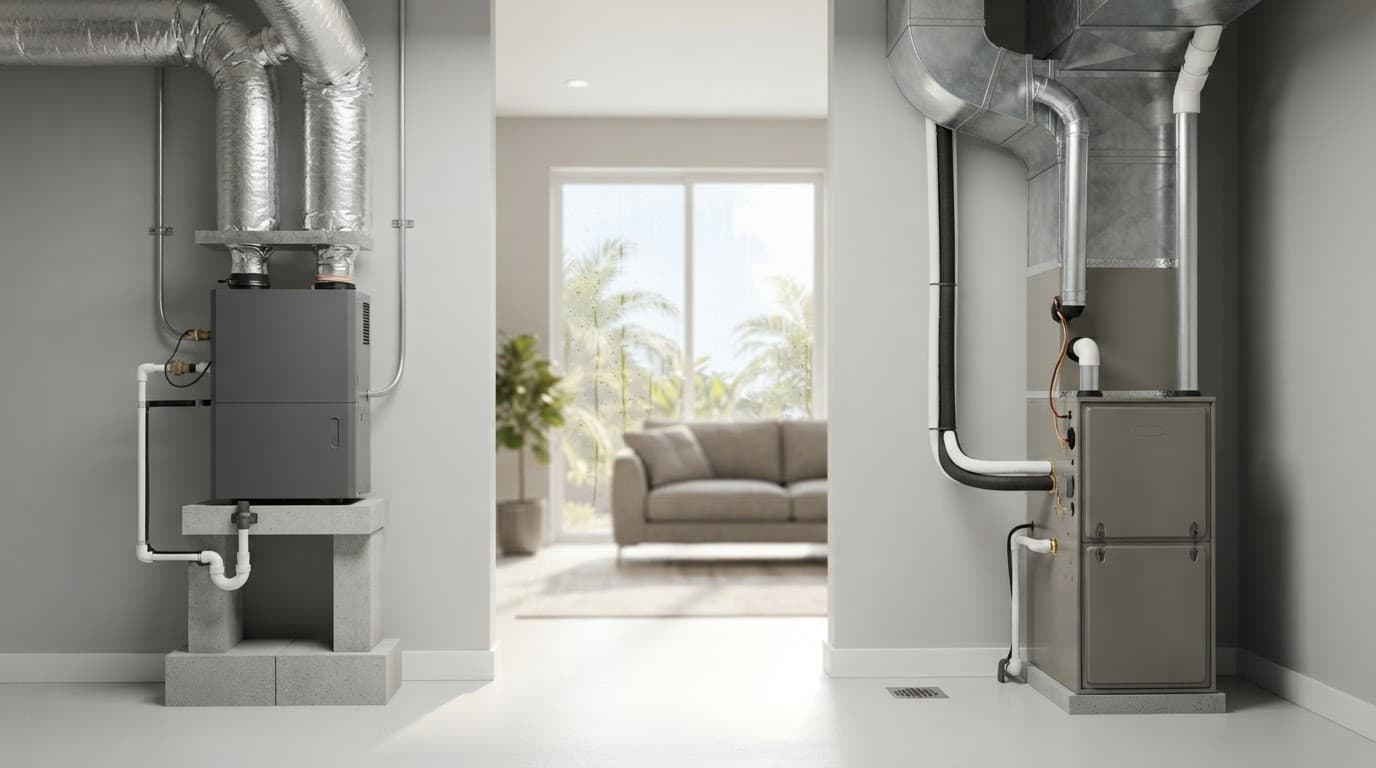
| Feature | Whole-Home Dehumidifier | Variable-Speed AC |
|---|---|---|
| Primary job | Removes moisture from indoor air | Cools air and can remove moisture during longer cycles |
| Temperature control | Does not cool the home | Provides the home's cooling |
| Operation | Can run when the AC is off | Runs when the thermostat calls for cooling |
| Humidity setting | Uses a dedicated humidistat or control | Depends on system controls and cooling demand |
| Best fit | Persistent humidity after proper AC operation | Replacing an older AC or improving uneven cooling |
| Main limitation | Adds equipment and energy use | Cannot always control humidity during mild weather |
A variable-speed air conditioner may improve moisture removal because it can run longer at lower output. A whole-home dehumidifier has a more direct job: it removes moisture whenever indoor humidity rises above the selected target.
A home can need more humidity control even when the thermostat setting and AC capacity look correct.
How Variable-Speed Air Conditioning Helps in Florida
The phrase "variable-speed AC" can describe several system features. Many modern systems combine variable-capacity cooling with a variable-speed indoor blower. Equipment details matter because moisture control varies by model and setup.
Longer, lower-output cycles remove more moisture
A traditional single-stage AC generally runs at full output, then shuts off. Variable-capacity equipment can reduce output when the home only needs light cooling.
That longer runtime gives the indoor coil more time to collect moisture. It can also reduce temperature swings and improve comfort in rooms with afternoon sun exposure.
For homeowners replacing an aging system, a variable-speed option may address several comfort complaints at once. A professional should still confirm the load calculation, duct condition, and airflow requirements before installation.
Variable speed has limits during mild weather
Even a well-designed variable-speed system needs a call for cooling. During a rainy spring day or a cooler evening, your home may feel humid without needing much cooling.
The AC may not run long enough to meet a humidity target. A system that lowers indoor humidity well in August can still leave a home muggy in March.
Variable-speed cooling also won't solve moisture caused by a roof leak, plumbing leak, duct leakage, or water intrusion. Those issues need repairs before equipment changes can succeed.
What a Whole-Home Dehumidifier Adds
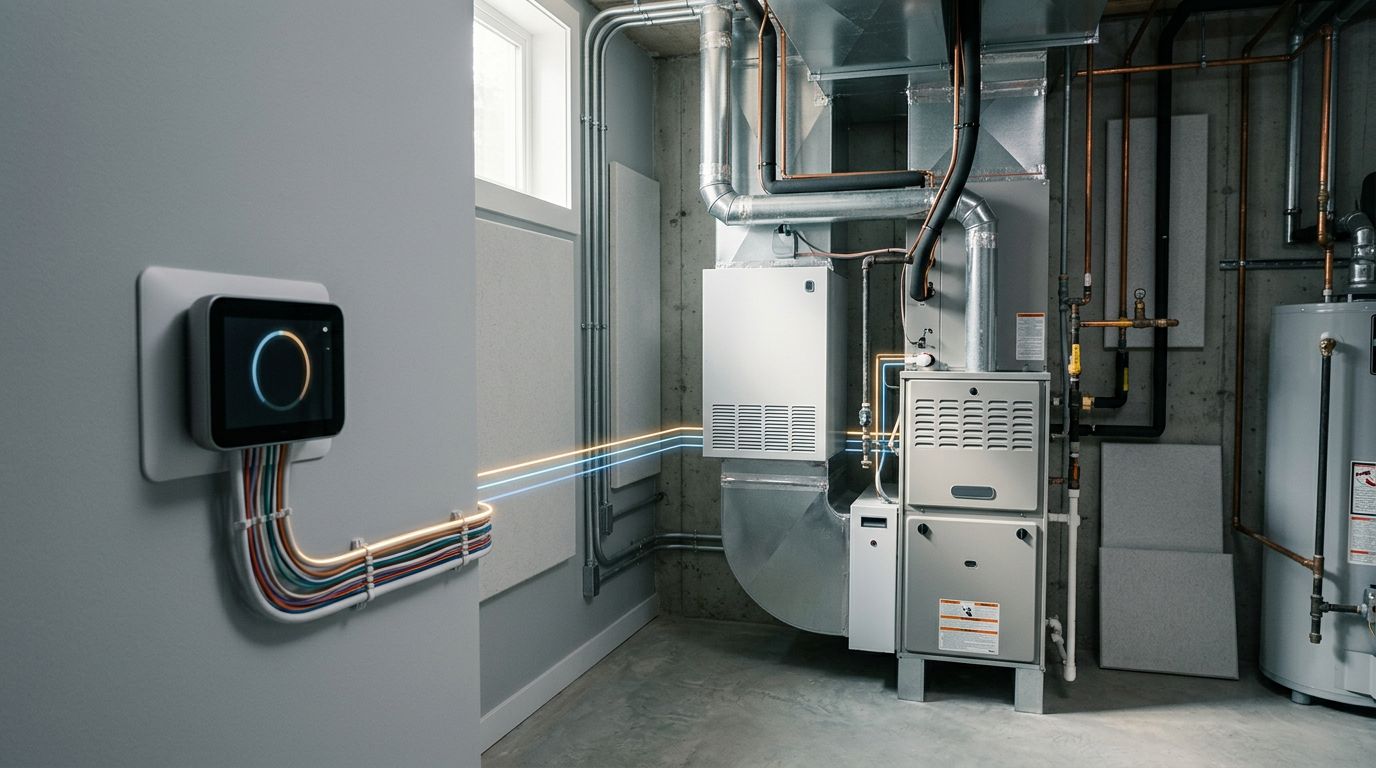
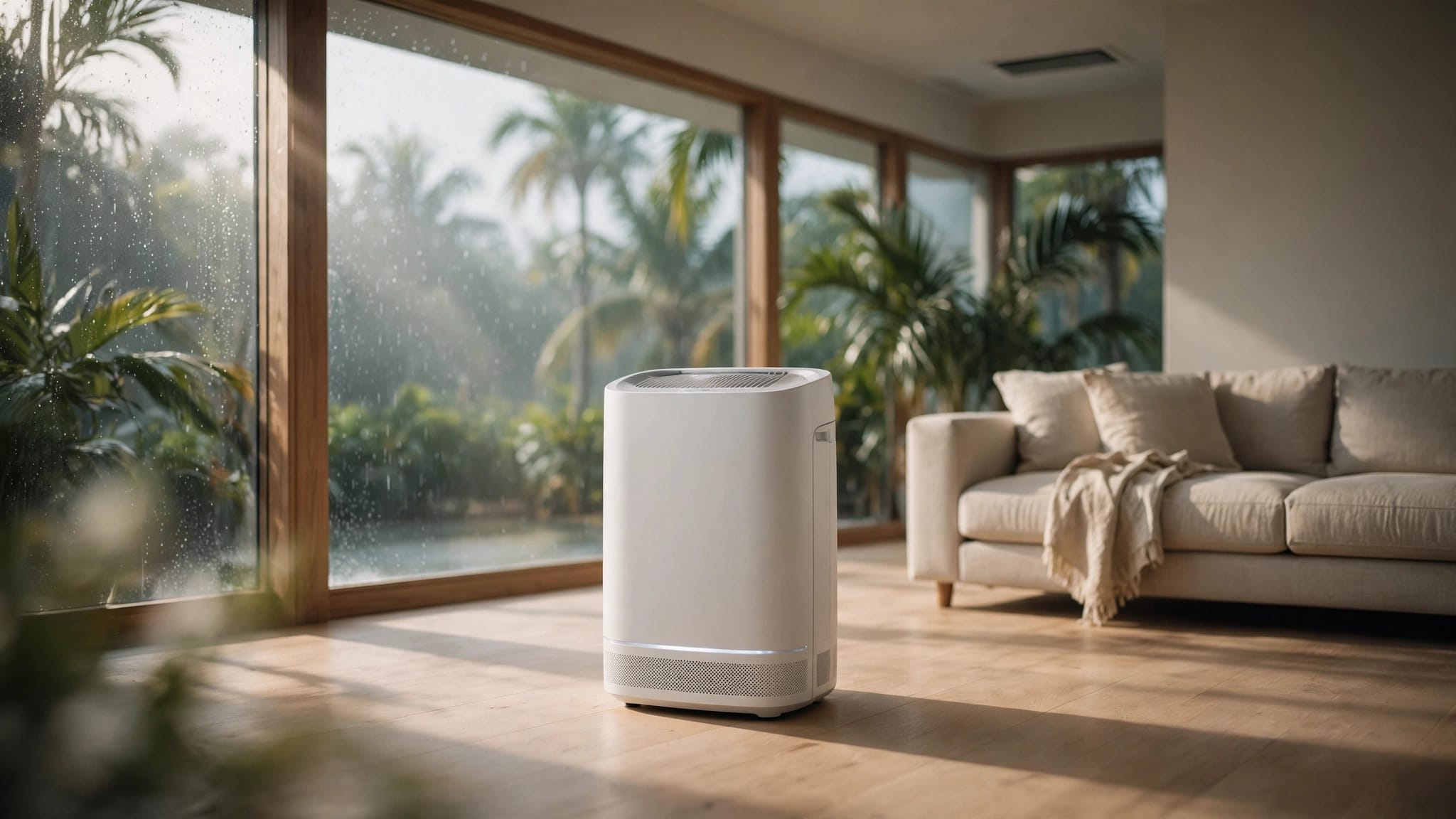
A whole-home dehumidifier connects to the duct system or operates through dedicated ductwork. It draws in moist indoor air, condenses the water vapor, and sends drier air back into the home.
Unlike a portable unit, it can treat the full living area without emptying a bucket every day.
It controls moisture without overcooling rooms
A dehumidifier uses its own humidistat. When indoor humidity rises, it can run even if the thermostat is satisfied.
That separation is useful for Florida homeowners who keep lowering the thermostat to feel dry. Lowering the set point may make the house colder without fixing the underlying moisture level.
A properly selected system lets you hold a comfortable temperature while managing humidity on its own schedule.
It works best with a healthy AC system
A whole-home dehumidifier supports the air conditioner, but it doesn't replace it. Your AC still needs to cool the home and move air properly.
This option often fits homes where the AC is correctly sized, maintained, and able to reach temperature, yet indoor humidity remains high. Learn more about whole-home humidity control options if you are also weighing portable equipment.
Which Option Fits Common Florida Home Scenarios?
The better choice depends on your current equipment and the pattern behind the discomfort. Start with the system's age, performance, and ability to reach the thermostat setting.
Your old AC needs replacement
Choose a professionally sized variable-speed air conditioner when the current system is near the end of its useful life, struggles to cool evenly, needs frequent repairs, or runs loudly and inefficiently.
A new system should not be picked by square footage alone. Window area, insulation, home orientation, duct design, occupancy, and local humidity all affect capacity.
Review Cape Coral air conditioning installation estimates with an eye on the load calculation, ductwork recommendations, permit details, and moisture-control features.
The AC cools well, but the home still feels muggy
A whole-home dehumidifier often makes more sense when the AC reaches temperature but indoor humidity stays high. This situation is common in homes with variable occupancy, shaded lots, rainy-season moisture, or limited cooling demand.
First, rule out service issues. A clogged filter, dirty coil, blocked condensate drain, low refrigerant, or duct leak can weaken AC moisture removal. Persistent clamminess may call for professional AC repair in Cape Coral.
You have both a cooling and moisture problem
Some homes benefit from both systems. A correctly sized variable-speed AC handles daily cooling and removes moisture during long summer runtimes. The dehumidifier takes over when humidity rises without a strong cooling call.
This pairing is often practical for larger homes, homes with recurring musty odors, or households that prefer a warmer thermostat setting without the sticky feeling.
Sizing and Design Matter More Than a Feature List
A larger system does not guarantee better comfort. In Florida, equipment that is too large can short-cycle and leave moisture indoors. Equipment that is too small may run constantly and still struggle during the hottest weather.
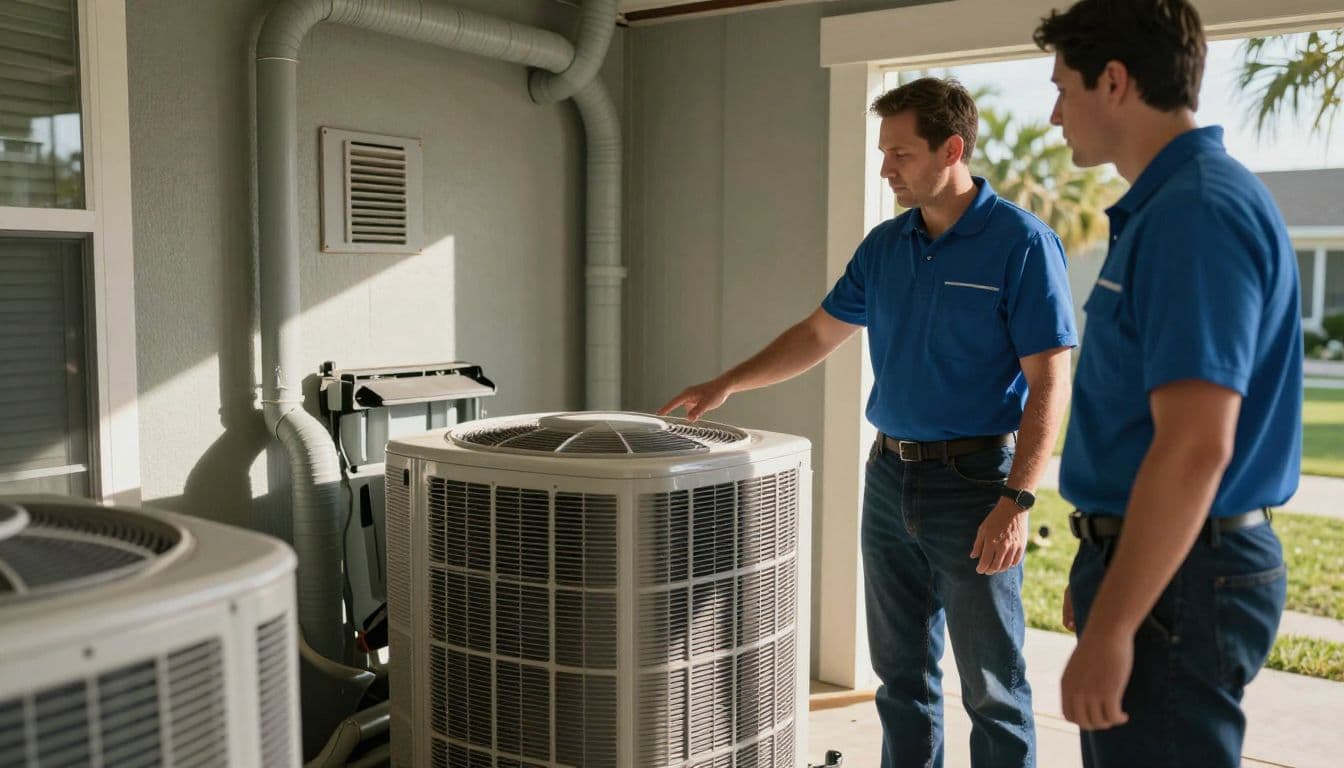
Ask for a full home evaluation
A contractor should calculate heating and cooling loads rather than guess based on the old unit or a neighbor's home. A Manual J load calculation considers insulation, windows, shade, ceiling height, ductwork, and heat entering the home.
For dehumidification, the evaluation should also consider the home's moisture sources. Occupancy, showers, cooking, laundry, outdoor air leaks, and building envelope conditions all affect capacity needs.
Check ducts, drains, and controls
Duct leakage can pull hot, humid attic air into the system. Poor return-air design can limit airflow, while a clogged drain line can create water problems near the indoor unit.
Ask how the proposed equipment will drain condensate, where the humidistat will sit, and whether the current ducts can handle the added airflow. Those details shape comfort as much as the equipment itself.
Maintenance Keeps Humidity Control Reliable
Florida's heat, rain, and salt air put extra demand on HVAC equipment. Both options need regular attention to keep moving air and moisture as designed.
Give both systems routine care
Check the HVAC filter monthly and replace it when dirty. A restricted filter reduces airflow across the coil and can hurt cooling and moisture removal.
During professional maintenance, technicians should inspect coils, drains, electrical connections, refrigerant performance, and blower operation. Whole-home dehumidifiers also need filter checks, coil cleaning when needed, and a clear condensate drain or pump.
Keep the thermostat fan set to AUTO unless a technician recommends another setting. Continuous fan operation can move moisture off a wet coil after cooling stops, which may raise indoor humidity.
If you notice water near the indoor unit, mildew smells, or a sudden rise in humidity, don't wait for the next tune-up. Contact Us for 24/7 service or to schedule a service call.
A Better Choice Starts With the Actual Problem
The dehumidifier vs variable-speed AC decision becomes clearer once you separate cooling needs from moisture needs. A variable-speed system can improve everyday comfort during long cooling cycles, while a whole-home dehumidifier manages humidity when cooling alone falls short.
Proper sizing, sound ductwork, clean drains, and professional testing protect the value of either investment. Florida comfort depends on dry air as much as cold air.
Frequently Asked Questions
Can a variable-speed AC replace a whole-home dehumidifier?
Sometimes, especially when a new system runs long enough to remove moisture and the home has no unusual moisture sources. However, a variable-speed AC cannot control humidity well when the thermostat does not call for cooling. A dedicated dehumidifier is more reliable for ongoing high humidity.
Will a whole-home dehumidifier make my house colder?
No. Its main job is moisture removal, not cooling. Drier air often feels more comfortable, so many homeowners can keep the thermostat slightly higher without feeling sticky.
Should I install a dehumidifier before replacing my AC?
Repair or replace a failing AC first if it cannot maintain temperature, has major mechanical issues, or is incorrectly sized. If the AC works properly but humidity remains high, a whole-home dehumidifier may be the better addition.