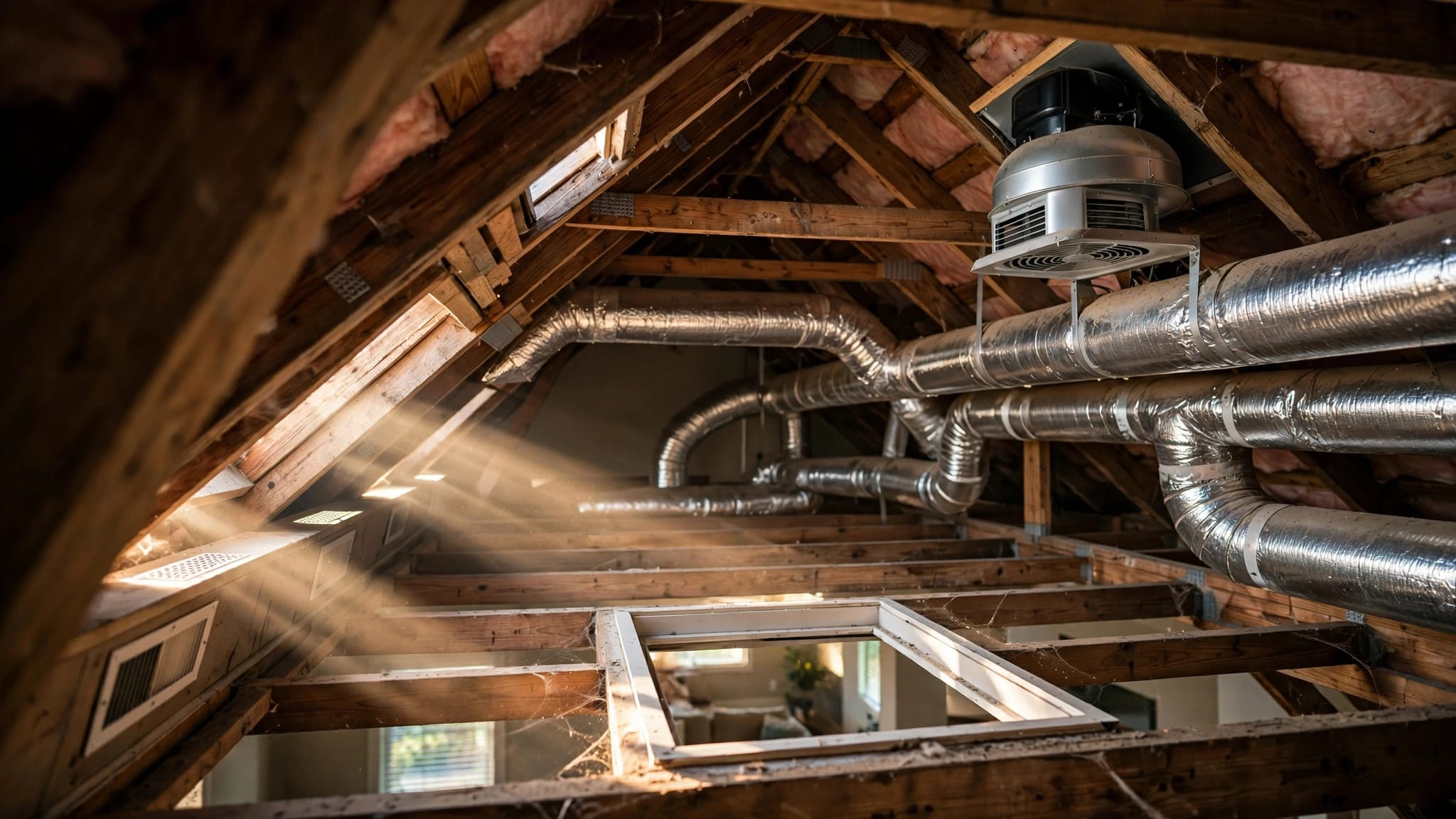
Drywall dust, sawdust, and insulation fibers can travel well beyond the room where work is happening. If they reach your air conditioner, they can collect on the filter or get farther into the system.
To protect your AC during renovation, shut it off during dusty work, keep vents and returns clear whenever it runs, and inspect the filter after cleanup. A few simple precautions can reduce dust exposure without leaving your home's cooling system blocked or unattended.
Key Takeaways
- Turn off the HVAC system during sanding, demolition, drywall cutting, and other dust-heavy tasks.
- Use temporary covers on supply vents only while the system is off. Keep return grilles clear.
- Remove every cover and clean up settled dust before turning the system back on.
- Check the filter after renovation, and contact an HVAC professional if dust may have reached the equipment.
Why Renovation Dust Can Affect Your AC
Dust can travel through the return path
Your return grille draws air back toward the air handler. During renovation, airborne particles can collect near the grille and enter the return path. The filter catches some of that dust, but a heavily loaded filter can restrict airflow.
Fine debris may also settle on nearby equipment or get past a filter. That's why keeping the work area clean and limiting airflow during dusty tasks matter.
The work can affect more than the room being renovated
Cutting drywall or sanding joint compound can send dust into adjoining rooms, especially when doors stay open. Dust can also settle on furniture, floors, and supply grilles, then become airborne again as people move through the home.
Protecting the air conditioner is only one part of cleanup. Containing dust near the work zone and cleaning it up before normal HVAC operation resumes can help keep particles from circulating through the house.
Plan for HVAC Protection Before Work Begins
Identify every grille and equipment location
Before contractors start, locate the supply vents that deliver conditioned air and the return grilles that draw air back to the system. Also identify the indoor air handler, often found in a closet, garage, or attic, and the outdoor condenser.
Make sure workers know not to use equipment areas as storage. Keep doors or panels to the air handler closed, and don't let construction supplies block access to the thermostat or equipment.
Coordinate dusty tasks and system downtime
Ask the renovation crew to let you know when sanding, cutting, demolition, or insulation work is planned. You can then turn off the HVAC system for those periods rather than letting it run through the dustiest tasks.
If the project lasts several days, plan for the cooling downtime, especially in Southwest Florida's heat and humidity. Keep the system off during active dust-producing work, then restart it only after the dust has settled, the work area has been cleaned, and temporary vent covers have been removed.
Protect AC Vents and Returns During Renovation
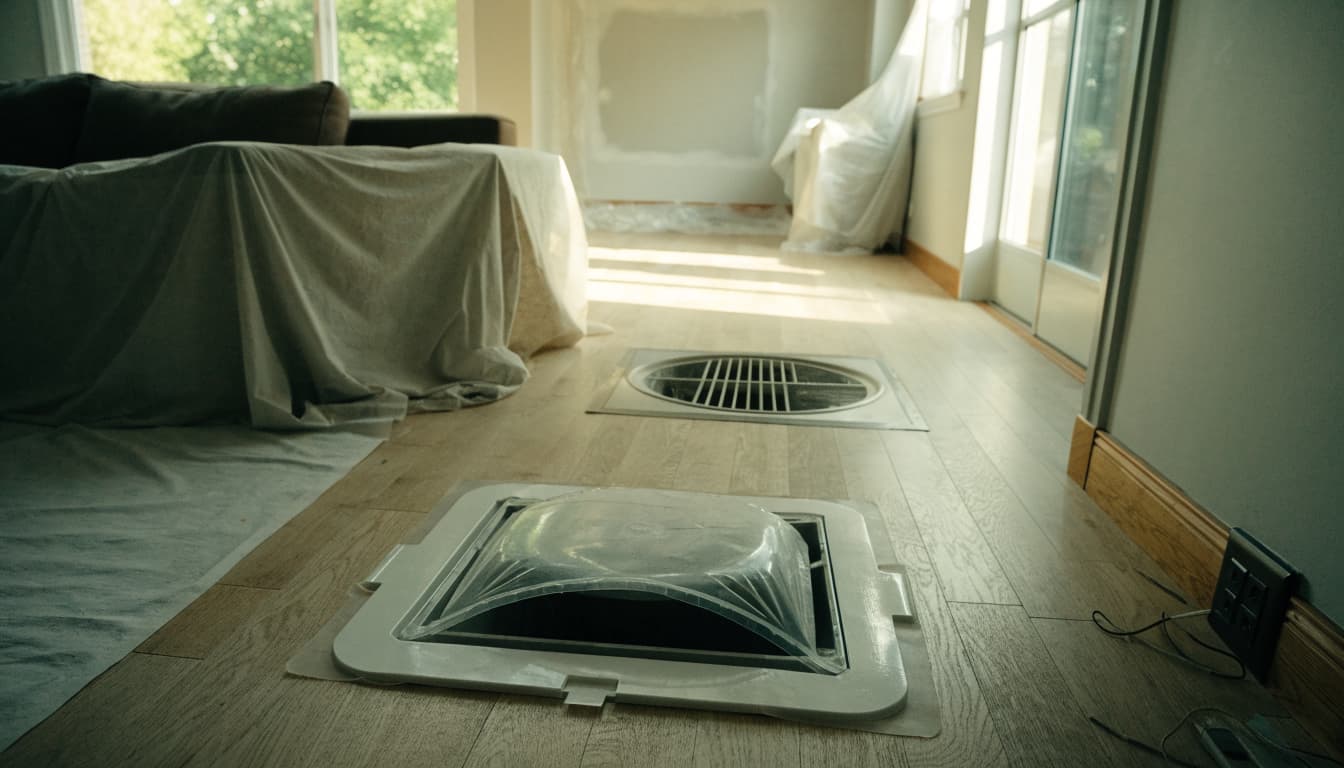
Cover supply vents only while the system is off
A correctly sized, purpose-made temporary cover can help keep dust from falling into a supply register during nearby work. Follow the cover's instructions, and make sure it stays in place without damaging the grille or surrounding finish. Avoid loose material that could shift or fall into the duct.
Before turning the system back on, remove all temporary covers. Never run the HVAC system with supply vents blocked , even if only one room is being renovated. Restricted airflow can interfere with system operation.
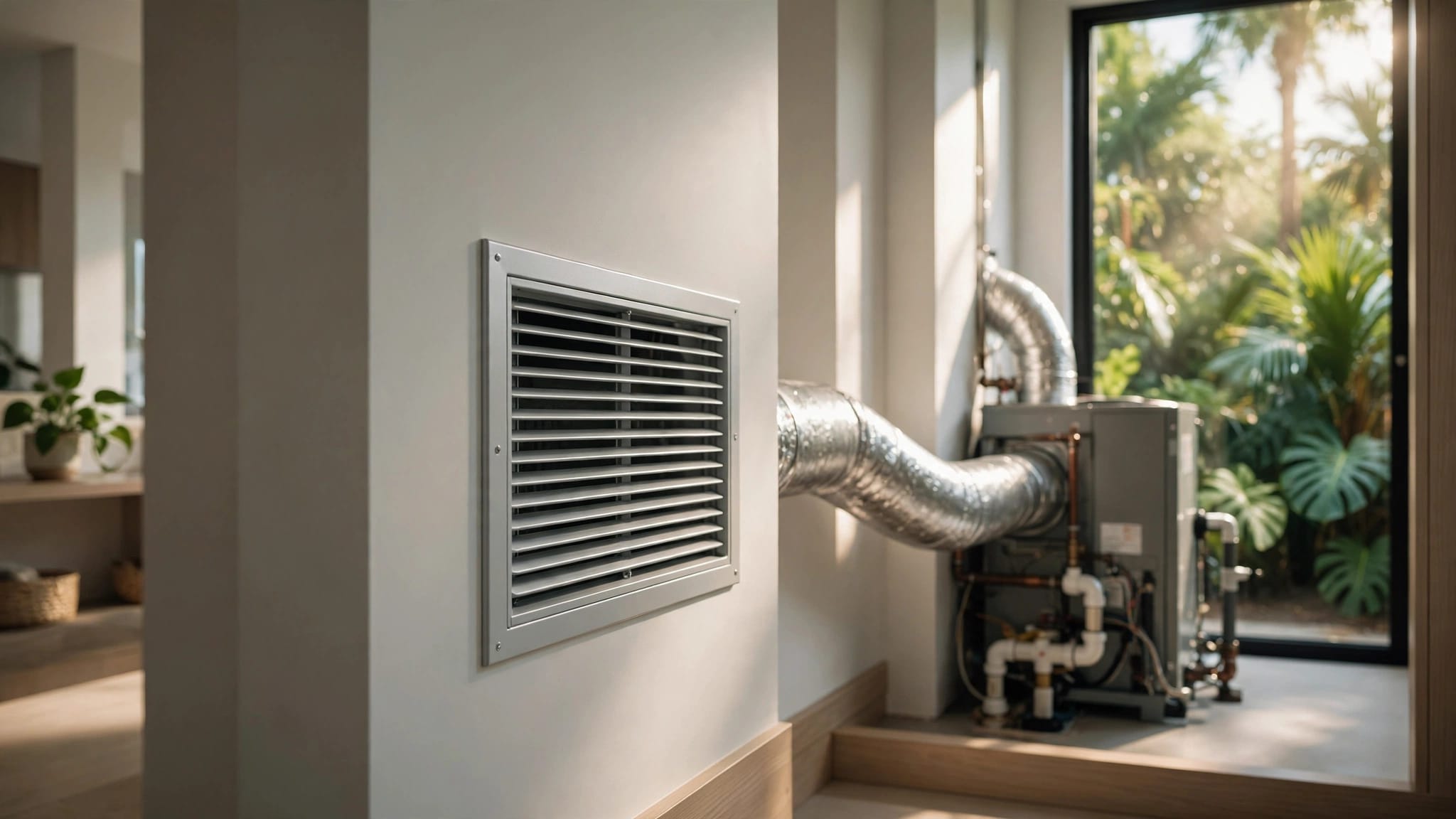
Keep return grilles open
Don't cover a return grille while the system is running. The return needs an open path for air to reach the equipment. Blocking it can reduce airflow and make the system work improperly.
If dusty work is happening near a return, shut the system off and clean around the grille. Keep furniture, plastic sheeting, and stored materials away from it. When renovation work is over, vacuum the grille and nearby surfaces before resuming normal operation.
Know When to Turn Off the HVAC System
Shut it down during dust-heavy work
Turn the thermostat to off before demolition, sanding, drywall cutting, or similar tasks that release airborne debris. Keep the system off while dust is still being produced and until the immediate area has been cleaned.
If the thermostat has a fan setting, don't switch the fan to continuous operation during this period. Air movement can pull dust toward the return even when the cooling cycle isn't running.
Restart only after covers and dust are cleared
Once the crew has finished a dusty task, allow airborne dust to settle and clean the work area before restarting the system. Remove covers from every supply vent, check that return grilles are unobstructed, and confirm that the filter is in place.
The system should have open airflow paths when it runs. If the renovation requires extended downtime, coordinate work so the AC can resume safely after the dustiest stages rather than leaving it off unnecessarily.
Keep Dust Away From Indoor and Outdoor Equipment
Don't use the air handler as a work surface or storage spot
Keep paint, drywall compound, tools, and debris away from the indoor unit. Don't tape plastic over equipment openings or remove access panels to inspect inside. The equipment should remain closed and accessible to a technician.
After work, remove dust from surfaces around the air handler with careful, ordinary cleanup. Don't blow dust toward the unit or use a high-pressure stream around it. If the cabinet or nearby area is visibly dusty inside, leave the inspection to an HVAC professional.
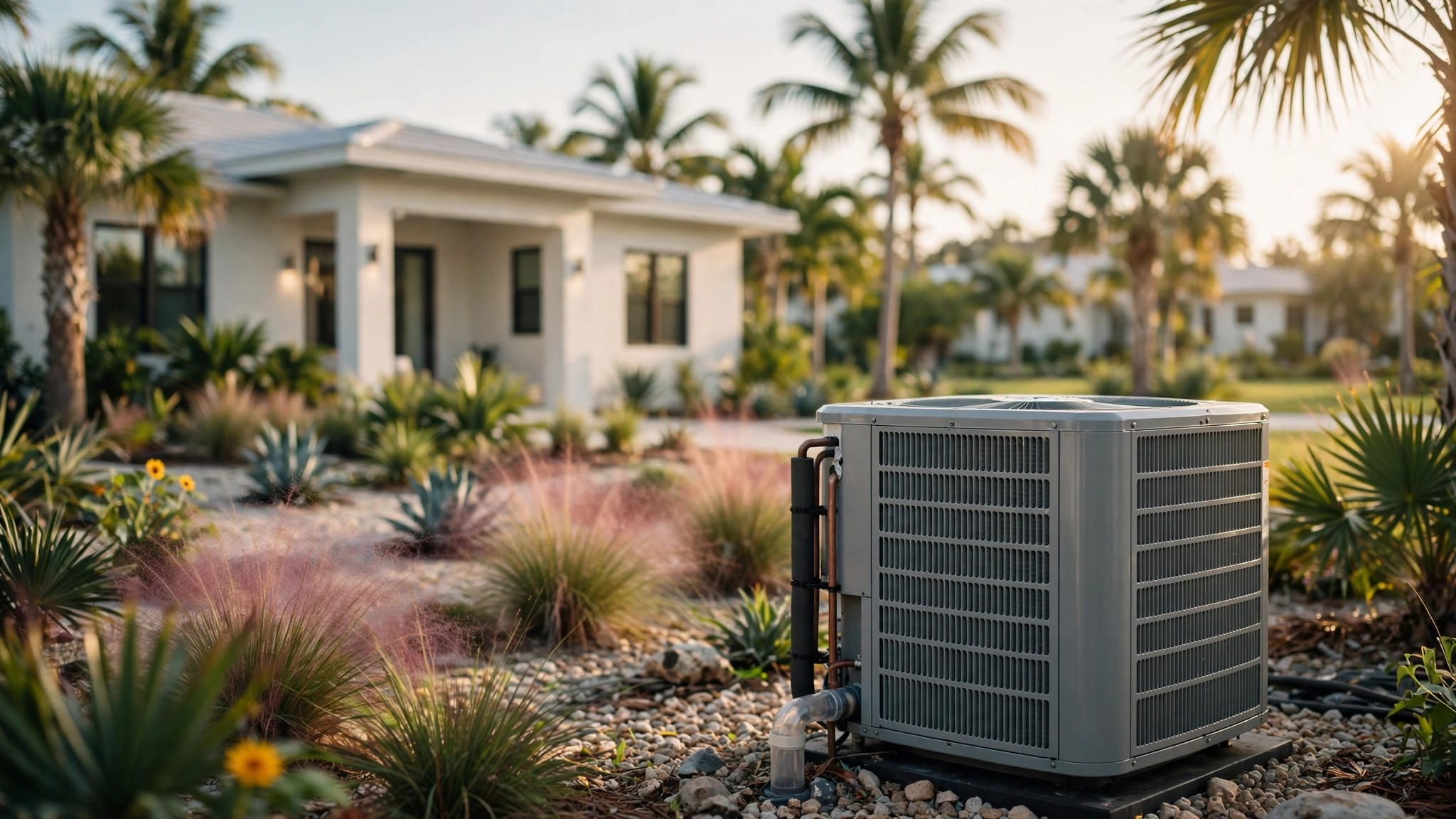
Keep the outdoor condenser clear
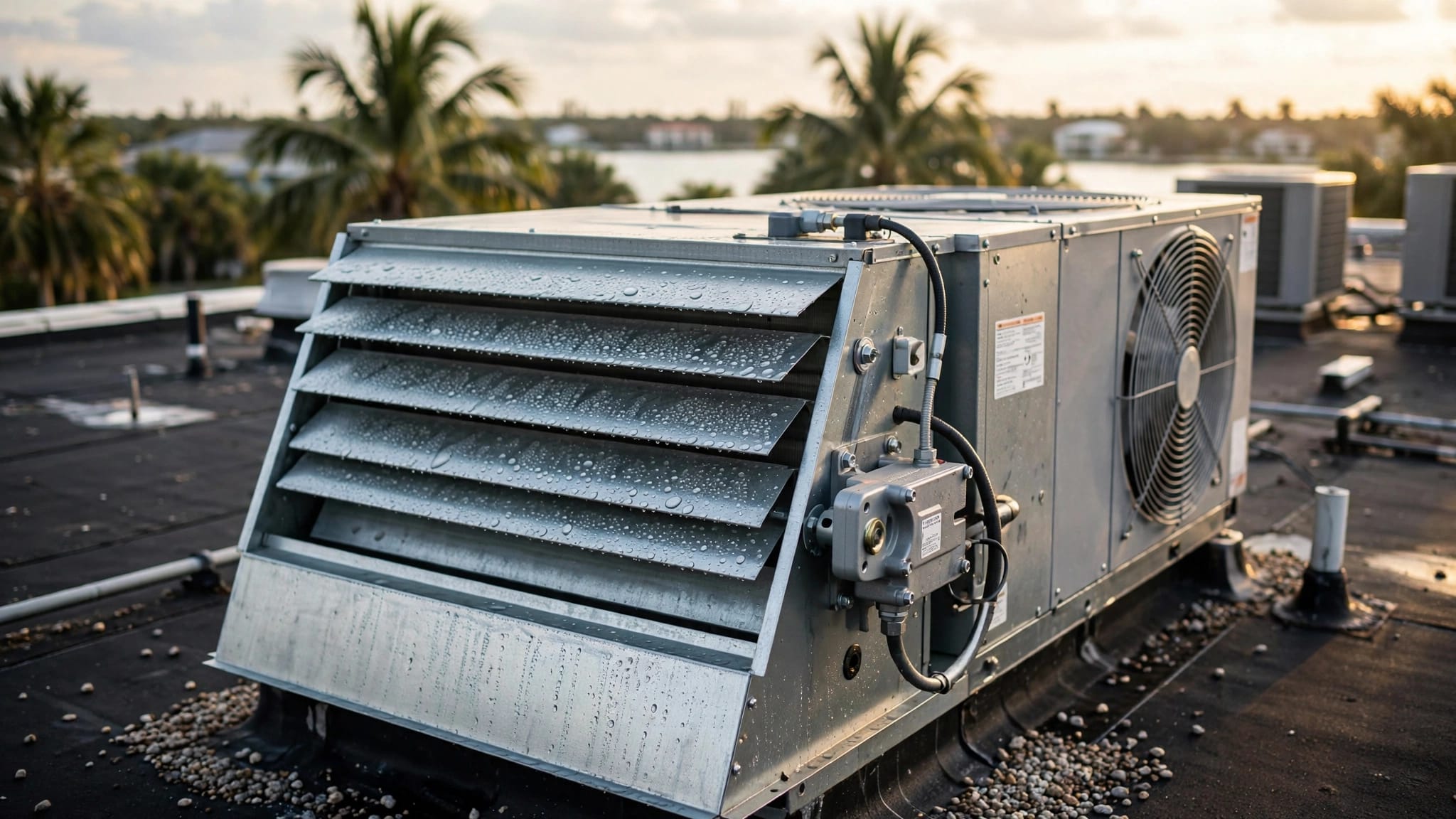
Interior work can generate debris that gets carried outside or stored near the condenser. Keep construction materials, bags, and loose debris away from the unit so its airflow path remains open.
Don't wrap the condenser in plastic or cover it while it's operating. Also avoid spraying water or cleaning chemicals into the equipment. If dust or debris appears to have entered the unit, turn the system off and arrange professional service.
Restore Airflow and Check the Filter After Cleanup
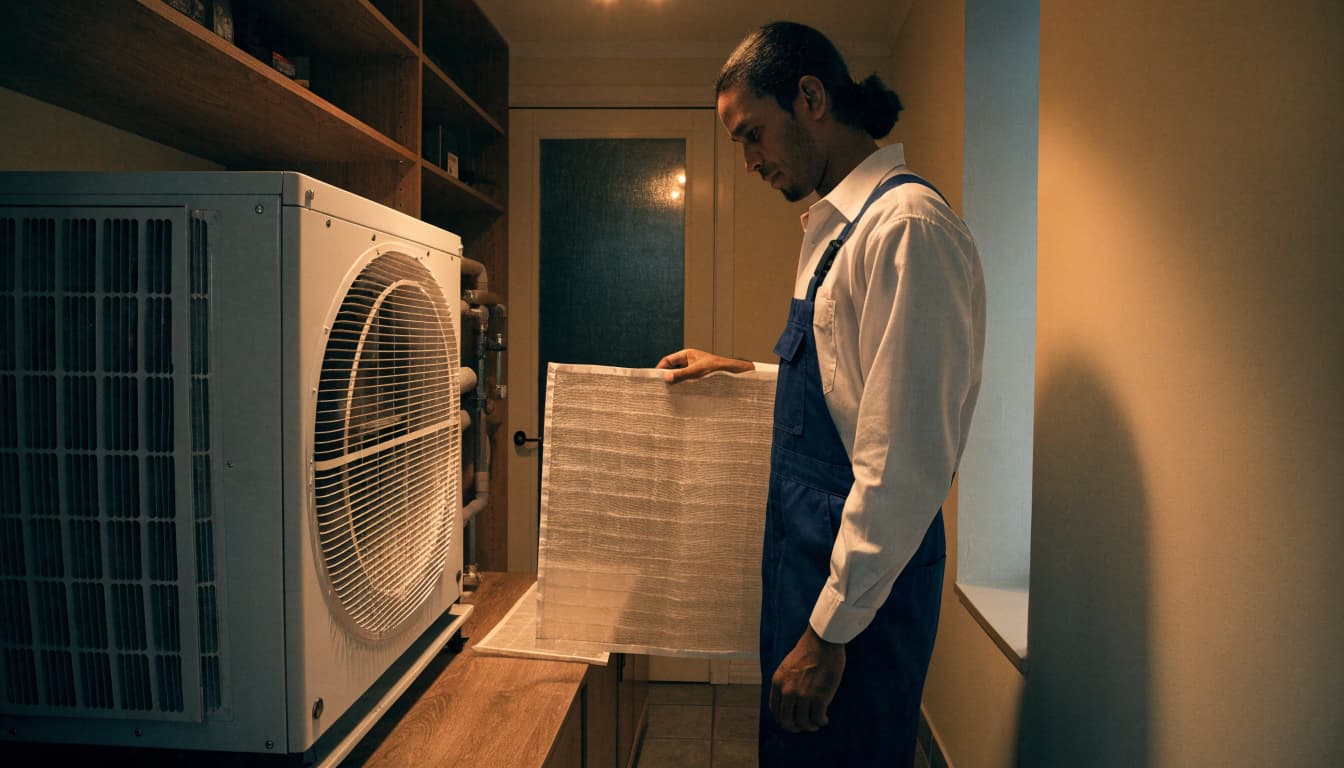
Inspect the filter before normal operation
After renovation cleanup, turn off the thermostat and inspect the filter according to the equipment's instructions. Replace it if it's visibly dirty, loaded with renovation dust, or due for replacement. Use the correct size and type for your system, and install it in the direction shown on the filter or equipment.
In Cape Coral, many homes need monthly filter checks. A standard 1-inch pleated filter may need replacement every 30 to 60 days, but renovation dust can make an earlier change appropriate. For more guidance, see how often to change AC filters.
Check the filter again after the system restarts
Once the grilles are open and cleanup is complete, run the system and pay attention to airflow. Check the filter again after the system has operated following renovation. If it has quickly collected dust, replace it rather than waiting for the usual interval.
A clean filter helps protect airflow, but it can't remove dust that has already reached other parts of the system. For broader filter care, our guide to safe AC maintenance tasks for Florida homeowners covers routine checks.
When to Call an HVAC Professional
Call an HVAC professional if you see dust inside the air handler, suspect debris entered the equipment, or notice weak airflow or unusual operation after work is done. Don't remove equipment panels or try to clean internal components yourself.
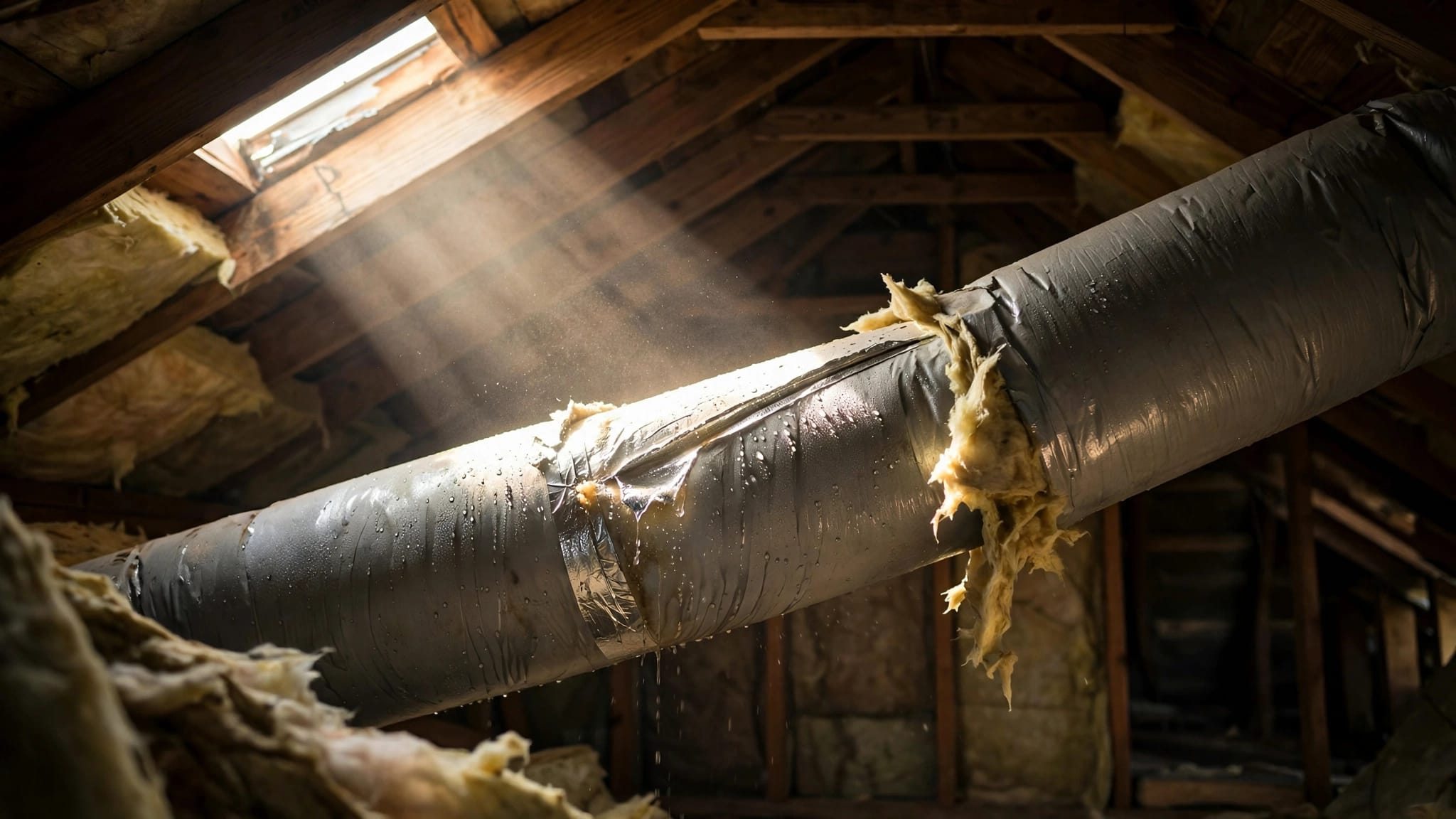
A technician can inspect the system and accessible ductwork to determine whether it needs service. Renovation dust in the ducts doesn't automatically mean every duct needs cleaning. If dust is coming from vents or you're concerned about duct condition, ask about ductwork repair and replacement or an indoor air quality testing evaluation.
For a post-project system check or other service in Southwest Florida, Contact Us to schedule a service call. We also offer HVAC maintenance agreements for ongoing system care.
Frequently Asked Questions
Should I cover every vent during renovation?
No. Covering vents is only appropriate while the HVAC system is off and dust-producing work is underway. Keep returns clear, and remove all covers before the system runs. Never operate the system with a supply vent or return blocked.
Is changing the filter enough after a renovation?
A filter change is a useful first step, especially if the old filter has collected dust. However, it won't remove debris that may have reached the air handler or ductwork. If you see dust inside equipment or notice particles coming from vents, have a professional inspect the system.
Can I leave the AC off for the entire renovation?
You can turn it off during dusty tasks, but a long shutdown can make a Florida home uncomfortable and humid. Coordinate the project so the system stays off when dust is being produced and can run again after cleanup, with all vent covers removed and airflow paths clear.
Protect Your Cooling System From Start to Finish
Renovation dust is easiest to manage before it reaches your HVAC equipment. Turn off the system during dusty work, use vent covers only while it's off, and keep returns clear whenever it runs.
After cleanup, remove the covers and inspect the filter. If dust may have entered the air handler or ducts, have the system checked before assuming a filter change is enough.