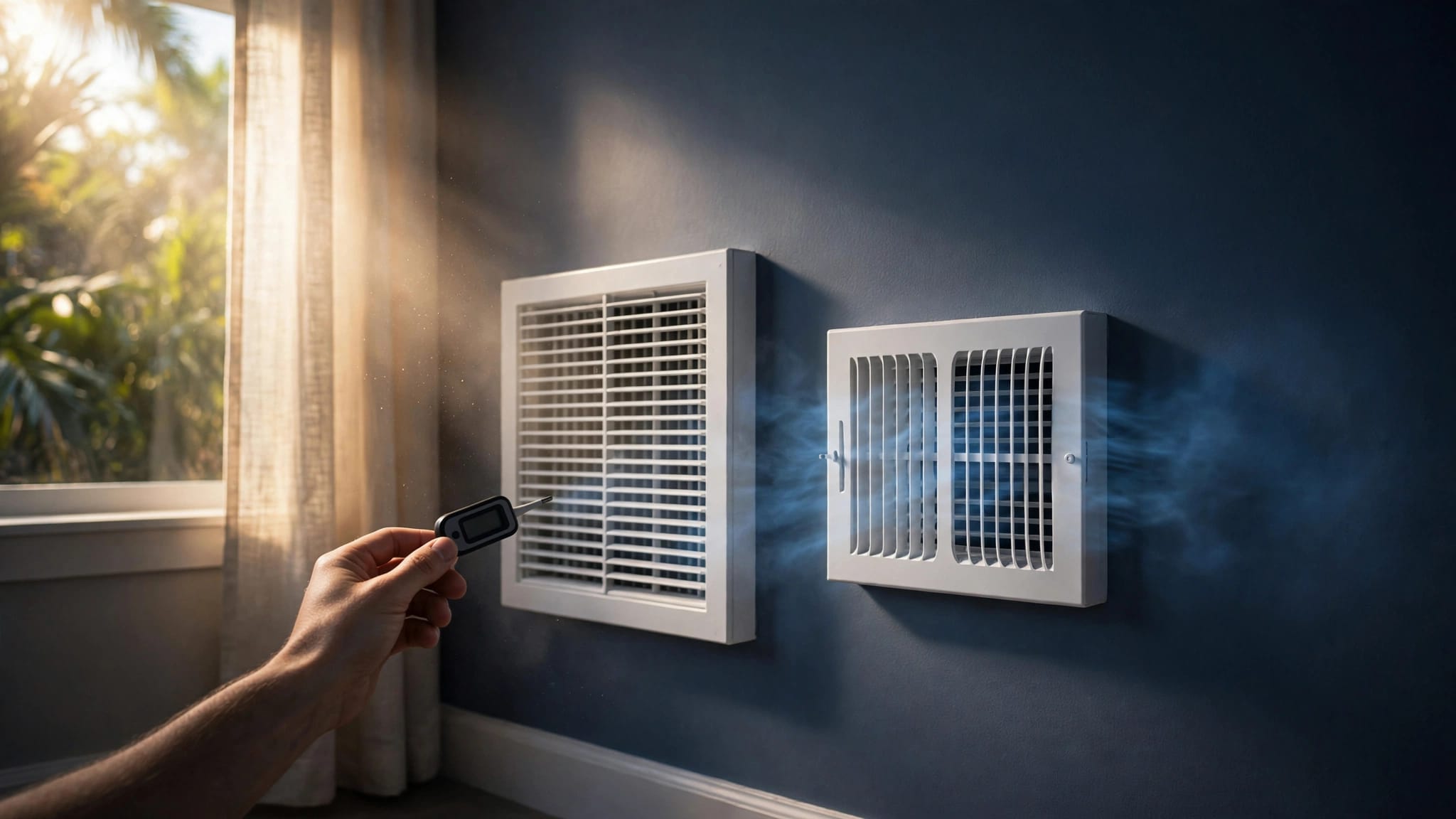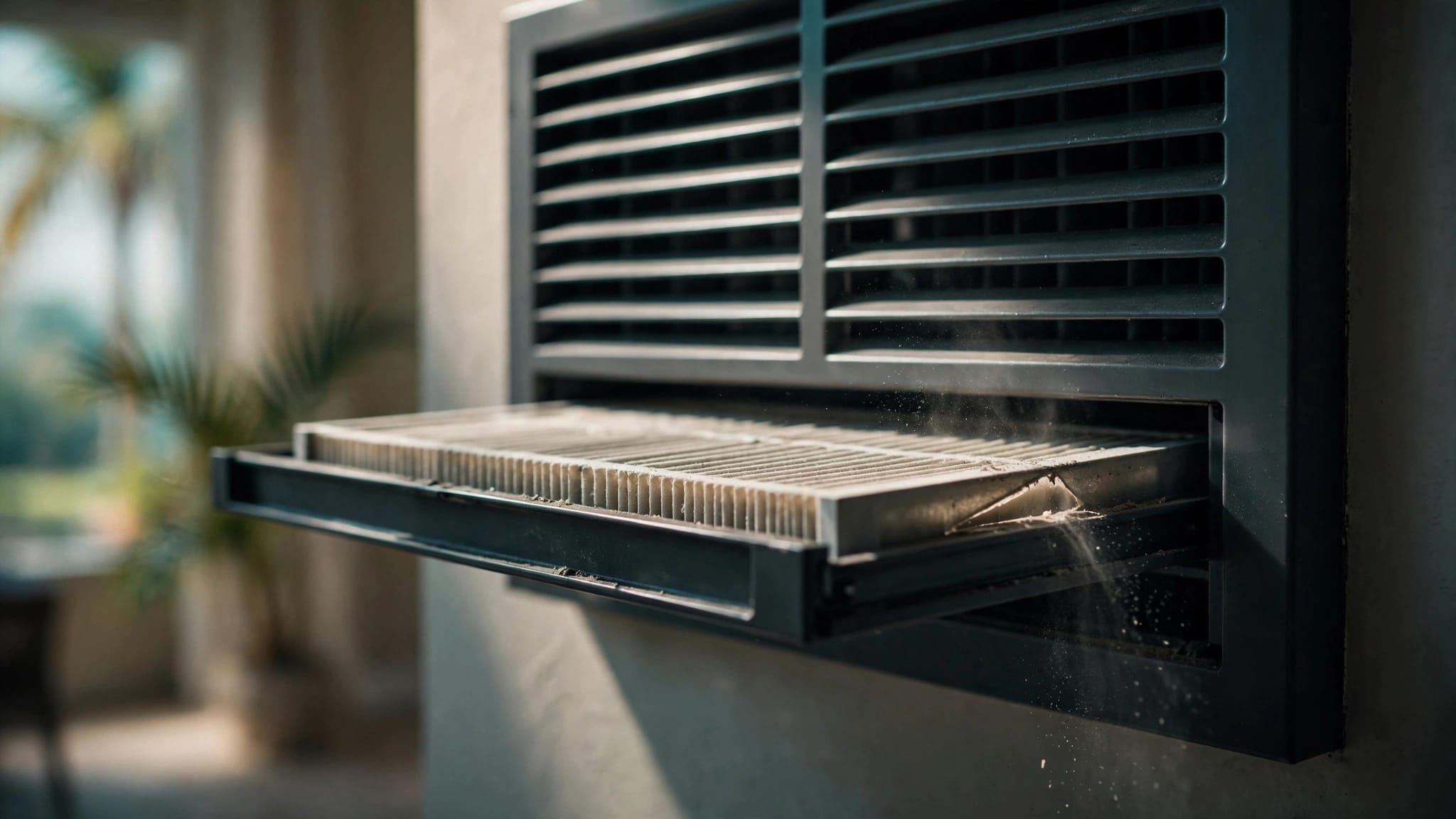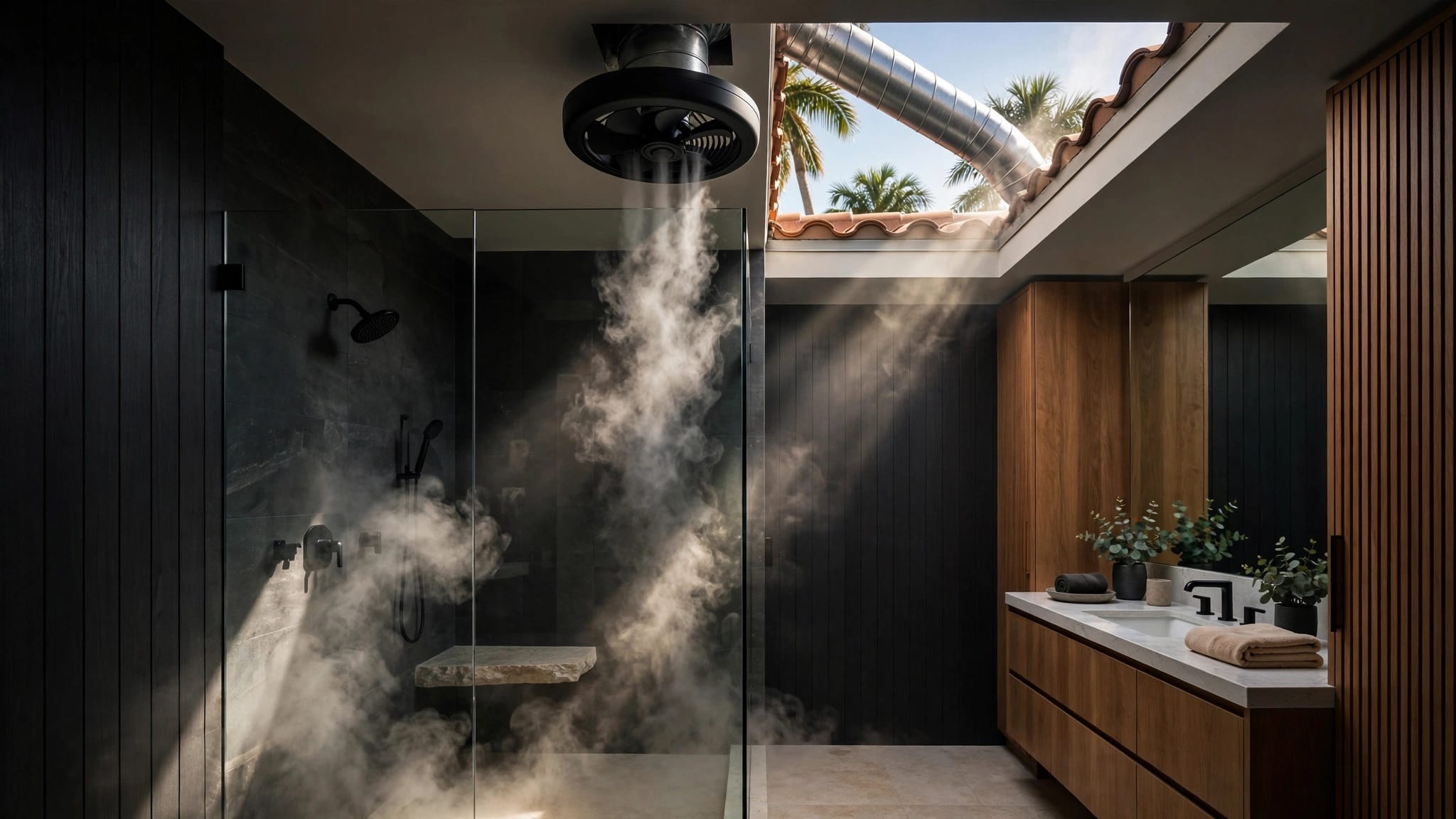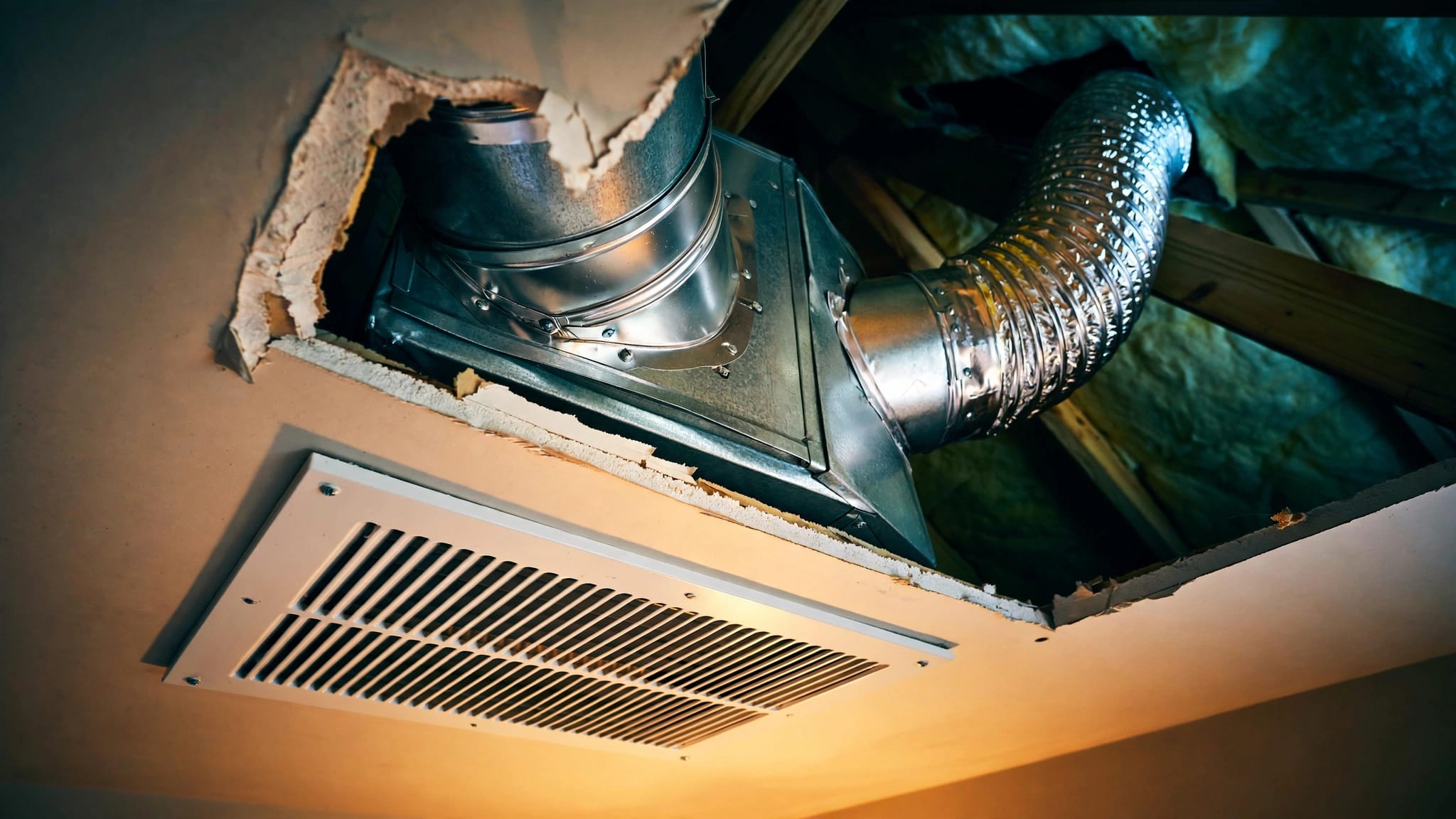
Your air conditioner can keep the house cool while doing little to replace stale indoor air. A fresh-air intake may help a Florida home, but not every house needs a dedicated intake .
The answer depends on the home's airtightness, existing ventilation, moisture levels, and applicable building requirements. Adding outdoor air without accounting for Southwest Florida's humidity can create another comfort problem.
Start by separating required ventilation from optional improvements, then look at what your home needs.
Key Takeaways
- Some tightly sealed homes require whole-house mechanical ventilation, but a dedicated supply intake isn't the only permitted approach.
- Standard central air conditioning mainly recirculates indoor air; cooling doesn't automatically provide outdoor-air exchange.
- Florida's humid outdoor air can increase the moisture load, so ventilation and humidity control need coordinated design.
- A licensed HVAC professional familiar with local requirements should evaluate the home before recommending equipment or changing an existing ventilation system.
What a Fresh-Air Intake Does
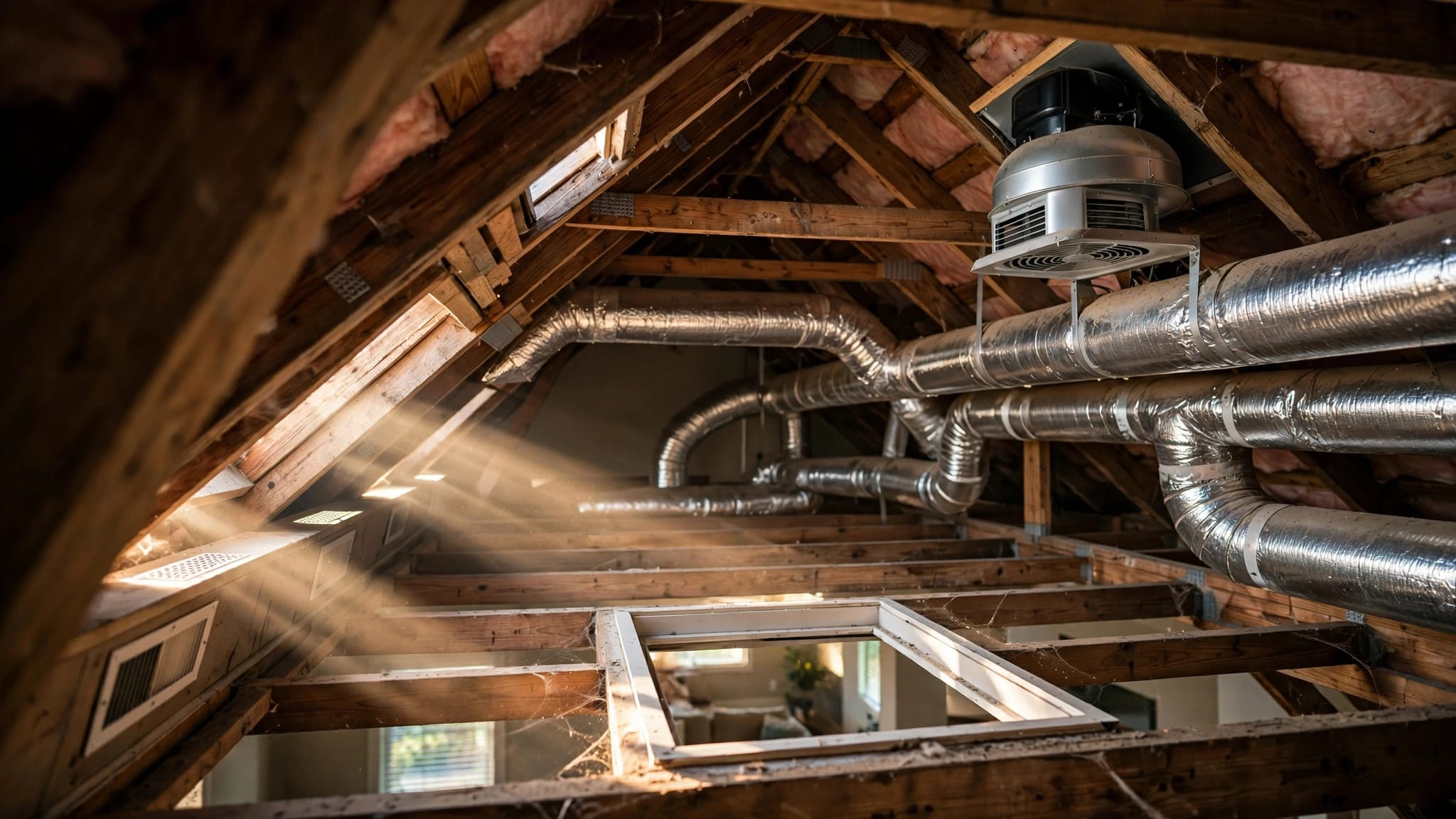
A fresh-air intake brings outdoor air into a home's ventilation or HVAC system through a planned opening and duct. Depending on the design, that air passes through filtration and mixes with conditioned air before reaching living spaces.
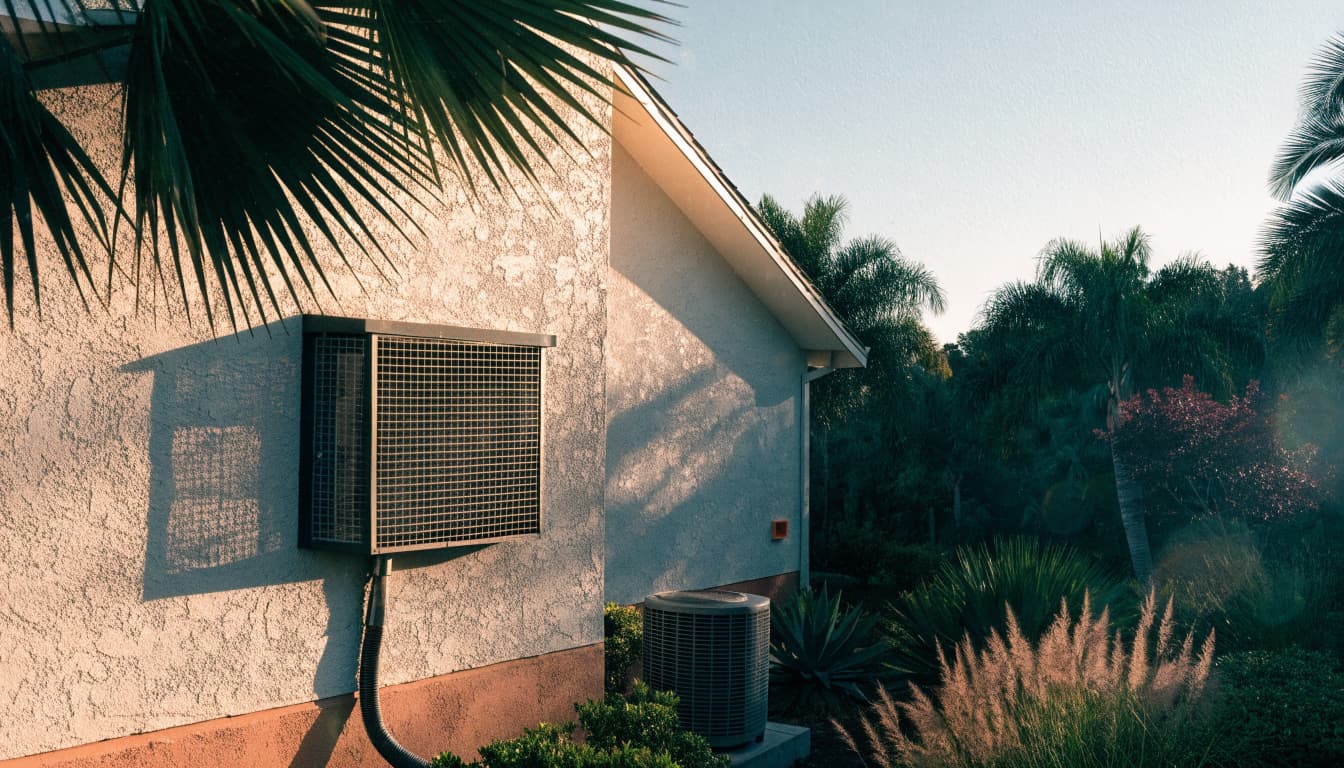
That differs from the return grille inside your home. A return grille sends indoor air back to the air handler. It doesn't bring in outdoor air unless the system includes a connection designed for that purpose.
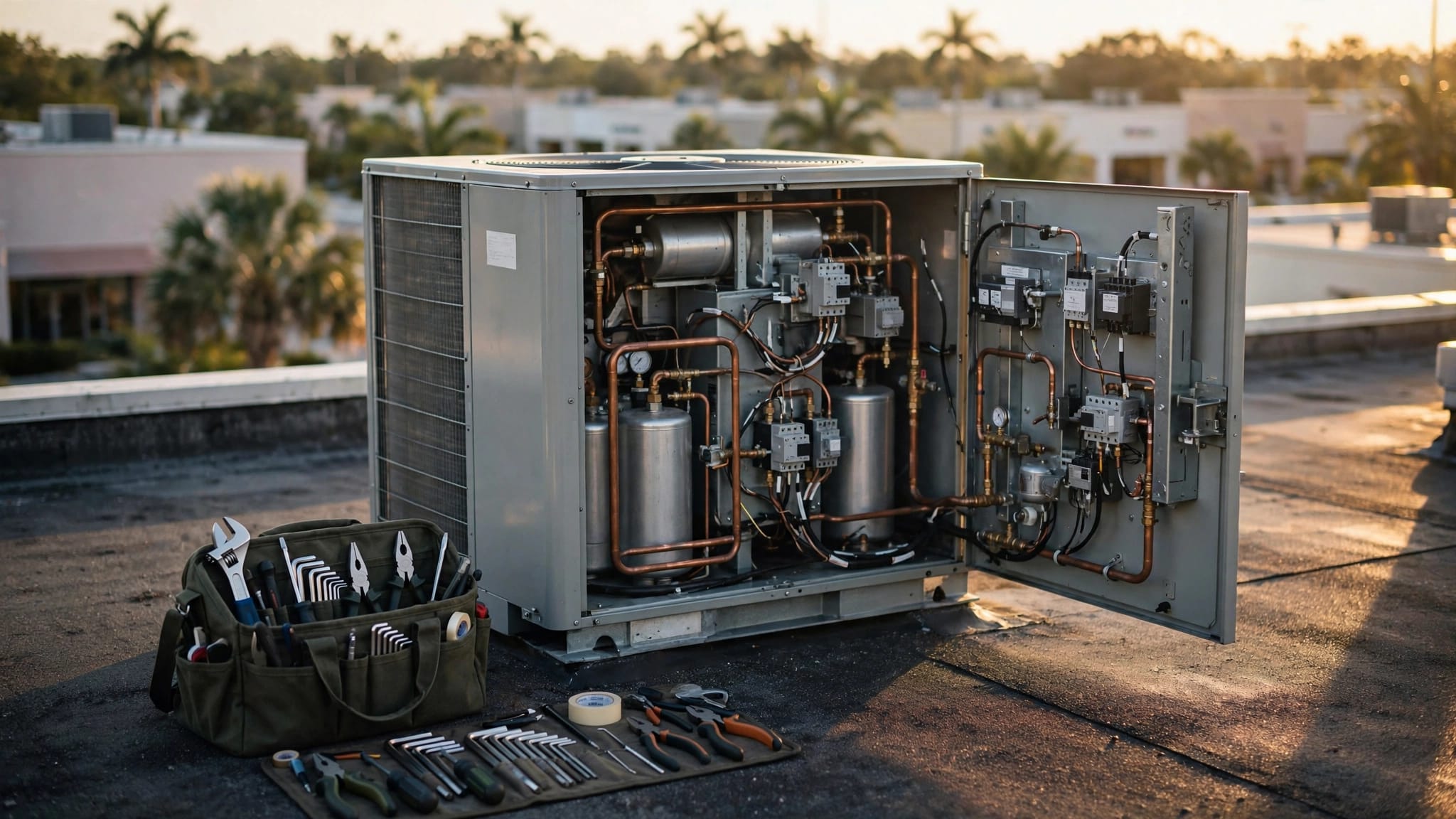
Likewise, the outdoor condenser doesn't deliver fresh air indoors. It releases heat collected by the cooling system.
Controlled ventilation can dilute some indoor pollutants and reduce occupant-generated carbon dioxide. However, it doesn't eliminate the need to remove pollution sources, maintain filters, or address water damage.
A properly designed intake also needs weather protection, suitable filtration, controls, and a location away from contamination sources. Intake placement has code requirements and exceptions, so choosing an exterior opening is a professional design decision.
When Florida Code Requires Mechanical Ventilation
Code requirements matter most during new construction and permitted work. However, the applicable rules depend on the project, building type, and local review.
The airtightness trigger
As of October 2026, the statewide code in force is the 2023 Florida Building Code, 8th Edition , effective December 31, 2023. The Florida Building Commission's code portal provides official edition information.
Section R303.4 of the Florida Residential Code requires whole-house mechanical ventilation when the tested infiltration rate is below 3.00 air changes per hour at 50 pascals .
That measurement, often called ACH50, comes from a blower-door test. It describes leakage under test pressure, not the home's everyday ventilation rate.
The requirement isn't a blanket order to retrofit every existing Florida home. A contractor should confirm which provisions apply to your project with the local building department.
Required ventilation doesn't dictate one intake design
Section M1507.3 allows whole-house ventilation using supply fans, exhaust fans, or both. Therefore, a qualifying home may need mechanical ventilation without needing a dedicated supply duct connected to its central AC.
The required airflow depends on the applicable code calculations and home characteristics. A contractor shouldn't select a universal airflow rate for every house.
Also, a bathroom fan doesn't automatically satisfy whole-house requirements. Its capacity, controls, and operation must support the approved ventilation design.
When an Existing Home Deserves a Ventilation Evaluation
An older house doesn't need an intake simply because it lacks one. Still, changes to the building or household can make an evaluation worthwhile.
After air sealing or major renovations
Replacement windows, weatherstripping, and other sealing work can reduce uncontrolled outdoor-air leakage. That's useful for cooling efficiency, but it may also change how the home exchanges air.
If stuffiness or lingering odors develop after those improvements, ask whether the house has adequate planned ventilation. Review the renovation scope and any applicable permit requirements at the same time.
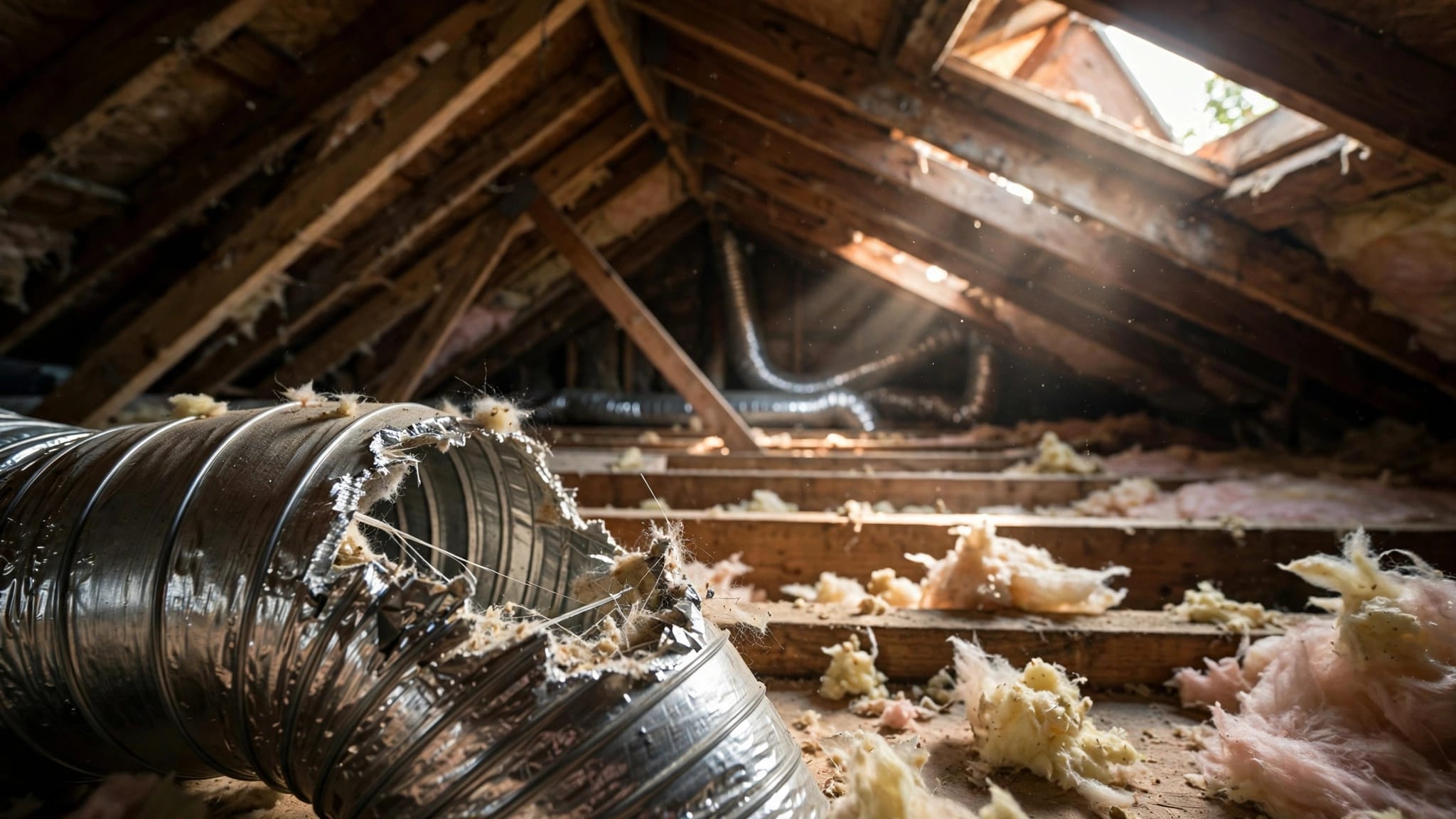
Duct problems deserve attention too. Return-side leaks can pull unwanted air from an attic or other unconditioned space. Supply leaks can affect house pressure and waste cooled air. Those conditions call for ductwork repair and replacement, rather than an intake added to hide the symptoms.
When occupied rooms repeatedly feel stuffy
Repeatedly elevated CO2 readings during normal occupancy can help identify limited outdoor-air exchange. However, one reading doesn't establish the required equipment or airflow.
Confirm the monitor's placement and calibration, then observe patterns across occupied and unoccupied periods. Closed bedroom doors and poor return-air paths can also affect room conditions.
A high CO2 reading doesn't prove mold, and a normal reading doesn't rule it out. Persistent odors may come from moisture, drains, household products, or damaged materials. The assessment should follow the concern rather than assume ventilation is the answer.
Why Florida Humidity Changes the Recommendation
Fresh outdoor air isn't automatically dry air. In Cape Coral and nearby communities, an intake can bring in water vapor along with the outdoor-air exchange your home needs.
Outdoor air adds a moisture load
Opening windows may lower CO2 while raising indoor humidity. A mechanical intake can create the same moisture challenge if its airflow exceeds what the cooling and dehumidification equipment can handle.
The Florida Department of Health recommends keeping indoor relative humidity below 60%. Lower humidity, below 50% when comfortably achievable, helps limit conditions that support mold and dust mites.
Use a hygrometer to track moisture instead of relying only on the thermostat. A cool room can still be damp.
During mild, humid weather, the AC may run too little to remove the added moisture. Some homes need dedicated dehumidification alongside ventilation.
Correct existing moisture problems first
An oversized AC, dirty coil, restricted airflow, or refrigerant problem can weaken moisture removal. Drain issues and duct leaks also deserve inspection.
Arrange residential air conditioning service when the home stays clammy despite normal cooling. Adding outdoor air before correcting equipment problems can increase the workload.
Roof leaks, plumbing leaks, and wet building materials require their own repairs. A ventilator can't dry a hidden leak or remove established mold.
If humidity rises after a ventilation change, the airflow, controls, and moisture-removal capacity need review together.
Comparing Fresh-Air Ventilation Options
The right system depends on the house, not simply the appeal of a particular equipment label.
These approaches handle outdoor-air exchange differently.
| Approach | How it works | Main Florida consideration |
|---|---|---|
| Supply ventilation | A fan brings outdoor air inside. | Incoming moisture needs control. |
| Exhaust ventilation | A fan removes indoor air; replacement air enters through available paths. | Replacement air may enter through undesirable locations. |
| Balanced ventilation | Separate supply and exhaust paths move comparable air volumes. | Airflows need measurement and adjustment. |
| Energy recovery ventilator (ERV) | Exchanges air while transferring some heat and moisture between air streams. | Reduces part of the incoming moisture burden but doesn't replace dehumidification. |
An ERV is often worth considering for a tightly sealed Florida home because of its moisture-transfer capability. In contrast, a heat recovery ventilator (HRV) primarily transfers heat.
However, climate alone doesn't settle the choice. The contractor must consider indoor conditions, required airflow, duct routing, and HVAC compatibility.
Supply, exhaust, or balanced systems can all require careful moisture planning. Ask how the proposed system will operate when the AC isn't actively cooling, and how filters and recovery components will remain accessible for maintenance.
What a Licensed HVAC Assessment Should Check
A recommendation should begin with measurements and inspection, rather than an equipment sales pitch.
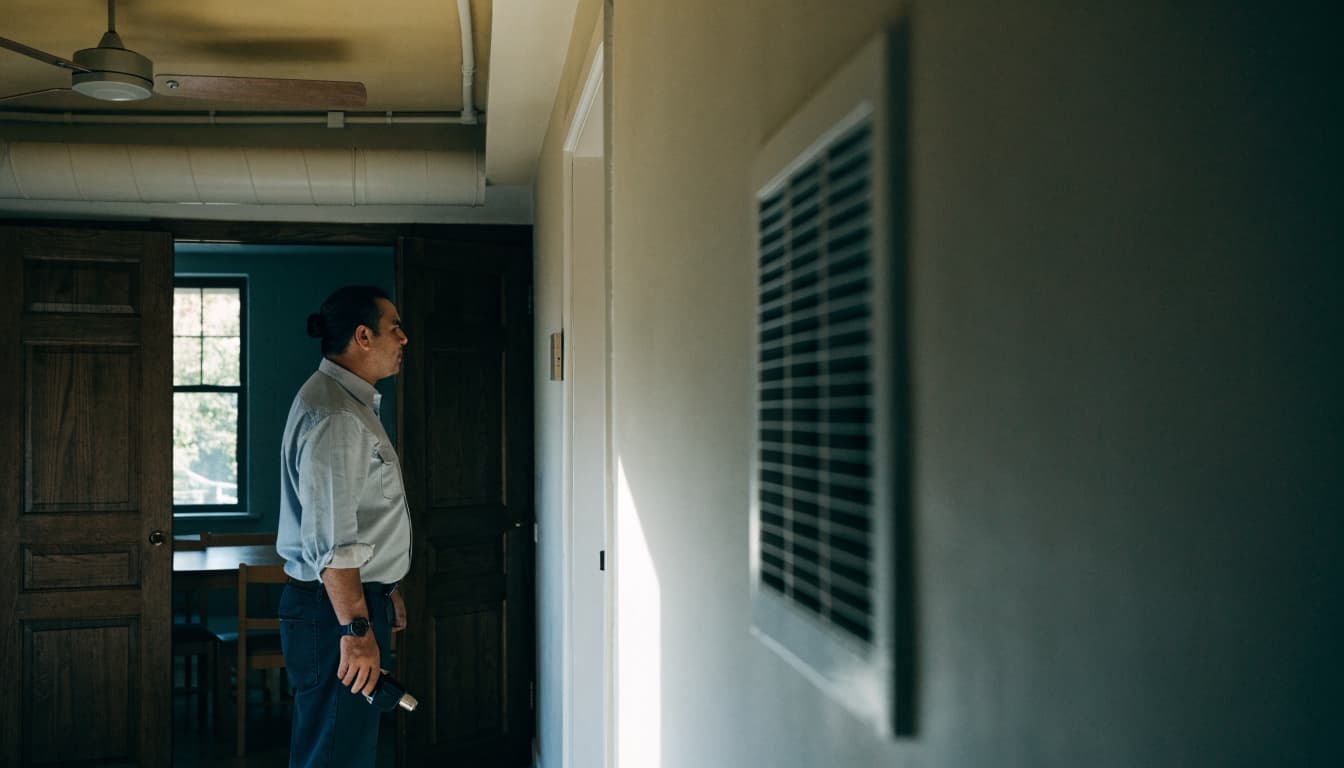
The contractor should review home size, bedroom count, occupancy, existing ventilation, and available airtightness information. Indoor humidity and observed CO2 patterns can add context, but neither replaces the applicable ventilation calculation.
Next, the assessment should cover the air handler, condensate drainage, duct condition, and room-to-room airflow. A bedroom with a supply register and an inadequate return path may need airflow corrections.
Bathroom fans should discharge outdoors, rather than into an attic or another interior space. Kitchen exhaust also matters: a recirculating hood may capture some particles and odors, but it doesn't carry humid cooking air outside.
For unexplained stuffiness or recurring odors, an HVAC and indoor air quality inspection can help match measurements to the concern. Suspected mold calls for investigating moisture first; routine sampling isn't automatically necessary.
Before approving work, ask what problem the proposed system addresses. The quote should identify equipment, duct changes, controls, filtration, any drainage needs, and commissioning. Finally, the installer should measure airflow and explain maintenance access and operating settings.
Frequently Asked Questions About Fresh-Air Intakes
Does replacing my AC mean I need an intake?
An AC replacement doesn't automatically mean every home needs a new fresh-air intake. The contractor should review existing ventilation and requirements that apply to the permitted work.
If the home already has ventilation equipment, the replacement design should account for its controls and airflow. Don't assume a new air conditioner automatically replaces that function.
Can a better HVAC filter provide fresh air?
A filter removes certain particles from air passing through it. It doesn't introduce outdoor air or remove occupant-generated CO2.
Choose a filter compatible with your equipment, since excessive airflow resistance can affect operation. Filtration and ventilation address different concerns, so improving one doesn't automatically resolve the other.
Can I close an intake if the house feels damp?
Don't permanently block or disconnect a designed intake without professional review. Doing so may undermine required ventilation or affect system operation.
Instead, have the contractor check airflow, controls, outdoor conditions, and dehumidification. The solution may involve correcting operation or moisture removal while preserving the ventilation the home needs.
A Fresh-Air Plan Should Fit Your Florida Home
A Florida home needs a dedicated intake only when that approach fits its ventilation requirements and existing systems. Controlled airflow and moisture management should guide the decision.
Have a licensed HVAC professional familiar with local requirements evaluate recurring stuffiness, humidity, or changes after air sealing.
To schedule a service call, Contact Us. Back Bay Heating & Cooling offers 24/7 service throughout Charlotte, Collier, Hendry, and Lee counties.