A hot attic doesn't automatically mean an attic fan will help your air conditioner. For attic fans in Florida, the decision depends on insulation, ceiling leaks, ventilation paths, and duct condition.
A lower attic temperature alone doesn't establish better cooling or lower bills. Before adding equipment, check how heat and moisture enter your home, starting with which type of fan you're considering.
Powered Attic Ventilators and Whole-House Fans Differ
People often use "attic fan" for two different systems. Their airflow paths matter because each affects the house differently.
Powered attic ventilators exhaust attic air
A powered attic ventilator mounts near the roof or in a gable and exhausts air from the attic. Replacement air should enter through outdoor ventilation openings, such as soffit vents.
However, an attic isn't always separated tightly from the rooms below. Ceiling penetrations and an unsealed access hatch create other possible air paths. Before evaluating a ventilator, identify where its replacement air would come from. A hot attic by itself doesn't answer that question.
Whole-house fans move air through living spaces
A whole-house fan typically sits in the ceiling between the house and attic. It draws outdoor air through open windows, moves it through occupied rooms, and exhausts it through attic vents.
That means it brings outdoor conditions into your living space. In Cape Coral, evening air can remain humid even when temperatures fall. Whole-house ventilation therefore involves a different moisture tradeoff than attic-only exhaust. Neither system replaces the air conditioner's ability to remove indoor humidity.
Why Attic Fans in Florida Need a Closer Look
Southwest Florida roofs absorb strong sun throughout the day. After sunset, roof decking and framing can continue releasing stored heat. That heat can reach rooms below through poorly insulated ceilings.
However, attic temperature is only one part of the cooling load. Sun-exposed windows, ceiling air leaks, and ducts running through the attic also affect comfort. Cooling the attic air doesn't resolve those separate problems.
Powered exhaust also creates a pressure difference. If outdoor intake is restricted and the ceiling leaks, a ventilator can draw conditioned air into the attic. Replacement air entering the house can bring additional heat and moisture that the AC must remove.
An attic temperature reading can't tell you whether a fan is pulling cooled air out of the house.
This is why a fan recommendation needs more than a temperature check. Florida's humidity makes the source of replacement air especially important. A solar-powered motor doesn't change the need to evaluate those airflow paths.
Check Insulation, Air Sealing, and Passive Ventilation First
These parts work together, but each has a different job. Insulation slows heat flow, air sealing limits leakage, and passive vents connect a vented attic to outdoor air.
Insulation and ceiling leaks affect the cooling load
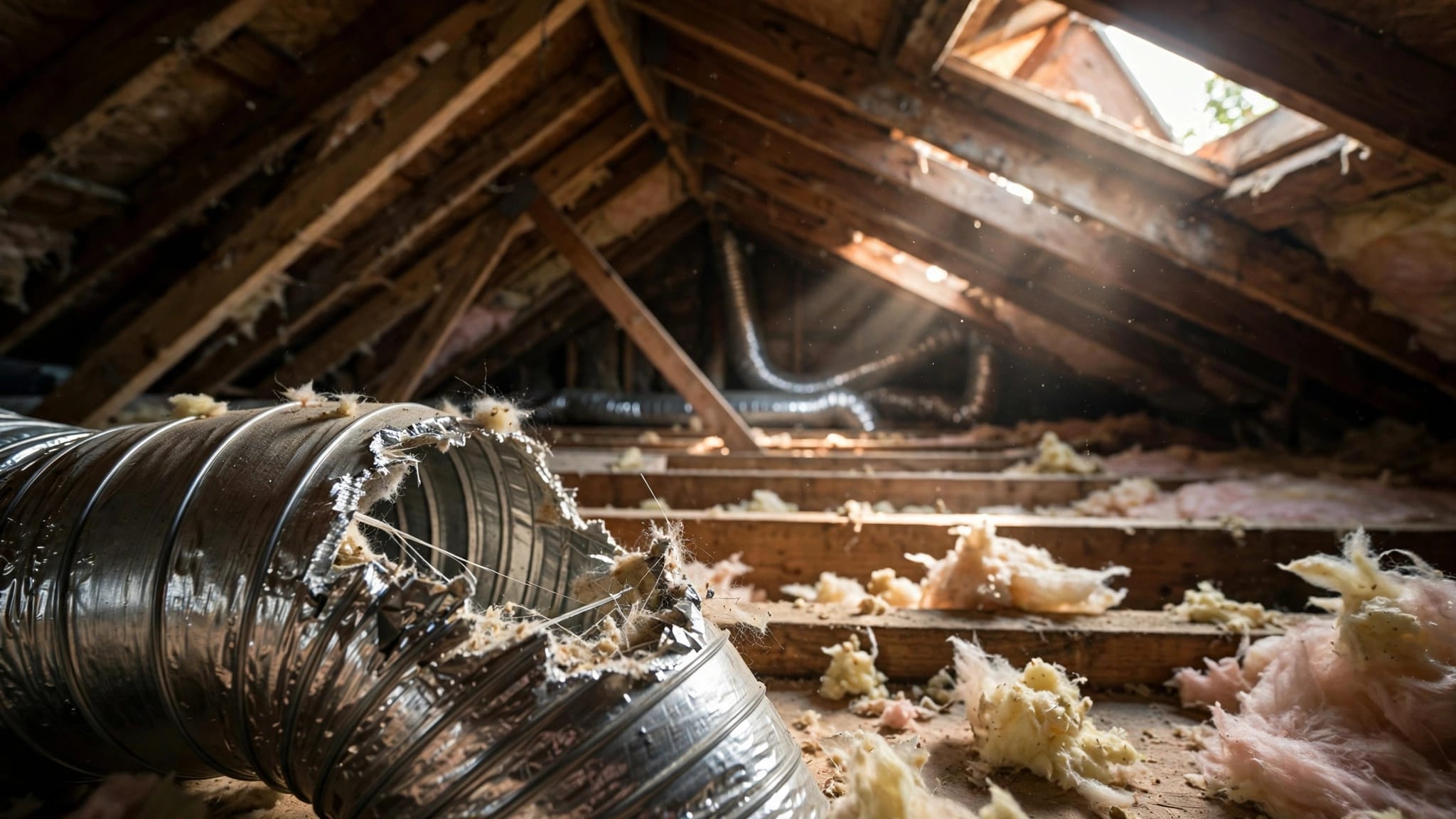
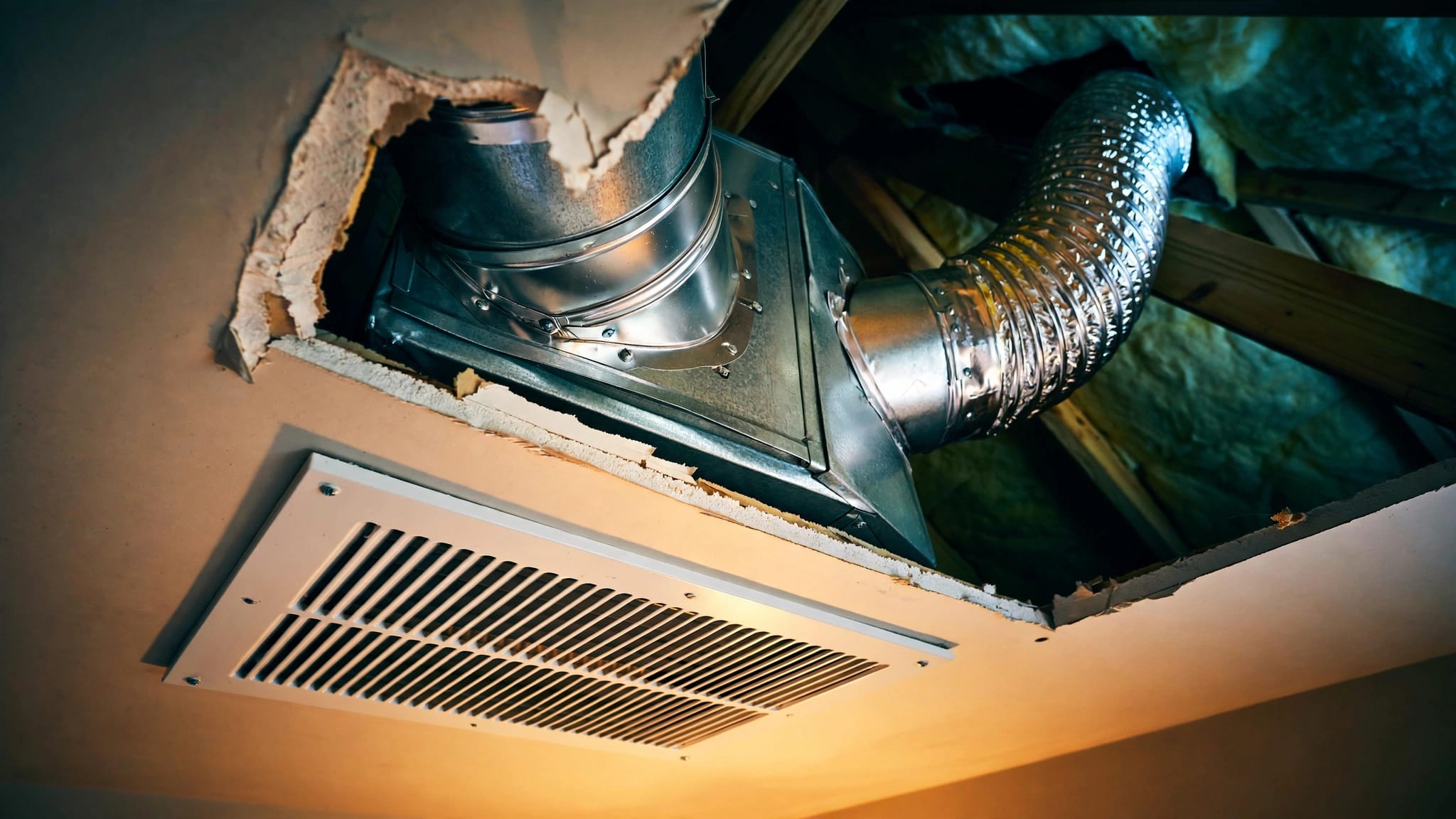
Look for uneven insulation coverage, exposed attic-floor areas, and damaged or wet material. Also check the attic hatch, plumbing penetrations, and openings around ceiling fixtures.
Insulation doesn't seal these openings. Adding material over an unresolved leak can leave the air pathway in place. Back Bay's guidance on attic insulation and air sealing explains how both affect AC performance.
Repairs also need appropriate clearances around fixtures and safe access to equipment. Moisture problems deserve attention before insulation covers the affected area.

Soffit and ridge vents need open airflow paths
In a vented attic, soffit vents provide low intake openings, while ridge vents provide high exhaust openings. Baffles can keep insulation from blocking the path near the eaves.
Blocked intake vents or poorly arranged openings deserve evaluation before adding powered exhaust. More airflow isn't automatically better when it follows the wrong path.
An unvented attic with insulation at the roofline has a different design. Its ventilation needs shouldn't be judged by the same assumptions as an attic insulated at the floor. Have the existing roof and insulation assembly identified before making changes.
When a Professional Evaluation Is Worthwhile
A home assessment is worthwhile when cooling complaints persist or you're considering a roof-mounted ventilator. It can separate attic heat gain from equipment, airflow, and duct problems.
Bring specific observations to the visit:
- Note which rooms stay warm and whether discomfort continues after sunset.
- Record indoor temperature and humidity during similar weather conditions.
- Describe weak airflow, excessive dust, or unusually long AC operation.
Long cooling cycles alone don't prove a problem. However, constant operation alongside warm rooms or damp indoor air deserves investigation.
If ducts run through the attic, their seals and insulation need attention. Supply leaks lose cooled air before it reaches rooms. Return leaks can pull hot, humid attic air into the system. These signs of leaking ductwork can help you describe the symptoms.
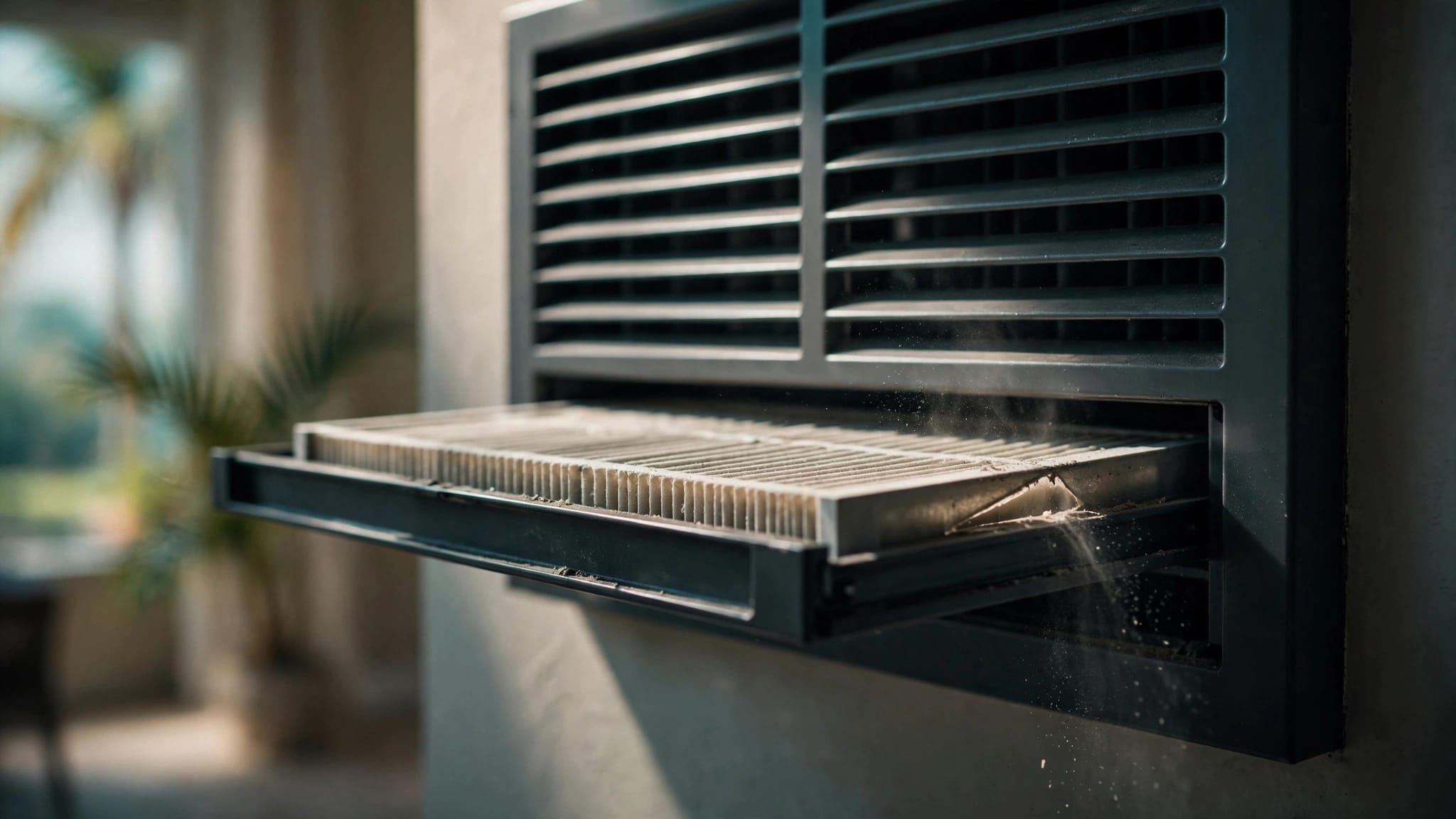
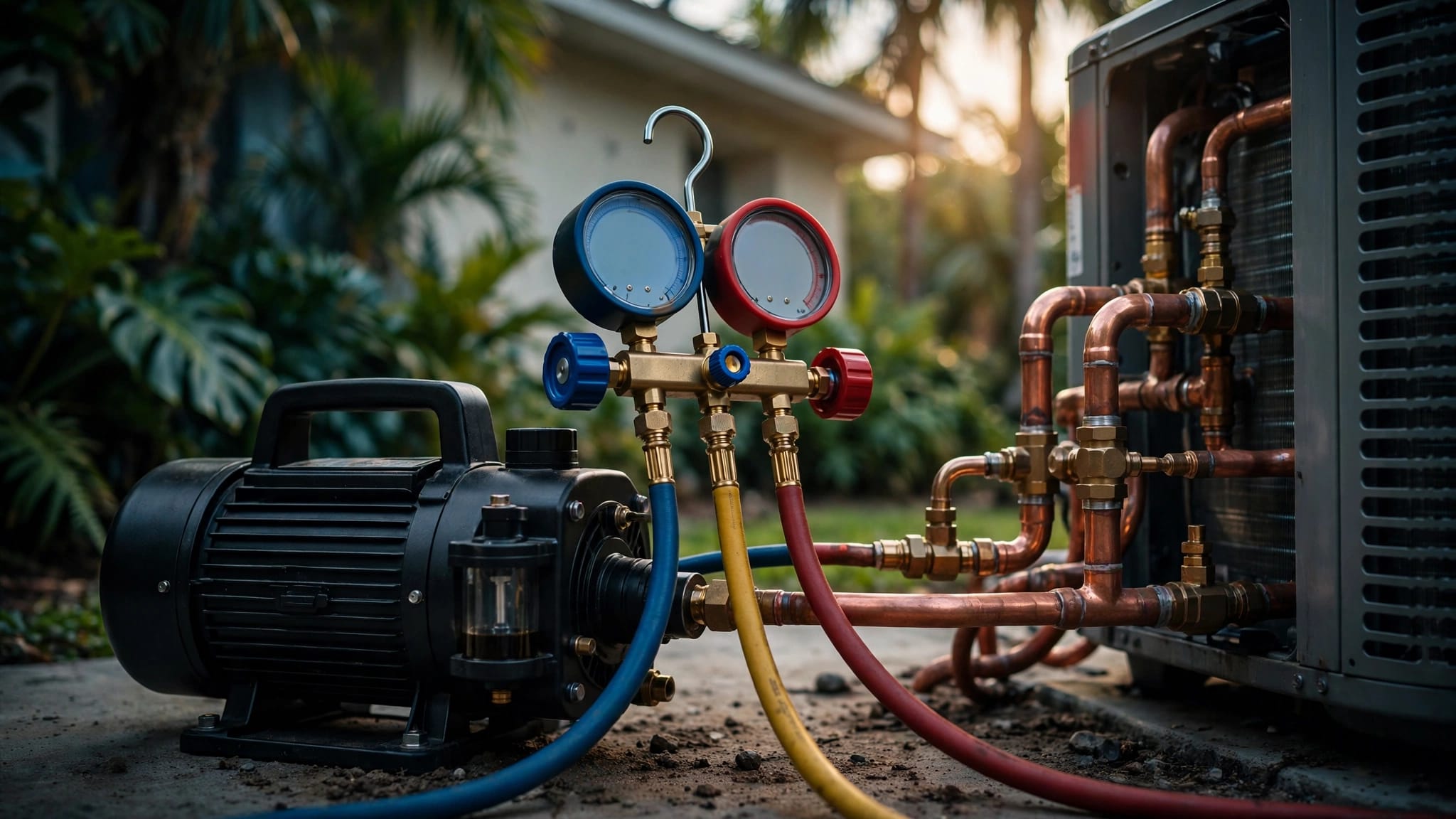
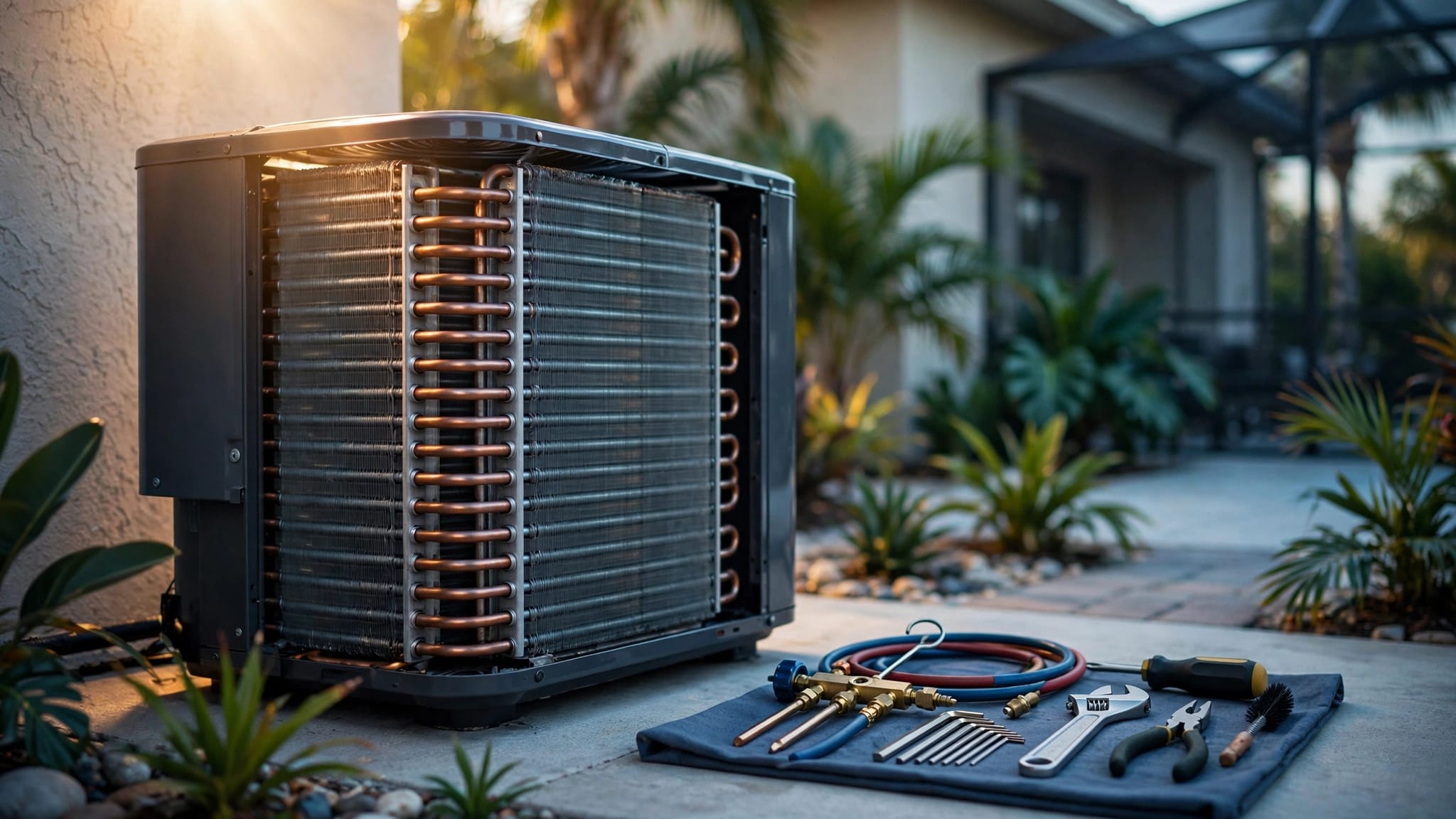
A technician should check accessible ducts, return-air paths, filter condition, airflow, and AC operation. Where needed, pressure and leakage testing can clarify connections between the attic and living space. Ask what measurements support any fan recommendation.
Back Bay Heating & Cooling serves Cape Coral and surrounding Southwest Florida communities. Contact Us for 24/7 HVAC service or to schedule a service call.
Make the Decision Around the Whole Home
Attic fans in Florida need a home-specific evaluation. A cooler attic reading doesn't establish energy savings or better indoor comfort.
Start with insulation coverage, ceiling air leaks, passive ventilation, and duct condition. When the AC still struggles, measured testing provides a stronger basis for repairs than choosing a fan because the attic feels hot.