Seeing "AUX HEAT" on your thermostat during a cool Cape Coral morning can raise questions about your electric bill. The right heat pump balance point configuration helps your system use backup heat when needed, but there's no single outdoor temperature that fits every home.
Your equipment, thermostat, home's heat loss, and comfort preferences all affect the setup. Start by understanding what these heating controls allow before changing installer settings .
What the heat pump balance point tells you
The balance point connects your heat pump's heating capacity with your home's heating demand. It isn't the indoor temperature you select on the thermostat, and it isn't automatically a programmed cutoff.
The thermal balance point
The thermal balance point is the outdoor temperature where the heat pump's available heating output matches the home's heat loss.
As outdoor temperatures fall, a home generally loses heat faster. Meanwhile, many heat pumps deliver less heating capacity in colder weather. Where those two values meet, the equipment can just maintain the selected indoor temperature under the conditions used in the calculation.
Below that point, supplemental heat may be needed. However, modern variable-capacity equipment can perform differently than older single-stage systems. A technician needs the specific equipment's heating-performance data rather than a rule based only on system tonnage.
The economic balance point
An economic balance point compares the operating cost of the heat pump with another heating source. This distinction matters most in dual-fuel systems that combine a heat pump with a furnace.
Many residential heat pumps instead use electric resistance heat strips as backup. Resistance heating delivers roughly one unit of heat per unit of electricity. A functioning heat pump can deliver more because it moves heat rather than generating all of it electrically.
For electric-backup systems, configuration usually focuses on meeting heating demand while avoiding unnecessary strip operation. A furnace changeover strategy shouldn't be copied onto an electric-backup system.
Why Cape Coral's mild winter changes the setup
Cape Coral homes spend much more time cooling than heating. Nevertheless, cold fronts can create overnight heating demand that exposes problems homeowners haven't noticed during summer.
Because winters are mild, a properly operating heat pump may handle many heating calls without resistance backup. Allowing auxiliary heat unnecessarily during relatively warm weather can increase electricity use. Blocking it when the compressor can't meet the home's demand, however, can leave rooms uncomfortable.
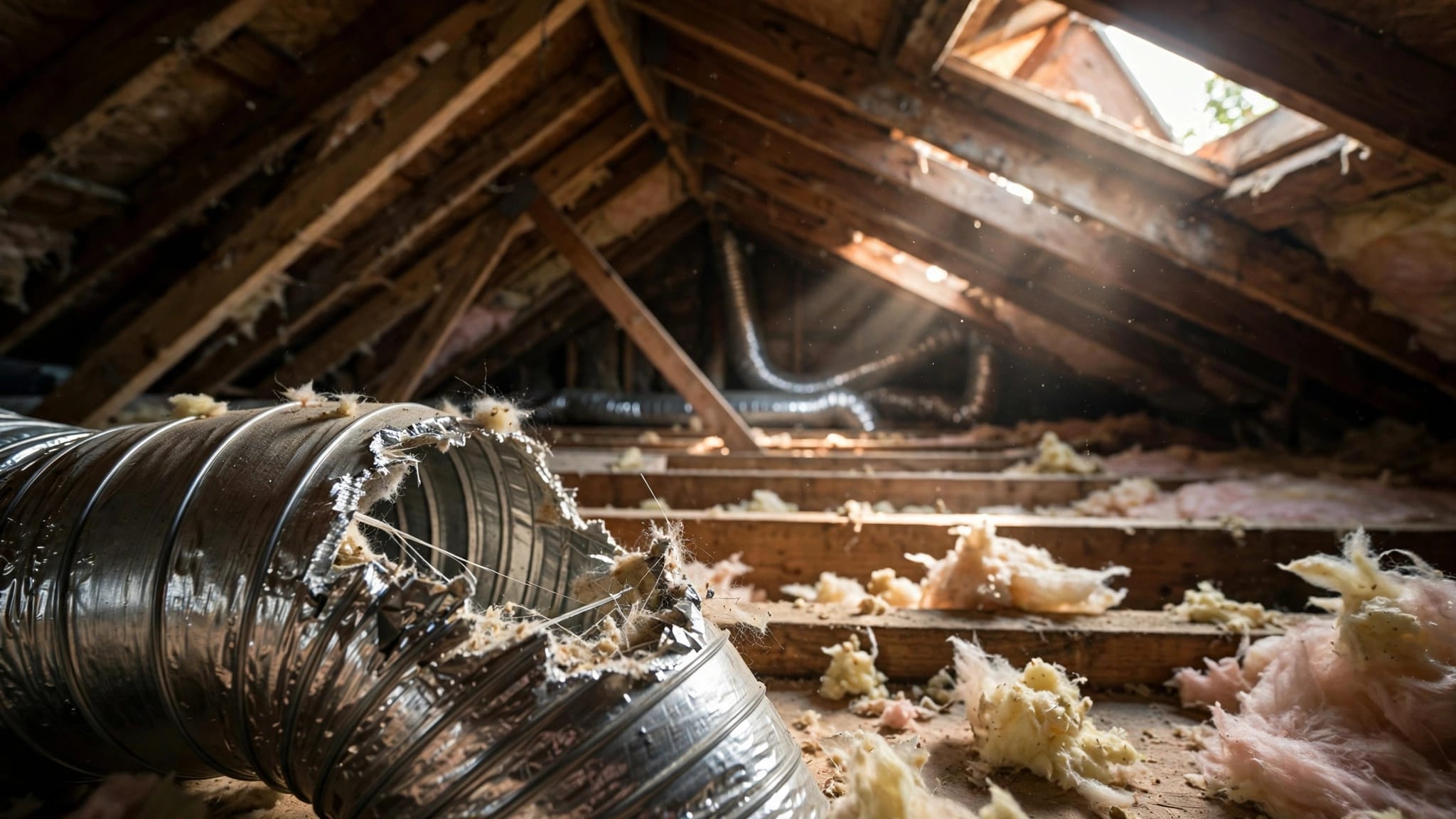
The local climate also doesn't erase differences between houses. Attic insulation, window construction, air leakage, and duct losses all affect heating demand. Wind can increase heat loss through a leaky building envelope.
An outdoor temperature reading alone therefore can't establish the correct heat pump balance point for your home. The technician must connect local operating conditions with equipment performance and the building's needs.
Back Bay Heating & Cooling has provided heating services in Cape Coral and surrounding Southwest Florida communities for over 25 years. A local equipment assessment is more useful than copying a setting recommended for a colder region.
How auxiliary-heat lockout settings work

Thermostats use different names for outdoor-temperature limits. Some expose individual thresholds, while others manage backup heat through automatic comfort or savings options.
Auxiliary lockout controls permission
An auxiliary-heat lockout commonly prevents normal thermostat-controlled backup heat above a selected outdoor temperature. Below that threshold, the thermostat may permit auxiliary heat.
Permission isn't a command to run. The thermostat may also consider the difference between actual and requested indoor temperature, elapsed heating time, or recovery requirements.
For example, a large increase in the indoor setpoint can call for backup heat on some systems. A permitted outdoor-temperature range doesn't necessarily mean the compressor has reached its true capacity limit.
An auxiliary lockout limits when backup heat is available; it doesn't prove that the home needs backup heat.
Compressor lockout controls another heat source
A compressor lockout, sometimes called a minimum compressor outdoor temperature, prevents heat-pump operation below a specified temperature. That's a separate control with a different purpose.
Setting that limit too high can stop compressor heating while the equipment could still provide useful heat. Setting it outside manufacturer requirements can also create operating problems.
Defrost-related supplemental heat may follow separate equipment controls, depending on the system and wiring. Therefore, a technician should verify how the thermostat, outdoor unit, and backup heater interact.
Emergency heat is another separate mode. On many systems, it disables compressor heating and uses backup heat. It isn't an everyday shortcut for warming the house faster.
What determines the right settings for your home
A useful heat pump balance point assessment looks at the installed system and the house together. Neither equipment age nor the thermostat brand supplies the answer alone.
Equipment and thermostat capabilities
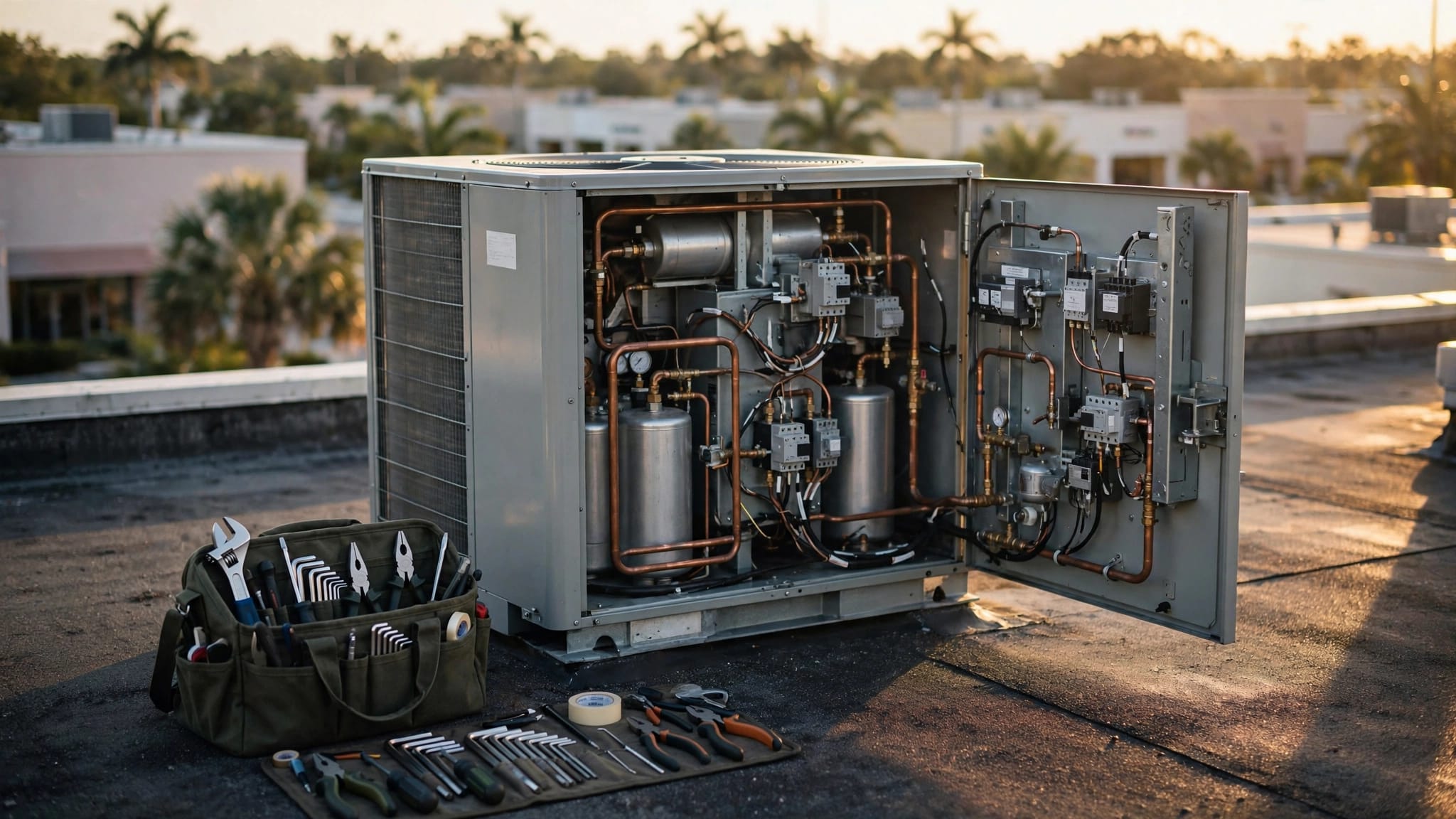
The technician should identify the outdoor unit, matched indoor unit, compressor stages, and backup-heater capacity. Manufacturer heating-capacity tables provide information that a cooling-tonnage label doesn't.
The thermostat must also support the installed equipment and have the correct staging configuration. Some systems obtain outdoor temperature from a physical sensor; others use weather information. An inaccurate reading can affect temperature-based lockouts.
A smart thermostat doesn't automatically mean every threshold is adjustable. Equipment-specific communicating controls may handle staging differently than conventional thermostats. The installer should follow both the thermostat instructions and the heat pump's requirements.
Building heat loss and comfort expectations
A home's heating load depends on insulation, windows, leakage, and ductwork. An ACCA Manual J calculation can establish heating demand, which a technician can compare with manufacturer capacity data.
Your preferred indoor temperature also matters. A higher winter setpoint increases the temperature difference between indoors and outdoors, which increases heat loss.
Recovery expectations deserve attention as well. Maintaining a steady temperature requires less recovery than raising it sharply after a deep setback. A household that needs quick morning recovery may accept more backup operation than one comfortable with gradual warming.
These factors help explain why neighboring homes can need different settings even during the same cold front.
How a qualified technician should verify the configuration
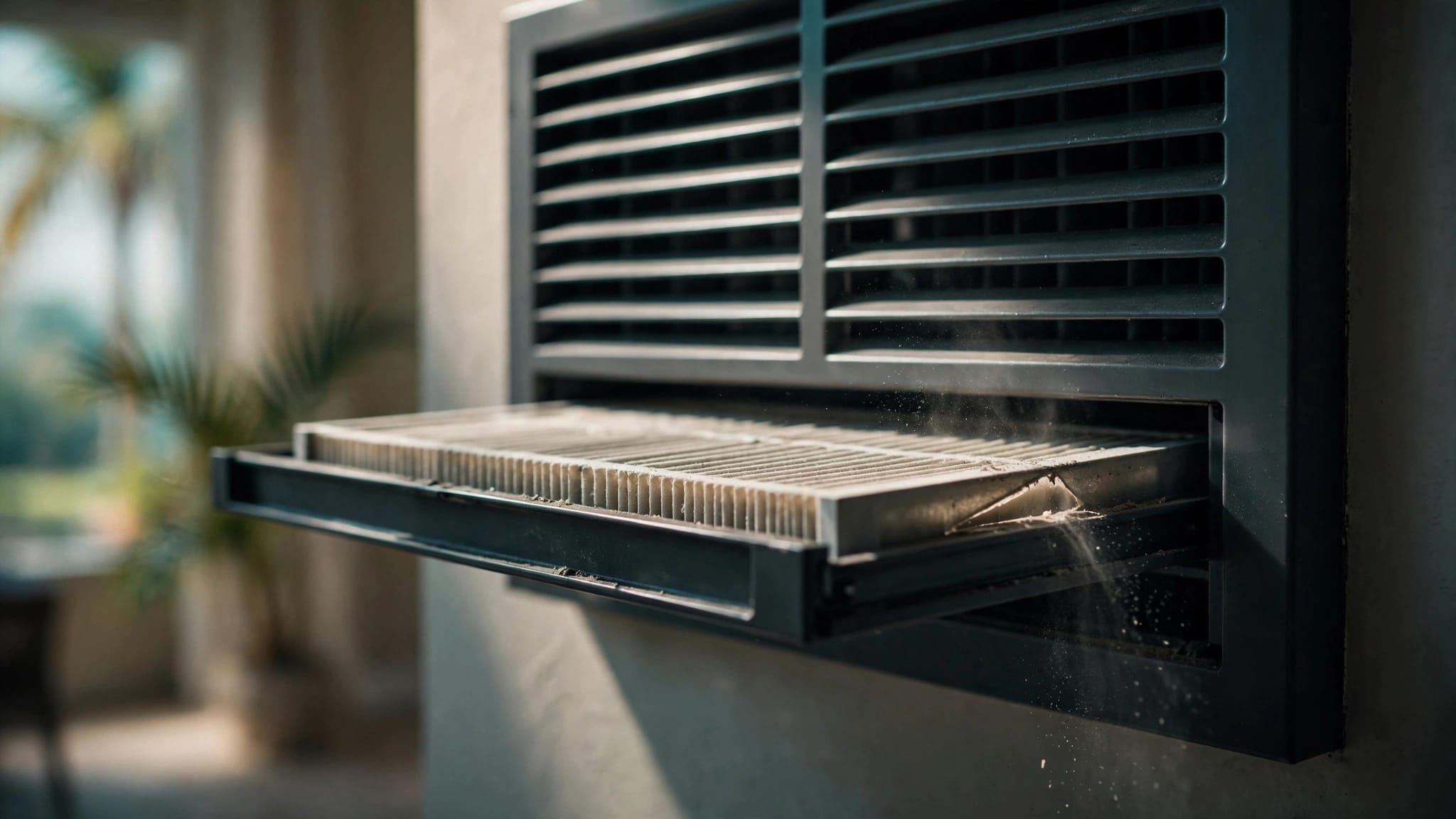
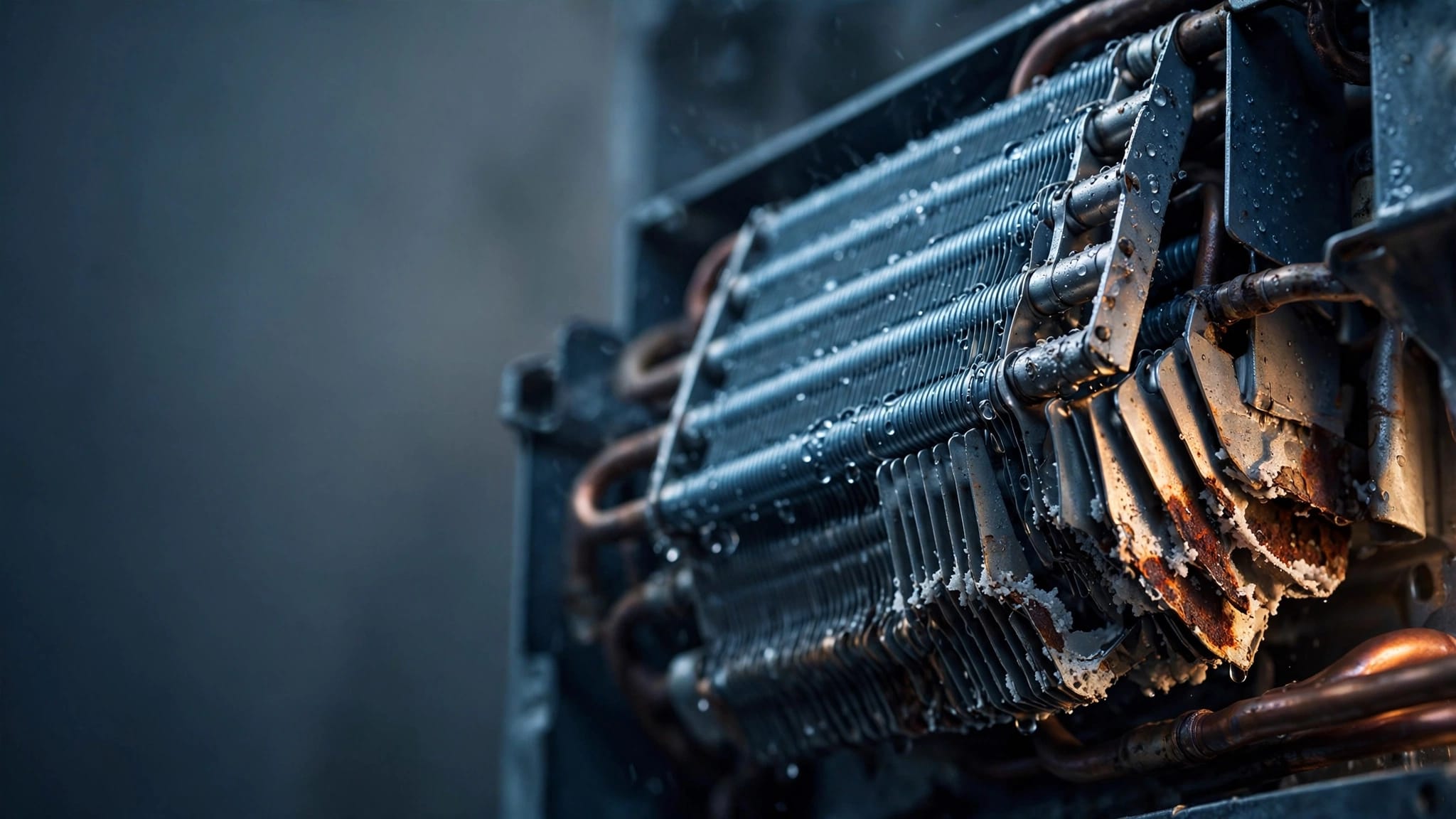
Before adjusting thresholds, confirm that the heat pump works correctly. Restricted airflow, dirty coils, refrigerant problems, or leaking ducts can reduce performance and resemble a controls problem.
A proper review should follow a clear sequence:
- Identify the heat pump, air handler, thermostat, and installed backup heat.
- Review manufacturer requirements, heating-capacity data, and available home-load information.
- Check airflow, thermostat accuracy, outdoor-temperature input, wiring, and heating-stage operation.
- Verify lockouts, staging, recovery behavior, and applicable defrost controls.
- Document the final settings and explain when auxiliary or emergency heat should operate.
Ask the technician to explain which settings you can adjust safely and which belong in the installer menu. Don't change equipment type, reversing-valve configuration, or heater staging while experimenting with comfort settings.
After service, observe performance during representative cool weather. Note the indoor setpoint, outdoor temperature, whether auxiliary heat appeared, and whether rooms maintained comfort. Those observations give the technician useful follow-up information.
Back Bay's HVAC maintenance agreements include thermostat calibration checks, electrical-connection checks, and filter checks where applicable. Routine maintenance supports diagnosis, although a balance-point review may require additional equipment-performance and configuration work.
If the home can't maintain temperature or auxiliary heat runs unexpectedly often, request diagnosis before tightening the lockout further.
Keep heating settings separate from cooling and humidity
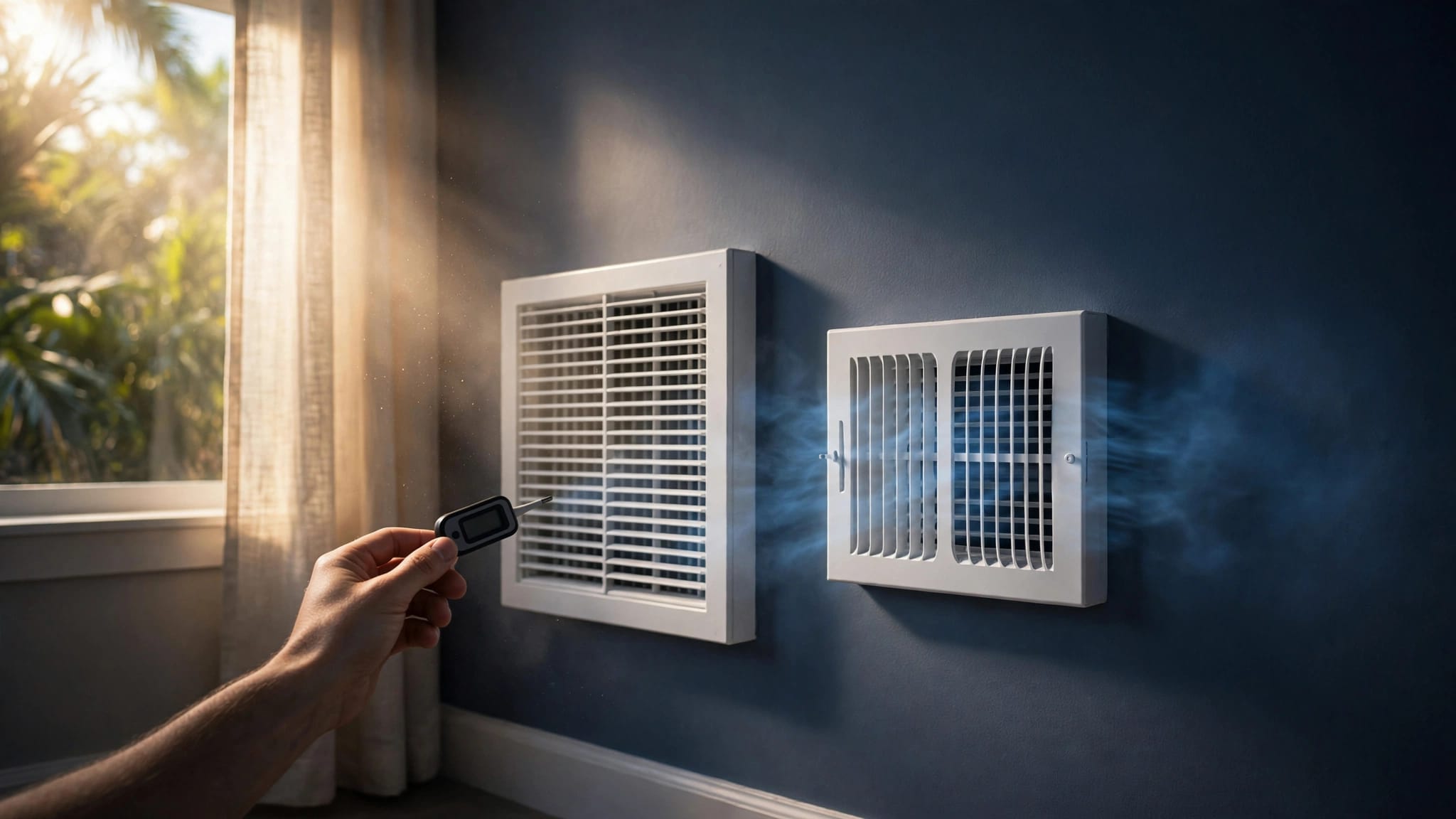
A heating balance-point setting doesn't control summer cooling temperature, indoor relative humidity, or how the blower operates after a cooling cycle. These controls may share a thermostat, but they manage different functions.
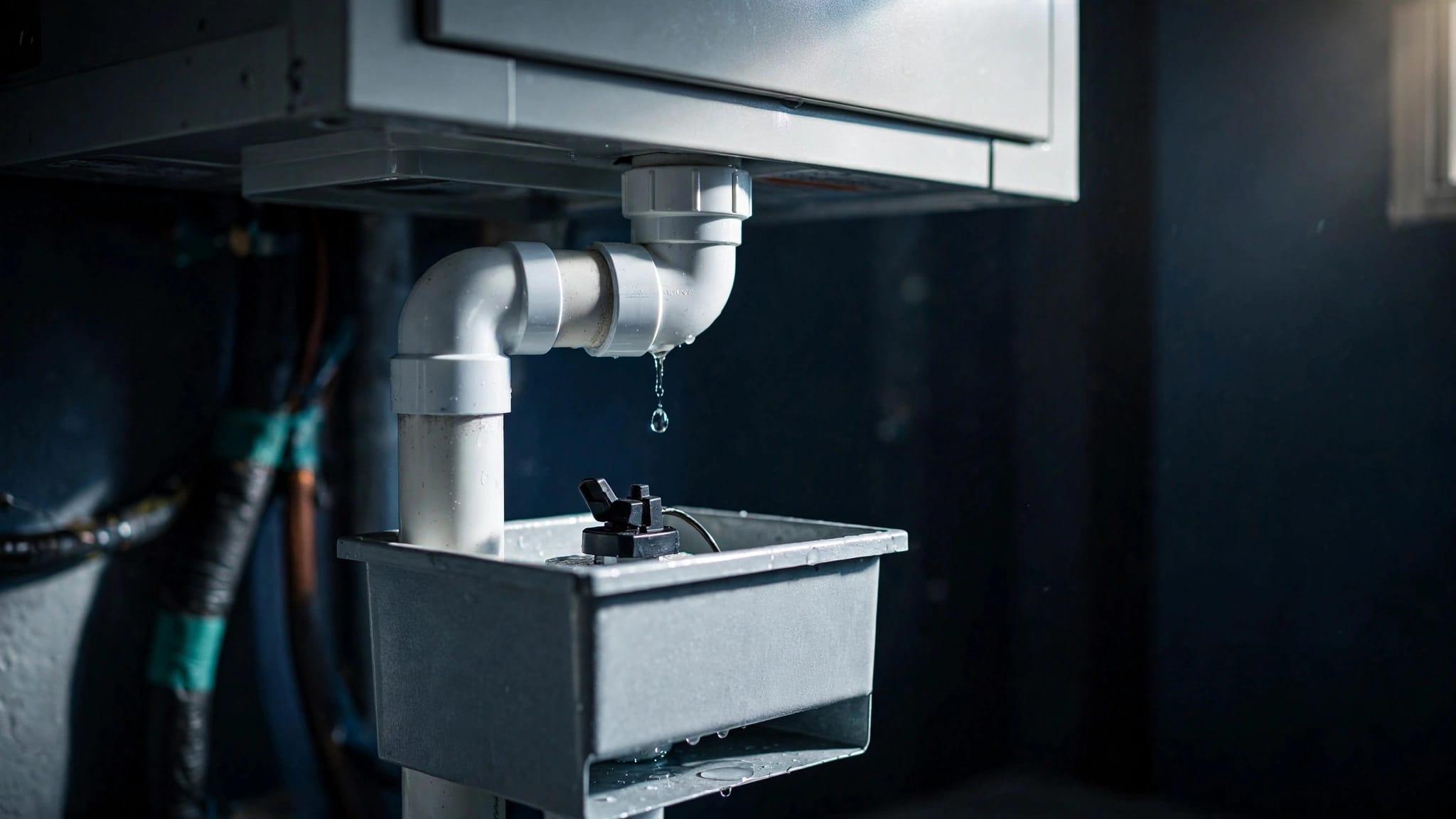
During cooling, moisture condenses on the cold indoor coil and drains away. During heating, warmer air can show a lower relative-humidity reading without the system removing water from the house.
For Cape Coral homes, 45% to 55% relative humidity is a practical indoor target, with readings generally kept below 60%. Use a hygrometer to measure moisture rather than relying only on the displayed temperature.
Persistent dampness calls for a separate assessment of cooling performance, air leakage, ventilation, and drainage. An oversized AC can satisfy the temperature setting quickly while leaving too much moisture indoors. Changing auxiliary-heat thresholds won't correct that problem.
Fan operation matters during cooling, too. AUTO is usually preferable to continuous ON in humid Florida homes because continuous airflow across a wet coil can return moisture to the rooms. Specialized equipment may use different blower strategies, so follow its operating guidance.
Finally, don't raise a heating lockout to address a clammy house. Identify whether the complaint involves temperature, moisture, or both before changing controls.
Key Takeaways
- The thermal balance point describes where heat-pump output matches home heat loss; a thermostat threshold doesn't establish that point by itself.
- Auxiliary-heat lockouts limit backup availability, while compressor lockouts restrict heat-pump operation.
- Cape Coral's mild winters favor careful backup-heat management, but the correct configuration still depends on equipment, the home, and occupant comfort.
- A qualified HVAC technician should verify performance and settings; cooling and humidity concerns need separate evaluation.
Frequently Asked Questions
Should I turn auxiliary heat off completely?
Don't disable installed backup heat simply because Cape Coral winters are mild. It may be needed during colder conditions, recovery, or equipment-controlled defrost. A technician can determine when it should remain available and whether excessive operation points to a fault.
Does an AUX HEAT message mean something is broken?
Not necessarily. Auxiliary heat can operate normally when heating demand exceeds compressor output or certain recovery conditions occur. However, repeated operation during mild weather, poor indoor comfort, or a sudden change in behavior warrants a system check.
Can I adjust the balance point myself?
You can review the homeowner manual and record the existing settings. However, temperature limits often sit alongside installer controls that affect staging and equipment operation. Have a qualified technician verify the configuration before changing those thresholds, especially after replacing a thermostat.
Set Up Heating for Your Home's Actual Needs
Cape Coral's mild winters make unnecessary backup heating worth checking, but comfort still depends on keeping needed heat available. The useful target is a verified configuration based on your equipment and home's heating demand.
For a settings review, unexpected auxiliary operation, or loss of heat, Contact Us to schedule a service call. Back Bay Heating & Cooling offers 24/7 emergency service, so a heating problem doesn't have to wait for normal business hours.