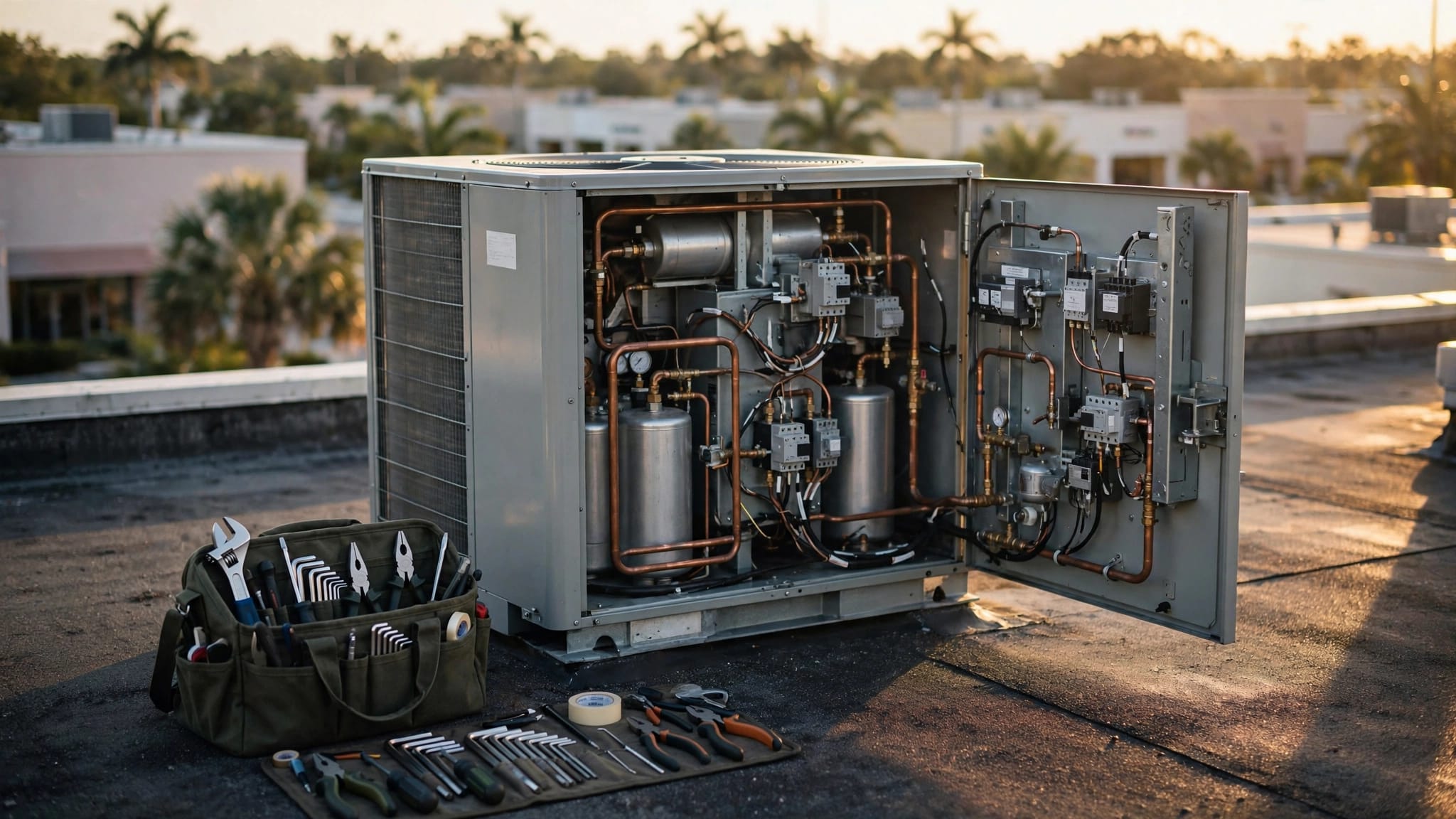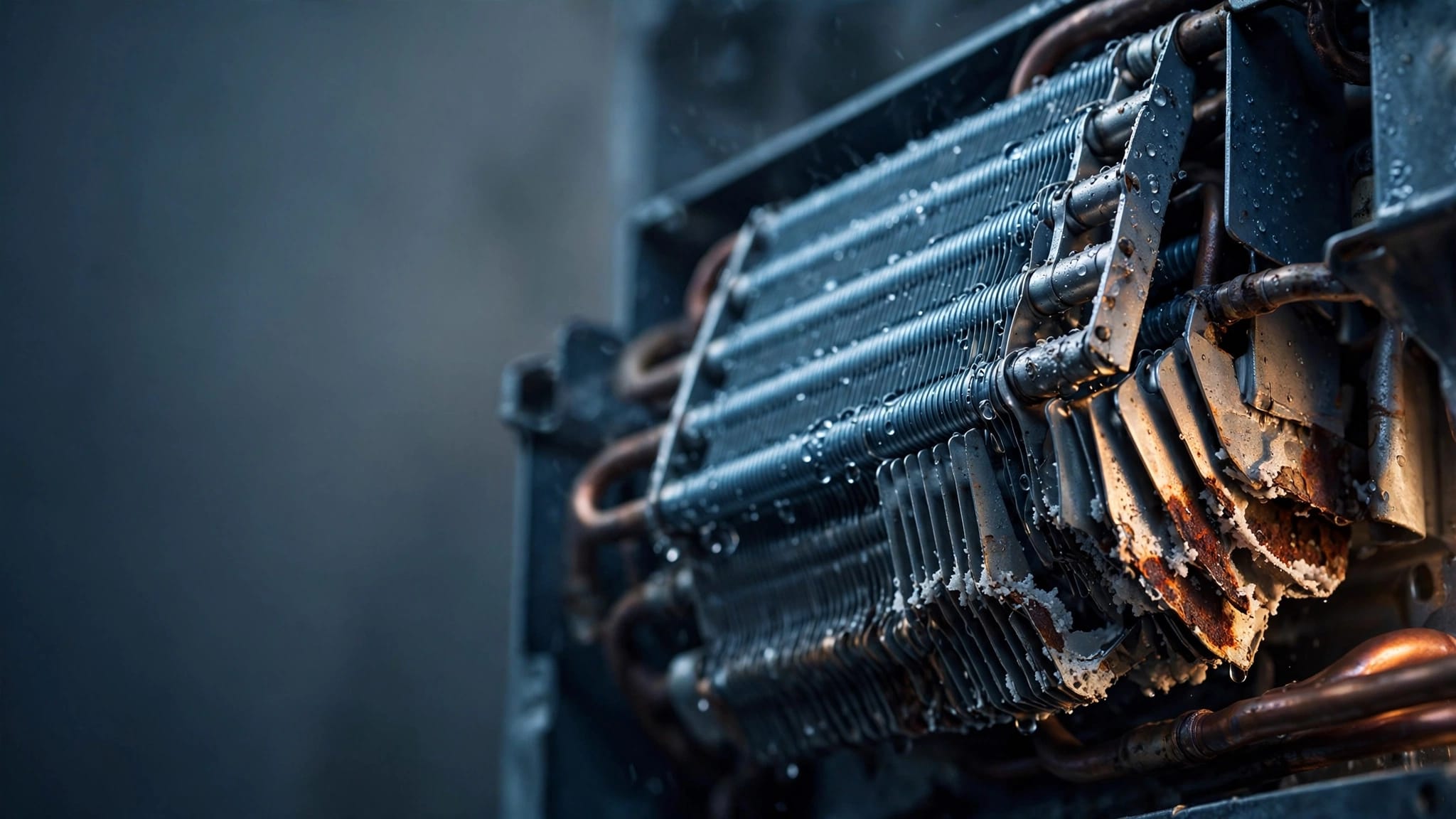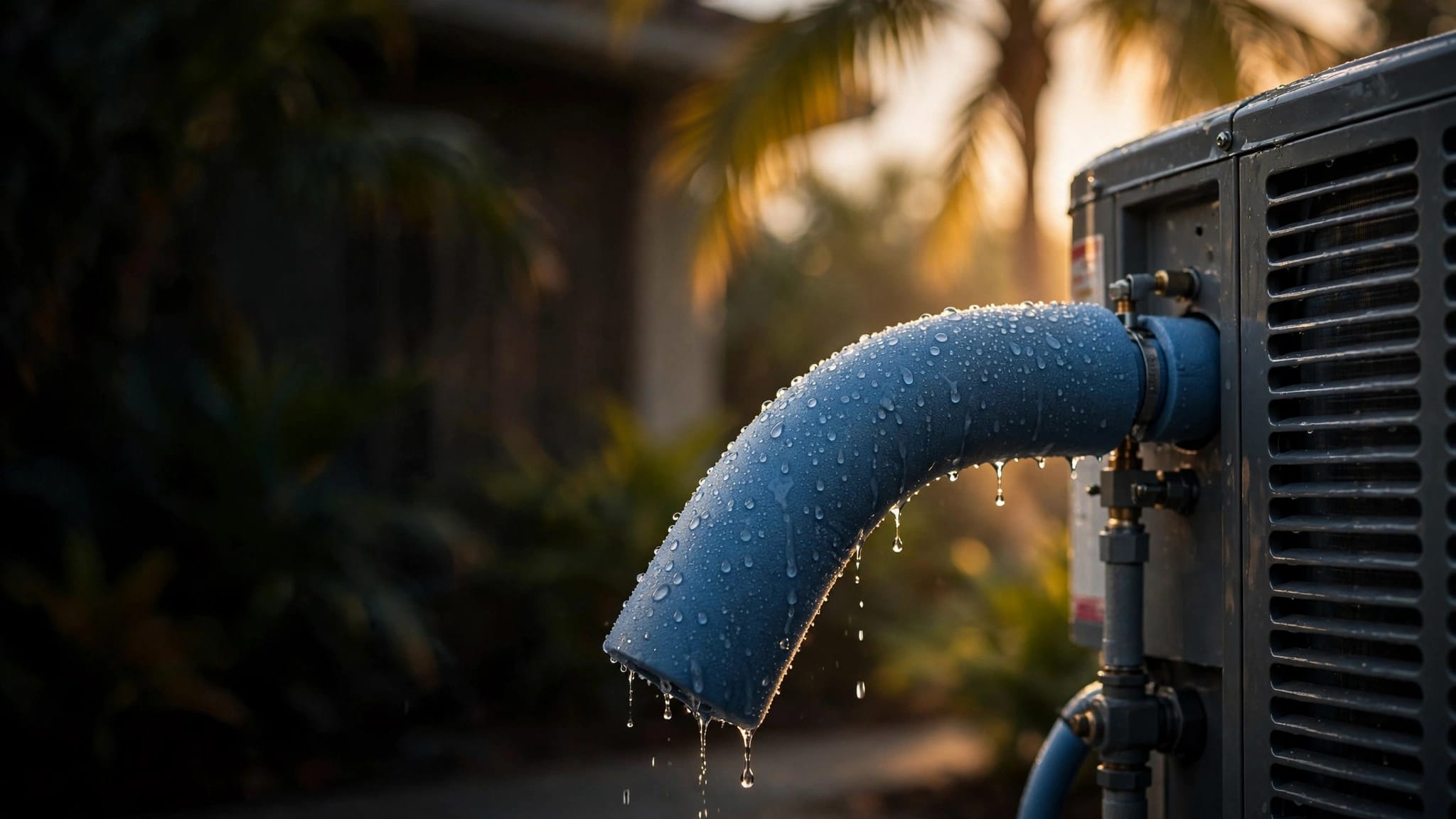
Scratching above the ceiling deserves attention, especially when your air conditioner also seems to be struggling. HVAC problems caused by rodents in Florida attics require two inspections: one for pest activity and another for equipment damage.
Chewed materials, disturbed insulation, and damaged ducts need professional assessment before anyone decides what to repair. The priority is safe inspection , followed by pest control and repairs that address the actual damage.
Start by separating the warning signs you can observe indoors from the hazards professionals should investigate in the attic.
Key Takeaways
- Suspected rodent damage calls for both a qualified HVAC technician and a licensed pest-control professional.
- Weak airflow, uneven temperatures, and unusual odors deserve investigation, but they don't prove rodents are responsible.
- Avoid handling droppings, nesting materials, or damaged wiring. Don't sweep or vacuum rodent waste.
- Repair decisions should follow inspection findings. An attic duct problem doesn't automatically require a new air conditioner or complete duct replacement.
Why Florida Attic Conditions Matter
In Southwest Florida, attic heat and humidity make duct condition important. Many homes route supply and return ducts through spaces much hotter than the rooms below.
When supply ducts leak, cooled air escapes before reaching the living space. Meanwhile, missing or damaged duct insulation allows more heat to enter the air traveling through those ducts.
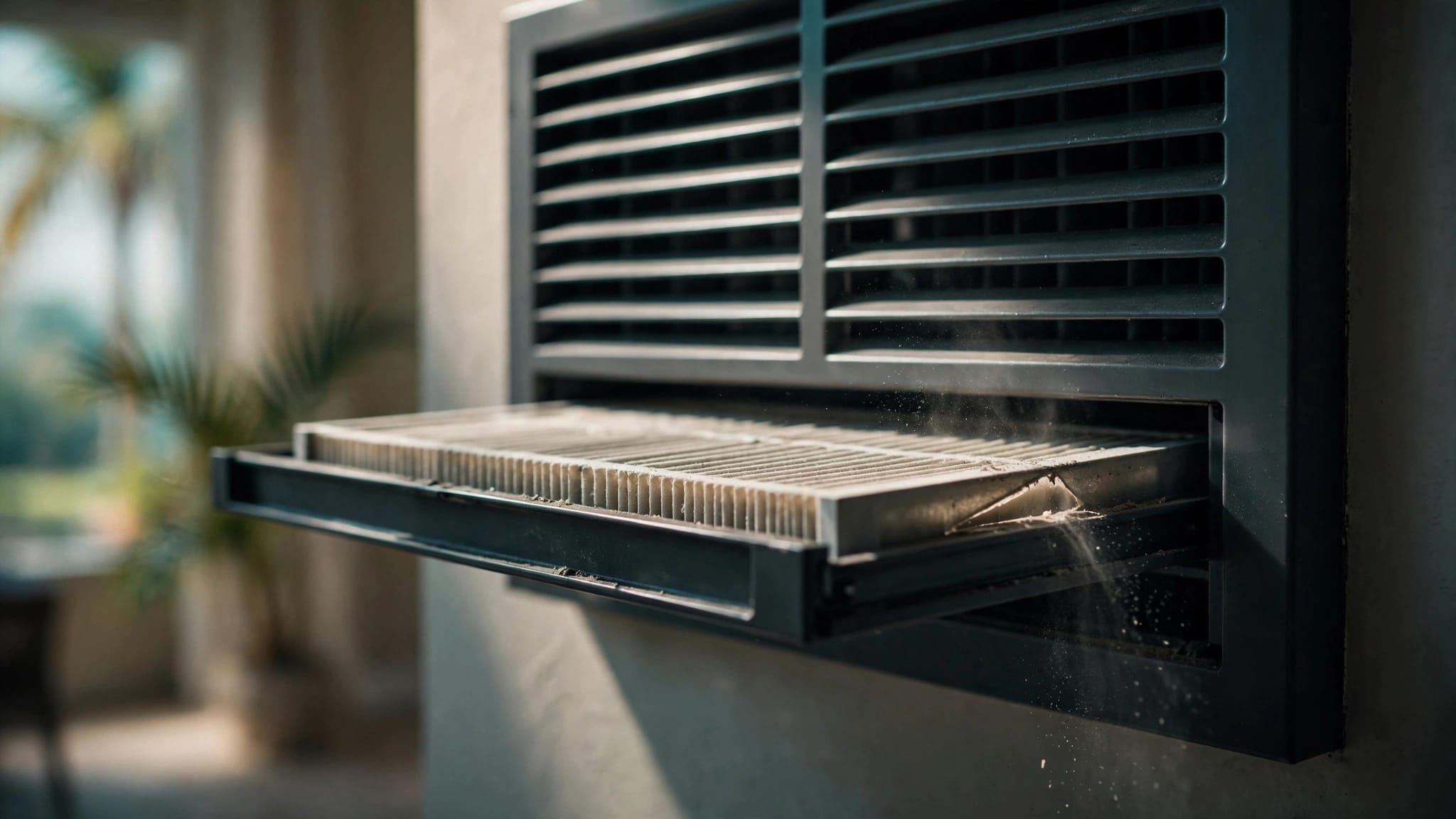
Return leaks create a different problem. They can draw hot, humid, dusty attic air into the system. Whether that air passes through a filter depends on the leak's location and the system's arrangement.
A return leak downstream of the filter can introduce attic air without passing it through that filter.
Rodent activity adds another inspection concern because wiring, duct jackets, and insulation occupy the same space. Roof rats can climb and reach elevated openings, so an inspection should include roofline access points.
However, roof leaks, aging materials, and installation defects also damage attic systems. The inspection needs to distinguish these conditions rather than assume every defect is pest-related.
HVAC Problems Caused by Rodents: What to Inspect
Wiring and Electrical Connections
Rodents can chew the protective covering around accessible wiring. A technician should examine suspected damage to thermostat cables, equipment wiring, and nearby connections.
Low-voltage control wiring and line-voltage wiring require different repairs. Exposed conductors, damaged insulation, or loose connections need evaluation before the affected equipment operates again.
Don't touch a cable to determine whether it's energized. Turning the thermostat off doesn't disconnect electrical power from every component. HVAC technicians should handle equipment wiring, while a licensed electrician may need to address affected household circuits.
Flexible Ductwork and Connections
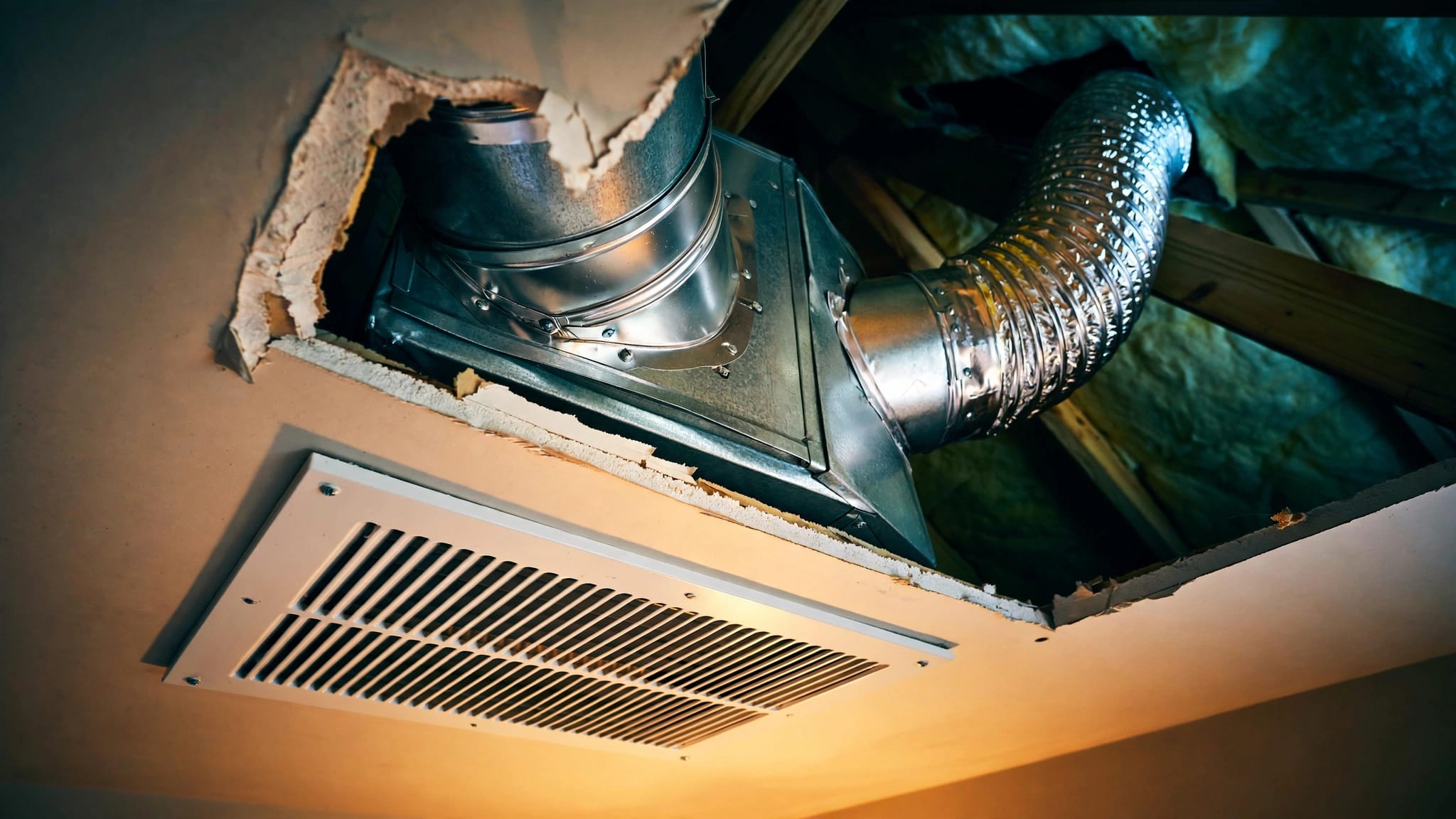
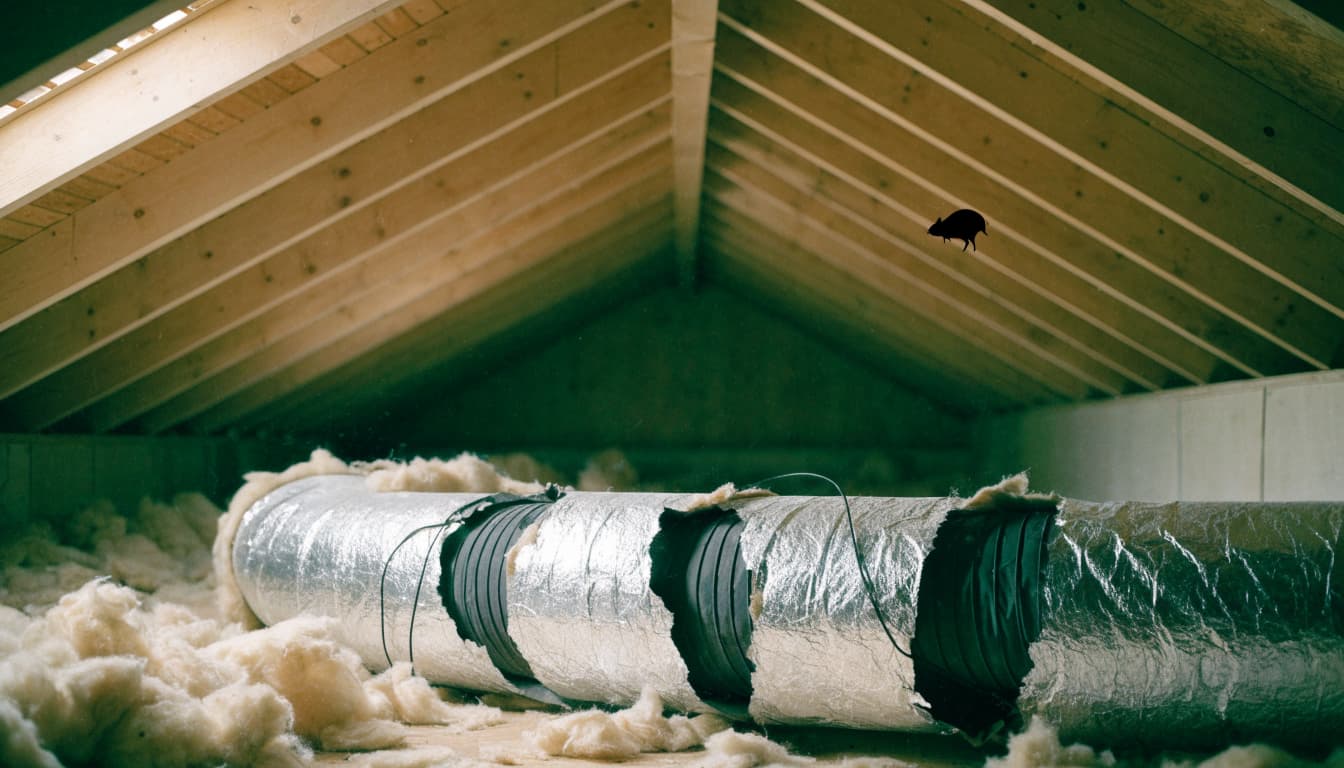
Flexible duct has several layers, including an inner air passage, insulation, and an outer protective jacket. An opening in the outer jacket doesn't necessarily mean the inner liner also has a hole, so each layer needs inspection.
A torn liner can leak air. A damaged jacket can leave insulation exposed to attic conditions. Technicians should also inspect connections at plenums, branch ducts, and ceiling boots.
Sagging, crushed sections, or disconnected runs deserve attention regardless of what caused them. These defects can restrict airflow or prevent air from reaching the intended room.
Duct Insulation and Attic Insulation
Duct insulation protects the air moving through the system. Attic-floor insulation limits heat transfer through the ceiling. Both matter, but they perform different jobs.
A professional should assess disturbed, compressed, wet, or contaminated materials before recommending replacement. Wet insulation also calls for a moisture investigation because roof leaks and condensation can create similar conditions.
Simply adding insulation over damaged or contaminated material leaves the underlying problem unresolved.
Warning Signs That Call for an Inspection
Changes in Cooling and Airflow
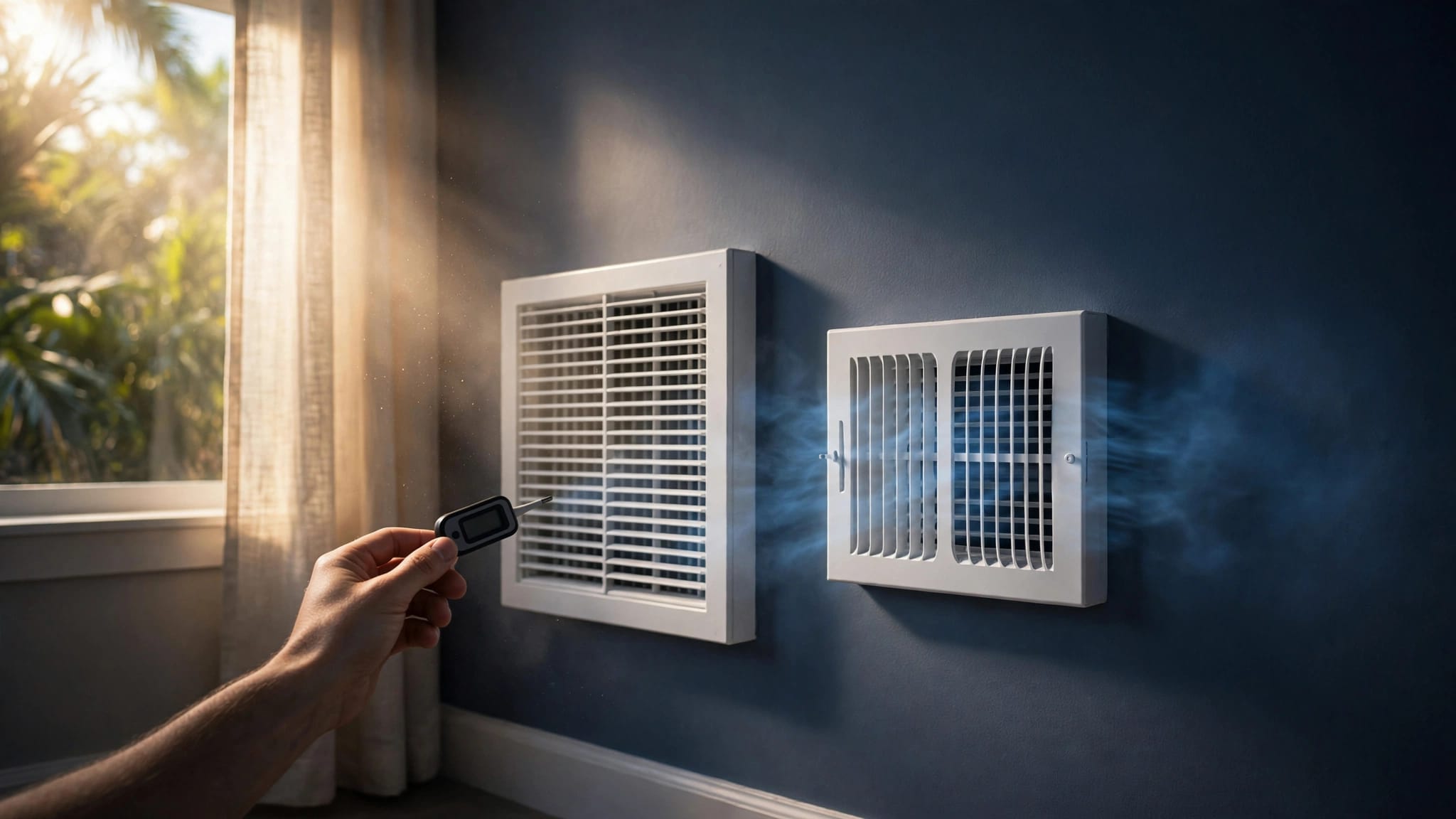
Uneven cooling, weak supply airflow, or longer operating cycles can point to duct or equipment problems. These observations don't identify the cause on their own.
For example, a warm bedroom may have a leaking branch duct, inadequate return airflow, or a restrictive duct layout. A dirty filter, dirty coil, or failing blower can also reduce airflow.
Note which rooms feel different and when the problem occurs. If afternoon heat makes the issue worse, tell the technician. That detail can help direct attention toward attic exposure and insulation condition.
Sounds, Odors, and Visible Activity
Scratching or movement above the ceiling warrants a pest inspection. Droppings, nesting material, and chew marks also need professional identification, but don't enter an attic to search for them yourself.
Whistling near a register may indicate an air leak or restriction. Musty odors, dust streaks, and recurring debris deserve investigation too. None confirms rodents or mold without further assessment.
Photograph anything visible from a safe location without disturbing it. Keep observations separate: pest activity is one finding, and an HVAC defect is another. Professionals need to establish whether they're connected.
Safe Steps When You Suspect Rodent Damage
Keep Away From Electrical Hazards
If you see exposed wiring or notice a burning odor, stop using the affected HVAC system and request professional help. Don't open electrical compartments, touch damaged cables, or repeatedly reset a breaker.
A thermostat shutdown alone doesn't make wiring safe to handle. Keep children and pets away from the area until a qualified professional checks it.
Smoke, active sparking, or an immediate fire hazard calls for emergency services. For urgent cooling problems without an immediate life-safety emergency, Back Bay Heating & Cooling provides 24/7 air conditioning repair in Southwest Florida.
Leave Droppings and Nesting Materials Undisturbed
Avoid handling rodent waste, dead rodents, and nesting materials. Don't use a broom, compressed air, or a household vacuum to remove them.
The Centers for Disease Control and Prevention advises against dry sweeping or vacuuming rodent waste before proper disinfection. Disturbing dry material can send particles into the air.
For suspected attic contamination, arrange professional assessment and cleanup. Don't spray disinfectants into ducts or registers. A pest-control professional can evaluate the infestation, while qualified cleanup personnel address affected materials.
Attics also present fall hazards, exposed fasteners, and extreme heat. Gathering notes from the living space is enough preparation for your service call.
What Professional Inspection and Repair Should Include
Inspect the Whole Air Path
An HVAC inspection should cover accessible supply and return ducts, plenums, boots, insulation, the filter cabinet, and equipment connections. The technician should check the air handler and relevant electrical components as well.
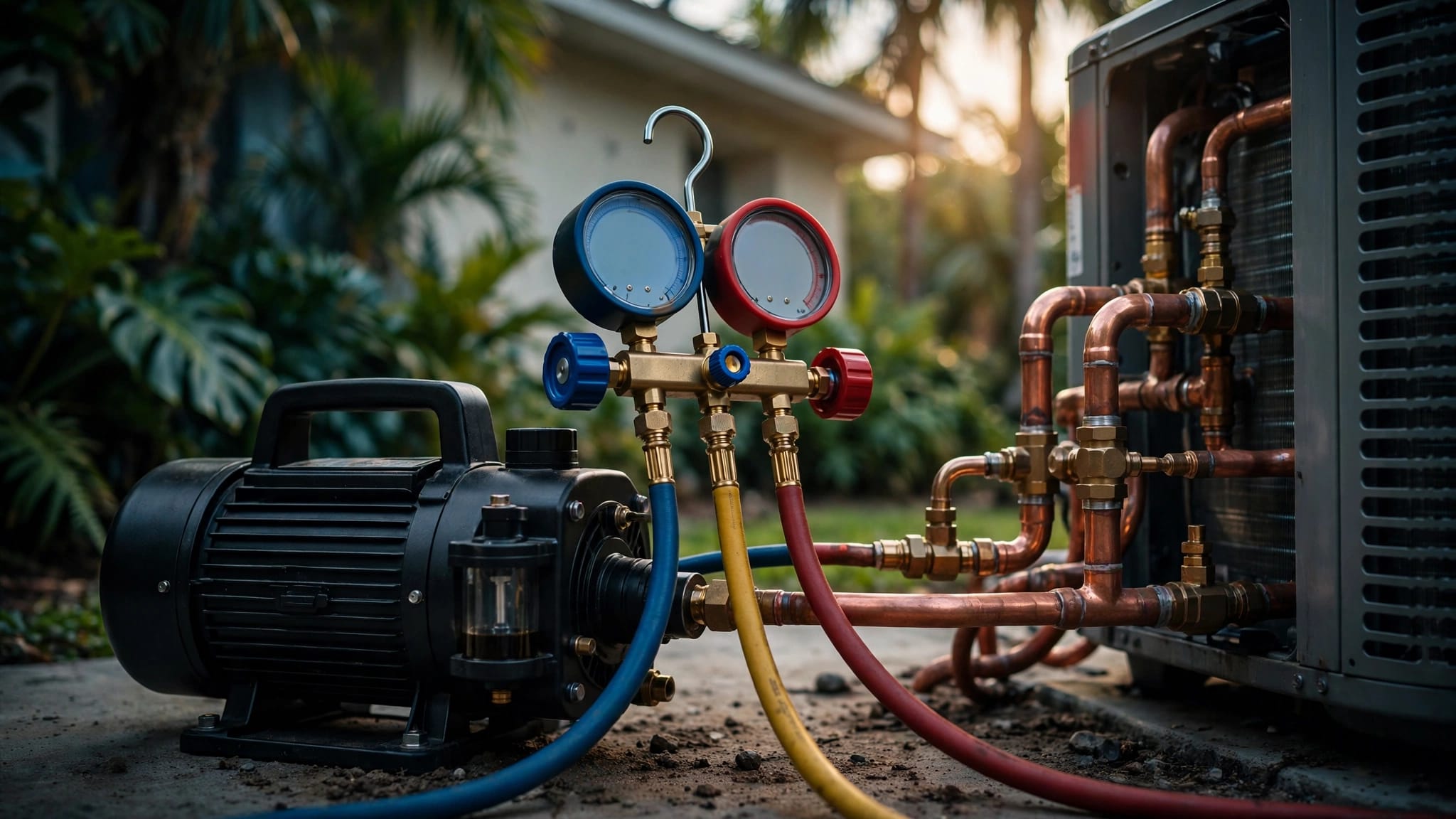
Where visual inspection leaves questions, airflow measurements and static pressure testing can help evaluate restrictions. Static pressure describes resistance to airflow; it doesn't identify rodent activity.
Ask the technician to document damaged areas with photographs and explain which defects affect safety, airflow, or moisture control. Also ask which sections couldn't be accessed.
That distinction matters because an inspection of accessible ducts doesn't establish the condition of every concealed run.
Match Repairs to the Findings
Some systems need joint sealing, insulation repair, or a reconnected branch. Others need replacement of torn or contaminated flexible duct sections.
Professionals may use duct mastic or approved duct-sealing tape where suitable. Household cloth duct tape isn't a durable substitute for an approved repair.
Back Bay Heating & Cooling offers air duct repair and replacement throughout Southwest Florida. The repair scope should identify the affected sections and explain why sealing, replacement, or airflow changes are recommended.
A larger air conditioner won't correct restricted ducts. Likewise, replacing every duct won't resolve an electrical defect or stop rodents from re-entering. Ask for separate written scopes for pest control, cleanup, electrical work, and HVAC repairs.
Preventing Repeat Damage in Florida Attics
Address Entry Points With Pest-Control Help
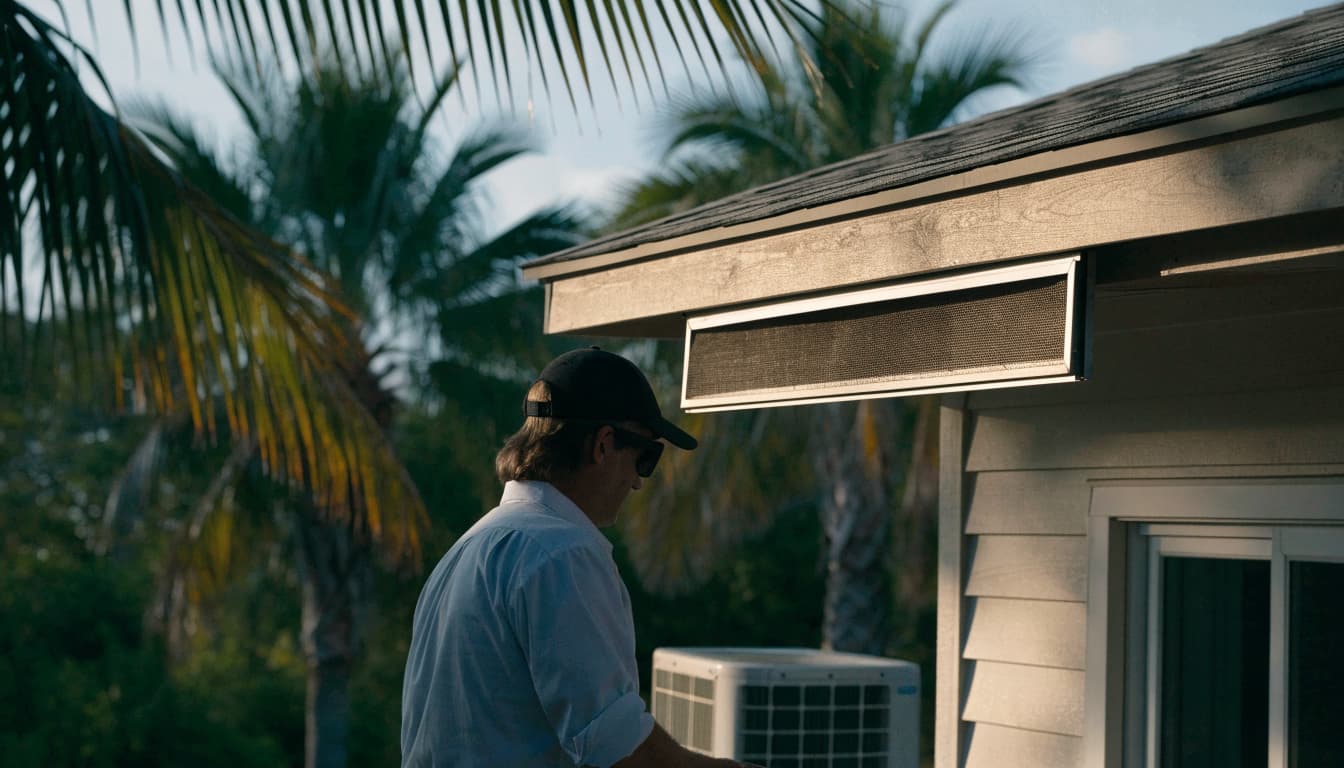
Have a licensed pest-control professional inspect soffits, roof edges, vents, and gaps around utility penetrations. Exclusion work should preserve required ventilation and avoid damaging roofing or electrical systems.
The timing matters. Sealing openings without a plan can leave animals inside, so coordinate removal and exclusion rather than closing visible gaps yourself.
Keep food sources controlled, secure garbage containers, and discuss vegetation near the roof with the pest professional. Tree trimming and roof work require appropriate equipment and expertise.
An HVAC repair restores the system. Pest exclusion addresses access to the attic. Both jobs need attention when an inspection confirms related damage.
Maintain Ducts and Equipment Between Pest Inspections
Schedule HVAC maintenance separately from pest-control visits. Each professional examines different risks.
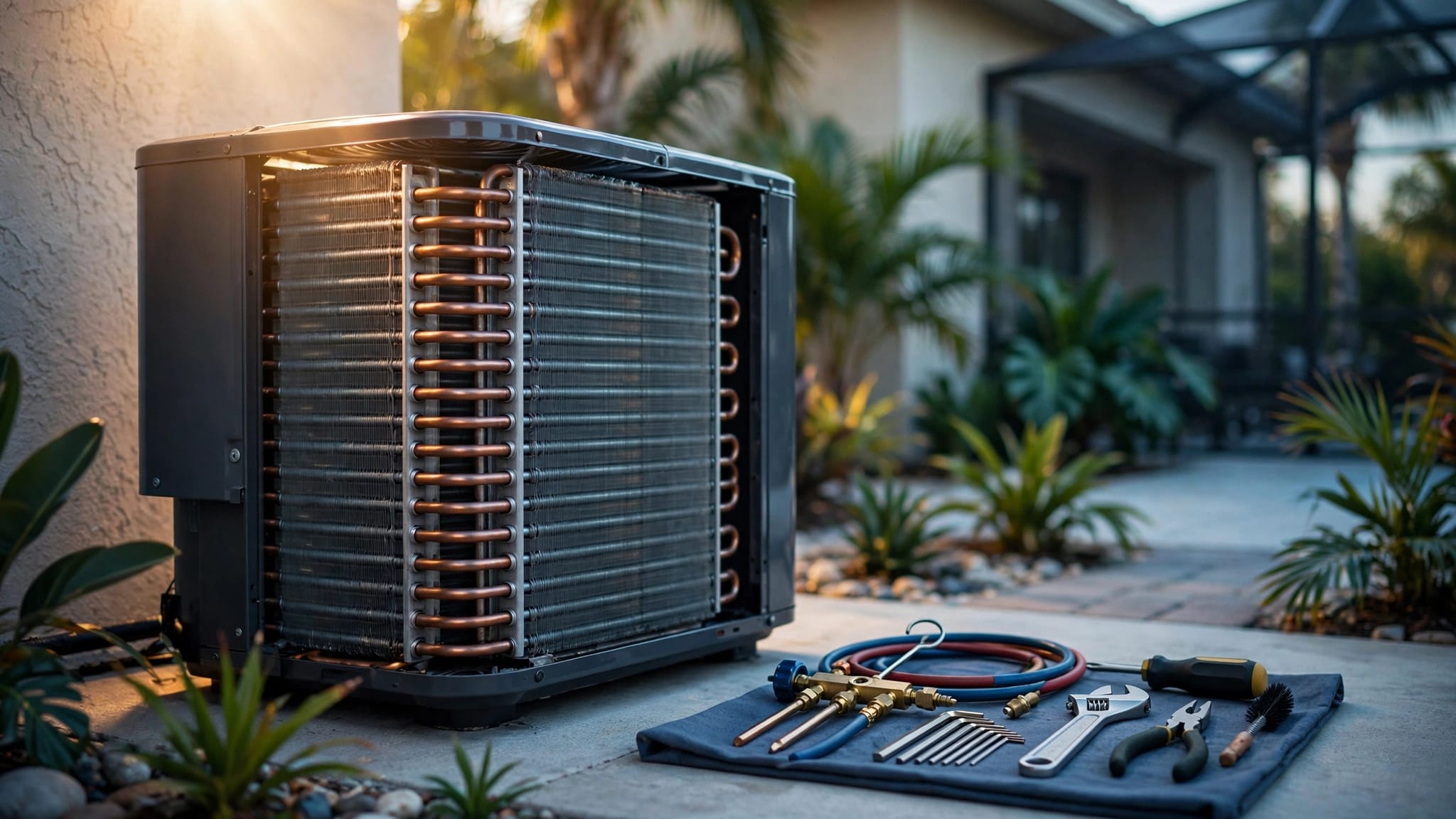
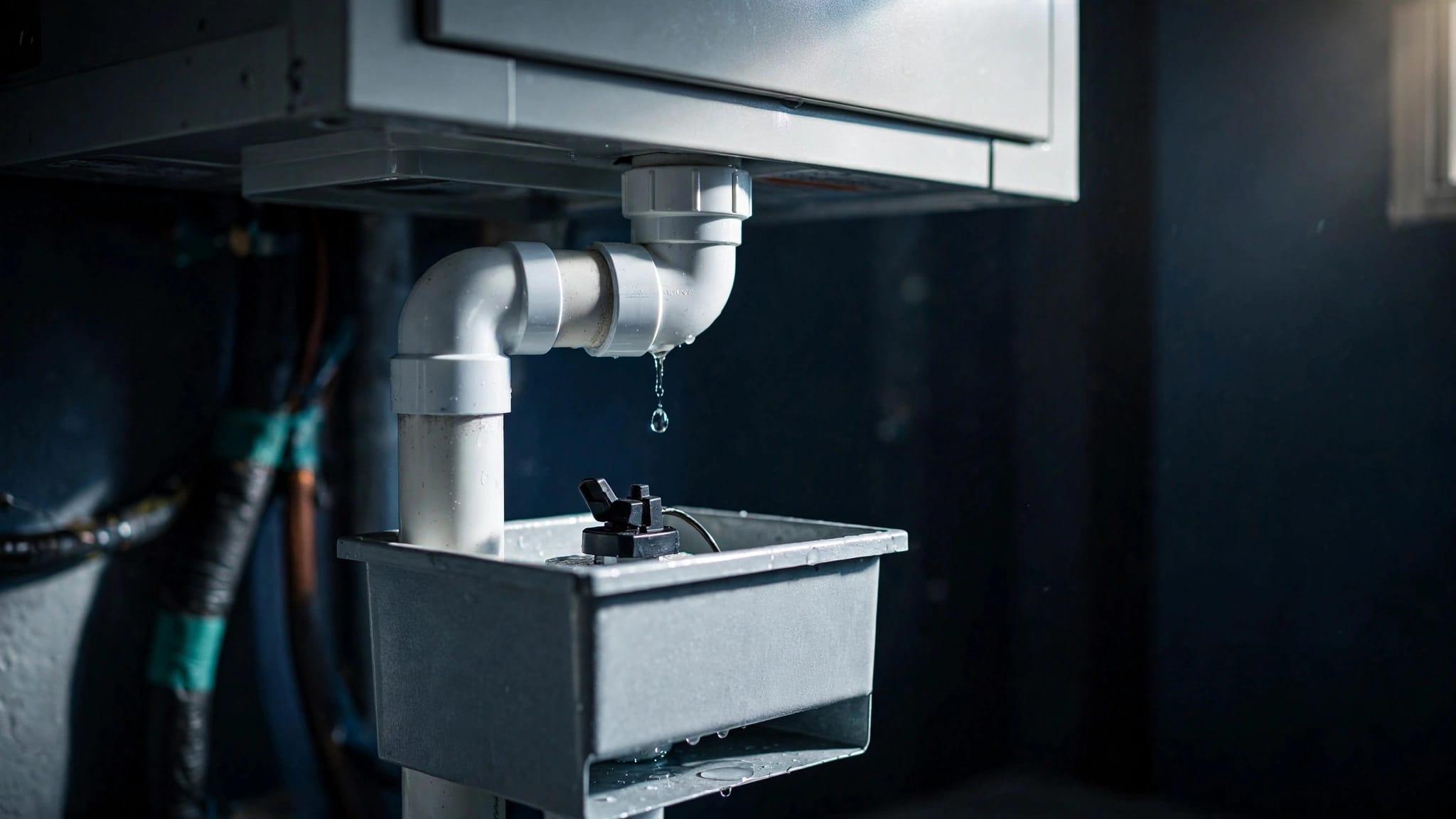
Back Bay Heating & Cooling's HVAC maintenance agreements include checks of accessible ductwork for leaks, electrical connections, and the condensate drain system. These checks help identify HVAC concerns that warrant further work.
Ask whether previously repaired duct sections can be reviewed during the next visit. At home, keep returns unobstructed, follow filter replacement guidance, and report new airflow changes.
After roof work or a storm, arrange another check if vents, soffits, or duct supports may have changed. An earlier repair doesn't guarantee those areas remain intact.
Frequently Asked Questions About Rodent-Related HVAC Damage
Does Rodent Damage Mean the Entire AC Needs Replacement?
No. The decision depends on the affected components, their condition, and whether repairs can restore safe operation. A damaged duct branch or control cable doesn't automatically justify replacing otherwise serviceable equipment. Ask for findings that support any replacement recommendation.
Should Contaminated Ducts Be Cleaned or Replaced?
A professional should evaluate the duct material and contamination. Torn or contaminated flexible duct may need replacement rather than cleaning. The Environmental Protection Agency doesn't recommend routine duct cleaning for every home, although rodent infestation is a condition that warrants considering it.
Does a Musty Smell Mean Rodents Caused Mold?
A musty smell doesn't establish mold or its cause. Moisture, drainage problems, wet insulation, and duct leaks need investigation. When conditions warrant it, indoor mold assessment and testing can evaluate moisture concerns alongside ventilation and HVAC performance. Pest findings and moisture findings should be documented separately.
Protect Your Cooling System With Coordinated Repairs
Scratching above the ceiling and changing airflow deserve separate, professional investigations. Coordinated repairs address confirmed pest activity, damaged HVAC components, and any cleanup needs without assuming the entire system must go.
Leave droppings and wiring undisturbed while qualified professionals inspect the attic.
For HVAC inspection or repairs, Contact Us to schedule a service call with Back Bay Heating & Cooling. The Cape Coral team is available for 24/7 HVAC service.