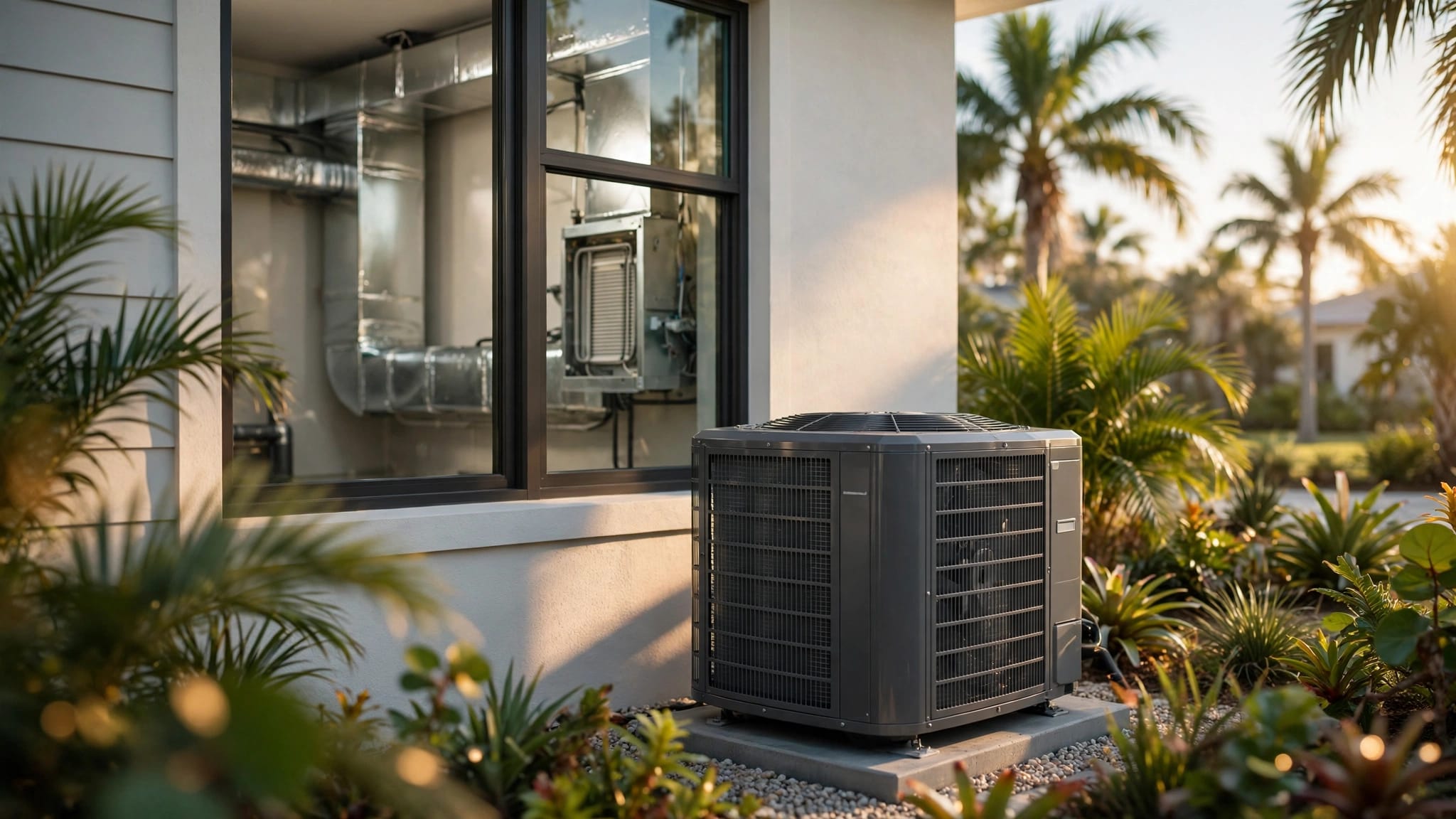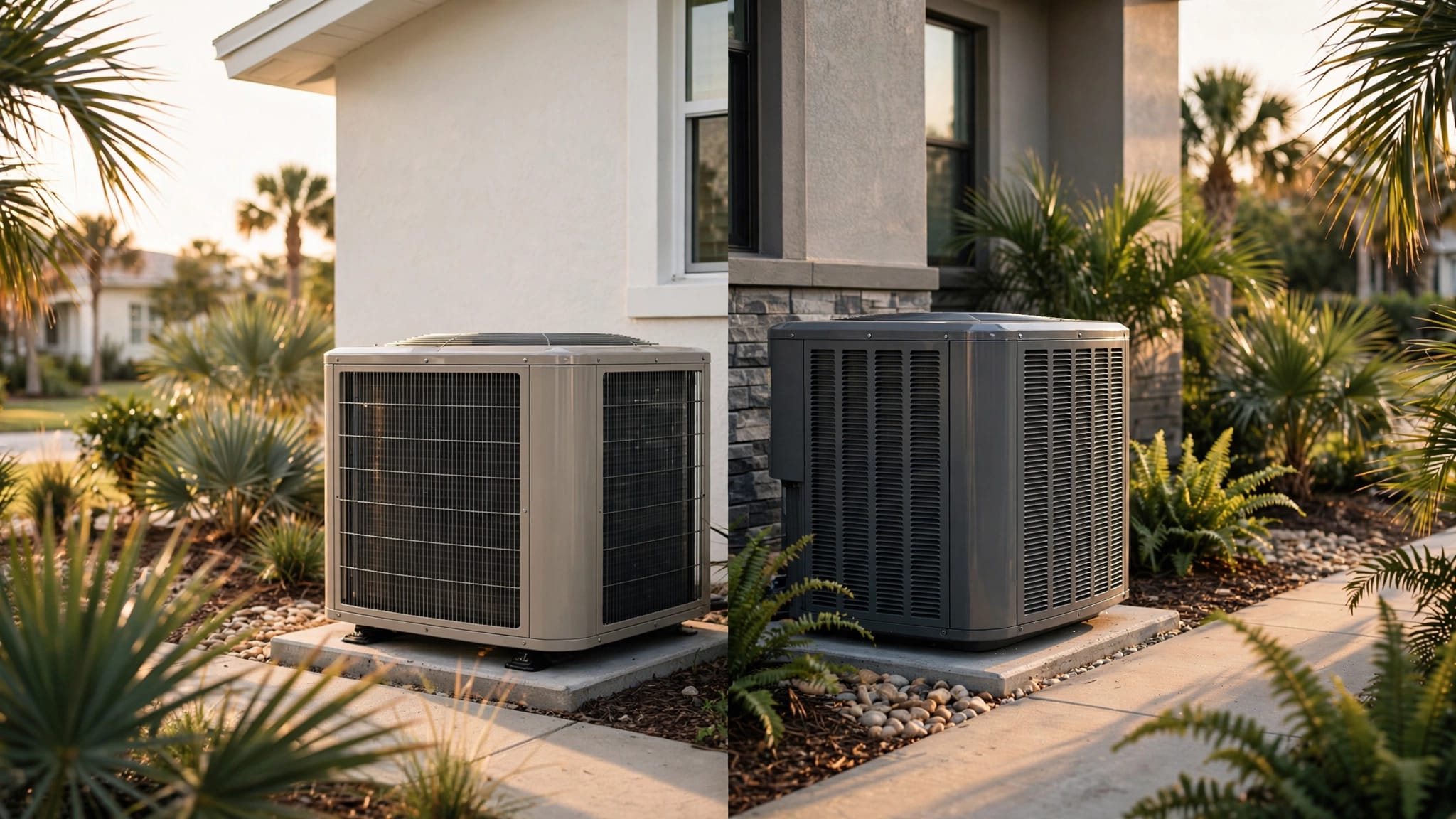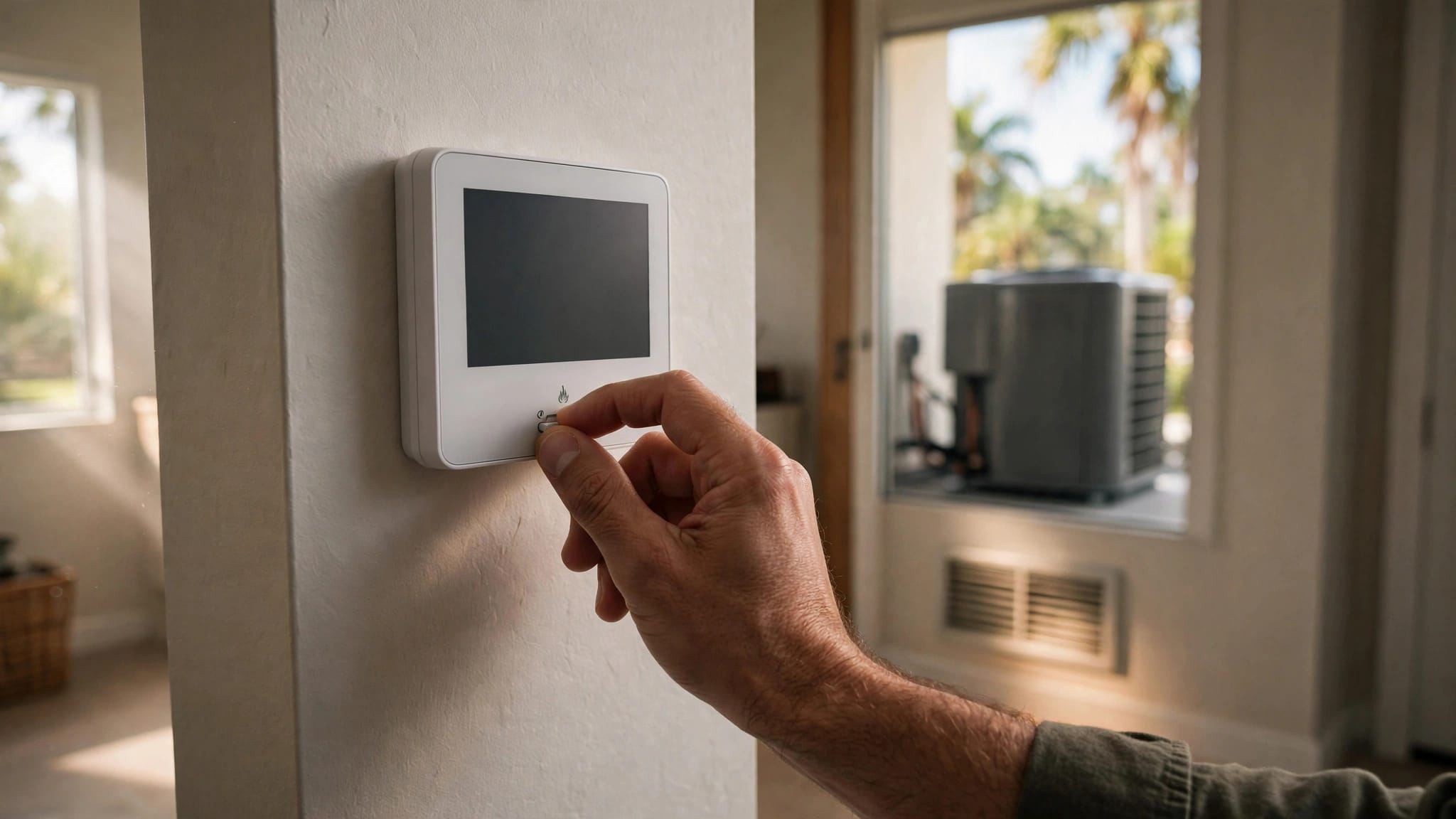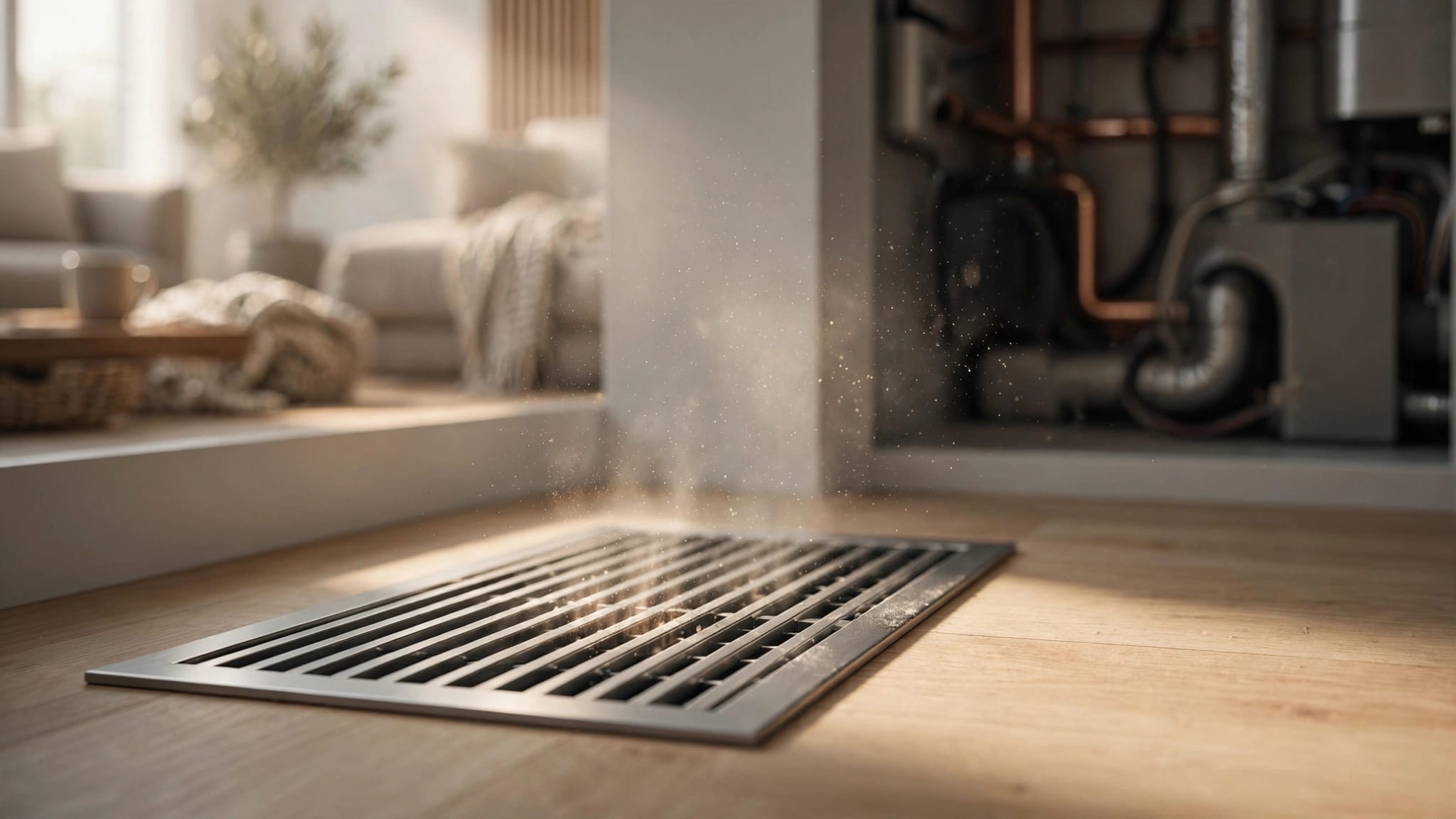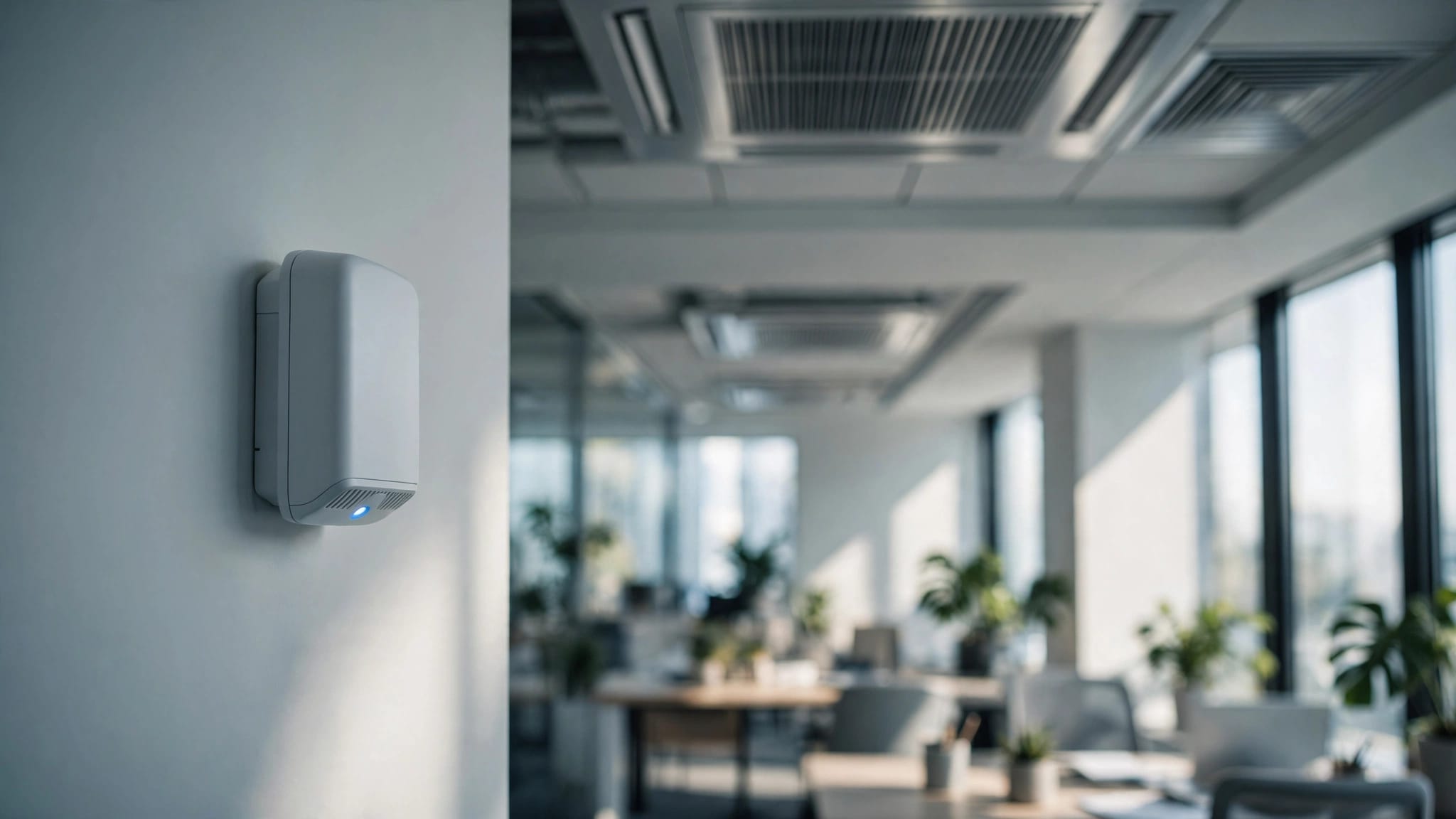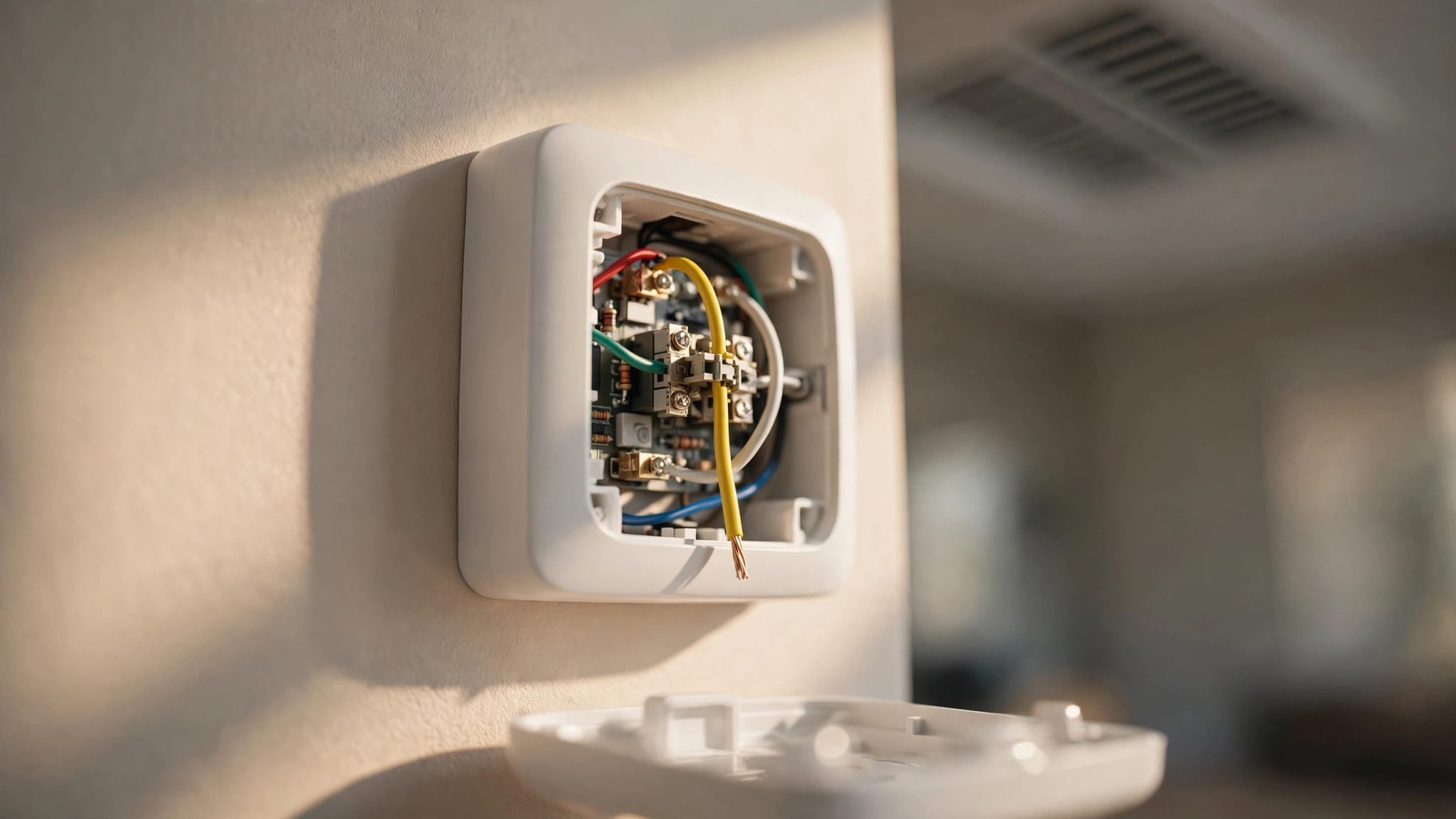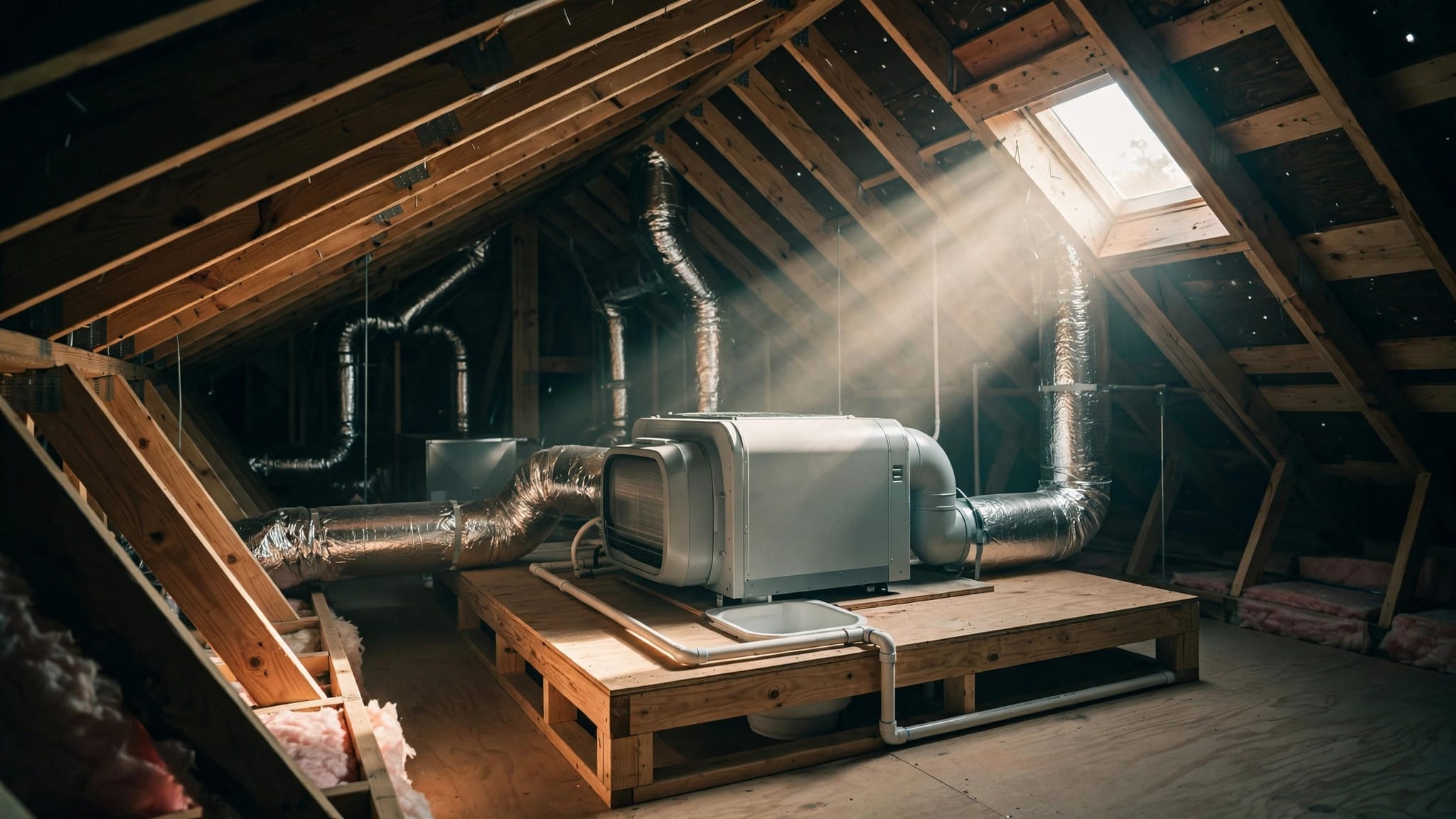
A commercial HVAC building automation system is a control system that helps manage heating, cooling, and ventilation across a building. It can give an operator a central way to manage equipment and schedules instead of adjusting each area separately.
If you're familiar with a home thermostat, the idea will sound familiar. The main difference is scope : a commercial building may have several spaces with different heating and cooling needs. That difference affects how the building is managed.
How HVAC Building Automation Differs From a Home Thermostat
A home thermostat typically controls the heating and cooling for one home, although some homes have multiple zones. A commercial building automation system, often called a BAS, can manage multiple areas and pieces of equipment as part of a broader control setup.
For example, an office building might need different temperature settings for a conference room and a reception area. A BAS can give the operator a way to manage those spaces without treating the entire building as one room.
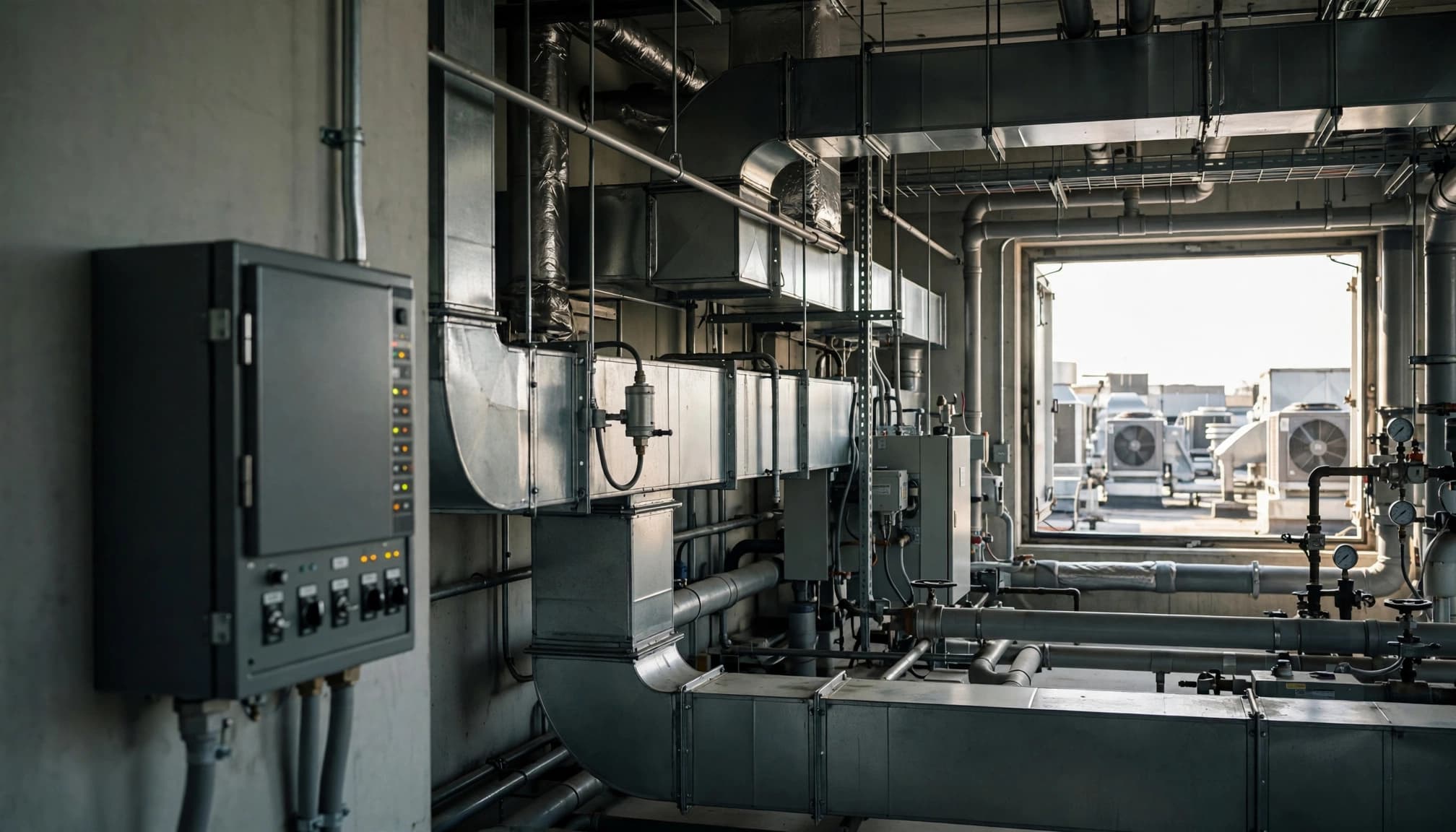
A communicating HVAC system is another distinct concept. It coordinates heating and cooling equipment through controls designed to work with that equipment. Having Wi-Fi or an app alone doesn't tell you whether a home system communicates this way.
What Building Operators Can Manage
The functions available through HVAC building automation depend on the building and its equipment. Common uses include managing temperature settings, operating schedules, and conditions in separate areas.
Temperature Settings and Schedules
A building operator can use schedules to match HVAC operation to the hours a space is occupied. An office that closes overnight, for example, may need different temperature settings after employees leave.
Schedules need to account for how a building is used. A meeting room booked after regular hours may need cooling even when the rest of the office is empty. Holiday hours and changes in occupancy also matter.
Different Areas of a Building
A zone is an area with its own control needs. A small business might have a customer area that warms up during the day and a back room that stays relatively cool. Managing those spaces separately can help address uneven comfort.
Ventilation needs also vary by space. The amount of outdoor air a commercial building needs depends on its use, floor area, occupancy, and applicable code requirements. There's no single rate that fits every business.
Potential Benefits for Operators and Occupants
Automation can make a building easier to manage, but results depend on the settings, equipment, and maintenance. The potential benefits are practical ones that building users can notice in their daily routines.
More Consistent Comfort
Different rooms don't always need the same amount of cooling. Sun exposure, occupancy, and equipment use can all affect how a space feels. Separate settings give an operator more flexibility to address those differences.
For occupants, the goal is a space that stays comfortable during the hours they use it. That doesn't mean every complaint has a controls-based solution. Weak airflow, for example, can have several causes, including problems that need an HVAC technician's attention.
Better Visibility Into Operation
A central management approach can help an operator keep track of settings and schedules across the building. Depending on the system, it may also provide information that helps identify an unusual condition.
Reducing unnecessary heating or cooling may lower energy use. Savings aren't guaranteed, though. A schedule that doesn't match occupancy, poor settings, or equipment problems can limit the benefit.
What to Consider Before Updating Controls
The right control approach depends on the equipment already in place and what the building needs to manage. A small property with a straightforward schedule may have different needs than a building with several occupied areas.
Equipment compatibility matters at home, too. After an AC replacement, an existing thermostat may not work with the new system's staging, variable-speed operation, or control setup. Our new AC commissioning checklist covers thermostat operation and other startup checks for a home installation.
The same practical lesson applies when planning a commercial controls project: the equipment and control setup need to work together. Clear operating instructions also help the people responsible for the building use its settings as intended.
Automation Doesn't Replace HVAC Maintenance
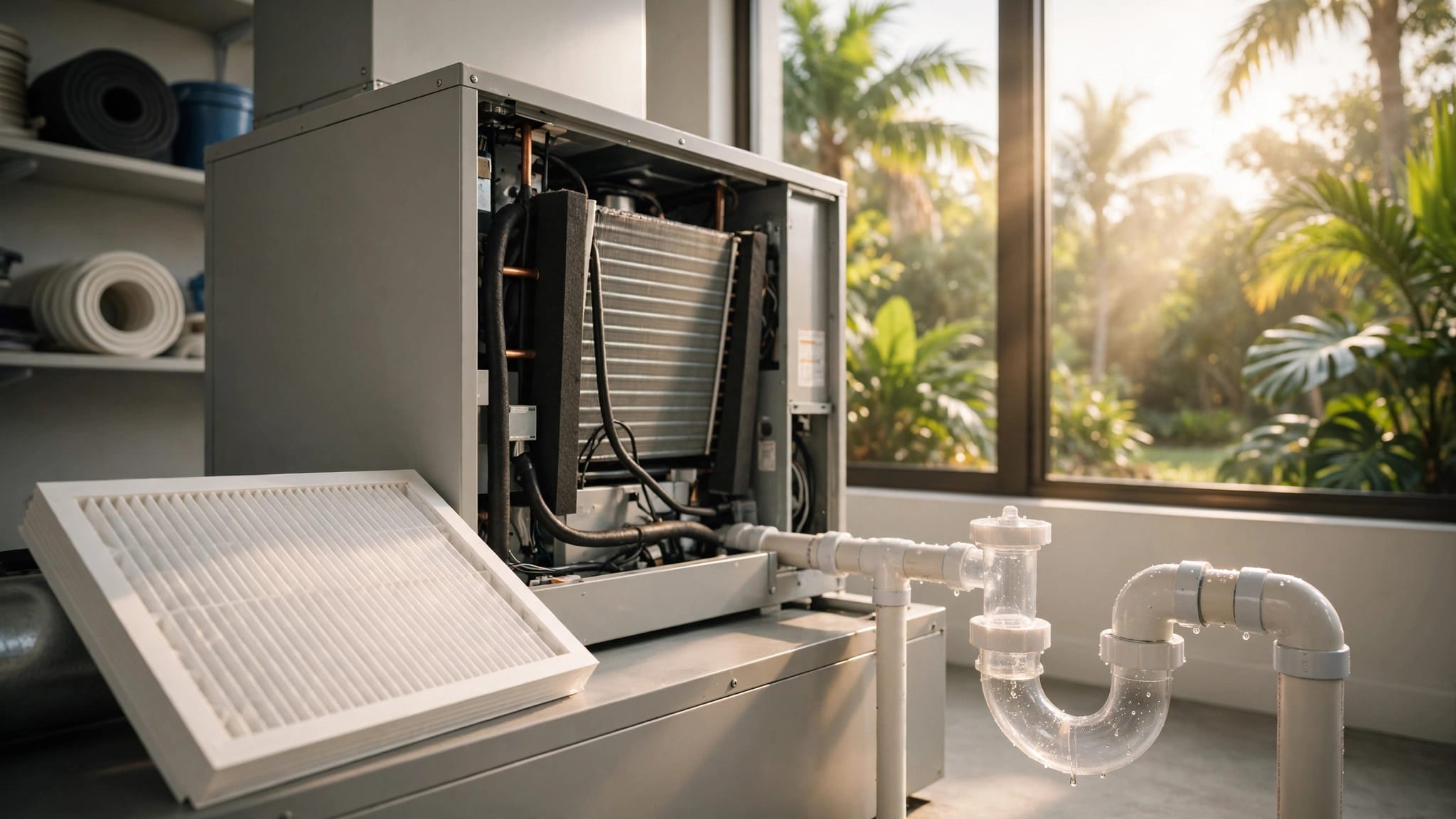
Even when a building uses automated controls, its heating and cooling equipment still needs regular care. A control setting can't clean a dirty coil, clear a drain line, or repair a worn electrical connection.
For a home AC system, an AC maintenance plan may include checks of the thermostat, coils, drain, electrical components, and airflow. The work included varies by plan.
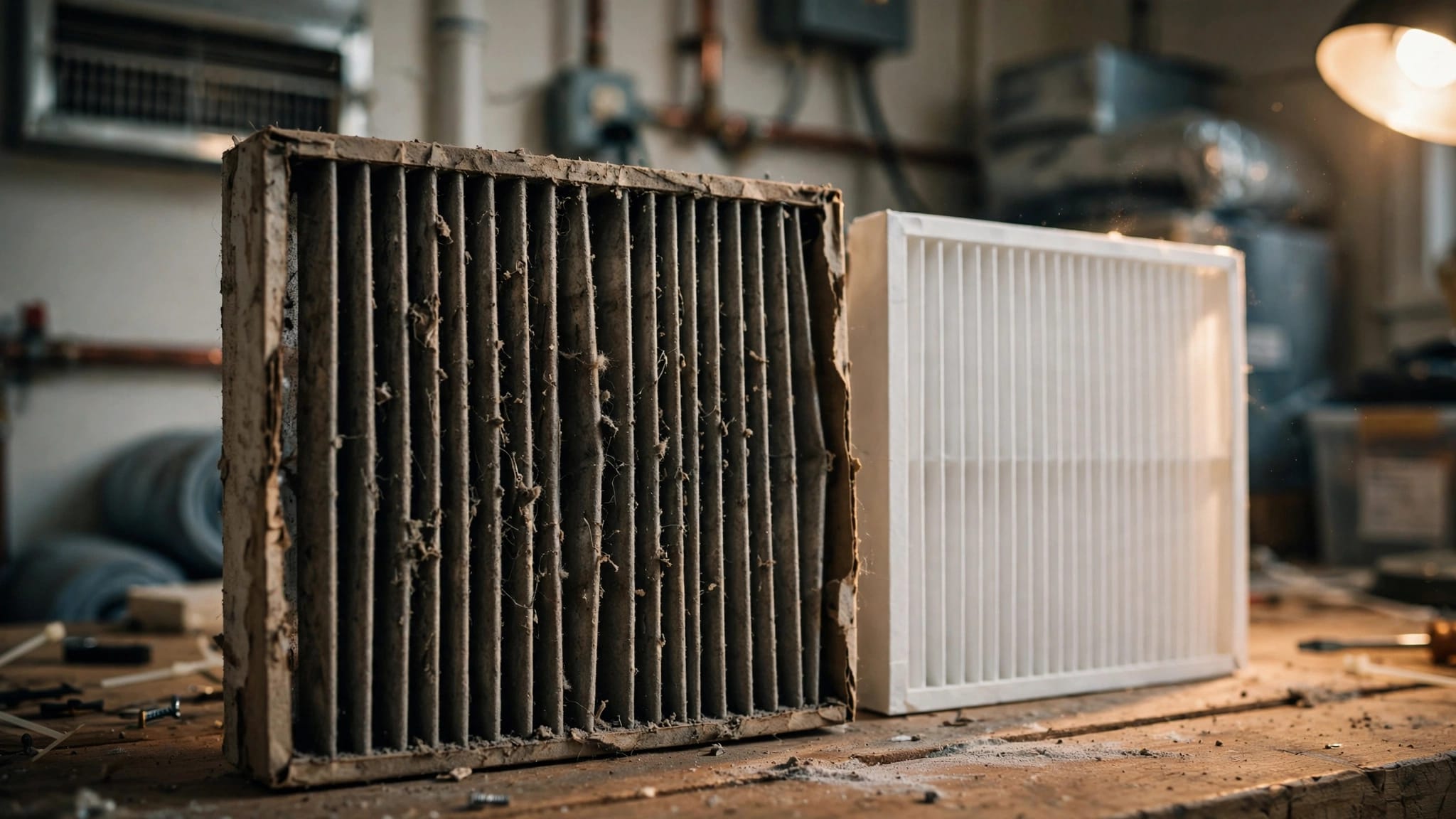
We recommend annual HVAC service and checking home air filters monthly. Depending on the filter and conditions in the home, replacement every 30 to 60 days can help keep air moving through the system.
Controls also need attention when equipment changes or schedules no longer fit the way a space is used. Keeping the settings understandable and current helps the people responsible for the building make useful adjustments.
Choosing Controls That Fit the Building
A commercial building automation system gives operators a broader way to manage HVAC settings across a property. Its usefulness depends on the building's equipment and how well its settings match the people using the space.
For a home, a compatible thermostat and routine maintenance remain important parts of reliable heating and cooling. If you need service, Contact Us to schedule a call. We also offer 24/7 emergency service.