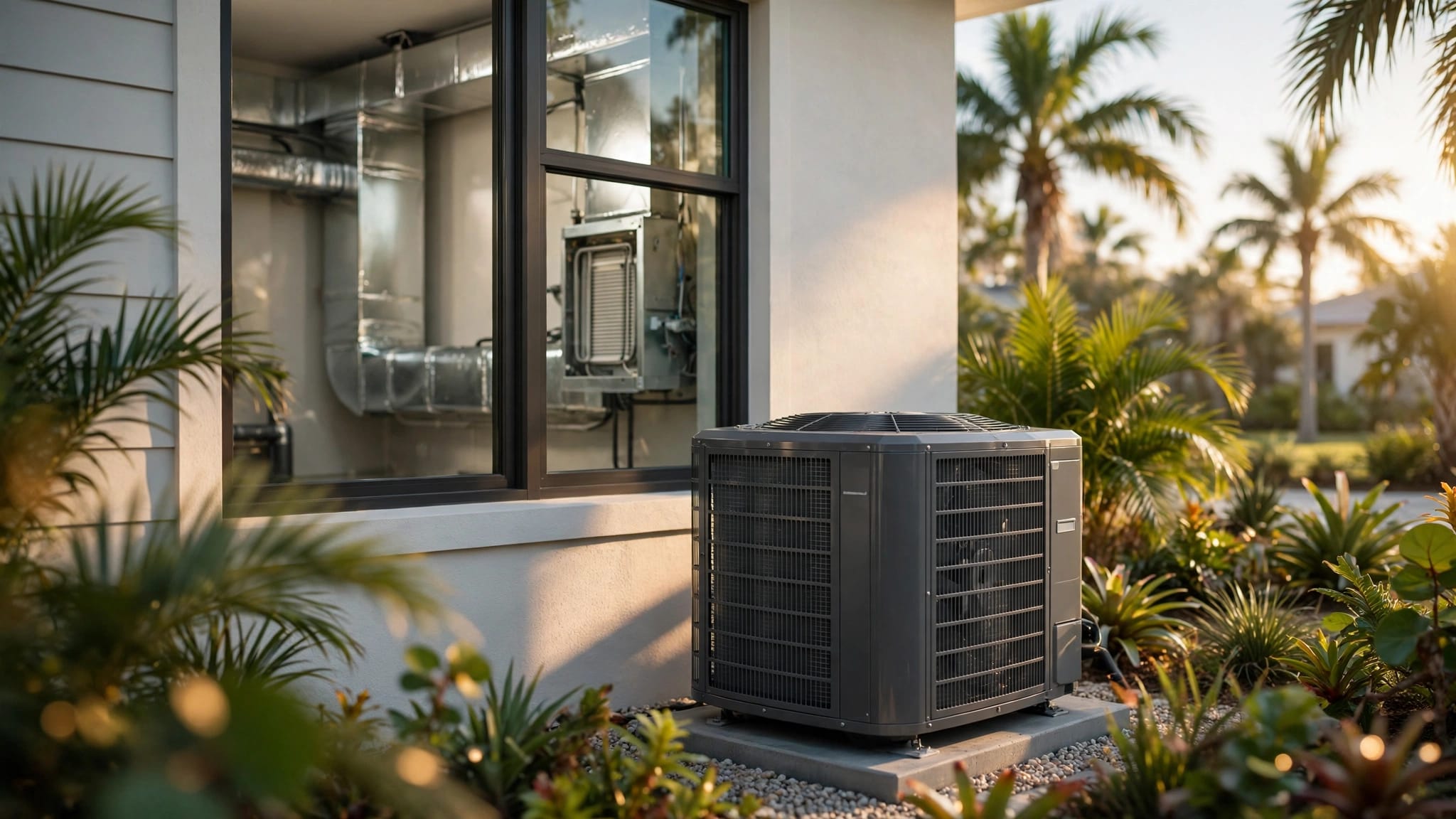
A dusty odor when electric heat starts is often caused by dust warming on heating components or moving through the vents after the system has been off. The smell should fade as the system runs. If it's sharp, smoky, or keeps returning, turn the heat off and treat it as a possible problem.
After months without heating, dust can settle on equipment and inside registers. A few simple checks can help you tell a brief startup odor from a warning sign.
Why electric heat smells dusty at startup
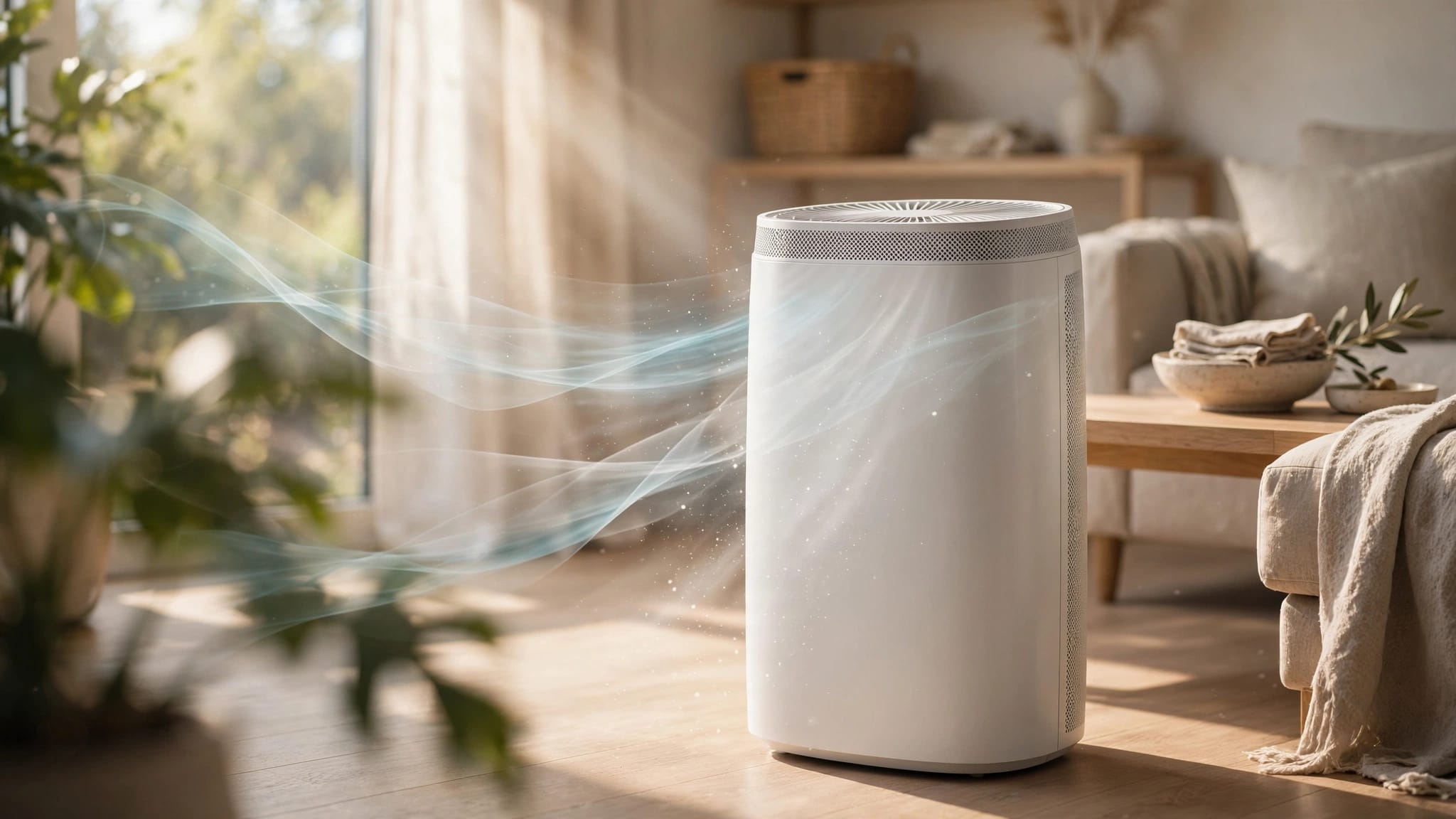
Dust gathers on and around HVAC components while the system sits idle. When heat starts, warm surfaces and moving air can release that stale, dusty smell into the rooms.
Dust can warm on heating components
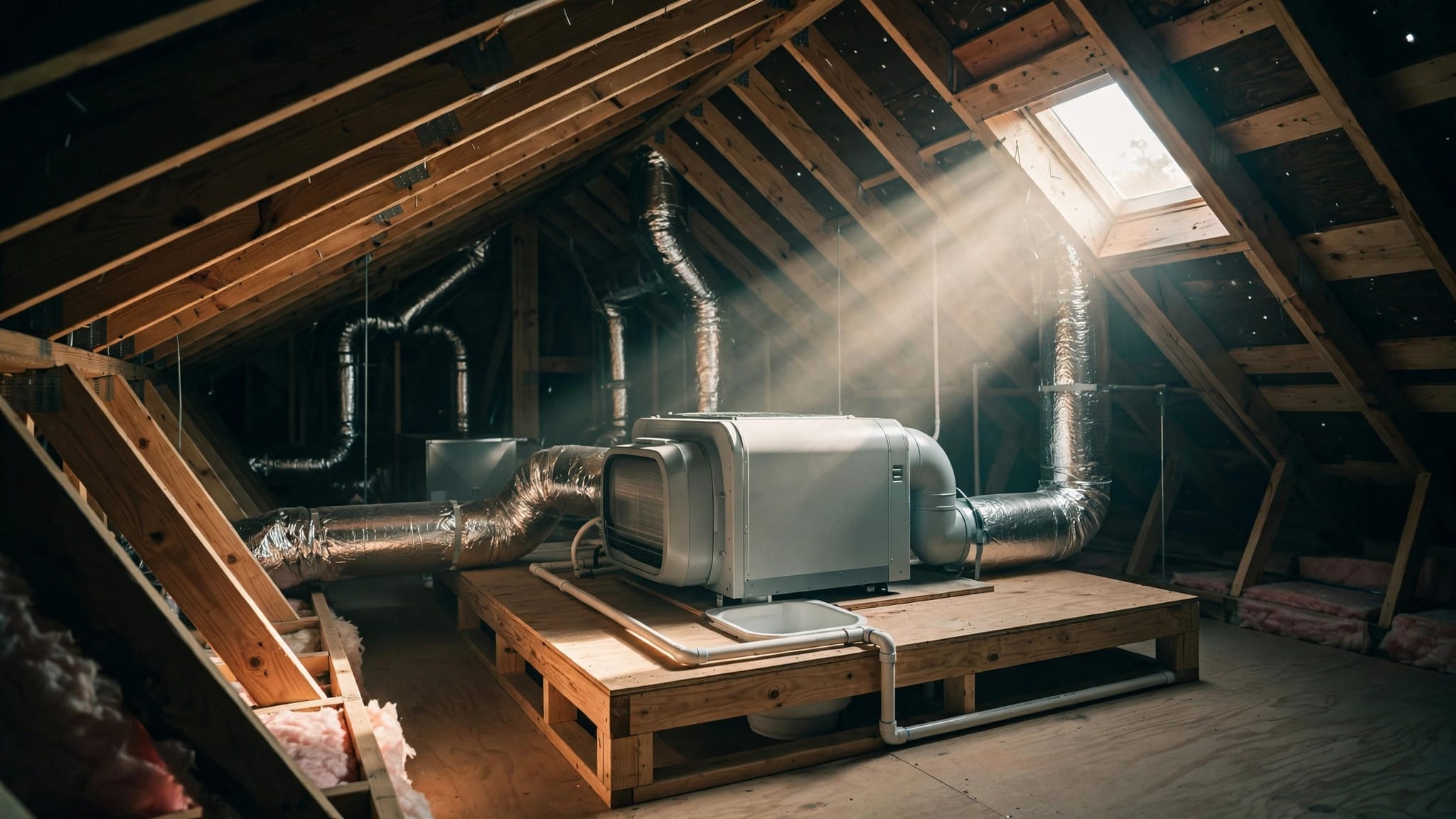
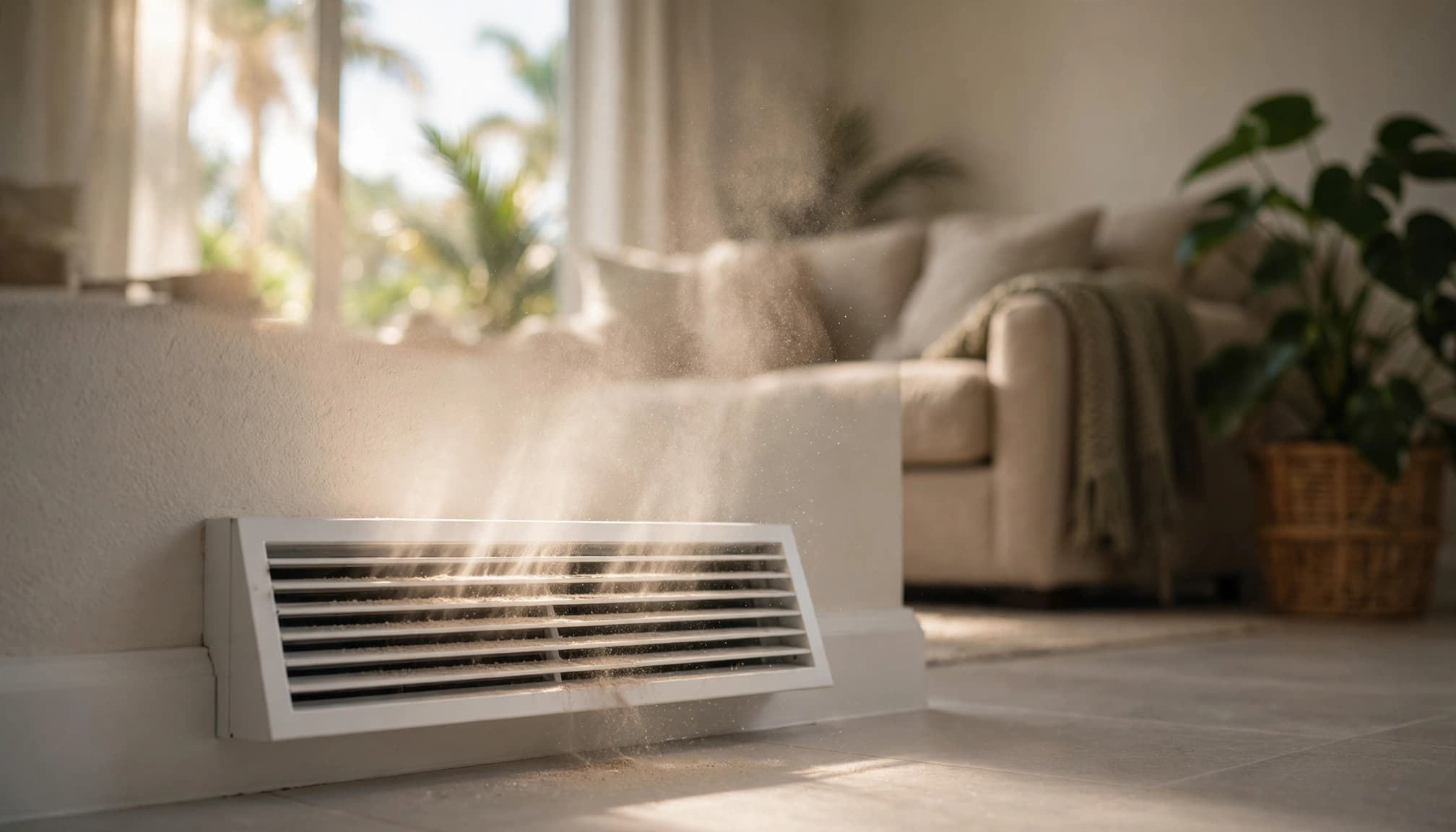
In a system with electric heat strips, dust on or near the hot elements can heat up when the system runs, creating a faint burnt-dust odor. Dust collected on vents or inside ductwork can also be stirred up and carried into the room by airflow.
That smell is most common at the start of the heating season or after a long period without heat. It may be more noticeable if you've recently remodeled, have pets, or see dust collecting around vents.
Different systems heat your home differently
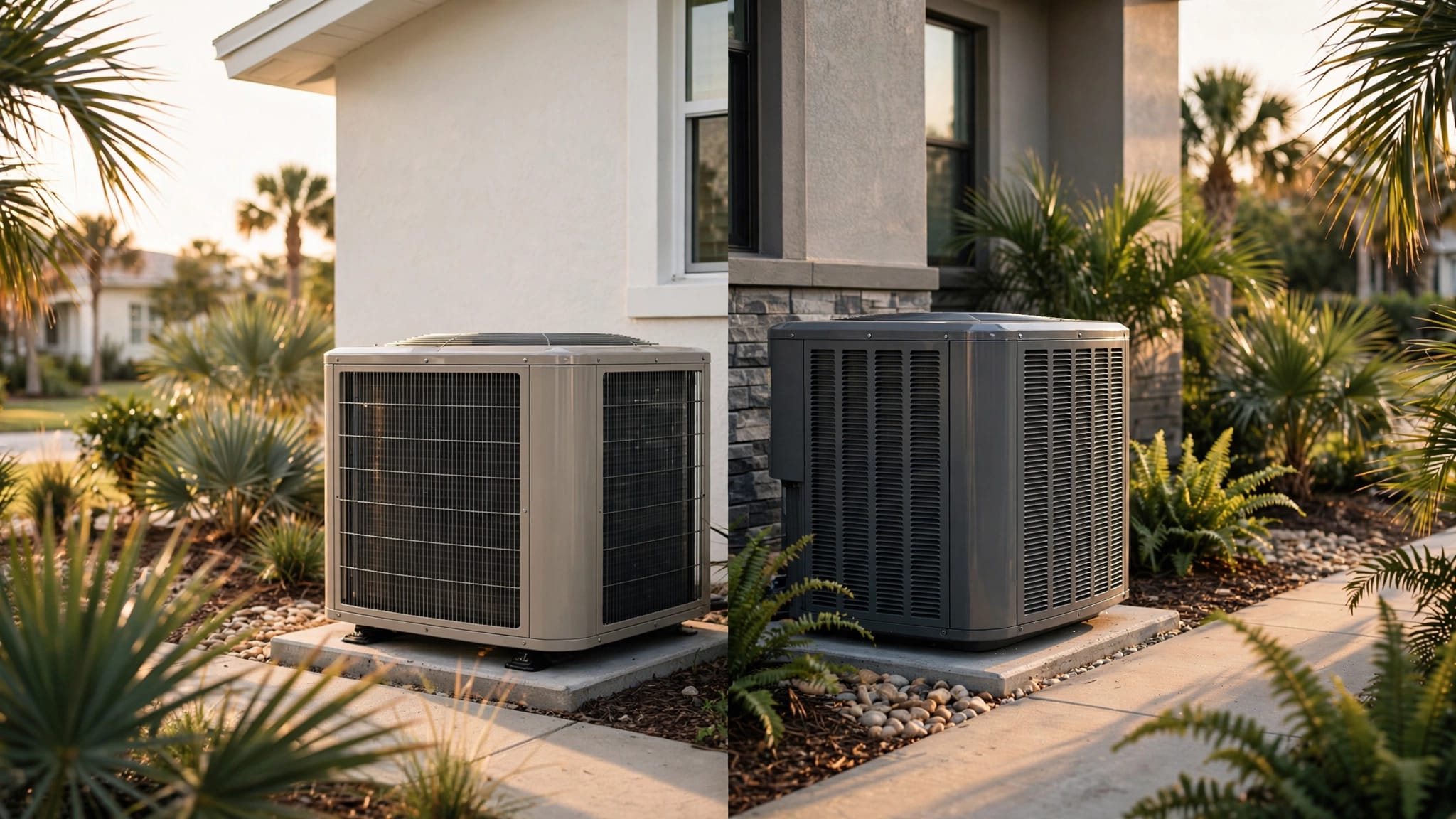
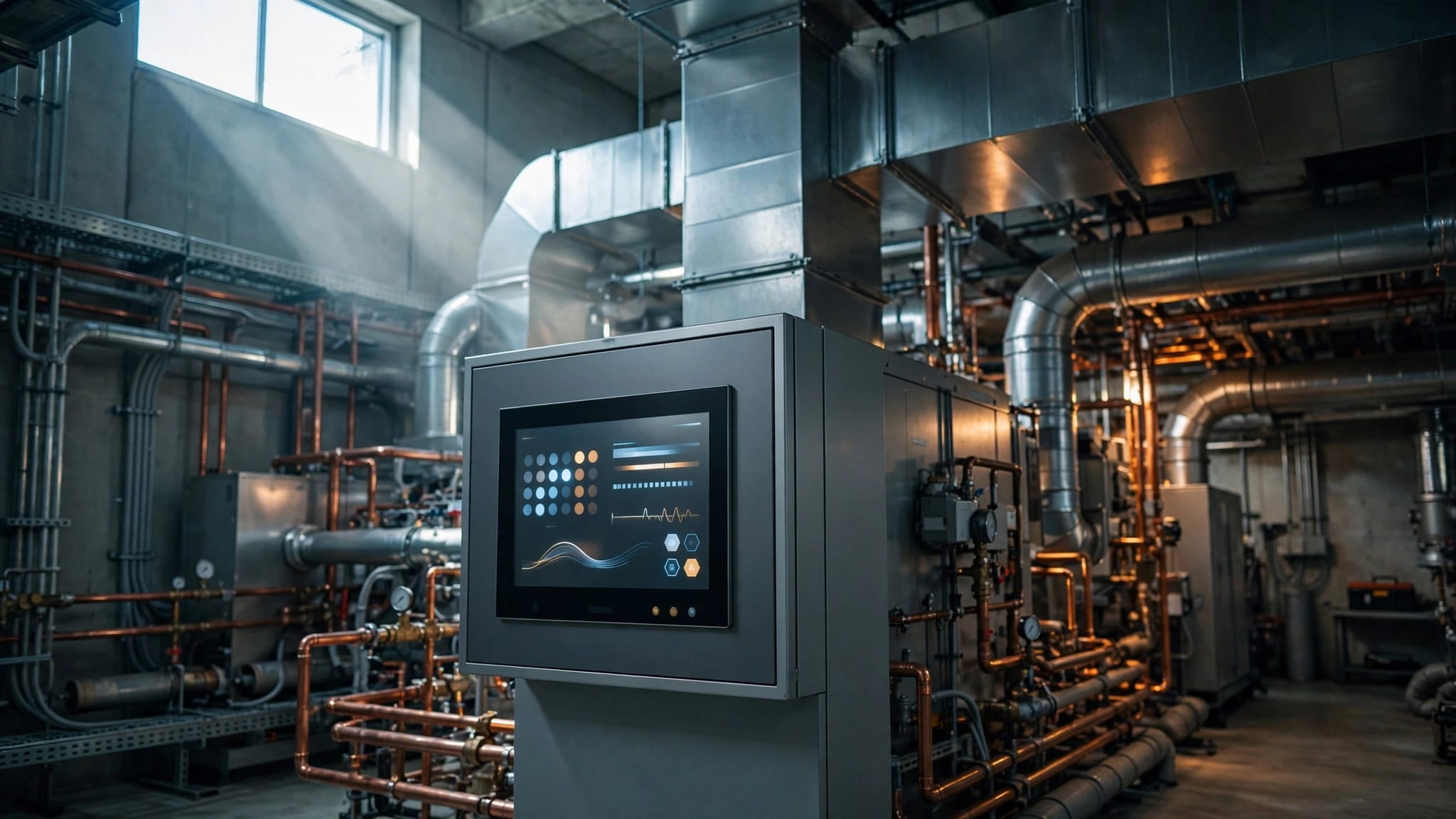
Some Florida homes use electric heat strips, while others use a heat pump, which moves heat from outdoor air into the home. The components differ, but either system can circulate dust that settled during a period of disuse. Our guide to how heat pumps provide home heating explains how that heating method works.
How long should the dusty smell last?
A light dusty odor often fades within the first several minutes of operation as the accumulated dust warms or moves through the system. There isn't one exact duration for every heater, but the smell should lessen rather than grow stronger or linger through repeated heating cycles.
If it returns every time the system runs, continues well beyond startup, or spreads through the home, don't assume it's harmless dust. The source could be a dirty filter, airflow issue, or equipment problem that needs inspection.
Simple checks for dust and airflow
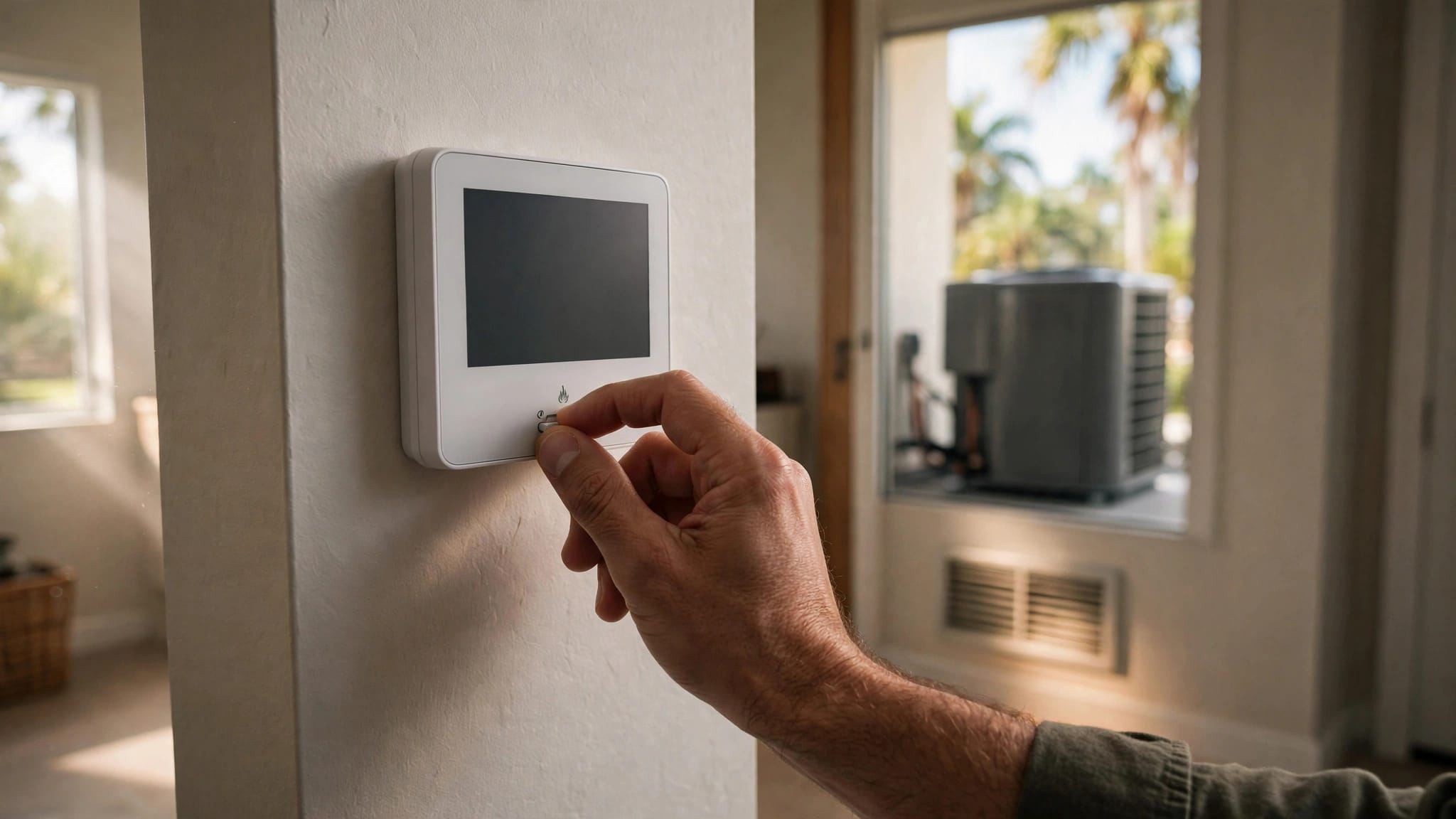
Start with checks you can do without opening the equipment. Turn the system off at the thermostat before accessing a filter, and don't reach into the air handler or remove sealed panels.
Check the filter
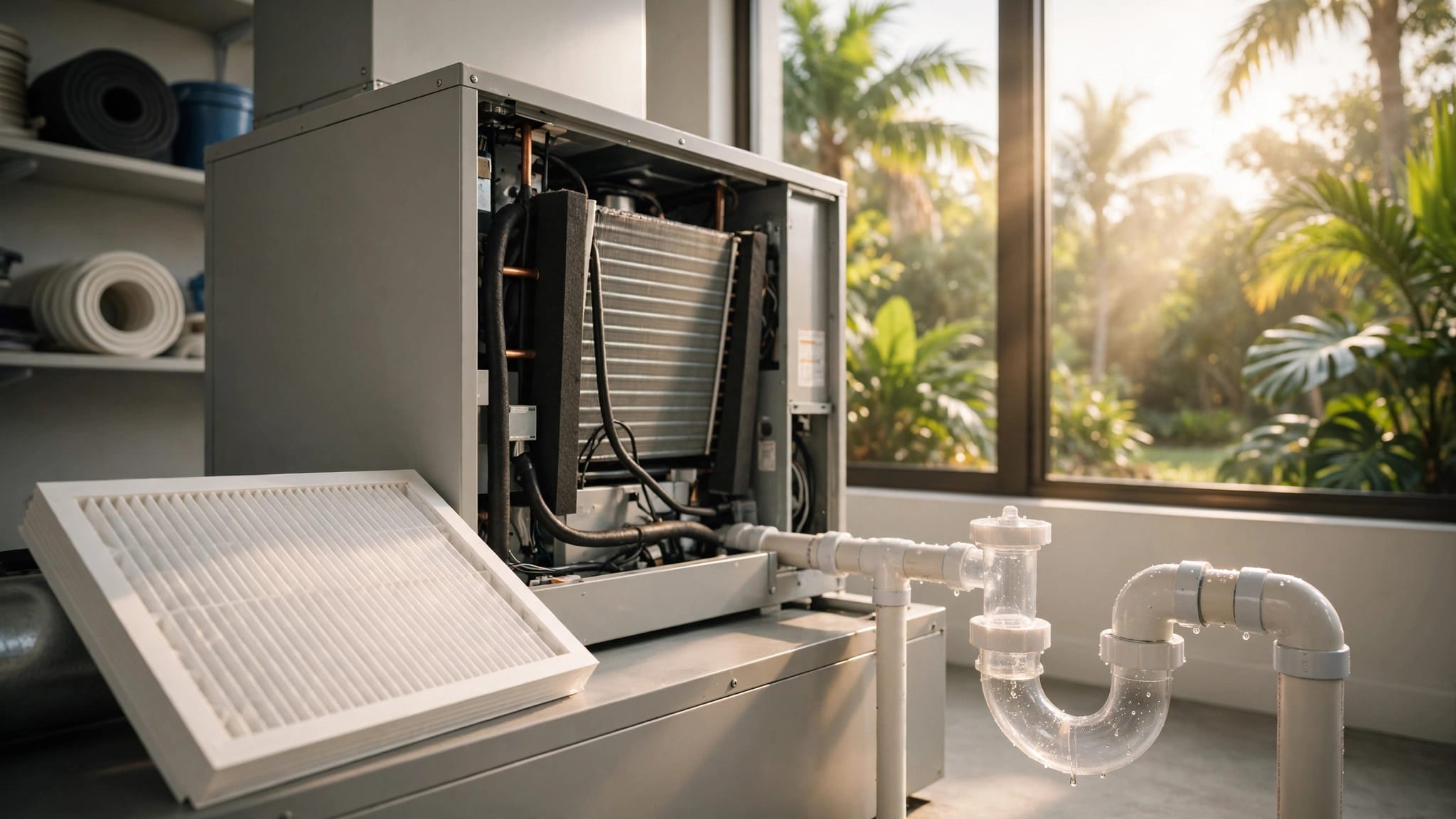
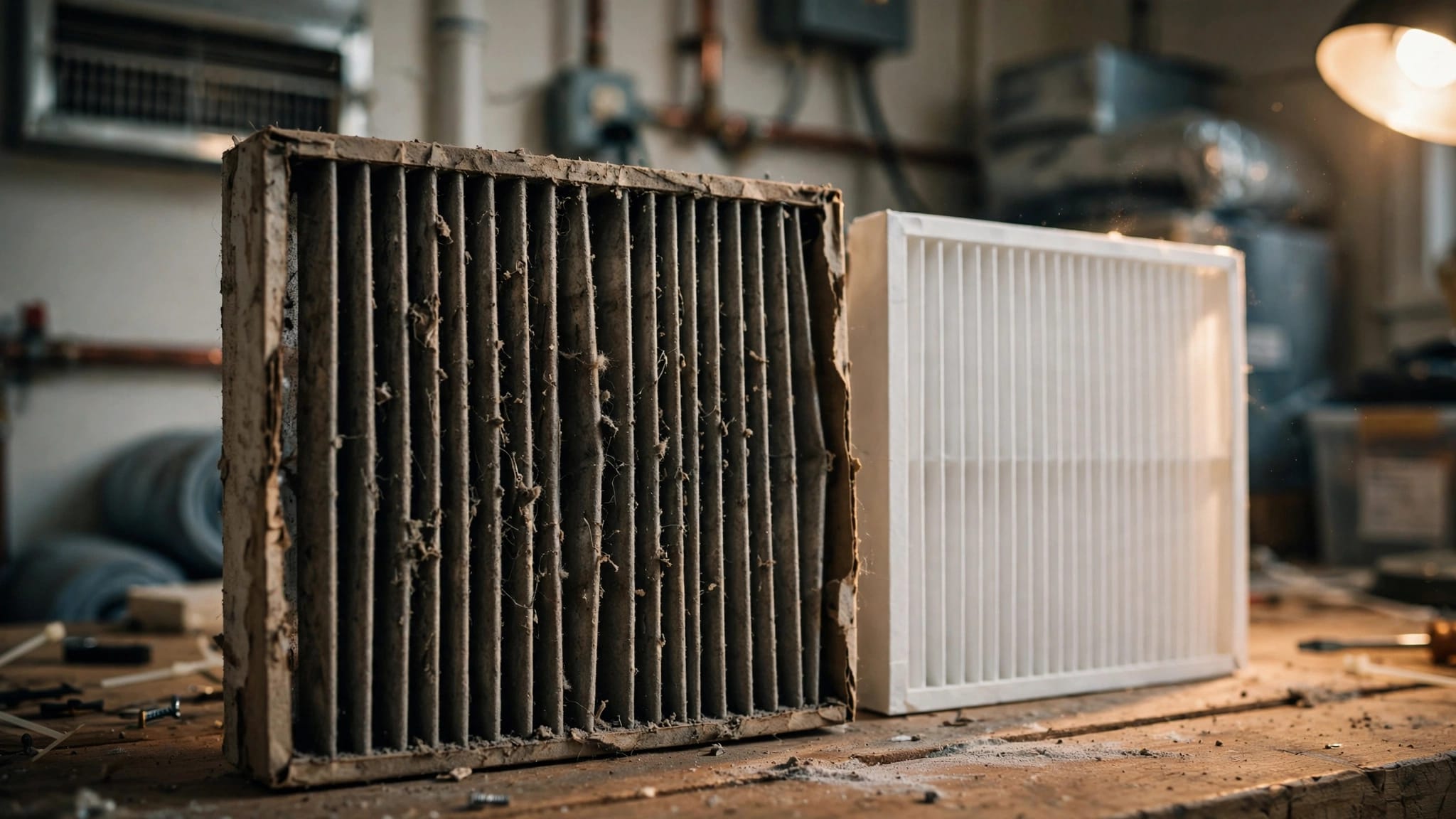
Look at the air filter before running the heat after a long break. If it's visibly dusty, clogged, damp, or damaged, replace it with the correct size and type. Follow the airflow arrow printed on the filter frame, and check the system's instructions for the recommended filter.
A dirty filter can restrict airflow, which may make the system work harder. If a new filter quickly becomes dirty again or airflow remains weak, the cause may be beyond the filter. See our advice on checking the air filter before restarting your HVAC.
Clear vents and returns
Remove dust from visible vent surfaces and return grilles with a vacuum brush or a slightly damp cloth. Let surfaces dry before running the heat. Also move rugs, furniture, curtains, and storage away from vents so air can circulate.
Avoid taking apart ductwork or spraying cleaners and fragrance into vents. For more basic cleaning advice, see our guide to cleaning return grilles and supply vents.
When a heating odor may signal a problem
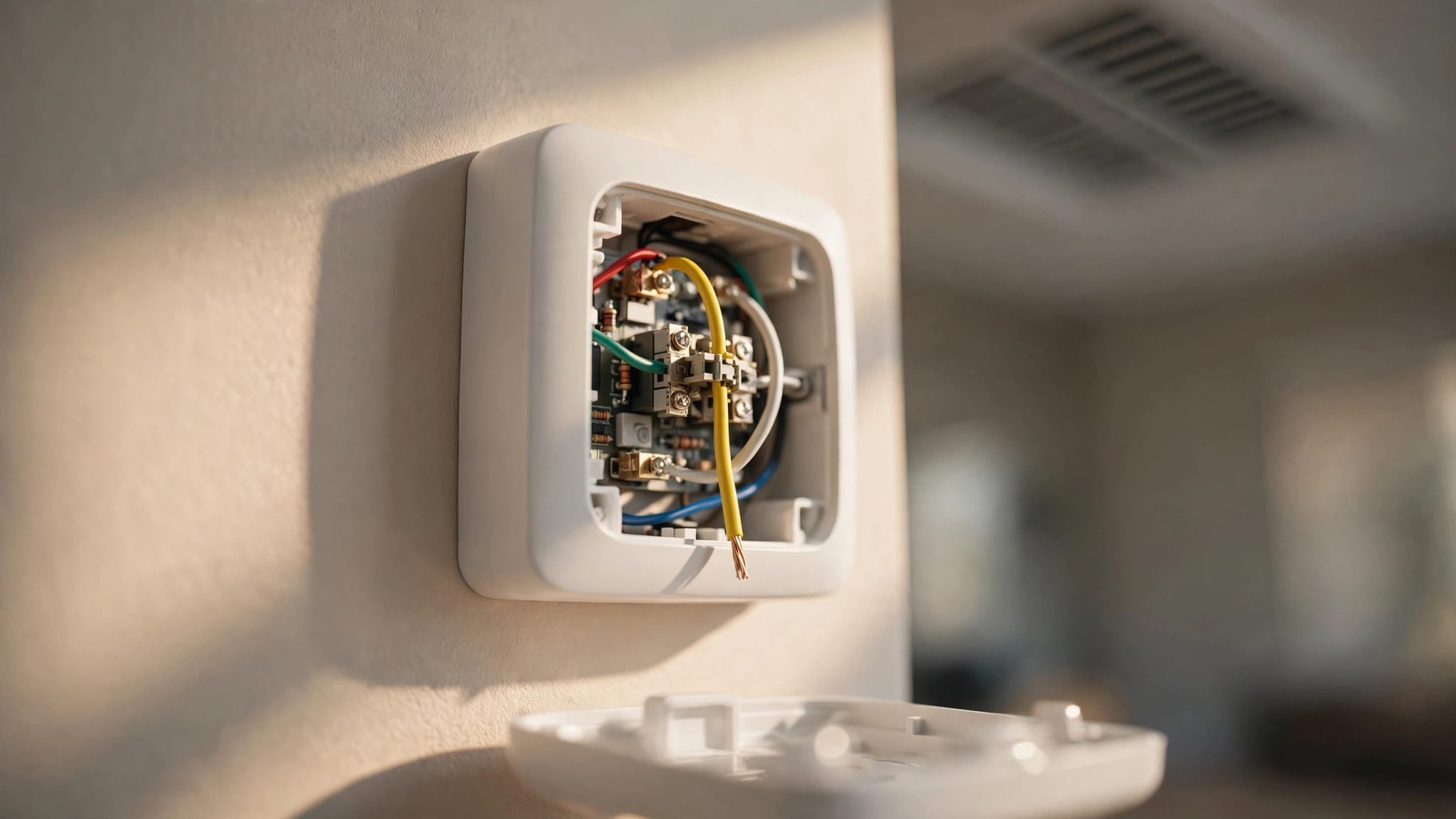
A faint, short-lived dusty smell is different from an odor of hot plastic, melting insulation, or electrical burning. Those smells can point to overheating or damaged wiring, so turn the system off at the thermostat if you can do so safely.
Watch for electrical warning signs
Shut the heat off and arrange prompt service if the smell comes with smoke, sparks, buzzing, crackling, visible scorch marks, or a breaker that trips repeatedly. Don't keep resetting a tripping breaker. Stay away from exposed equipment, and don't open electrical panels or HVAC components.
If you see active smoke or fire, leave the area and call 911. For help with distinguishing dusty smells from burning odors, look for whether the odor is mild and brief or sharp and persistent.
Note changes in sound, airflow, or moisture
A recurring odor alongside weak airflow, unusual equipment noises, or water near electrical equipment calls for professional attention. Make a note of when the smell starts, which rooms are affected, and whether it fades. Those details can help a technician assess the system.
If the odor is strong, keeps returning, or comes with a warning sign, Contact Us to schedule service. We offer 24/7 emergency HVAC service in Southwest Florida.
Key takeaways
- Dust on warm components or in vents can create a brief startup odor.
- The smell should fade after the heat runs for a short time.
- Check the filter and clear visible dust from vents and returns.
- Turn off the system for sharp electrical odors, smoke, sparks, or repeated breaker trips.
Frequently asked questions
Is a dusty smell when heat starts dangerous?
A mild smell that fades shortly after startup is often caused by accumulated dust. A sharp or persistent odor, especially with smoke, sparks, unusual sounds, or a tripping breaker, needs prompt attention.
Should I run the heat to clear the smell?
If the odor is faint and fades as the system runs, it may clear as dust warms. Turn the system off if the smell grows stronger, persists, or seems electrical or smoky.
Can a new filter stop the smell?
It can help if a dirty filter is part of the problem, but it won't remove dust that has settled on heating components or inside ductwork. If the odor continues after basic cleaning and a filter change, arrange an inspection.
Keep an eye on the pattern
A short dusty odor at first startup can come from dust left behind during months without heat. Check the filter and vents, then pay attention to whether the smell fades.
If it persists or comes with electrical warning signs, shut the system down and get professional help.