Reliable home heating and cooling in Cape Coral starts with equipment that fits your house and gets regular care. Clean filters, clear airflow, and prompt repairs can help your system keep rooms comfortable through Florida's long cooling season.
You don't need to know every part inside your AC to recognize a problem. However, understanding the basics can help you decide when to change a filter, schedule maintenance, or call for help.
Key takeaways
- Central systems move conditioned air through ducts, while ductless mini-splits deliver it through indoor units.
- Weak airflow, unusual noises, and persistent humidity can point to problems that need attention.
- Routine maintenance helps identify worn or dirty components before they interrupt service.
- Repair and replacement decisions should account for the equipment's condition and the cost of the proposed work.
How home HVAC systems work
A home HVAC system controls indoor temperature and moves air through your living spaces. In Southwest Florida, cooling often gets the most attention, but many homes also need heat during cooler weather.
Cooling and humidity control
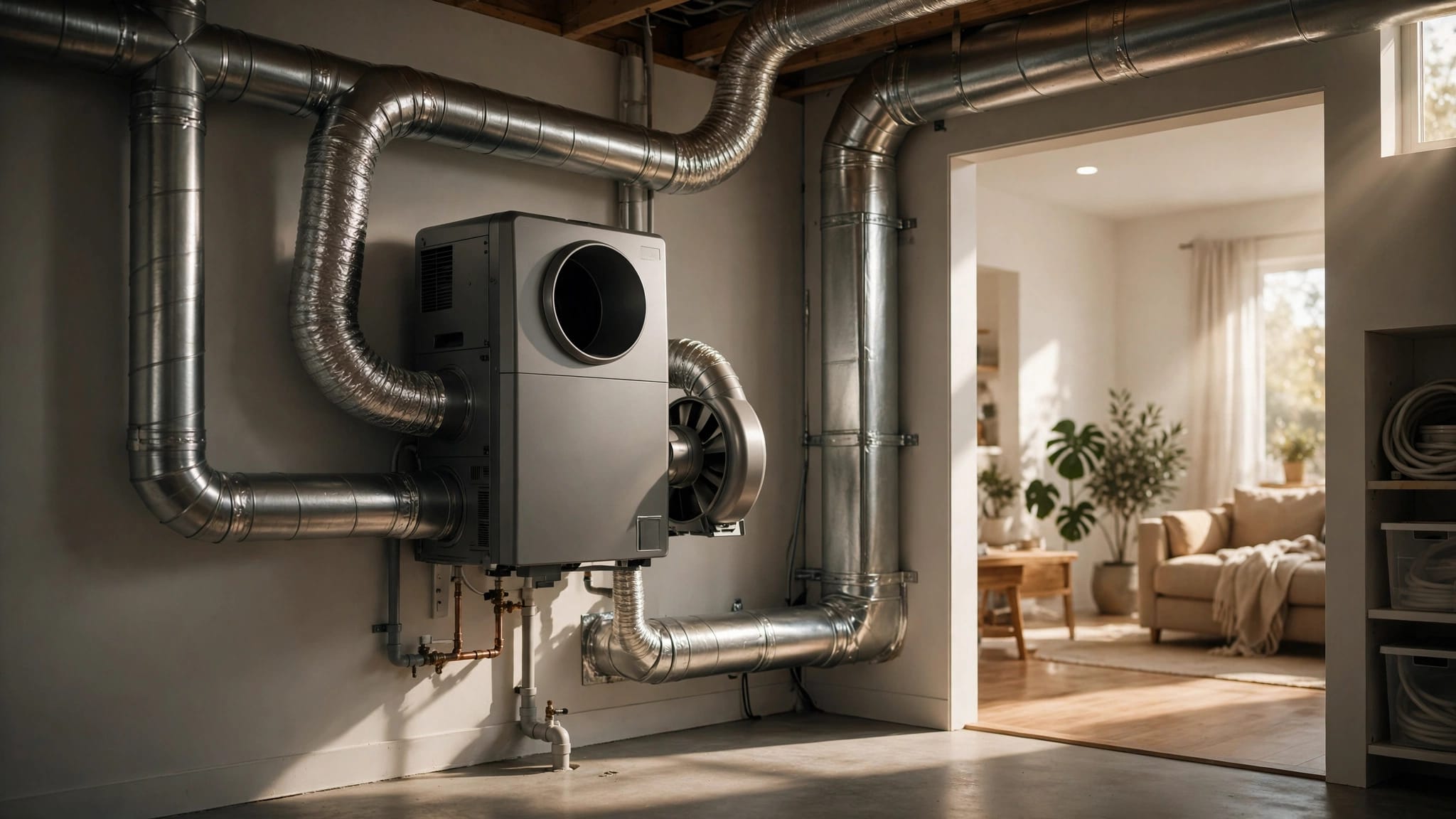
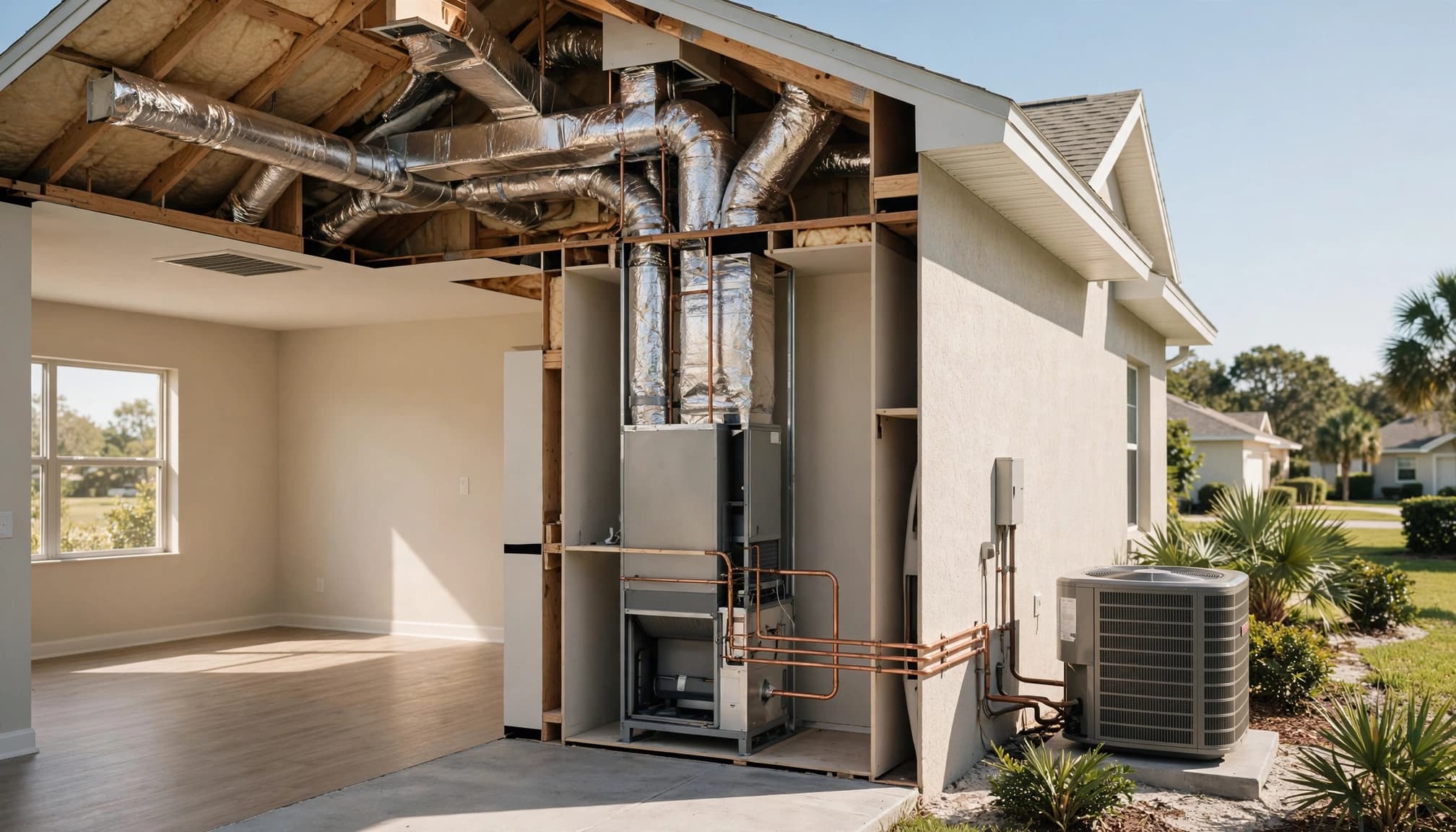
In a typical central AC system, an indoor coil absorbs heat from your home's air. Refrigerant carries that heat to the outdoor unit, which releases it outside. Meanwhile, a blower circulates indoor air through the system and back into your rooms.
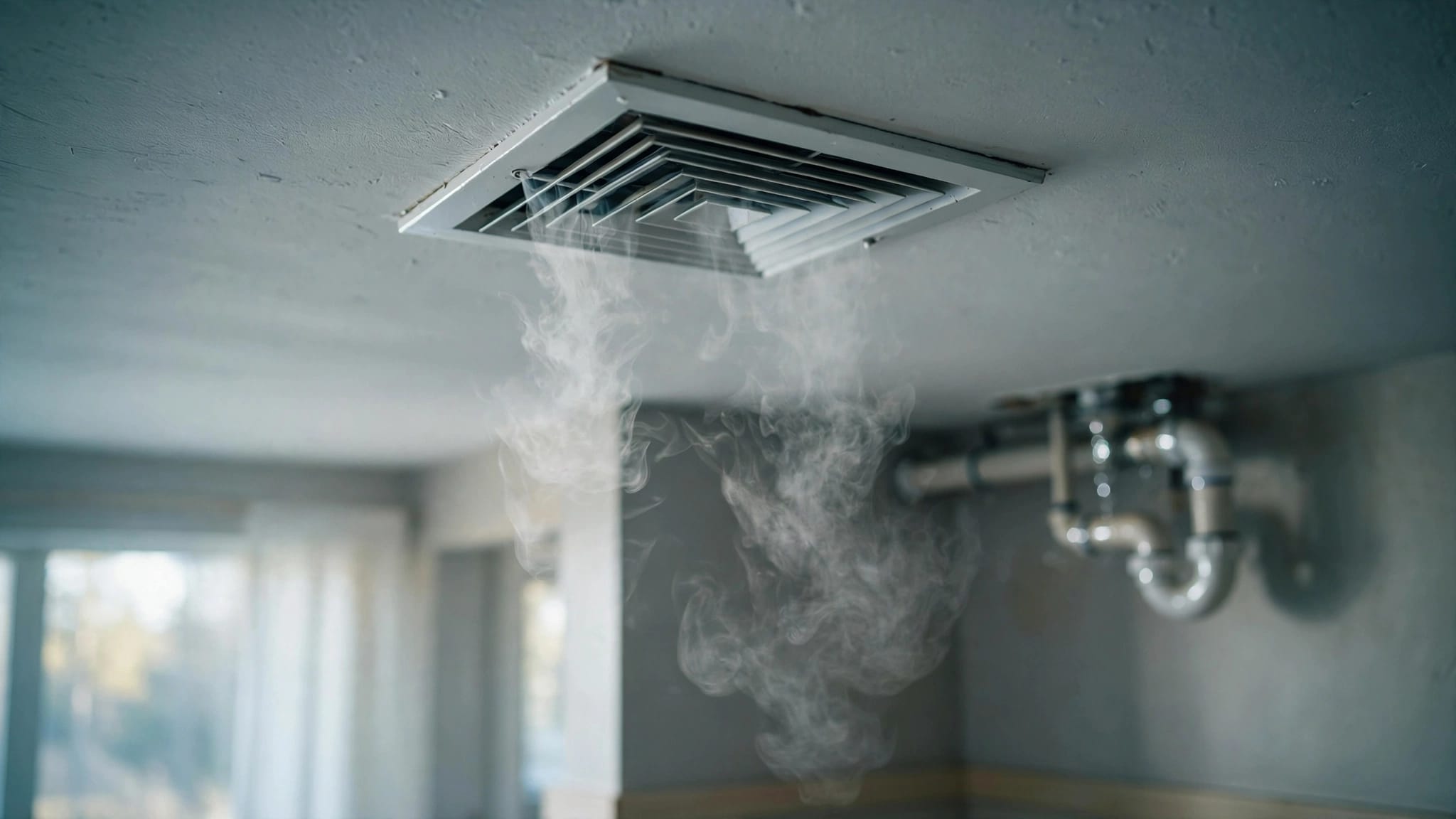
The indoor coil also removes moisture as warm air passes over it. That moisture collects in a drain pan and flows through a condensate drain line. When the drain clogs, water can back up and some systems may shut off.
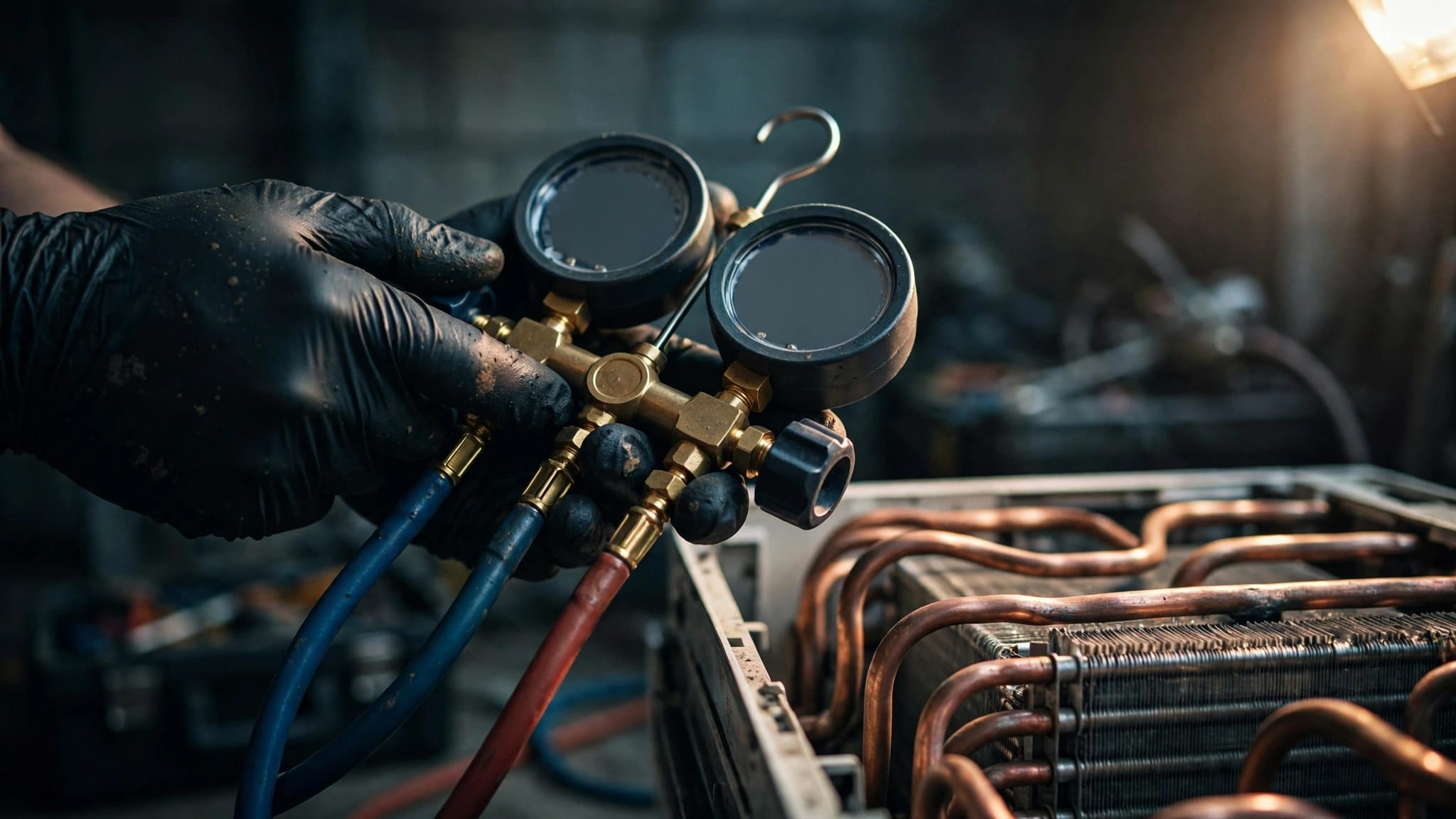
Refrigerant moves through a closed system. If a unit is low, adding refrigerant alone doesn't address the cause of a leak.
Heating your home
Some Florida homes use a heat pump, which can both cool and heat. In heating mode, it moves heat from the outdoor air into the home. Other homes use equipment such as electric heat strips or a furnace.
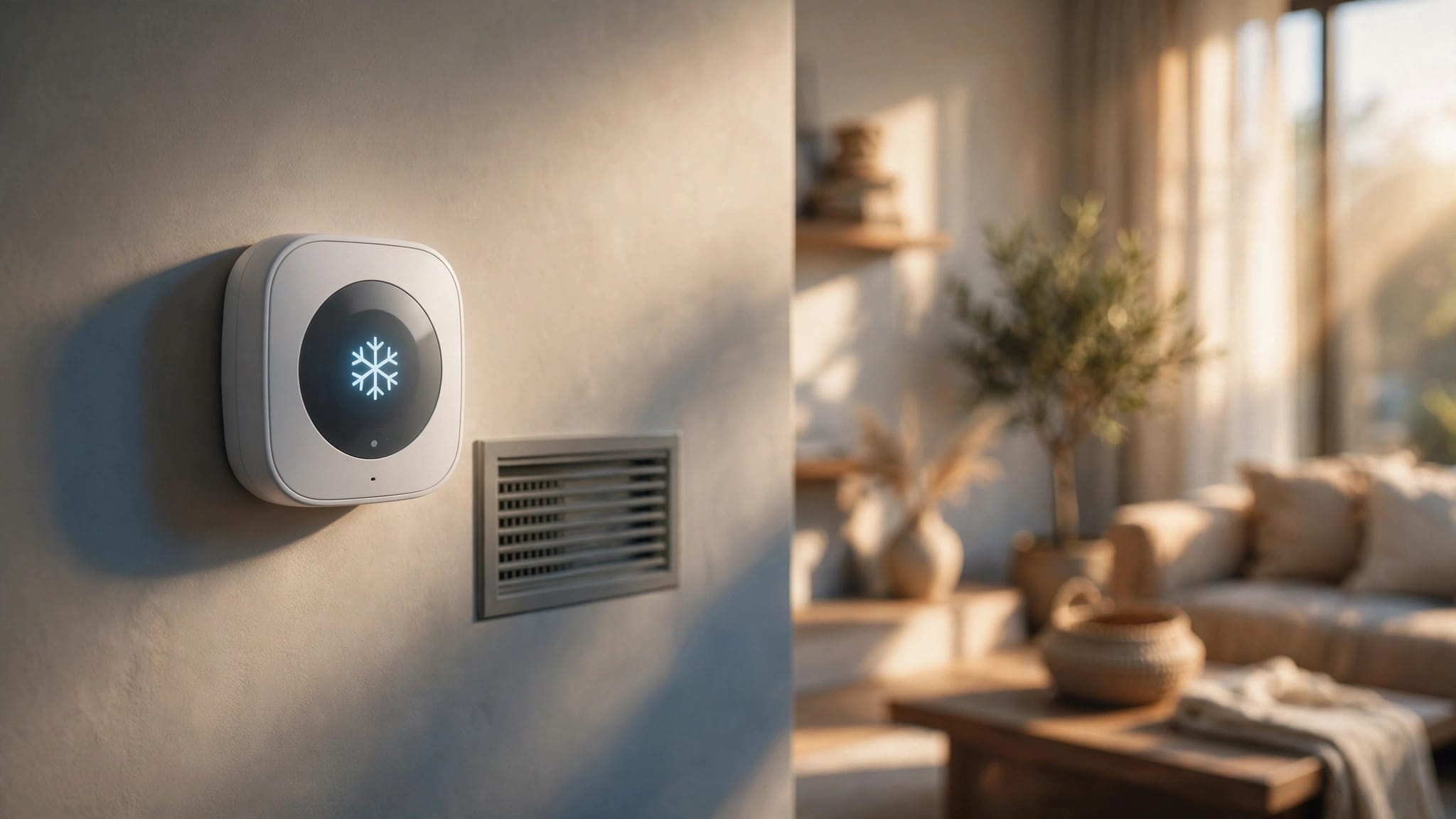
Your thermostat tells the equipment when to run. If the home doesn't reach the set temperature, the cause could involve the thermostat, airflow, or the equipment itself. A diagnosis helps identify which part needs attention.
Central air or ductless: Which fits your home?
The right system depends partly on your home's layout and whether it already has usable ductwork. Both central systems and ductless mini-splits can provide cooling, and heat pump versions can provide heat.
Central heating and cooling
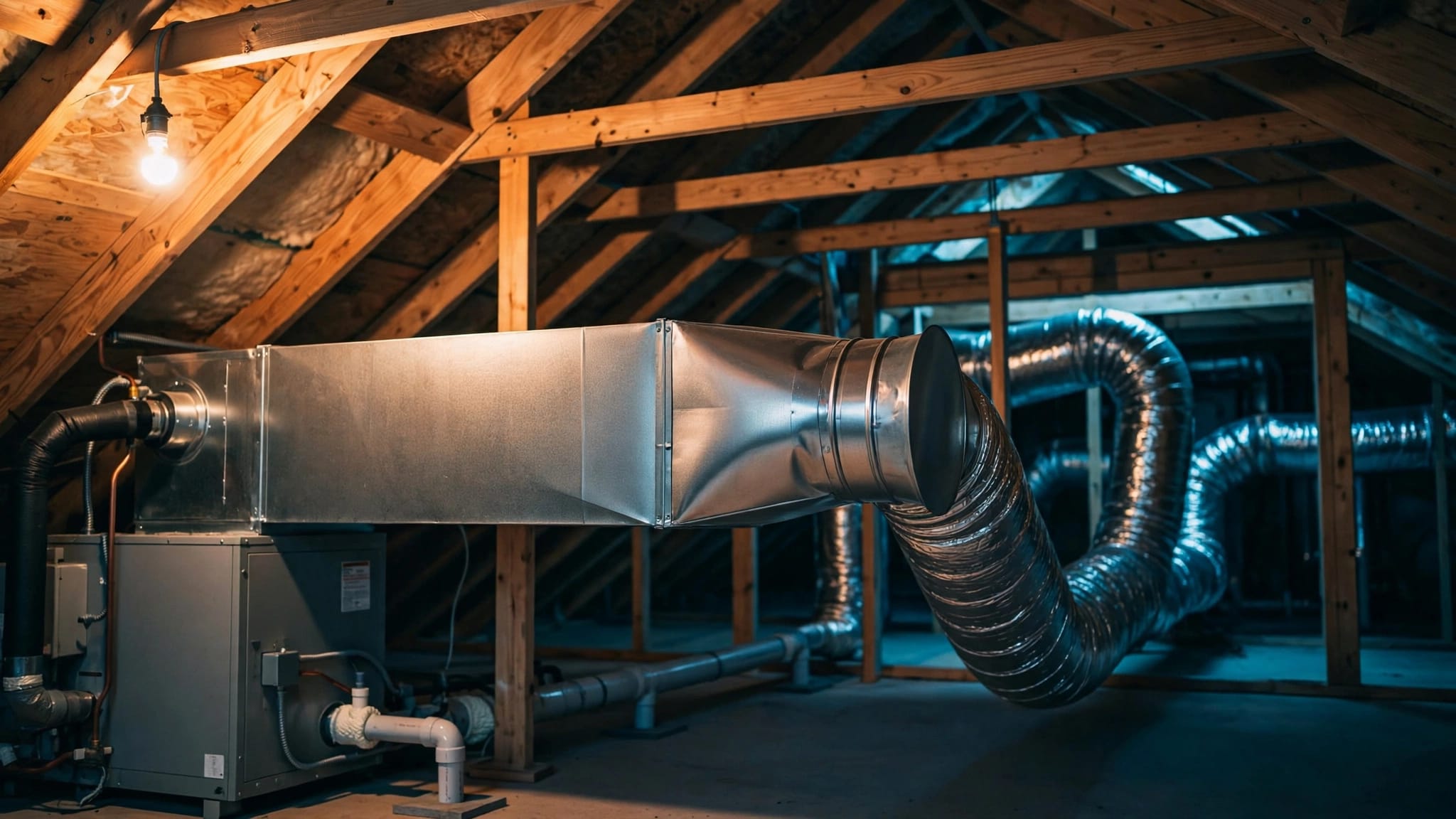
Central equipment distributes air through ducts and vents. It can be a practical choice when your home already has ductwork in good condition and you want to condition multiple rooms.
However, the equipment is only part of the system. Leaky, damaged, or poorly designed ducts can reduce the airflow that reaches a room. If one area stays warm while the rest of the house cools, the outdoor unit isn't necessarily the cause.
Ductless mini-splits
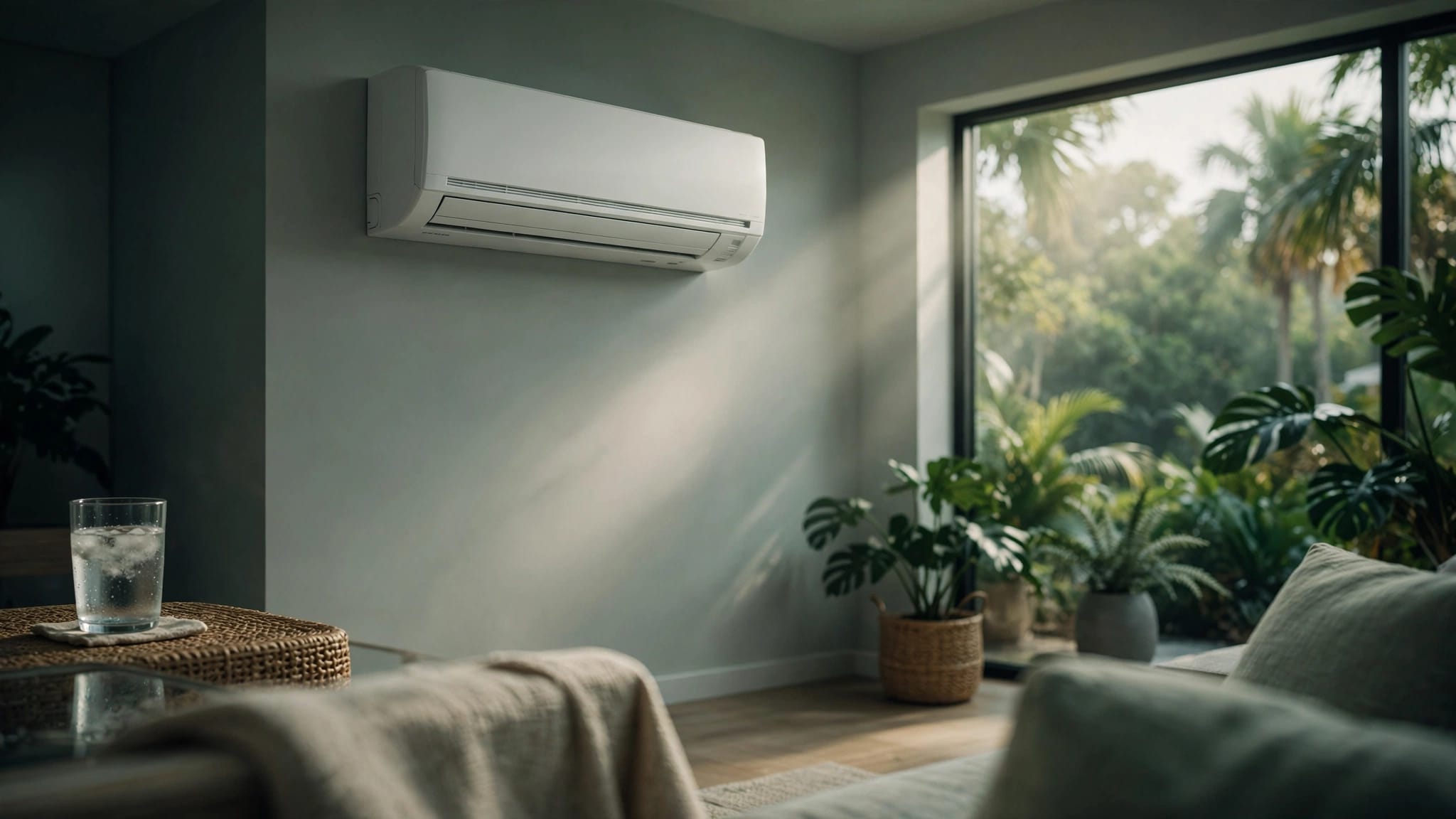
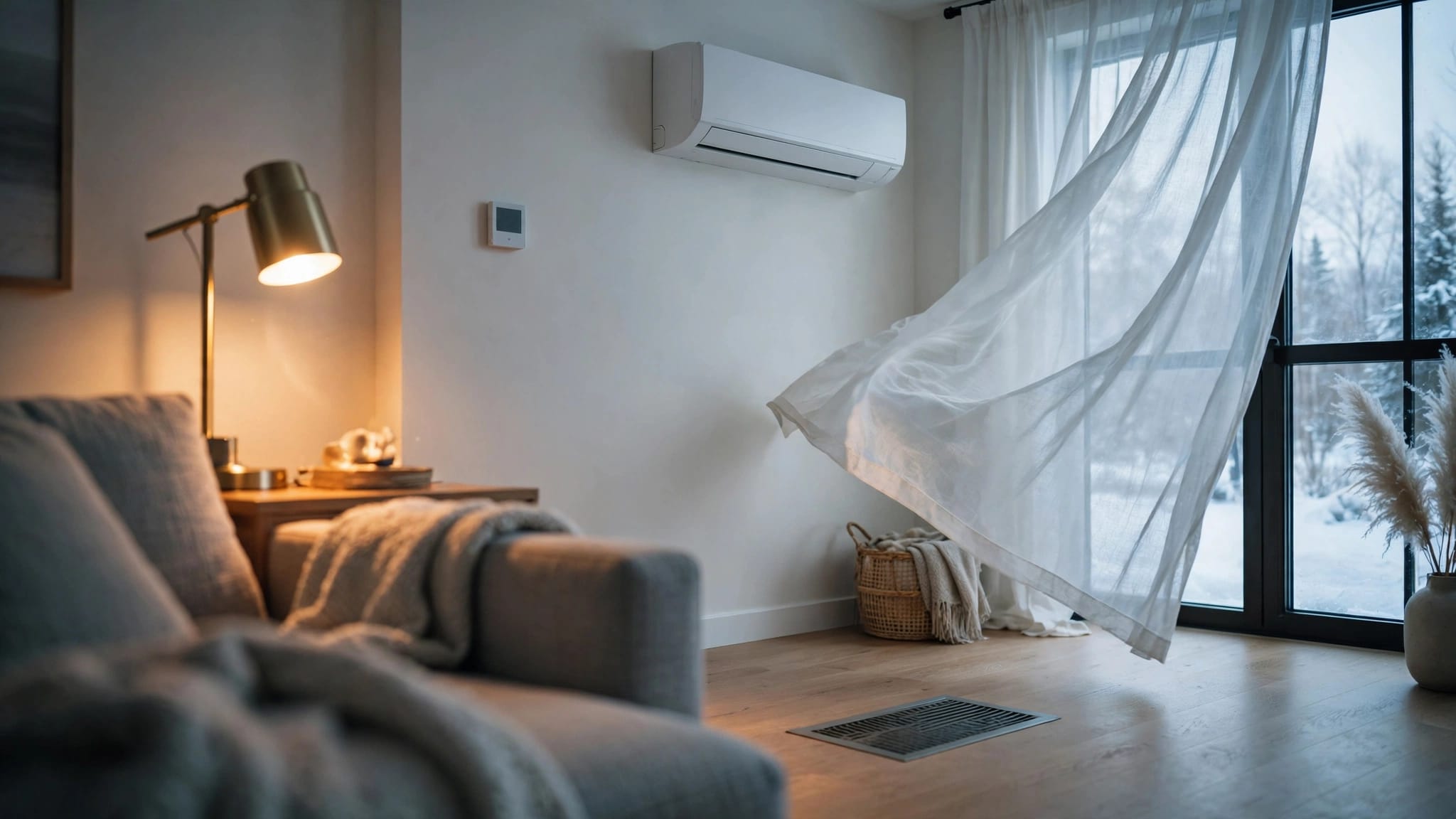
A ductless mini-split connects an outdoor unit to one or more indoor units. Each indoor unit delivers air into its own space, so this option can suit an addition or a room without existing ducts.
Indoor units have filters that need cleaning, along with coils, fans, and drains that need attention. Our comparison of central air and ductless mini-splits covers the differences for older Florida homes.
What routine HVAC maintenance covers
Maintenance gives a technician a chance to find dirty components, drainage issues, and signs of wear. It also gives you a starting point for understanding the condition of your equipment before a breakdown.
Tasks you can handle
Check your air filter regularly and replace or clean it as appropriate for the type of filter. A clogged filter restricts airflow, which can make it harder for the system to cool your home. Follow the filter manufacturer's replacement guidance and check it more often when dust builds up quickly.
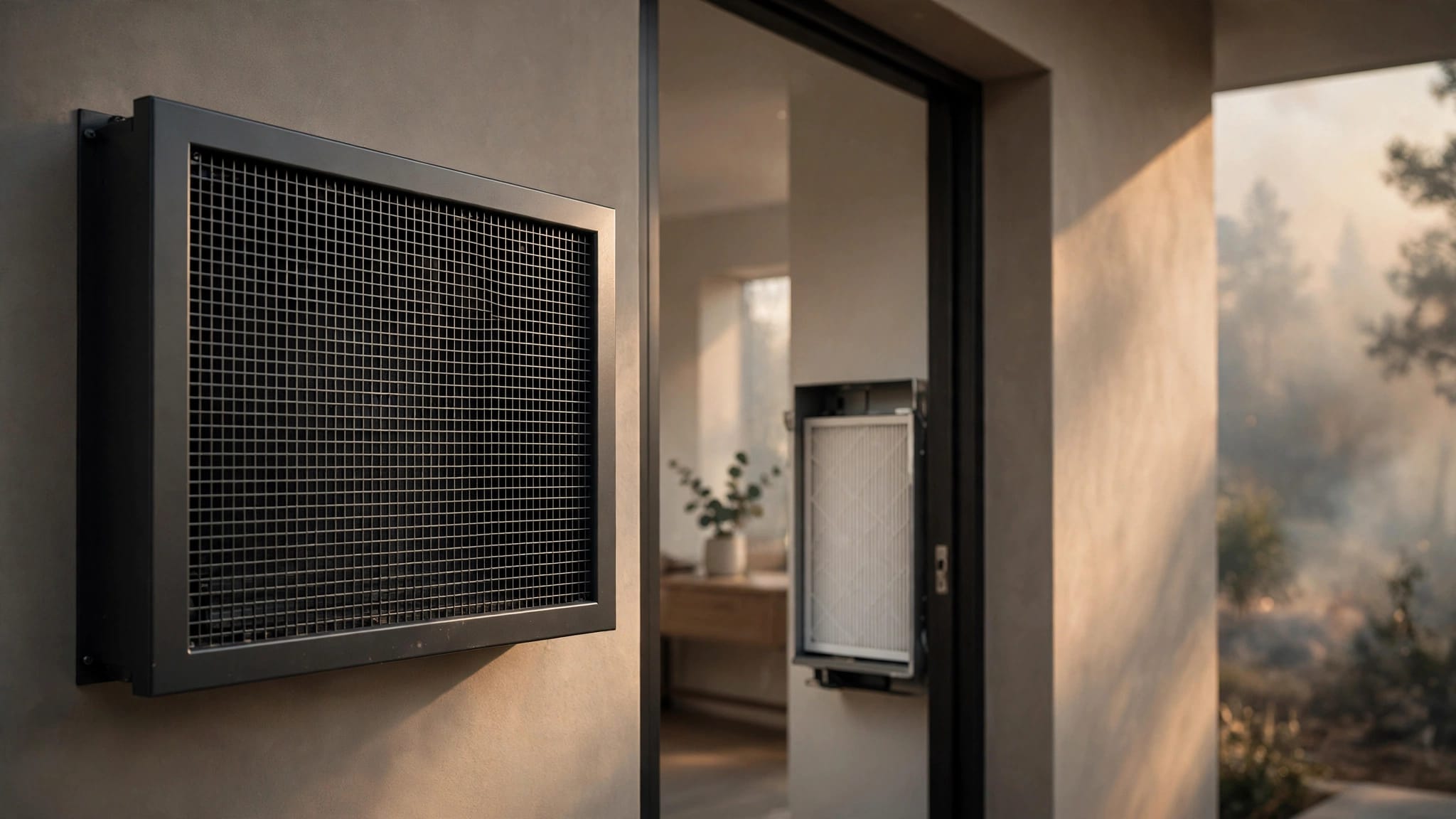
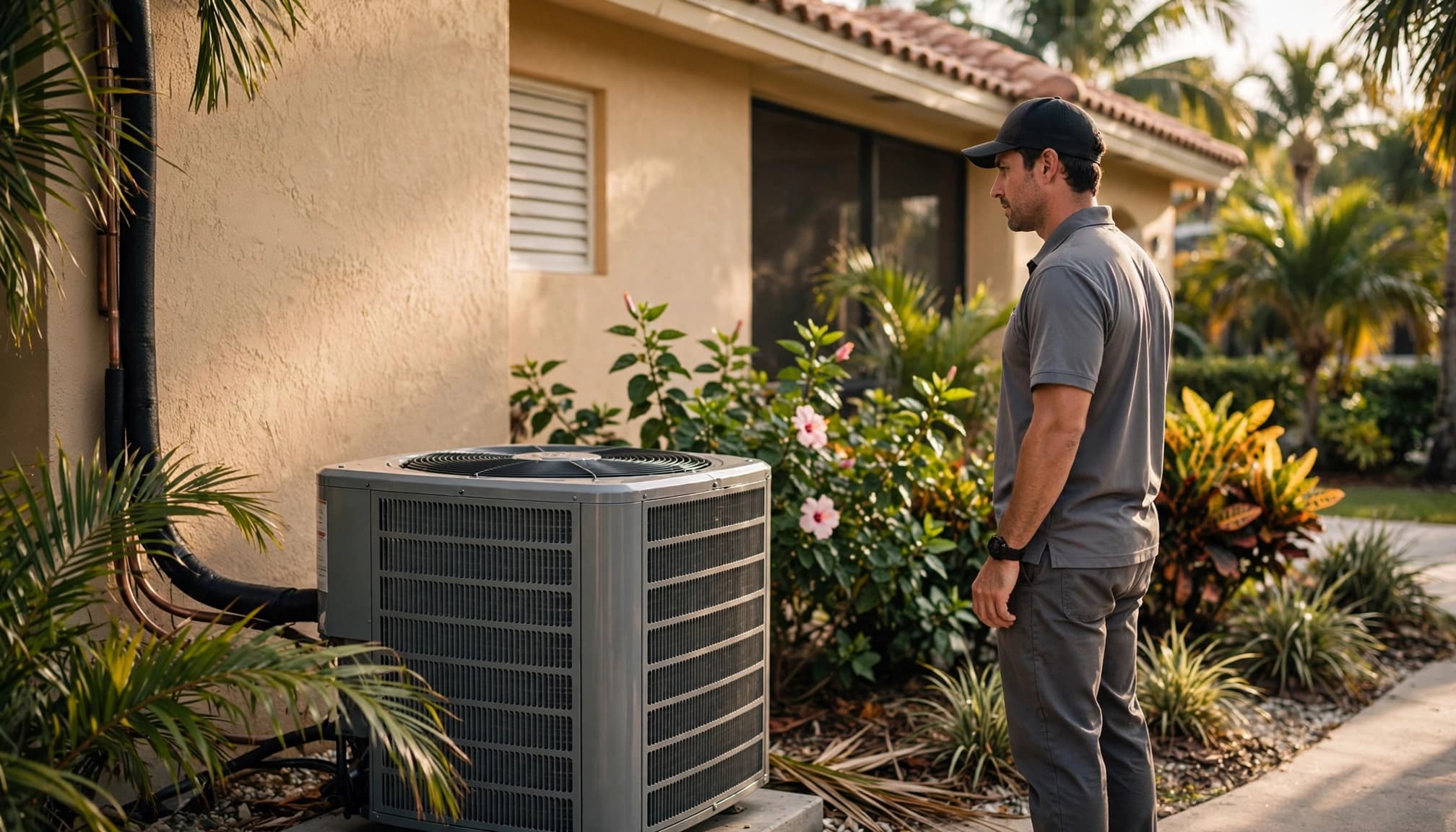
Keep supply vents open and avoid blocking returns with furniture. Outdoors, remove leaves and loose debris from around the condenser. Give the unit room to move air rather than surrounding it with storage or dense plants.
Turn the system off before changing a filter. Leave electrical work and internal cleaning to a technician.
What a professional checks
A tune-up can include inspecting coils, fans, and electrical components, as well as checking the condensate drain. A technician can also assess the filter and look for signs that a part needs repair.
The work depends on the equipment's condition. Our guide to what an air conditioner tune-up includes describes the process in more detail.
Scheduled care doesn't guarantee a system will never fail. It does provide an opportunity to find a problem before it becomes harder to ignore.
Signs your air conditioner needs repair
An AC doesn't have to stop completely to need service. Changes in airflow, sound, or indoor comfort can appear before a breakdown.
Weak airflow or uneven temperatures
A dirty filter is one possible cause of weak airflow, so it's a sensible place to start. If the filter is clean and the problem continues, the blower, coil, or ductwork could need attention.
Warm rooms can also have several causes. A closed vent, duct issue, or problem with the cooling equipment may affect how much conditioned air reaches a space. Keep track of which rooms are affected and whether the issue is constant or happens at certain times.
Ice on the indoor unit or refrigerant line is another sign to address. Turn off cooling and arrange service rather than continuing to run a frozen system.
Noises, smells, or rising bills
New grinding, rattling, or buzzing sounds deserve attention, especially if they're accompanied by poor cooling. A burning smell is more urgent: turn the system off and arrange service. If you suspect an electrical fire, leave the home and call emergency services.
An increase in your electric bill can also prompt a closer look, although weather and household use affect the bill too. Our air conditioning repair service can address weak airflow, unusual noises, and other cooling problems.
Managing humidity and indoor air quality
Florida humidity can affect comfort even when the thermostat shows a temperature you normally like. Your AC removes some moisture while it cools, but its performance depends on airflow, operating conditions, and the condition of the equipment.
When the house feels damp
If rooms stay muggy, look for signs such as condensation, musty smells, or moisture near the air handler. A dirty coil, a drainage issue, or another system problem may be involved. Moisture can also enter through leaks elsewhere in the home.
Avoid assuming that a lower thermostat setting will solve persistent dampness. The source of the moisture needs attention, especially if water is collecting around the equipment.
When you see or smell possible mold
A musty odor doesn't identify its source on its own. Look for visible water damage or damp materials, and describe what you've noticed when requesting help. Don't disturb a large area of suspected mold or rely on a fragrance to cover the smell.
We offer mold testing and remediation as well as HVAC service. Addressing the moisture source is part of preventing the same conditions from returning.
Repair or replace your HVAC system?
A repair can make sense when the problem is limited to a component and the rest of the system is in reasonable condition. For example, a failed electrical part may be replaceable without changing the entire unit.
Replacement deserves consideration when equipment has repeated failures or needs an expensive repair. Uneven temperatures and humidity concerns also matter, but a new unit won't automatically fix damaged ducts or a moisture problem elsewhere in the house.
Before choosing equipment, the home's cooling needs and ductwork should be evaluated. A unit that is too large or too small can create comfort problems, so matching the system to the home matters more than choosing by appearance or capacity alone.
Ask for the diagnosis and the proposed work in writing. That gives you a clear way to compare the immediate repair with a replacement option.
Preparing for an HVAC service visit
A few details can help the technician understand what has changed. Note when the problem started, which rooms are affected, and any unusual sounds or smells. If the thermostat displays an error message, keep it visible or make a note of it.
Clear a path to the indoor and outdoor equipment. It's also helpful to know when you last changed the filter and whether the system has needed repairs before.
For ongoing care, our HVAC maintenance agreements offer an option for scheduled service. If your system needs attention now, we provide 24/7 emergency service in Charlotte, Collier, Hendry, and Lee counties.
Frequently asked questions
How often should I change my AC filter?
Follow the filter manufacturer's guidance and check the filter regularly. Homes with more dust may need changes sooner. If the filter looks clogged, replace it or clean it if it's reusable.
Why is my AC running but not cooling?
A dirty filter, restricted airflow, a refrigerant leak, or an equipment failure could be involved. Check the thermostat setting and filter first. If cooling doesn't return, a technician can diagnose the cause.
Can a heat pump cool and heat my home?
Yes. A heat pump can move heat out of the home in cooling mode and bring heat indoors in heating mode. Your home's equipment determines how heating is provided.
Keep your home comfortable
Heating and cooling in Cape Coral depend on more than the thermostat setting. Filters, ducts, drainage, and the equipment itself all affect how the system performs.
Pay attention when comfort changes, and deal with persistent problems before they interrupt service. Routine care gives you a clearer picture of your system's condition.
To schedule a service call or request emergency help, Contact Us.