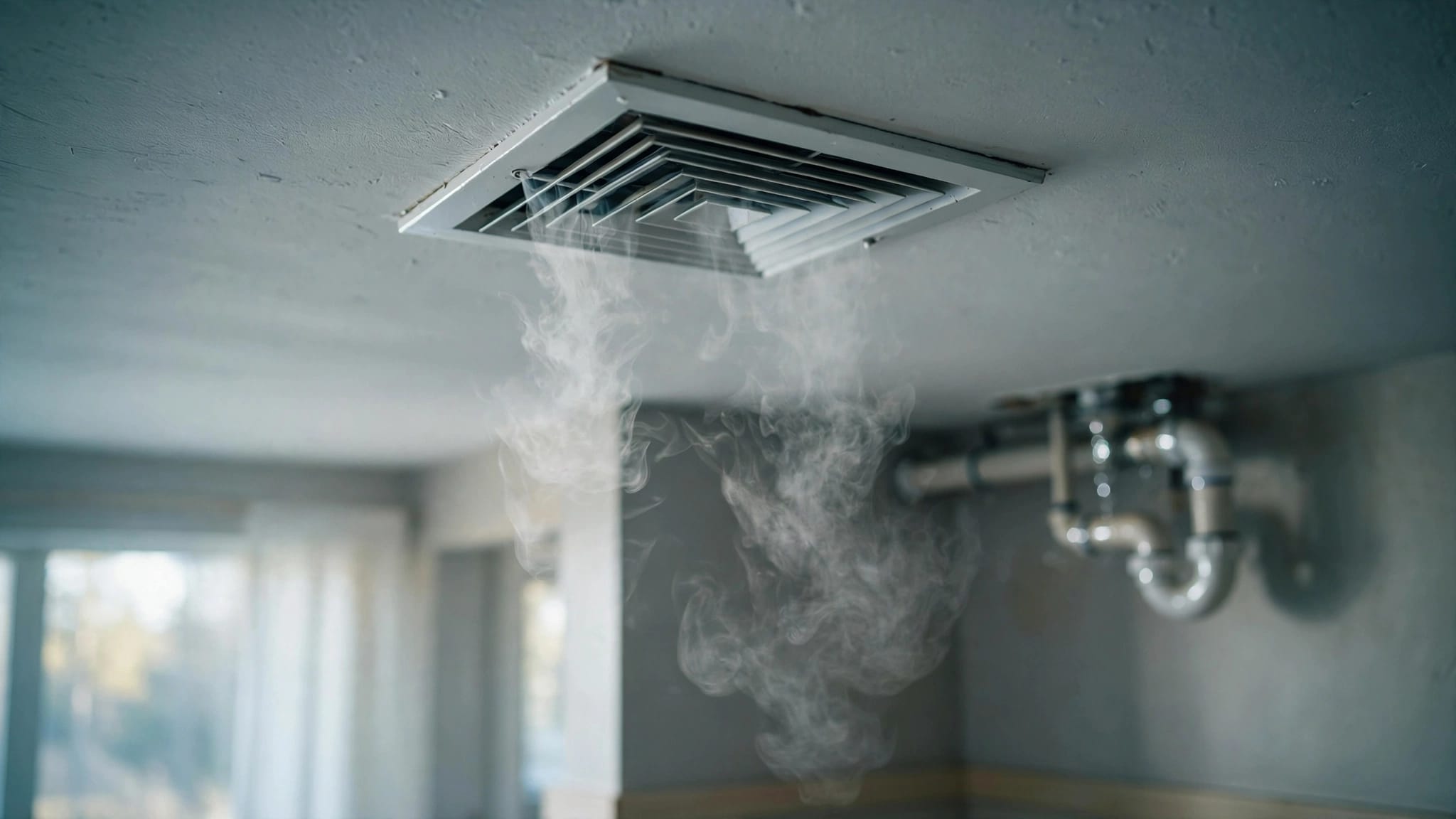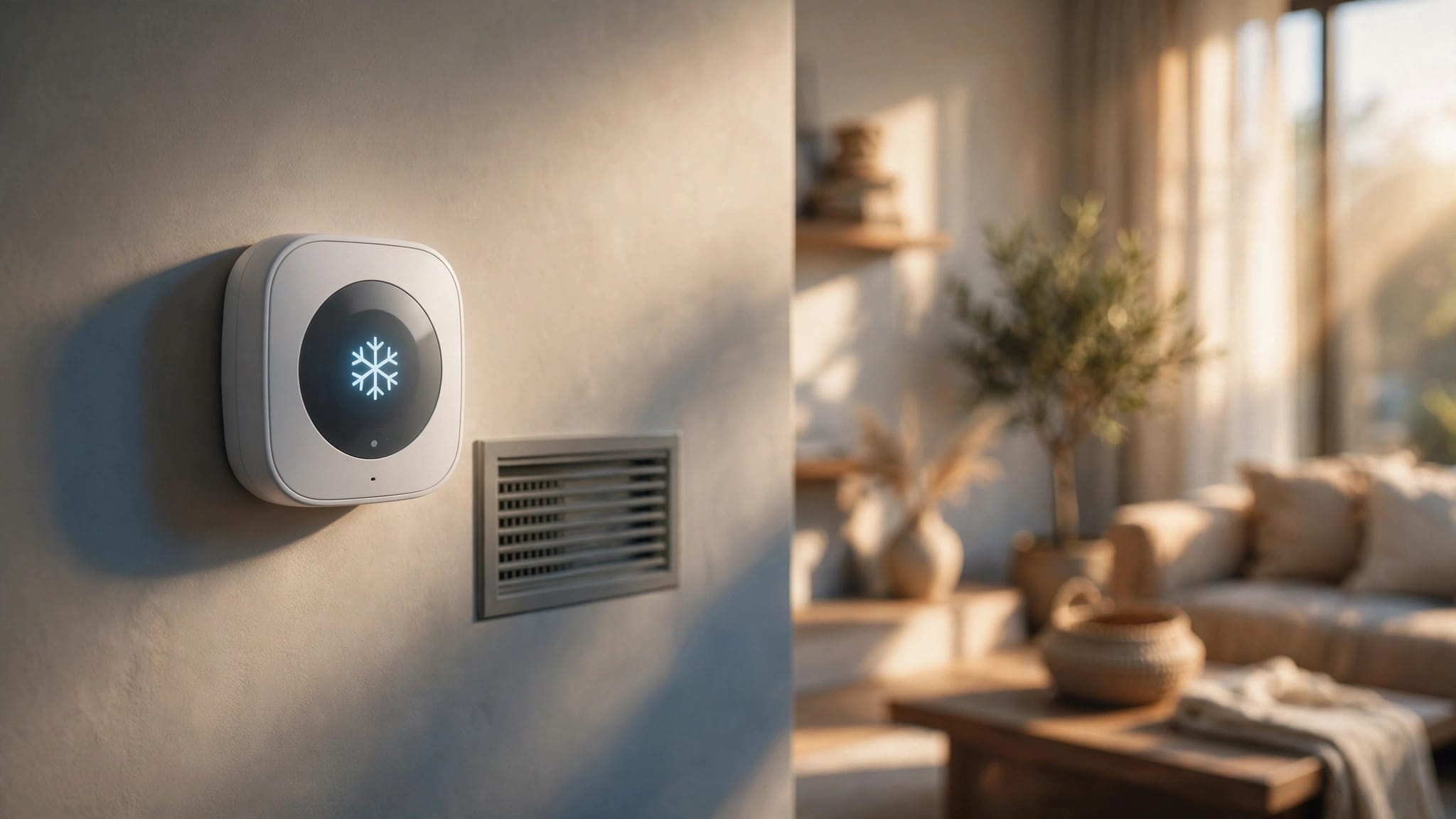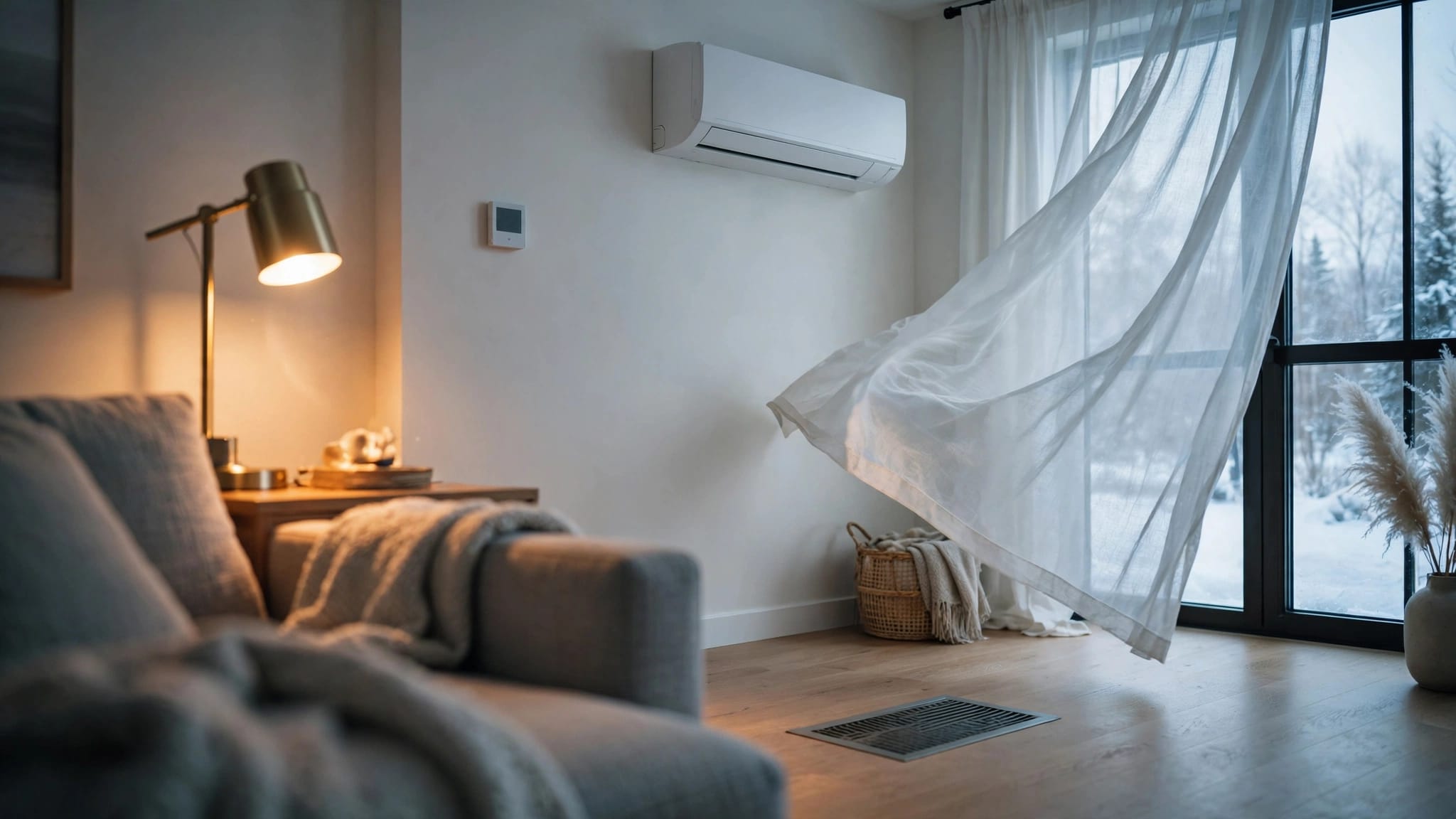
Dry mode on a mini-split removes moisture from indoor air, but it can also cool the room. In Florida, it may help when your home feels clammy without needing much cooling.
However, results depend on the model, weather, and moisture entering your home. Treat dry mode as a limited humidity-control option , not a replacement for properly sized air conditioning or a dedicated dehumidifier. Start with how it removes water.
Key Takeaways
- Dry mode can reduce dampness, but it doesn't guarantee a particular indoor humidity level.
- The room may become cooler while the system removes moisture.
- Extreme humidity, equipment problems, or excess moisture entering the home can overwhelm this setting.
- Persistent dampness needs attention beyond changing the remote's operating mode.
How Mini-Split Dry Mode Removes Moisture
Dry mode uses the refrigeration process that allows a mini-split to remove moisture during cooling.
Water collects on the indoor coil
When humid room air passes over a sufficiently cold indoor coil, water vapor condenses into liquid. That water collects in the condensate pan and exits through a drain. Meanwhile, the system returns conditioned air to the room.
This process removes water from the indoor air rather than simply circulating it. However, moisture removal depends on operating conditions and equipment design. A dry-mode button doesn't promise the same result across every brand, room, or Florida weather pattern.
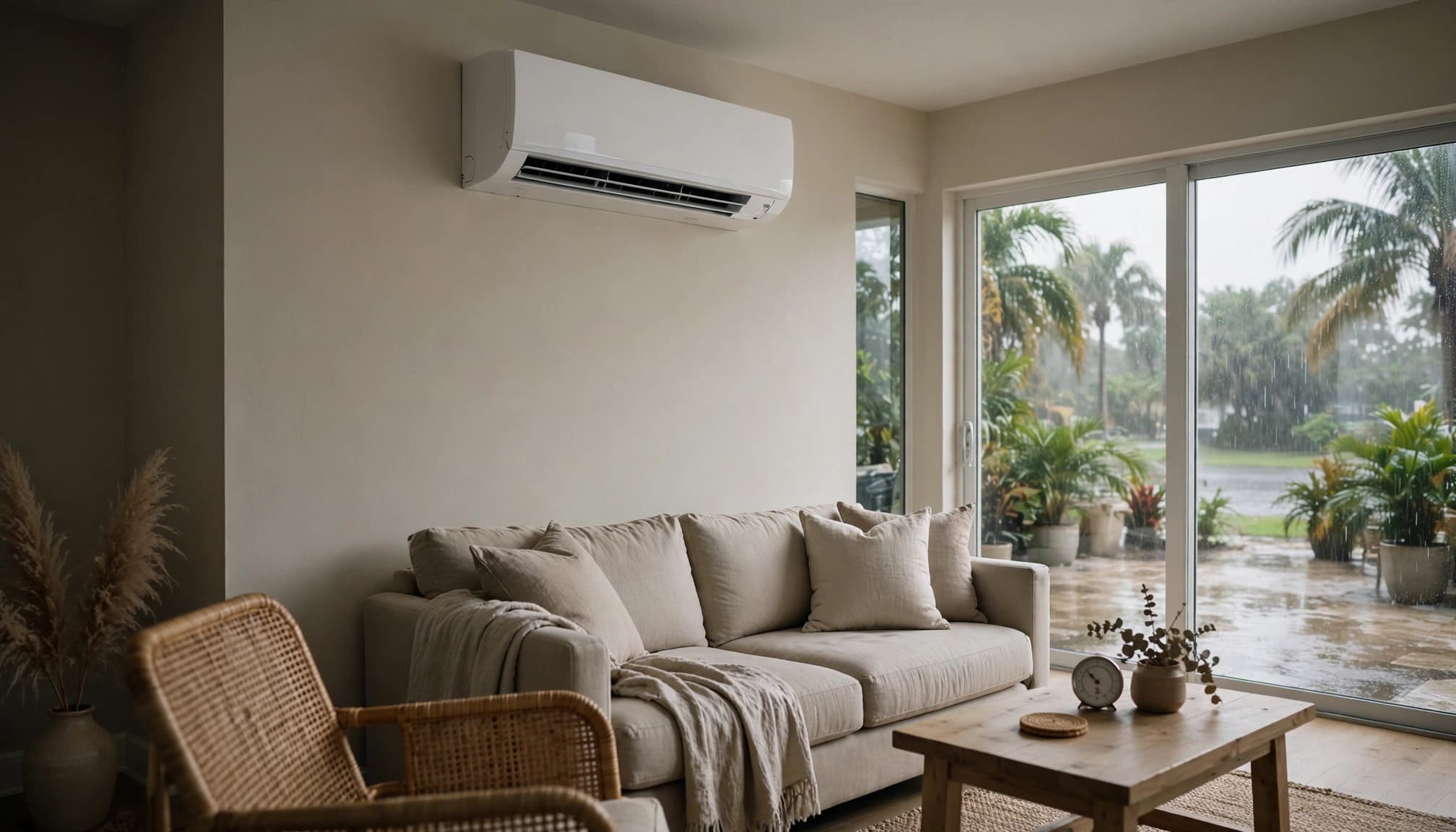
Moisture removal can still cool the room
Because condensation happens on a cold coil, dry mode can also lower room temperature. It doesn't separate moisture removal from cooling the way a dedicated dehumidifier does.
That distinction matters when the room already feels cool. Lowering the thermostat repeatedly may leave you colder without resolving persistent dampness. Also, a comfortable temperature reading doesn't establish that humidity is under control. A room can reach its temperature setting while bedding, closets, and furniture still feel damp.
When Dry Mode May Help in Florida
Dry mode may be useful during mild, muggy weather when the room feels sticky but doesn't need substantial cooling. Rainy afternoons and humid mornings can create that combination, although the system's response varies.
Keep windows and exterior doors closed while conditioning the room. Otherwise, incoming outdoor moisture adds to the water the equipment must remove.
On a hot afternoon, ordinary cooling mode is generally the better starting point when lowering room temperature is the main need. This matters with mini-splits for Florida room additions, where extensive glass and strong sun can increase cooling demand.
Dry mode shouldn't leave an occupied room uncomfortably warm. Likewise, feeling colder doesn't necessarily mean the moisture problem is solved.
When Dry Mode Isn't Enough
During extreme humidity, the system may not remove water as quickly as moisture enters the room. Frequent door openings, air leaks, showers, and cooking can add to that load. A plumbing or roof leak also needs repair, regardless of the operating mode.
Equipment sizing matters, too. An oversized system can cool quickly and cycle off before removing enough moisture. Dry mode can't correct a poor equipment match or substitute for a proper cooling-load calculation.
If the AC maintains temperature but the home stays damp, dedicated dehumidification may be appropriate. A portable unit can address a localized problem. A properly selected whole-home system can manage moisture across connected living areas.
Our comparison of whole-home dehumidifiers and variable-speed AC explains their different roles. A dehumidifier can respond to humidity even when cooling isn't needed, but it doesn't replace the air conditioner's cooling job.
Help the System Remove Moisture Properly
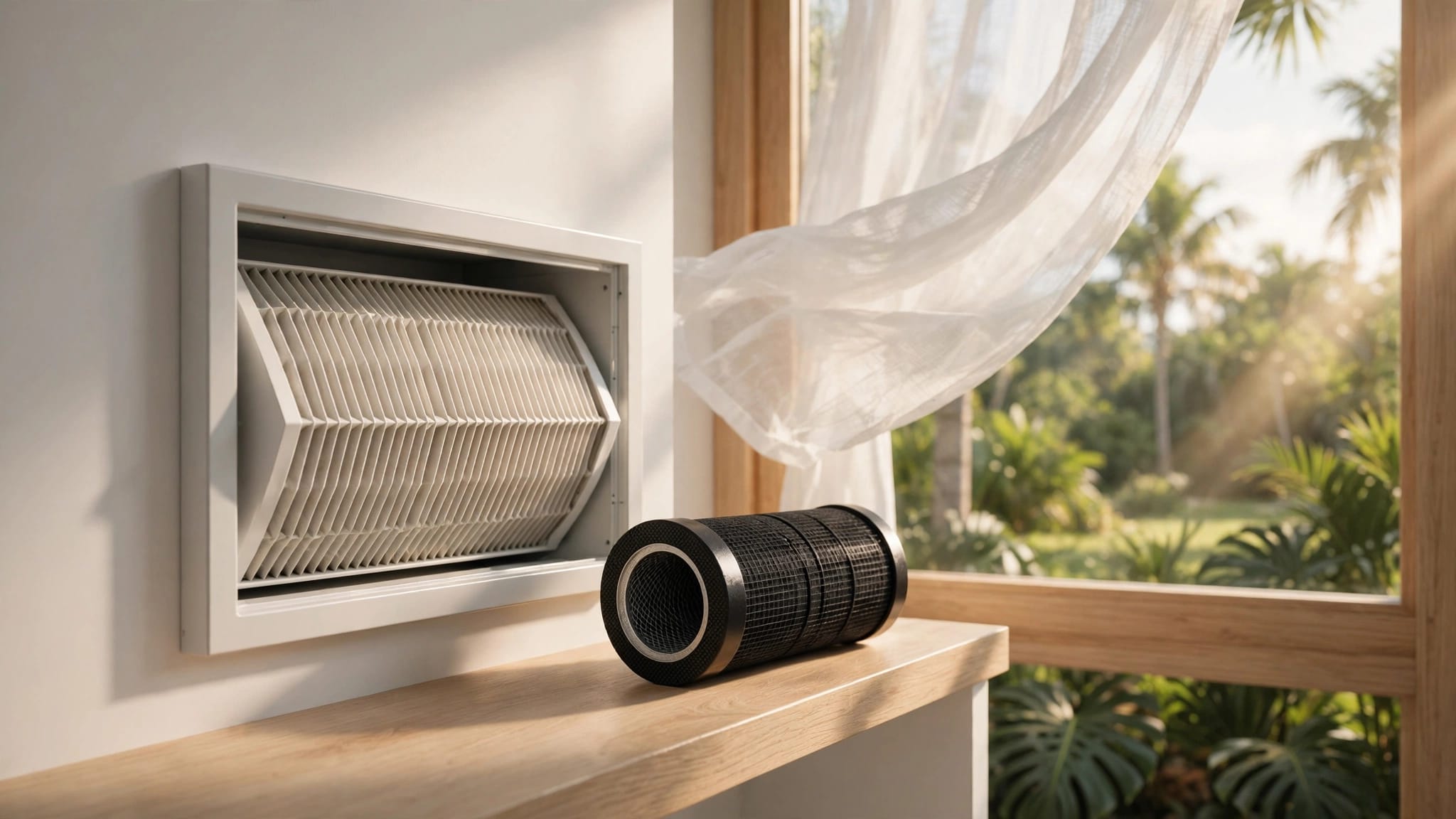
A dirty filter, dirty coil, or drainage problem can interfere with normal performance. Inspect the indoor unit's filters regularly and clean them according to the equipment's instructions. Don't deliberately restrict airflow to make the air colder.
Also, keep furniture and curtains clear of the indoor unit. Its airflow needs to reach the space it serves. Our Florida air conditioner maintenance tips cover homeowner tasks that don't involve refrigerant or electrical components.
A room hygrometer can help distinguish excess humidity from a temperature complaint. Place it away from direct discharge air, then consider its readings alongside comfort and visible dampness.
If the unit leaks indoors or humidity suddenly worsens, Contact Us to schedule a service call. We also offer 24/7 service for urgent problems.
Frequently Asked Questions
Does dry mode replace a dehumidifier?
Dry mode can help with occasional dampness, but it isn't a substitute for dedicated dehumidification when moisture remains persistently high. A dedicated dehumidifier controls moisture independently of the room's cooling demand.
First, equipment problems and moisture sources need attention. Adding dehumidification won't repair a leak or correct an improperly sized air conditioner.
Will one mini-split dry the whole house?
A single indoor unit primarily conditions the area its airflow reaches. Closed bedrooms, closets, and separated living spaces may remain damp even when the room containing the unit feels comfortable.
Whole-home results depend on layout, indoor-unit placement, system design, and moisture sources. One dry-mode setting doesn't guarantee even humidity throughout the house.
Match the Setting to the Moisture Problem
Dry mode can help a Florida room feel less clammy when cooling demand is modest. However, it can still cool the space, and extreme humidity may exceed what it can handle.
The lasting solution is moisture control that matches the home . Proper sizing, clean equipment, sound drainage, and dedicated dehumidification when needed matter more than the name of a remote-control setting.