A Florida room heat pump choice can shape how the whole addition feels on a July afternoon. If the room has big windows, bright sun, and weak insulation, the wrong system turns a relaxing space into a sticky one.
A ductless mini-split is a type of heat pump, so the real decision is often between a dedicated mini-split and tying the room into your existing central HVAC. The best answer depends on sun exposure, window size, insulation quality, and how often you plan to use the space.
Key Takeaways
- A ductless mini-split is a heat pump, so it can cool and heat the room with one system.
- Rooms with lots of glass, strong sun, or daily use usually benefit from a dedicated mini-split.
- Extending central HVAC can work when the room is close to the existing system and the load is modest.
- Humidity control matters as much as temperature in a Florida room.
- A proper load calculation beats guessing by square footage alone.
What a mini-split actually does in a Florida room
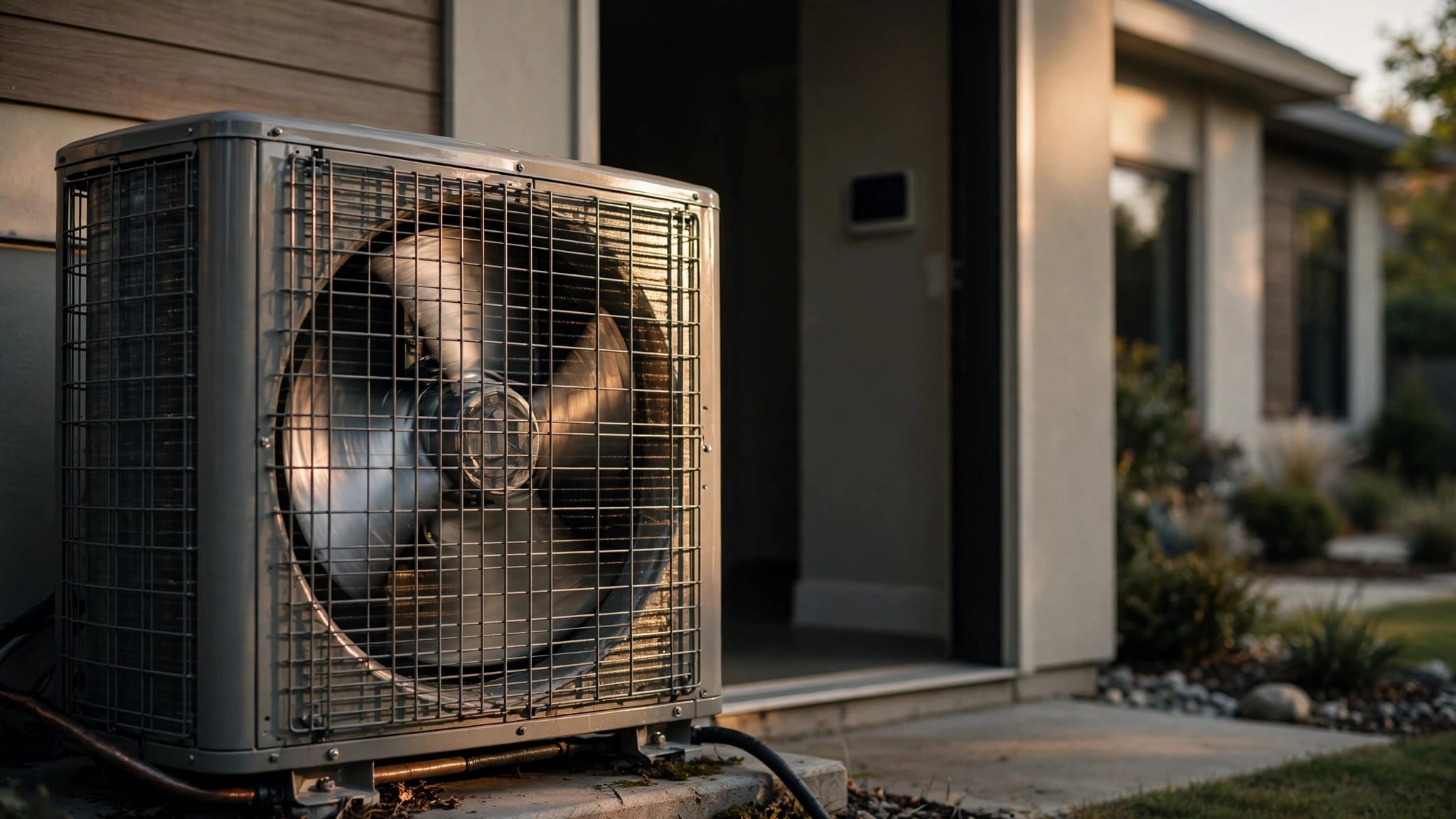
A mini-split moves heat instead of creating cold air. The outdoor unit pushes heat out of the room, and the indoor wall unit delivers conditioned air right where you need it. That direct setup matters in Florida, where a sunroom can heat up fast and hold moisture longer than the rest of the house.
Mini-splits also tend to run in longer, steadier cycles. That helps with humidity control , which is a big deal in a room filled with windows and warm surfaces. When a system short-cycles, it may cool the air quickly but leave the room damp. That is the kind of comfort problem people notice right away.
Because a mini-split is a heat pump, it can also handle cool mornings or the occasional winter chill. If the addition will be used year-round, that extra flexibility matters. For homeowners comparing options, professional heating services can be helpful when the same equipment needs to cover both seasons.
A room with plenty of glass needs more than cold air. It needs steady cooling long enough to pull moisture out of the space.
When a dedicated mini-split is the better fit
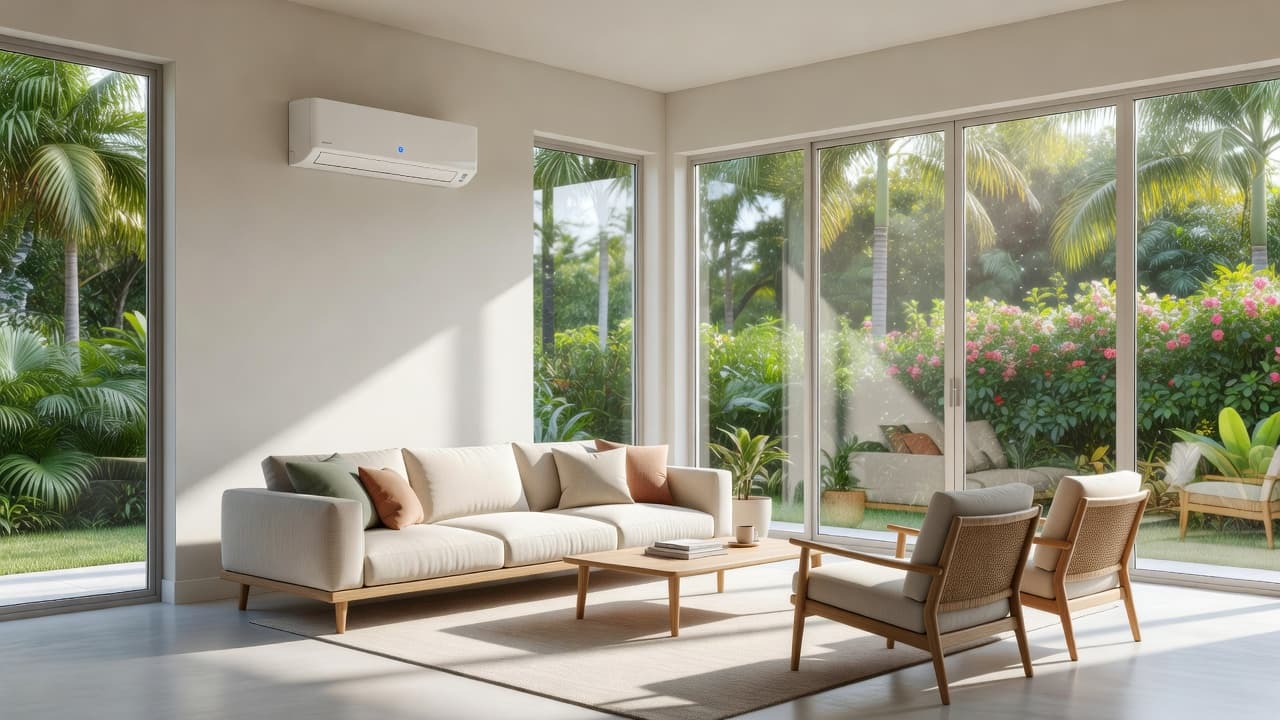
A dedicated mini-split usually makes sense when the room has a heavy cooling load. That happens often in Florida rooms with west-facing glass, large slider doors, skylights, or thin insulation. Even a beautiful addition can act like a greenhouse by midafternoon.
The room also matters. If you want the space for a home office, workout room, TV room, or guest area, comfort has to be reliable every day. A system that cools only when the weather is mild will leave you frustrated once summer arrives.
A mini-split is usually the stronger choice when:
- The room gets direct afternoon sun.
- The ceiling is high or the windows cover most of the wall.
- You want the room closed off and conditioned independently.
- The existing central system is already busy serving the house.
One more advantage is control. You can set the room a little cooler or a little drier without changing the temperature in the rest of the home. That is useful when the Florida room gets used differently than the main living space.
A well-installed mini-split also avoids some of the duct problems that come with additions. Shorter refrigerant lines, fewer air leaks, and room-specific zoning can make the setup feel more precise. For homeowners comparing HVAC options in Cape Coral, HVAC services in Cape Coral can help you weigh the room load against the rest of the house.
When extending the existing central HVAC can work
Tying the new room into your current system can work when the addition is modest and the HVAC has spare capacity. That usually means the room sits close to the existing ductwork, the ducts can be sized correctly, and the house system is not already stretched thin.
This approach can make sense for a smaller Florida room with good insulation, fewer windows, and limited sun exposure. If the room stays open to the main house most of the day, the comfort load may blend in well with the rest of the home.
The catch is air delivery. A long duct run can lose efficiency, and a room that gets hot glass can need more cooling than a nearby bedroom. If the supply air reaches the room, but there is no good return air path, comfort problems show up fast. You may get one corner that feels cool and another that stays muggy.
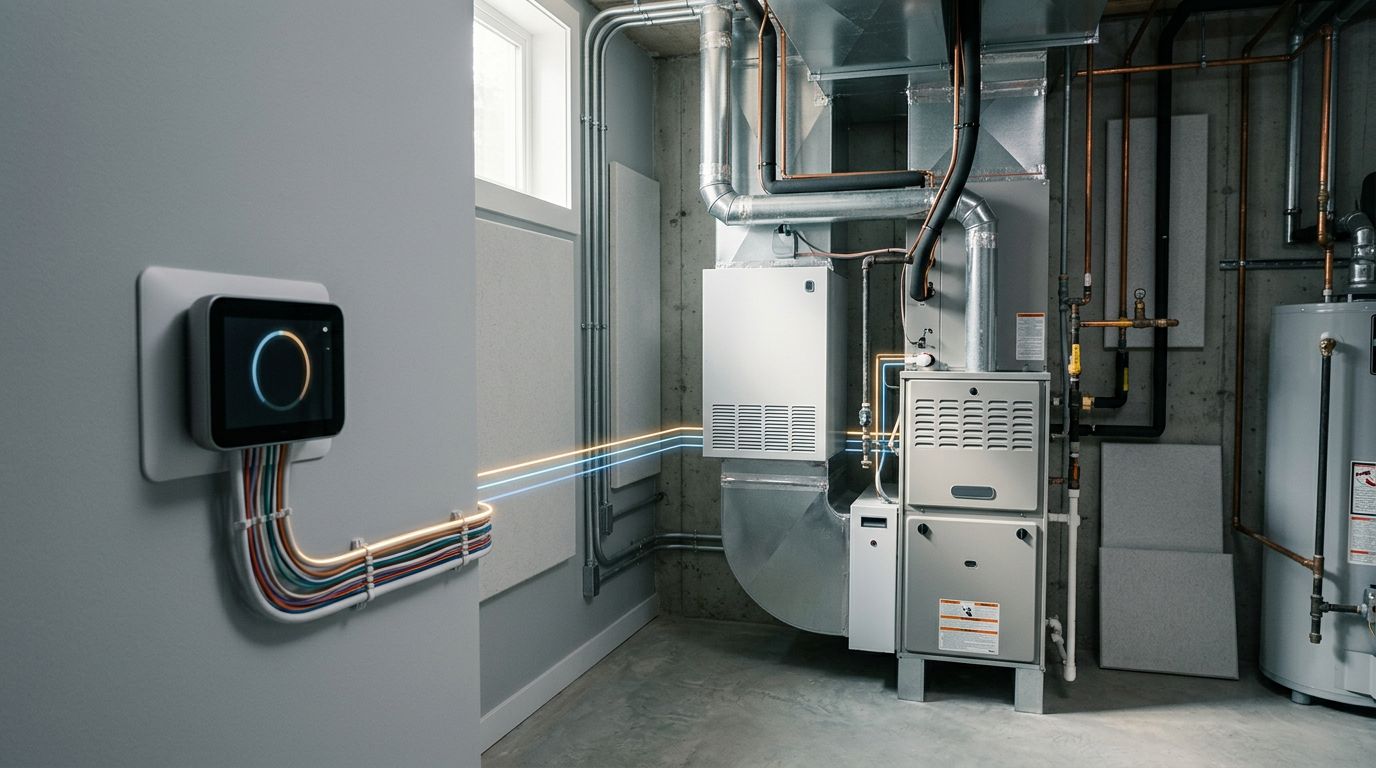
A central tie-in can also keep the whole home on one thermostat, which some homeowners prefer. Still, that convenience only works if the new room does not upset the balance of the system. A contractor should check the load, duct layout, and airflow before promising that the room can simply be tied in.
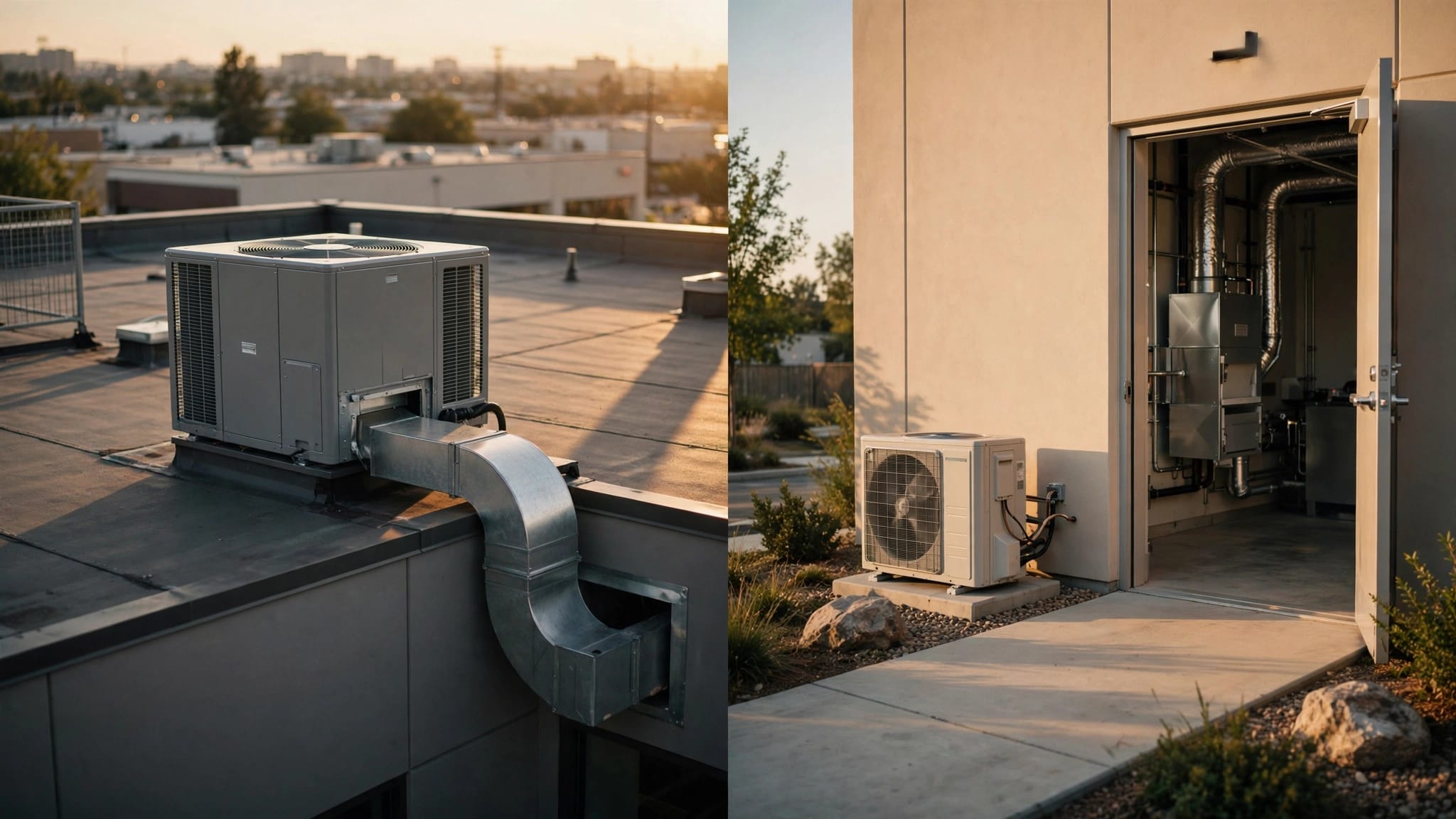
Mini-split vs existing HVAC: the real tradeoffs
A side-by-side look makes the choice easier.
| Factor | Dedicated mini-split | Extend existing central HVAC |
|---|---|---|
| Cooling performance | Direct, room-specific cooling | Depends on duct design and spare system capacity |
| Humidity control | Usually stronger in glass-heavy rooms | Can work well if airflow is balanced |
| Installation | Adds an outdoor unit and one indoor head | Uses existing equipment, but may need duct changes |
| Upfront cost | Often higher than a simple tie-in | May cost less if the system has room for it |
| Best fit | Daily-use sunrooms with strong sun exposure | Smaller additions near the existing air handler |
The short version is simple. A mini-split gives you more control and usually handles tough Florida rooms better. Extending central HVAC can work, but only when the addition fits the system instead of pushing it past its comfort zone.
Common mistakes that cause sticky Florida rooms
Many bad comfort stories start with the same mistakes. The room looks finished, but the cooling plan never matched the reality of the space.
- Sizing the system by square footage alone. A room with a wall of glass needs more thought than a bedroom of the same size.
- Ignoring sun direction. West-facing and south-facing rooms often need stronger cooling than other additions.
- Skipping insulation upgrades. A pretty ceiling and fresh paint do not stop heat gain.
- Forgetting about air movement. A supply vent without a proper return path can leave the room stale.
- Assuming the main house system can absorb the new load. Sometimes it can. Often it cannot.
The best fix is a proper room-by-room load calculation. That gives you a realistic picture of how much cooling the addition needs, rather than a guess based on the floor plan.
How to choose the right setup for year-round use
If the Florida room will stay in use through every season, comfort has to stay steady in both summer and cooler months. That usually points toward a dedicated mini-split, especially when the room has lots of windows or strong sun exposure.
If the space will be used only part of the year, or if it stays connected to the main living area, tying into central HVAC can still make sense. The room's insulation, orientation, and duct distance matter more than the label on the door.
A good rule is to match the system to the room's worst day, not its best one. A shaded room with modest glass can work well with central HVAC. A bright, glass-heavy room that gets used daily usually needs its own system.
Before drywall goes up, ask for a load calculation, airflow review, and a look at how the room will actually be used. If you want a professional opinion on the best setup for your addition, Contact Us to schedule a service call.
Conclusion
A Florida room can be one of the best spaces in the house, but only if the cooling plan fits the way the room behaves. Glass, sun, and humidity change the job, so the right answer is rarely based on guesswork.
For many additions, a dedicated mini-split gives the best balance of cooling, humidity control, and comfort. When the room is smaller and the existing system has the capacity, a central tie-in can still work well.