An AC outage can leave a house muggy fast, and the first instinct is usually to flip the thermostat back on right away. That can be a mistake. After power comes back, your system may need a few minutes, and a quick check of the thermostat, breaker, and outdoor disconnect can keep a small issue from turning into a repair call.
Storms, surges, and rolling outages can leave an air conditioner out of sync. A careful restart gives you a better shot at catching trouble early and staying safe while you do it.
Wait Before You Restart the System
When the lights come back on, give the AC a little breathing room. Set the thermostat to Off and wait at least five minutes before trying to cool the house again. Many systems have a built-in delay that protects the compressor, and that pause matters after an outage.
If the power flickered several times, wait a bit longer. A brownout or unstable voltage can leave the system in a weird state, and a fast restart may make the compressor struggle. That can sound like a hard start, a click without cooling, or a brief run that stops too soon.
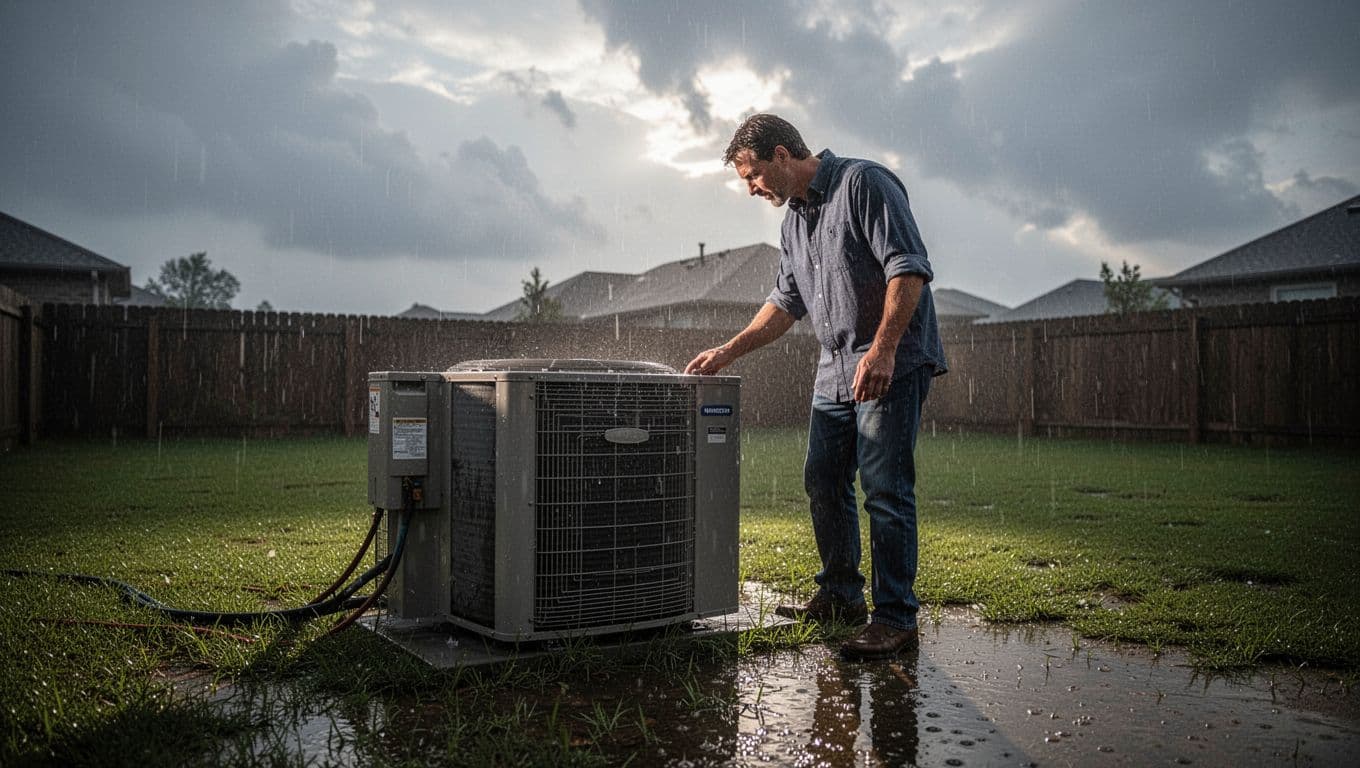
After the wait, switch the thermostat to Cool and set the temperature a few degrees below the room temperature. Then listen. A normal startup usually brings the indoor fan on first, followed by the outdoor unit. If the system stays silent or sounds strained, stop and move on to the next checks.
Check the Thermostat, Breaker, and Outdoor Disconnect
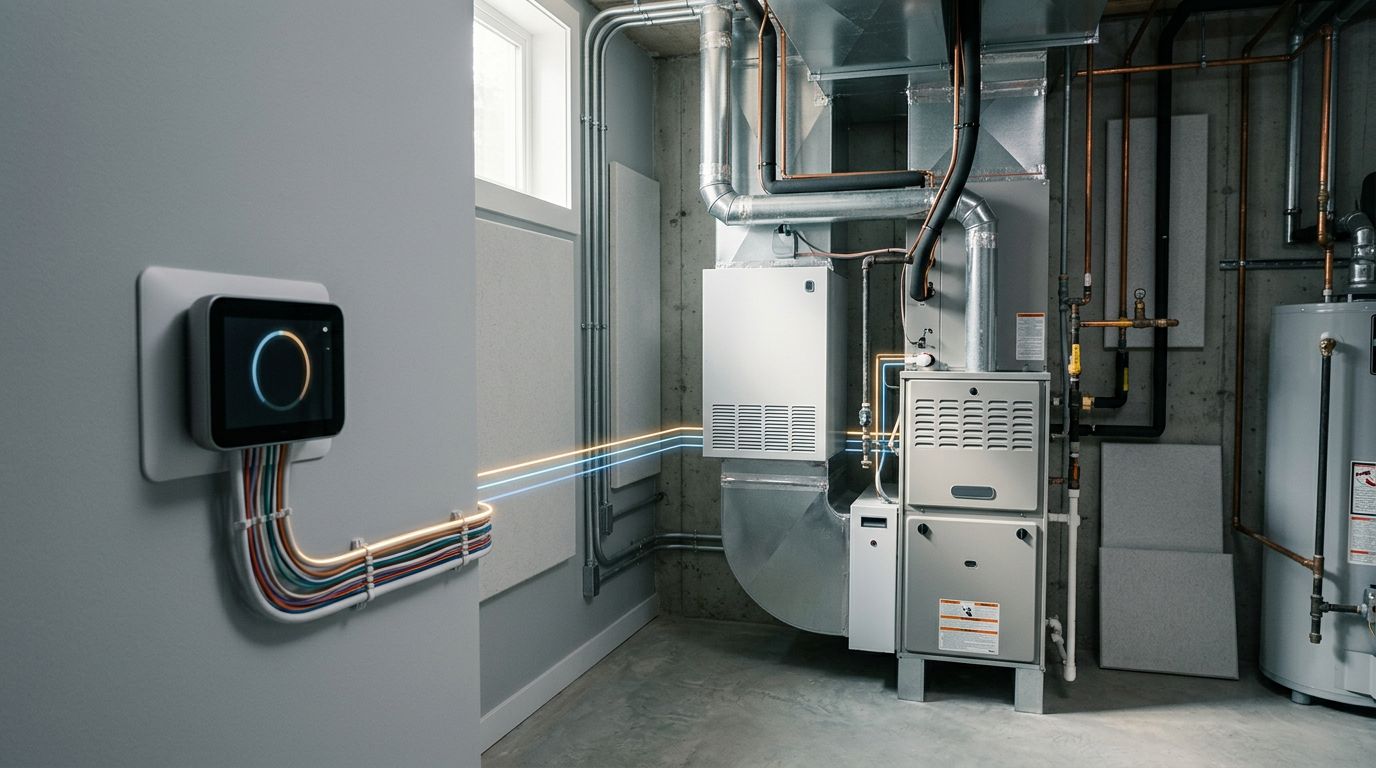
A dead screen or wrong setting can mimic a broken AC. If your thermostat uses batteries, replace them. Make sure the system is set to Cool, the fan is on Auto, and the target temperature is below the current room temperature. Sometimes that is all it takes.
Next, check the electrical panel. A power outage can trip the AC breaker, and the breaker may not always look fully tripped at first glance. If it sits between On and Off, move it all the way to Off first, then back to On once. That single reset is usually enough to tell you whether the issue was temporary.
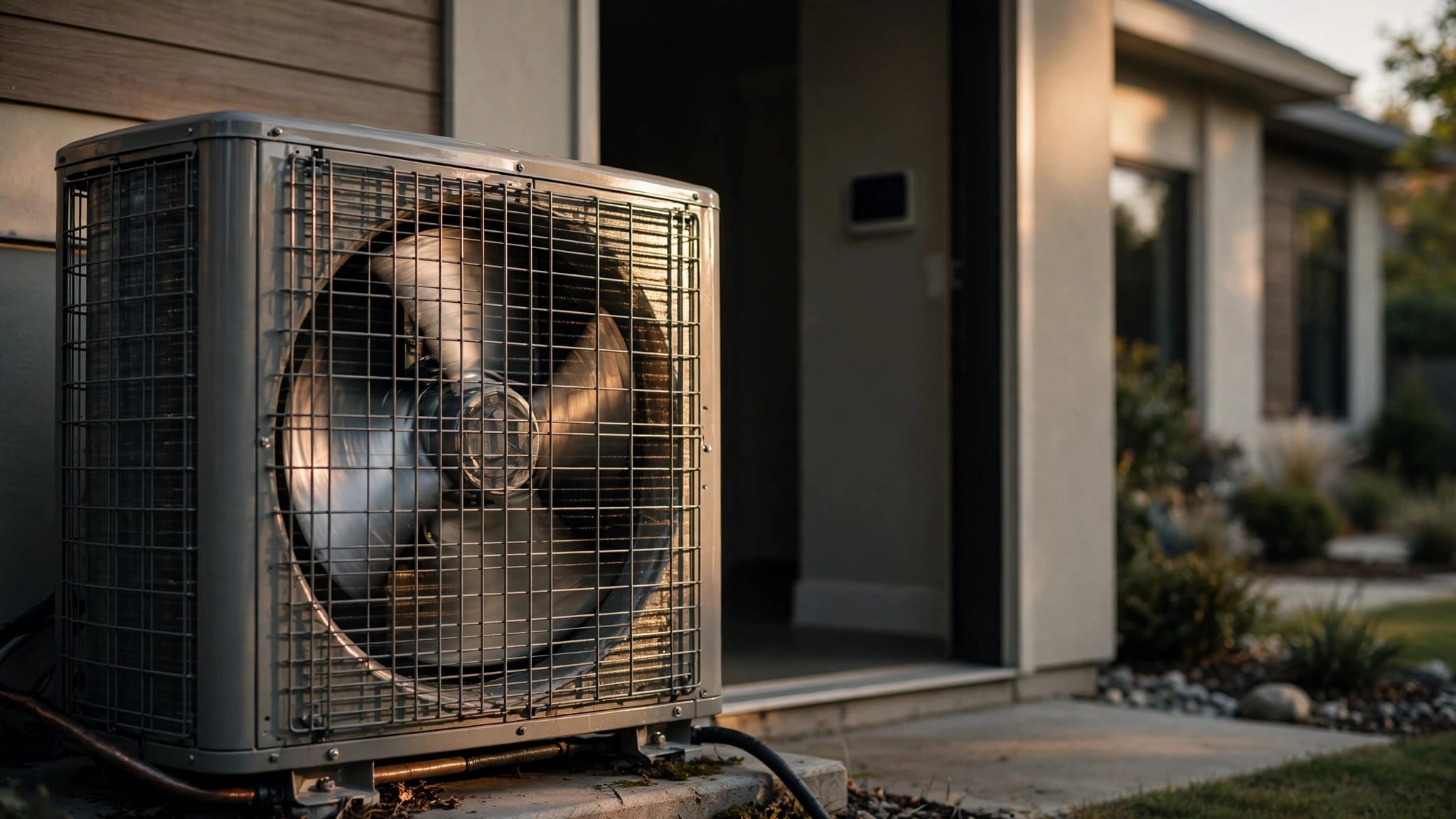
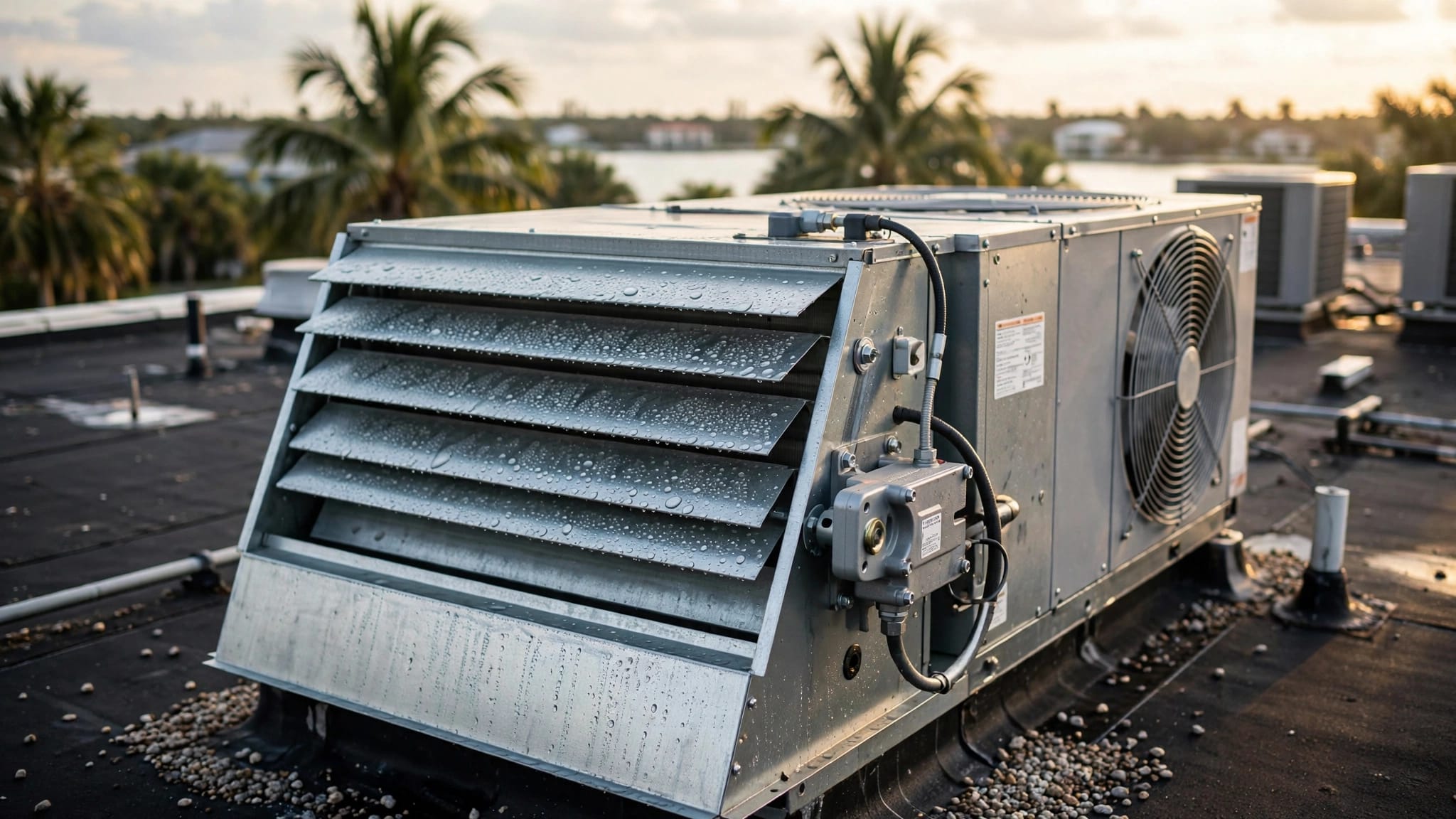
The outdoor unit also has a disconnect, often on the wall near the condenser. Make sure it is in the On position. Do not force anything, and do not keep flipping the breaker if it trips again.
If the breaker trips again after one reset, leave it alone. Repeated resets can turn a small electrical issue into a bigger repair.
If the thermostat is fine, the breaker holds, and the disconnect is on, but the AC still does not start, the problem may be deeper in the system. In that case, it is time to stop testing and look for the signs below.
Know the Common Problems an Outage Can Trigger
A delayed compressor restart is one of the most common post-outage issues. The indoor blower may run, but the outdoor unit may wait several minutes before it kicks in. That delay protects the compressor, especially after a surge or voltage dip. Patience helps here.
A surge can also affect the parts that start and control the system. Capacitors, contactors, and control boards can take a hit even when the outage was brief. The result may be warm air, short cycling, or a unit that hums without fully starting. Sometimes the breaker stays on, but the condenser never wakes up.
Listen for clicking, buzzing, or a rough start-up sound. Those noises can point to a failing capacitor or another electrical problem. If the AC starts and stops over and over, that is another sign to stop using it until it gets checked.
For homeowners who want a fast response after a storm, after-hours air conditioning emergency support can matter more than waiting for regular business hours. A system that will not start on a humid Florida day can heat up a house quickly.
Inspect the Air Filter and Condensate Drain
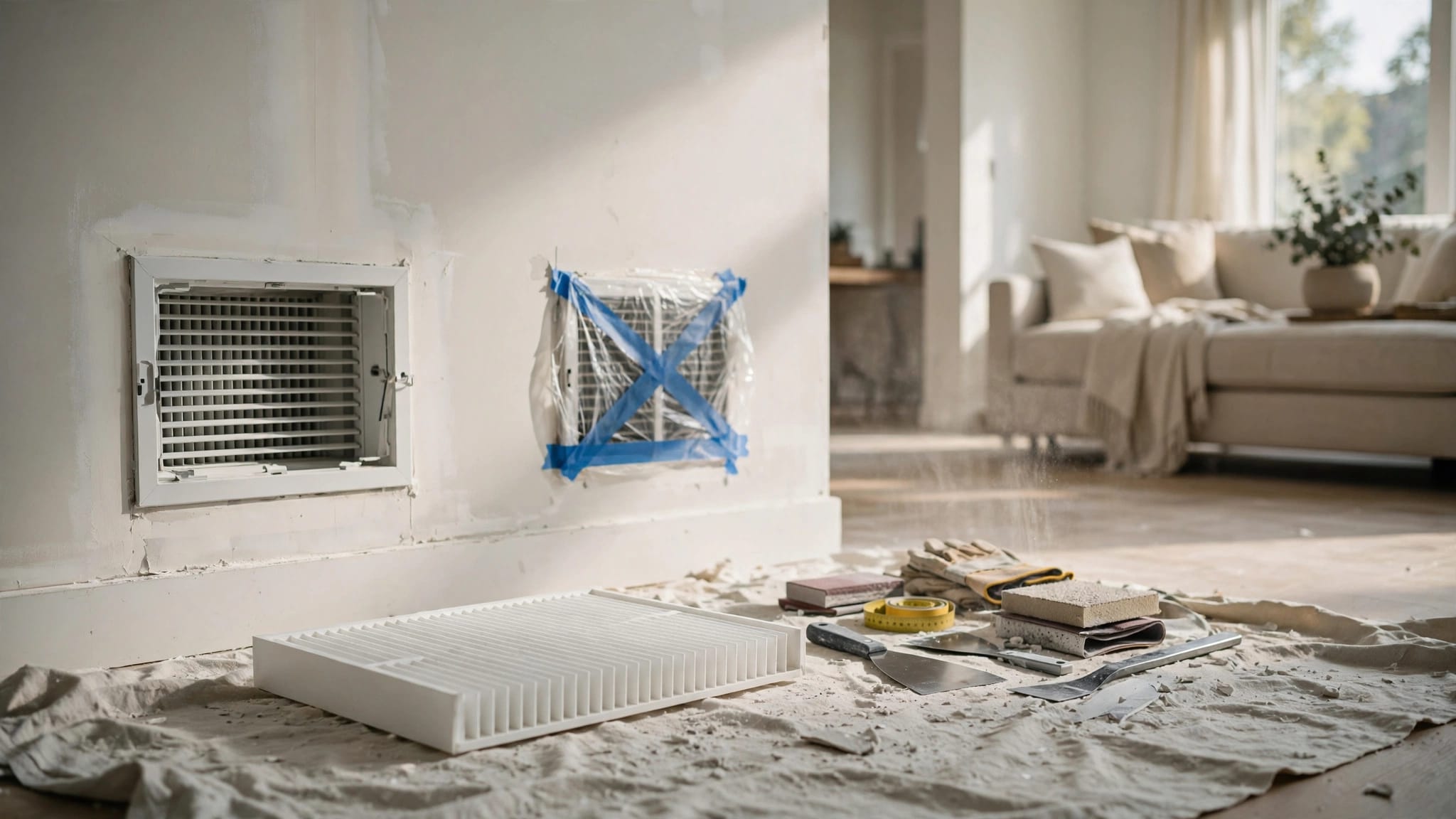
Once the electrical basics check out, move to airflow and drainage. A dirty air filter can make an AC struggle right after it restarts. If the filter is gray, packed with dust, or bent out of shape, replace it. Restricted airflow can make the coil too cold, and that can lead to icing or weak cooling.
The condensate drain matters too, especially in humid weather. When the system stops and starts, moisture can collect in the drain pan or line. If the drain backs up, a float switch may shut the unit down to prevent water damage. You might see standing water near the indoor unit, or the AC may refuse to run even though power is on.
Do not force the system on if you see water where it should not be. A backed-up drain can turn into a larger mess fast. Let the unit dry out and have the line checked if the problem keeps coming back.
Regular care helps here, and routine air conditioner maintenance plans can catch clogged drains, weak airflow, and worn parts before the next outage exposes them.
Know When to Call an HVAC Technician
Some post-outage problems are simple. Others are electrical, mechanical, or both. Call an HVAC technician if you smell burning, hear grinding or rattling, or notice repeated breaker trips after one reset. Those are not signs to keep experimenting.
You should also get help if the AC will not restart, the outdoor unit stays silent, or the house never starts cooling after several minutes. If the outage came with lightning, a bad storm, or a clear surge, the odds of hidden damage go up. A control board, capacitor, or compressor circuit may need attention.
If you want a repair visit, professional air conditioning repair services can pinpoint the problem before it gets worse. And if the system is down after hours, Contact Us for 24/7 service and a service call.
A good rule is simple. If the AC behaves normally after the restart checks, you can keep watching it. If it acts strange, smells odd, or keeps tripping power, stop using it and let a technician handle it.
Conclusion
After an AC power outage, the safest approach is calm and methodical. Wait a few minutes, check the thermostat and electrical controls, then watch for signs of a delayed compressor restart, a dirty filter, or a drainage issue.
If the system comes back on cleanly, you may be in the clear. If it gives off a burning smell, makes strange noises, or trips the breaker again, shut it down and call for help. A careful restart protects the system and gives you a better chance of avoiding a bigger repair later.