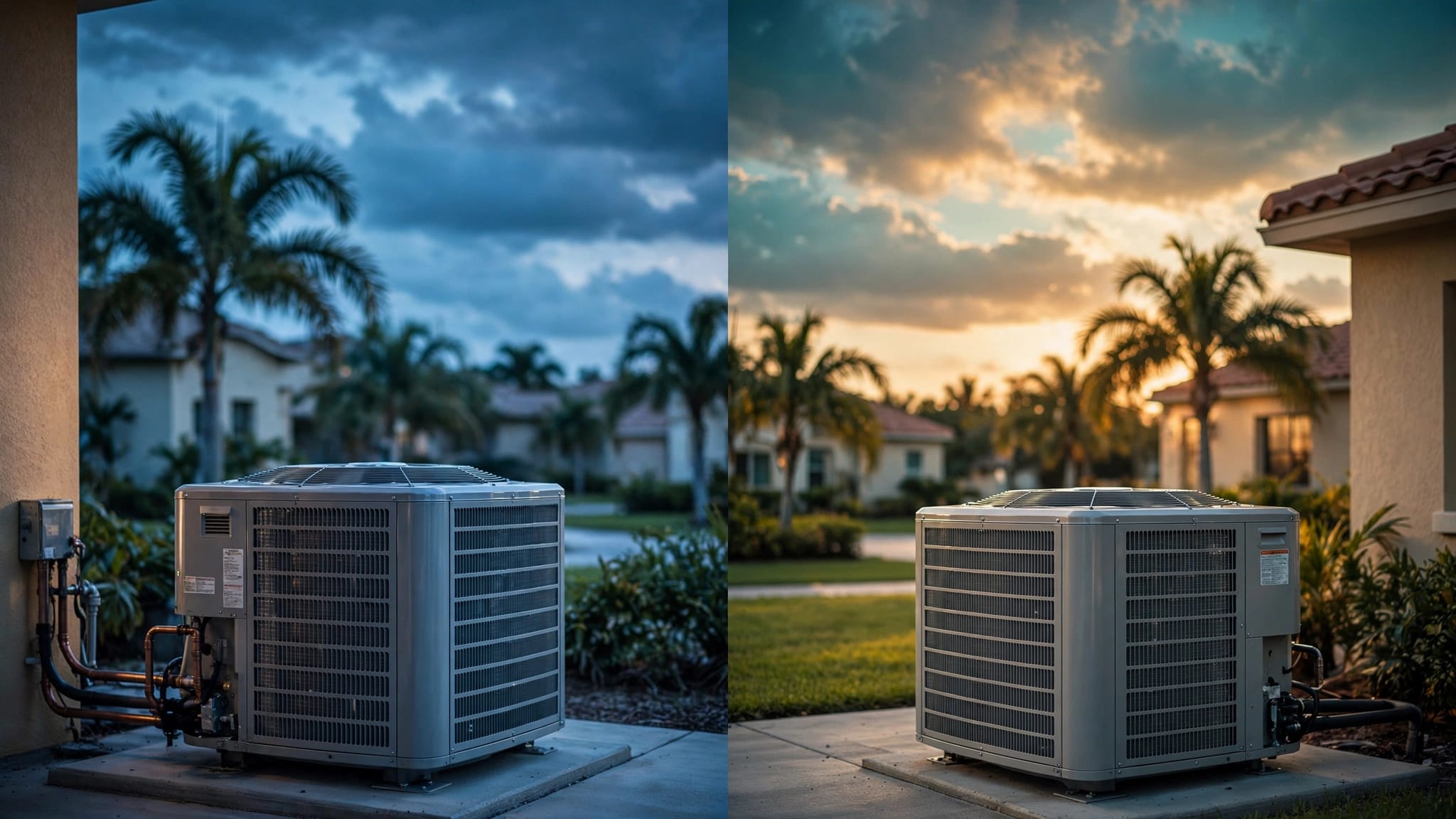
A vinegar smell from your AC is usually a clue, not a fluke. In Cape Coral, that sour odor often shows up when moisture, dust, and warm air mix inside the system.
Sometimes the smell fades fast and points to a minor issue. Other times, it means mold growth, a clogged drain, dirty coils, bacteria buildup, or even an electrical problem. The difference matters, because one can wait and the other needs fast attention.
What a vinegar smell from your AC usually means
When people say their AC smells like vinegar, they usually mean it smells sour, sharp, or stale. That scent often comes from a part of the system that stays damp for too long.
The indoor coil and condensate drain are common trouble spots. When condensation does not move out of the unit the way it should, moisture collects dust and organic buildup. That mix can make the air smell like old cleaning solution, sour milk, or vinegar.
In some homes, the smell comes through the vents only when the system first starts. That can happen after the AC has been off for a while, after a filter change, or after a long humid stretch. A short-lived odor is less alarming, but it still deserves a look if it keeps returning.
Mold and mildew are often behind the smell in Southwest Florida. Our long cooling season and high humidity give moisture plenty of time to linger inside the system. That is why a faint sour smell in June can become a stronger odor by the end of July.
Why Cape Coral humidity makes the smell show up faster
Cape Coral air puts AC systems to work almost every day. When the unit runs often, it pulls gallons of moisture from the air. That is normal, but it also means the drain line, coil, and drain pan stay under constant stress.
If water cannot drain cleanly, it sits in the system. Add dust, pollen, and warm indoor air, and you get a place where odor-causing bacteria can grow. Salt air and coastal moisture can also make outdoor parts wear down faster, which adds more strain to the whole system.

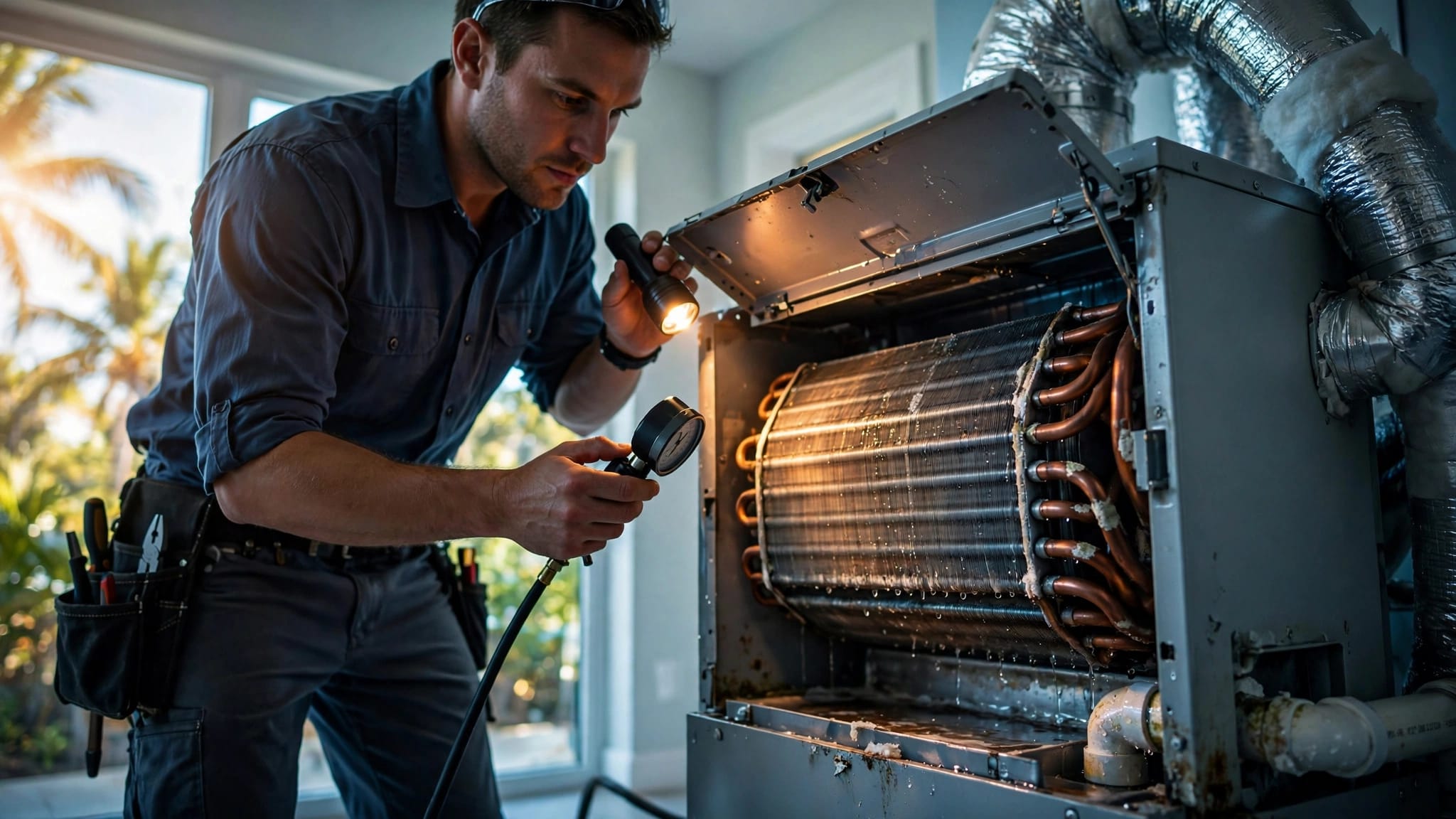
A dirty evaporator coil can make the smell worse. When the coil has a layer of grime, moisture sticks to it longer. That gives odors more time to develop and more chances to spread through the ductwork.
A sour smell that keeps coming back is a sign worth checking, even if the AC still cools the house.
A regular tune-up can catch that kind of buildup early. Seasonal care through professional air conditioning services in Cape Coral helps keep drain lines clear and coils cleaner, which matters in this climate.
Harmless odor or real problem? Look for these signs
Some smells are brief and harmless. Others are warning signs. The table below gives you a quick way to judge what you are dealing with.
| What you notice | What it may mean | What to do |
|---|---|---|
| Sour smell for a minute at startup | Dust or trapped moisture burning off lightly | Watch it. If it fades fast, note it for later |
| Vinegar smell that returns often | Mold, mildew, or bacteria in the drain or coil | Schedule service soon |
| Weak airflow plus sour smell | Dirty evaporator coil or blocked return | Turn the system off and call for help |
| Water around the indoor unit | Clogged condensate line or drain pan overflow | Shut it down and get it checked |
| Sharp chemical or hot-plastic smell | Electrical issue or overheating part | Turn the AC off right away |
If the odor appears only when the system starts, then clears, it may be temporary. If the smell hangs in the air, gets stronger, or spreads to more rooms, treat it as a real problem.
A clogged condensate line is one of the most common causes. When that line backs up, water has nowhere to go. The result can be a sour smell, a wet cabinet, and a ceiling stain if the unit is in an attic.
Bacteria buildup can also create a vinegar-like odor. This often happens inside a drain pan or on a coil that stays damp. The smell may seem mild at first, but it can spread through the house each time the fan runs.
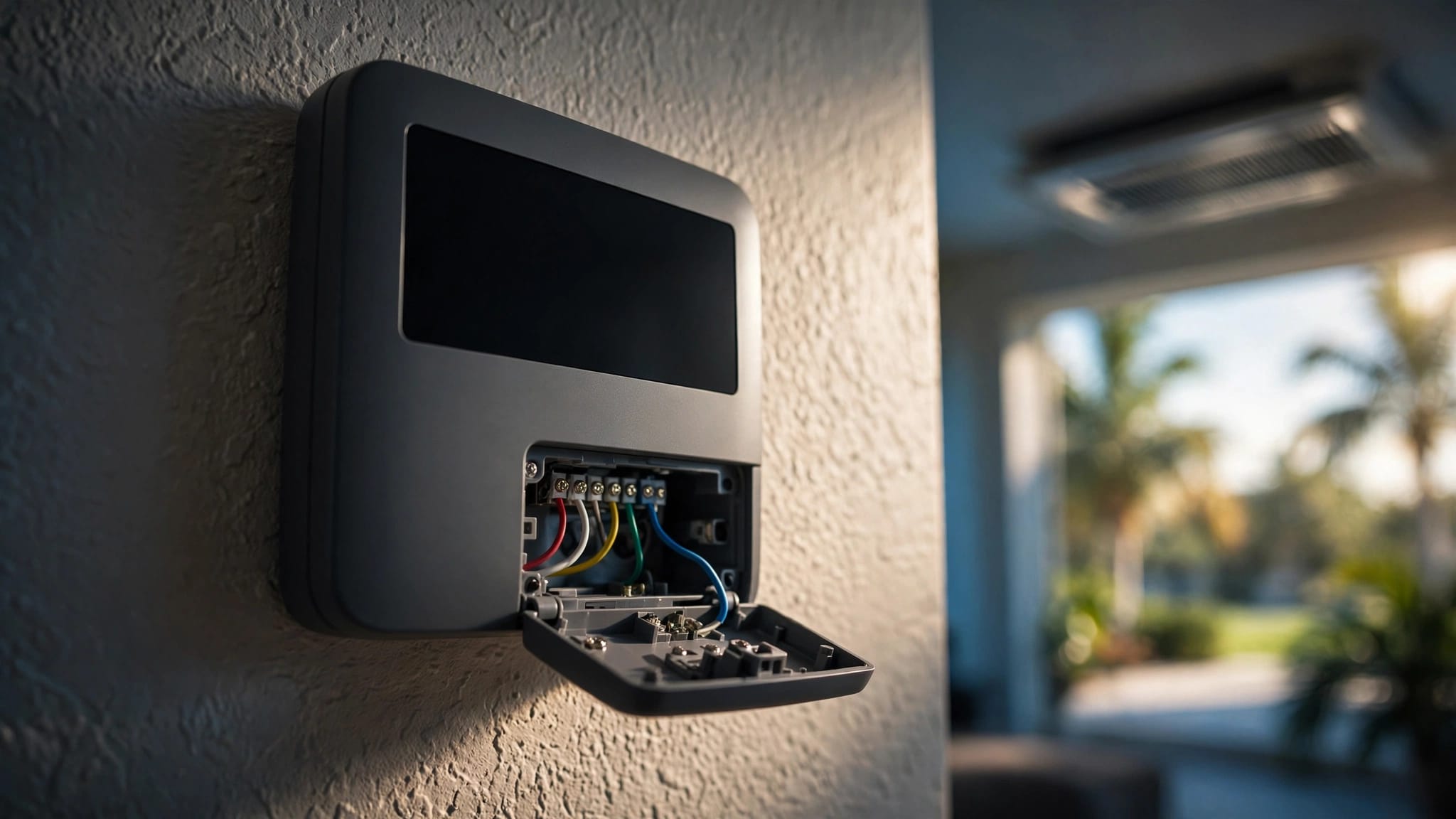
Electrical problems smell different, but homeowners often describe them as sharp, sour, or chemical. If the smell reminds you of hot wires, burning plastic, or something overheating, do not keep the AC running.
Safe steps you can take right now
Start with the simple checks that do not put you at risk. These steps can help you narrow down the issue before you call for service.
- Replace the air filter if it looks dirty. A clogged filter can trap moisture and make the odor worse.
- Look for water near the indoor unit . Any puddle or damp cabinet points to drainage trouble.
- Check the vents in a few rooms. If the smell is strongest at one supply vent, the problem may be inside the system.
- Smell the air handler area if it is easy to reach. A stronger odor near the unit usually means the source is inside it.
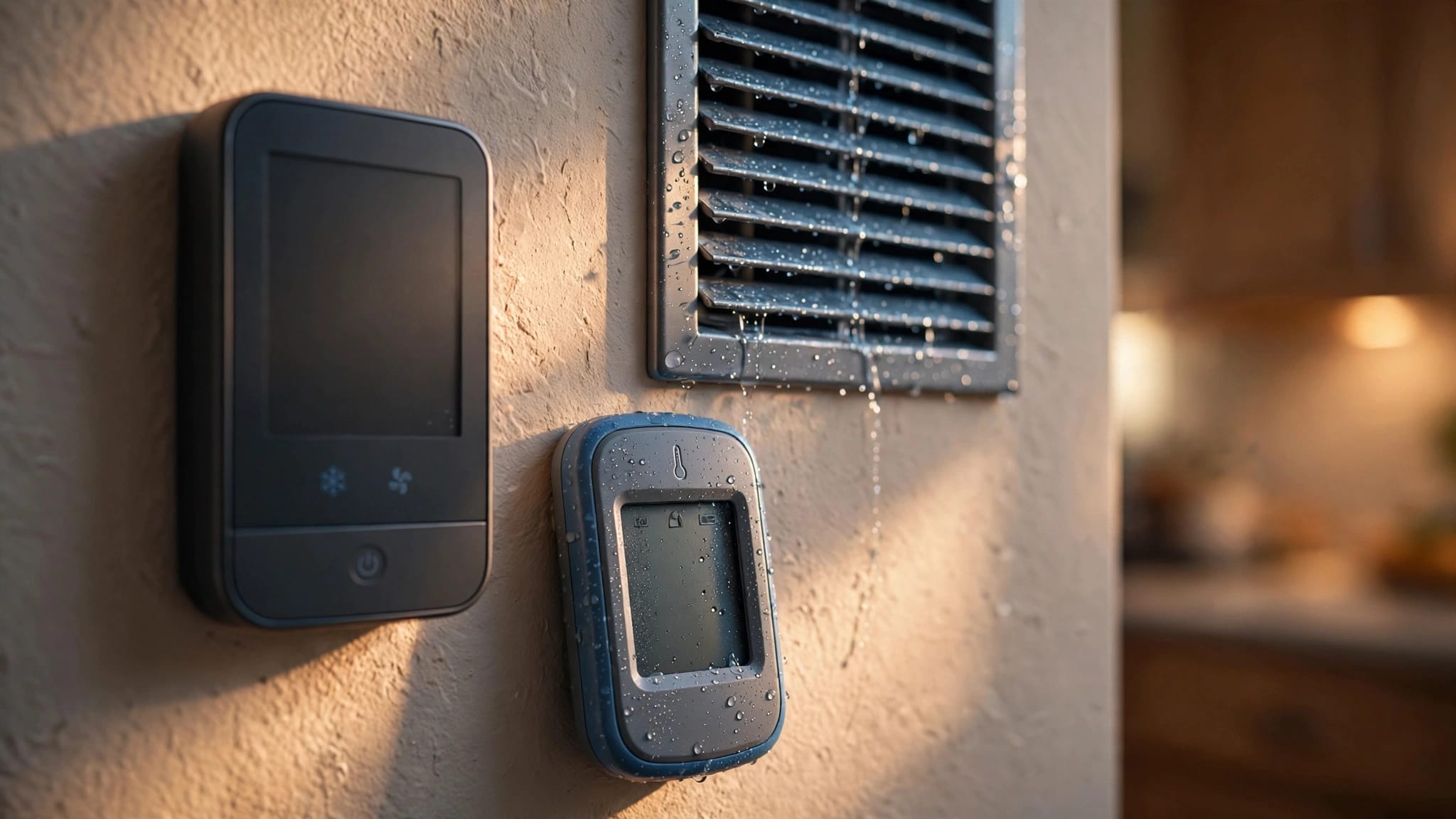
- Keep the thermostat fan on Auto . Running the fan nonstop can spread the smell more widely.
Do not open sealed panels or try to clean coils with household chemicals. That can damage the unit or make the problem harder to fix. Strong cleaners can also leave behind their own odor, which makes the diagnosis confusing.
If the smell is mild and the system still runs normally, you may have a short window to monitor it. If the odor comes back after a day or two, the source is probably still there.
A clogged drain, dirty coil, or hidden bacteria problem usually does not fix itself. In those cases, fast service matters more than repeated air fresheners or duct sprays.
When to shut the system off and call for help
Turn the AC off if you notice any of these signs:
- the smell is sharp, hot, or chemical
- the breaker trips more than once
- the unit makes unusual buzzing, grinding, or rattling sounds
- water is leaking from the air handler
- the system blows warm air and smells sour at the same time
- the odor gets stronger every time the AC starts
A sour smell with poor cooling often points to a coil or drain issue that needs hands-on cleaning. If that is the case, fast and reliable cooling system repairs are the right next step.
Electrical odors are different. If you smell hot plastic, melting insulation, or something burning, shut the system off at the thermostat and the breaker if you can do it safely. Then call for help right away. If the smell is strong and the system is acting up, Contact Us for 24/7 service and a service call.
Homes in Cape Coral work their AC hard, and that makes small issues show up fast. A clogged condensate line today can become a leak tomorrow. A dirty coil can become a bigger airflow problem next week.
Conclusion
A vinegar smell from your AC is often a moisture problem at first. In Cape Coral, high humidity gives that moisture plenty of room to turn into mold, bacteria, or drain trouble.
If the odor is brief and fades, keep an eye on it. If it lingers, returns, or comes with water, weak airflow, or electrical signs, shut the system off and get it checked. A sour smell is your AC telling you something is off, and the sooner you listen, the easier the fix usually is.