A rattling air conditioner can turn a normal afternoon into a stressful one fast. In Cape Coral, that noise often starts as something small, like a loose panel, then grows louder as the unit keeps running.
The good news is that an AC rattling noise usually points to a few common problems. Some are simple, while others can damage the system if you ignore them. The key is knowing what you can check safely, and when it's time to shut the unit off.
The most common reasons an AC starts rattling
A rattle usually comes from something that's loose, out of place, or wearing down. In many homes, the first clue is outside at the condenser, where the cabinet, fan, and surrounding debris can all create noise.
Here's a quick way to match the sound with the likely cause:
| Noise clue | Likely cause | Safe first check |
|---|---|---|
| Light rattle at startup | Loose screw or panel | Look for a loose access cover or cabinet panel |
| Rattle near the outdoor unit | Leaves, twigs, or debris | Check the area around the condenser |
| Rattle with wobble or scraping | Damaged fan blade | Shut the system off and call for help |
| Rattle with humming or grinding | Motor trouble or compressor wear | Turn the unit off before more damage happens |
Loose screws and panels are common because AC units vibrate every time they run. Over time, that vibration can shake hardware free. A small metal tap can sound harmless at first, but it often gets louder as the parts keep moving.
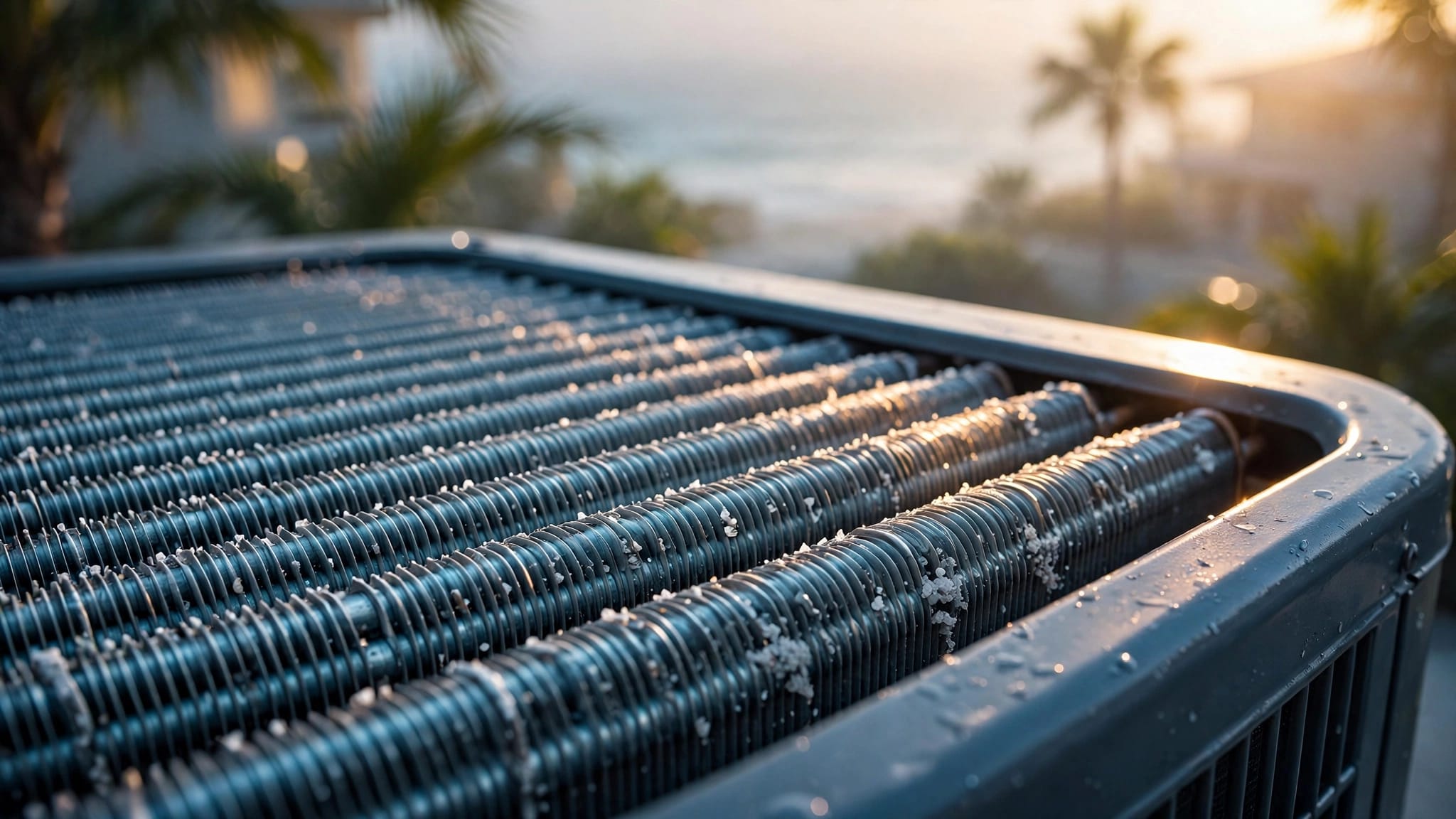
Debris can cause the same trouble. A twig, palm frond, seed pod, or piece of mulch can get pulled into the outdoor unit and knock against the fan. That sound may come and go, which makes it easy to ignore. Still, it often means something is already inside the unit where it shouldn't be.
If the noise is steady and seems to change speed with the fan, don't keep guessing. A loose part can turn into a broken part quickly, and that means a bigger repair later.
Cape Coral weather can turn a small issue into a loud one
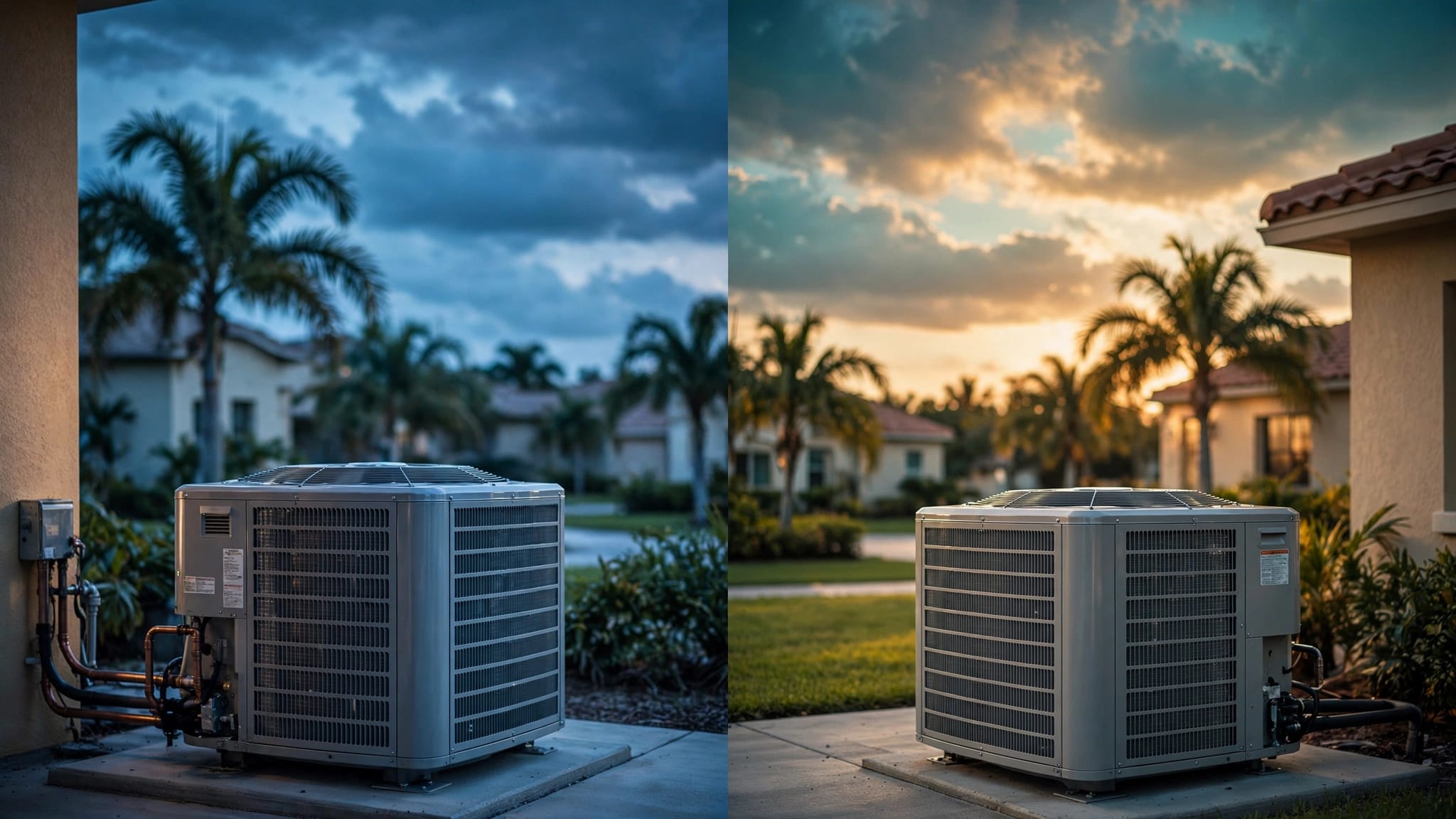
Cape Coral puts a lot of strain on air conditioners. Heat, humidity, storms, salt air, and long run times all work against the system. That daily wear makes rattles more likely, especially in outdoor units.
Storms can blow yard debris into the condenser cabinet. Salt air can speed up rust on screws, brackets, and panels. Humidity can help grime stick to moving parts. Heavy summer use also means the unit vibrates more often, so any loose piece gets noticed sooner.
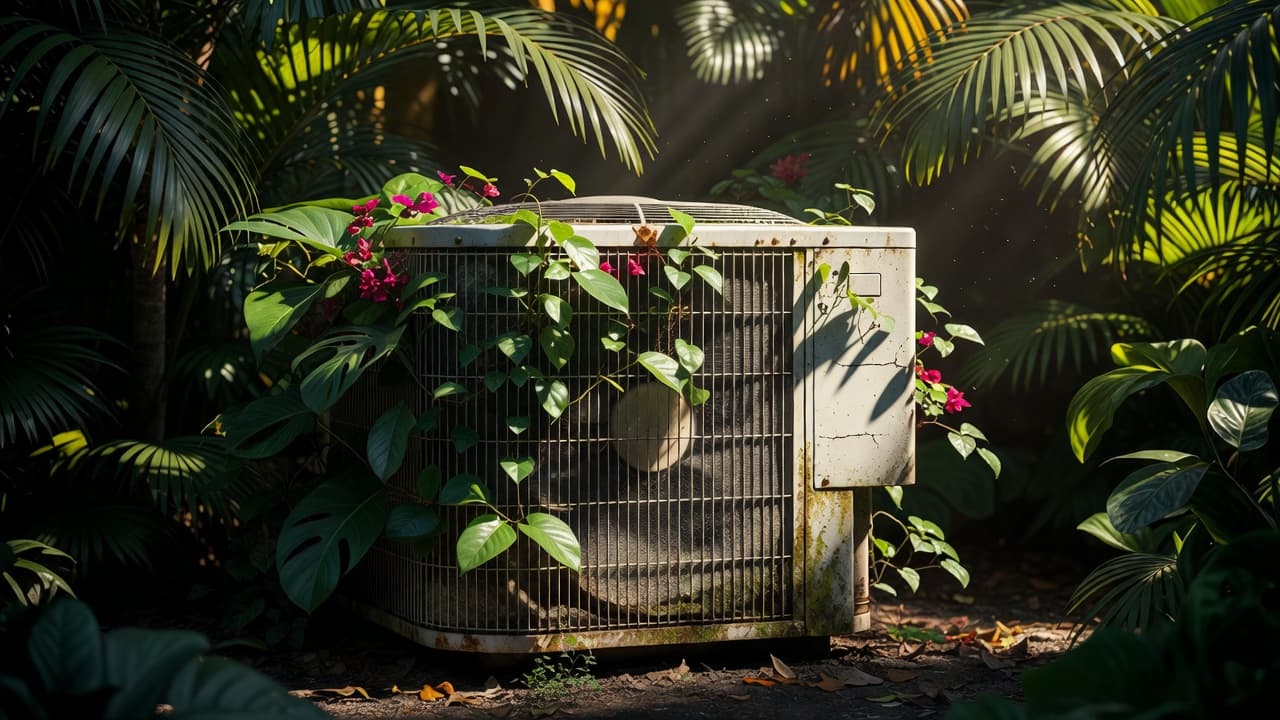
That kind of weather is tough on equipment, which is why a seasonal comprehensive AC maintenance and inspection can save you trouble later.
Before you call for service, there are a few safe checks you can do without opening the unit:
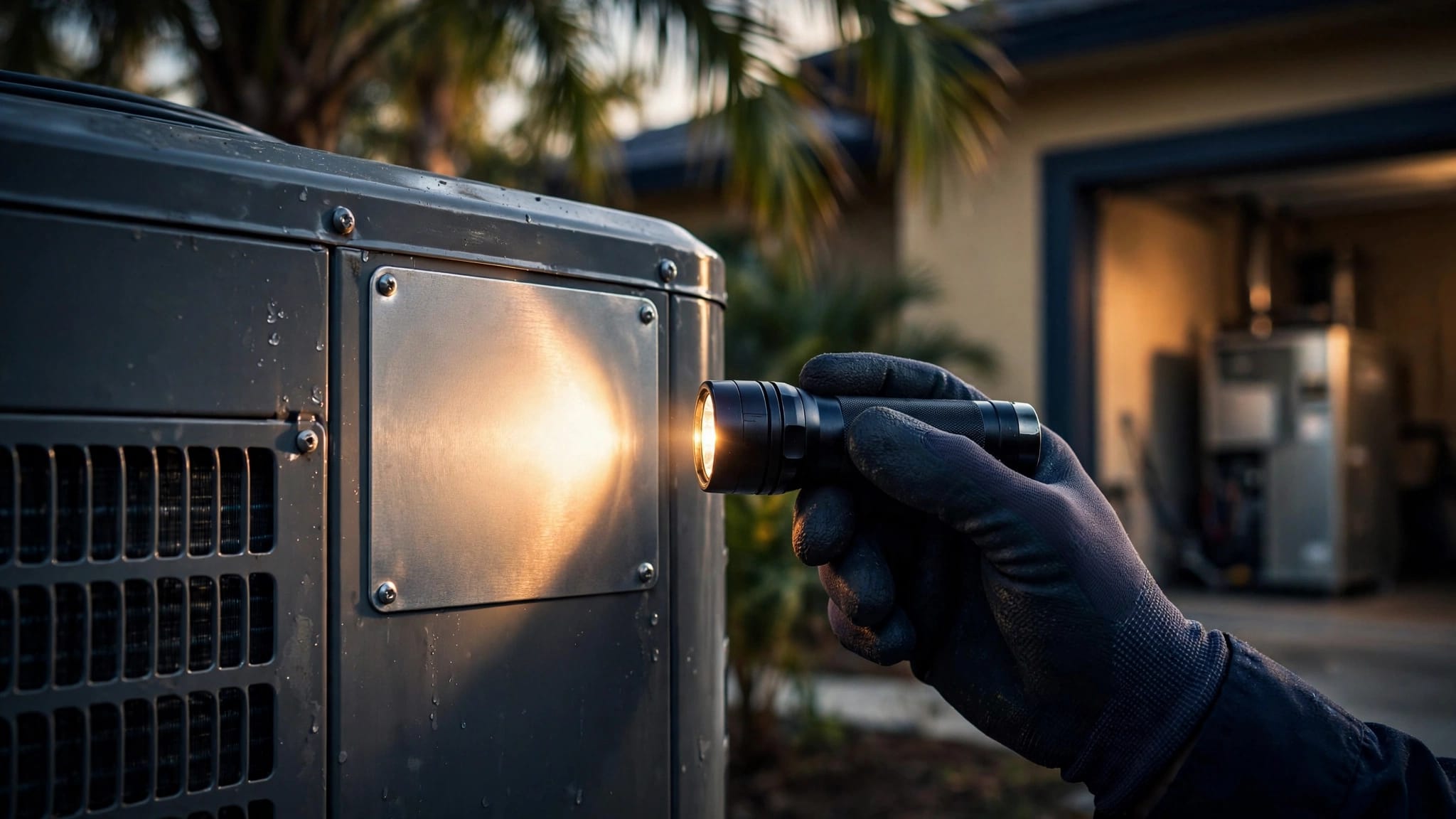
- Look at the outdoor cabinet for obvious loose panels, bent corners, or missing screws.
- Clear away leaves, grass clippings, mulch, and branches from around the condenser.
- Check that the return grille and supply vents inside the house aren't blocked by furniture or rugs.
- Make sure the air filter is seated correctly and isn't flapping or rattling in its slot.
- Listen to when the noise starts, stops, or changes. That timing matters.
These checks won't fix every problem, but they can help you rule out the easy stuff. They also give you better information when you call for help.
Fan blades, motor parts, and compressor trouble sound more serious
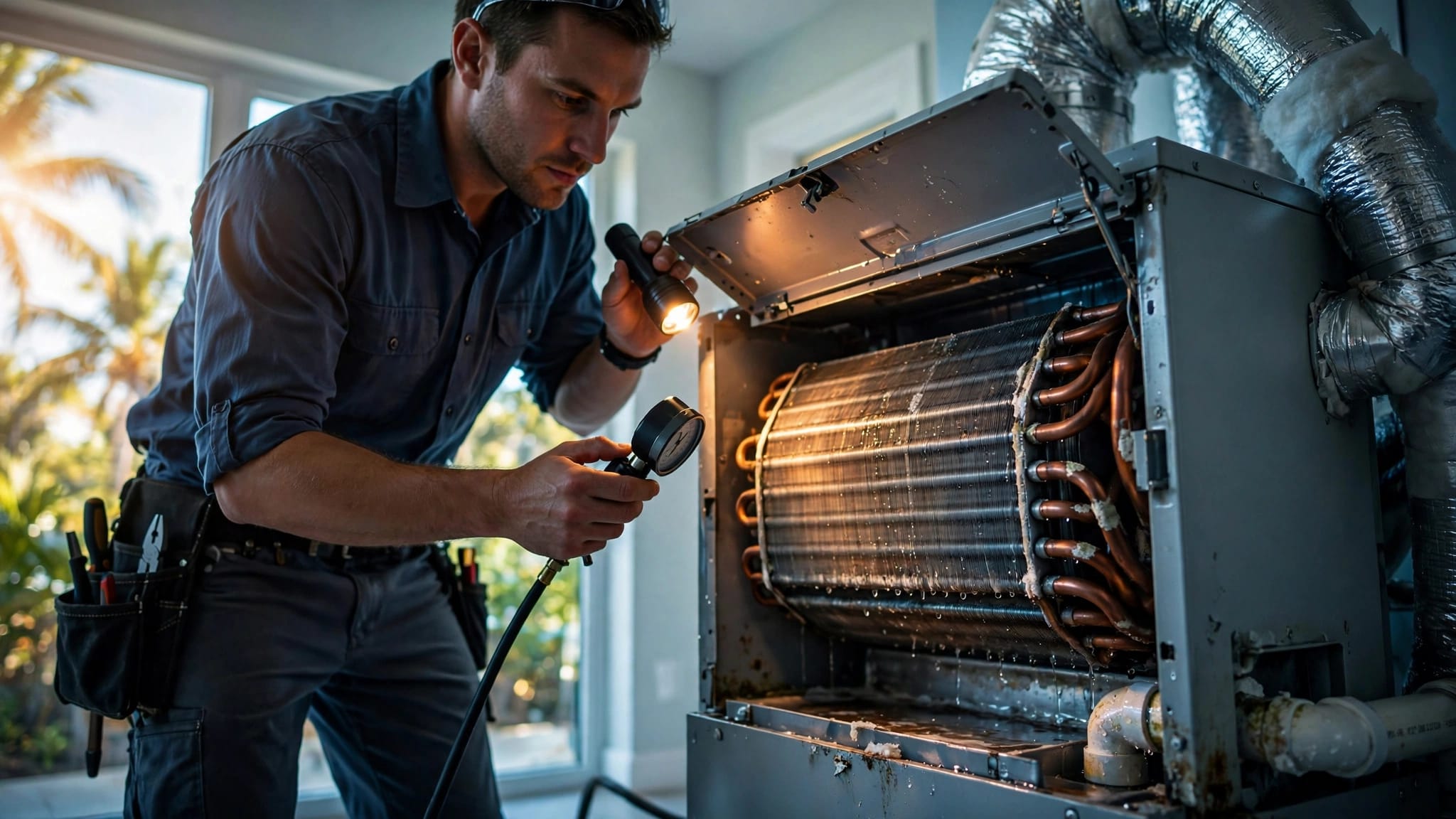
If the rattle is coming from inside the outdoor unit, the fan assembly is a common suspect. A bent blade can hit the housing and create a sharp metallic sound. A loose fan can wobble and shake the whole cabinet.
Motor components can rattle too. Bearings may wear down, mounts can loosen, and the motor can start to sound rough before it fails. When that happens, the noise often shifts from a light rattle to a buzz, grind, or hard vibration.
A worn compressor is a bigger concern. The compressor is the heart of the system, and internal wear can create loud, uneven noises that don't go away on their own. If the rattle is paired with weak cooling, short cycling, or a hard start, the compressor may be under stress.
If the noise turns into grinding, scraping, or a burning smell, shut the system off and leave it off.
Running the AC while a fan blade is damaged or a motor is failing can make the repair more expensive. In some cases, it can also damage the compressor. That's why a loud or worsening noise needs fast attention.
If the sound keeps coming back, schedule professional air conditioning repair in Cape Coral before the problem spreads to other parts.
Ductwork can rattle even when the AC is working
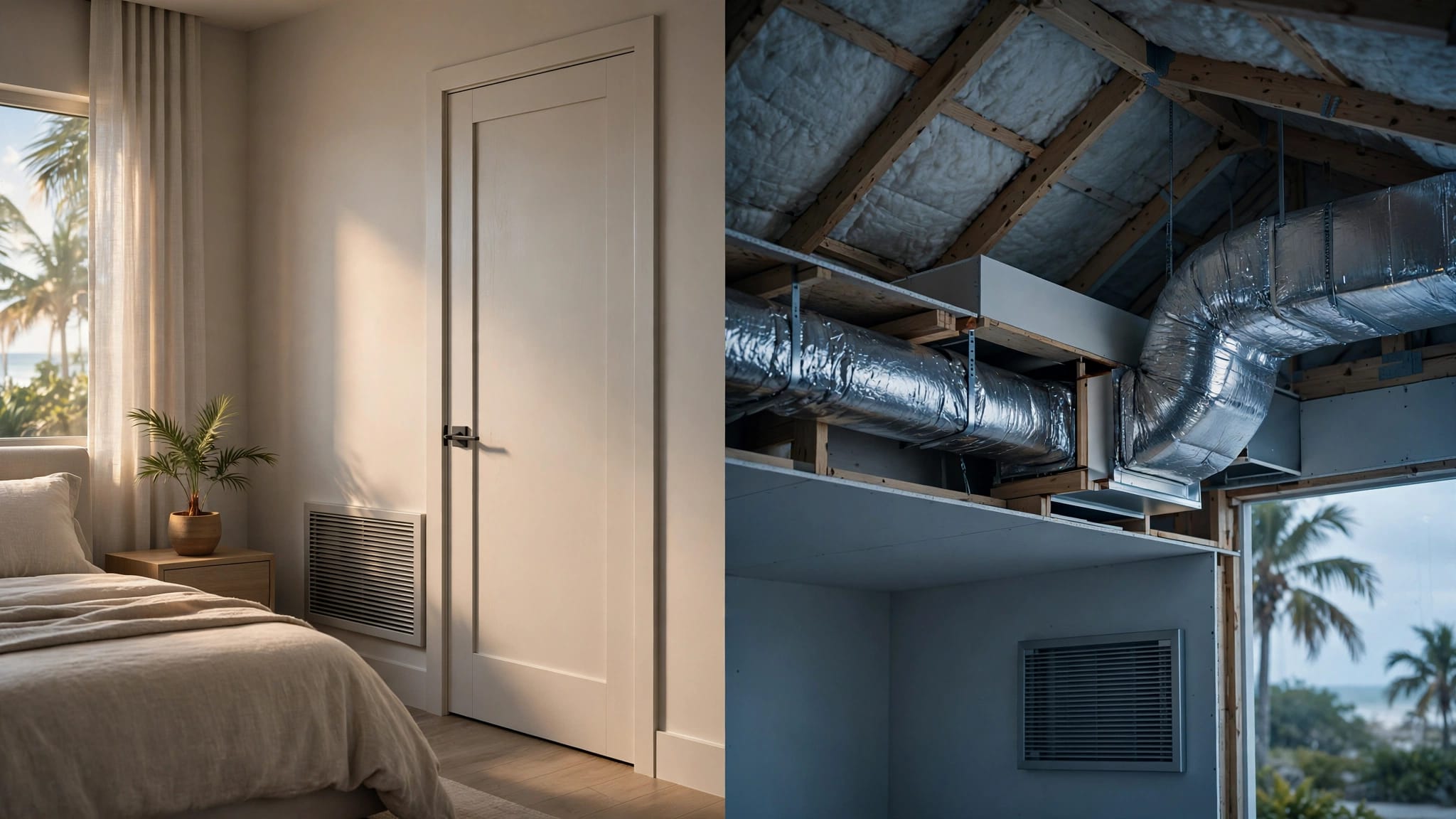
Sometimes the AC unit gets blamed when the real noise comes from the duct system. Loose ducts, weak hangers, and thin sheet metal can all rattle when air moves through them. A vent cover can also shake if it isn't seated well.
This kind of noise often shows up when the system starts or stops. The change in air pressure makes ducts expand and contract, and that movement can create a quick rattling sound in the attic, ceiling, or wall.
A dirty or poorly fitted filter can make the issue sound worse. If the filter vibrates in the return slot, it can buzz or chatter every time the blower kicks on. A loose register screw can do the same thing.
When the noise seems to come from inside the home, pay attention to the location. If pressing gently on a vent cover changes the sound, the ductwork or grille may be the source. That's useful information for a technician, since it points away from the outdoor unit.
Duct problems may not shut your AC down right away, but they still waste energy and make the home less comfortable. They can also hide airflow problems that put extra strain on the system.
What to do before you call for help
A rattling AC doesn't always need emergency service, but it does need your attention. The safest move is to stop the system if the sound gets worse, especially if it turns into grinding, scraping, or heavy vibration.
Follow these steps before you call:
- Turn the thermostat to off if the noise is loud or getting sharper.
- Look outside for leaves, twigs, or anything touching the condenser.
- Check that vents inside the house are open and not blocked.
- Make a note of when the noise happens, such as at startup, during cooling, or when the fan runs by itself.
- Call for service if the unit still rattles after the basic checks.
If the system still runs but the noise stays the same, the problem may be hidden inside the cabinet. If the noise gets worse after you shut off and restart the unit, don't keep testing it. That can push a small issue into a major repair.
When you need help, Contact Us to schedule a service call. A trained technician can check the fan, motor, compressor, panels, and duct connections without guessing.
Conclusion
A rattling AC in Cape Coral usually means something is loose, worn, or caught where it shouldn't be. The most common causes are simple, like panels and debris, but fan damage, motor problems, duct issues, and compressor wear can all start the same way.
Because Cape Coral weather puts so much stress on cooling systems, small noises can turn into bigger repairs faster than you expect. If the rattling keeps going after the easy checks, or if the sound changes to grinding or scraping, shut the unit off and get it looked at.
A noisy AC is trying to tell you something. Listening early can save you heat, stress, and a much bigger repair bill later.