Too little space around a condenser can restrict airflow, increase operating costs, and make repairs harder. The right outdoor AC unit clearance depends on your equipment model, installation manual, and local building requirements.
Many residential systems need open space on every side, with extra room above a top-discharge fan. However, air conditioner clearance requirements vary, meaning there isn't one universal measurement for every outdoor air conditioning unit. Use general guidelines for planning, then confirm the exact requirements before moving a condenser, adding a fence, or planting shrubs nearby.
Key Takeaways
- Manufacturer installation instructions and local code take priority over general clearance guidelines.
- Many outdoor units need about 12 inches of side clearance, but some require more.
- A top-discharge condenser needs several feet of vertical clearance above the fan.
- Keep service clearance around the access panel clear, even when other sides have adequate airflow.
- Contact a licensed HVAC contractor before relocating or modifying the equipment.
How Much Outdoor AC Unit Clearance Is Usually Needed?
The condenser needs room to pull in outdoor air and release heat. If a wall, fence, hedge, or another condenser unit sits too close, the system may recirculate hot air instead of drawing in cooler air. That can make the compressor work harder during a hot afternoon.
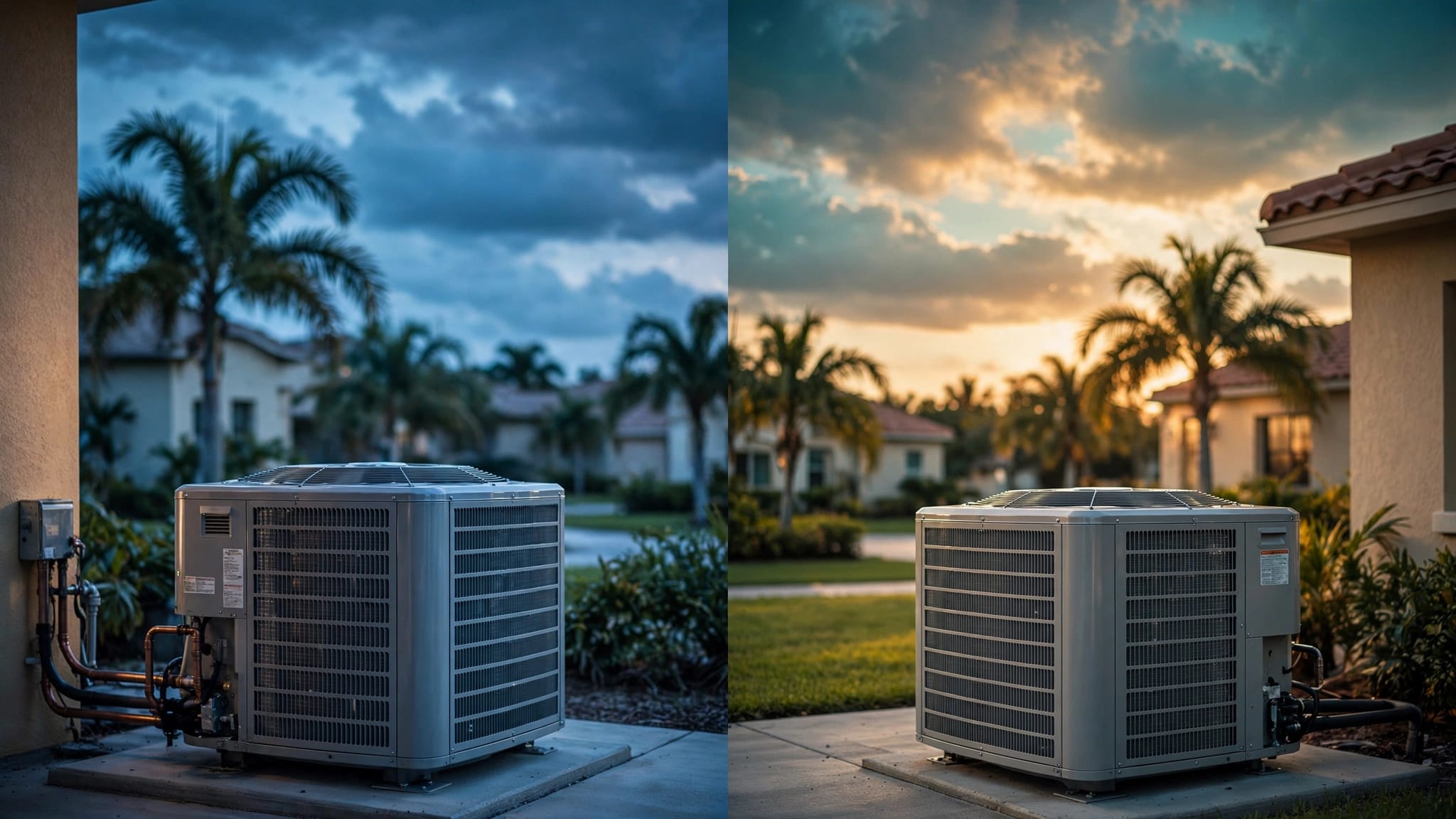
For many residential split-system air conditioners, a common planning guideline is at least 12 inches of open space around the sides . Some units need 6 inches, while others require 18 inches or more. Maintaining adequate side clearance ensures that the required distance can vary by brand, model, airflow design, and the location of the service panel.
Vertical clearance matters just as much. A typical top-discharge unit releases warm air vertically, so the area above the fan should stay open. A planning range of about 5 feet above the unit is common for many systems, but the installation manual controls the final measurement. Side-discharge and heat pump clearance guidelines can differ based on unique airflow patterns.
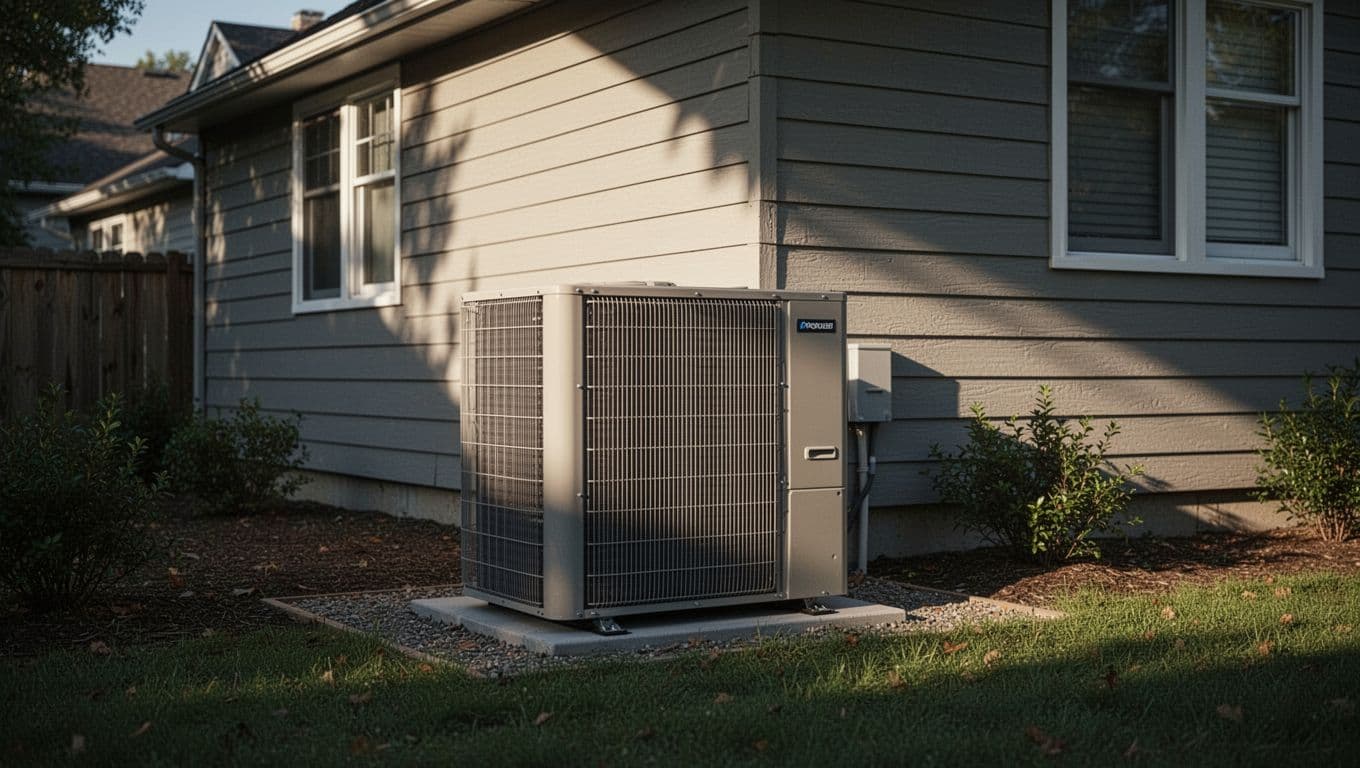
The measurement starts at the outdoor cabinet, not at the edge of the concrete pad. For example, if the cabinet is 12 inches from a wall, proper airflow clearance may extend closer to that wall without reducing the actual ventilation space. Still, the pad should remain stable and level.
A clearance number from a general online guide cannot override the model-specific instructions supplied with your air conditioner.
The manual may also list a larger service area on one side. Technicians need access to electrical components, refrigerant connections, controls, and panels. A unit can have enough airflow space but still be difficult or unsafe to service.
Why Proper Space Around the Condenser Matters
The outdoor condenser coil releases heat removed from your home. Air must move across that coil and away from the fan discharge. When an obstruction blocks that process, the system can run longer while delivering less cooling.
Restricted airflow may contribute to several problems:
- Higher energy consumption during long cooling cycles
- Reduced indoor comfort
- Lower operating efficiency
- Excessive heat around the condenser
- Shorter compressor life
- Difficulty reaching panels during maintenance or repair
A fence placed close to the unit can create trouble even when it looks attractive. Solid fencing blocks air more than an open picket design, and a narrow enclosure can trap hot discharge air. A privacy screen should never be added without checking the equipment manual and the required service access.
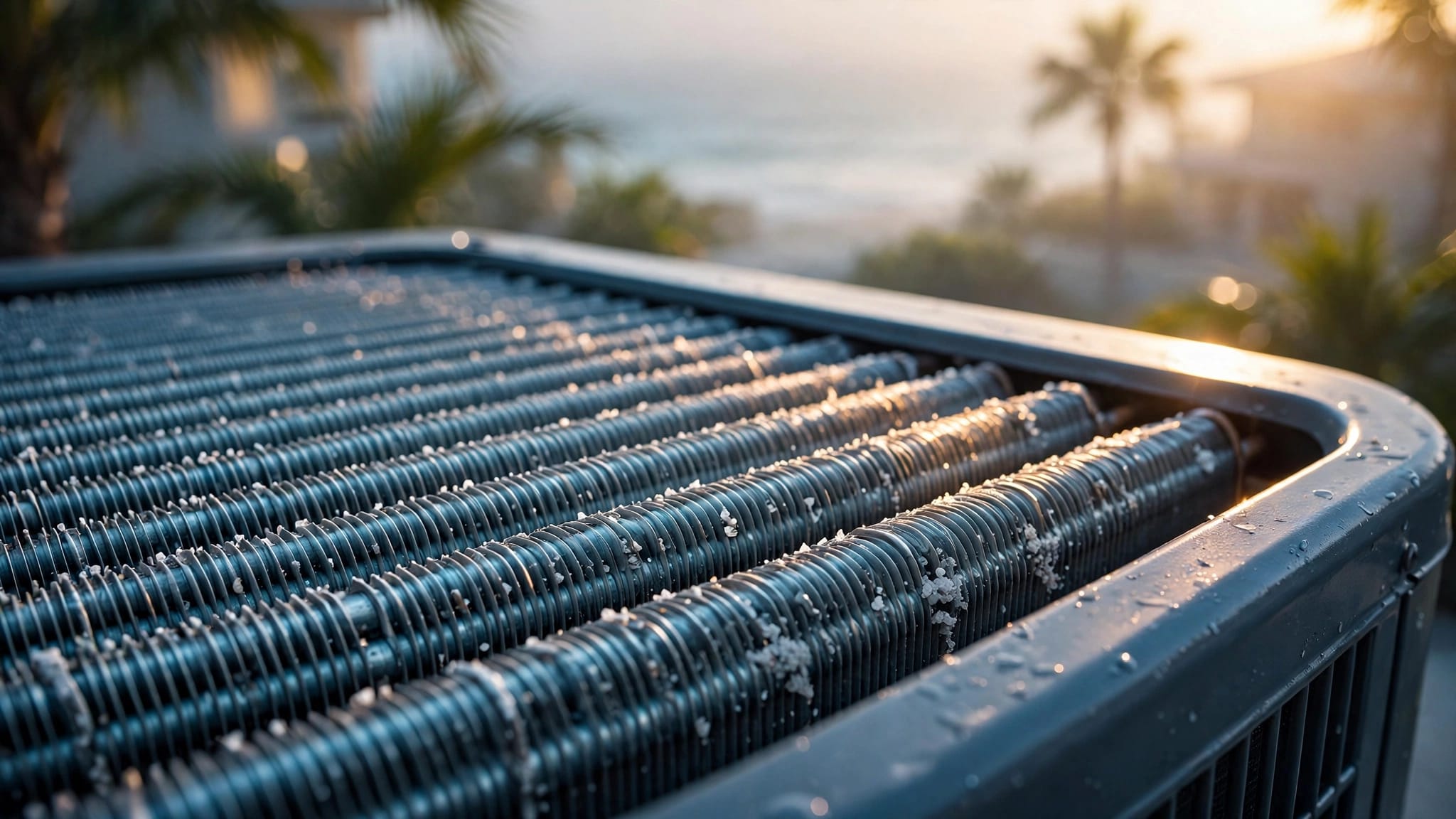
Plants create a similar problem. Shrubs can grow into the coil, leaves can collect around the base, and branches can drop debris into the fan area. In Southwest Florida, proper landscaping clearance and good air circulation deserve close attention because outdoor equipment may become crowded within one growing season.
Keep other heat-producing equipment away as well. A dryer vent, generator exhaust, outdoor kitchen, or another condenser can raise the temperature around the AC unit. Multiple condensers should have the spacing their manufacturers specify, rather than being placed tightly together to save space.
Proper clearance also helps technicians work safely. If a service panel opens toward a wall, the technician may need more room than the airflow minimum. Blocking that panel can turn a routine capacitor replacement into a difficult equipment-access problem.
How to Check Your Existing AC Unit Location
Start by finding the model and serial number on the outdoor HVAC unit cabinet. The data plate usually appears on a side panel. The model number can help an HVAC technician locate the correct installation instructions.
Next, measure from each side of the cabinet to the nearest obstruction. Check walls, fences, gates, shrubs, stored items, downspouts, and neighboring equipment. Measure the vertical space above the fan as well. A low roof edge or balcony can interfere with discharge even when the sides look open. Proper unit placement helps prevent obstruction blockage that reduces system efficiency.
Use this table as a planning reference, not as a substitute for the manual:
| Area around the condenser | Common planning concern | What to confirm |
|---|---|---|
| Side facing a wall | Air intake and coil access | Minimum side clearance |
| Service-panel side | Technician access | Door-opening and working-space requirements |
| Above a top-discharge unit | Warm air leaving the fan | Required vertical clearance |
| Nearby fence or screen | Heat and airflow blockage | Whether the barrier is allowed |
| Shrubs and landscaping | Debris and restricted coil airflow | Mature plant size and maintenance space |
| Ground and pad | Stability, drainage, and vibration | Level support and local requirements |
Measure the cabinet itself rather than estimating from photographs. An inch or two can matter when an HVAC condenser sits in a narrow side yard or requires careful deck clearance for elevated installations. Also inspect the coil fins. Dirt, leaves, and grass clippings can reduce airflow and impact indoor air quality when poor ventilation affects the whole home.
Look for signs that the location may already be causing trouble. The condenser may run for unusually long periods, shut off on a hot day, or produce a strong blast of heat against a nearby wall. These symptoms can have other causes, so don't assume clearance is the only issue.
If you're planning a replacement, ask the contractor to review the proposed location before ordering equipment. A newer condenser may have different dimensions, airflow requirements, electrical needs, or service-panel placement.
At-a-Glance Outdoor AC Clearance Checklist
Before placing anything near the condenser unit, review these points:
- Check the equipment installation manual for side, top, rear, and service clearance.
- Measure from the cabinet to walls, fences, plants, stored items, and other equipment.
- Keep the vertical clearance above a top-fan unit completely open.
- Leave the service panel accessible for testing and repairs.
- Trim plants before they reach the coil or fan guard.
- Keep dryer vents and other hot-air outlets away from the condenser.
- Make sure the unit sits on a firm, level pad with no obstruction at its base.
- Confirm local permit and placement requirements before relocating the unit.
- Ask a licensed HVAC contractor to inspect any tight or enclosed installation.
Clearance must remain available after landscaping matures. Paying close attention to shrubbery distance ensures a bush that is 18 inches away today will not press against the coil next year. Choose low-growing plants and maintain a service path around the equipment.
Don't store pool supplies, tools, furniture, trash bins, or seasonal decorations beside the condenser. Even temporary items can block intake air during the hottest part of the day. Keep gates and access paths usable, too, so a technician can reach the unit without moving heavy objects.
When the Unit Needs More Room
Some clearance problems are easy to correct. Removing a stored item, trimming a branch, or cutting back a shrub may restore airflow. Other situations require professional planning, especially when your HVAC condenser sits inside a narrow enclosure or directly beneath an overhang.
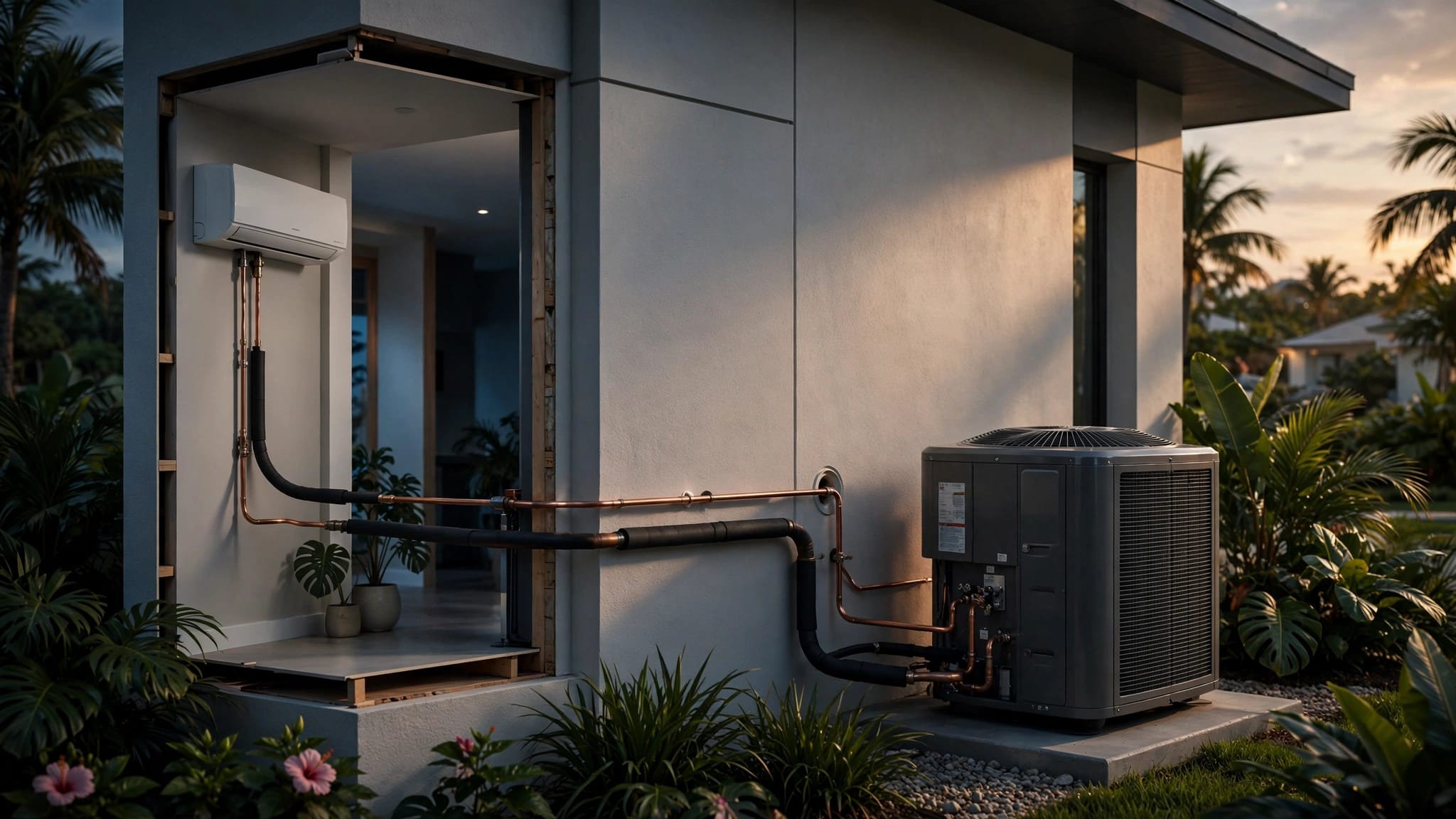
Don't move the unit yourself. Relocating an outdoor HVAC unit involves refrigerant lines, electrical wiring, condensate considerations, the equipment pad, and sometimes structural or permit requirements. Bending refrigerant tubing too sharply or disconnecting components without proper procedures can damage the system and create safety risks.
Local code requirements also take precedence over general advice. Rules may affect equipment placement, electrical work, property setbacks, flood-prone areas, noise, or the installation of screens and enclosures. A licensed contractor can review those requirements before work begins.
When comparing replacement proposals, check whether the quote includes equipment placement, pad work, line-set changes, electrical adjustments, permits, startup testing, and removal of the old unit. Comparing AC installation quotes can help you identify whether each contractor included the same scope of work.
A new system may also need a different location to protect your cooling capacity and equipment durability. Cabinet dimensions and airflow directions vary, so the old footprint isn't automatically suitable for the replacement. Professional air conditioning installation in Cape Coral should include a careful review of the unit placement and operating efficiency, not only the indoor equipment and refrigerant connection.
If your HVAC condenser is crowded, noisy, difficult to access, or surrounded by landscaping, Contact Us to schedule an inspection before making changes. A technician can measure the location, check the unit's requirements, and explain practical options.
Frequently Asked Questions
How much side clearance does an outdoor AC unit usually need?
Many residential split-system air conditioners require at least 12 inches of open space around the sides for proper airflow. However, specific requirements vary by brand, model, and airflow design, so you should always check the manufacturer's installation manual.
Can I plant shrubs or bushes close to my air conditioner?
Shrubs and landscaping can easily grow too close and restrict coil airflow or block service access. Maintain a safe distance and choose low-growing plants to ensure bushes do not press against the unit as they mature.
Why is vertical clearance important for a top-discharge condenser?
Top-discharge units release warm air vertically through the fan, requiring an open space above the unit to prevent hot air from getting trapped. A planning range of about 5 feet is common, but the final measurement depends on your specific equipment model.
The Right Clearance Depends on the Exact System
Proper outdoor AC unit clearance protects air circulation, equipment access, and long-term operation. General figures can help you spot a concern, but they cannot replace the installation manual or local code.
Keep the condenser unit open on all sides, leave the top discharge unobstructed, and maintain access to the service panels. Doing so prevents restricted airflow that can force the condenser coil to work harder than necessary. If your condenser unit needs to move or the space needs a fence, screen, or landscaping change, have a licensed HVAC professional evaluate it first. The right placement gives your air conditioner room to release heat when your home needs cooling most.