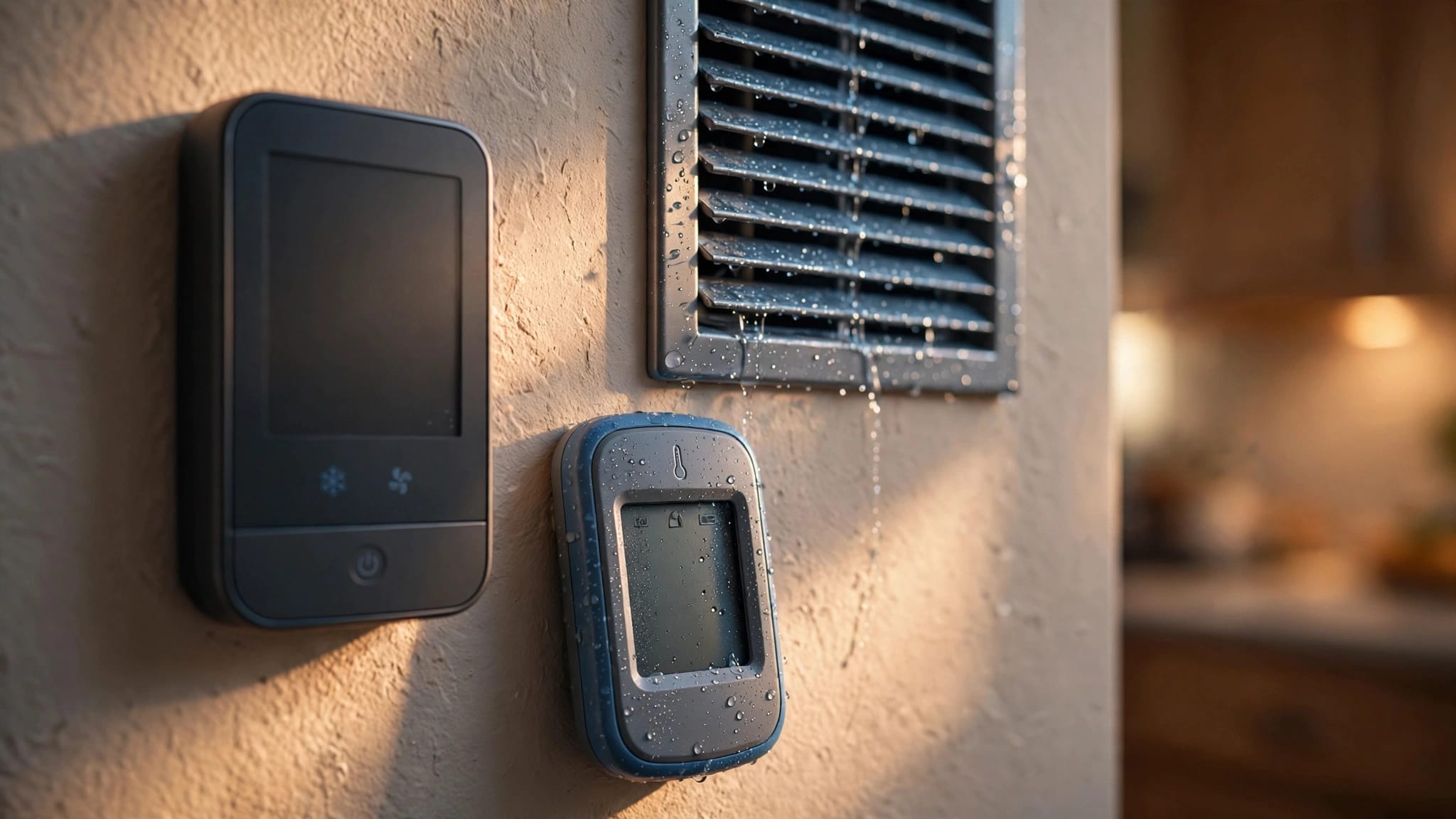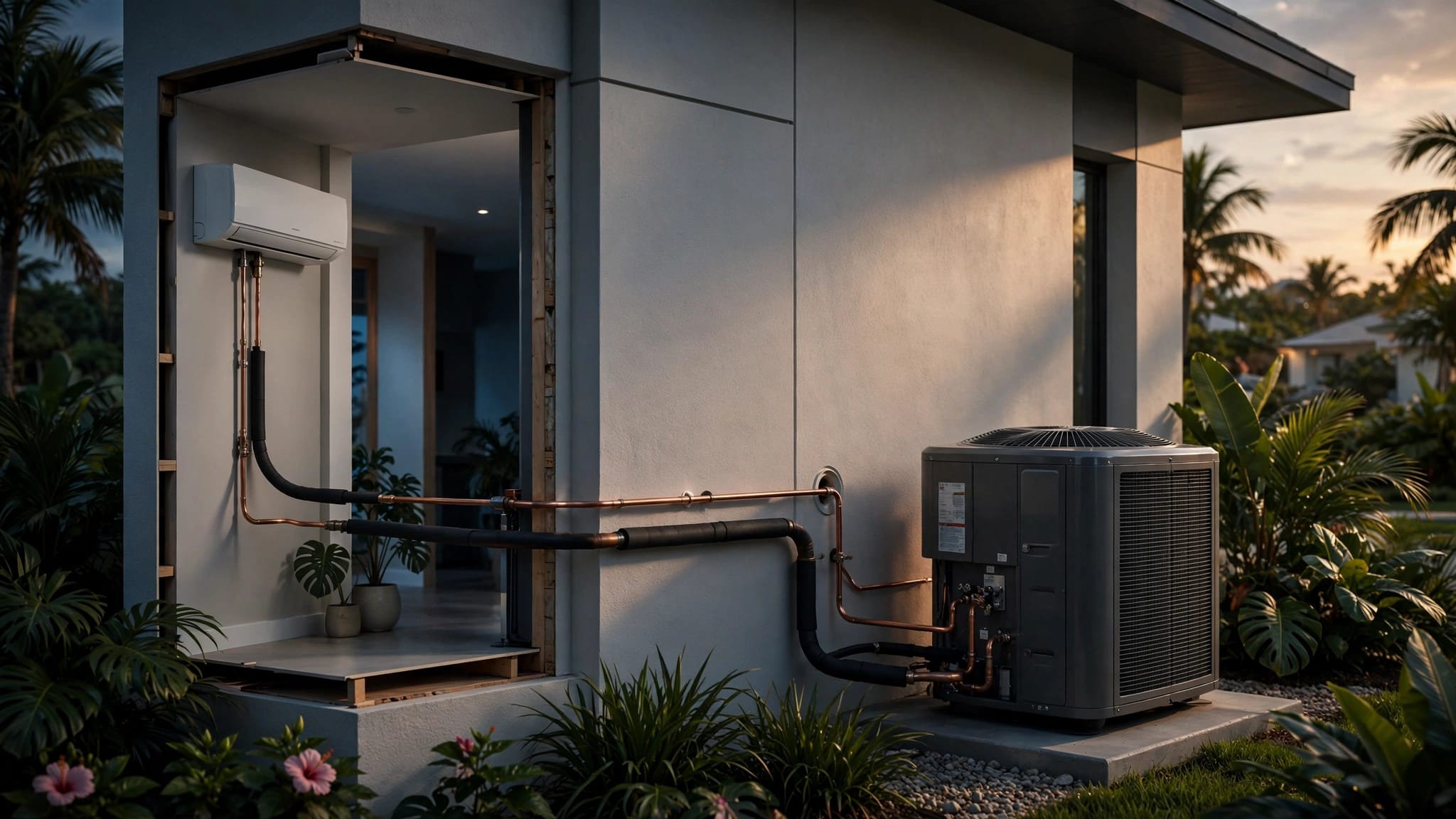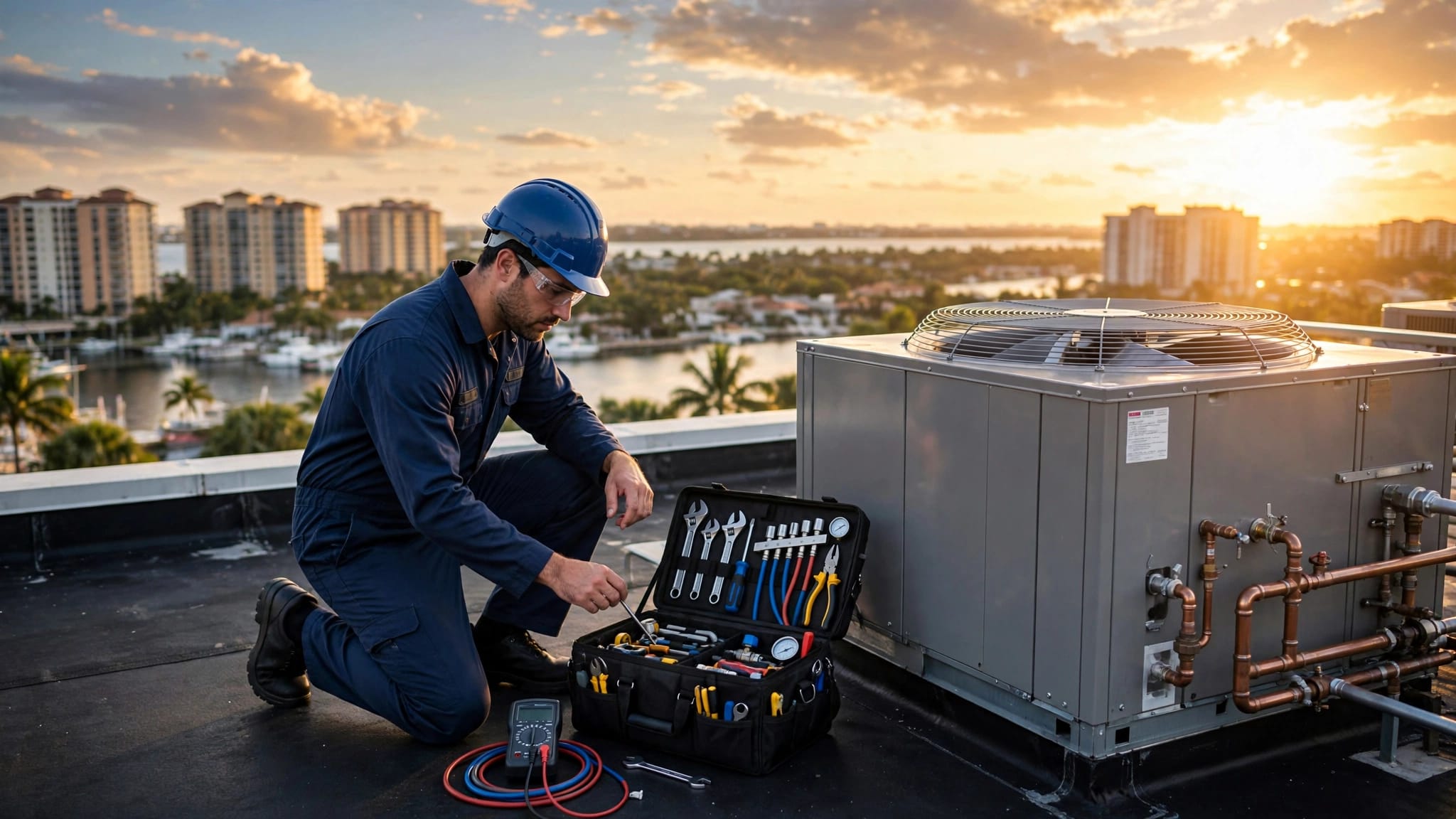
Replacing an air conditioner raises a practical question: do you need a new thermostat with new AC , or can the thermostat already on your wall control the replacement? In many homes, the existing thermostat can stay. However, compatibility depends on the new system's controls, wiring, stages, and features.
A thermostat that worked well with an older single-stage unit may limit a newer system or fail to control it correctly. Before installation day, compare the thermostat to the equipment instead of assuming they will work together.
Key Takeaways
- A new thermostat isn't required with every new air conditioner.
- Compatibility depends on system type, control wiring, staging, and manufacturer requirements.
- Two-stage, variable-speed, heat pump, and communicating systems often need a matching thermostat.
- A smart thermostat may require a C wire, an adapter, or different low-voltage wiring.
- Have the HVAC contractor confirm thermostat compatibility before ordering equipment.
When a New Thermostat With New AC Makes Sense
A new thermostat with new AC is often the right choice when the replacement system has features your current thermostat cannot control. Basic thermostats usually handle one stage of cooling. Newer equipment may use two-stage or variable-speed operation to adjust output based on the home's cooling demand.
That difference matters in Southwest Florida. An air conditioner may run for long periods during hot, humid weather. A compatible variable-speed or two-stage system can adjust its output instead of turning on at full capacity every time. The thermostat must know how to request those operating levels.
A replacement also may involve a heat pump , which needs controls for heating and cooling modes, auxiliary heat, and emergency heat. A standard cooling thermostat may not support those functions. Installing the wrong model can cause poor comfort, unnecessary energy use, or a system that won't switch modes correctly.
Communicating systems create another compatibility issue. These systems use a communicating thermostat designed for a specific equipment family. The thermostat and indoor and outdoor units exchange more detailed information than a standard 24-volt setup. A conventional thermostat may not operate the system as designed.
You may also need a replacement if the current thermostat is:
- More than 10 to 15 years old
- A manual model with no programming features
- A mercury thermostat
- Damaged, inaccurate, or difficult to read
- Missing support for heat pump or multi-stage operation
- Connected to wiring that doesn't match the replacement equipment
A thermostat doesn't need to look old to be incompatible. The model number and terminal connections provide more useful information than its appearance.
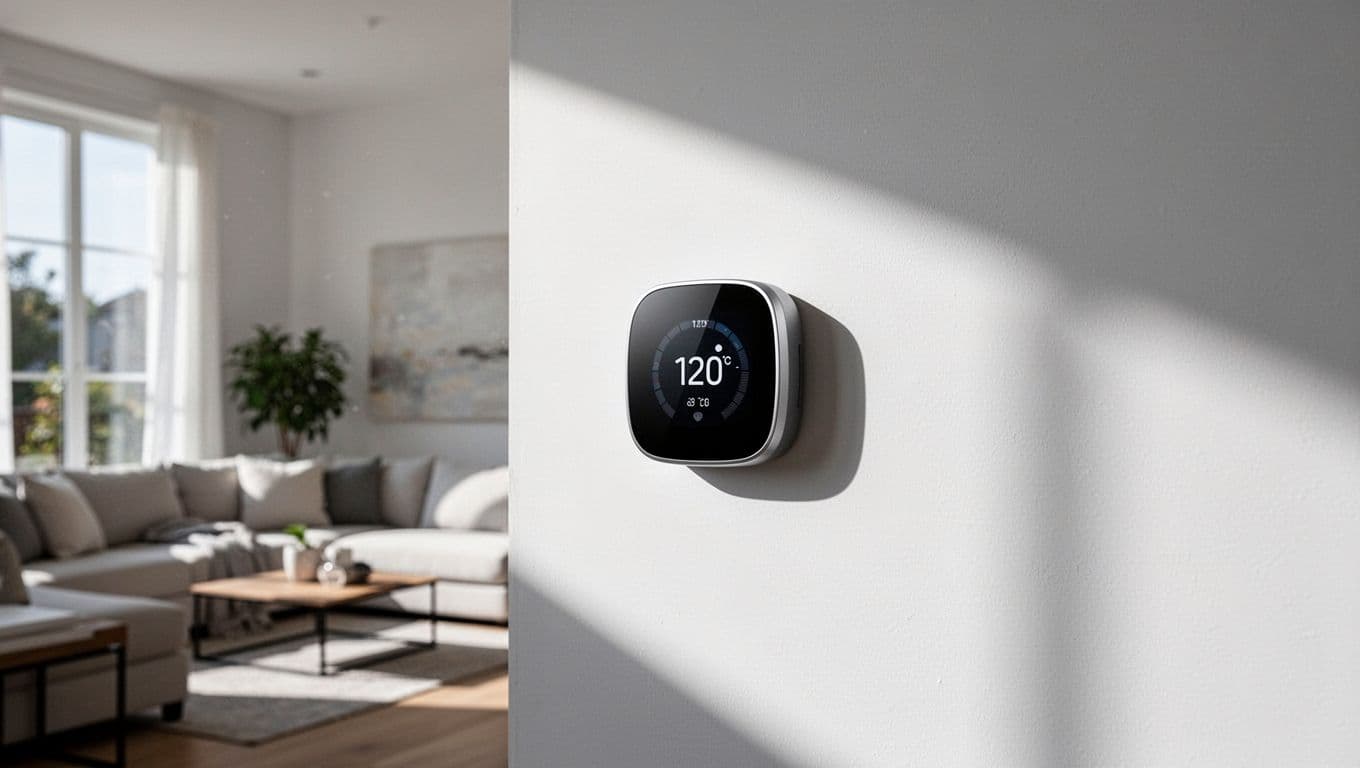
Can Your Existing Thermostat Control a New Air Conditioner?
Sometimes, yes. If your new air conditioner is the same type as the old one, a functioning thermostat may continue to work. For example, a standard single-stage cooling system often uses familiar low-voltage connections, including terminals marked R, C, Y, G, and W.
Still, matching terminal letters doesn't prove full compatibility. The contractor should confirm the system voltage, equipment type, number of cooling stages, fan controls, and heat source. A thermostat may turn the system on and off while failing to use its more advanced features.
The wiring also deserves attention. Many smart thermostats need a common wire , often called a C wire, to receive continuous power. Older homes may have unused wires tucked behind the thermostat, but that isn't guaranteed. In some cases, the installer can add a wire or use a manufacturer-approved power adapter.
A thermostat that runs on batteries may work with a basic replacement system, yet it might not support every feature of a newer unit. The right answer depends on the equipment selected, not on whether the old thermostat still displays the room temperature.
A thermostat can operate an air conditioner and still prevent the system from delivering its full comfort and efficiency benefits.
Your installer should also check whether the thermostat location gives an accurate reading. A thermostat near a supply vent, sunny window, kitchen, or exterior door can misread the home's temperature. Replacing the equipment is a good time to correct a poor mounting location when practical.
For a complete replacement, review the available new air conditioner installation options with the contractor. The thermostat should be selected as part of that system, rather than added as an afterthought.
Thermostat Options for a New AC Installation
Your replacement thermostat will usually fall into one of three categories. Each option can work well when it matches the air conditioner and your daily routine.
Basic digital thermostat
A basic digital thermostat provides simple temperature control. It may be a good fit for a single-stage air conditioner in a home where someone regularly adjusts the setting. These models are straightforward and usually cost less than advanced controls.
However, basic models provide fewer scheduling options. They also may not support multi-stage cooling, heat pump functions, humidity accessories, or detailed system alerts.
Programmable thermostat
A programmable thermostat lets you set different temperatures for different times of day. You might choose a higher setting while the home is empty, then schedule a cooler setting before everyone returns.
This option works well when your schedule stays fairly consistent. It can also control a compatible two-stage system, but the specific model must support the equipment's stages and wiring.
Smart thermostat
A smart thermostat can offer app control, scheduling, temperature history, maintenance reminders, and integration with selected home systems. Some models detect occupancy or adjust settings based on learned patterns.
Smart features don't automatically improve an air conditioner's performance. The thermostat still needs the right wiring and programming. Some smart models work with conventional systems but not communicating equipment. Others support heat pumps but require setup by someone familiar with heat pump controls.
Wi-Fi access also depends on a reliable home network. If the connection fails, most models continue basic temperature control, but remote features may stop working.
The best thermostat is the one that supports your equipment and fits how you use your home. Paying for features you won't use adds cost without solving a comfort problem.
What to Check Before Replacing the Thermostat
Ask for a compatibility review before the old air conditioner is disconnected. This review should include the equipment model numbers, thermostat model, wiring, and control requirements.
First, identify whether the new system is conventional AC, a heat pump, two-stage, variable-speed, or communicating. Next, confirm how many wires run to the thermostat and whether a C wire is available. The installer should also verify whether accessories such as a whole-home dehumidifier, electric heat, or zoning controls need additional terminals.
Your contractor should answer these questions:
- Will the new system operate at one stage or multiple stages?
- Does it require a proprietary communicating thermostat?
- Is the existing wiring compatible with the replacement?
- Does the new thermostat need a C wire or power adapter?
- Will the thermostat control humidity or auxiliary heat?
- Does the manufacturer require a specific control for full operation?
- Who will configure and test the thermostat after installation?
Electrical work can enter the conversation when an AC replacement changes equipment requirements. Review the details about thermostat and wiring updates before installation if the contractor identifies missing control wires or other electrical concerns.
After installation, the technician should test heating and cooling calls, fan operation, temperature response, safety controls, and any connected accessories. In a humid climate, ask how the thermostat and system will manage long cooling cycles and indoor humidity.
Should You Upgrade to a Smart Thermostat?
A smart thermostat can be useful, but it isn't automatically the best choice for every home. Consider one if you want to adjust the temperature while away, monitor indoor conditions, or create a schedule that changes throughout the week.
A smart thermostat may also provide useful alerts when the system runs longer than expected or loses power. Those notifications can help you notice a comfort problem before it becomes a larger repair.
On the other hand, a smart model may be unnecessary if you prefer manual controls or don't want another device connected to your Wi-Fi network. Some homeowners also find app-based scheduling less convenient than a simple programmable model.
Compatibility comes first. A thermostat marketed as universal may still lack support for a particular heat pump, variable-speed system, or communicating platform. Ask the installer to confirm the exact thermostat and equipment pairing.
The thermostat should also be programmed for the way your household uses the home. An aggressive schedule can create long recovery periods and uncomfortable rooms. In a hot, humid area, large temperature setbacks may not produce the savings homeowners expect if the system must run hard to catch up.
What Happens During Installation?
A professional installation includes more than mounting a thermostat and connecting colored wires. The technician should document the existing wiring, compare it with the new equipment requirements, and install the correct control.
If the thermostat stays, the installer should confirm each terminal and test every operating mode. If it changes, the technician should label the wiring, mount the new unit securely, configure the equipment type, and verify the temperature reading.
The work area may include the indoor air handler, outdoor condenser, electrical panel, thermostat, attic access, and condensate drain. Clearing access to these areas helps the crew complete the installation safely and check the full system.
Back Bay Heating & Cooling provides what to expect on AC installation day, including preparation questions homeowners can ask before the crew arrives.
Once the system starts, don't rely only on the thermostat display. Confirm that air is moving from the vents, the outdoor unit runs properly, the system responds to setting changes, and the home begins cooling evenly. Save the equipment manuals, thermostat instructions, warranty information, and installation records.
When to Ask an HVAC Professional
Contact an HVAC professional when you don't know the system type, the thermostat wiring looks unusual, or the replacement includes a heat pump or advanced controls. Low-voltage wiring can look simple, but a wrong connection can damage controls or create operating problems.
You should also request help if the thermostat loses power, displays an error, cycles the system too often, or shows a temperature that doesn't match the room. Those symptoms may involve the thermostat, wiring, equipment, airflow, or a separate electrical issue.
A technician can compare your options and provide a replacement estimate that includes equipment, thermostat, wiring changes, permits, labor, and startup testing. For service questions or to schedule an evaluation, Contact Us with Back Bay Heating & Cooling.
Conclusion
You don't automatically need a new thermostat with new AC. A compatible existing model may continue to work with a basic replacement, but advanced systems often need a thermostat that supports their stages, heat pump functions, wiring, or communicating controls.
The safest approach is to choose the thermostat and air conditioner as one system. Confirm compatibility before installation, then have the technician test every operating mode. That small check can protect your comfort, avoid control problems, and help the new AC perform as intended.