A new air conditioner can fit the space perfectly and still need more than a simple equipment swap. AC electrical upgrades may be necessary when the existing panel, wiring, breaker, or disconnect can't safely support the replacement system.
That doesn't mean every aging home needs a full electrical overhaul. The right approach is to compare the new unit's electrical requirements with the condition and capacity of the home's current system. These are the signs to look for and the questions to ask before installation begins.
Key Takeaways
- A replacement AC can require electrical changes when its voltage, amperage, or circuit requirements differ from the old unit.
- Common upgrades include a dedicated circuit, correctly sized breaker, new wiring, disconnect, or panel work.
- Frequent breaker trips, warm electrical components, corrosion, and an overloaded panel deserve attention before installation.
- A licensed professional should complete the load calculation, electrical inspection, permit work, and startup testing.
- Ask for electrical work to appear as a separate line item on the replacement estimate.
Why a New AC Can Need Different Electrical Support
Air conditioners don't all use electricity in the same way. A newer system may have a different compressor, efficiency rating, motor design, or control package than the unit it replaces. As a result, the new equipment can require a different circuit size even when it has a similar cooling capacity.
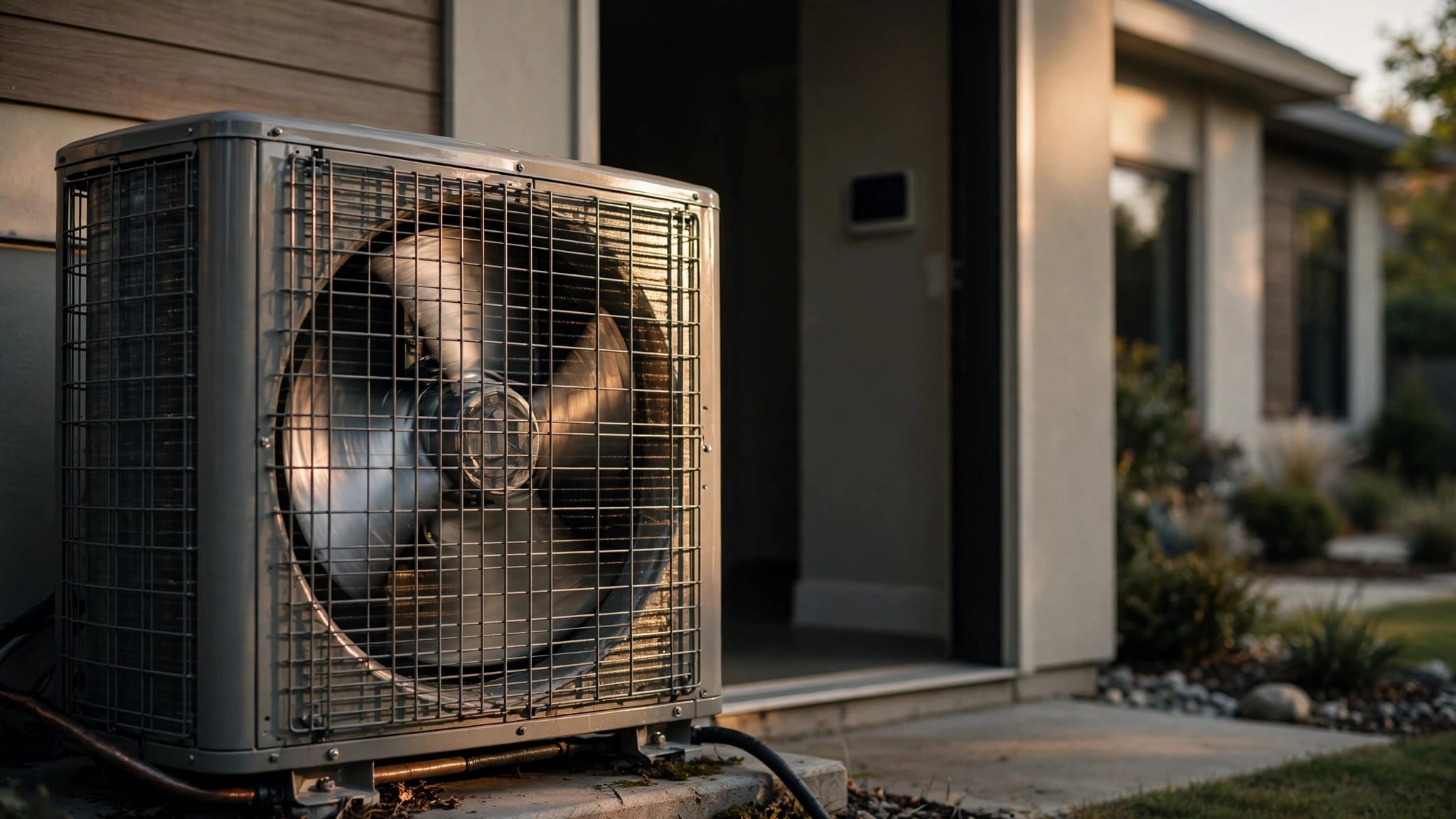
The outdoor condenser usually has a dedicated 240-volt circuit. The manufacturer lists the minimum circuit ampacity and maximum overcurrent protection on the equipment data plate or installation instructions. Those figures determine the proper wire size and breaker. An installer shouldn't select a breaker based only on the old system's setup.
A larger replacement unit can require more electrical capacity, but size alone doesn't tell the whole story. Some variable-speed and inverter-driven systems control motor speed differently from older single-stage equipment. Their operating current may be lower in certain conditions, while their installation requirements still differ.
The home's electrical service capacity also matters. A panel labeled 100 amps, 150 amps, or 200 amps has a total service rating. That number doesn't show how much capacity remains for a new AC. A qualified electrician may need to perform a load calculation that considers the home's major electrical equipment, including the range, water heater, pool equipment, electric dryer, and other HVAC systems.
If the replacement uses the same voltage and fits the existing circuit, no major upgrade may be needed. However, the contractor still needs to verify the circuit, connections, grounding, disconnect, and protective devices before connecting the unit. Professional air conditioning installation services should include this electrical review, not only placement of the indoor and outdoor equipment.
Electrical Upgrades Commonly Needed During AC Replacement
The work required depends on the home's age, existing installation, and replacement equipment. Some projects need one small correction. Others reveal several electrical problems at once.
A properly sized circuit breaker is one of the most common changes. The breaker must protect the conductors and match the manufacturer's requirements for the air conditioner. Installing a larger breaker to stop nuisance trips is unsafe if the wire can't carry the added load. The correct solution may involve replacing both the breaker and the wiring.
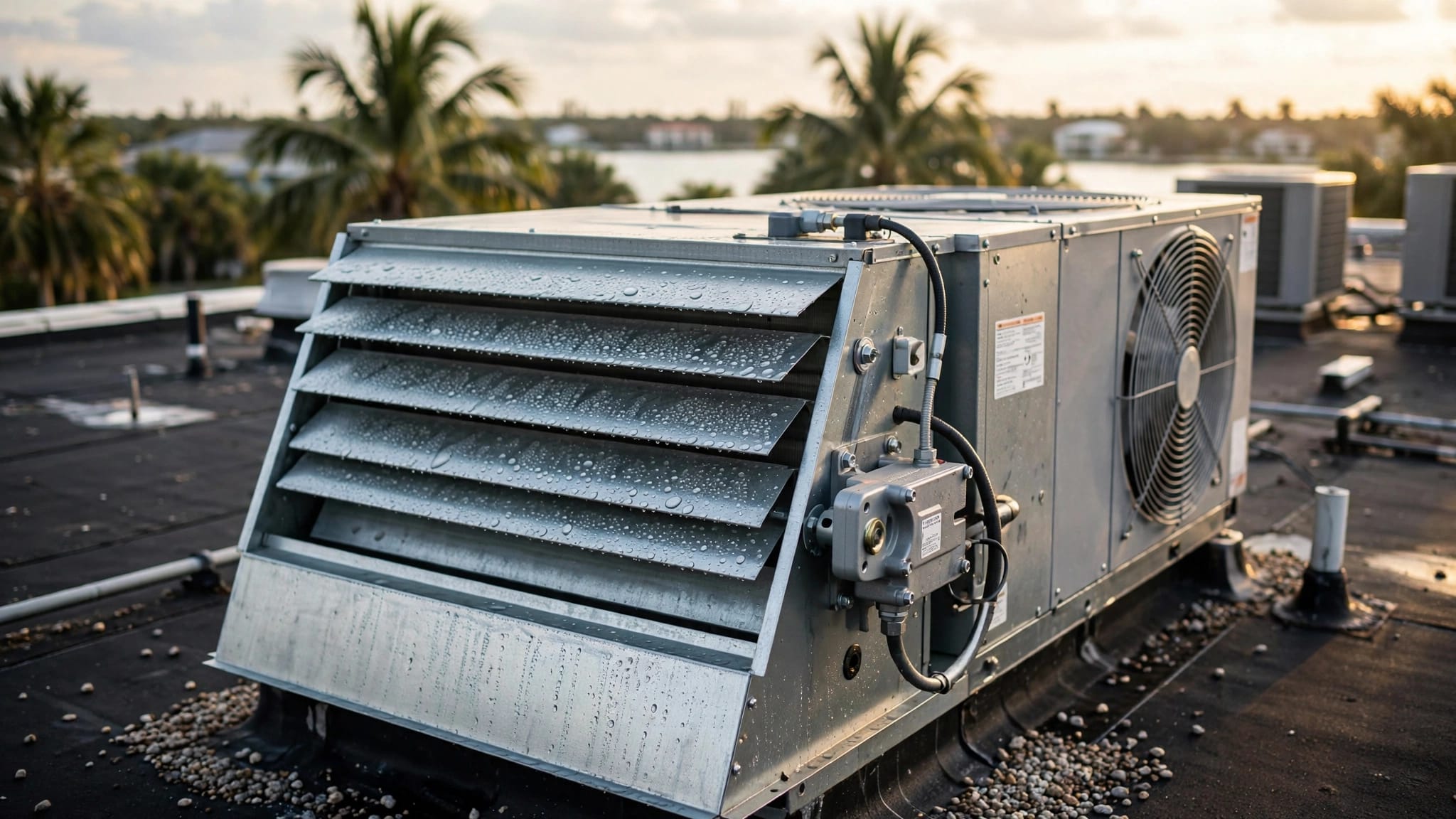
The circuit wiring may need replacement when insulation has cracked, connections have overheated, or the conductors are too small. Coastal humidity and salt air can also contribute to corrosion at outdoor electrical components, particularly when enclosures or fittings have deteriorated. The installer should inspect the full circuit rather than checking only the breaker.
The outdoor disconnect provides a nearby way to shut off power while servicing the condenser. If the existing disconnect is damaged, corroded, improperly rated, or in the wrong location, the replacement project may include a new one. The disconnect and outdoor whip should match the equipment and local requirements.
A panel upgrade becomes more likely when the panel has no room for a dedicated AC breaker, shows heat damage, contains obsolete equipment, or lacks enough service capacity. The panel may not need replacement simply because it is old. Its condition, available spaces, rating, and calculated load all matter.
Grounding and bonding also deserve attention. Loose terminals, missing covers, damaged conduit, and poor connections can create shock or fire hazards. These issues aren't cosmetic. They affect how safely the system operates during normal use and during a fault.
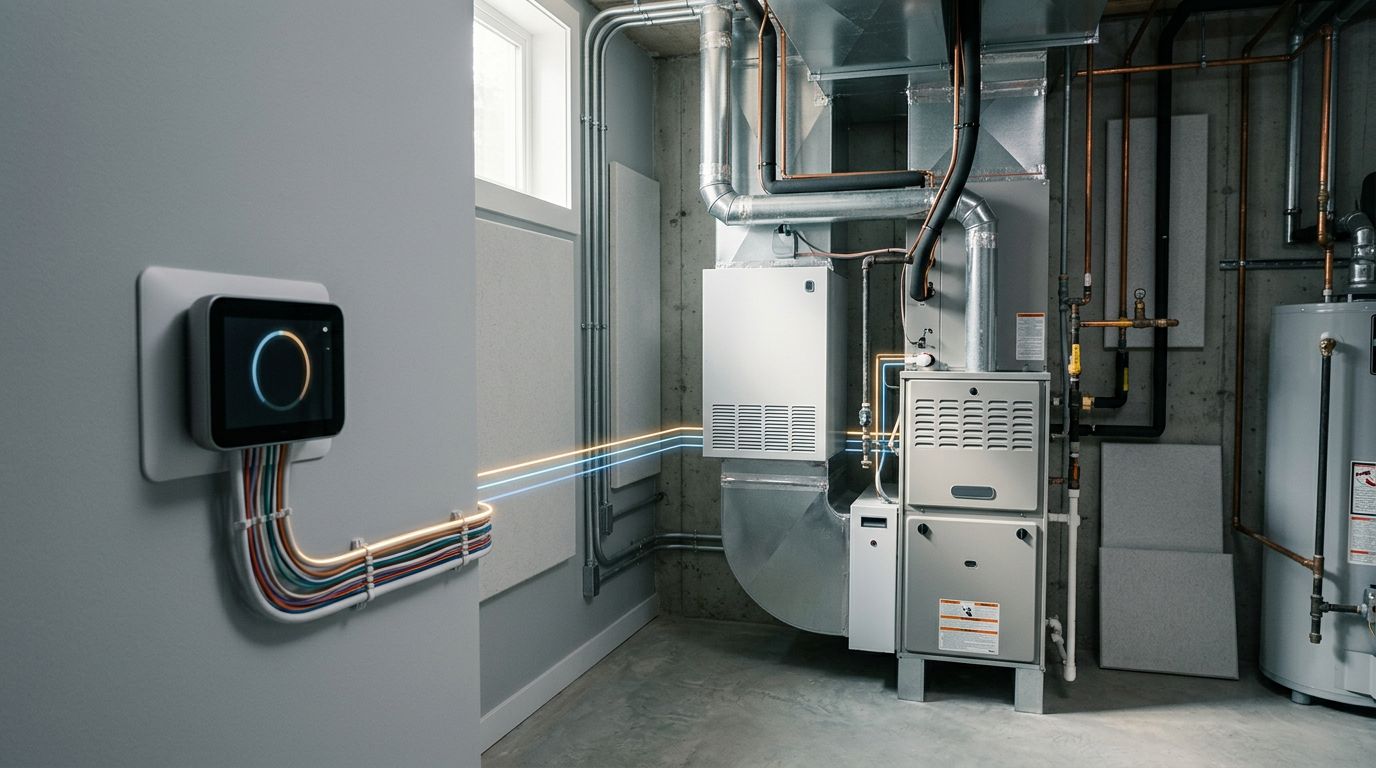
Some newer systems also need control wiring or thermostat changes. A new thermostat may require a common wire, compatible low-voltage wiring, or different controls. That work is separate from the high-voltage circuit, but it belongs in the same installation plan.
Signs Your Existing Electrical System May Not Be Ready
Homeowners often discover electrical problems before replacement when the AC starts acting strangely. Frequent breaker trips are an obvious warning, although they don't always mean the breaker itself is the problem. A failing compressor, shorted wire, loose connection, or undersized circuit can cause the same symptom.
Watch for these conditions before the installation appointment:
- Lights dim noticeably when the air conditioner starts.
- The breaker trips repeatedly during hot weather.
- The panel, disconnect, or conduit feels hot or shows discoloration.
- You smell burning plastic near the panel or outdoor condenser.
- The outdoor disconnect has rust, water damage, or a loose cover.
- The panel has no open spaces for a dedicated circuit.
- Fuses, outdated breakers, or damaged wiring remain in service.
- The existing AC runs on a circuit that doesn't match its listed requirements.
A single trip after a storm doesn't prove that an upgrade is needed. Repeated trips, heat, buzzing, scorch marks, and burning odors require prompt attention. Turn the system off if you smell burning or see visible damage, then arrange a professional inspection.
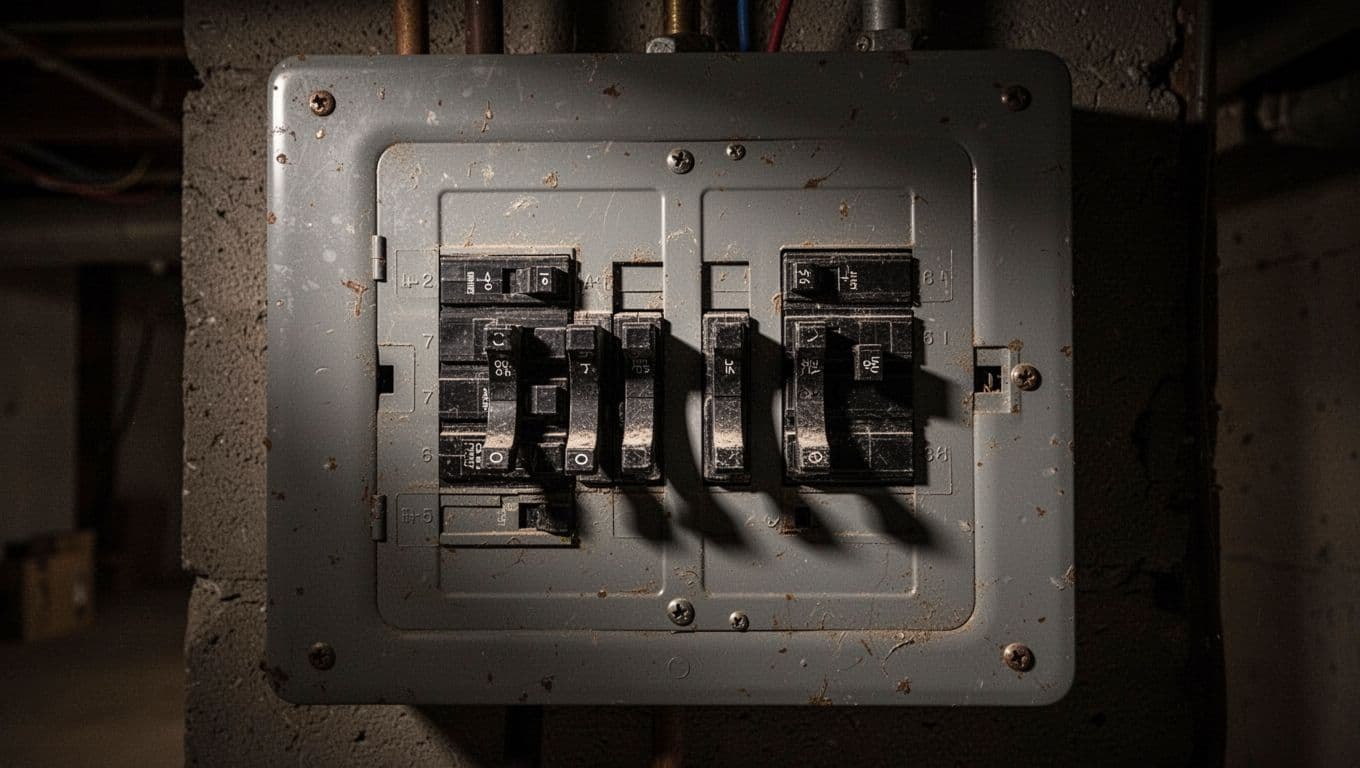
An aging electrical panel can create installation problems when the replacement system needs a different circuit or more available capacity.
Homes built several decades ago deserve extra care because electrical standards, equipment types, and household loads have changed. A panel that once handled a small air conditioner may now serve a pool pump, multiple refrigerators, smart-home equipment, and other high-demand appliances.
Florida homes also face heat, humidity, storms, and coastal exposure. Those conditions make the condition of outdoor electrical connections especially important. The inspection should include the condenser disconnect, conduit, whip, and connections, not only the indoor panel.
How Contractors Decide Which AC Electrical Upgrades You Need
A reliable replacement estimate starts with the equipment specifications and the home's existing electrical information. The contractor should identify the proposed system's voltage, minimum circuit ampacity, maximum breaker size, and manufacturer-required components.
Next, the installer checks the existing panel and circuit. This includes the breaker rating, conductor size, wire condition, grounding, disconnect, and routing to the outdoor unit. If the panel appears overloaded, an electrician may complete a formal load calculation before recommending a service or panel upgrade.
The contractor should also confirm whether the existing circuit is dedicated to the air conditioner. Sharing a circuit with another major appliance can create performance and safety problems. A dedicated circuit is typically part of a standard central AC installation, but the actual requirements come from the equipment and local code.
Permits and inspections may apply to AC replacement and electrical work in Cape Coral and surrounding Southwest Florida communities. Ask who will pull the permit, arrange the inspection, and correct any issues identified by the inspector. Those details should appear in writing before work begins.
Your quote should separate equipment, labor, electrical changes, permits, and optional repairs. That format makes it easier to compare estimates. The lowest initial price may not include a new breaker, disconnect, wiring, or panel work. Comparing HVAC installation estimates can help you spot missing details before approving a project.
Electrical work can raise the replacement price, but the amount varies widely. A breaker and disconnect change is a smaller project than a new circuit run or service upgrade. Access through an attic, finished wall, crawl space, or long exterior route can also affect labor.
For a broader look at equipment, installation, permit, ductwork, and electrical pricing, review these 2026 AC replacement cost estimates. Treat any published range as a planning tool, not a substitute for an on-site quote.
How to Plan a Safe AC Replacement
Schedule the electrical assessment before the installation date, especially if the home has an older panel or a history of breaker problems. Finding an issue early gives the contractor time to coordinate an electrician, obtain permits, and order the required parts.
Ask these questions during the estimate:
- What are the new system's voltage, minimum circuit ampacity, and maximum breaker requirements?
- Can the existing circuit and panel support the equipment?
- Will the breaker, wiring, disconnect, thermostat, or conduit need replacement?
- Does the project require a permit or inspection?
- Is electrical labor included in the written price?
- Who completes and warranties the electrical work?
Don't ask an HVAC technician to bypass a breaker problem or connect new equipment to an unverified circuit. A licensed electrician should handle panel changes, service upgrades, and other work that falls under electrical licensing rules. The HVAC installer can then complete the equipment connection and test the system.
After installation, the contractor should verify voltage, amperage, refrigerant operation, airflow, thermostat response, and safe startup. Keep the final invoice, equipment documentation, permit records, and details of any electrical changes with your home records. If you need to arrange an evaluation or replacement estimate, Contact Us to schedule service with a local HVAC team.
Conclusion
An AC replacement may require electrical upgrades when the new system has different circuit requirements or the existing installation shows age, damage, or limited capacity. The right fix could be a new breaker and disconnect, updated wiring, a dedicated circuit, or a larger panel.
A careful inspection prevents surprises and protects your equipment, home, and family. Before approving the replacement, ask for the electrical scope in writing and make sure the completed work meets the equipment requirements and local regulations.