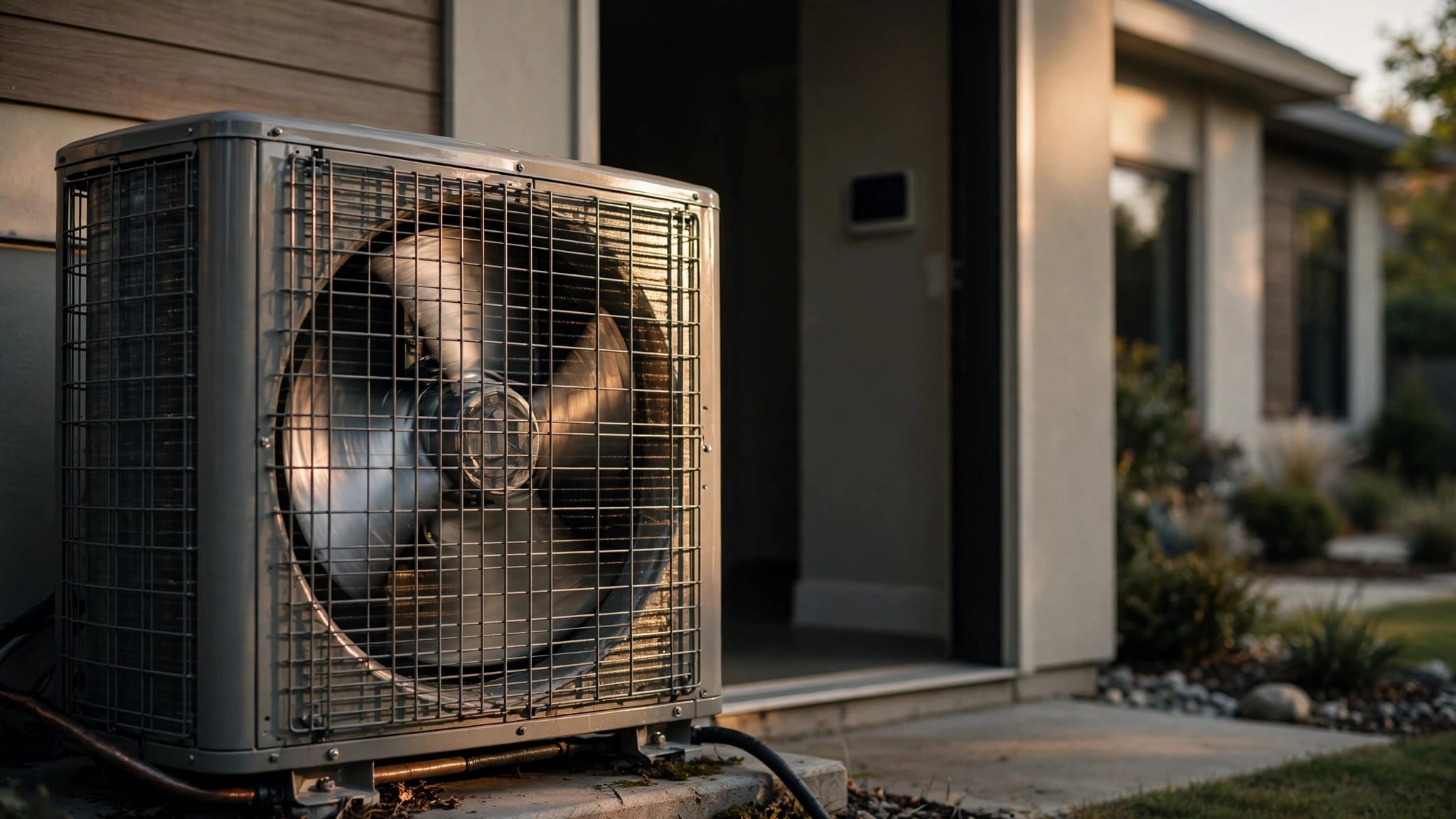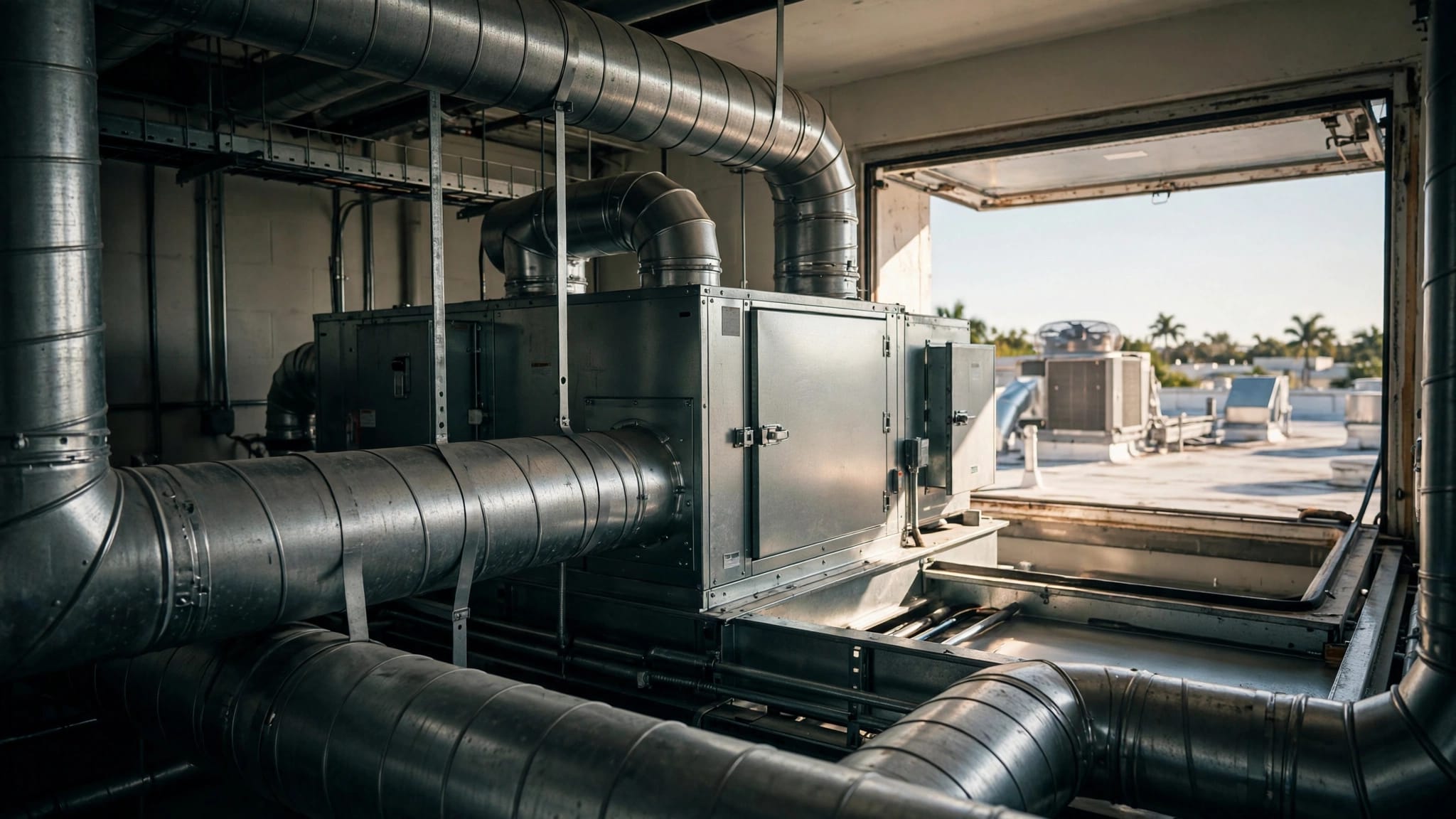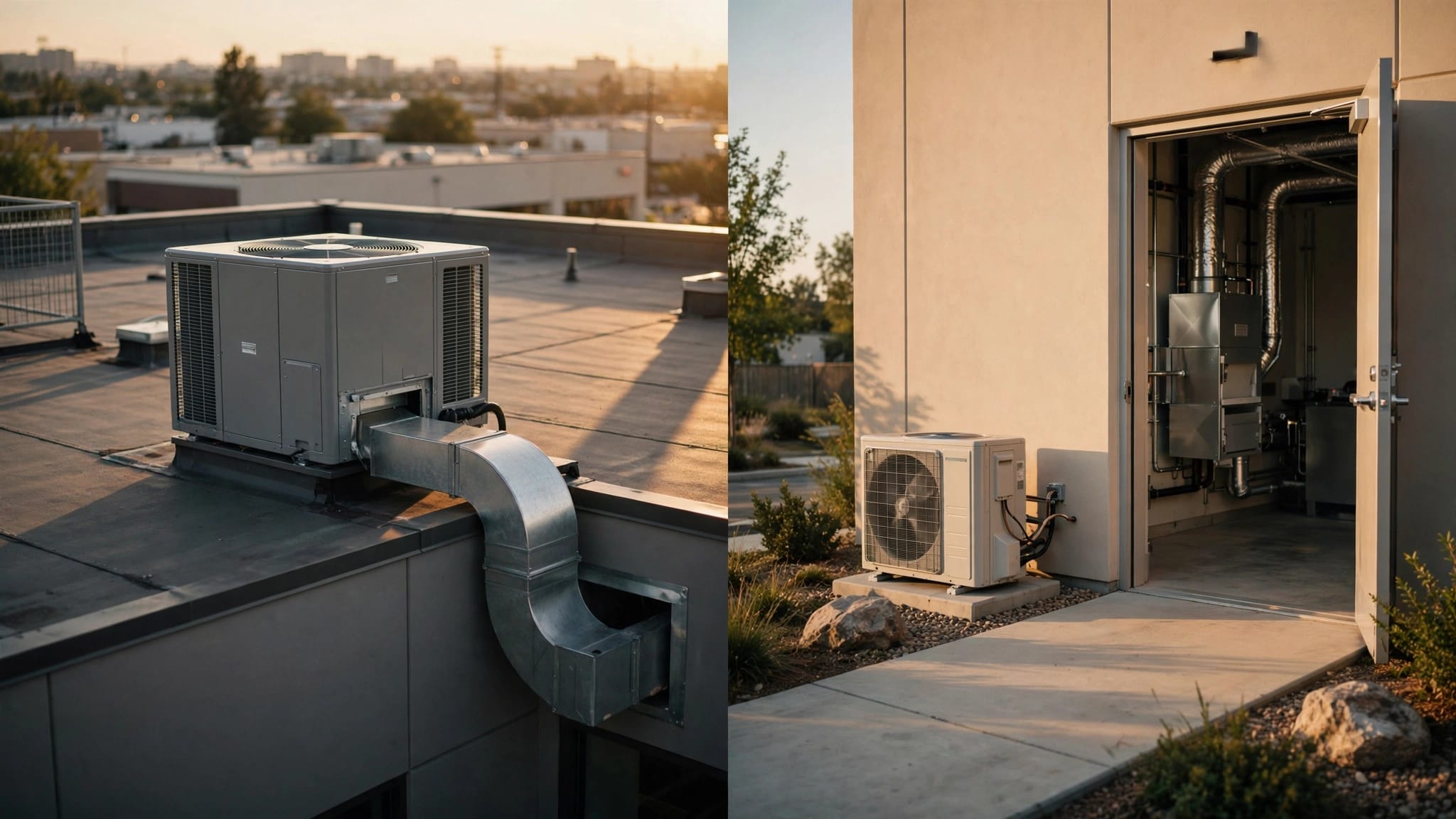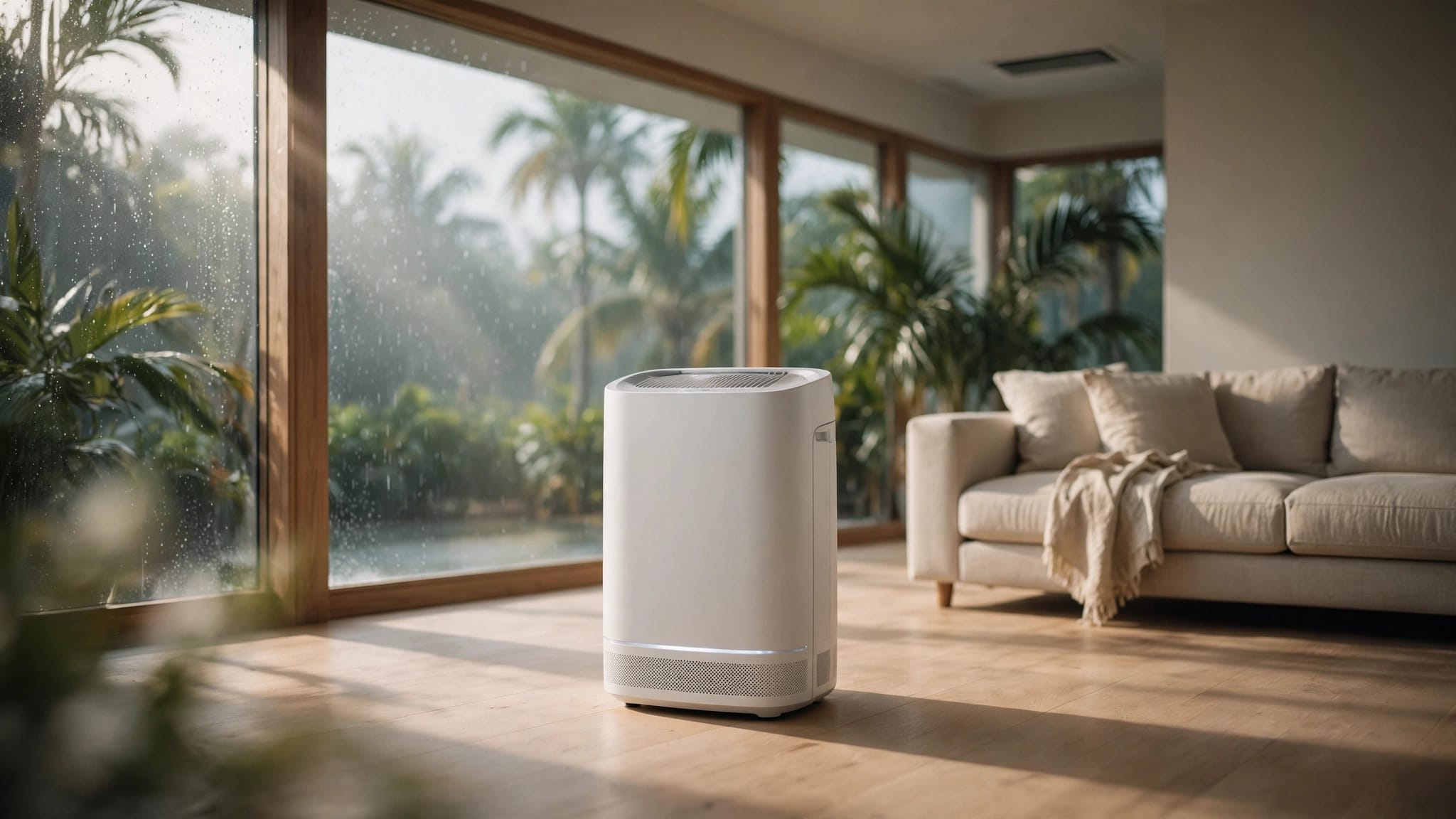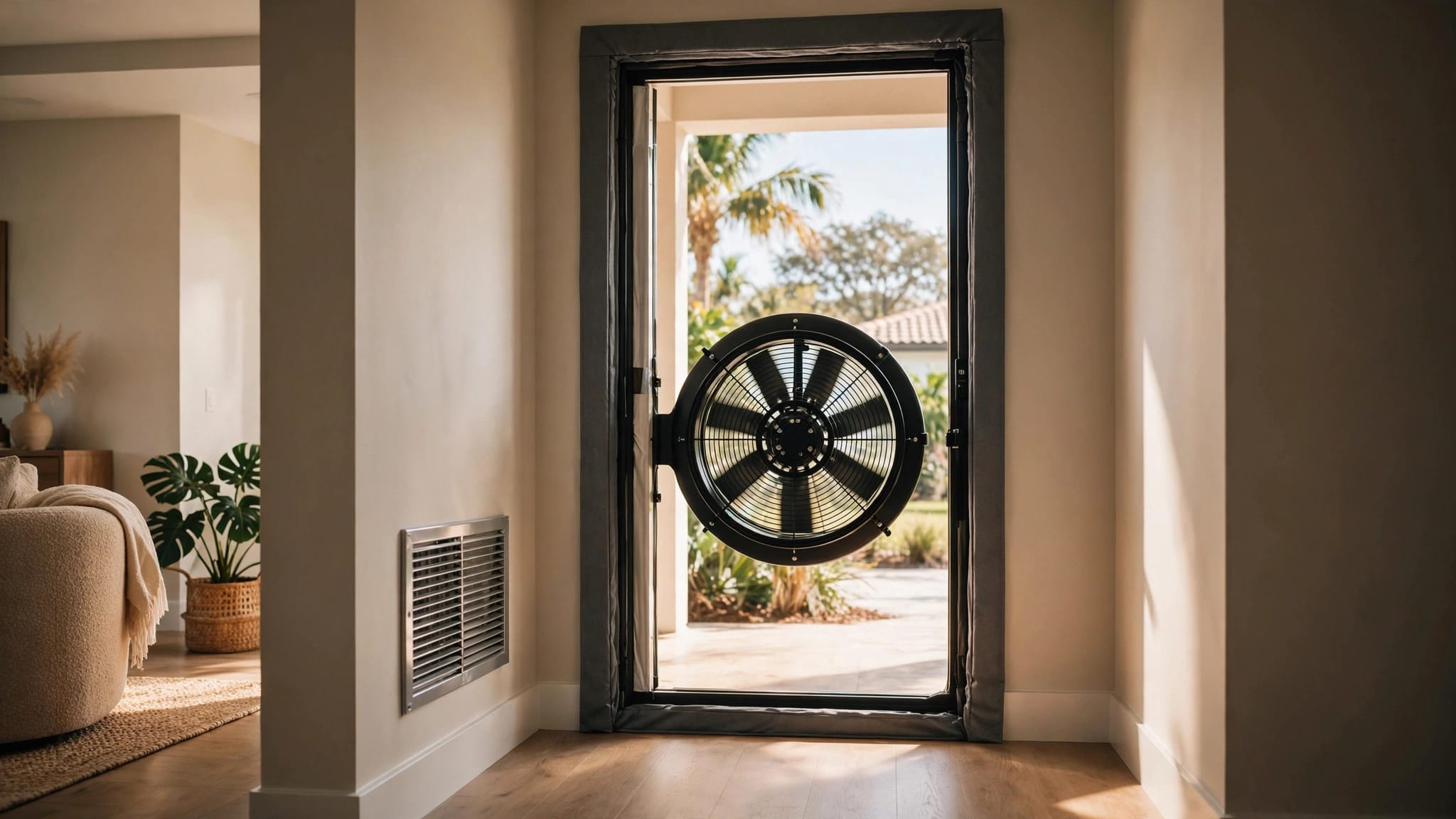
A whole-home air purifier can cost anywhere from about $500 to more than $4,500 in Cape Coral. Most complete installations, however, fall between $2,200 and $3,500 when equipment and labor are included.
The price depends on your home's size, existing HVAC system, ductwork, selected filtration method, and installation access. Cape Coral's heat, humidity, long cooling season, and coastal air can also affect the equipment and labor needed.
Before you request an estimate, it helps to know what each system does and which costs belong in a fair quote.
Key Takeaways
- A realistic 2026 whole-home air purifier cost in Cape Coral is often $2,200 to $3,500 installed .
- Basic media filtration may cost $500 to $1,000 , while whole-home HEPA systems can exceed $4,500.
- Your HVAC capacity, duct layout, electrical access, and household needs affect the final price.
- Air purification doesn't replace humidity control, duct repairs, regular filter changes, or mold remediation.
- Ask for equipment details, replacement costs, warranty coverage, and installation work in writing.
What a Whole-Home Air Purifier Does
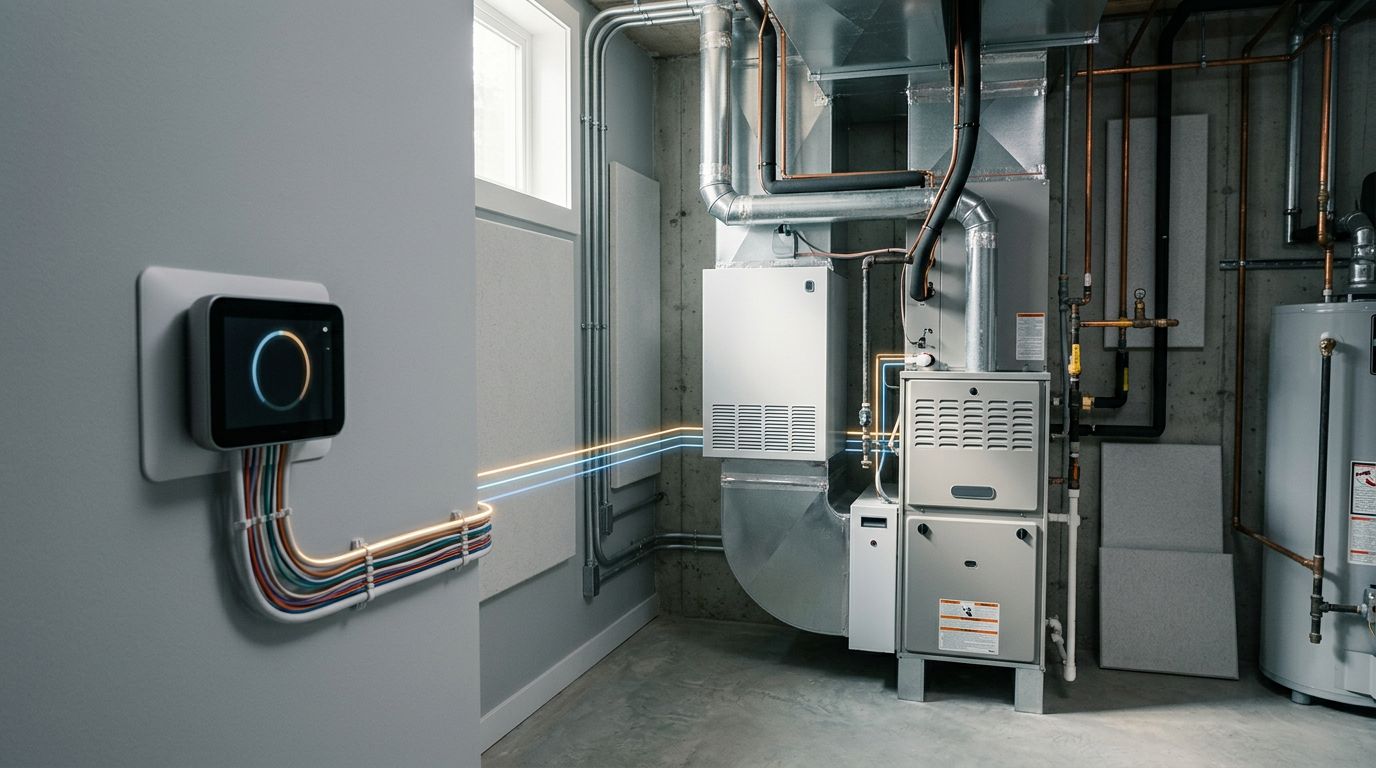
A whole-home air purifier connects to your central HVAC system, usually near the return air plenum or supply ductwork. As the blower moves air through the ducts, the purifier captures or treats selected airborne particles.
That setup differs from a portable purifier, which cleans air in one room. A central system can treat air throughout the home, but only when air passes through the HVAC system. If the blower isn't running, the purifier isn't actively circulating and treating air.
Several equipment types fall under the indoor air quality category. A media air cleaner uses a deeper filter cabinet than a standard one-inch filter. Depending on the model, it may use MERV 11 through MERV 16 filtration to capture more dust and other particles.
Electronic or ionizing systems charge airborne particles so the collection plates can capture them. UV light systems target biological growth on damp HVAC surfaces, such as coils. They don't remove dust from the air by themselves.
Whole-home HEPA systems provide a higher level of particle filtration, but they may require dedicated ductwork or a larger blower capacity. A high-efficiency filter can restrict airflow if the HVAC system wasn't designed to handle it.
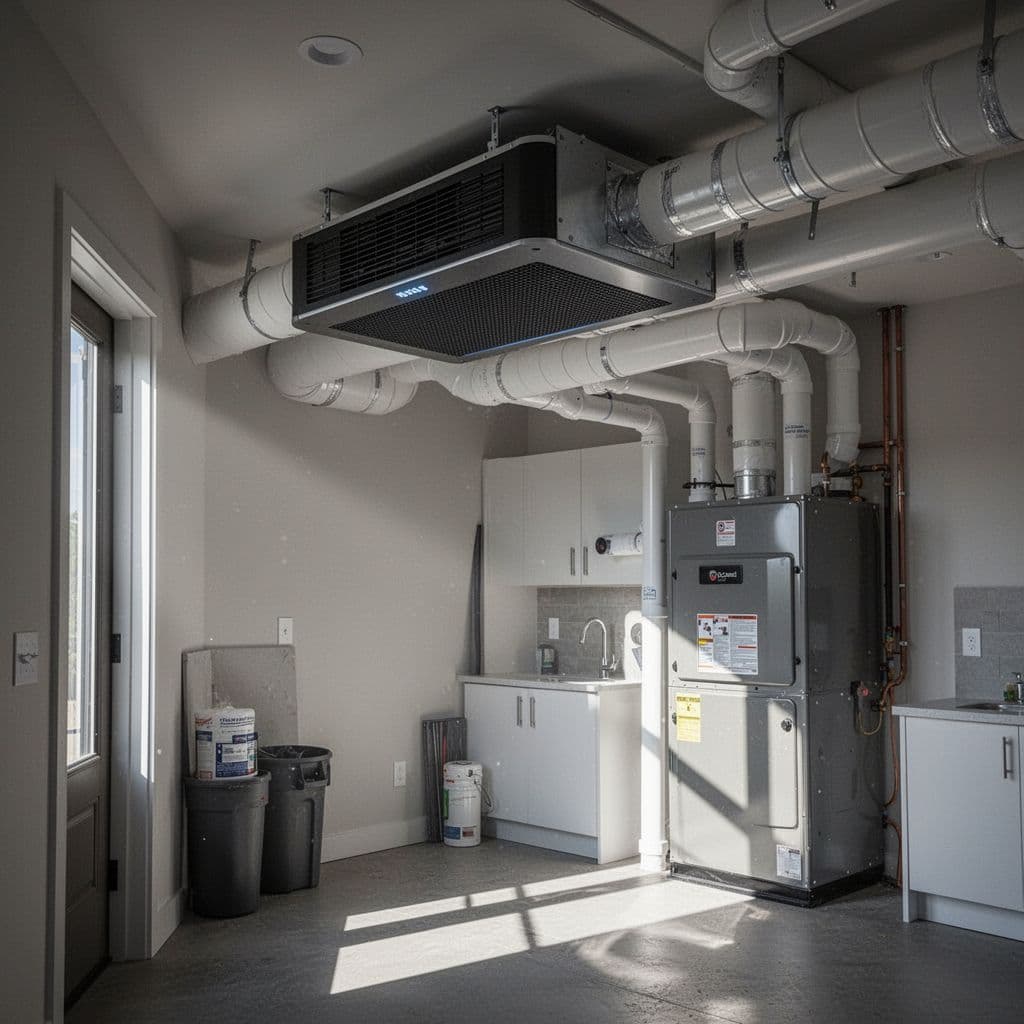
Your household's needs should guide the choice. Pet hair, outdoor dust, allergies, renovation debris, odors, and concerns about coil cleanliness may call for different equipment. A technician should also check airflow and system compatibility before recommending a filter with higher resistance.
2026 Pricing Ranges for Cape Coral Homes
For budgeting purposes, plan on $2,200 to $3,500 for a full whole-home setup in a typical Cape Coral home. This range includes equipment and professional installation, but it isn't a fixed local price.
A smaller or simpler installation may cost less. A large home, difficult duct layout, high-efficiency HEPA system, or combined air quality project may cost more.
These estimated installed ranges show how the main options compare:
| System type | Estimated installed cost | Common use |
|---|---|---|
| Media air cleaner | $500 to $1,000 | Dust and airborne particles |
| Electronic air cleaner | $800 to $1,500 | Particle capture through charged collection |
| UV light system | $550 to $1,100 | Treating surfaces inside HVAC equipment |
| Whole-home HEPA system | $1,400 to $4,500 or more | Higher-level particle filtration |
| Hybrid HEPA and UV system | $1,500 to $3,300 | Combined particle and surface treatment |
| Combination IAQ system | $1,500 to $4,500 | Multiple treatment methods |
A national 2026 benchmark places the average whole-house purifier installation near $2,610, although published estimates vary widely. A low Florida average near $999 may reflect a basic media filter installation, rather than a full HEPA, UV, or combination project.
The equipment itself isn't the entire bill. Southwest Florida HVAC labor for custom indoor air quality work may run about $100 to $250 per hour. Technicians may need to modify sheet metal, install a new filter cabinet, add electrical connections, or adjust the system after installation.
A basic media cleaner often offers the lowest entry price because it fits into a conventional duct system. HEPA and combination systems cost more because they may require larger cabinets, additional ductwork, or changes to airflow.
Why Cape Coral Installation Quotes Vary
Home size is one pricing factor, but square footage alone doesn't determine the right purifier. The technician also needs to consider the HVAC unit's airflow, filter size, blower capacity, and whether one system serves the entire house.
A home under 1,500 square feet may work well with a basic media air cleaner if the existing ductwork has enough space. Homes between 1,500 and 3,000 square feet often need a larger cabinet or higher-capacity equipment. Larger homes may require zoning considerations or more than one air handler.
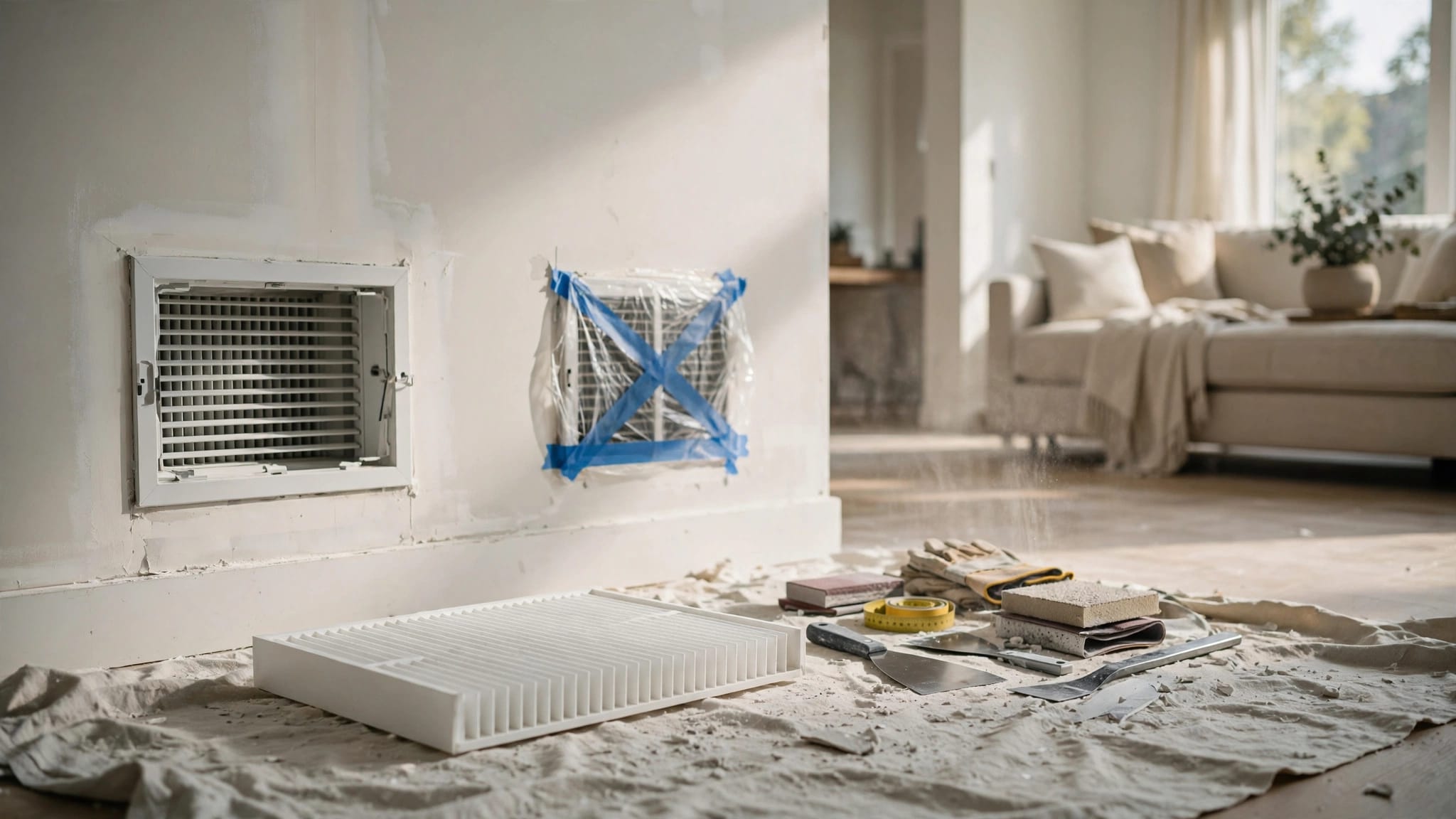
The condition of the ductwork can change the quote as well. A tight, accessible system is easier to modify than ductwork hidden behind finished walls or located in a cramped attic. Duct repairs, added transitions, or cleaning may add roughly $300 to $700 when the project requires that work.
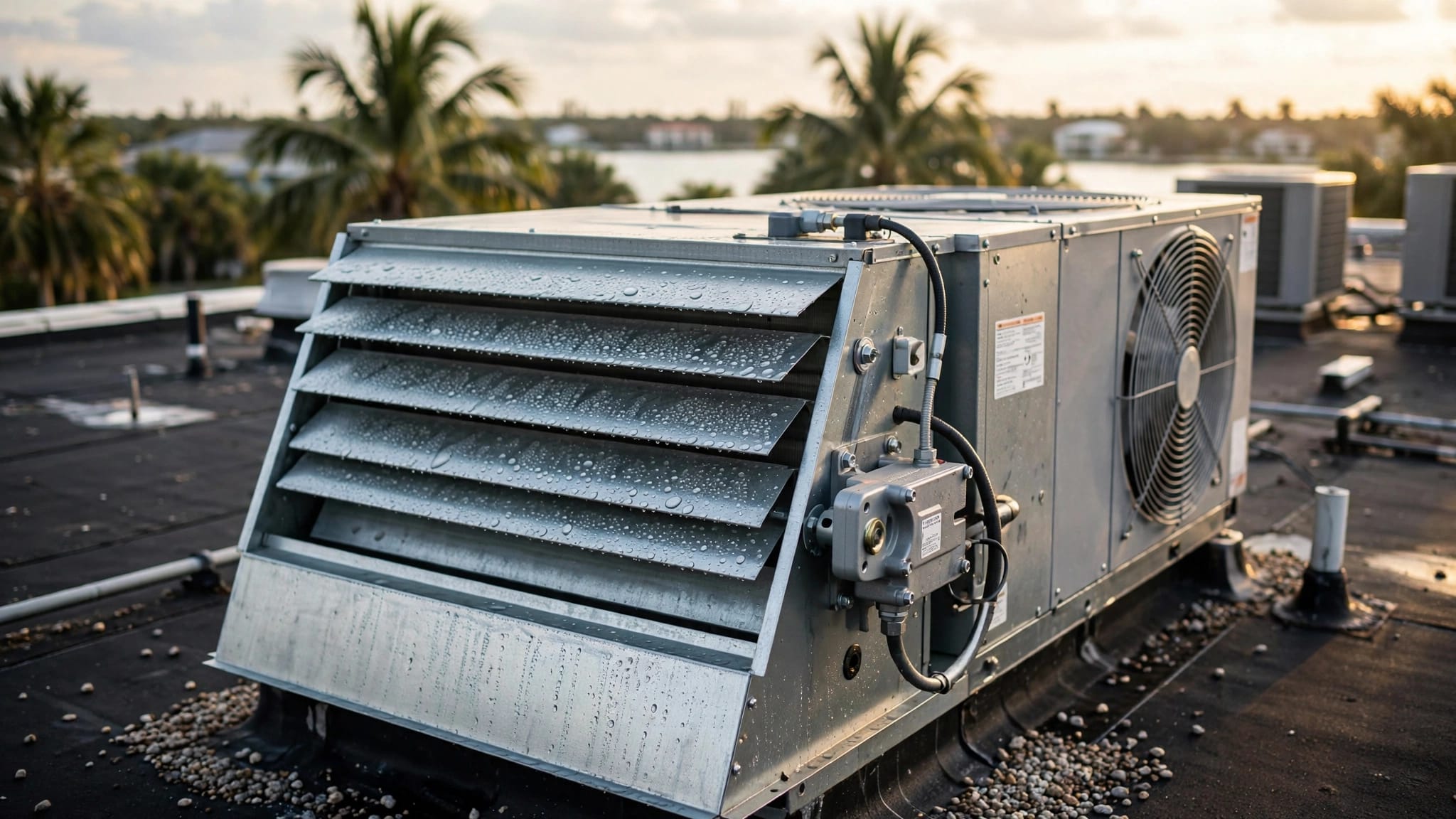
Cape Coral's coastal setting can affect equipment selection. Salt-laden air may contribute to corrosion on exposed HVAC components, so placement, materials, and cabinet protection deserve attention. A qualified installer should look at the equipment location instead of applying the same recommendation to every property.
Humidity is another important distinction. An air purifier removes or captures certain airborne contaminants, but it doesn't dehumidify the home. If indoor humidity remains high, you may need a separate dehumidifier, improved air conditioning performance, or duct and drainage repairs.
A whole-home dehumidifier can add thousands of dollars to an indoor air quality project. Don't assume a purifier quote includes humidity control unless the proposal lists the equipment and work separately.
Your HVAC system's age matters, too. If the air conditioner is near replacement, a new purifier may need to fit the next system. Installing a cabinet without considering future equipment can create avoidable costs later.
How to Compare Whole-Home Air Purifier Estimates
Two quotes can show similar prices while describing very different systems. Read the equipment and installation details before comparing the totals.
A clear proposal should identify:
- The purifier type, manufacturer, model, and filtration rating
- Cabinet dimensions and the filter size or replacement media
- Any required ductwork, sheet metal, wiring, or control changes
- Labor, startup testing, and airflow checks
- Warranty coverage for equipment and workmanship
- Expected replacement parts and their maintenance schedule
- Whether cleaning, mold testing, or humidity control is included
Ask how the proposed system will affect static pressure and airflow. A filter with a higher rating isn't automatically the right choice if the blower cannot move air through it properly. Poor airflow can reduce comfort and place more strain on the HVAC system.
Also ask what the purifier can and cannot address. For example, a UV light doesn't replace a filter. A media filter doesn't solve a moisture problem. An air cleaner won't correct a leaking duct, blocked drain, or source of mold growth.
If someone recommends an electronic or ionizing system, ask for clear information about ozone emissions and required maintenance. The equipment should match your comfort preferences and household concerns, not a one-size-fits-all sales package.
A professional inspection should include the return duct, filter location, blower compartment, coil area, drain system, and available installation space. If the technician recommends extra work, request the reason and separate cost. That approach makes it easier to approve only the work your home needs.
For existing cooling equipment, regular care also matters. These benefits of professional AC tune-ups include checking airflow, coils, drainage, and humidity performance. Those conditions affect how well any added air-cleaning equipment operates.
Ongoing Filter and Service Costs
The installation price is only one part of the ownership cost. Media filters need regular replacement, and the correct interval depends on filter size, home use, pets, dust, construction, and indoor airflow.
In Cape Coral's long cooling season, check a standard one-inch filter monthly. Homes with pets or heavy dust may need replacement every 30 to 60 days. A deeper media cabinet may hold a larger filter that lasts longer, but follow the manufacturer's schedule rather than guessing.
Review these reasons for rapid air filter clogs if a new filter becomes dirty unusually fast. A clogged filter can point to high dust levels, poor filter fit, duct leakage, or an airflow problem.
UV lamps and electronic collection plates also need attention. Ask how often the lamp or plates require service, what replacement parts cost, and whether cleaning is included in a maintenance visit. These recurring expenses can make a lower-priced system less economical over several years.
A maintenance plan can help keep the purifier and HVAC equipment on the same schedule. Review available HVAC maintenance service plans before installation so you understand what routine visits cover.
If you want a local assessment of your HVAC setup and air-cleaning options, Contact Us to schedule a service call. The technician can review your equipment before recommending a system.
Conclusion
The right whole-home air purifier cost for your Cape Coral home depends on more than the purifier itself. Basic media systems may start near $500 installed, while complete projects commonly reach $2,200 to $3,500. HEPA and combination systems can cost more when they require duct changes or special airflow planning.
Get an itemized quote that separates equipment, labor, ductwork, controls, and ongoing maintenance. Most importantly, choose a system that fits your existing HVAC setup and addresses your household's actual concerns. That preparation keeps the price clear and helps your home receive the right level of air treatment.