A filter that turns gray in a couple of weeks is frustrating, but in Cape Coral, it isn't unusual. Your AC runs for long stretches, and it pulls in humid air, coastal dust, pollen, and pet hair the whole time.
That said, a dirty AC filter can mean more than normal wear. If it keeps clogging fast, the system may be pulling too much air through the wrong places, or it may be fighting a hidden airflow problem.
Cape Coral Conditions Put More Load on Filters
Cape Coral homes put HVAC filters to work almost year-round. During the long cooling season, your system runs more often and moves more air through the return. That means the filter traps more particles in less time.
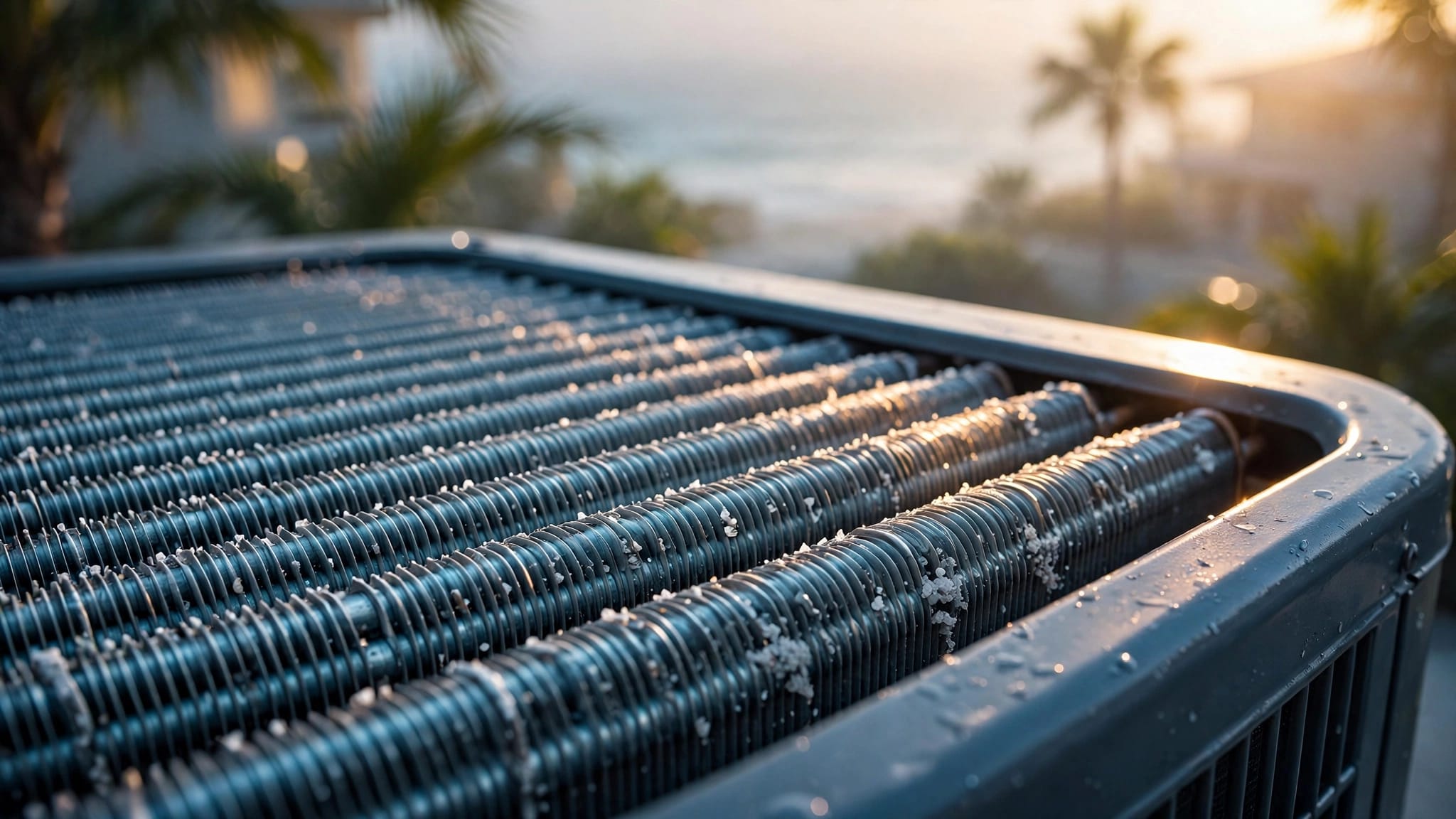
Humidity makes the job harder. Damp air helps dust cling to the filter fibers, so the buildup can look heavy even when the particles are fine. Coastal air adds its own mix of salt and grit, and those tiny bits can show up faster than many homeowners expect.
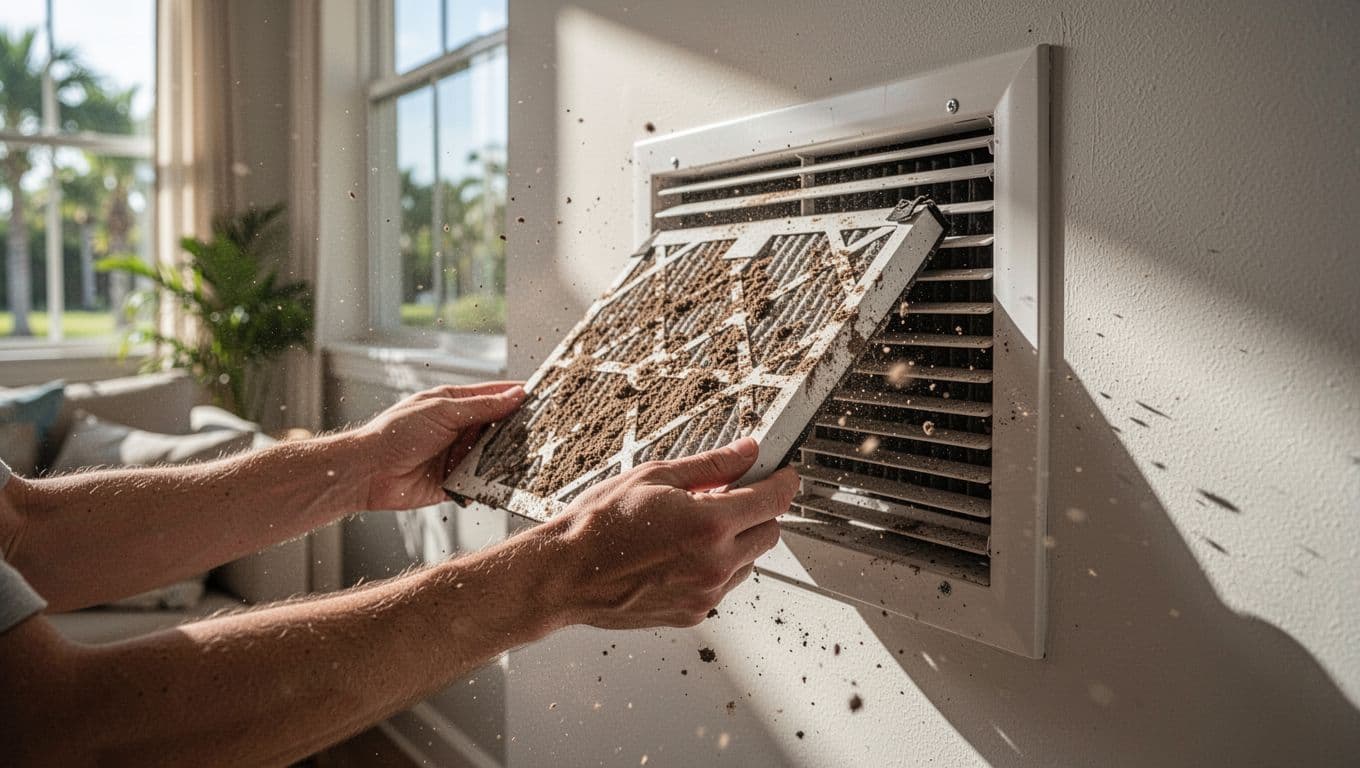
A filter also gets dirty faster when the AC runs for long cycles on hot afternoons. Every extra hour of runtime pushes more indoor air through the same small space. In other words, the filter is doing a bigger job here than it might in a milder climate.
That's why a Cape Coral homeowner may see a filter darken in 30 days, while another home elsewhere goes much longer. The goal isn't to avoid buildup completely. The goal is to know what kind of buildup is normal for your house.
Everyday Home Habits Add Dust and Lint
Local weather isn't the only reason filters clog fast. Daily life inside the home adds plenty of material too. Pets, cooking, cleaning, and open doors all send more particles into the air.
A few common habits make the biggest difference:
- Pets shed hair and dander that move straight toward the return.
- Cooking adds grease and fine residue, especially with frying or heavy use.
- Open doors and windows let in outdoor dust, pollen, and moisture.
- Fresh paint, sanding, or remodeling fills the air with fine debris.
- Frequent guests mean more foot traffic and more tracked-in dirt.
Even one or two of these can shorten a filter's life. Add them together, and a filter may look tired long before the next scheduled change.
The return grille matters too. If the area around the vent is dusty, the filter gets a head start on clogging. Vacuuming the grille and nearby floor space helps more than many people realize. So does keeping doors and windows closed when the AC is running hard.
If you have one or more shedding pets, expect more frequent changes during the hottest months. The same goes for homes with kids, heavy cooking, or a lot of indoor activity. A filter can only catch what passes through it, and busy homes move a lot of air.
When Fast Buildup Points to More Than a Dirty House
A fast-filling filter is normal when your system works hard and your home stays busy. It becomes a warning sign when the pattern changes.
A filter that looks evenly dusty after 30 to 60 days may be doing its job. A filter that looks packed in 7 to 14 days needs a closer look. Uneven dirt, black streaks, or a filter that bends inward can point to airflow trouble.
Here's a quick way to separate normal buildup from something more serious:
| What you see | What it often means | What to check |
|---|---|---|
| Even gray dust after a month or two | Normal use in a hot, humid climate | Keep checking monthly |
| One side dirtier than the other | Poor fit, bypass air, or duct leakage | Inspect the filter slot and ductwork |
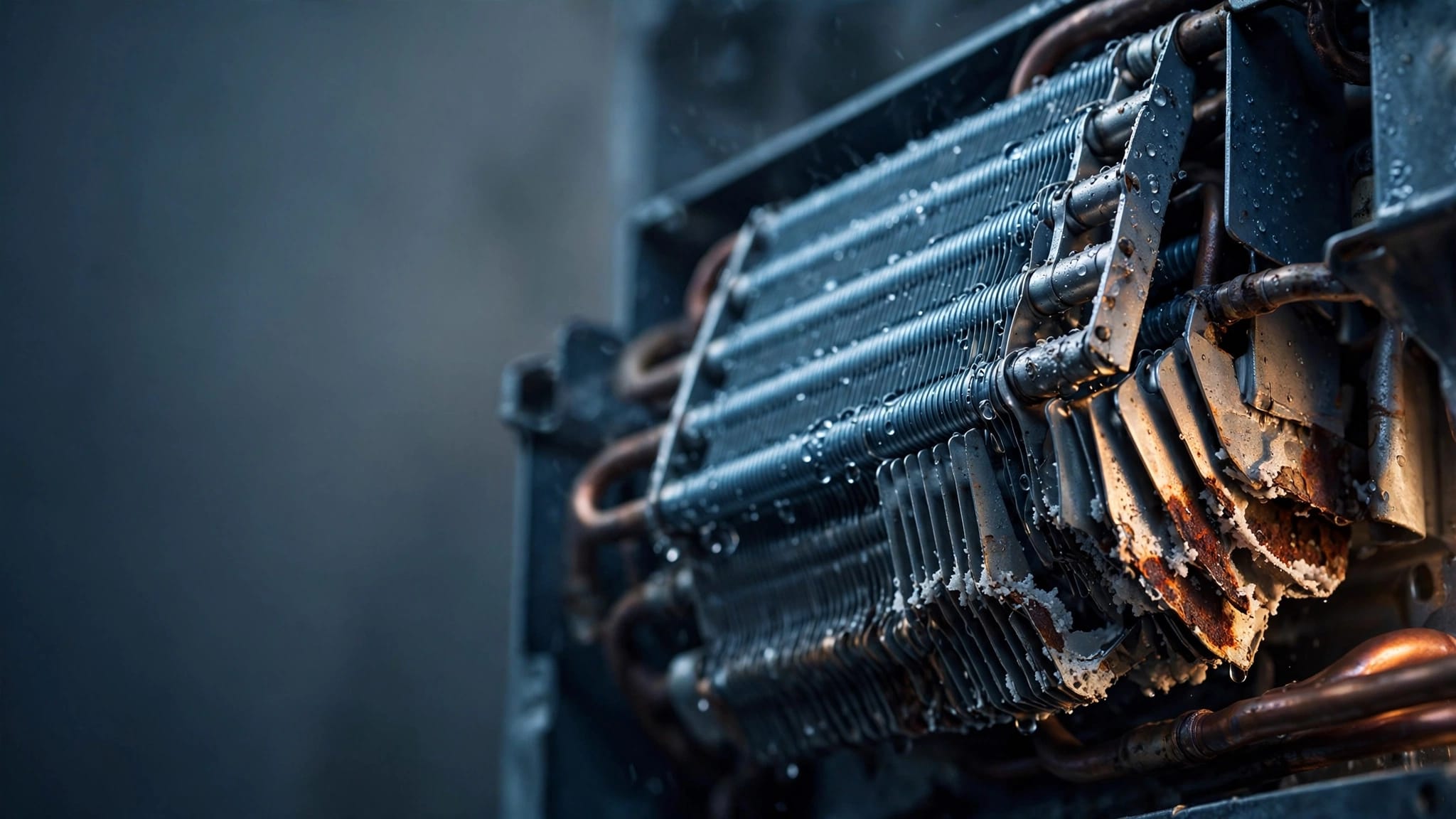
| Heavy buildup in one to two weeks | Excess dust, long runtime, or airflow restriction | Look for dirty coils or blocked returns |
| Weak vents, whistling, or hot rooms | Airflow problem or duct issue | Schedule service |
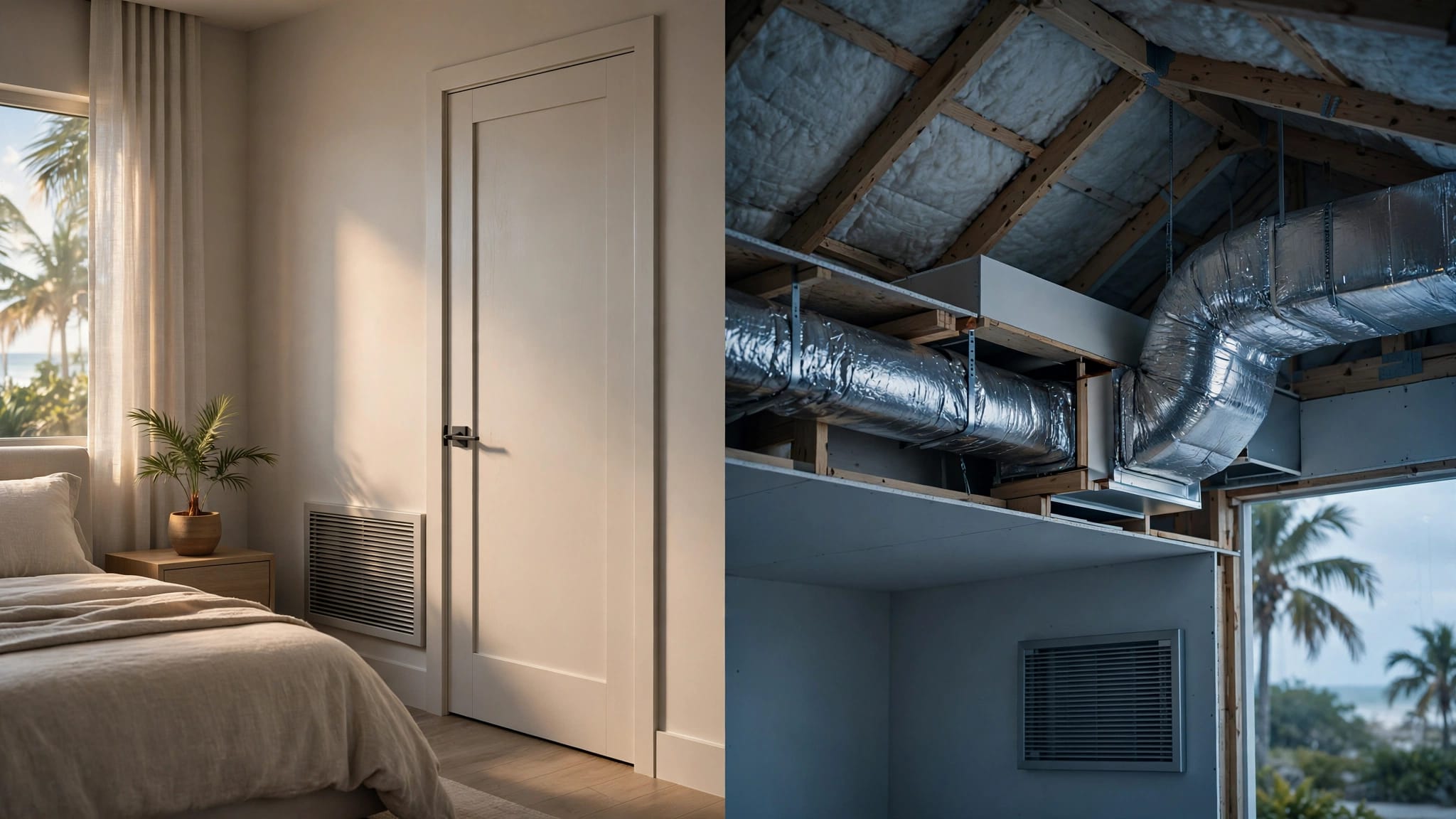
If the filter keeps getting dirty on one edge, air may be slipping around it instead of through it. That can happen when the filter is the wrong size, the slot leaks, or the duct system pulls in dust from an unsealed area. signs of leaking HVAC ductwork can help you spot that kind of problem before it keeps wasting clean air.
Another clue is comfort. When the house has warm rooms, weak vents, or an AC that seems to run forever, the filter may be getting blamed for a deeper issue. A dirty filter can slow airflow, but airflow problems can also make the filter dirty faster.
Choose a Filter That Fits Your System
Some homeowners try to fix dirty filters by buying the highest-rated filter they can find. That sounds smart, but it can backfire. A filter that is too dense for your system can choke airflow, and that strain can make the AC work harder.
The best filter is the one your system can handle without forcing air through a wall. Size matters first. If the filter does not fit snugly, dust will slip around the edges and into the system. A filter that bows, gaps, or rattles is usually the wrong fit.
MERV rating matters too. Many homes do well with a mid-range filter, often around MERV 8 to 11 , but the right choice depends on the equipment. A higher rating may catch smaller particles, yet it can also restrict airflow in a system that was not built for it.
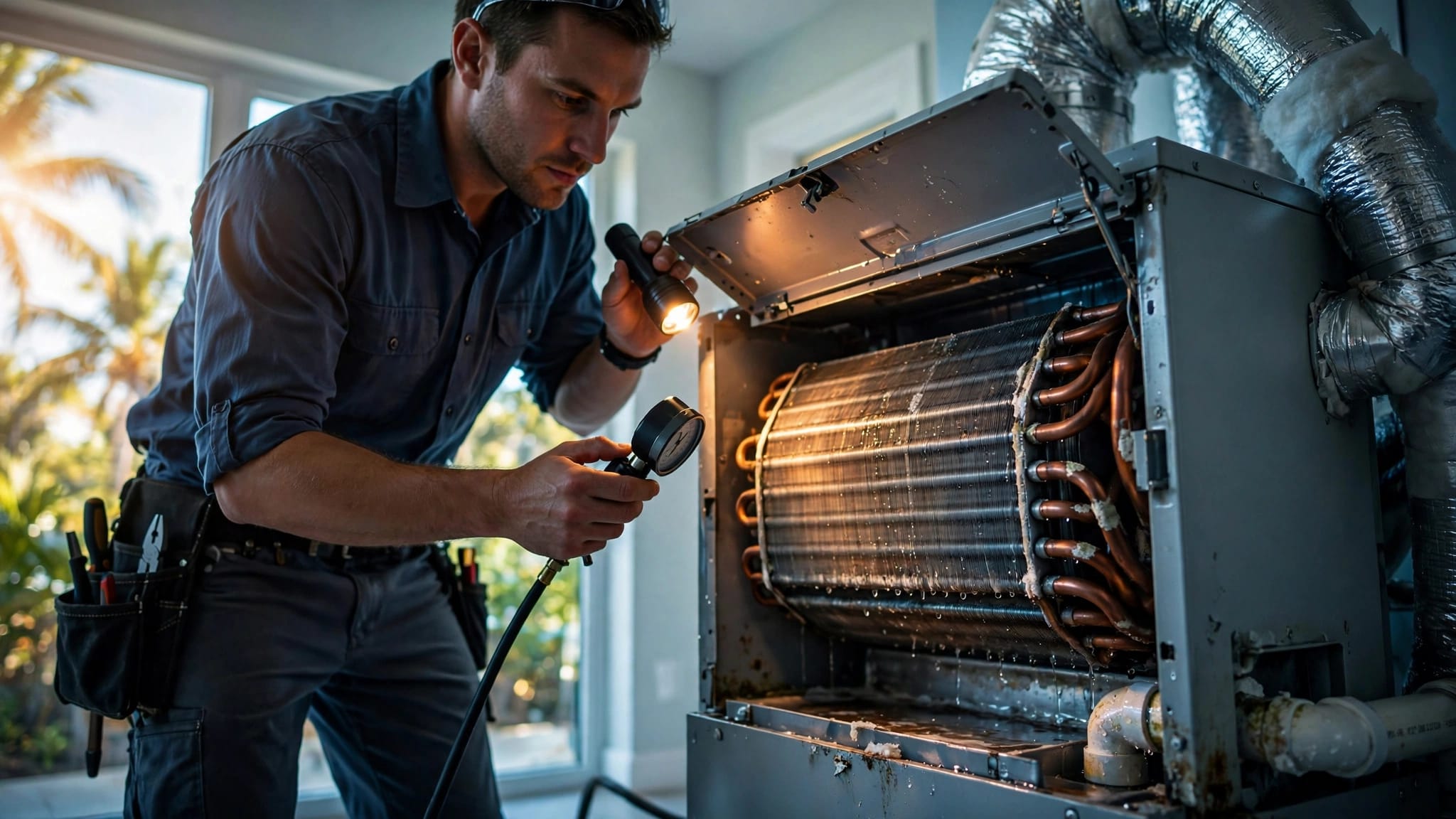
A seasonal AC tune-up in Cape Coral helps sort out those questions. During a service visit, a technician can check the filter fit, look at coils, inspect the drain line, and spot airflow issues that make filters clog early.
If your current filter is getting dirty too fast, ask whether the problem is the filter itself or the way air moves through the system. That distinction matters. Replacing filters won't solve a leaky return, a dirty coil, or a blocked duct.
A Simple Filter Routine That Works in Cape Coral
The easiest way to stay ahead of fast buildup is to check the filter on a schedule, not when it looks awful. In Cape Coral, monthly checks are a good habit during the long cooling season.
A practical timeline looks like this:
- 1-inch filters : check every month, replace every 30 to 60 days if you have pets or high dust.
- 2-inch filters : check monthly, and expect replacement around every 2 to 3 months.
- 4-inch or 5-inch filters : many last 3 to 6 months, but still inspect them each month.
- After storms, renovations, or deep cleaning : check sooner, because dust levels can spike.
Keep a spare filter on hand so you do not stretch the old one too long. Write the date on the frame when you install it. That small step makes it easy to see whether the filter is loading up on schedule or much faster than expected.
Also, keep the return area clean. Vacuum around the grille, wipe off visible dust, and make sure furniture is not blocking airflow. If you change the filter and it still looks dirty too soon, the system may need attention, not a stronger filter.
Conclusion
In Cape Coral, a filter can get dirty fast for simple reasons. Long cooling seasons, humidity, coastal air, pets, and everyday dust all add up. When the buildup is even and happens on a steady schedule, that is often normal.
When the filter clogs too fast, looks uneven, or comes with weak airflow, the problem may be bigger. A good filter choice, monthly checks, and a look at the ductwork can keep small issues from turning into bigger repairs.
If your filter keeps loading up early, that is your AC asking for a closer look. Contact Us to schedule service and get answers before the airflow problems spread.