Uneven cooling is often the first hint that your ductwork is leaking. In Cape Coral, that problem shows up fast because your AC runs hard for much of the year. When cooled air escapes into an attic or wall cavity, your home loses comfort, and your bills climb. The good news is that many ductwork leaks leave clear clues before they turn into a bigger repair.
Most homeowners notice the symptoms before they ever see the ducts themselves. The signs can look small at first, but together they paint a clear picture.
Common signs your ducts are leaking
The easiest clues usually show up in the rooms you use every day. One bedroom feels fine, while another stays warm. The living room cools down, but the hallway feels stuffy. That kind of uneven cooling is a classic sign that air is escaping before it reaches the vents.
Watch for weak airflow at one or more supply registers. If the vent barely pushes air while the thermostat keeps calling for cooling, the system may be losing pressure somewhere in the line. You may also hear whistling or light rattling when the AC starts. Those sounds often come from gaps, loose connections, or damaged joints.
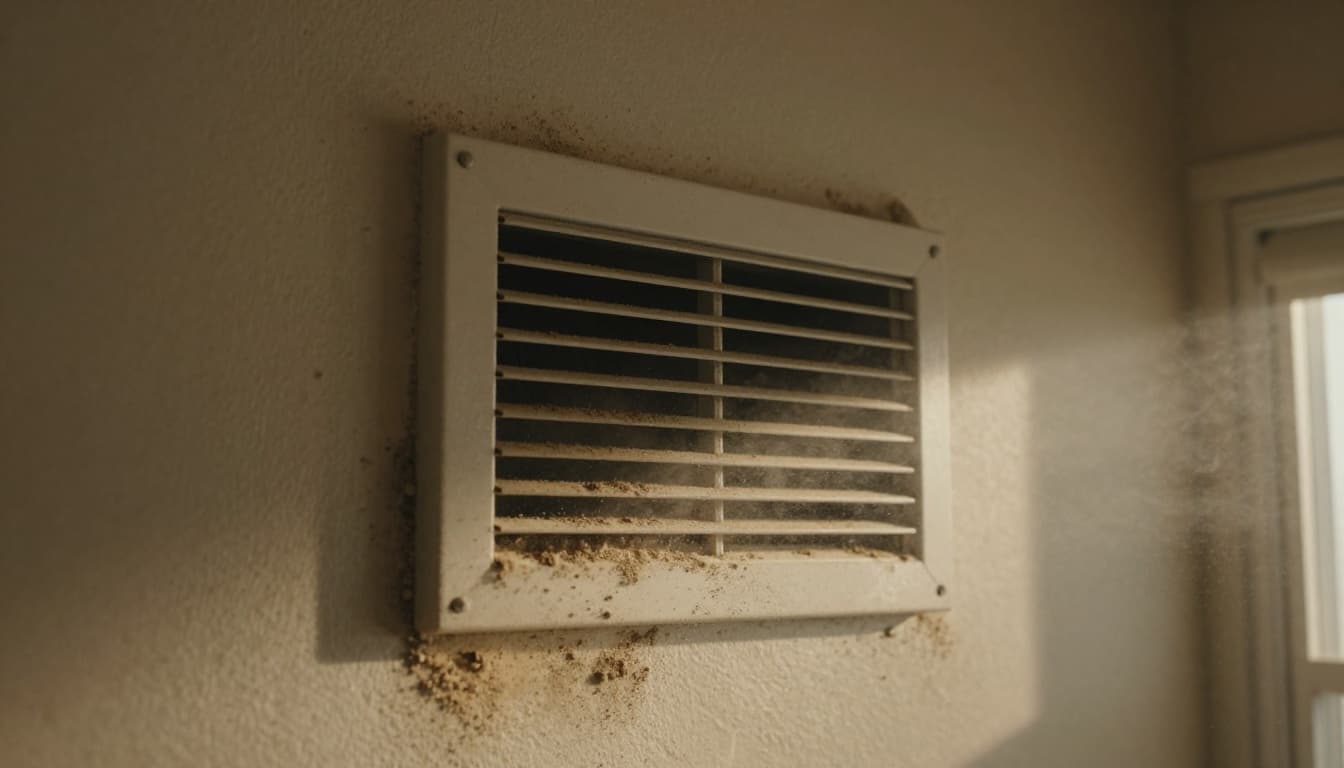
Dust is another clue. If you wipe off a vent cover and find it dirty again a few days later, or if you see dark dust streaks near the register, the system may be pulling debris from an attic space. That can also lead to musty odors or a stale smell when the air first comes on.
If a room feels hot while the thermostat says the house is cool, the ducts may be losing air before it ever reaches that space.
Rising utility bills matter too. When ducts leak, your system runs longer to reach the same temperature. As a result, you pay more for less comfort. In a long cooling season, that extra run time adds up fast.
A single sign may have another cause, but several together point toward leaking ducts. Weak airflow, dust, hot spots, and higher bills usually travel as a group.
Why Cape Coral homes notice leaks sooner
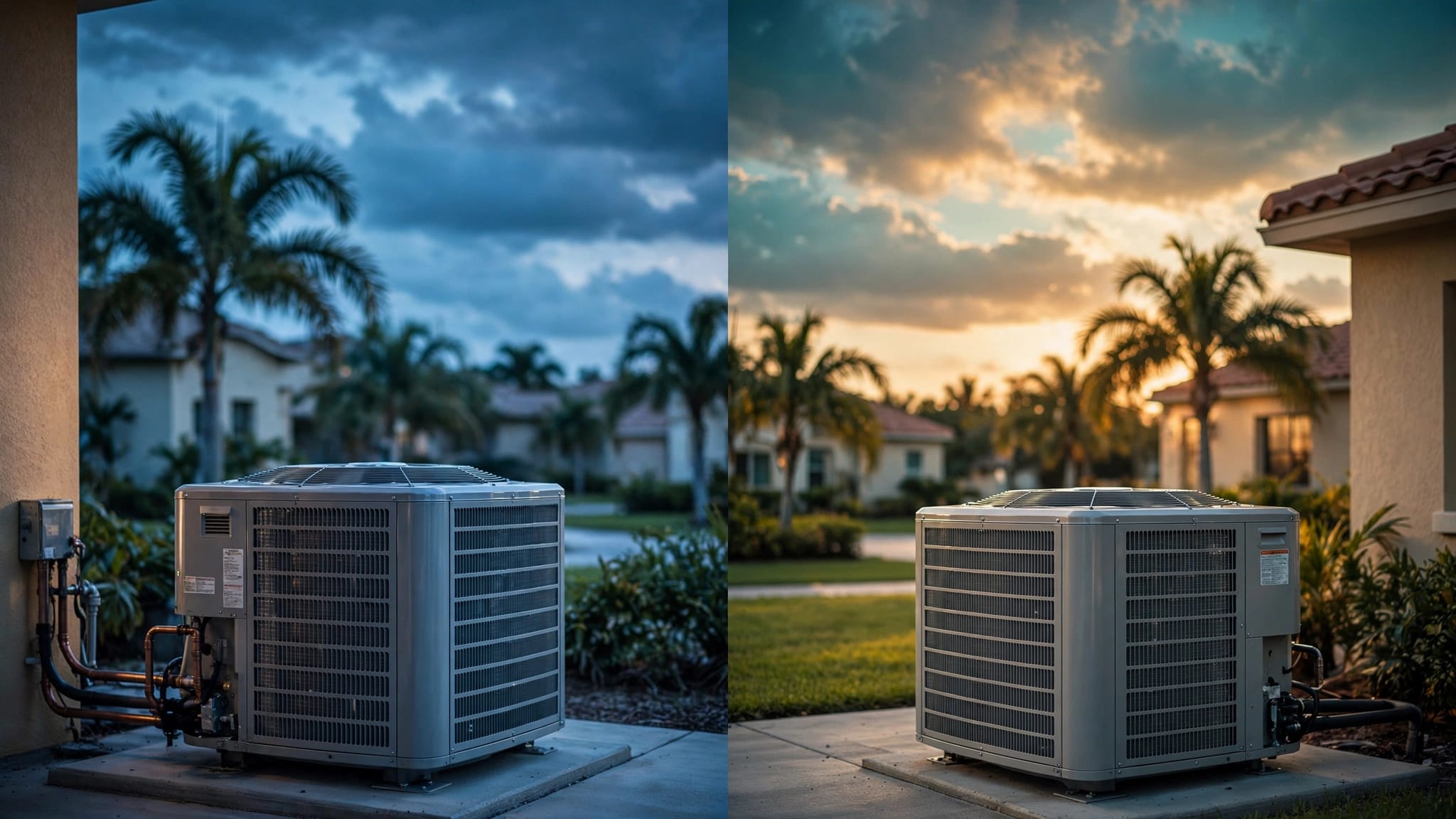
Cape Coral weather puts ductwork under steady stress. Your AC runs for long stretches, and that means your ducts carry cool air almost nonstop. If a joint is loose, every hour of use pushes more air into the wrong place.
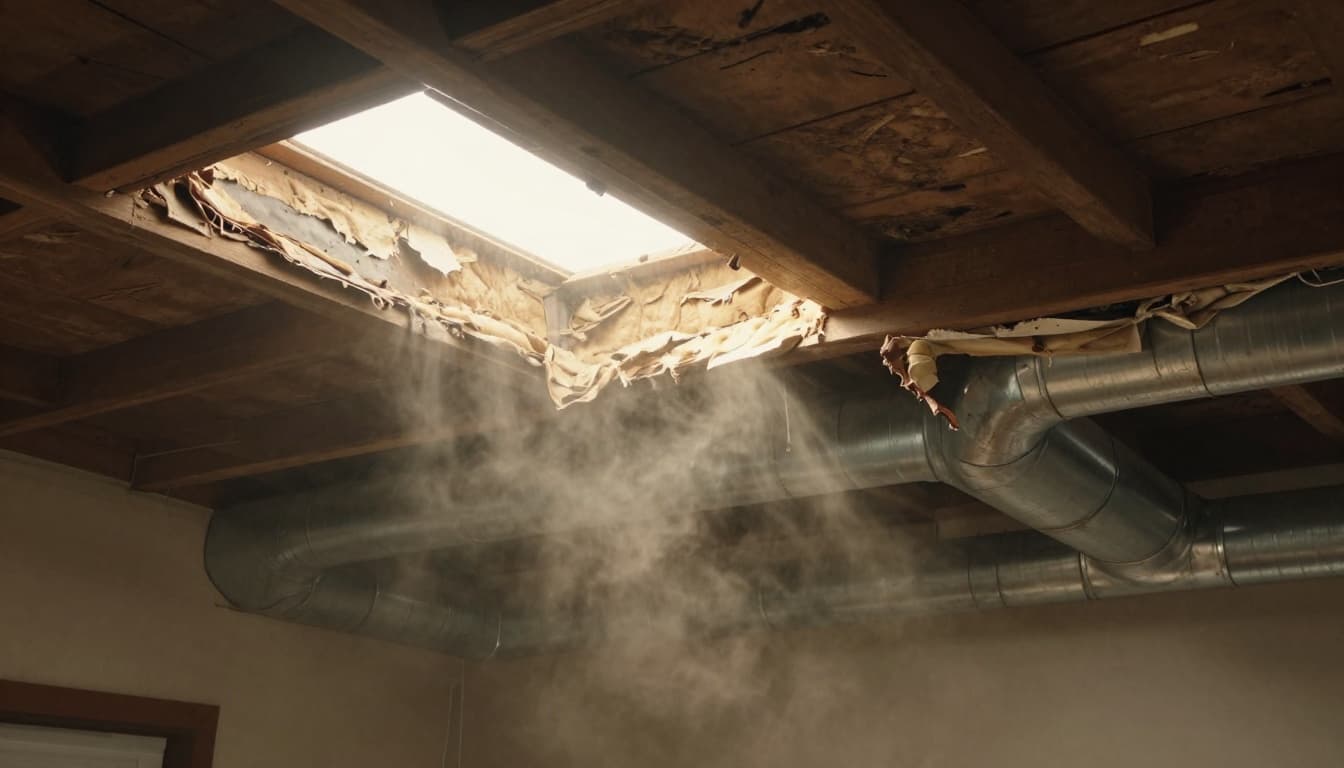
Attics make the problem worse. Roof spaces get extremely hot here, and duct runs in those areas can absorb a lot of heat. When cool air leaks into that space, the loss is immediate. When hot attic air slips back into the system, your home feels warmer and more humid than it should.
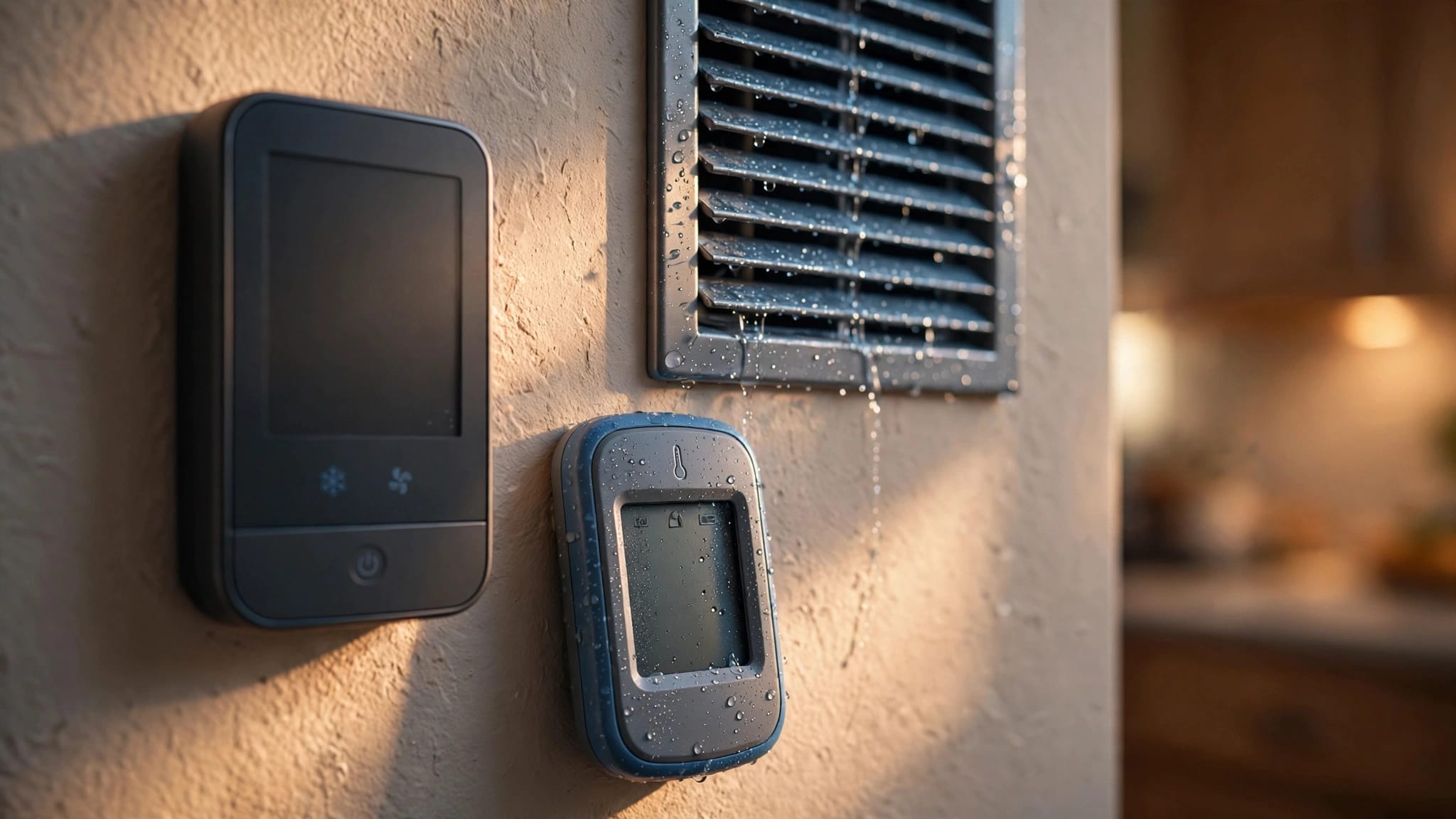
Humidity is part of the story too. Leaky ducts can pull damp air into the system, which makes indoor spaces feel sticky. Even if the thermostat looks fine, the house may still feel uncomfortable. That is one reason homeowners often mistake a duct issue for a weak AC unit.
Cape Coral homes also tend to rely on sealed interiors. That helps with comfort, but it means your cooling system has less room to waste air. Small duct gaps can have a bigger effect here than they might in a milder climate. If the ducts are aging, the insulation is loose, or the joints are stressed, the loss can show up room by room.
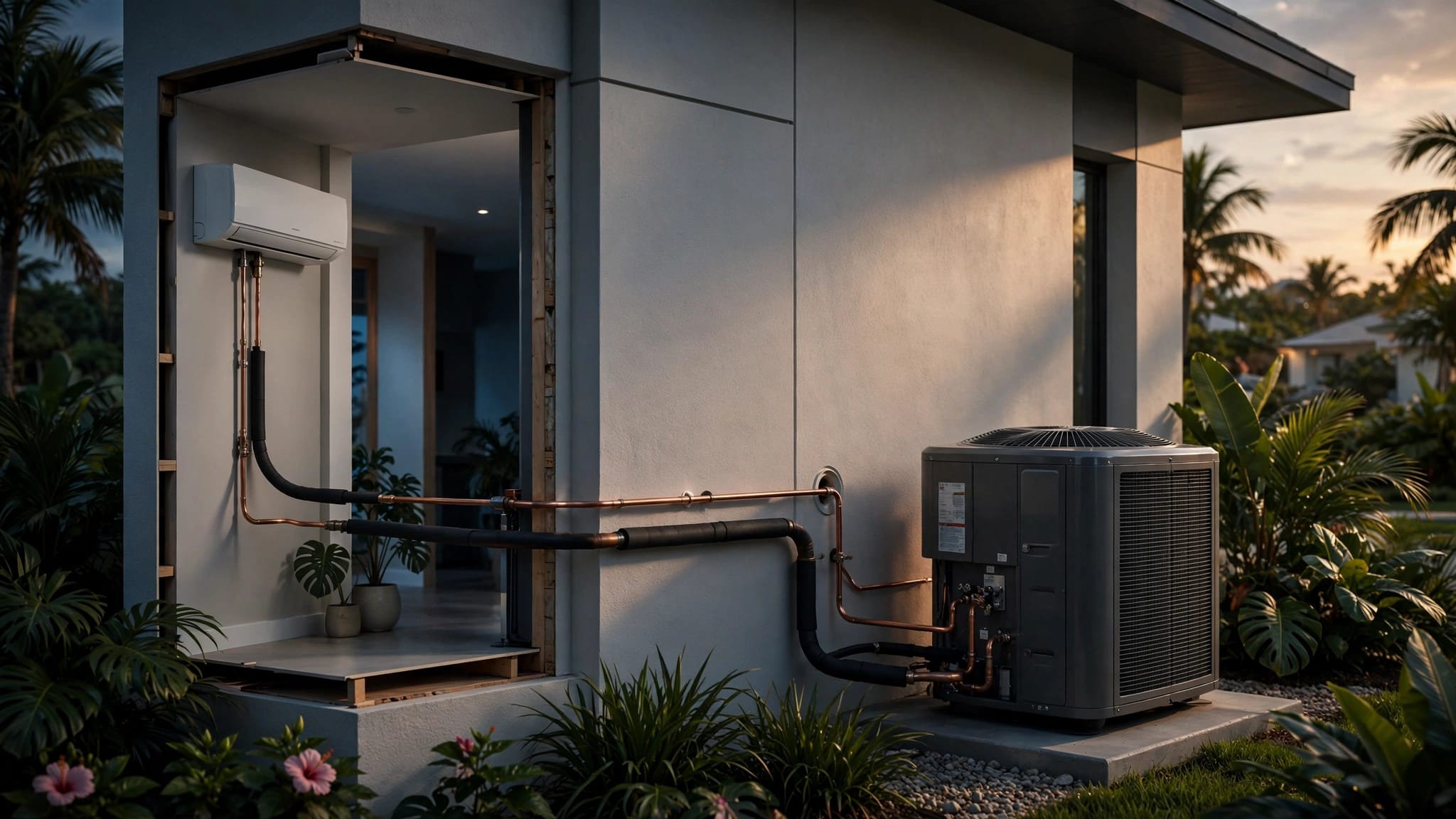
For homeowners who want a deeper fix, ductwork repair and replacement is often the next step after a leak is found. A repaired line can restore airflow, ease the load on the system, and help the whole house cool more evenly.
Safe DIY checks you can do today
You can spot a lot without taking anything apart. Start with the vents inside your home and work room by room. That gives you a quick sense of where air feels weak or uneven.
Try these simple checks:
- Look closely at vent covers. Dust buildup, dark streaks, or rust around the edges can point to air leaks nearby.
- Feel the airflow with your hand. If one room has much less air than the others, make a note of it.
- Listen when the system starts. A soft whistle or rattle near a vent can mean a loose connection.
- Check visible ducts in closets, garages, or accessible attic areas if they are easy to reach safely. Look for disconnected insulation, gaps, or taped seams that have peeled away.
Use your hand near a joint or vent to feel for escaping air. That simple check can tell you a lot.
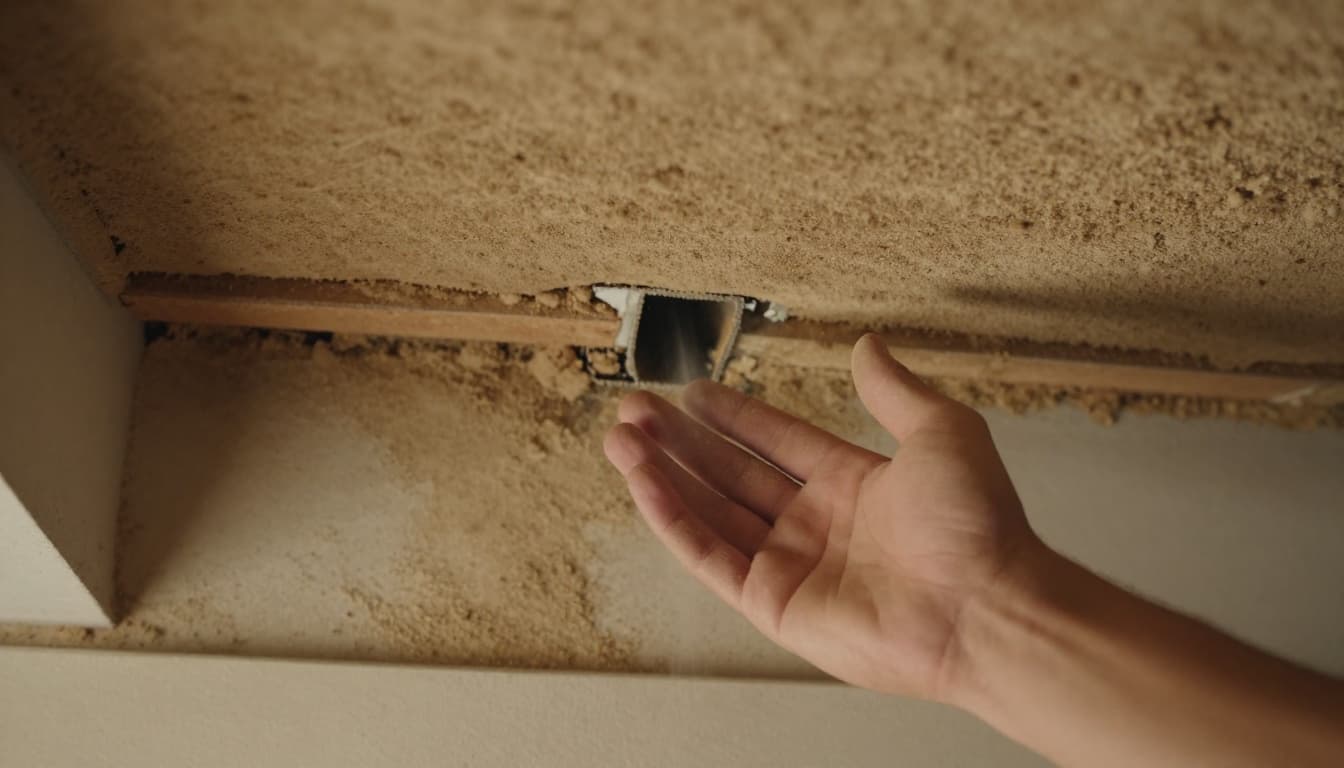
Do not remove duct covers, open sealed sections, or cut into insulation. If a check requires HVAC disassembly, stop there and call a pro.
A basic walk-through is enough to gather useful clues. Keep notes on which rooms feel off, when the problem happens, and whether the issue is worse at certain times of day. That information helps a technician narrow down the source faster.
What a professional inspection looks for
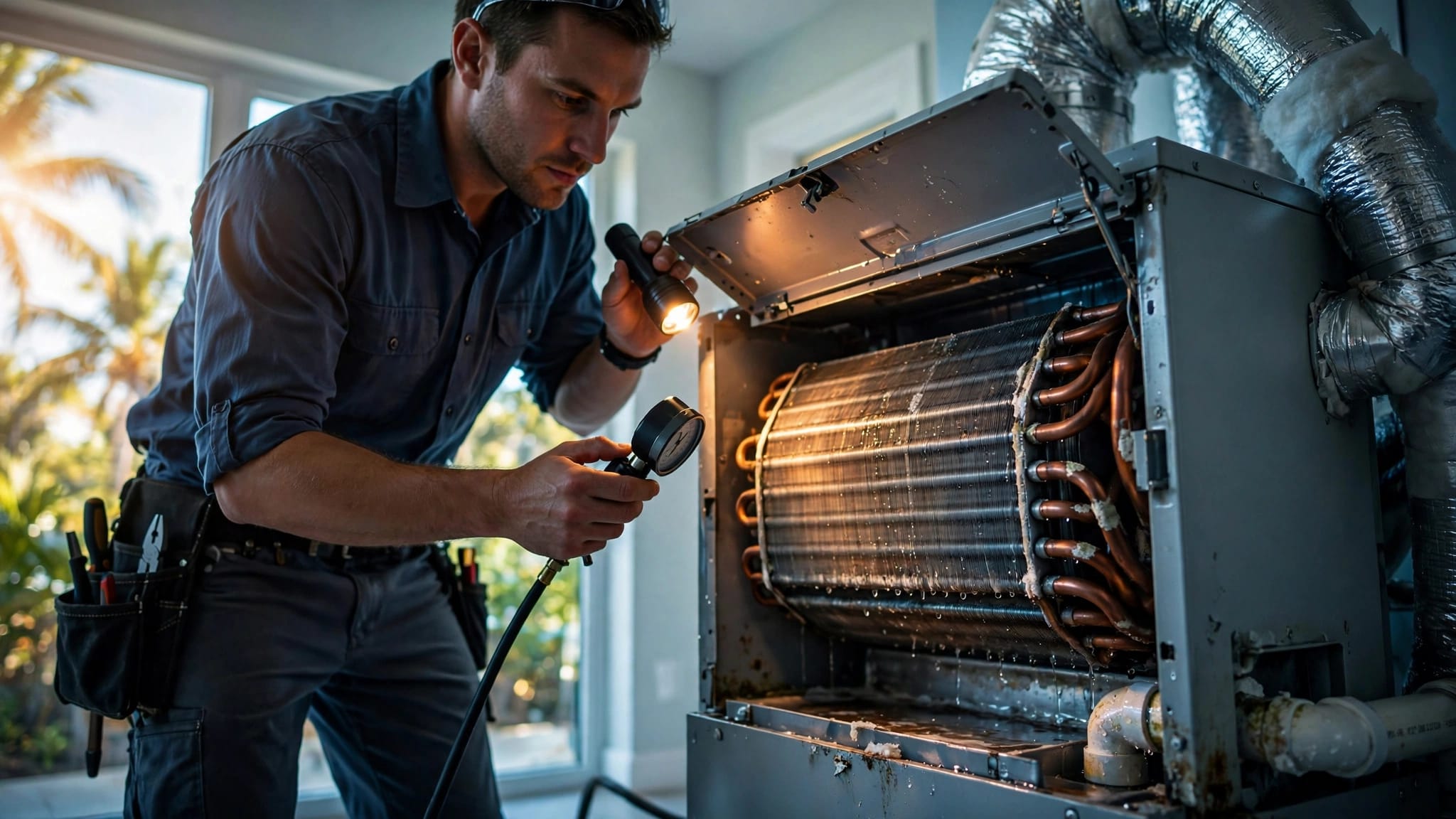
A good inspection goes beyond a quick glance. Technicians check accessible duct runs, connections, and supply and return points for signs of air loss. They also look at insulation, loose tape, damaged boots, and gaps where ducts meet the air handler or registers.
They may test airflow and compare room conditions. That helps show whether the problem is one bad branch, a return-side leak, or a larger system issue. In some homes, the ducts are fine in one section but poorly sealed in another. In others, the layout itself causes pressure problems that make certain rooms feel weak.
This is where routine service can help. HVAC maintenance agreements often include checks for accessible ductwork, which gives homeowners a chance to catch problems early. A small leak found during maintenance is much easier to fix than a hidden one that has been wasting air for months.
Technicians can also tell when duct trouble is tied to the AC itself. If airflow is poor because the system is struggling, air conditioning repair services may need to happen along with duct sealing. When both problems show up together, fixing only one usually leaves the house uncomfortable.
Why sealing and repair are worth doing sooner
Leaky ducts do more than waste cooled air. They can pull dust from hot attic spaces, raise indoor humidity, and make your AC work harder than it should. Over time, that extra strain can shorten equipment life and turn a comfort problem into a bigger repair bill.
Sealing the ducts often improves the whole home at once. Rooms cool more evenly. The system cycles more normally. The house feels less sticky. For many families, that difference is easy to notice within a day or two.
Repairs also matter when the ducts themselves are damaged. Loose joints, crushed runs, and failing insulation can keep causing trouble if they are only patched in the wrong spot. A proper fix targets the source, not just the symptom.
If the signs are adding up, the best next move is a professional inspection and repair plan. Reach out through Contact Us to schedule service and get the problem checked before another long cooling stretch wears the system down.
Conclusion
If your home has hot spots, weak airflow, dusty vents, or higher bills, your ductwork may be losing air. In Cape Coral, those signs matter because heat and humidity make duct problems show up fast.
A careful walk-through can help you spot the warning signs, but anything inside the system should be left to a technician. When ducts are leaking, timely sealing or repair can restore comfort and take pressure off the AC.