A clogged AC drain line can turn a normal cooling day into a mess fast. In Cape Coral, that problem shows up more often than many homeowners expect, because your system pulls a lot of moisture out of humid air.
If you've cleared the line before and it clogged again, the issue usually has a reason. That reason can be simple, like a dirty filter, or it can point to a deeper drain problem inside the system.
The good news is that most repeat clogs give off warning signs before they cause water damage. Once you know what to look for, you can catch the problem early and decide when a quick fix is enough, or when you need help from a pro.
Why Cape Coral weather makes drain line clogs happen more often
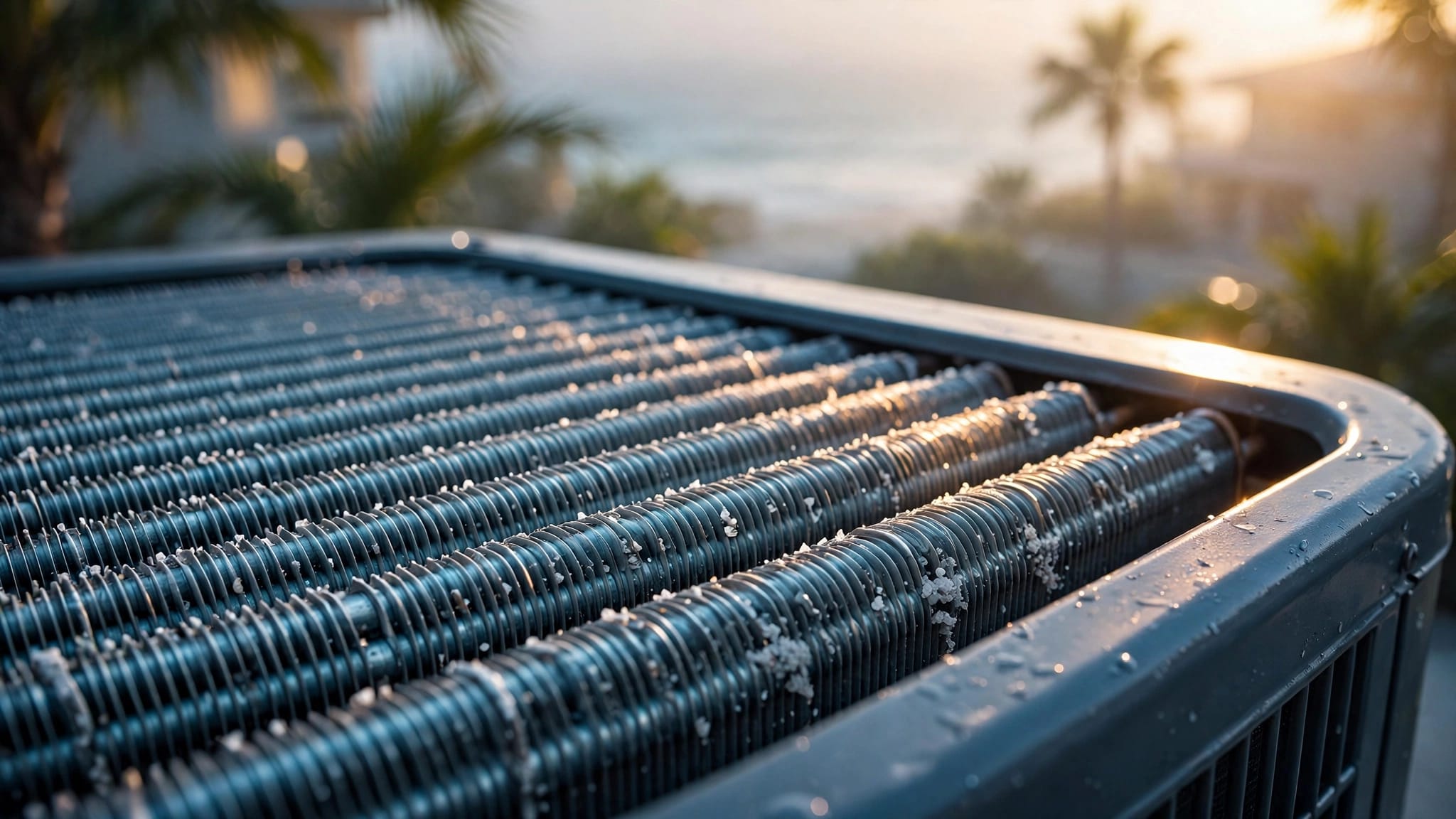
Cape Coral heat and humidity keep your AC working hard for long stretches. That means more condensation, more moisture in the drain line, and more chances for buildup to stick inside the pipe.
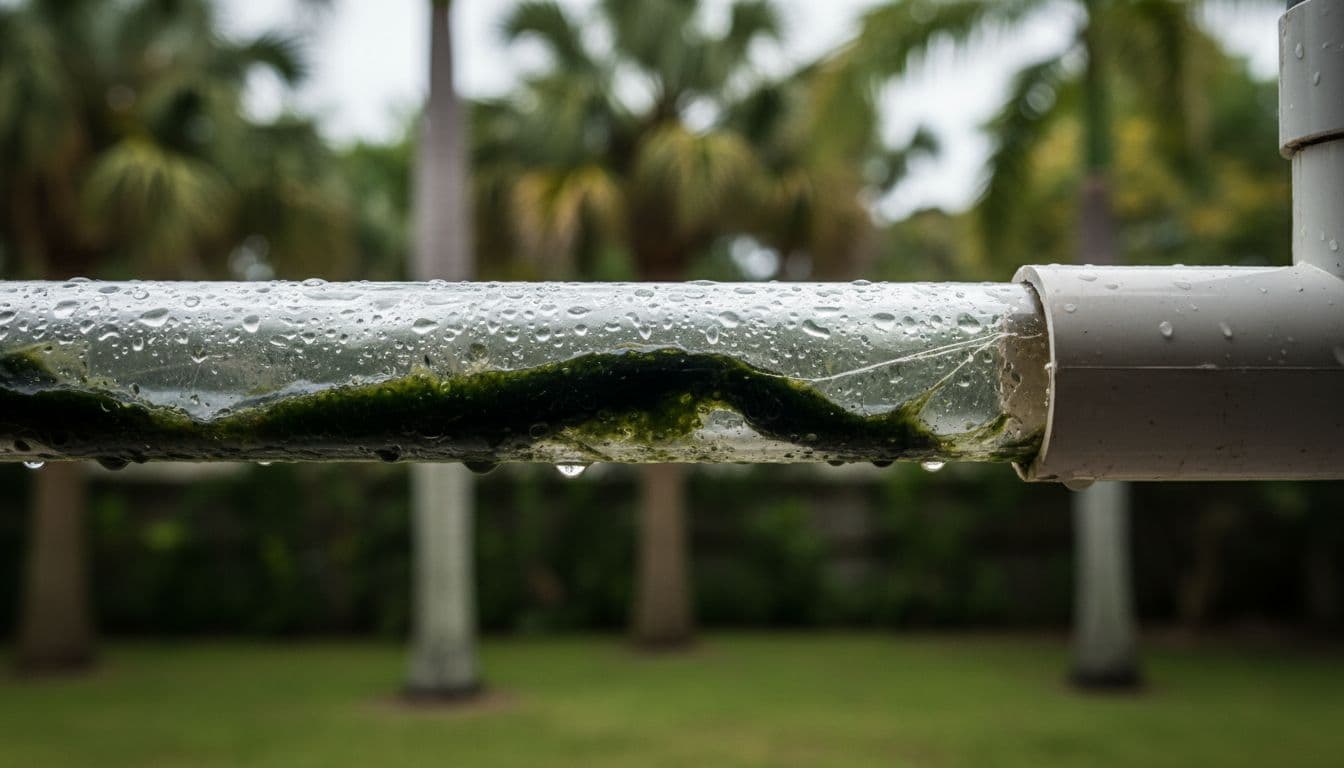
When the line stays damp, slime forms faster. Dust, pet hair, and tiny bits of debris can mix with that moisture and create a thick blockage. Over time, the line starts acting like a straw with mud in it instead of a clear path for water.
A few local conditions make the problem worse:
- High humidity means your AC removes more water from the air.
- Long run times keep the drain line wet for much of the day.
- Dust and pet dander can collect in the drain pan and wash into the line.
- Poor slope or loose fittings can slow drainage and let gunk settle.
- Outdoor pests and yard debris can clog the drain outlet outside.
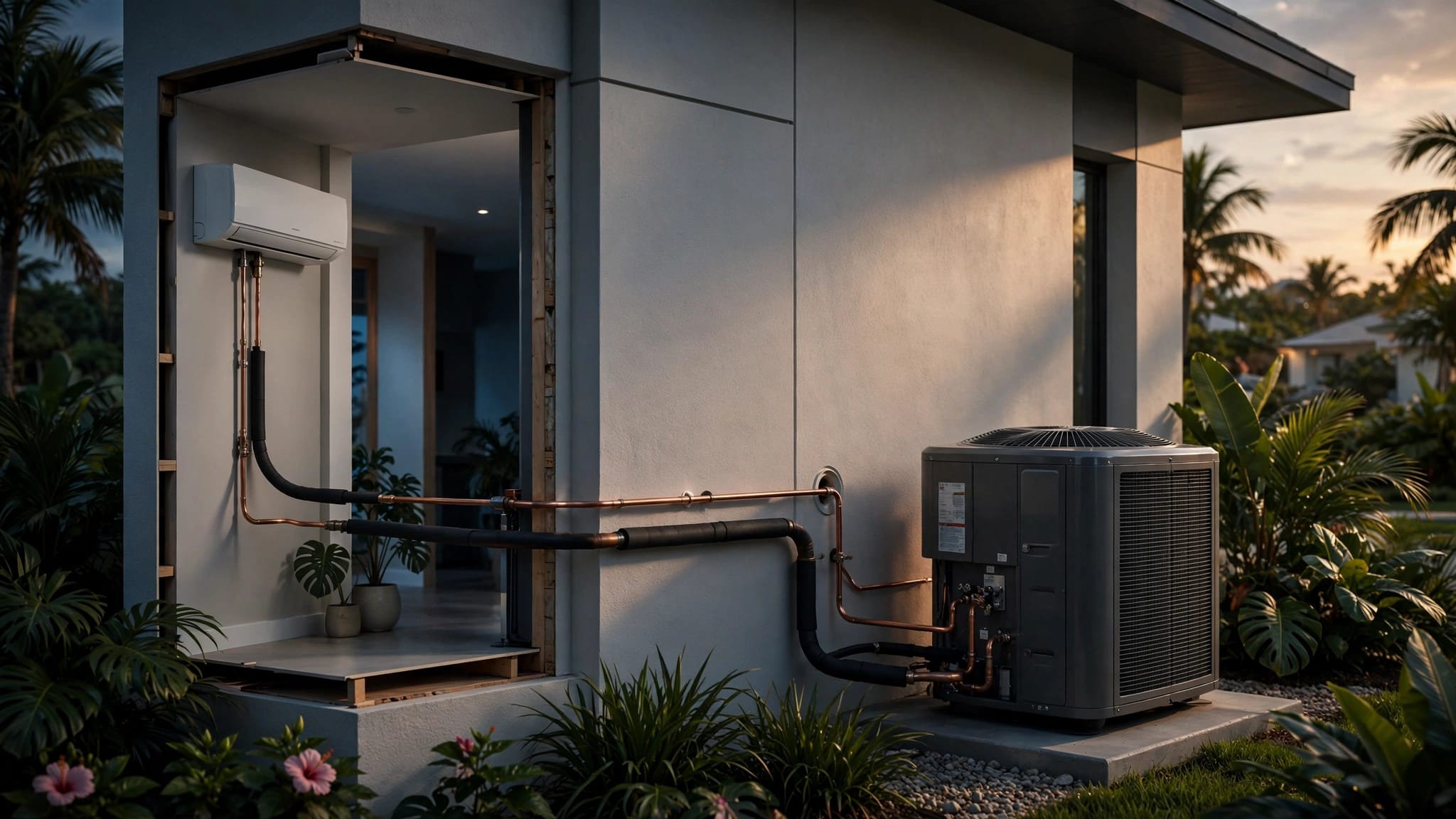
If the clog keeps coming back, the line may be fighting more than buildup. A line that is too flat, cracked, or poorly placed can trap water and make repeat clogs much more likely. In that case, professional air conditioning repairs are often the safer answer than another quick flush.
Signs your AC drain line is backing up
A clog does not always start with a flood. More often, it begins with small signs that are easy to miss if you are busy or the system is tucked away in a closet, attic, or garage.
Watch for these warning signs:
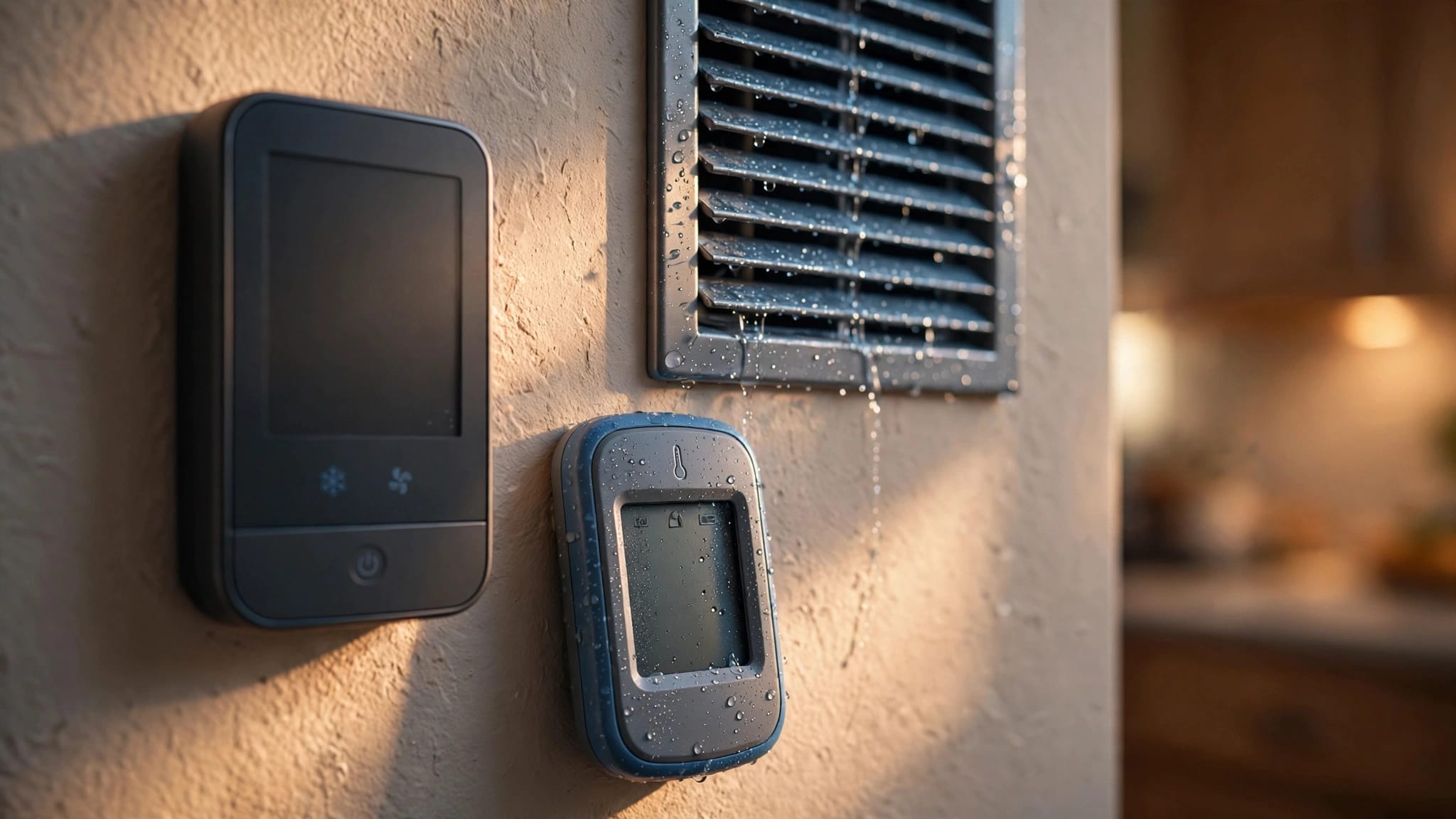
- Water around the indoor unit or on the floor nearby.
- Stains on the ceiling or drywall under the air handler.
- A musty smell near vents or in the room where the unit sits.
- The AC runs, then stops before the house cools.
- The indoor humidity feels higher than usual.
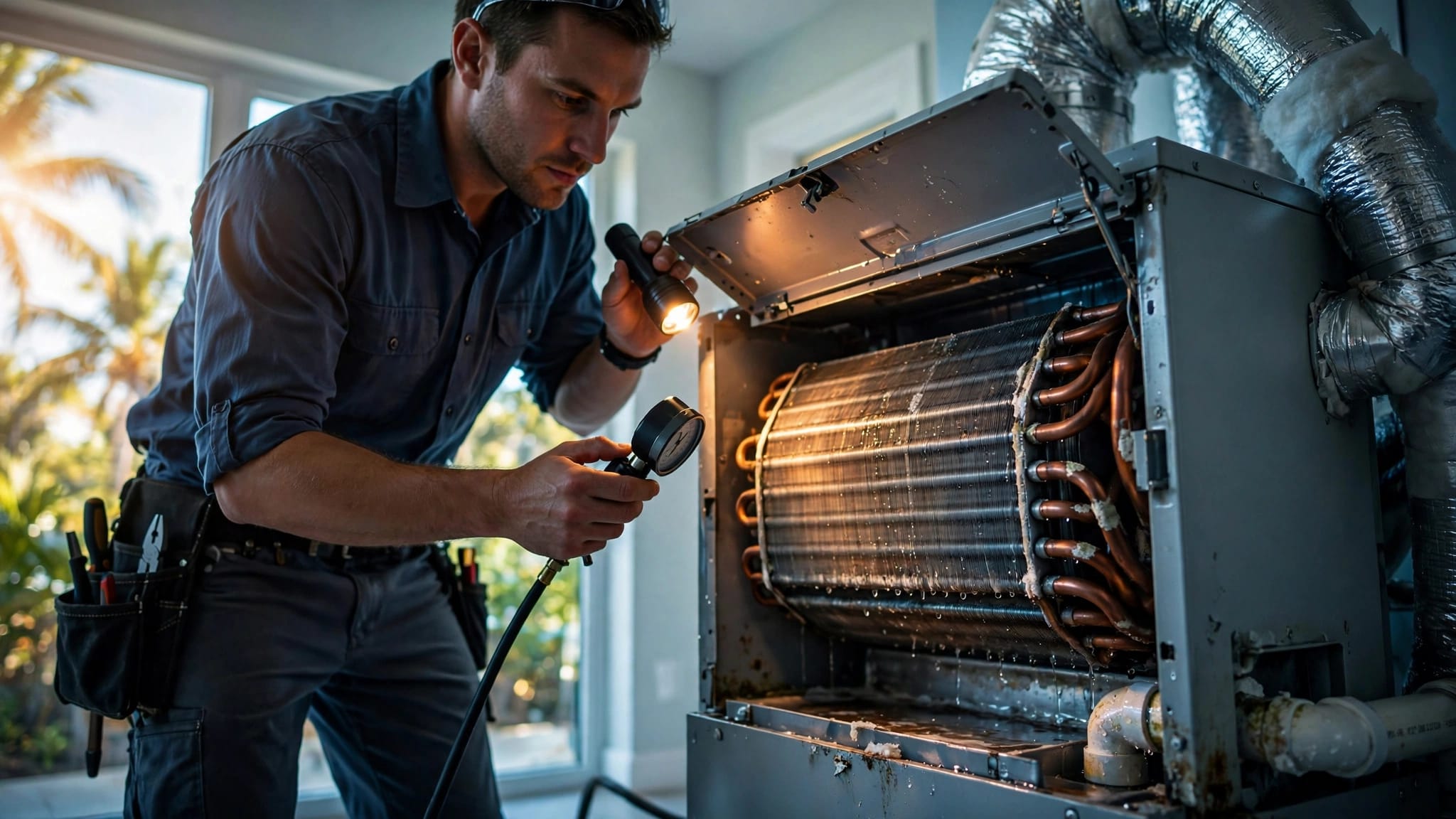
- The drain pan looks full, wet, or rusty.
A little drip is not a small thing when it keeps coming back. It usually means the drain line is already backing up.
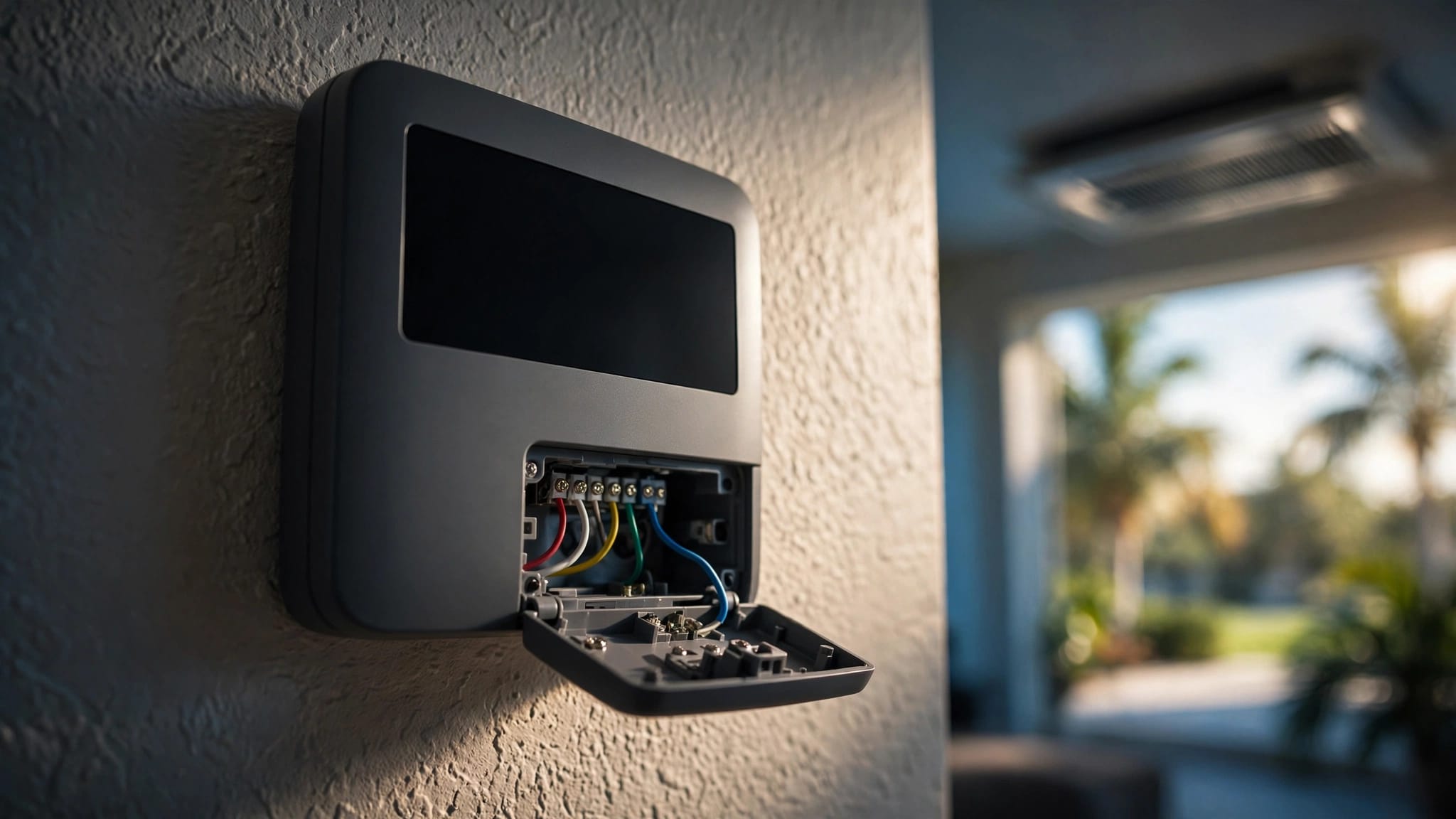
One of the biggest risks is hidden water damage. A slow backup can soak insulation, stain ceilings, and damage wood before you notice it. If the overflow reaches the safety switch, the system may shut down to protect itself. That shutdown can feel sudden, but it is often the system's way of saying the drain line needs attention.
If the AC stops and you see water, treat it as urgent. A backed-up line can turn into a larger repair quickly, especially when the weather stays hot and damp.
Simple ways to prevent repeat clogs
A drain line does not usually clog overnight. It builds up over time, so routine care matters. Small habits can keep water moving the way it should.
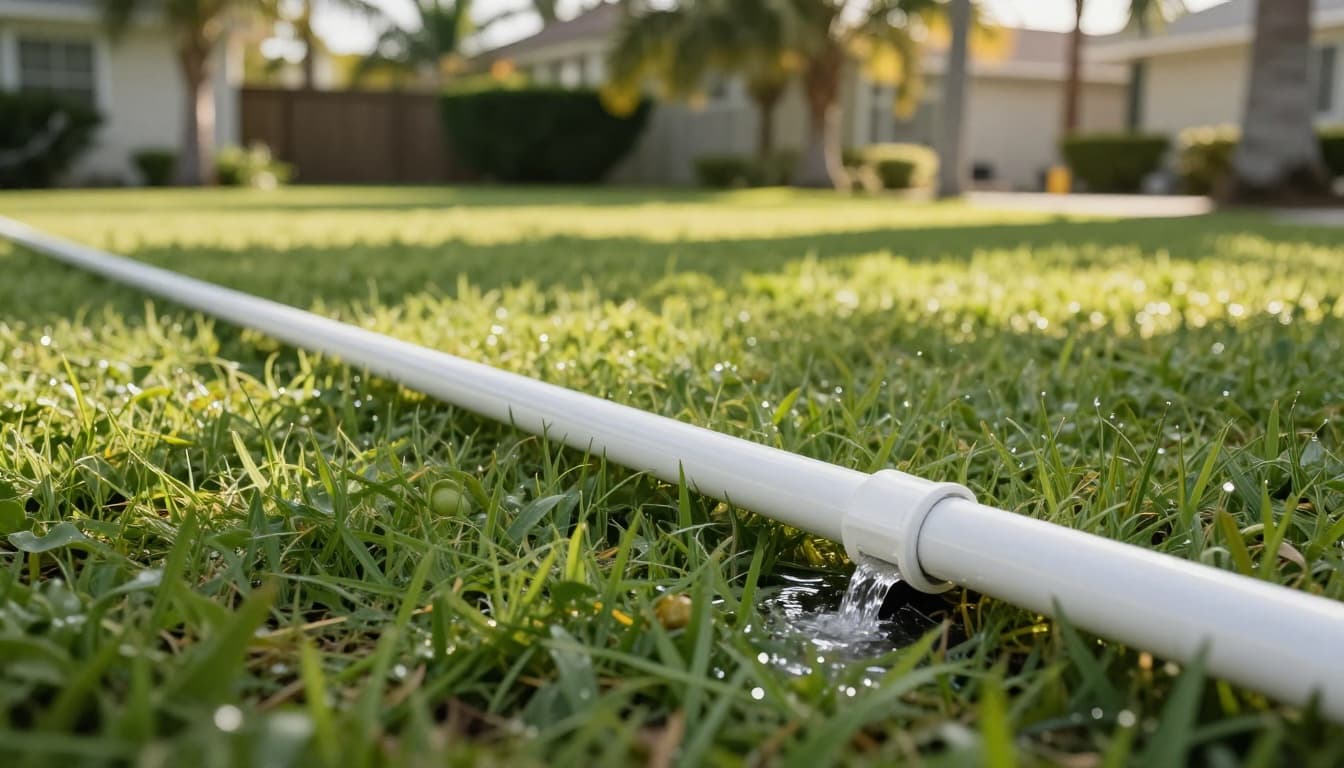
Start with these basics:
- Change the air filter on time.
A dirty filter lets more dust and debris reach the coil and drain pan. That extra buildup can wash into the line and start a clog. - Flush the line if your system allows it.
Some homeowners use a gentle flush with water or vinegar at the proper access point. Only do this if you know where to add it and your system manual or technician has shown you the right method. - Keep the area around the indoor unit clean.
Boxes, insulation dust, and stored items can all add to the mess around the air handler. A clean space makes problems easier to spot, too. - Schedule regular maintenance.
A technician can clear early buildup, check the drain pan, and make sure the line slopes the right way.
If you want a simple way to keep problems from piling up, routine service helps more than a one-time fix. It also gives a technician a chance to catch wear before it turns into water damage.
For homeowners who prefer to stay ahead of a shutdown, maintenance is often easier than waiting for an overflow. That matters in Cape Coral, where the system may run hard for most of the year.
When professional service is the safer choice
Some clogs are easy to clear. Others keep returning because the real problem is hidden deeper in the system. If you have already flushed the line and it backs up again, the drain may have a slope issue, a damaged section, or a blockage that you cannot reach safely.
Professional help is the better choice when:
- Water has reached the ceiling, wall, or electrical area.
- The AC shuts off right after you notice the backup.
- The line clogs more than once in a short time.
- You smell mold or see heavy buildup around the drain pan.
- The drain line is inside a tight attic or cramped indoor space.
A technician can clear the blockage, inspect the pan, test the safety switch, and look for the reason the clog keeps returning. That is especially helpful when the problem seems to disappear for a while, then comes right back.
If your system needs urgent attention, 24/7 emergency AC repair is the safest route when water is spreading or the unit has shut down. And if you want a local team to take a look before the next backup, Contact Us to schedule a service call.
Sometimes the drain line itself is fine, but the buildup inside the coil area keeps feeding it. Other times, the line is installed in a way that traps water and slime. Either way, a trained eye can spot the difference faster than guesswork can.
Keeping your AC drain line clear for good
In Cape Coral, a clogged drain line usually starts with the same mix of heat, humidity, and buildup. The line stays wet, slime grows, and dust gives it more material to hold onto. That is why the same drain can clog again even after a quick fix.
The best defense is simple care. Change the filter, watch for early warning signs, and flush the line if your system allows it. If the clog keeps coming back, do not wait for water damage to tell you what is wrong.
A clear drain line keeps your AC running and keeps your home dry. In a humid place like Cape Coral, that small pipe does a bigger job than most people realize.