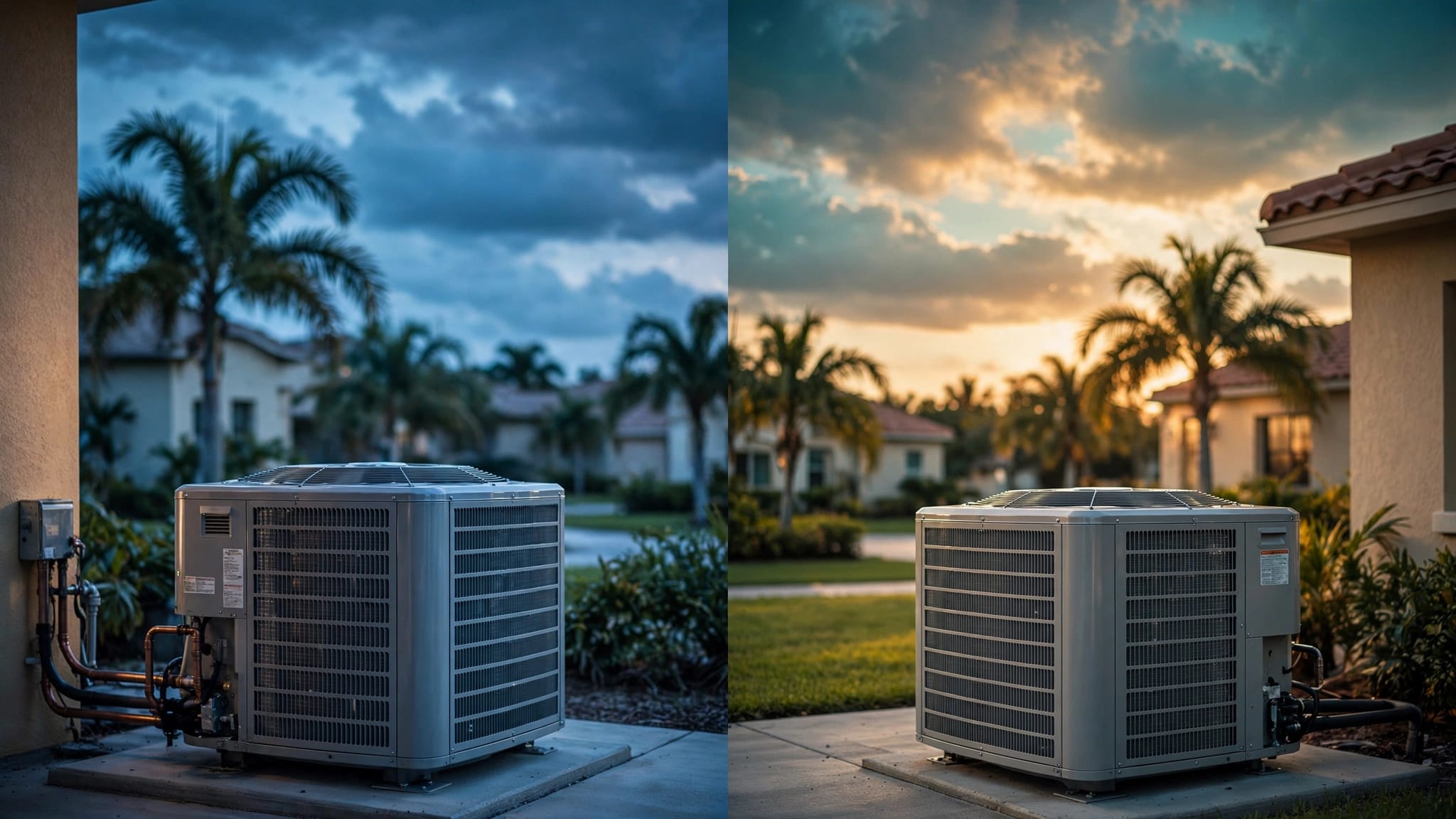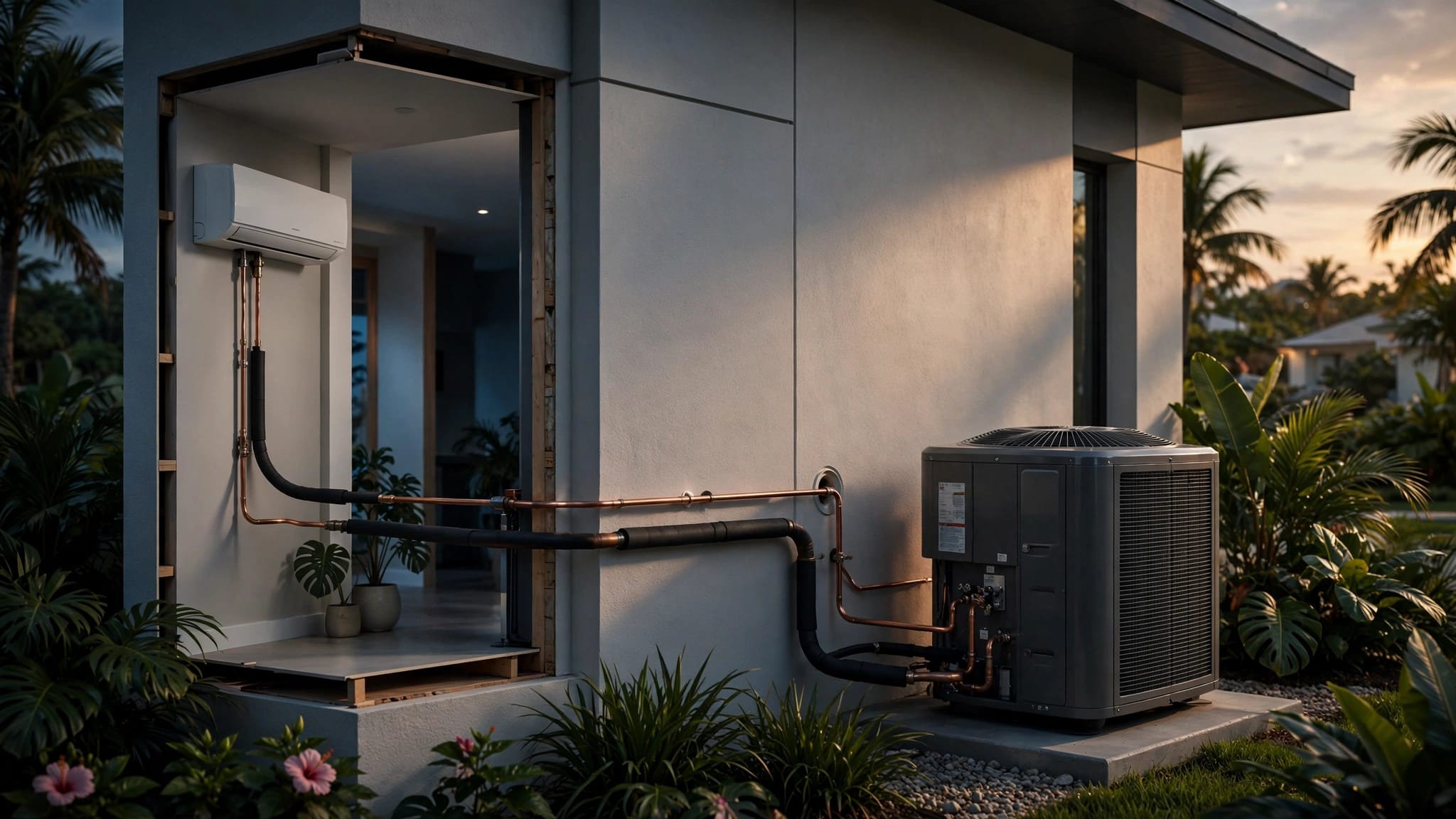
A failed compressor can turn a normal afternoon into a hot, expensive problem fast, and the first question is usually the same: how much will this cost?
In Cape Coral, AC compressor replacement cost usually falls between $800 and $2,300 , with many homeowners landing near $1,200 . The final price depends on the diagnosis, part compatibility, refrigerant, labor, and warranty coverage.
That range gives you a useful starting point, but the details matter just as much. A careful estimate should show where the money is going before you approve the work.
What Cape Coral homeowners usually pay
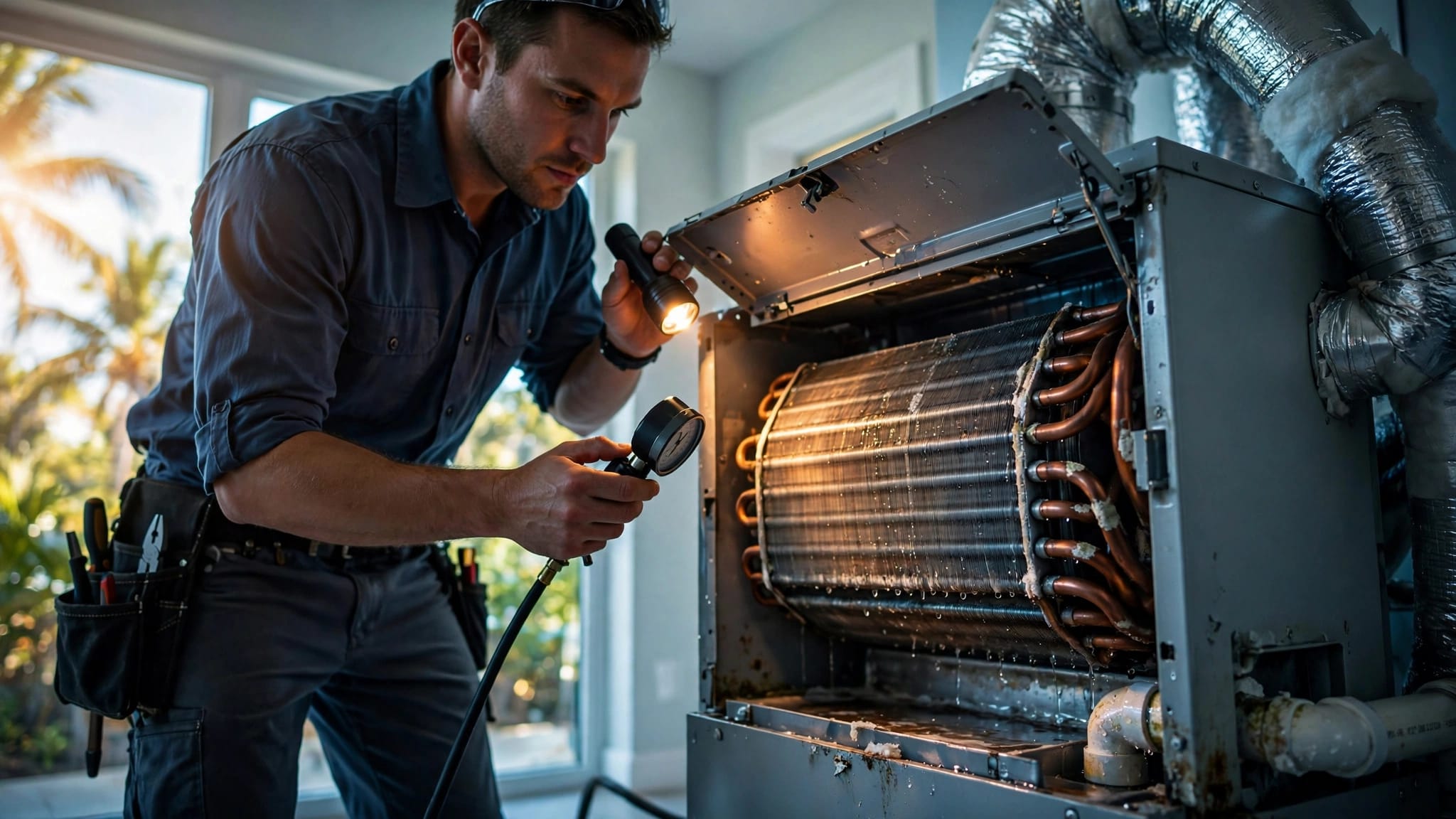
A compressor replacement is rarely a simple parts swap. The technician has to confirm the failure, open the system, recover refrigerant, replace the part, and test the unit again.
Here's a practical breakdown of what many Cape Coral homeowners see on a quote:
| Cost item | Typical range |
|---|---|
| Diagnostic visit | $75 to $150 |
| Compressor part | $500 to $1,500 |
| Labor | $300 to $900 |
| Refrigerant and small parts | $150 to $450 |
| Total replacement | $800 to $2,300 |
If the compressor is still under warranty, the part cost may drop a lot. Even then, labor, refrigerant, and startup parts can still make the bill climb.
For a related price comparison, AC repair costs in Cape Coral can help you see how a compressor quote fits next to other common repairs.
What changes the price of a compressor swap
Several things can push the total up or down. System size matters first, because larger systems need larger compressors and more labor time. Compressor type matters too, since some models cost more than others.
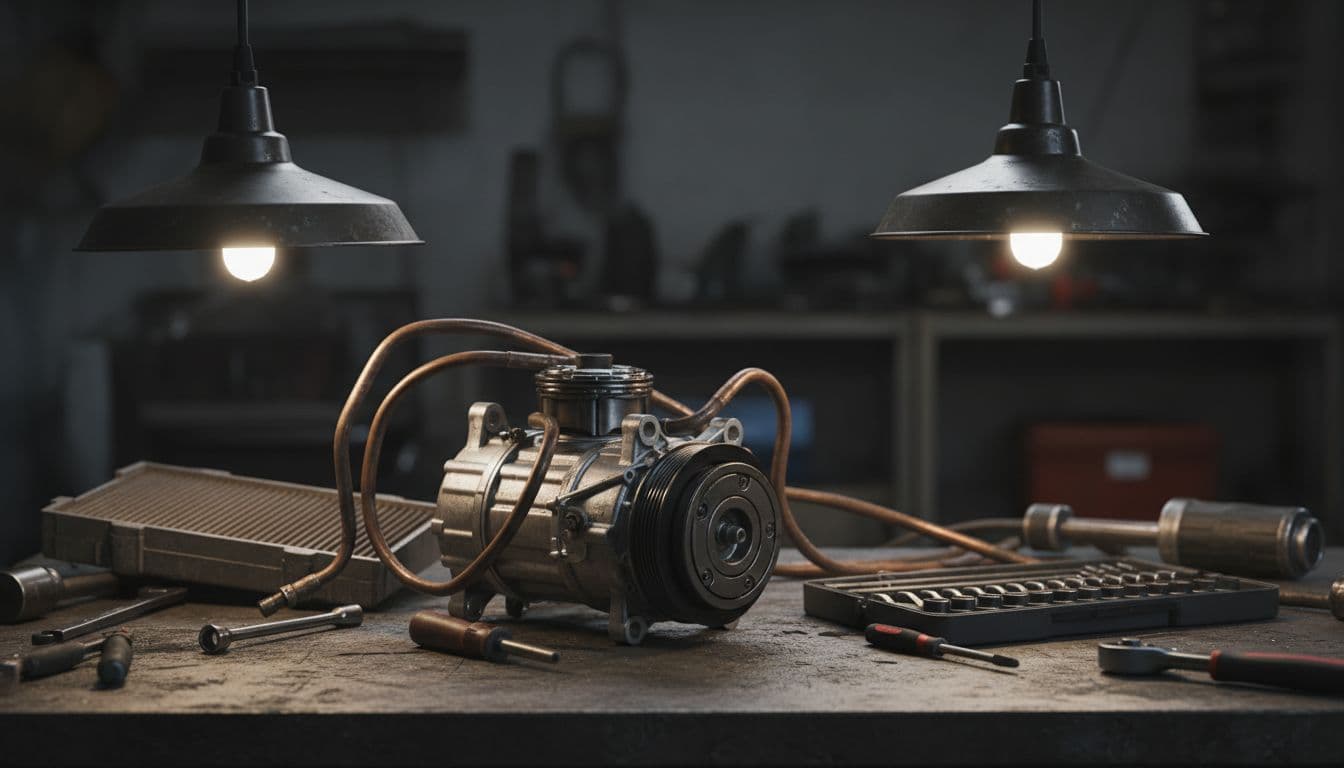
The refrigerant type can also change the price. If the system needs a recharge, leak repair, or extra cleanup, the bill rises. Labor matters because a compressor job takes more skill and more time than a basic part change.
Other price drivers include:
- Older equipment that needs hard-to-find parts
- Extra wear on coils, contactors, or capacitors
- Emergency or after-hours service
- Limited warranty coverage
- Poor fit between the new compressor and the existing system
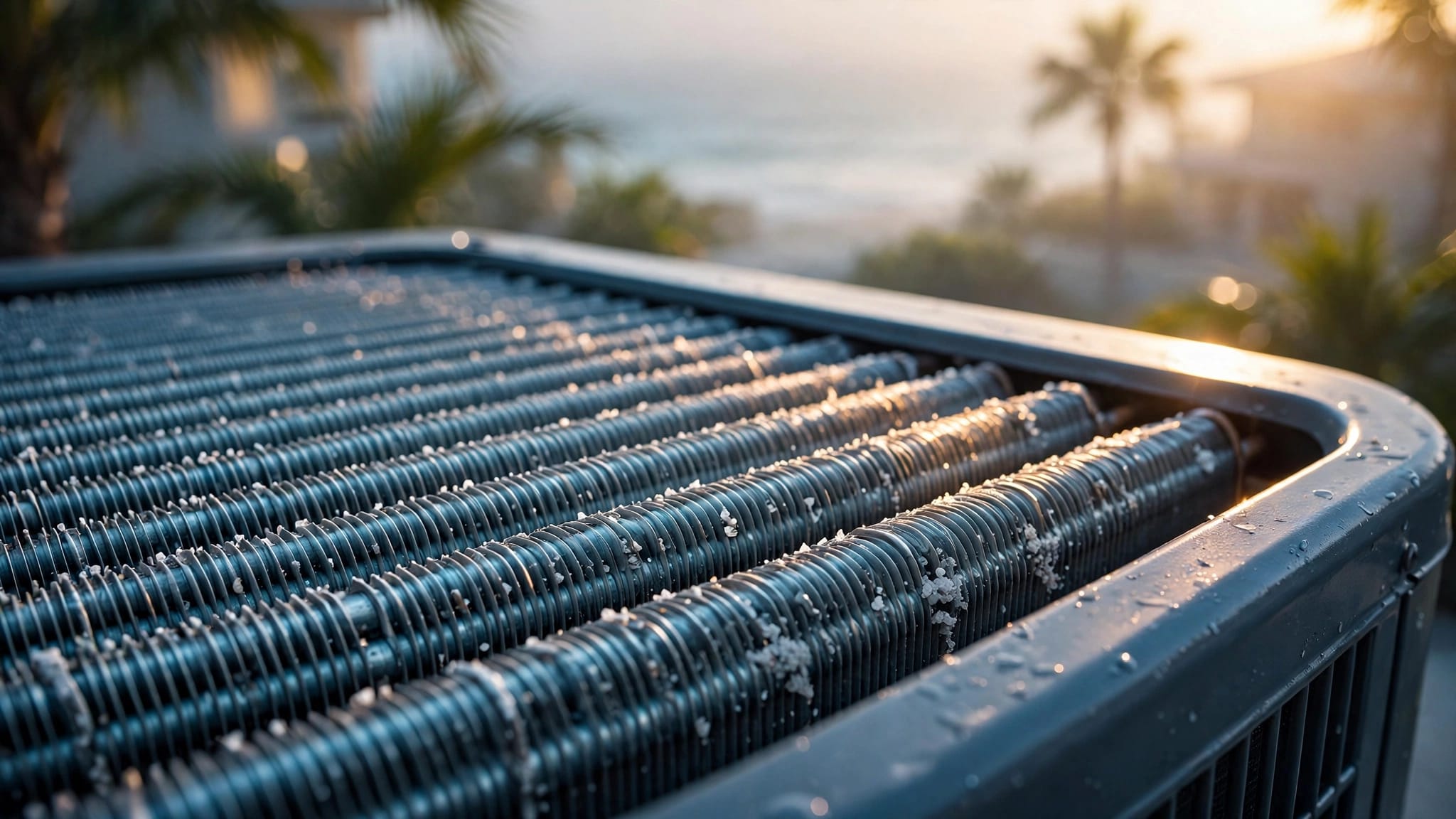
Southwest Florida heat also puts more strain on AC systems. When a unit has been running hard for years, small problems can turn into bigger ones.
Signs the compressor may be failing
A bad compressor usually leaves clues before it quits completely. In a climate like Cape Coral's, those clues can show up fast because the system works so hard for so many months of the year.
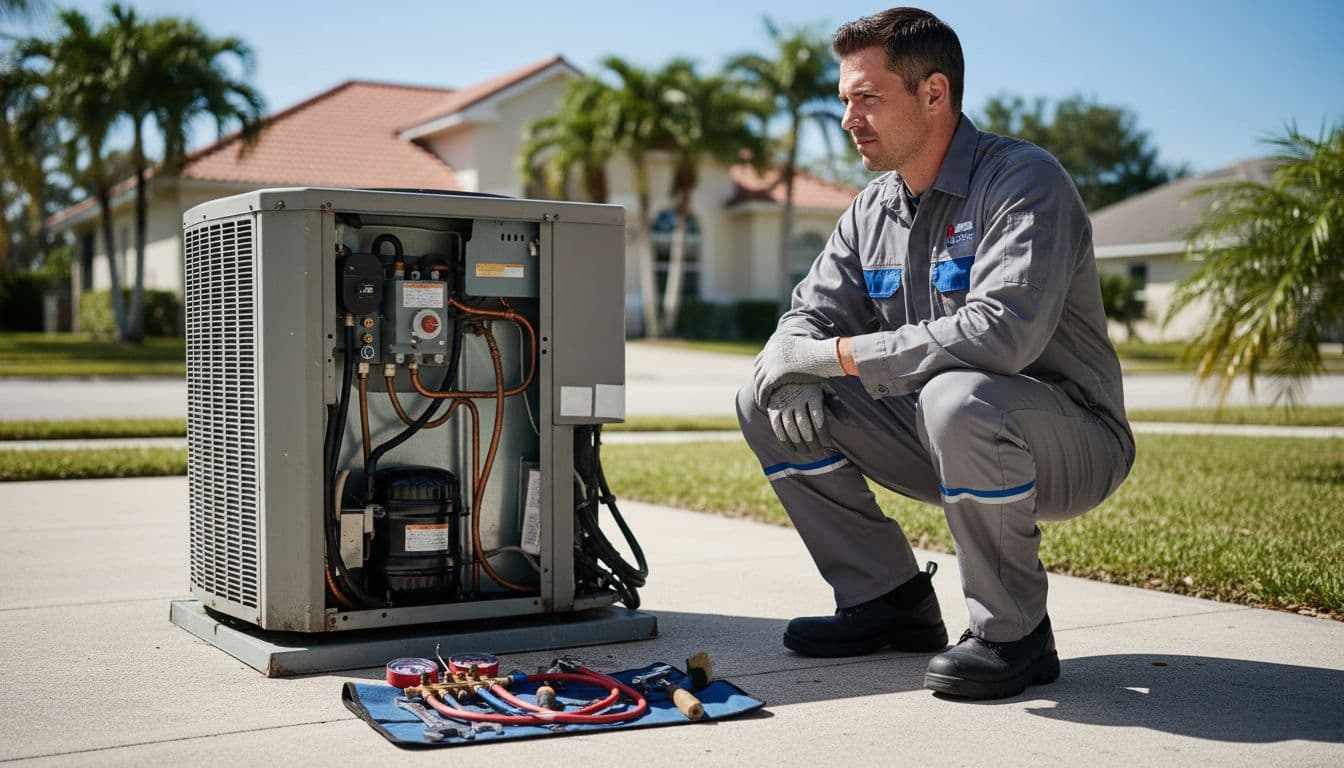
Watch for these warning signs:
- Warm air blowing from the vents
- Grinding, rattling, or clicking from the outdoor unit
- Breaker trips or short cycling
- Ice on the refrigerant lines
- A burning smell or very hot outdoor equipment
- Higher electric bills with less cooling
One of the biggest warning signs is simple: the system runs, but the house never gets comfortable. That often means the compressor is struggling to move refrigerant the way it should.
If you notice more than one of these symptoms, schedule a diagnosis soon. A small issue can damage other parts if the system keeps trying to run.
Repair or replace the whole system
A compressor replacement makes sense when the rest of the system is healthy and the unit is still a good age. It can also make sense when warranty coverage lowers the part cost.
That said, a replacement is not always the smartest spend. If the AC is 10 to 15 years old, has repeated breakdowns, or needs other major repairs, the numbers can tilt toward a new system.
A lower repair price can still be the wrong choice if the system is old, mismatched, or already failing in other spots.
If the diagnosis points to a larger issue, air conditioning repair services can help you compare repair costs with the price of replacement. A good contractor should explain both paths clearly.
Questions to ask before you approve the work
Before you say yes, make sure the estimate answers the right questions. The Cape Coral HVAC FAQs page is a useful place to start, and these questions can fill in the gaps.
- What caused the compressor failure?
- Is the compressor part still under warranty?
- Does the price include refrigerant, labor, and startup parts?
- Will the new compressor match my current system?
- Are there signs that replacement would be the better long-term choice?
A clear quote should separate the diagnosis from the repair. It should also explain any extra work before it starts.
If an estimate feels vague, ask for a written breakdown. That simple step can save you from surprise costs later.
Conclusion
In Cape Coral, compressor replacement usually sits in a broad price range, but the final bill depends on the details. The diagnosis, refrigerant, labor, equipment match, and warranty coverage all shape what you pay.
The smartest move is to compare the repair price with the age and condition of the whole system. If your AC is older or already showing other problems, the cheapest fix today may not be the best value over time.
If you want a clear estimate for your home, Contact Us and ask for a compressor check before the heat puts more stress on the system.