Your air conditioner can run all afternoon and still leave one room hot. Often, the problem isn't low refrigerant or a failing thermostat. AC static pressure testing can reveal whether restricted airflow is keeping your system from moving enough conditioned air.
In Southwest Florida, long cooling seasons, humid weather, attic ductwork, and clogged filters can place extra strain on an HVAC system. A pressure test helps identify the restriction before it leads to higher energy bills, frozen coils, or premature equipment wear.
What AC static pressure testing reveals
Static pressure is the resistance air meets as it moves through your HVAC system. The blower must push air through the return duct, filter, indoor coil, supply plenum, and supply ducts before that air reaches each room.
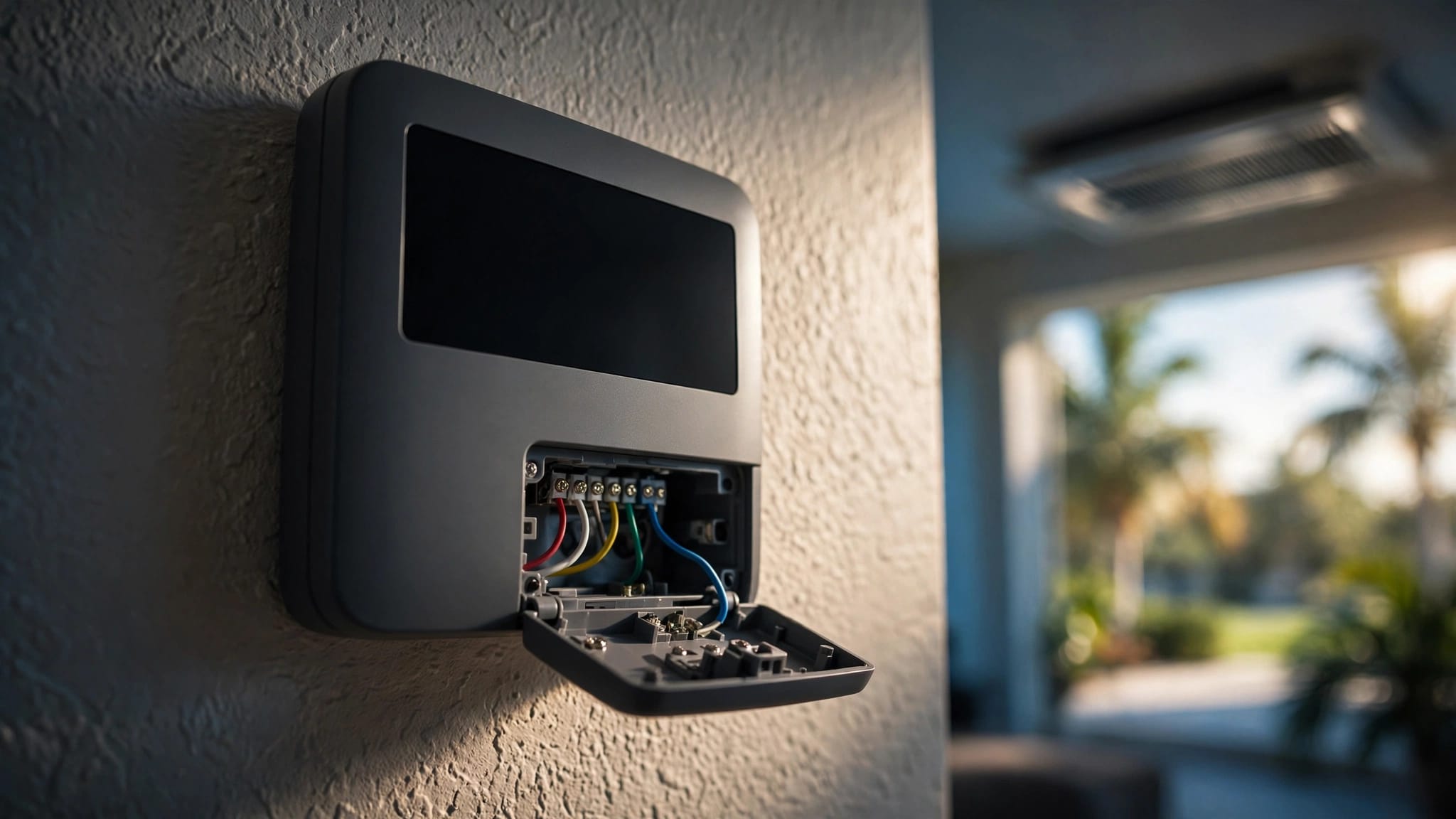
A technician measures this resistance with a digital manometer and static pressure probes. Small test ports in the return and supply sides allow the technician to compare pressure on both sides of the air handler. The results are recorded in inches of water column, written as "in. w.c."
The technician compares the total external static pressure with the equipment manufacturer's specifications. Many residential systems use a maximum reference point near 0.5 in. w.c., but the correct limit depends on the specific air handler, blower, duct system, and installation. The manufacturer's data should guide the diagnosis.
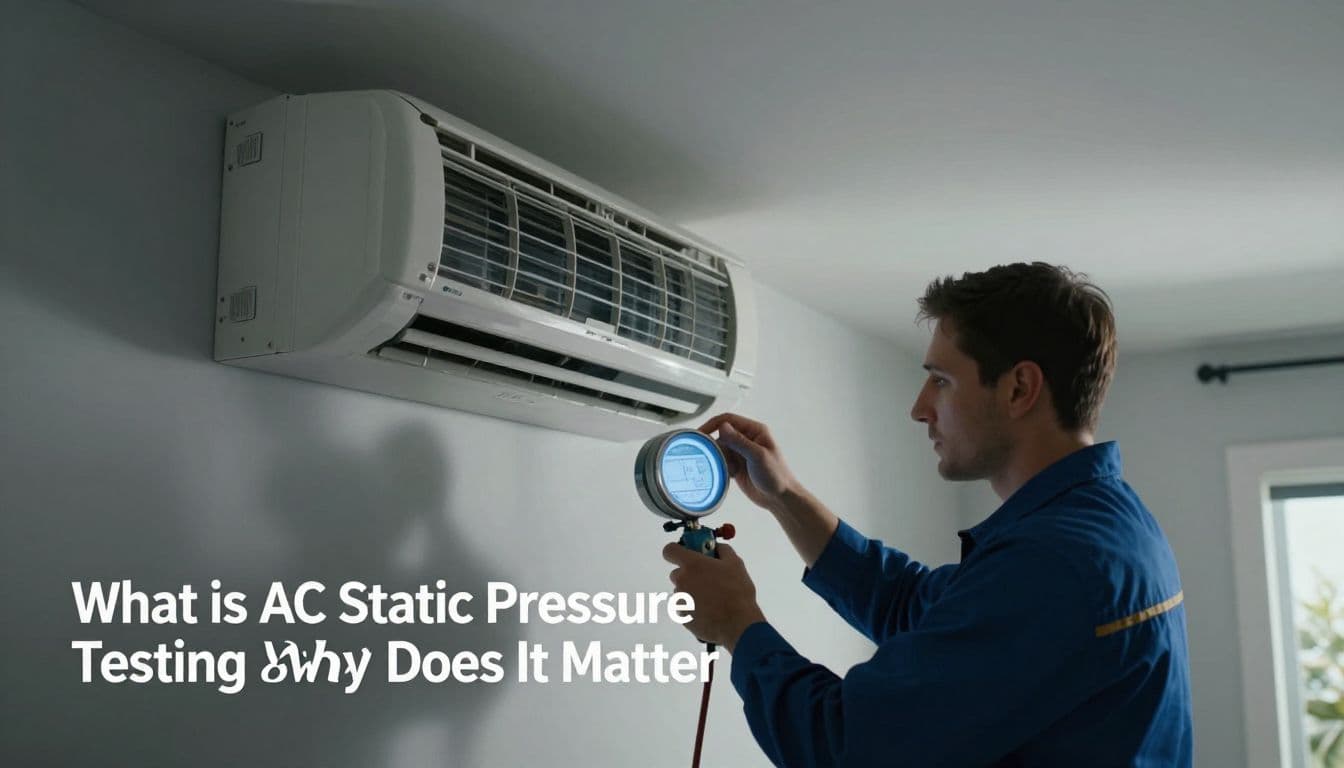
A professional pressure test generally includes these steps:
- The technician checks the filter, blower compartment, coil, registers, dampers, and visible ductwork.
- Test ports are placed on the return and supply sides of the system.
- The system operates under normal cooling conditions while the manometer records the readings.
- The technician checks pressure drops across components, such as the filter and indoor coil.
A single number doesn't identify the cause. The return-side reading may show a restricted return duct, while the supply-side reading may point to a blocked coil, closed damper, or undersized supply duct.
A static pressure reading shows that airflow is restricted. Additional testing is needed to identify exactly where the restriction occurs.
Why Florida homes are prone to airflow problems
Florida air conditioners work through long stretches of hot weather. The system must move enough air across the evaporator coil to cool the home and remove moisture. When airflow drops, the coil may not absorb humidity as effectively.
A dirty filter is one common cause. During a Southwest Florida summer, a filter can load up with dust, pet hair, and other particles faster than many homeowners expect. A filter that looks only slightly dirty can still add resistance, especially if it's too small or has a high-efficiency rating the system wasn't designed to handle.
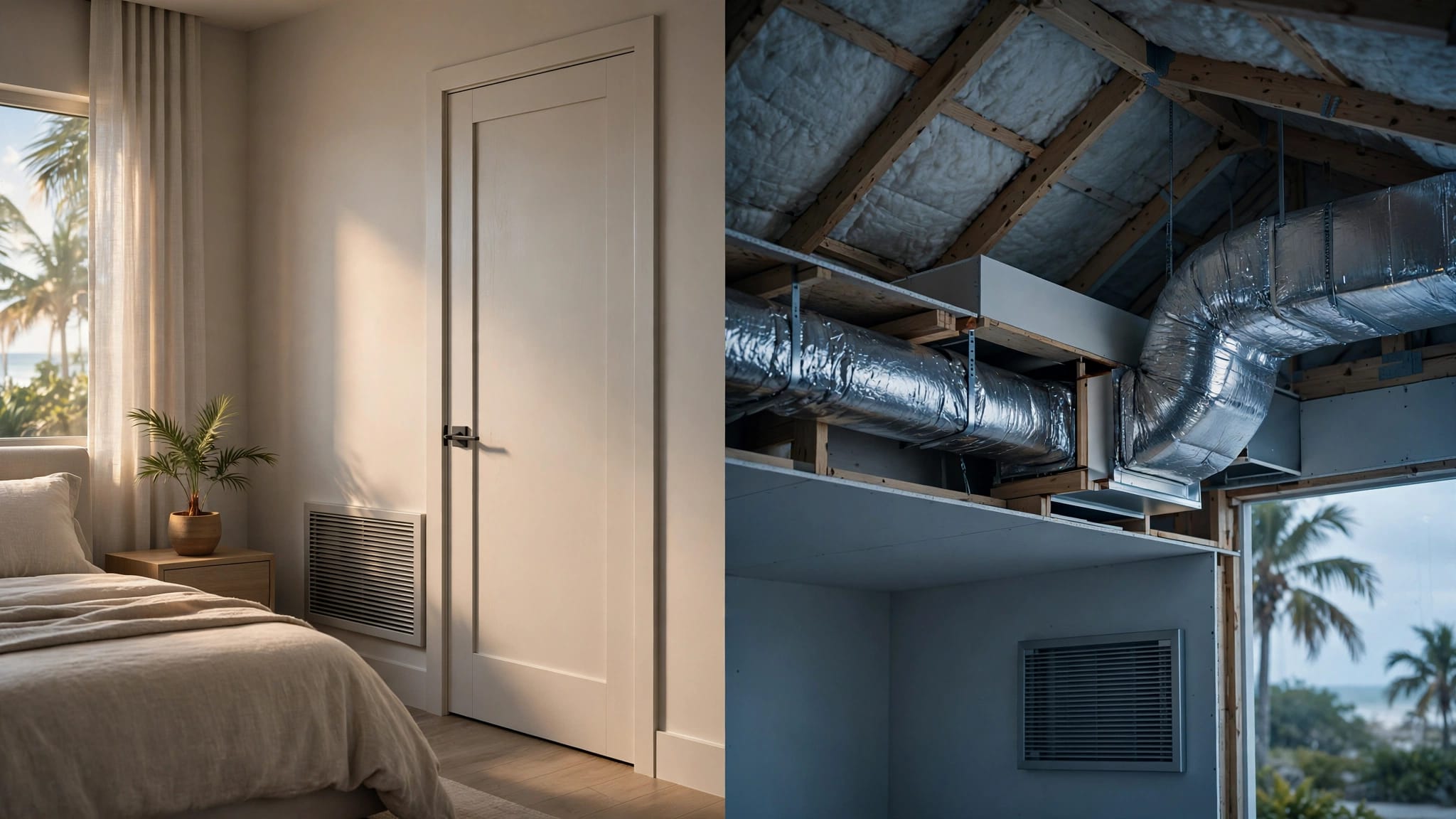
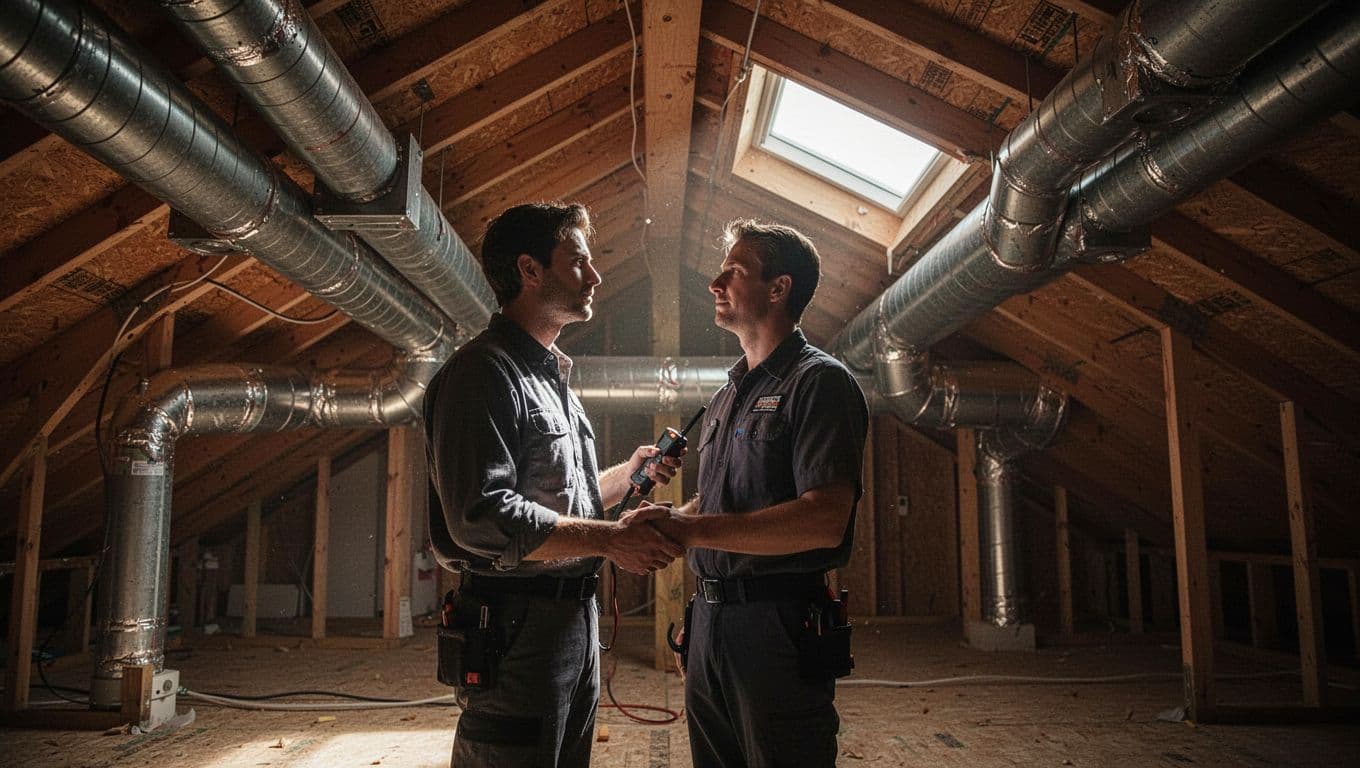
Attic ductwork creates another concern. Heat, age, past repairs, and foot traffic can compress flexible ducts or damage insulation. A kinked section may reduce airflow to a bedroom while forcing the blower to work against greater resistance.
Home additions and converted garages can also create duct problems. The original system may not have enough return or supply capacity for the added space. Closed bedroom doors can make the problem worse when the home lacks a return-air path.
Because Florida homes depend on air conditioning for much of the year, small airflow problems rarely get a long break. A pressure test can catch the issue before comfort problems become equipment problems.
Common signs your home may need a pressure test
Static pressure problems don't always produce an obvious failure. More often, the warning signs appear as gradual changes in comfort, sound, or system performance.
Pay attention to these patterns:
- One or two rooms stay warmer than the rest of the home, even when the thermostat reaches its setting.
- Supply vents have weak airflow, while the return grille whistles or makes a loud rushing sound.
- Interior doors move or become difficult to open when the air conditioner runs.
- The system develops a frozen indoor coil, especially when the filter is clean.
- Your home feels damp, or the air conditioner runs for long periods without maintaining comfort.
- Energy bills rise without a clear change in thermostat settings or weather.
These symptoms can come from other problems. Low refrigerant, a dirty coil, poor insulation, incorrect equipment sizing, and thermostat issues can create similar complaints. A pressure test helps separate duct and airflow problems from refrigeration or control problems.
Don't respond by closing more supply registers or installing a more restrictive filter. Those changes can increase resistance. Keep registers open, confirm that return grilles aren't blocked, and schedule a diagnostic visit when the problem continues.
What causes high AC static pressure?
Several parts of the system can restrict airflow. The location of the pressure increase helps a technician narrow the search.
A loaded or incorrectly sized filter is an easy place to start. A higher MERV rating isn't automatically harmful, but a filter with greater resistance can reduce airflow when the filter cabinet, blower, or ductwork can't support it. The replacement filter should match the size and requirements of the equipment.
Return-air restrictions are another frequent cause. An undersized return duct, blocked grille, closed door, or damaged return connection can prevent the blower from receiving enough air. The system may sound strained, and rooms may develop pressure differences when doors are closed.
On the supply side, crushed flex duct, closed dampers, dirty registers, and poorly designed branch ducts can limit delivery. A duct that bends sharply in an attic may look intact from the outside while its inner liner blocks part of the passage.
A dirty evaporator coil or blower wheel can also interfere with airflow. Dust on the blower wheel changes how efficiently it moves air. Debris on the indoor coil reduces the open space between fins and increases pressure drop.
Blower settings matter too. A speed setting that doesn't match the duct design can create low airflow, excessive noise, or high external static pressure. Changing the speed without checking the equipment and ductwork can make the system less stable.
How a technician should use the test results
A useful pressure test ends with an explanation, not only a number. The technician should tell you whether the restriction is on the return side, supply side, filter, coil, or another part of the system.
Some fixes are straightforward. Replacing the correct filter, cleaning a dirty blower wheel, or removing an obstruction may restore airflow. Other repairs require more work, such as replacing crushed duct sections, sealing disconnected joints, resizing a return duct, or adding a properly designed return path.
Duct sealing can reduce unwanted air loss, but it may not solve an undersized duct. Likewise, opening registers won't correct a return system that cannot supply the blower with enough air.
A technician may also check temperature change across the indoor coil, refrigerant performance, blower operation, and humidity levels. These measurements help confirm whether the pressure problem is affecting cooling performance or whether another fault is present.
When a replacement system is under consideration, include duct evaluation in the estimate. Installing a new air handler or condenser without correcting a restrictive duct system can leave the same rooms uncomfortable.
During AC static pressure testing, ask the technician for:
- The total external static pressure reading.
- Separate return-side and supply-side readings.
- The pressure drop across the filter and indoor coil.
- The equipment's rated airflow and maximum external static pressure.
- A clear explanation of which repair should happen first.
If the same rooms remain uncomfortable or your system repeatedly freezes, Contact Us to schedule a service call. A trained HVAC technician can test the system and explain the repair options.
When to schedule testing and how to prepare
Schedule an airflow evaluation when comfort problems return after filter changes, when ductwork has been altered, or when an older system receives a new blower or indoor coil. Testing also makes sense during a larger maintenance visit, especially if the system has become noisier or run times have changed.
Before the appointment, note which rooms feel warm, when the problem occurs, and whether it changes when interior doors are open. Have the filter size available, and mention any recent remodeling, duct repairs, water damage, or equipment replacement.
Leave supply registers open and keep return grilles clear. Don't drill test holes, change blower settings, or remove panels yourself. The test requires the system to operate safely and the readings to reflect normal conditions.
Ask whether the service price covers only diagnosis or includes access to attic ductwork and component inspections. The total cost varies when repairs, coil cleaning, duct modifications, or additional diagnostic work are needed. A written explanation helps you compare the recommendation with the actual pressure readings.
A pressure test can prevent guesswork
When an air conditioner struggles to cool a Florida home, the airflow path deserves attention. AC static pressure testing shows how hard the blower must work and helps locate the restriction.
A clean filter may solve a minor problem, but persistent weak airflow, high humidity, noisy returns, or frozen coils require a broader diagnosis. Testing the duct system before replacing major equipment can help you address the real cause instead of repeating the same comfort complaint with a new system.
Conclusion
Florida homeowners depend on reliable airflow through long, humid cooling seasons. A pressure test can connect the symptoms you notice, such as hot rooms or loud vents, to a measurable problem inside the HVAC system.
The most useful result is a clear answer about where airflow is being restricted and what repair fits the equipment. When comfort changes, testing early can protect system performance and help keep a small duct or filter problem from becoming a larger repair.